
 English
 Español
 عربى
عربىCat:RO Membrane
Specification and size: ULP-4040; ULP-8040 Reverse osmosis (RO) membranes are vital components in water filtration systems, particularly in desalinat...
See DetailsService hotline: +86-13396595772


Hard water affects millions of households, yet many homeowners remain unaware of the hidden financial burden it creates. When water contains high concentrations of minerals like calcium and magnesium, it leaves deposits throughout your plumbing system, appliances, and fixtures. These mineral accumulations force your water-heating equipment to work harder, consume more energy, and require premature replacement.
The average household with hard water spends significantly more on utilities, appliance repairs, and replacements than those with treated water. Over a decade, these costs can accumulate to thousands of dollars. Installing a water softener system represents an investment that pays dividends through multiple financial channels, making it one of the most cost-effective home improvements available.
Hard water minerals form scale deposits on heating elements in water heaters, dishwashers, and washing machines. This insulating layer of scale forces appliances to use more energy to reach desired temperatures, similar to how a blanket of dust reduces a furnace's efficiency.
A water heater operating with significant scale buildup consumes approximately 15-25% more energy than one processing softened water. This increased consumption reflects itself directly in monthly utility bills. For a household using an electric water heater, the additional annual energy cost can reach $200 to $400, depending on local electricity rates and water hardness levels.
Consider a practical scenario:
This household would save approximately $112 annually on water heating alone. Over 10 years, the cumulative savings reach $1,120 before accounting for inflation or rate increases. If electricity costs rise at even 2% annually, the 10-year savings climb to approximately $1,240.
Washing machines require less detergent when processing softened water, as minerals don't interfere with soap effectiveness. Dishwashers run more efficiently without scale buildup on spray arms and heating elements. These efficiency gains extend across all appliances using hot water, creating compounding savings throughout the household.
Water heaters typically last 8-12 years under normal conditions. With hard water, this lifespan reduces to 5-8 years. Scale accumulation forces the heating element to work harder and hotter, accelerating wear and component failure. A water heater replacement costs $1,200 to $2,500 installed, representing a substantial unplanned expense.
Washing machines face similar challenges, with hard water reducing typical lifespans from 10-12 years to 6-8 years. Mineral deposits damage seals, corrode metal components, and create mechanical stress. Replacement costs typically range from $600 to $1,800 for reliable machines.
A household installing a water softening system at the time of water heater replacement extends the new heater's life by 3-4 years. This deferred replacement means avoiding another $1,200+ expense for approximately a decade. Similarly, protecting a washing machine through its full lifespan saves $600-1,200 in premature replacement costs.
Hard water accelerates the need for professional maintenance and repairs. Plumbers frequently address mineral-clogged fixtures, failed mixing valves, and water pressure issues in hard water systems. Annual maintenance calls for these issues cost $150-400. With softened water, most mineral-related issues disappear entirely, eliminating these recurring expenses.
Hard water deposits build within supply pipes, gradually reducing water flow and increasing pressure. Fixtures with aerators become clogged, shower heads experience reduced pressure, and water delivery problems compound over time. Each fixture replacement or professional cleaning adds to operational expenses.
Copper and galvanized pipes face dual threats from hard water: external scale buildup and internal corrosion acceleration. Hard water minerals can cause pinhole leaks in copper plumbing, leading to water damage and expensive pipe replacement. A single pinhole leak causing water damage can result in $5,000-15,000 in remediation costs.
Installing a water softener system prevents scale accumulation, maintains optimal water pressure, and eliminates the conditions that accelerate corrosion. Over 25-30 years, this protection preserves the integrity of your entire plumbing infrastructure, potentially saving $3,000-10,000 in pipe replacement and water damage repairs.
Hard water minerals react with soap and detergent molecules, creating insoluble compounds that reduce cleaning effectiveness. Hard water users require 50-100% more detergent to achieve equivalent cleaning results compared to those using softened water. This applies to laundry detergent, dish soap, body wash, and all cleaning products.
A household spending $40 monthly on detergent and cleaning products with hard water can reduce expenses to approximately $20-25 monthly after installing a water softener. This represents $180-240 in annual savings, totaling $1,800-2,400 over a decade.
Hard water leaves residue on hair, skin, and teeth, necessitating additional personal care products. Users report purchasing more shampoo, conditioner, and soap to achieve satisfactory results. Household surfaces require more frequent cleaning due to mineral residue accumulation. Softened water allows standard product quantities to deliver superior results, reducing both chemical consumption and environmental impact.
| Category | Monthly Hard Water Cost | Monthly Softened Water Cost | Annual Savings |
|---|---|---|---|
| Laundry Detergent | $15 | $8 | $84 |
| Dish Soap & Dishwasher Pods | $12 | $6 | $72 |
| Personal Care Products | $10 | $5 | $60 |
| General Cleaning Products | $8 | $5 | $36 |
| Total Monthly | $45 | $24 | $252 |
A residential water softener system typically costs $500-2,000 for equipment, with installation ranging from $200-1,000 depending on complexity and local labor rates. The system type significantly influences cost: salt-based systems range from $600-1,500, while salt-free alternatives may cost $1,000-3,000. Dual tank systems and smart monitoring capabilities add $300-800 to total expenses.
Annual operating costs include salt or regenerant replacement and periodic maintenance. Salt-based systems require 100-300 pounds of salt annually, costing $50-150 per year depending on water hardness and consumption. Maintenance typically involves annual inspections or filter changes, adding $50-150 annually.
Total annual operating costs average $100-300, significantly lower than the recurring expenses associated with untreated hard water. Over 15 years (typical system lifespan), operating costs accumulate to $1,500-4,500, still substantially less than the savings generated.
A household investing $1,500 in a water softener system with annual operating costs of $150 achieves payback within 18-24 months through combined energy savings, reduced chemical expenses, and avoided appliance repairs. After the initial payback period, every dollar of savings contributes directly to household finances for the remainder of the system's 15-20 year operational life.
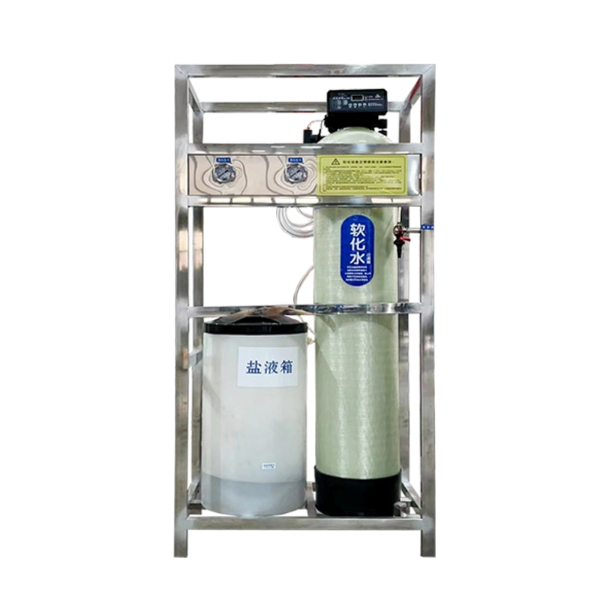
Salt-based systems provide the most cost-effective treatment for most households. Their lower initial cost, proven effectiveness, and minimal maintenance requirements make them financially attractive. These systems regenerate through salt-driven ion exchange, consuming salt at rates proportional to hardness levels and household water consumption.
Financial advantages include lower initial investment ($600-1,500), predictable operating costs ($100-200 annually), and maximum cost savings through improved efficiency. Disadvantages include ongoing salt purchases and occasional wastewater disposal considerations in environmentally sensitive areas.
Salt-free systems, including template-assisted crystallization and magnetic approaches, require higher initial investment ($1,200-3,000) but eliminate ongoing salt costs. These systems appeal to environmentally conscious households or those in areas restricting salt-based systems.
Financial analysis reveals that salt-free systems recover higher initial costs over longer periods. A $2,500 salt-free system with zero annual operating costs requires approximately 4-5 years to achieve parity with a $800 salt-based system costing $150 annually to operate. However, over 15-20 year lifespans, both approaches achieve similar total cost of ownership when factoring in durability and maintenance requirements.
Advanced systems with monitoring capabilities, automatic regeneration optimization, and water usage tracking add $300-800 to equipment costs. These investments reduce water waste during regeneration, optimize salt consumption based on actual usage patterns, and prevent system malfunctions through remote diagnostics.
Smart system features reduce annual operating costs by 10-20% through optimized regeneration cycles, translating to $15-30 additional annual savings. Over 15 years, this efficiency gain accumulates to $225-450 in additional savings, potentially justifying the higher initial investment for high-consumption households.
Hard water damages skin and hair through mineral residue accumulation. Users report drier skin, itchiness, and reduced natural moisture retention. Hard water creates similar effects on hair, causing dullness, frizz, and difficulty styling. These conditions often prompt increased spending on moisturizers, scalp treatments, and specialized hair products.
Individuals installing water softeners frequently reduce personal care expenses as skin and hair conditions improve. Reduced irritation means purchasing fewer specialized dermatological products. Hair maintenance becomes simpler, reducing the frequency of professional treatments and specialized product purchases.
Softened water improves dishwashing results, eliminating the mineral spots and film common with hard water. Clothes wash cleaner without mineral residue, improving both cleanliness and garment longevity. Bathroom fixtures maintain their appearance longer without unsightly mineral deposits.
These aesthetic improvements reduce the perceived need for frequent professional cleaning services and specialty cleaning products. Homeowners report spending 20-30% less on housekeeping-related expenses as water-related cleanliness issues diminish.
A household of four in an area with 18 grain per gallon water hardness installs a mid-range water softener system costing $1,200 with a $400 installation fee. Annual operating costs total $180 for salt and basic maintenance.
Year-by-year financial breakdown:A single-person household in an area with 12 grain per gallon hardness invests $800 in a compact water softener system with $200 installation. Annual operating costs average $120.
Financial progression:A household with high water consumption installs a smart water softener system costing $2,200 with optimization capabilities. Annual operating costs total $140 through automated efficiency features.
Extended timeline analysis:Softened water allows appliances to operate more efficiently, reducing overall water consumption. Washing machines clean effectively with less water, dishwashers achieve better results with smaller quantities, and showers feel satisfying with reduced flow rates. Over a household's lifetime, these efficiency gains accumulate to thousands of gallons of conserved water.
In regions where water represents a metered utility, conservation directly reduces monthly water bills. A household reducing water consumption by 10% saves approximately $100-200 annually in water charges. Over 15 years, this conservation produces savings of $1,500-3,000 while simultaneously reducing environmental impact and supporting water preservation efforts.
Reduced hot water consumption translates directly to lower energy requirements, decreasing carbon footprint associated with household operations. The collective impact of millions of households installing water softeners extends far beyond individual savings, contributing meaningfully to community-wide energy conservation and environmental protection.
Water softener systems require minimal maintenance compared to complex home appliances. Annual inspections, resin bed cleaning every 5-10 years depending on water quality, and salt tank refills comprise standard maintenance. These preventive measures cost $50-150 annually and prevent expensive system failures.
Quality water softening systems operate effectively for 15-20 years with proper maintenance. This extended lifespan distributes initial investment across decades, reducing annual cost of ownership. A system costing $1,600 installed and operating for 17 years costs approximately $94 annually when accounting for all expenses, creating an economically efficient solution compared to managing hard water consequences.
As systems approach end-of-life, replacement at year 15-18 extends the financial benefits for another 15-20 years, cementing water softening as a long-term economic strategy rather than temporary expense.
Evaluate your specific situation through these financial lenses:
Water Hardness Levels:Calculate your specific break-even point by summing your annual savings from energy reduction, detergent savings, and avoided repairs, then divide total system cost by this annual savings figure. Most households achieve break-even within 18-36 months, with subsequent years producing pure financial benefit.
Most households recover their investment within 18-36 months through combined energy savings, chemical expense reductions, and avoided appliance repairs. High-hardness water households and those with older appliances frequently achieve payback within 12-18 months. After the initial payback period, all savings represent direct financial benefit for the remaining system lifespan of 15-20 years.
Annual operating costs typically range from $100-300, primarily consisting of salt or regenerant replacement and routine maintenance. Salt-based systems cost $50-150 annually for salt, with maintenance adding $50-150. These predictable expenses remain substantially lower than the recurring hard water costs they replace, ensuring continued financial benefit throughout system operation.
Yes, water softener systems reduce heating costs by preventing mineral scale accumulation on heating elements. A water heater without scale buildup consumes 15-25% less energy, translating to $200-400 annual savings for typical households. These energy savings represent one of the most significant financial benefits of water softening.
Absolutely. Hard water causes mineral deposits in pipes, leading to reduced water pressure, fixture clogs, and eventual corrosion damage. These conditions necessitate expensive professional drain cleaning, pipe repairs, and water damage remediation. Water softening prevents these issues entirely, eliminating ongoing plumbing expenses while protecting your home's infrastructure investment.
Households typically reduce detergent consumption by 50-75% when using softened water, as minerals no longer interfere with soap effectiveness. Average annual savings range from $150-300 across laundry, dishwashing, and personal care products. Over a 15-year system lifespan, cumulative detergent savings reach $2,250-4,500.
Salt-based systems offer lower initial investment and operating costs, achieving payback within 18-24 months. Salt-free systems require higher initial investment but eliminate ongoing salt costs, achieving similar total cost of ownership over 15-20 year periods. Your choice should reflect local water hardness, environmental considerations, and available budget.
Yes, installed water softener systems frequently increase home value by improving appliance longevity, plumbing integrity, and overall home condition. Potential buyers recognize the financial benefits and protection these systems provide, making them attractive features during property transactions. While specific value increases depend on local market conditions, the systems typically add $1,000-3,000 in perceived value.
Some water utilities offer rebates or incentive programs encouraging water conservation through softening systems. Local municipal governments occasionally provide tax credits for home efficiency improvements. Research your specific region's programs, as available incentives can reduce effective system costs by 10-25%, further improving financial return.
Determine your water hardness level through testing, estimate annual water consumption, identify current hardness-related expenses (appliance repairs, chemical purchases, energy costs), and research system costs in your area. Sum annual hard water expenses and compare against system cost plus annual operating expenses. Most households find the ROI exceeds 30-40% annually after initial payback periods.
Most water softener systems remain with the home during sale, benefiting new owners. The installed system typically increases property appeal and perceived value. If moving and taking your system, potential replacement costs for new owners often makes the home less attractive to hard water area buyers, but your used system maintains residual value for personal relocation or sale.
Water softener systems represent one of the most cost-effective home improvements available to households facing hard water challenges. The financial benefits extend across multiple channels: reduced energy consumption, extended appliance lifespan, decreased chemical expenses, and eliminated hard water damage. While initial investment requires capital outlay, the rapid payback period and extended system lifespan ensure substantial long-term financial benefit.
Households with high water hardness, older appliances, or high water consumption achieve the most significant savings, frequently recovering investment within 12-18 months. Even moderate-hardness households benefit from water softening, reaching payback within 2-3 years and accumulating $5,000-10,000 in savings over system lifespans.
Beyond financial considerations, water softening improves quality of life through cleaner dishes, softer laundry, better personal hygiene, and reduced household maintenance demands. When combined with measurable financial savings, water softening becomes a strategic investment that improves both household economics and daily living experience. By understanding the comprehensive financial impact of water softening systems, homeowners can make informed decisions that align with their economic and lifestyle priorities.
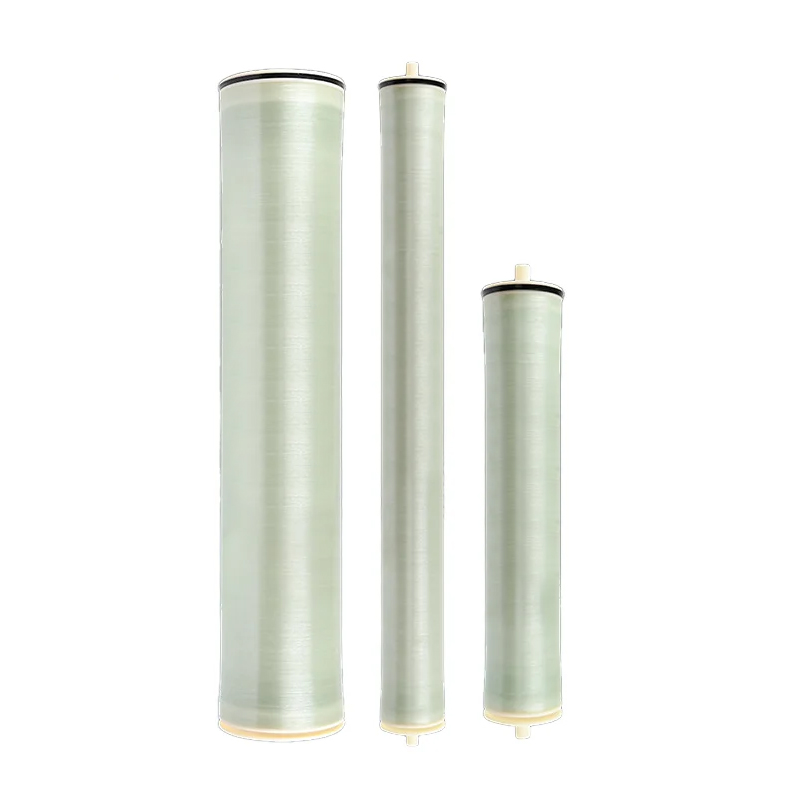
Specification and size: ULP-4040; ULP-8040 Reverse osmosis (RO) membranes are vital components in water filtration systems, particularly in desalinat...
See Details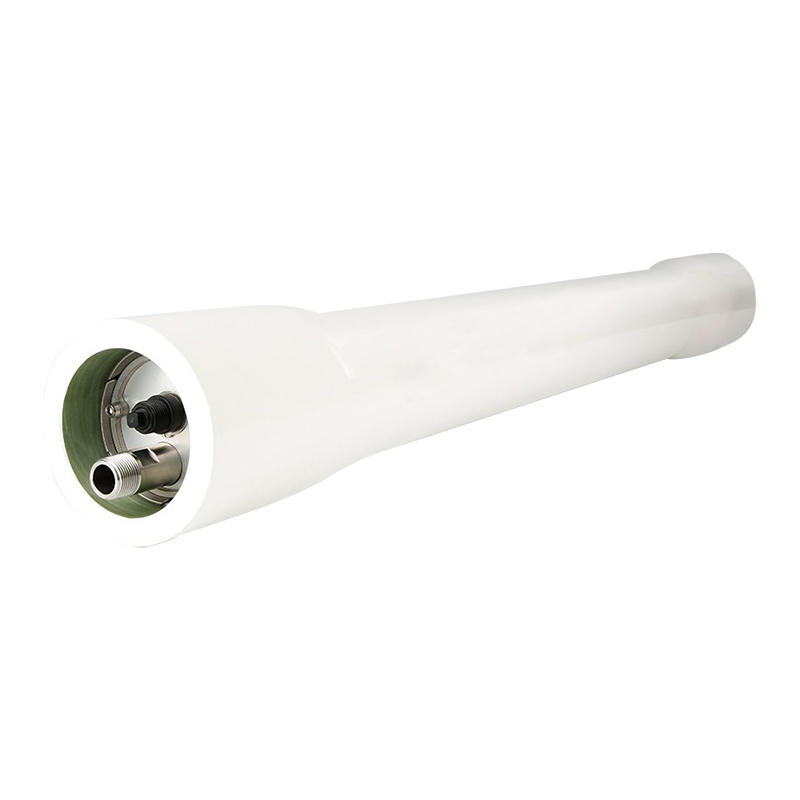
Fiber Reinforced Polymer (FRP) Reverse Osmosis (RO) membrane shells are highly sought-after for water treatment systems operating in corrosive environ...
See Details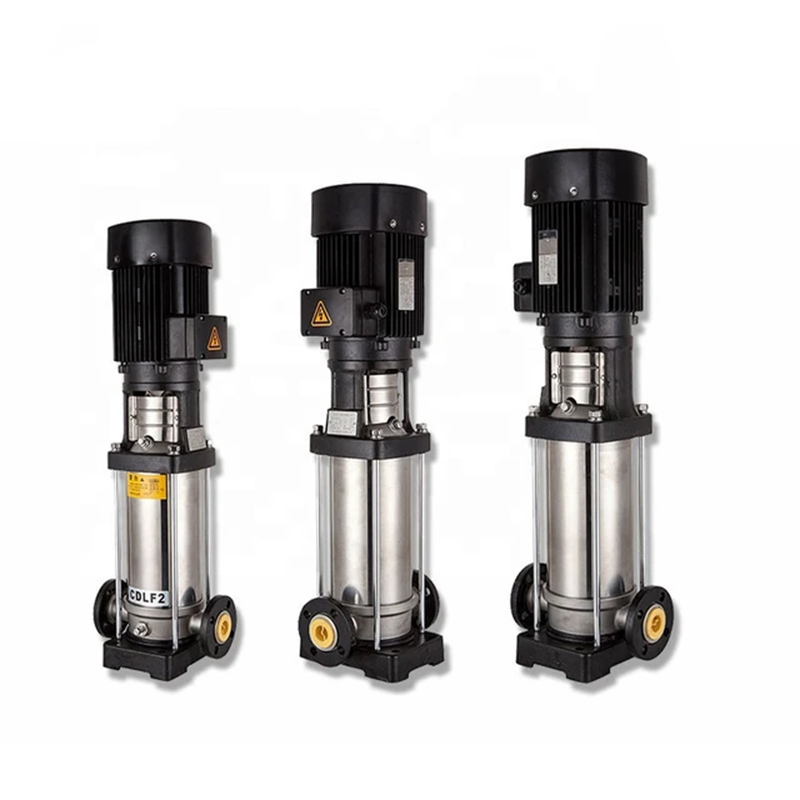
The CNP vertical multi-stage centrifugal booster water pump is an efficient and reliable industrial pump designed to meet various hydraulic booster ne...
See Details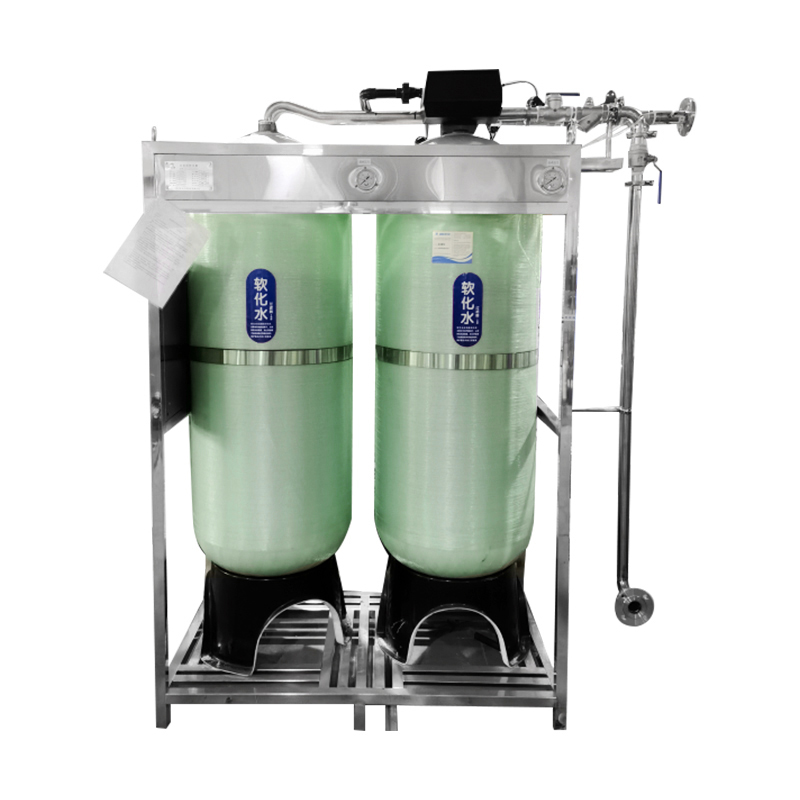
Commercial and Industrial Water Softening Systems are highly efficient water treatment solutions designed for commercial and industrial areas. Utilizi...
See Details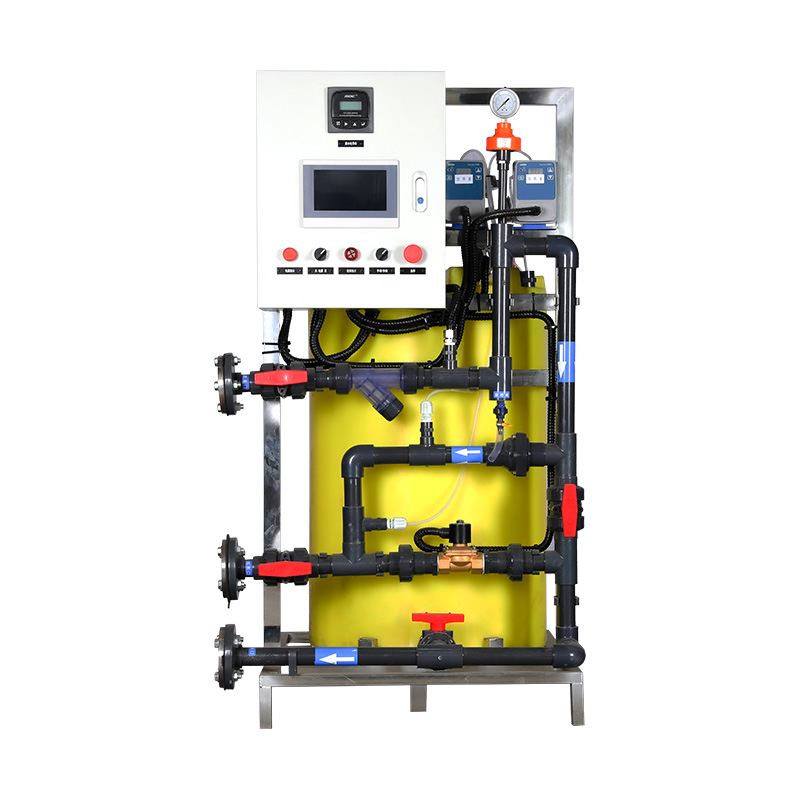
The dosing system is a device that integrates dosing, stirring, liquid transportation, and automatic control. It is mainly used in power plant raw wat...
See Details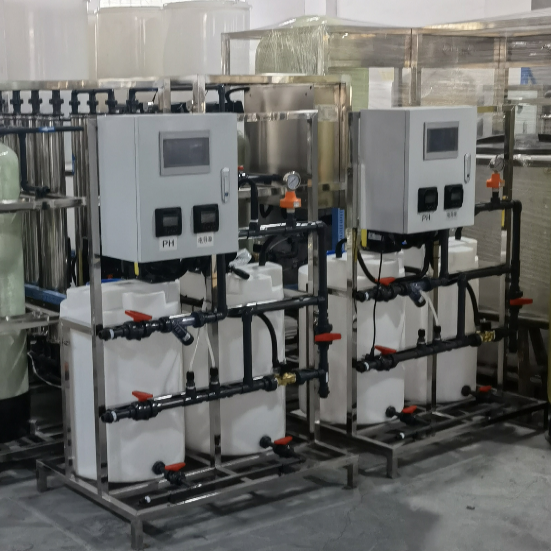
Scale-inhibiting and sterilizing PLC system circulating water dosing device is an efficient dosing device designed for circulating water system. It is...
See Details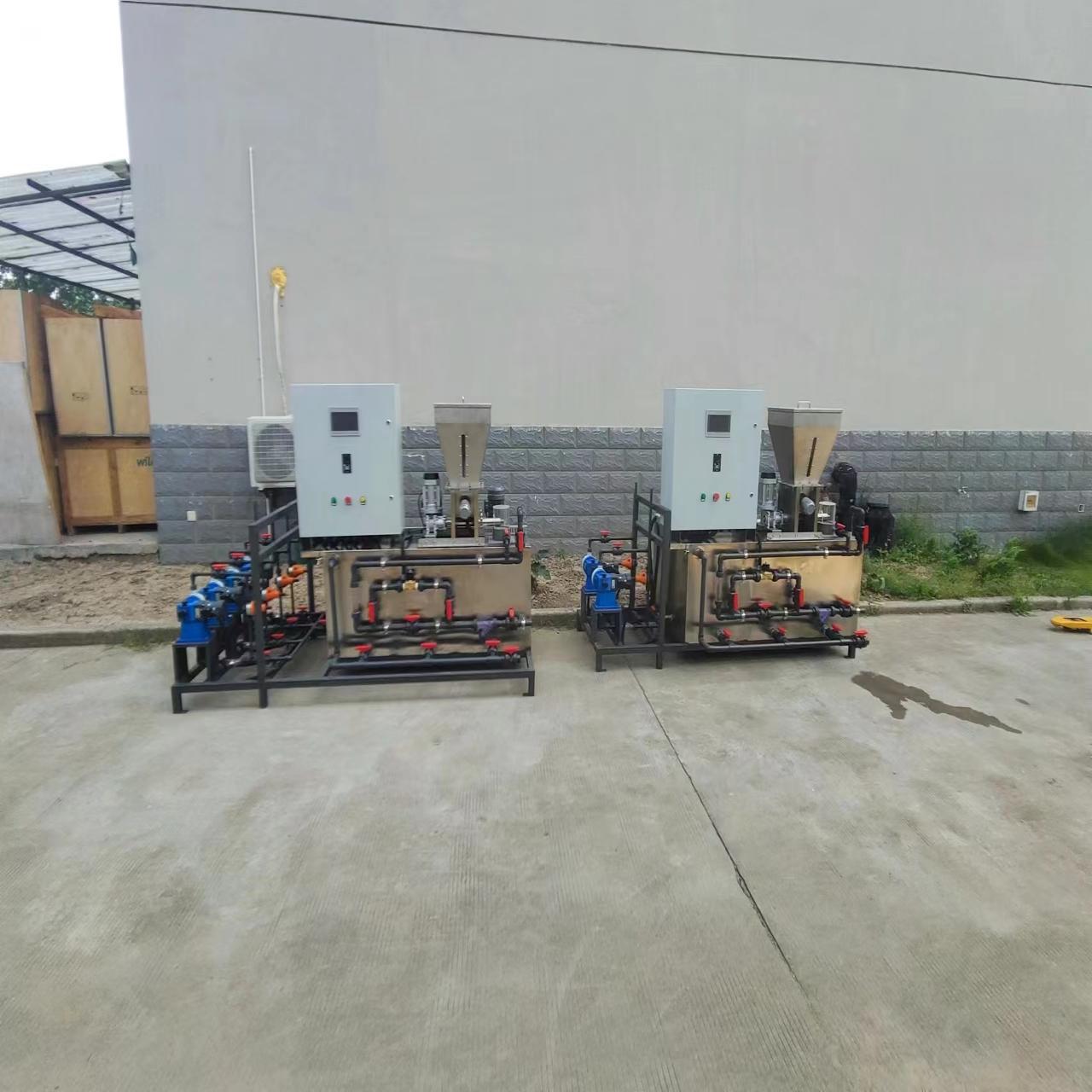
The integrated PAC PAM dosing device is an integrated water treatment equipment, which is specially used for adding agents such as polyaluminium chlor...
See Details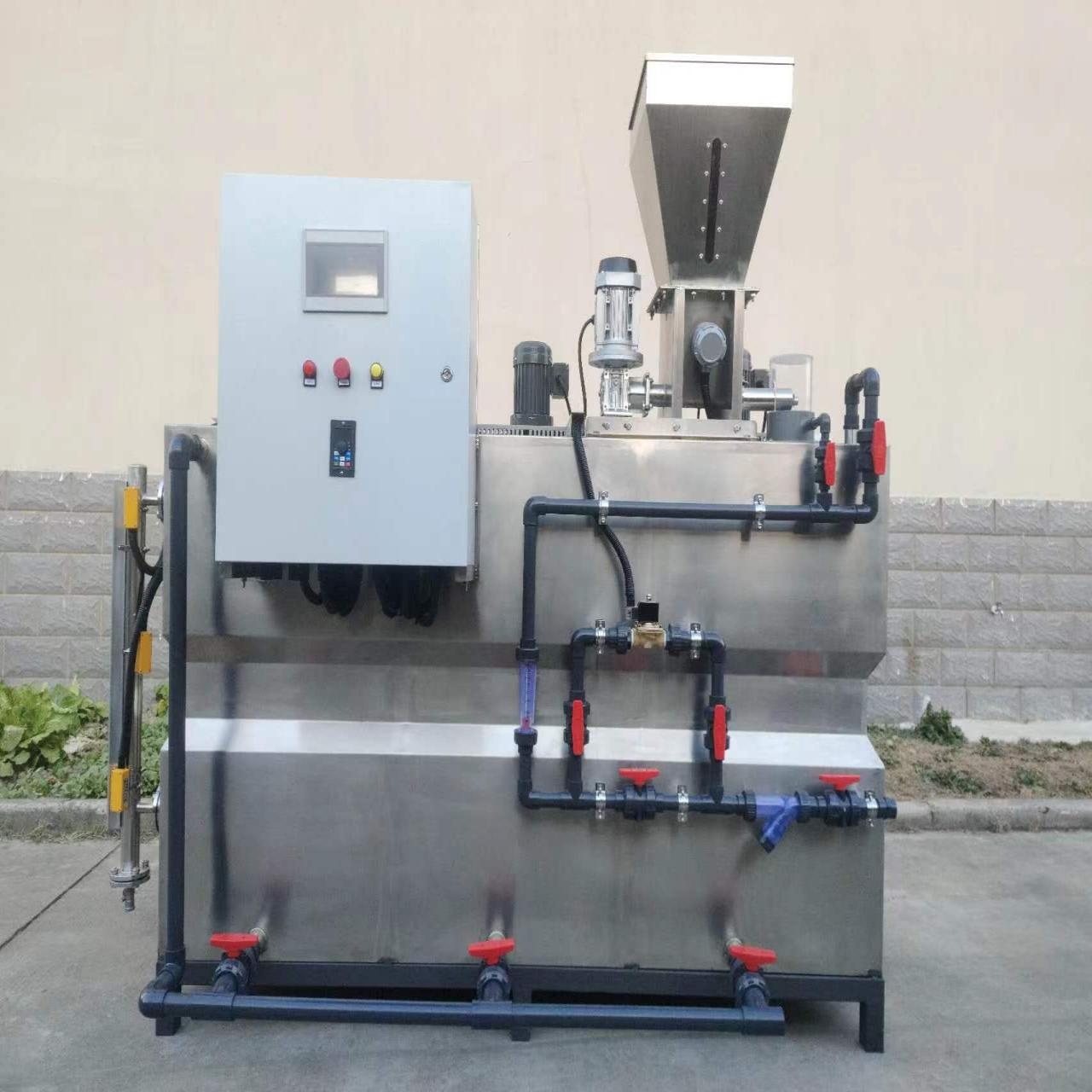
The integrated medicine soaking machine dosing device is a device designed specifically for the water treatment field, mainly used for efficient disso...
See Details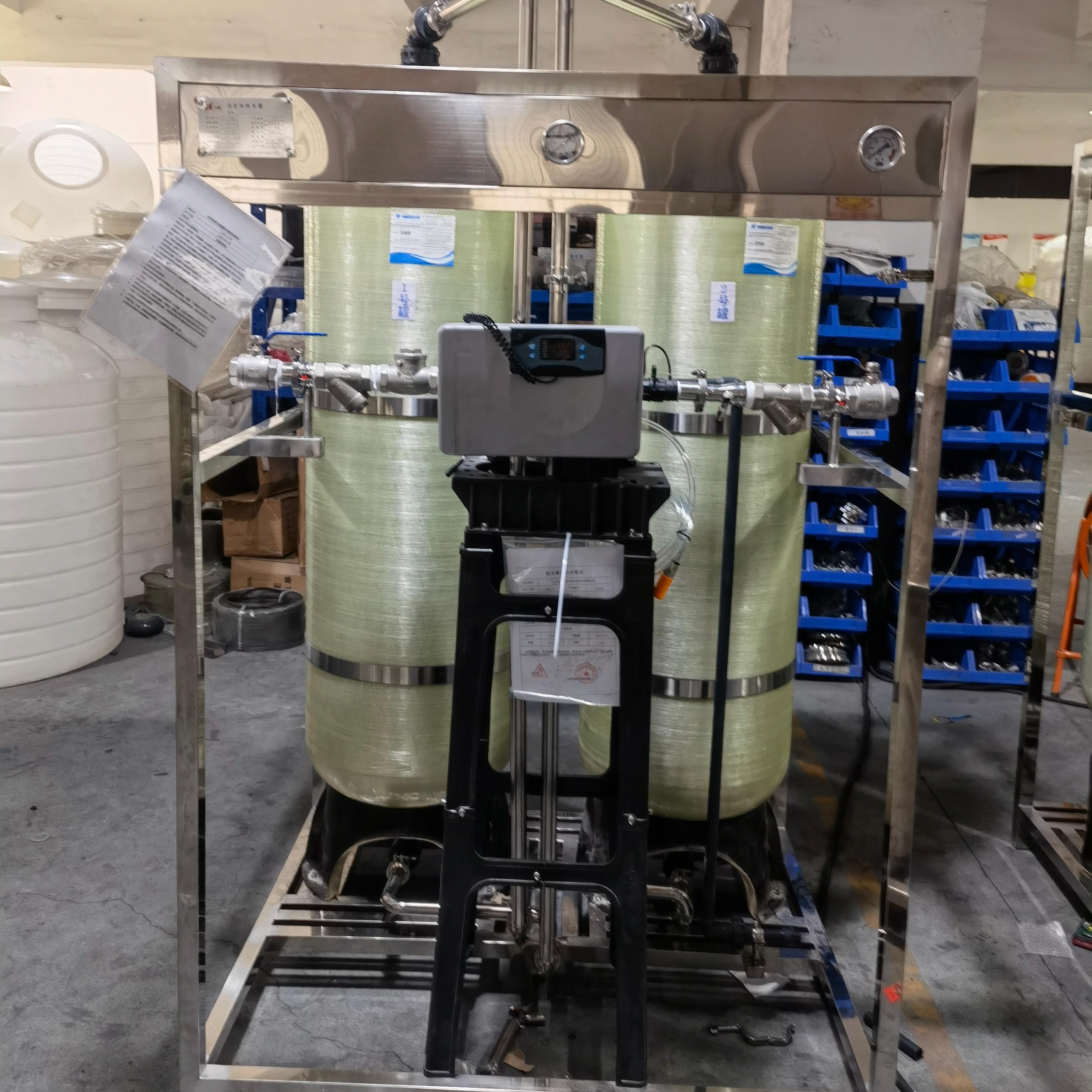
5-ton single valve dual tank, one for use and one for standby is a high-efficiency equipment designed for water treatment. It adopts a single valve du...
See Details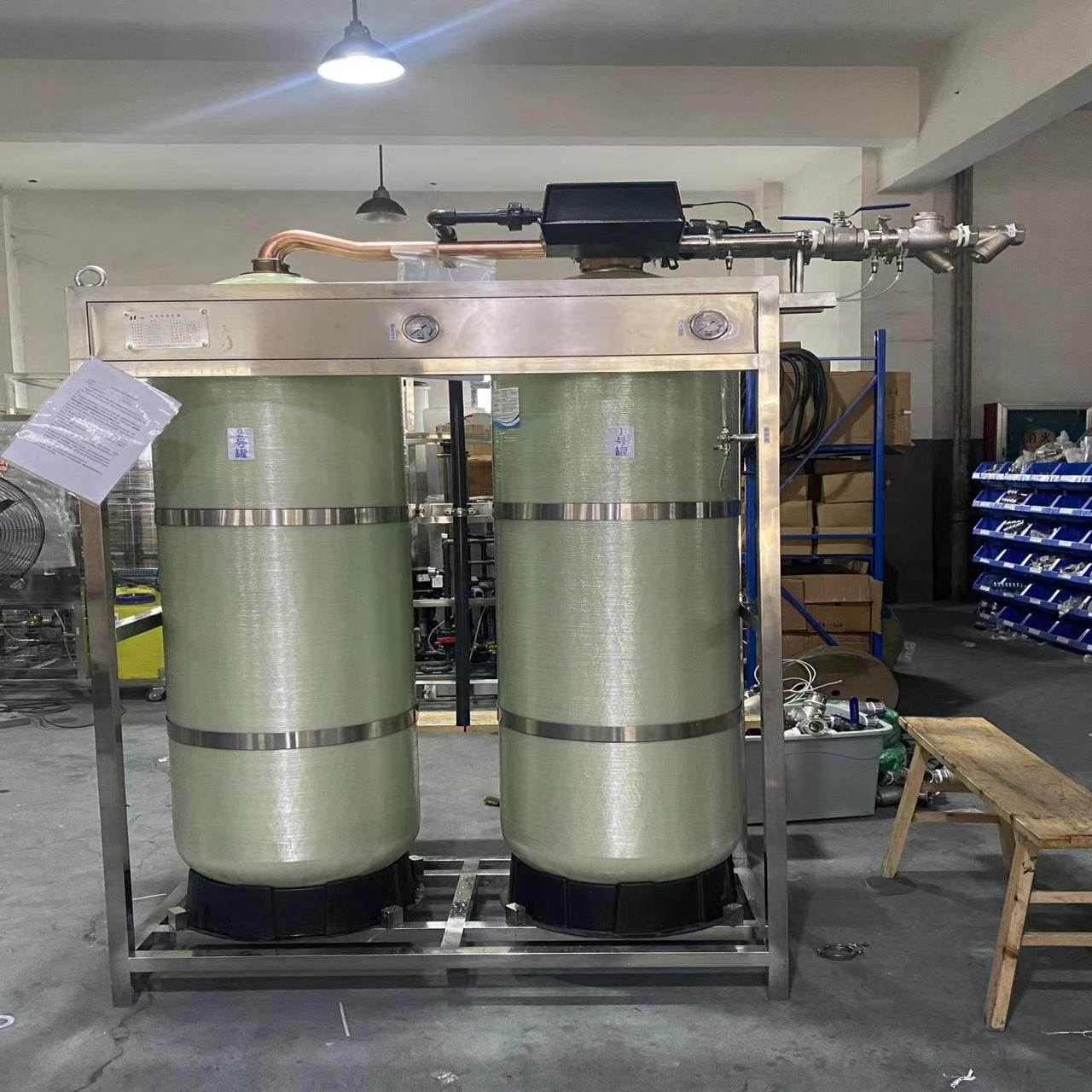
5-6 tons single valve double tank, one for use and one for standby is a device designed for medium and large water treatment systems. It has two indep...
See Details
+86-13396595772
[email protected]
[email protected]
[email protected]
[email protected]
Room 508, Xingyuncheng, No.15 Xingling Street, Xingqiao Street, Linping District, Hangzhou City, Zhejiang Province.
Copyright ©2024 Hangzhou Roushui Environmental Protection Technology Co., Ltd. All Rights Reserved. Custom Industrial Civil Water Treatment Purification Equipment Manufacturers
