
 English
 Español
 عربى
عربىCat:RO Pure Water Systems
The pure water industrial RO water treatment system is an efficient and reliable water treatment equipment specially designed to meet the demand for p...
See DetailsService hotline: +86-13396595772


Water rich in dissolved calcium and magnesium is called hard water, and its effects are easy to underestimate. In a household, hard water leaves spots on glassware and makes soap less effective. In industrial and commercial settings, the same minerals deposit as scale inside boilers, heat exchangers, cooling loops, and pipework. Over time that scale reduces efficiency and shortens equipment life. This is why water softener systems have become a standard part of water treatment design in hotels, food plants, laundries, hospitals, and many other facilities.
Scale is a poor conductor of heat. A deposit only a few millimeters thick on a heating surface forces a boiler or heat exchanger to work harder to reach the same output. Operators then see higher fuel consumption, more frequent descaling, greater use of cleaning chemicals, and unplanned shutdowns. Hard water also affects product quality. Beverages can turn cloudy, textile dyes can shift in color, and guests may complain about dry skin and hair after showering.
The cost of hard water is rarely a single dramatic failure. It is a steady accumulation of small losses in energy, maintenance labor, and product consistency, and those losses compound over the life of the equipment.
Hardness is usually reported in milligrams per liter as calcium carbonate, and the commonly used classification bands look like this:
Water in the upper bands will cause scale in almost any heated system, and many facilities in the hard and very hard categories choose treatment as a standard specification rather than an optional upgrade. Understanding how the treatment works is the first step toward selecting equipment that fits the application.
Most modern softening equipment relies on ion exchange. The core of the system is a bed of small resin beads, usually made from polystyrene with a sulfonate functional group. These beads carry sodium ions on their surface. When hard water flows through the bed, calcium and magnesium ions are attracted to the resin more strongly than sodium ions, so they swap places. The calcium and magnesium stay on the resin, and the water leaving the tank carries sodium instead. Because sodium salts do not form the same hard deposits, the water behaves very differently in heating equipment and pipework.
The resin sits in a pressure vessel, typically a fiberglass reinforced plastic tank, with a distributor at the top and a collector at the bottom. Water flows downward through the bed, and the distributor spreads it evenly so that no channel forms through the resin. Uneven flow is one of the most common reasons a softener underperforms, so proper internal design matters as much as resin quality. Once the sodium ions on the resin have been mostly replaced by hardness minerals, the bed is exhausted and can no longer soften water effectively.
A fully automatic system restores the resin without manual intervention. The control valve moves through a fixed sequence, and each stage has a specific purpose:
Regeneration is triggered either by a timer or by measured water volume. Volume-based control is usually more efficient because it regenerates only when the resin has actually processed a certain quantity of water, which saves salt and water on days with lower demand. Timer-based control remains common in simpler installations where usage is predictable.
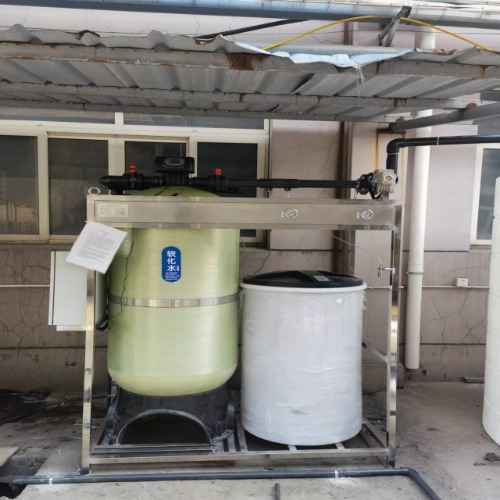
A fully automatic unit is more than a tank of resin. Each component contributes to reliable softening, and understanding their functions helps buyers judge build quality during evaluation.
| Component | Main Function | What to Check |
|---|---|---|
| Resin tank | Holds the resin bed under pressure | Wall thickness, pressure rating, and liner quality |
| Ion exchange resin | Captures calcium and magnesium ions | Exchange capacity and bead uniformity |
| Control valve | Sequences service and regeneration stages | Cycle accuracy and reliability of seals |
| Brine tank | Stores the salt solution for regeneration | Capacity, float valve, and ease of refilling |
| Frame and piping | Supports the unit and connects water lines | Corrosion resistance and bypass arrangement |
The control valve is the most important mechanical element. A well-designed valve maintains accurate timing, resists sediment, and seals reliably over thousands of cycles. The bypass arrangement is also worth examining, because it allows the system to be isolated for service without interrupting the supply entirely.
Facility managers usually evaluate softening equipment by how much it reduces ongoing cost and risk. The benefits go well beyond the appearance of clearer water.
In boiler plants, improvements in heat transfer usually appear first as lower fuel consumption and steadier steam temperatures. In hospitality, the most visible result is improved guest satisfaction, since softened water reduces the residue left on fixtures and the sensation of dryness on skin and hair.
Industrial users tend to see the fastest payback because scale and corrosion directly affect production capacity. Typical applications include steam and hot water boilers, cooling systems, process water lines, and equipment used in chemical processing. Textile and printing operations also depend on softened water, since hardness minerals can interfere with dye uptake and create uneven results on fabric.
Commercial buildings such as hotels, restaurants, apartment blocks, and office towers face a different set of pressures. Here the concerns are guest comfort, fixture longevity, and the reliability of hot water systems that serve many users at once. Facilities that install commercial softening units often report fewer complaints about spotting on fittings and less frequent replacement of water heaters and shower components.
Consider a 120-room hotel supplied with hard groundwater. Before treatment, the facility replaced heating elements on a regular schedule and relied on frequent descaling of its hot water loop. After installing an appropriately sized softener with volume-based regeneration, the maintenance team reduced descaling visits and extended the service interval for heating components. The result was a steadier hot water supply and fewer guest complaints, with the savings coming mostly from reduced labor and parts replacement.
Choosing the correct ion exchange softening equipment begins with understanding the source water and the demand profile of the building or process. An undersized unit will exhaust too quickly and leave hard water reaching the fixtures. An oversized unit may regenerate infrequently, which can allow resin fouling and bacterial growth in the tank if not managed properly. Good selection balances these risks against the expected peak and average usage.
A basic water test is the foundation of any specification. Buyers should collect the following information before requesting a proposal:
| Parameter | Why It Matters | Effect on Design |
|---|---|---|
| Total hardness | Determines the exchange load on the resin | Sets resin volume and regeneration frequency |
| Iron and manganese | Can foul resin and reduce capacity | May require pre-treatment or special resin |
| Total dissolved solids | Indicates overall mineral content | Influences salt consumption and outlet quality |
| Peak flow rate | Defines the hydraulic capacity required | Determines tank diameter and valve size |
| Operating pressure | Affects vessel rating and flow stability | Guides material and fitting selection |
Buyers who share complete water data and expected usage patterns usually receive more accurate proposals. Providing peak and average demand, operating hours, and any process-specific limits allows the design to match real conditions rather than generic assumptions.
Automatic systems reduce manual work, but they still require routine attention. Most performance problems trace back to neglected salt levels, fouled resin, or drifting control settings. A simple maintenance schedule helps prevent these issues from developing into costly failures.
A common mistake is allowing the brine tank to run low while the system appears to work normally. Softened water may continue for a time, but regeneration becomes incomplete and hardness begins to leak through without an obvious alarm.
Facilities that keep records of salt use, regeneration counts, and outlet hardness can spot trends early. A gradual increase in salt consumption for the same water volume, for example, may point to rising hardness in the source supply or to a valve that is regenerating more often than necessary.
Water softening is not simply a matter of removing minerals from a supply line. It is a design decision that affects energy use, equipment life, product consistency, and the daily workload of maintenance teams. Ion exchange remains the most widely used method because it is effective, well understood, and adaptable to a broad range of flow rates and water chemistries when the system is designed correctly.
The most successful installations start with accurate water analysis, a realistic view of demand, and a clear understanding of how the equipment will be maintained. When those elements align, softening delivers measurable value over many years of operation. Whether the application is a boiler plant, a commercial laundry, or a guest-facing building, the principles remain the same: match the resin capacity and control logic to the water and the load, and keep the system supplied and monitored.
Regeneration frequency depends on water hardness, the resin capacity, and the volume of water used. A system serving a high-hardness supply with heavy daily use may regenerate every day, while a lightly loaded unit on softer water may run for several days between cycles. Volume-based controls adjust automatically to actual use.
Size depends mainly on peak flow rate, total hardness, and the amount of water required between regenerations. Designers use these values to set resin volume and tank diameter. Providing accurate peak and average usage figures leads to a more reliable specification.
Softened water contains sodium in place of calcium and magnesium. For most people the amount is small, but those on sodium-restricted diets may prefer to use an untreated cold tap for drinking and cooking. Many facilities keep a separate untreated supply for potable outlets where local guidance requires it.
Common causes include low or empty brine tanks, exhausted resin, fouling from iron or sediment, blocked drain lines, and control valve faults. Regular outlet hardness checks and routine inspection of the brine tank help identify these problems before they affect the building.
In most cases yes, provided the existing pipework, drainage, power supply, and available floor space are suitable. A water analysis and site survey are needed first so the unit can be sized correctly and connected with an appropriate bypass arrangement for future maintenance.
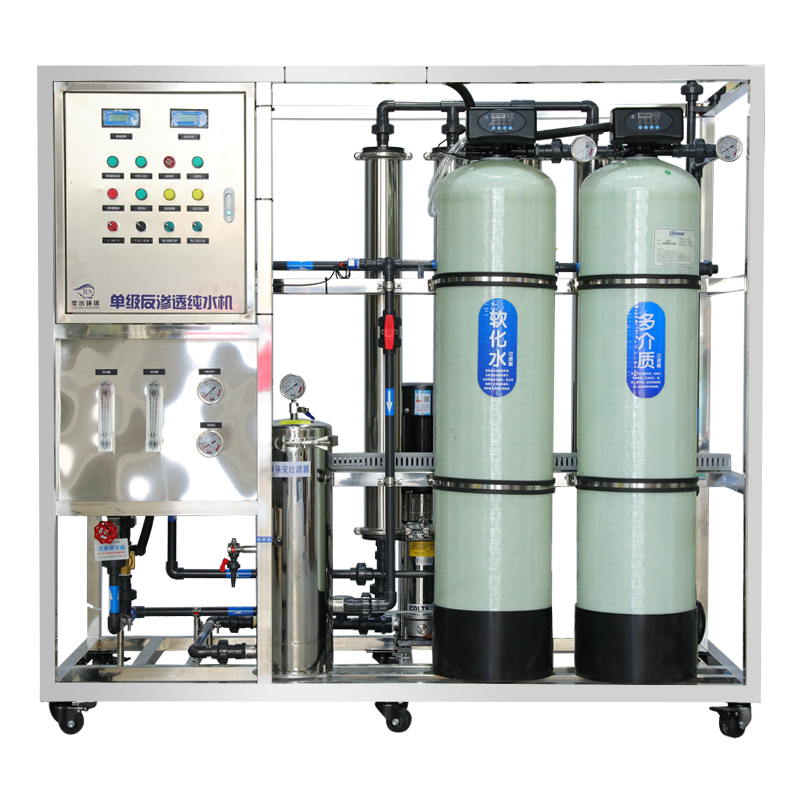
The pure water industrial RO water treatment system is an efficient and reliable water treatment equipment specially designed to meet the demand for p...
See Details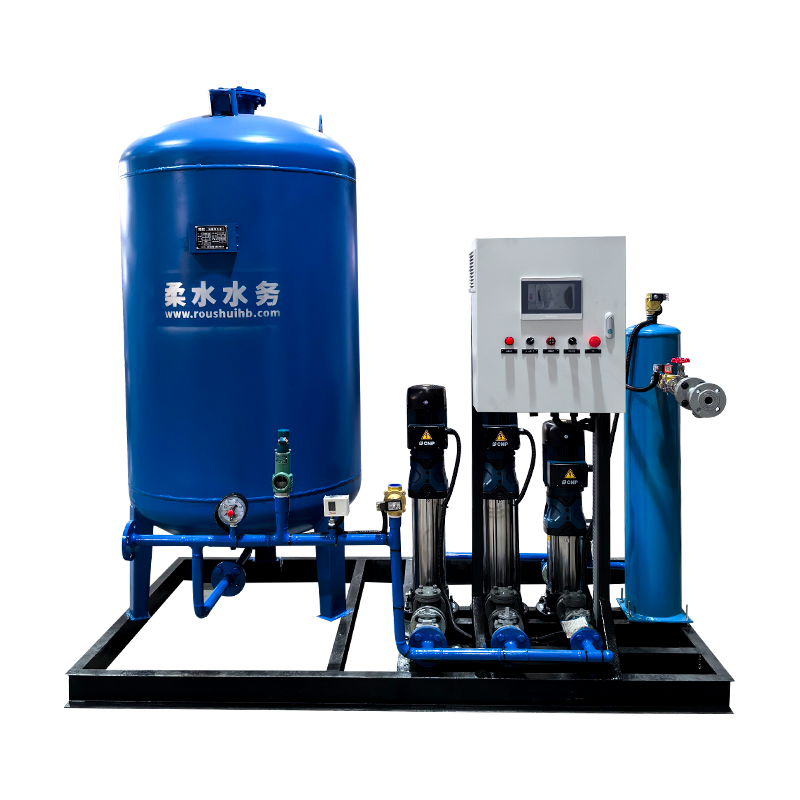
This equipment is a water supply system specially designed to provide stable water pressure. It combines the design of a water pump and an expansion t...
See Details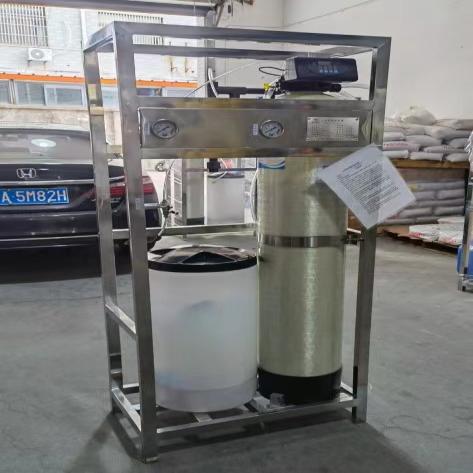
1 ton single tank is a device for storing and dosing water treatment chemicals, usually used in the dosing link of water treatment systems. The device...
See Details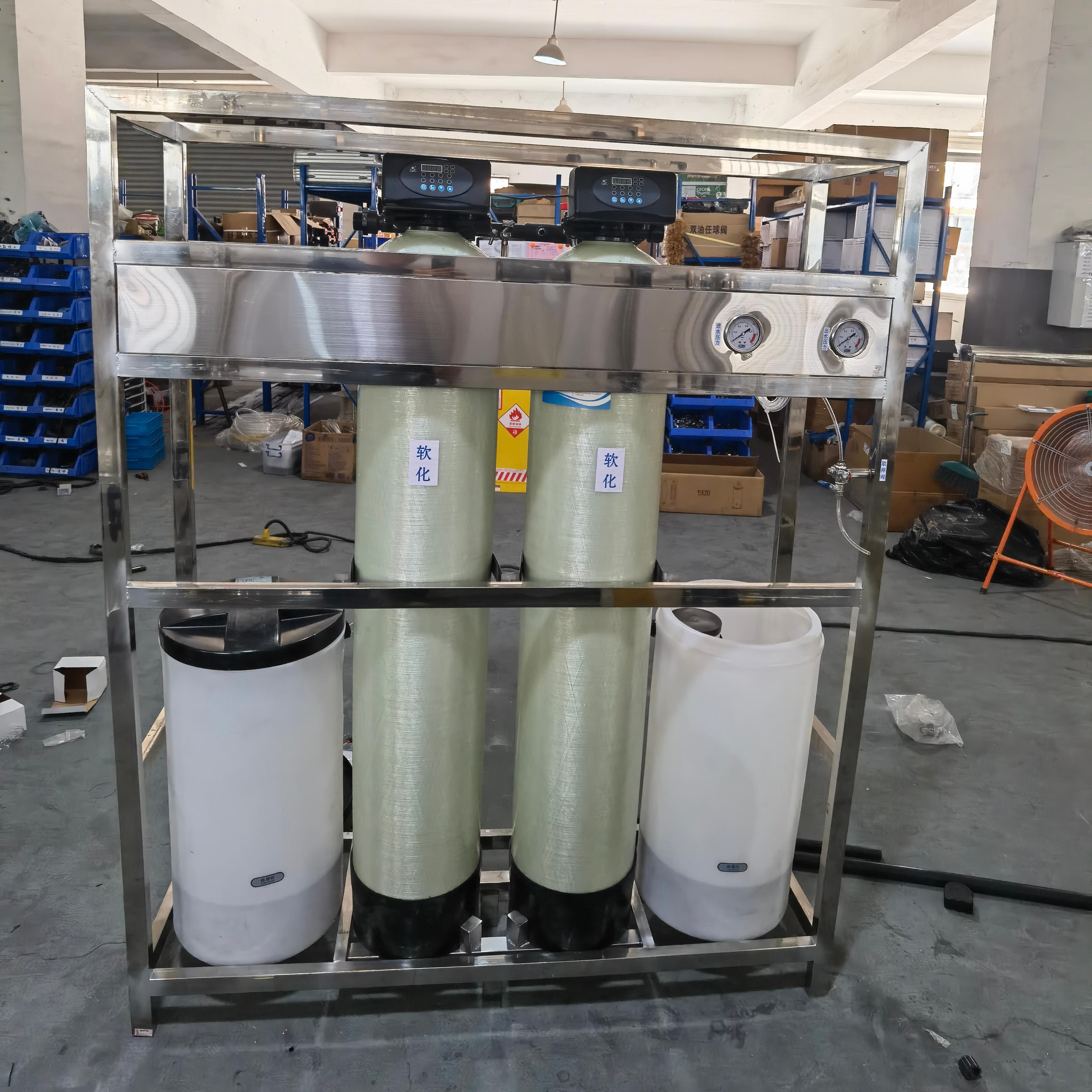
1 ton double valve double tank continuous water supply is an efficient and stable water treatment equipment, widely used in softened water, deminerali...
See Details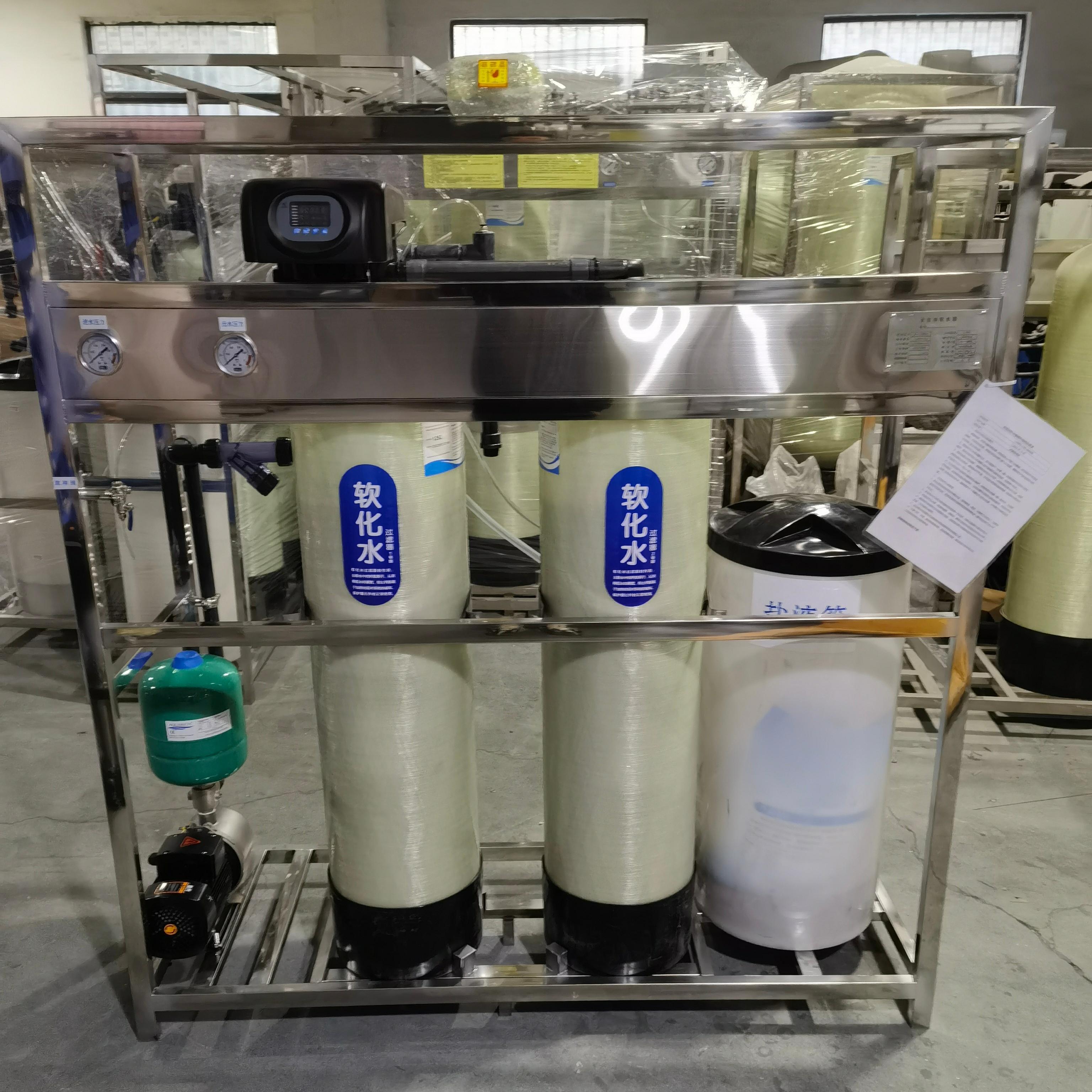
2-ton single valve double tank constant pressure water supply tank, one for use and one for standby is a high-efficiency water treatment equipment, wh...
See Details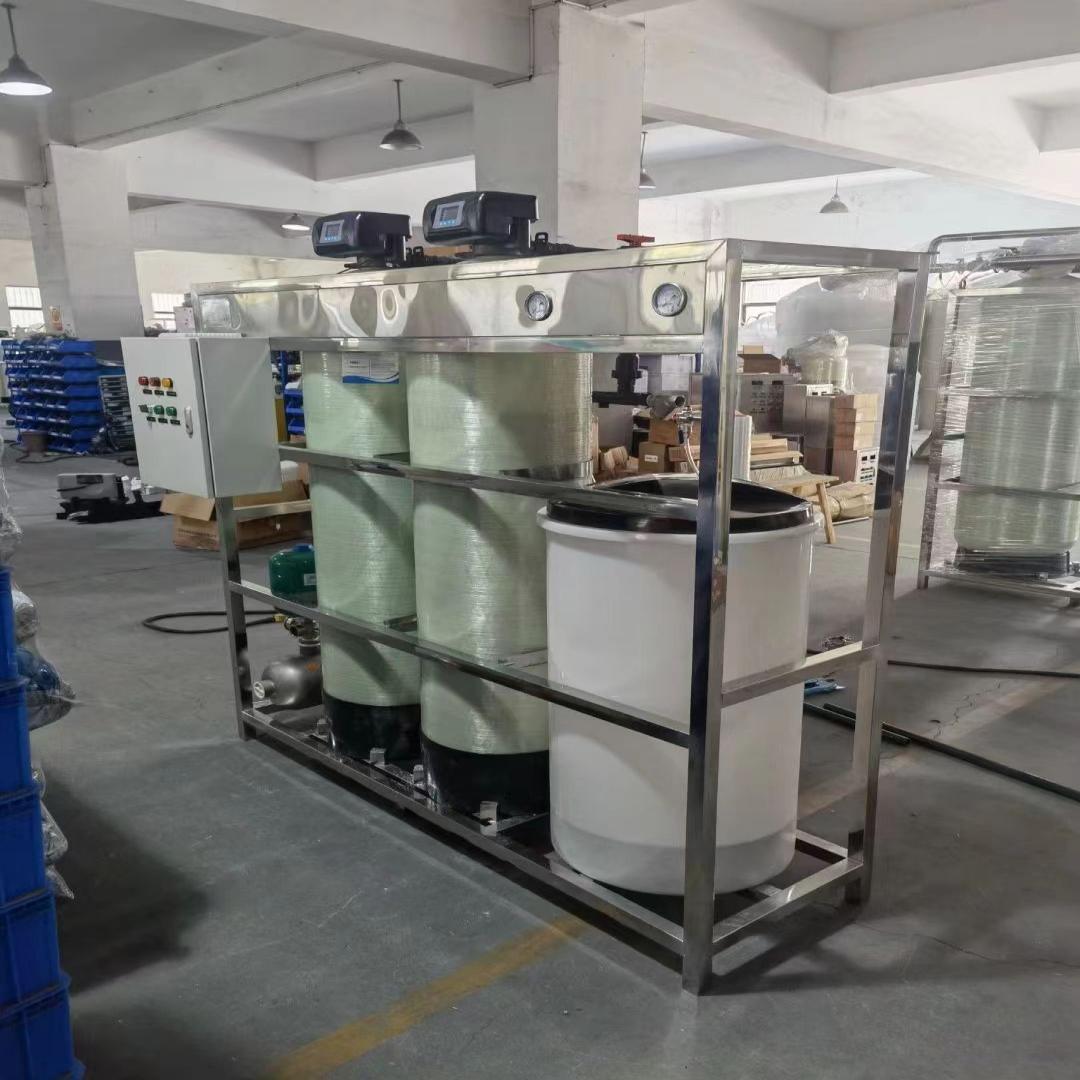
The 4-ton dual-valve dual-tank live box is an efficient water treatment equipment designed for industrial and commercial water treatment systems. The ...
See Details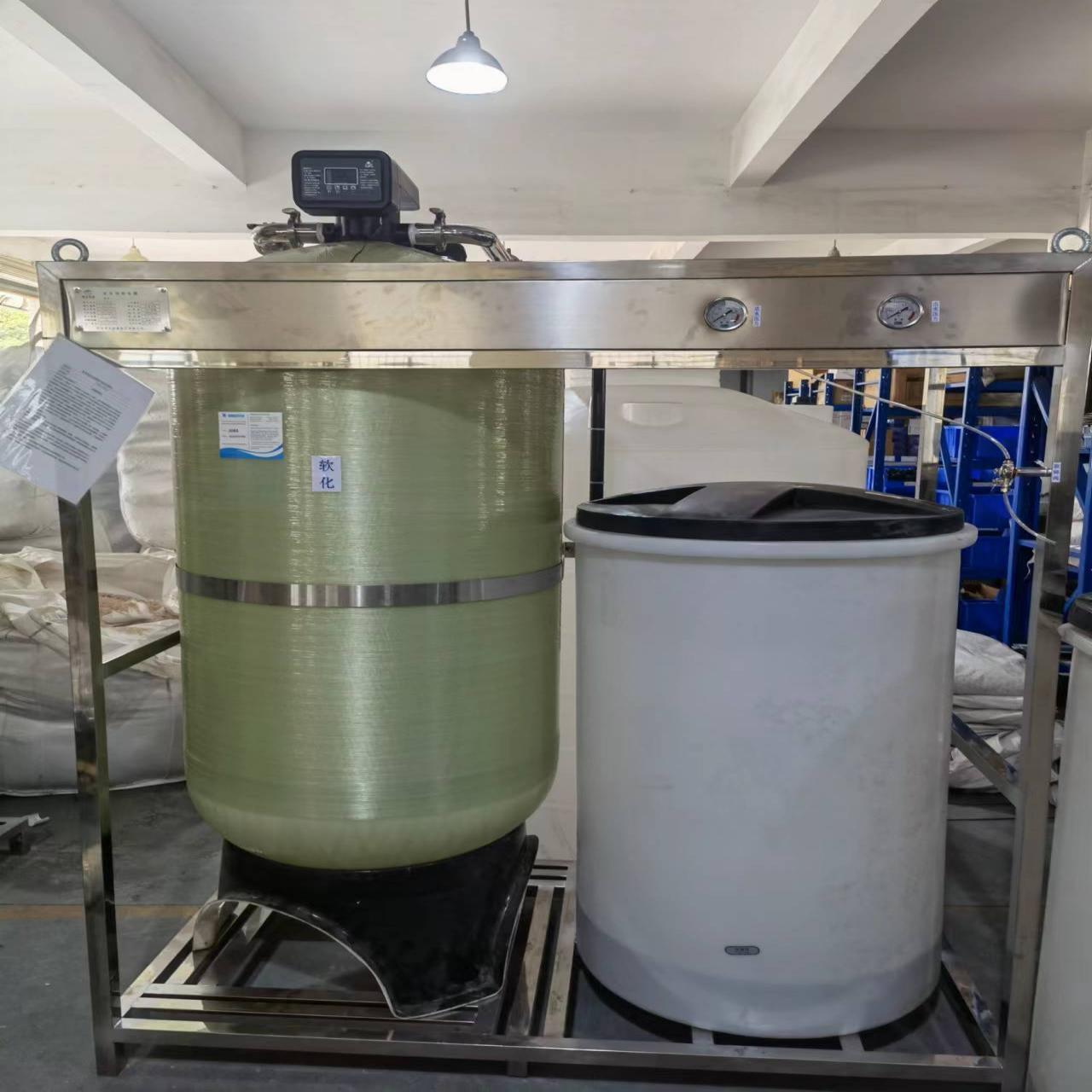
6-8 ton single tank is a water treatment equipment with moderate capacity, designed for occasions that require large water treatment. The equipment ad...
See Details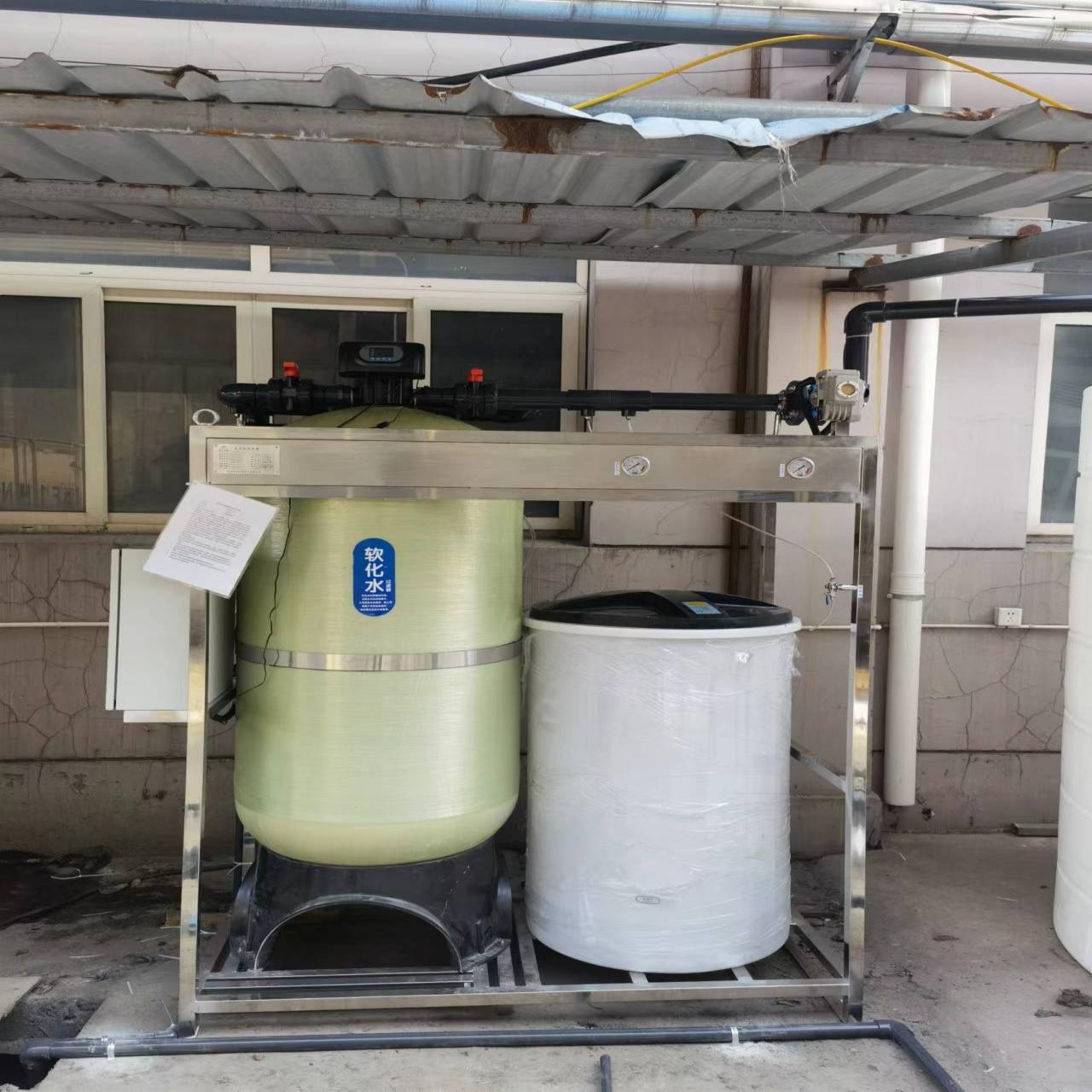
This 10-ton single tank water treatment equipment is equipped with an electric control box and is designed for large-scale water treatment needs. It a...
See Details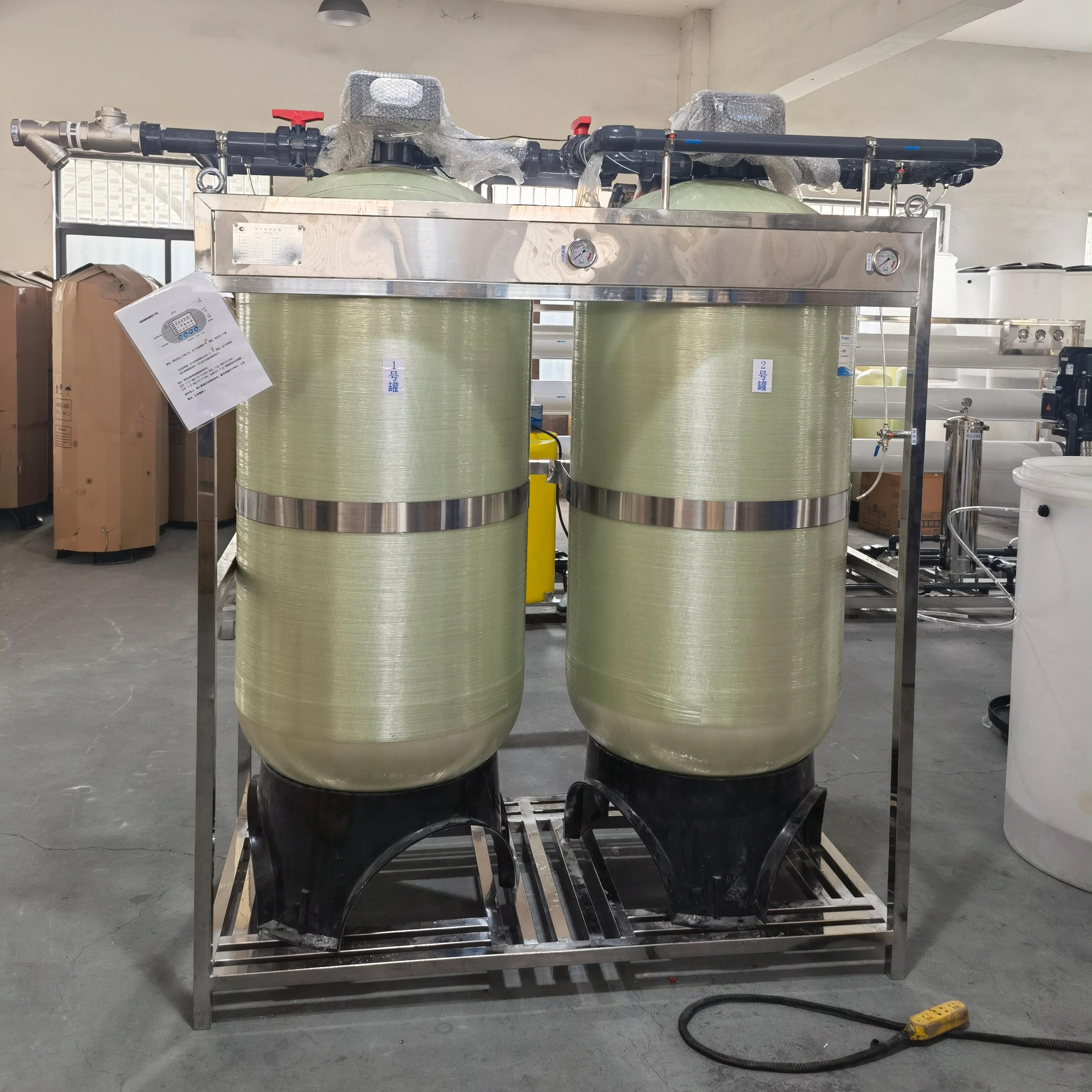
The 10-20 tons double valve double tank continuous water supply system is a high-efficiency equipment suitable for large-scale water treatment project...
See Details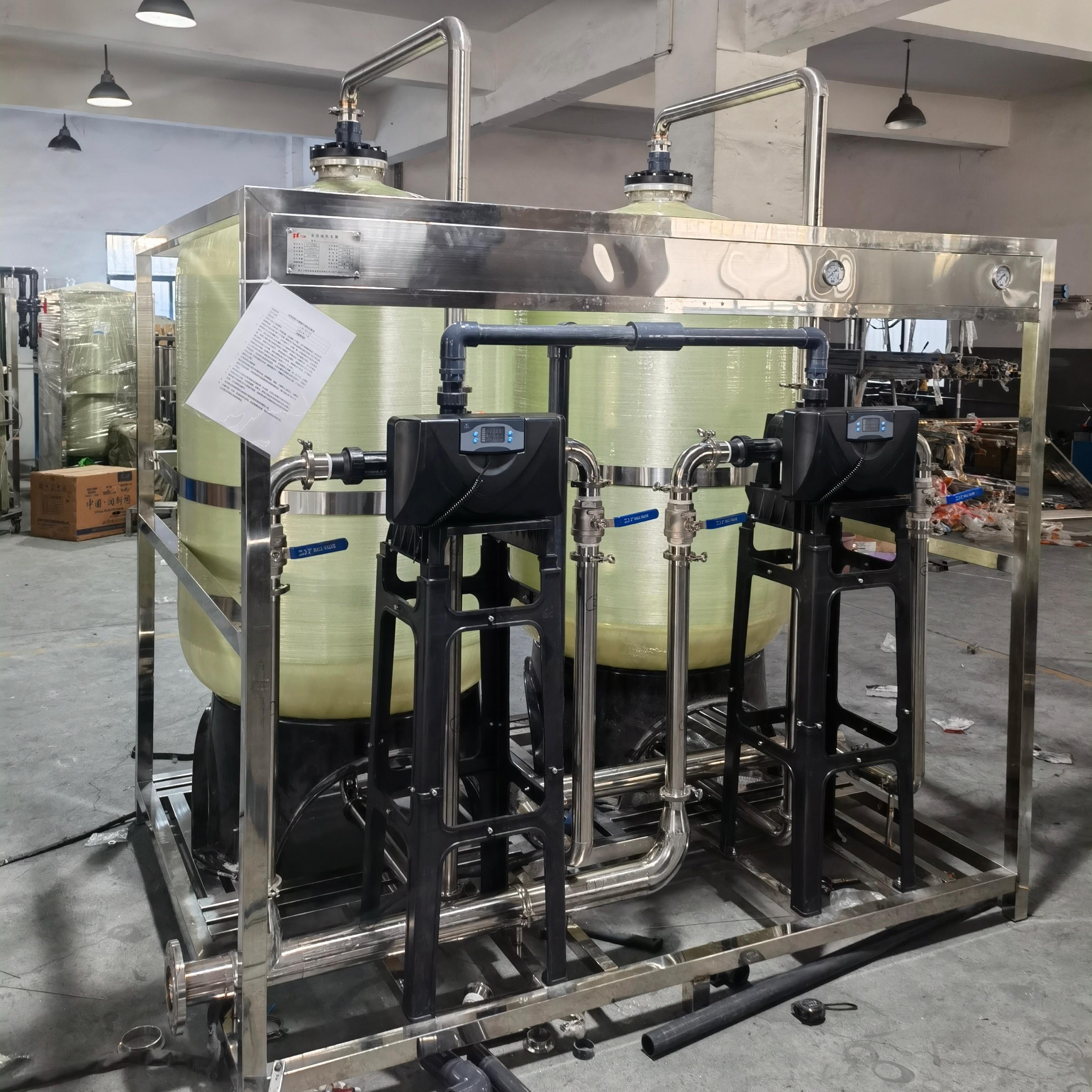
This 20-40 tons double valve double tank continuous water supply stainless steel pipeline equipment is an efficient and stable water treatment system ...
See Details
+86-13396595772
[email protected]
[email protected]
[email protected]
[email protected]
Room 508, Xingyuncheng, No.15 Xingling Street, Xingqiao Street, Linping District, Hangzhou City, Zhejiang Province.
Copyright ©2024 Hangzhou Roushui Environmental Protection Technology Co., Ltd. All Rights Reserved. Custom Industrial Civil Water Treatment Purification Equipment Manufacturers
