
 English
 Español
 عربى
عربىCat:FRP RO Membrane Shell
Fiber Reinforced Polymer (FRP) Reverse Osmosis (RO) membrane shells are highly sought-after for water treatment systems operating in corrosive environ...
See DetailsService hotline: +86-13396595772


Most households face a frustrating dilemma: boiled water leaves mineral deposits, bottled water contains microplastics, and standard filter pitchers remove chlorine but not heavy metals. If you've searched for a lasting solution, RO pure water systems likely appeared in your research. But is it truly the best option for your home, or are there better alternatives?
The answer depends on three critical factors: filtration precision, maintenance costs, and long-term value. This guide provides an objective comparison across major filtration technologies—reverse osmosis, activated carbon, ultrafiltration, and distillation—to help you make an informed decision based on your water quality concerns and budget.
The core distinction between filtration systems lies in their ability to remove specific contaminants. Water quality involves multiple parameters: dissolved solids, microorganisms, heavy metals, chemical compounds, and aesthetic factors like taste and odor.
Reverse osmosis systems operate on a simple but powerful principle: forcing water through a semi-permeable membrane with pores measuring approximately 0.0001 micrometers. At this scale, the membrane removes over 90% of dissolved solids present in water, including:
This precision makes RO systems particularly valuable in older neighborhoods where aging infrastructure introduces lead, or in agricultural regions where nitrate contamination threatens groundwater. A study from a major research institution demonstrated that RO filtration reduced lead levels from 15 micrograms per liter to below 1 microgram per liter—a reduction exceeding 93%.
Activated carbon works through adsorption—contaminants cling to the carbon surface. This method excels at removing:
However, activated carbon performs poorly against dissolved solids. Independent testing data shows that carbon filters achieve near 0% removal efficiency for calcium, magnesium, and heavy metals. For homes in areas with poor water quality reports showing high mineral content or metal contamination, activated carbon alone provides insufficient protection. It functions best as a supplementary stage rather than a primary solution.
Ultrafiltration (UF) systems use membranes with pores between 0.01 and 0.001 micrometers. They effectively remove:
Importantly, UF does not remove dissolved minerals or heavy metal ions—it requires those ions to be larger than the pore size, which they are not. UF systems work well when your primary concern is microbial safety and your water report shows manageable mineral levels. They waste less water than RO systems, an advantage for environmentally conscious users.
Distillation boils water and collects the steam condensate, leaving contaminants behind. This method removes nearly all solutes, matching RO's elimination performance. However, distillation consumes substantial energy and produces water slowly—typically one gallon per hour for residential units. For households needing high daily water volume, distillation becomes impractical and expensive.
Price alone provides a misleading picture. A standard filter pitcher costs $20-$50 upfront, but this low initial investment masks hidden expenses over time. The real measure of value is total cost of ownership—what you spend across the system's entire lifespan.
Entry-level systems start at different price points:
At first glance, filter pitchers appear unbeatable. However, this advantage evaporates once operational costs enter the equation.
Filter pitcher cartridges last 40-60 gallons of use, requiring replacement every 4-8 weeks for a family of four. At $15-$25 per cartridge, annual spending reaches $150-$250 within the first year alone. Over a five-year period, a filter pitcher system costs approximately $750-$1,250 in replacements—already approaching or exceeding the initial cost of a quality RO system.
RO systems operate on different economics:
The extended replacement intervals mean lower frequency of purchases and service calls. A homeowner using an RO system invested at $800 might spend $100-$150 annually on cartridge replacements and maintenance—approximately $500-$750 over five years. This total ($1,300-$1,550 all-in) competes directly with filter pitcher costs while delivering superior contaminant removal.
Many households abandon home filtration entirely, relying on bottled water as their primary drinking source. This creates a staggering long-term expense. A family consuming 1.5 gallons daily (national average) spends:
In contrast, RO-produced water costs approximately $0.25-$0.35 per gallon when accounting for all equipment and maintenance. This represents a 87-93% cost reduction compared to bottled water. Over a five-year household lifetime, this difference reaches $4,500-$9,000—money freed for other priorities.
One legitimate criticism of RO systems involves wastewater generation. Older RO designs produced 3-4 gallons of wastewater per 1 gallon of purified water. Modern systems, particularly those with waste-reduction technology, lower this ratio to 1:1 or even 1:2. While this still means some water reaches the drain, the environmental impact must be weighed against the resource consumption of bottled water production, transportation, and plastic disposal—areas where RO systems show clear advantages.
The following table synthesizes filtration capability, cost, and practical considerations for each major water treatment technology:
| Technology | Heavy Metals Removal | Dissolved Solids | Upfront Cost | Annual Maintenance |
|---|---|---|---|---|
| RO Pure Water System | 92-98% | 95-99% | $300-$1,500 | $100-$150 |
| Activated Carbon Filter | 2-5% | 5-15% | $150-$400 | $150-$250 |
| Filter Pitcher | 0-2% | 10-20% | $20-$80 | $200-$300 |
| Ultrafiltration | 0% | 10-30% | $200-$600 | $100-$200 |
| Distillation Unit | 98%+ | 98%+ | $100-$600 | $200-$400 |
Not all RO systems offer equivalent performance or longevity. The market includes both premium offerings and cost-cutting products that disappoint within 1-2 years. Several specific criteria distinguish systems worth your investment:
Third-party certification provides objective evidence that a system performs as advertised. Look for validation from recognized organizations such as:
Uncertified systems may use substandard membranes that fail to achieve stated removal rates. When considering options, request verification documentation before purchase.
Earlier RO technology produced excess wastewater—sometimes 4 gallons of waste for every 1 gallon of purified water. Modern systems incorporate efficiency improvements:
While higher efficiency systems cost more upfront, they reduce long-term water waste and lower utility expenses. For environmentally conscious consumers, this represents meaningful value.
Quality RO systems include digital monitoring that alerts users to:
These features prevent premature or delayed cartridge replacement. Premature replacement wastes money; delayed replacement allows contaminants to pass through, undermining system value.
A sophisticated system poorly installed delivers disappointing results. Quality providers include:
These support elements protect your investment and ensure the system performs as designed throughout its lifespan.
Avoid systems marketed with a low initial price but expensive proprietary cartridges. Request a detailed cost breakdown:
This exercise reveals systems designed for manufacturer profit maximization versus genuine customer value. Transparent providers offer competitive cartridge pricing and clear cost estimates.
RO technology excels in specific scenarios. Understanding whether your household situation matches one of these categories helps clarify whether an RO system represents the best investment:
Drinking water quality carries elevated importance when preparing infant formula or during pregnancy. Contaminants such as lead, nitrates, and certain chemicals pose documented risks during these critical developmental periods. The comprehensive removal capability of RO systems provides certainty that water consumed during formula preparation and pregnancy meets the highest safety standards. For these households, the cost difference between RO and alternatives becomes secondary to health assurance.
Residential areas with infrastructure installed 40+ years ago frequently experience lead and copper leaching from pipes. Home testing might reveal Total Dissolved Solids (TDS) readings exceeding 500 parts per million or heavy metal detection. Standard filters prove inadequate for these conditions; only RO systems deliver the removal rates necessary to ensure safe drinking water. Renters in such buildings gain particular value from point-of-use RO systems requiring no permanent installation.
Well water quality varies dramatically by geographic location and drilling depth. Agricultural regions often show nitrate contamination; areas with natural mineral deposits display high hardness levels. Municipal water systems are heavily regulated; well water testing becomes the property owner's responsibility. For properties with documented contamination, RO systems provide the filtration necessary to meet safety standards without expensive drilling for cleaner water sources.
Regions with naturally hard water—high calcium and magnesium content—benefit from RO's mineral removal capability. While some consumers prefer mineral-rich water, excessive hardness causes appliance damage, reduces soap effectiveness, and creates aesthetic problems (white deposits, poor tasting water). RO addresses these issues comprehensively; carbon filters and ultrafiltration cannot.
Households prioritizing environmental impact recognize that bottled water consumption drives plastic pollution and transportation emissions. Even accounting for wastewater generated by RO systems, the environmental footprint remains substantially smaller than reliance on bottled water. For consumers viewing water purification through an environmental lens, RO systems align with sustainability values.
Yes. Reverse osmosis water is recognized as safe by major health organizations worldwide. The concern sometimes raised about RO removing beneficial minerals is theoretical rather than practical—mineral content in drinking water contributes minimally to daily nutritional requirements. The primary minerals (calcium and magnesium) are obtained predominantly through food sources. Removing these through RO filtration does not create health risks. In fact, eliminating harmful contaminants far outweighs theoretical mineral concerns.
Replacement frequency depends on water quality and usage volume. Typical schedules include: pre-filters every 6-12 months, carbon filters every 12-24 months, and RO membranes every 3-5 years. Digital monitoring systems alert users when replacement becomes necessary, preventing both premature waste and delayed replacement. Request a detailed replacement schedule from the system provider based on your local water quality and estimated household usage.
Most under-sink RO systems are designed for DIY installation and include comprehensive instructions. The process typically requires basic hand tools and takes 1-2 hours. However, installation confidence varies by individual. Providers often offer professional installation for an additional fee, which ensures optimal system configuration and proper cartridge seating. First-time users sometimes benefit from professional installation to guarantee the system functions correctly from the outset.
Total Dissolved Solids refers to minerals, salts, and other dissolved compounds present in water. High TDS values indicate harder water with more mineral content. Water quality reports typically include TDS measurements; values above 300 parts per million indicate hard water that benefits from RO treatment. Testing your tap water TDS level provides objective data for deciding whether RO filtration addresses your specific water quality challenges. Inexpensive TDS meters are available for home testing.
Most users report that RO water tastes "cleaner" with reduced chlorine flavor and metallic notes. The taste difference reflects removal of dissolved minerals and chemical compounds. Some consumers prefer mineral-rich water initially; however, most adapt quickly to purified water and find chlorinated or hard tap water unpalatable after regular RO usage. Taste preference is subjective, but objective improvement in odor and flavor removal is consistent.
Overdue cartridge replacement reduces system performance progressively. The RO membrane loses effectiveness as pre-filter stages fail to remove debris that damages the membrane. Carbon filter exhaustion allows chlorine and odor-causing compounds to pass through. While the system may continue producing water, contaminant removal drops substantially. Digital monitoring prevents this scenario by providing timely replacement alerts. Ignoring these alerts extends cost-of-ownership and compromises the value proposition of the system.
Modern high-efficiency RO systems produce 1-2 gallons of wastewater per 1 gallon of purified water, compared to 3-4 gallons for older systems. While some waste exists, comparative environmental analysis shows RO's footprint remains substantially smaller than bottled water production, transportation, and plastic disposal. For water-stressed regions, wastewater concerns may be more significant; in most areas, the environmental case for RO versus bottled water remains compelling. Wastewater reduction technology continues advancing, further improving this ratio.
Yes, but well water requires testing before RO installation. High sediment, iron, or sulfur content can damage RO membranes if not properly pre-filtered. Reputable providers offer well water assessment services to determine necessary pre-treatment stages. Once properly configured with appropriate pre-filtration, RO systems perform excellently with well water and provide the same contaminant removal benefits as municipal water applications.
The choice between water filtration systems ultimately depends on your household's specific water quality challenges and priorities. Filter pitchers offer convenience and low cost for those with minimal contamination concerns. Carbon systems address taste and odor effectively. Ultrafiltration protects against microbial contamination. However, for comprehensive removal of dissolved solids, heavy metals, and emerging contaminants—the broadest spectrum of water safety threats—RO pure water systems represent the most thorough and cost-effective solution across a multi-year timeframe.
The apparent price premium evaporates when calculated across the system's lifespan. A household investing in quality RO technology today spends less over five years than one relying on filter pitchers alone. Compared to bottled water dependence, the savings exceed thousands of dollars. More importantly, RO systems provide documented removal of contaminants that alternative methods cannot address.
The most valuable water purification system is one that reliably removes the specific contaminants present in your water. Before selecting any technology, obtain a detailed water quality report for your address. This objective data reveals whether you face lead concerns, mineral hardness, nitrate contamination, or primarily aesthetic issues. Once contaminant profile is clear, alignment with appropriate technology becomes obvious—and in most cases involving serious contamination, that technology is reverse osmosis.
Ready to explore options customized to your water quality? Request a no-obligation assessment based on your local water conditions. Specify your primary water quality concerns and household size, and receive a tailored recommendation with projected costs for your specific situation. This consultation approach eliminates guesswork and ensures your investment addresses your actual water treatment needs.
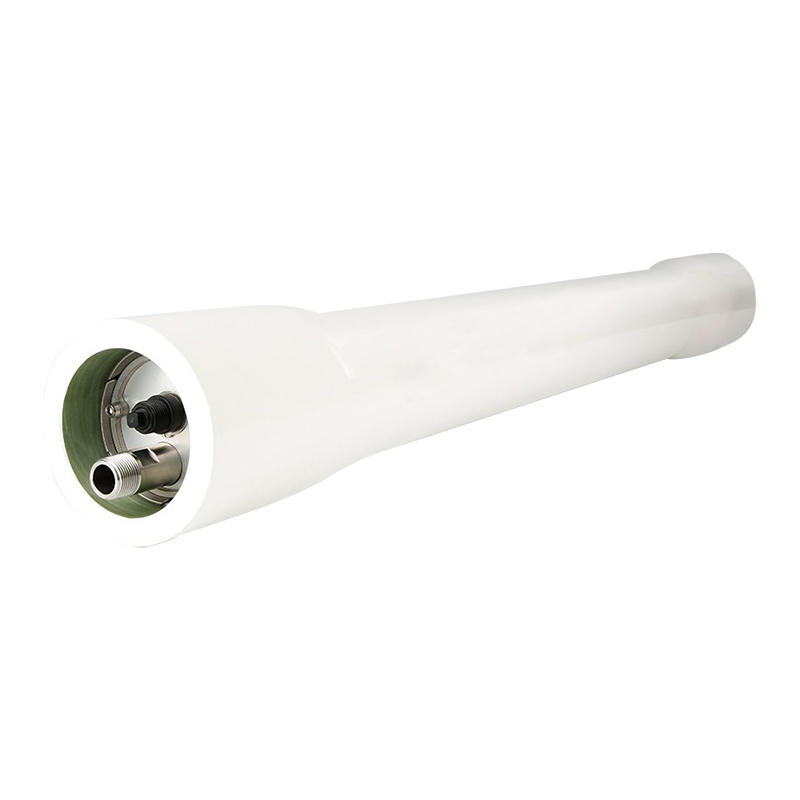
Fiber Reinforced Polymer (FRP) Reverse Osmosis (RO) membrane shells are highly sought-after for water treatment systems operating in corrosive environ...
See Details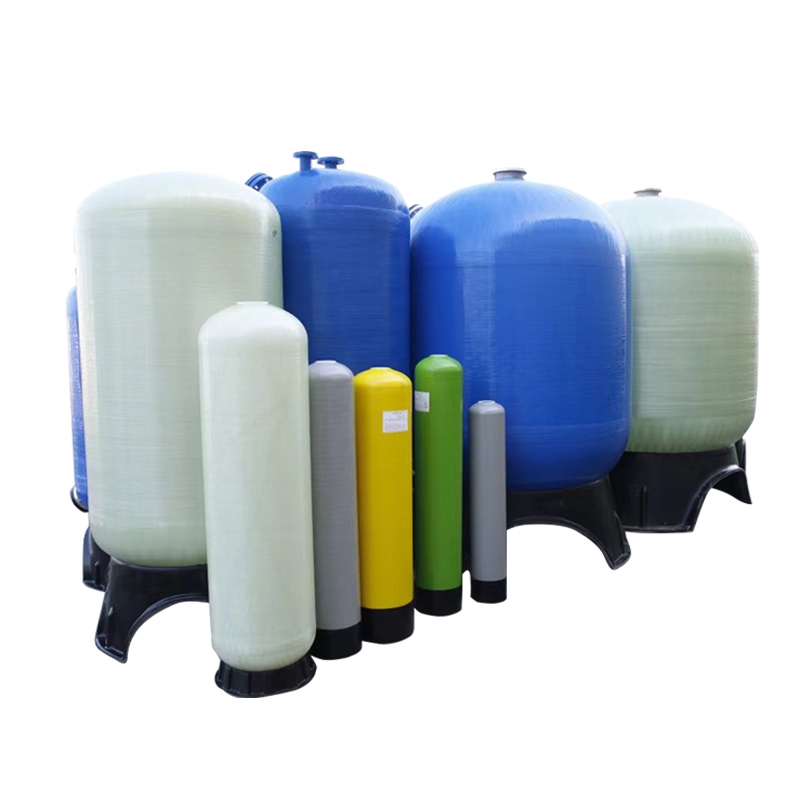
FRP filter tank is a filtering device that uses FRP as the shell material. It is widely used in water treatment, sewage treatment, industrial water tr...
See Details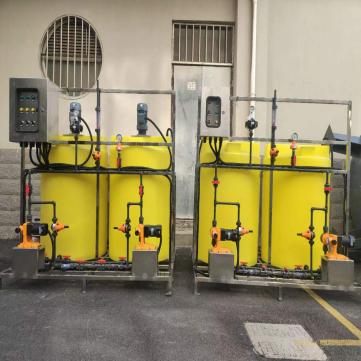
The PAC PAM dosing device is a device used to automatically add polyaluminium chloride (PAC) and polyacrylamide (PAM) during water treatment. The devi...
See Details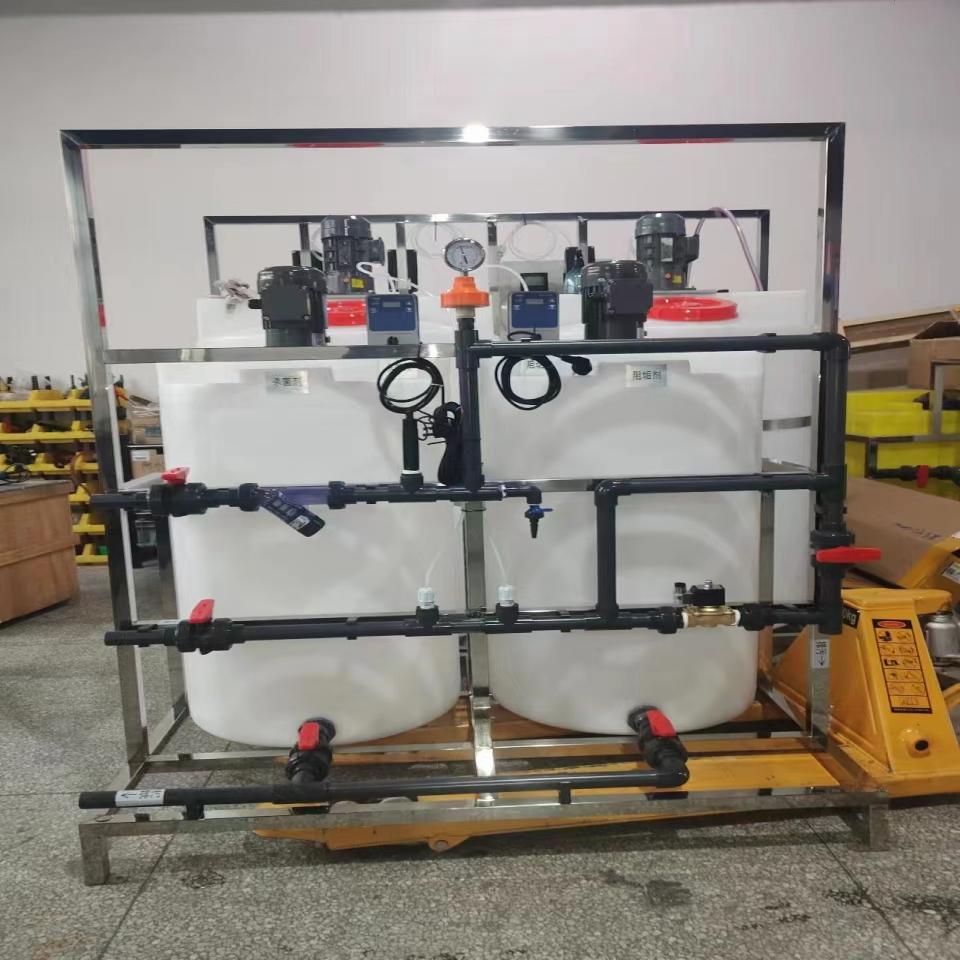
The scale-inhibiting and sterilizing circulating water system dosing device is a water quality treatment equipment designed for circulating water syst...
See Details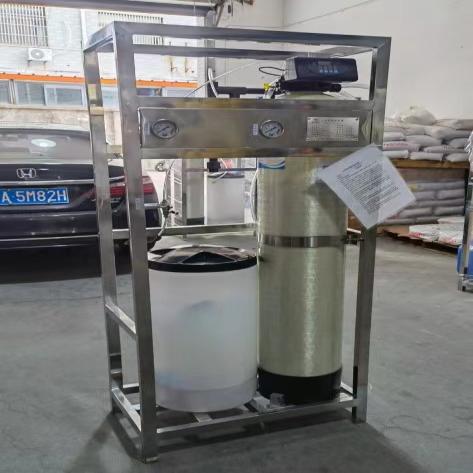
1 ton single tank is a device for storing and dosing water treatment chemicals, usually used in the dosing link of water treatment systems. The device...
See Details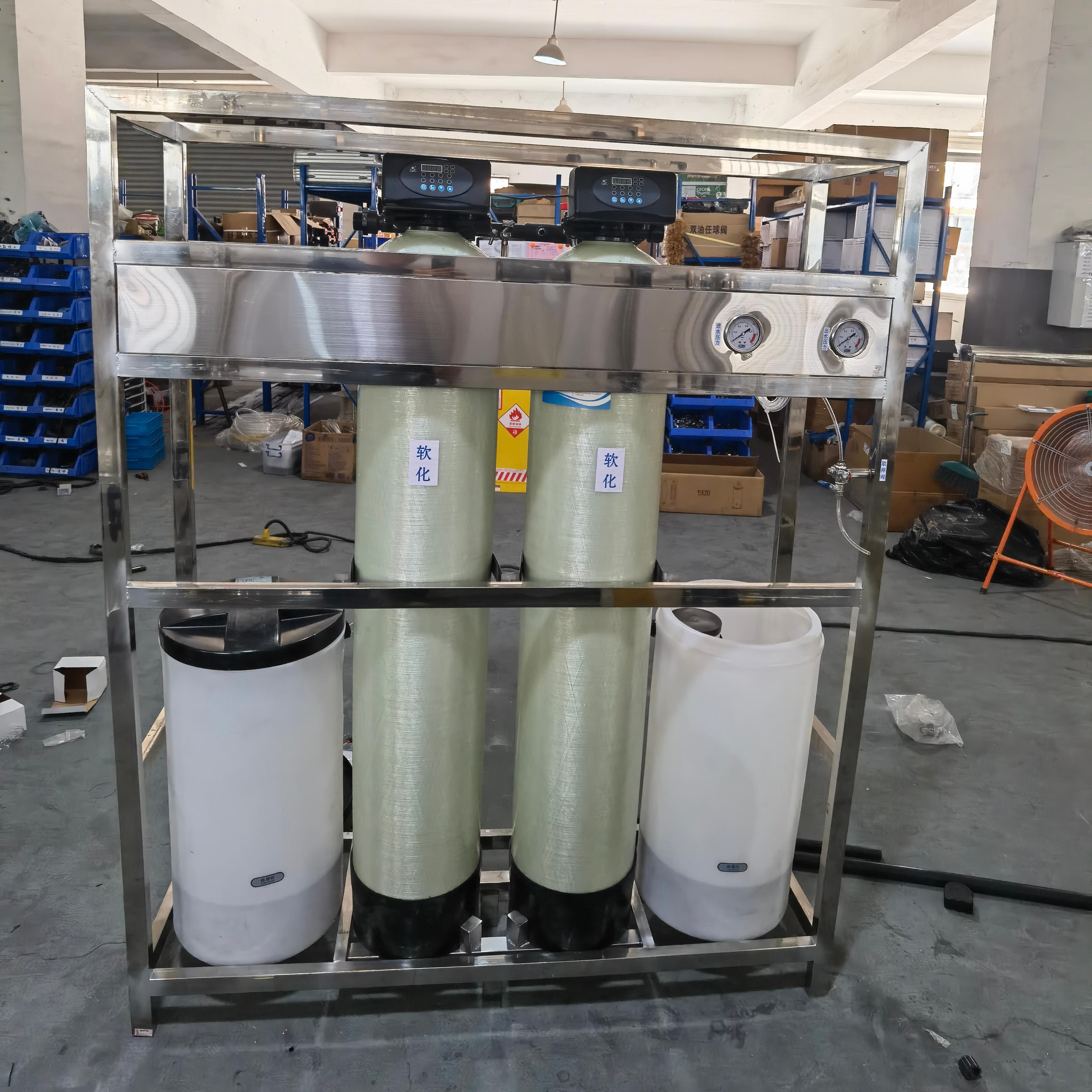
1 ton double valve double tank continuous water supply is an efficient and stable water treatment equipment, widely used in softened water, deminerali...
See Details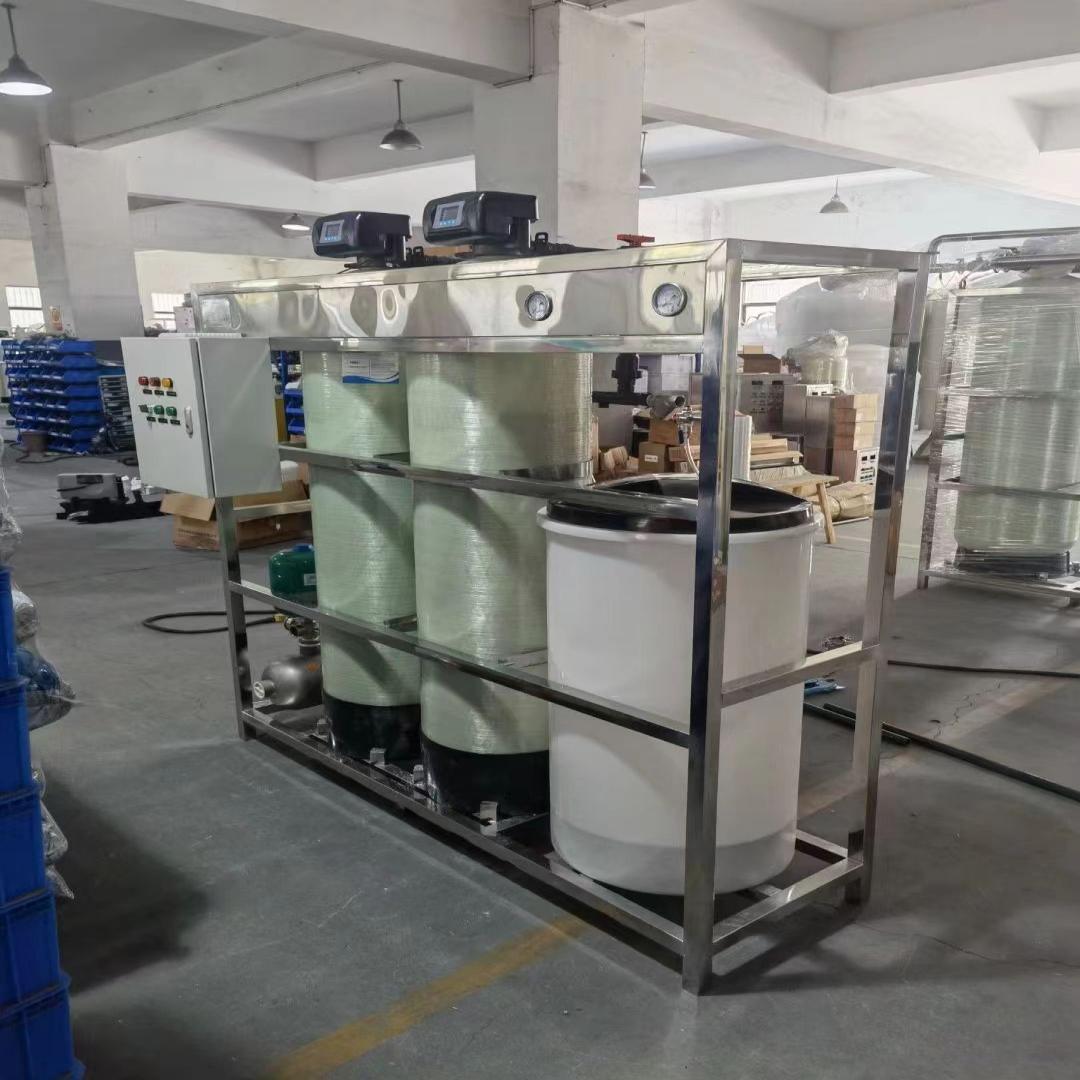
The 4-ton dual-valve dual-tank live box is an efficient water treatment equipment designed for industrial and commercial water treatment systems. The ...
See Details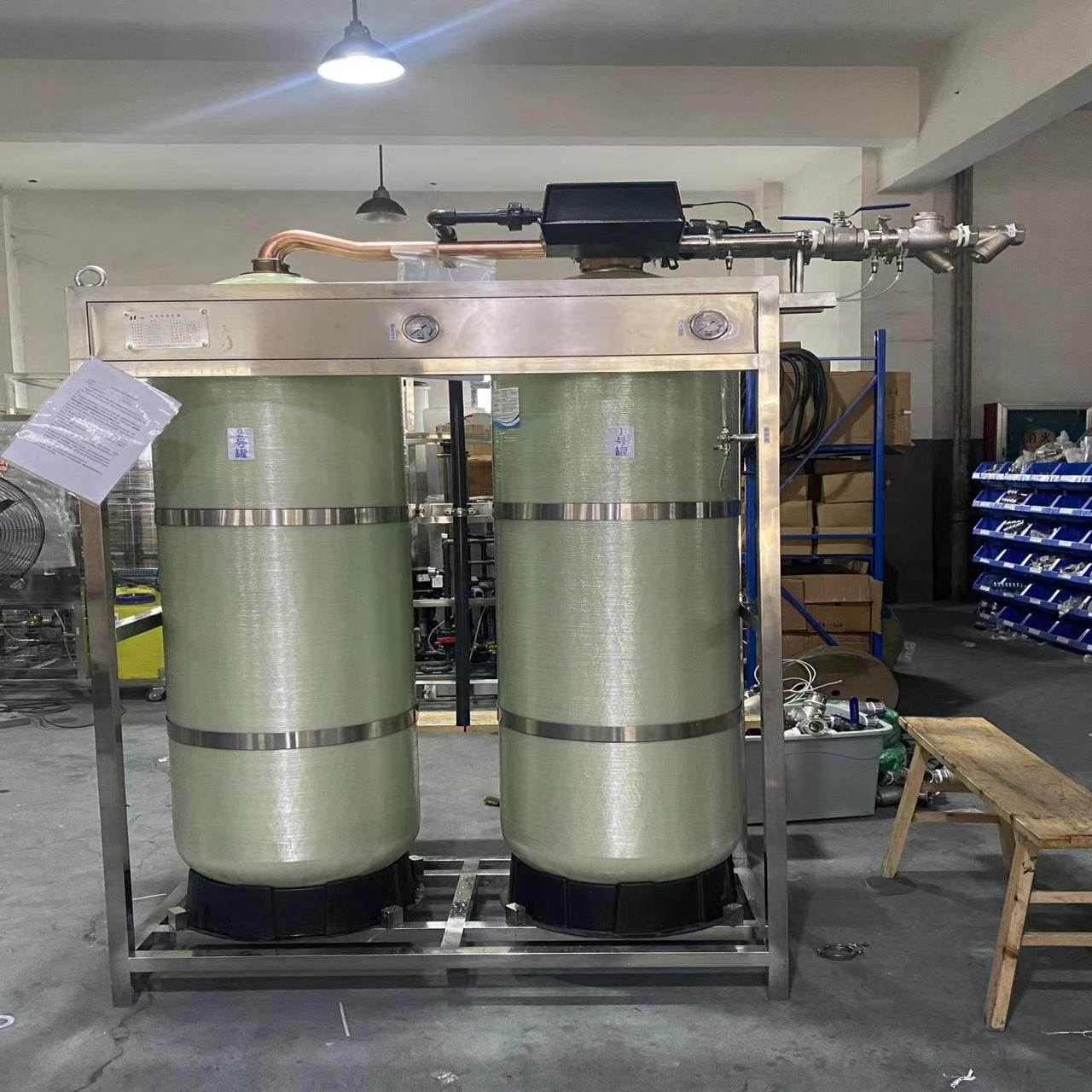
5-6 tons single valve double tank, one for use and one for standby is a device designed for medium and large water treatment systems. It has two indep...
See Details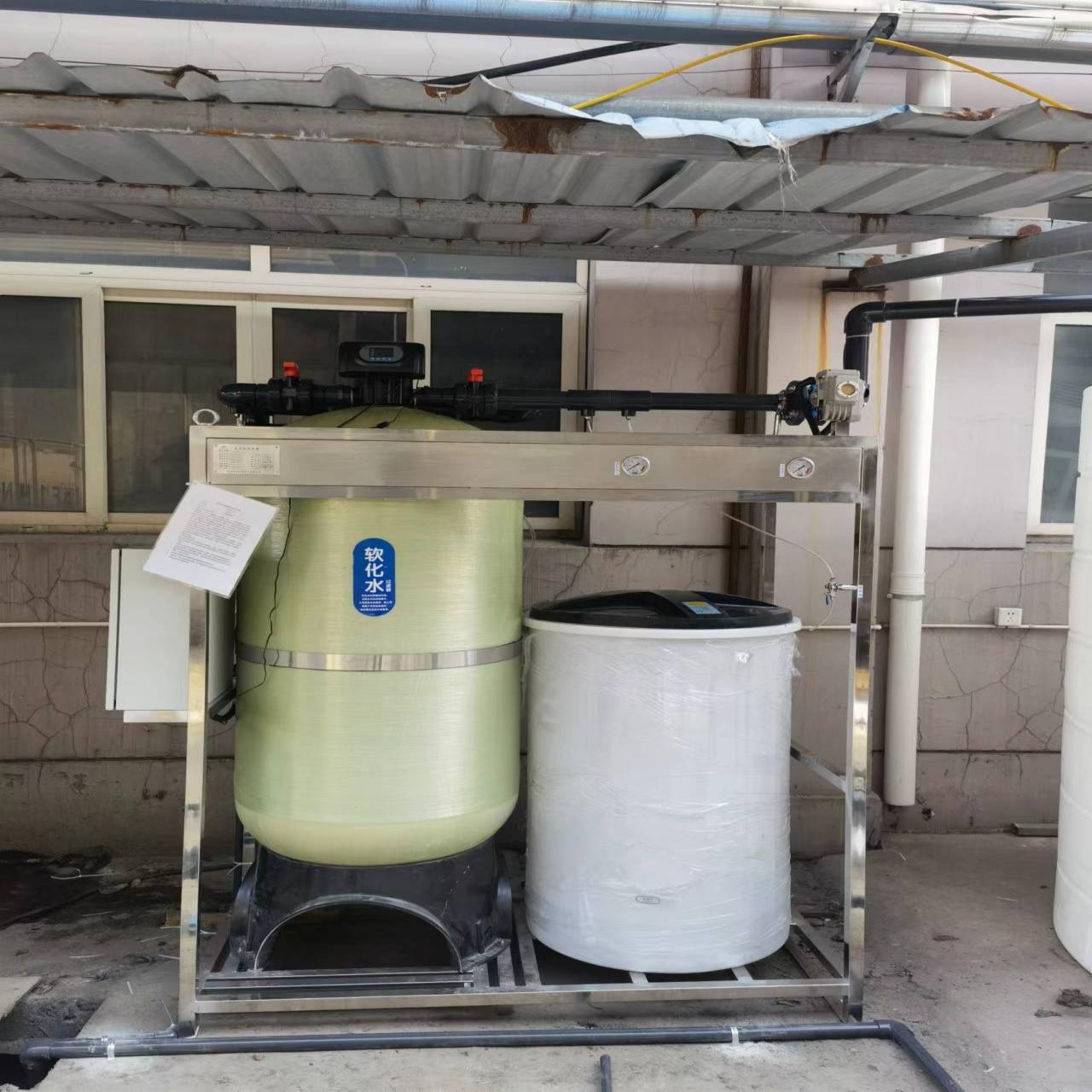
This 10-ton single tank water treatment equipment is equipped with an electric control box and is designed for large-scale water treatment needs. It a...
See Details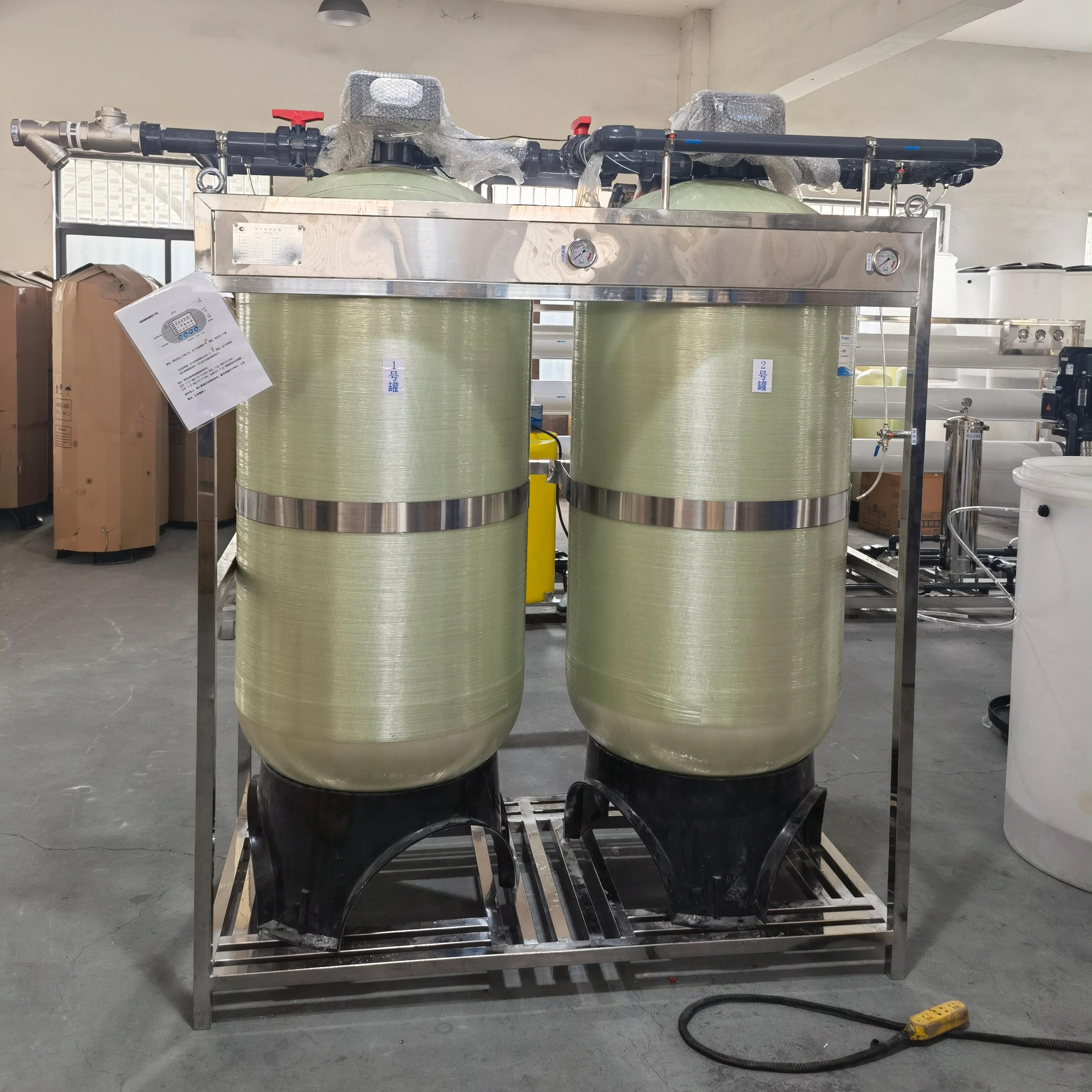
The 10-20 tons double valve double tank continuous water supply system is a high-efficiency equipment suitable for large-scale water treatment project...
See Details
+86-13396595772
[email protected]
[email protected]
[email protected]
[email protected]
Room 508, Xingyuncheng, No.15 Xingling Street, Xingqiao Street, Linping District, Hangzhou City, Zhejiang Province.
Copyright ©2024 Hangzhou Roushui Environmental Protection Technology Co., Ltd. All Rights Reserved. Custom Industrial Civil Water Treatment Purification Equipment Manufacturers
