
 English
 Español
 عربى
Cat:UF Membrane
In the field of industrial water purification, strict quality standards are required. In response to this challenge, a membrane filter with a PVDF str...
See DetailsService hotline: +86-13396595772


Every industrial reverse osmosis system is only as reliable as the membrane element inside it. Yet many buyers spend weeks comparing element specifications while overlooking a more consequential decision: who actually makes the membrane, and who stands behind it after the purchase order is signed. As a specialized RO reverse osmosis membrane manufacturer, we build elements for brackish water, ultrapure industrial water, seawater desalination, and commercial pretreatment, supplying distributors, engineering contractors, and OEM brand owners who need traceable production rather than repackaged inventory.
This guide explains how factory-direct sourcing changes pricing, lead time, quality accountability, and model selection for 4040 and 8040 elements. It also provides concrete specification benchmarks, application matching logic, and a quality verification framework you can apply when evaluating any membrane supplier, including us.
The difference between buying from a production facility and buying from a trading company is not merely a line on an invoice. It changes who controls the membrane sheet batch, who performs the performance test, and who answers when a skid underperforms in month seven.
| Decision Factor | Factory-Direct Manufacturer | Trading Company or Distributor |
|---|---|---|
| Pricing structure | Ex-works pricing with visible material and labor components; typically 20 to 40 percent below import-brand distributor pricing, subject to actual quotation | Layered margin stacked on manufacturer pricing, plus import duties and local warehousing costs |
| Lead time control | Production scheduling visible; standard models often ship in 7 to 15 days | Dependent on upstream stock availability; allocation delays passed to buyer |
| Batch traceability | Membrane sheet lot, winding date, and test record linked to element serial number | Often limited to a reseller invoice reference |
| OEM and private label | Label, packaging, and element marking configured at production | Usually unavailable or outsourced to a third party |
| Warranty responsibility | Single accountable party from winding through after-sales | Responsibility split between seller and unknown upstream factory |
| Technical recommendation | Based on feed water analysis and production capability | Frequently limited to catalog cross-reference |
A practical test: ask for the membrane sheet lot number and the corresponding performance test record before placing a bulk order. A manufacturer can produce both. A reseller typically cannot.
Membrane performance is decided across four controlled stages: sheet sourcing or casting, element winding, performance testing, and packaging. Each stage introduces variables that affect salt rejection, permeate flow, and service life.
The table below summarizes representative performance ranges for common element categories. Values vary by feed water condition, temperature, and recovery rate; always confirm against the supplier specification sheet for the exact model.
| Element Size | Series Category | Active Area | Permeate Flow | Salt Rejection | Test Pressure | Typical Feed Water |
|---|---|---|---|---|---|---|
| 4040 | Brackish water | 85 to 90 sq ft | 2,400 to 2,600 GPD | 99.0 to 99.5 percent | 225 psi | Municipal and well water under 2,000 ppm TDS |
| 4040 | Low energy | 85 to 90 sq ft | 2,600 to 2,800 GPD | 98.5 to 99.0 percent | 150 psi | Low TDS municipal supply, commercial skids |
| 8040 | Brackish water | 400 sq ft | 10,500 to 11,500 GPD | 99.5 to 99.7 percent | 225 psi | Industrial well water, boiler feed pretreatment |
| 8040 | Low energy | 400 sq ft | 11,500 to 12,500 GPD | 99.3 to 99.6 percent | 150 psi | High-volume industrial pure water |
| 8040 | Seawater | 380 to 400 sq ft | 6,000 to 7,500 GPD | 99.6 to 99.8 percent | 800 psi | Seawater desalination, high salinity sources |
Selection should begin with feed water analysis, not with element size. TDS, temperature, silt density index, and target permeate quality determine whether a standard brackish, low-energy, or seawater element is appropriate. Sending a water analysis report with flow requirements typically yields a model recommendation within one working day.
Application fit is about operating pressure, fouling risk, and permeate quality targets, not industry labels. The following mappings reflect common industrial configurations.
Where feed water is highly variable, a conservative flux design usually outperforms an aggressive one over a three-year service window, even if the initial element count is higher.
Certification claims are easy to make and difficult to verify remotely. A structured document request resolves most of the ambiguity.
| Document | What It Confirms | When to Request |
|---|---|---|
| ISO 9001 certificate | Quality management system scope and validity | Before supplier qualification |
| Element performance test record | Rejection, flow, and integrity results for the specific serial number | With each shipment |
| Batch retention sample record | Traceability of membrane sheet lot and winding date | For bulk and OEM orders |
| Third-party test report | Independent verification of stated performance | For new model qualification |
| Drinking water contact approval | Compliance for potable water applications, where applicable | For municipal and food-grade projects |
Pilot testing remains the most reliable qualification step. Requesting sample elements for bench or pilot skid evaluation before a bulk commitment reduces the risk of a full container arriving with mismatched performance.
Distributors and system integrators often need elements that carry their own brand rather than a factory label. A production-side OEM program typically covers the following scope.
For brand owners, the practical advantage of OEM production is control over the specification stated on the label, matched to the actual tested performance of each element.
Minimum order quantity depends on model and configuration. Standard 4040 and 8040 elements are generally available at low quantities, and sample orders are accepted for pilot testing before bulk purchase. OEM and private label programs carry separate minimums based on label and packaging requirements.
Yes. Because pricing varies by model, quantity, and Incoterms, a general list is less useful than a targeted quotation. Send the required model and quantity, and a specification-matched quote is typically returned within 24 hours.
Standard 8040 models generally ship within 7 to 15 days of order confirmation. Larger quantities, seawater models, or OEM configurations may require additional production time, which is confirmed at quotation.
Yes. Sample elements are available for pilot or bench testing before a bulk order. Sharing the feed water analysis and operating conditions allows the sample to be selected to match the intended duty.
Warranty terms are defined by model and application, covering performance within specified operating limits for a stated period. The warranty framework, including exclusions for improper pretreatment or operation outside rated conditions, is provided with the quotation.
Yes. Providing TDS, temperature, flow requirement, recovery target, and pretreatment details is sufficient for a model recommendation, usually within one working day. Where data is incomplete, the recommendation will state the assumptions used.
Buying factory-direct shortens the path between the production record and the person accountable for it. To receive a specification sheet, model recommendation, and quotation, provide your required element size, quantity, and feed water conditions. Requests are answered within 24 hours.
For OEM and private label inquiries, include label requirements and target annual volume so the program scope can be quoted accurately.
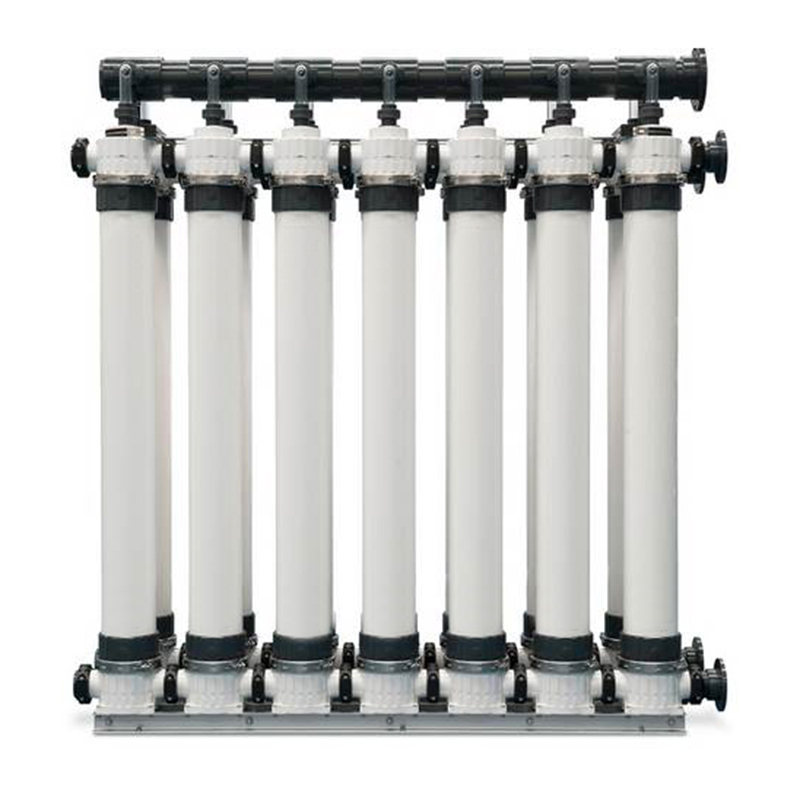
In the field of industrial water purification, strict quality standards are required. In response to this challenge, a membrane filter with a PVDF str...
See Details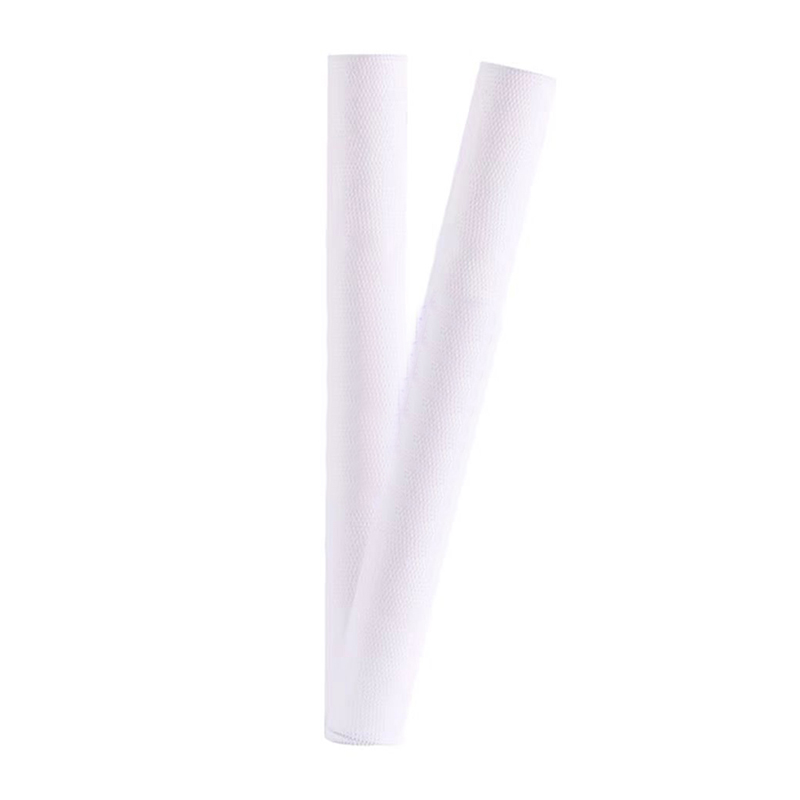
The filter element is a new type of precision filter element, which has the characteristics of small size, large filtering area, high precision, no po...
See Details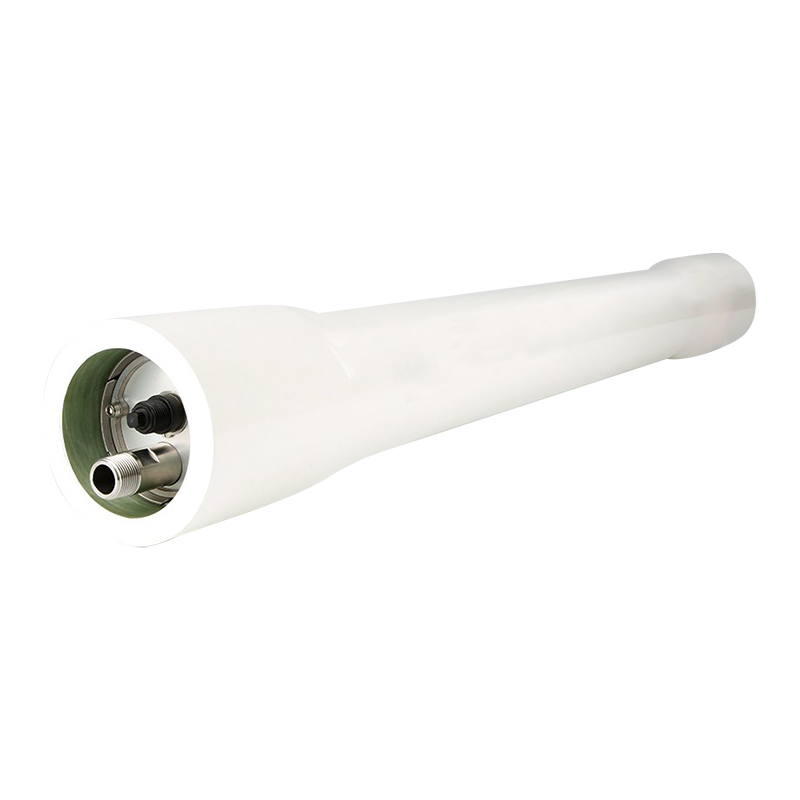
Fiber Reinforced Polymer (FRP) Reverse Osmosis (RO) membrane shells are highly sought-after for water treatment systems operating in corrosive environ...
See Details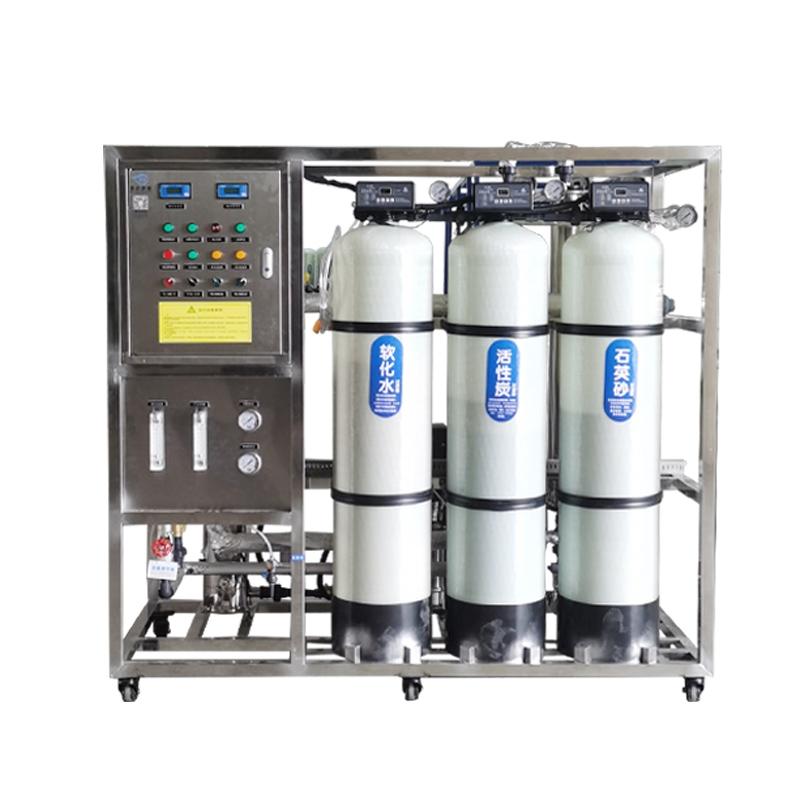
Reverse osmosis (RO) pure water device is a device that uses reverse osmosis technology to treat and purify water. Reverse osmosis technology filters ...
See Details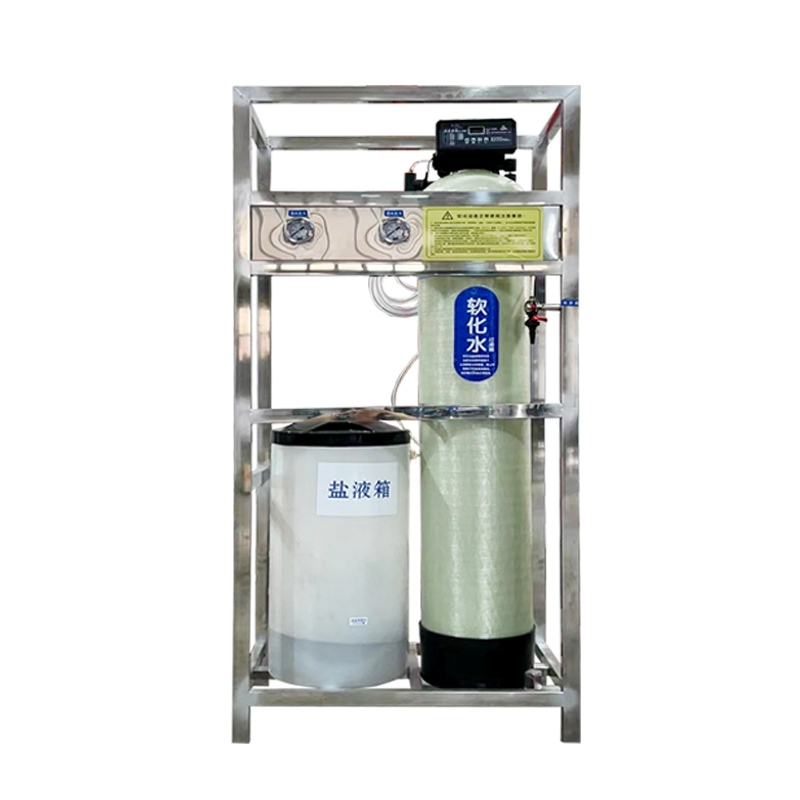
Fully automatic water softening equipment is a kind of equipment used to remove the hardness (mainly calcium and magnesium ions) in water and convert ...
See Details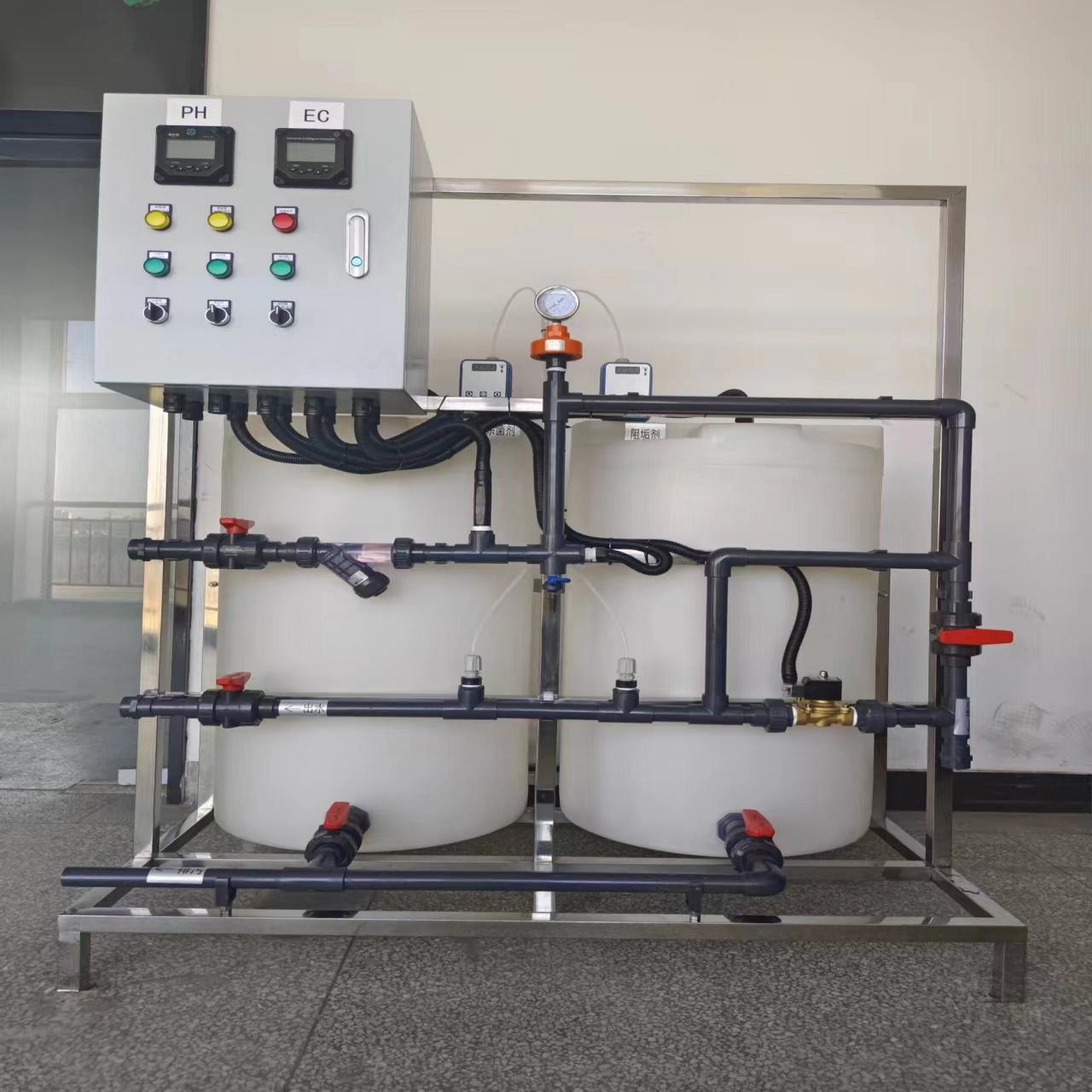
The scale prevention and sterilization double pump double barrel circulating water dosing device is an integrated dosing system equipped with two inde...
See Details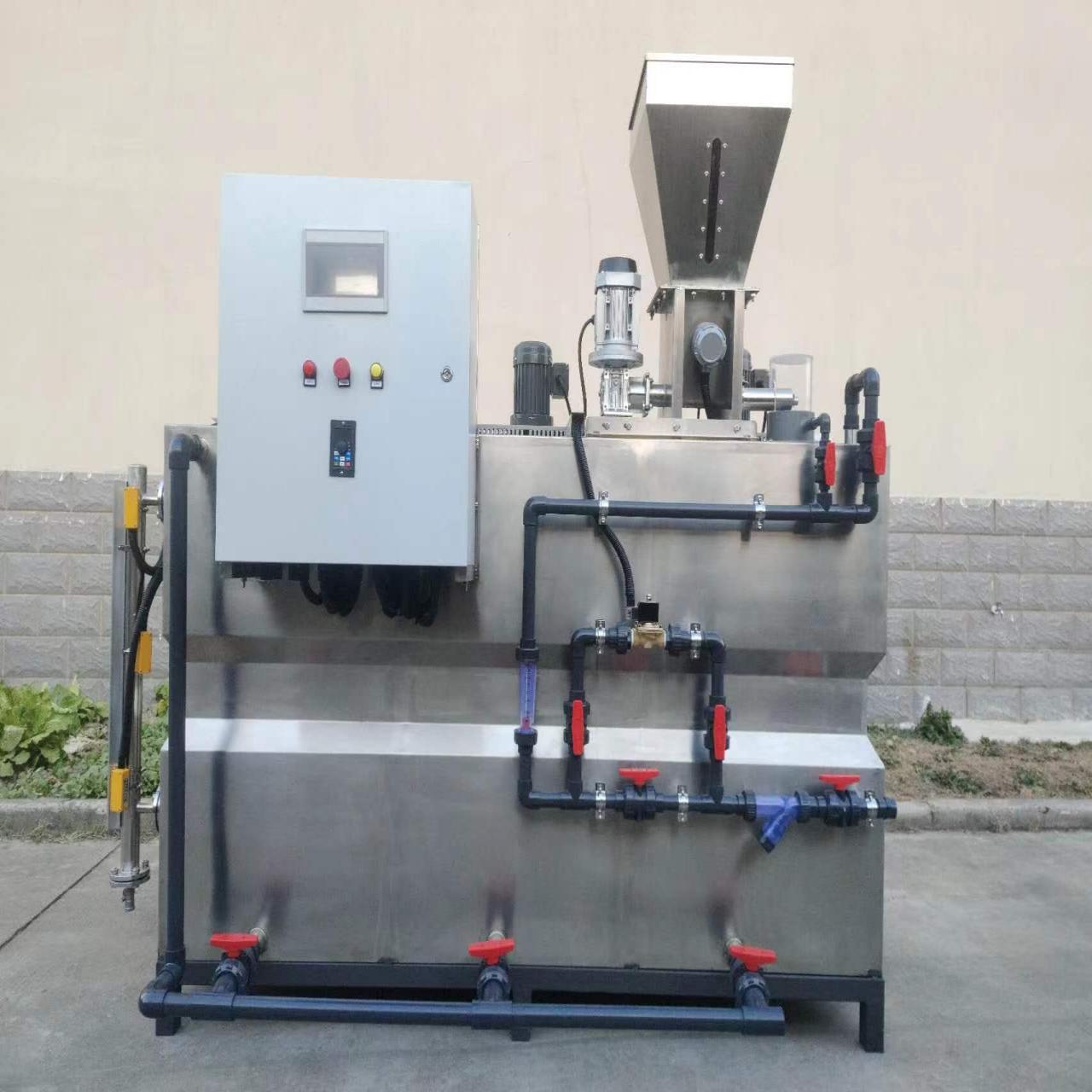
The integrated medicine soaking machine dosing device is a device designed specifically for the water treatment field, mainly used for efficient disso...
See Details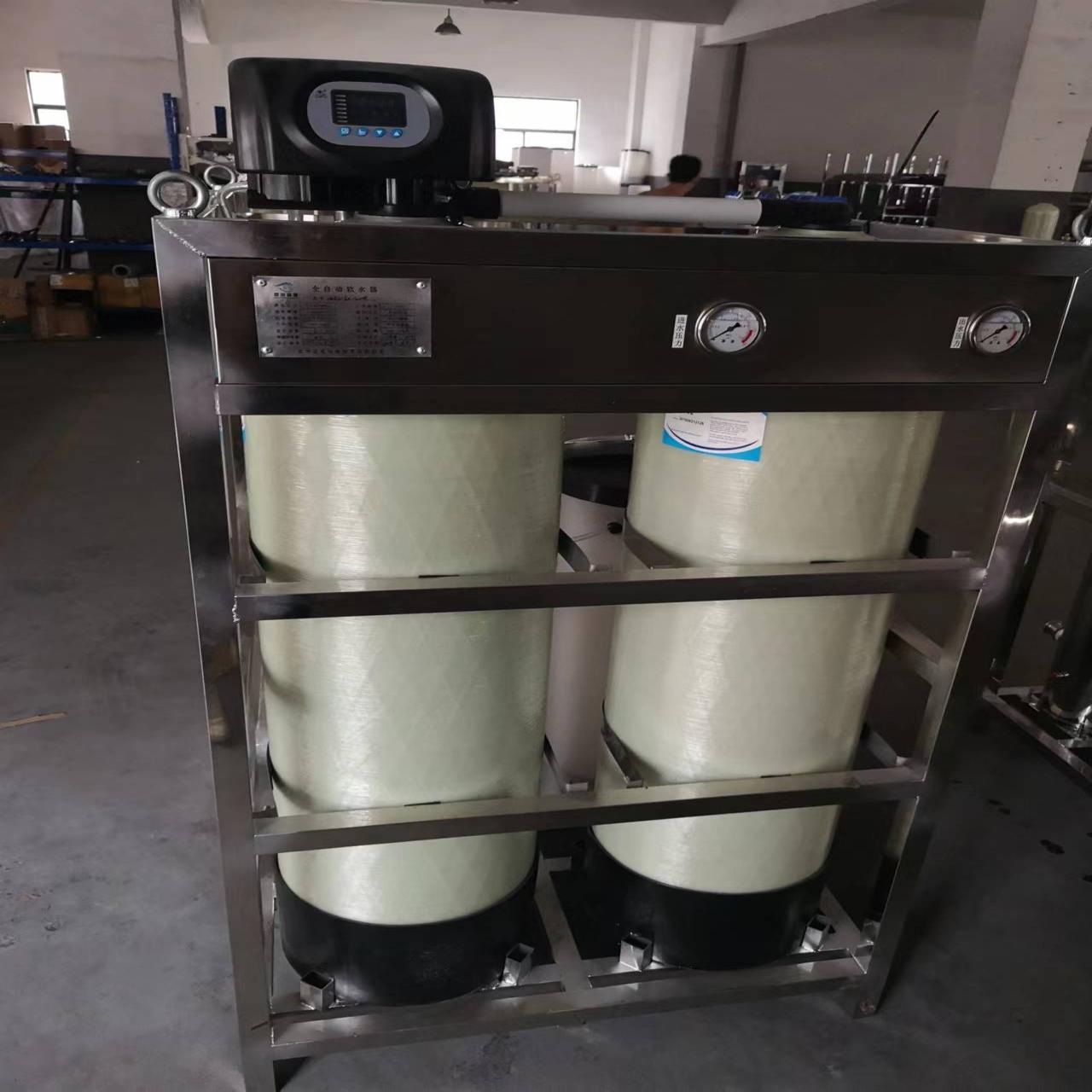
2-ton single valve dual tank, one for use and one for standby is an efficient and stable water treatment equipment. It adopts a single valve dual tank...
See Details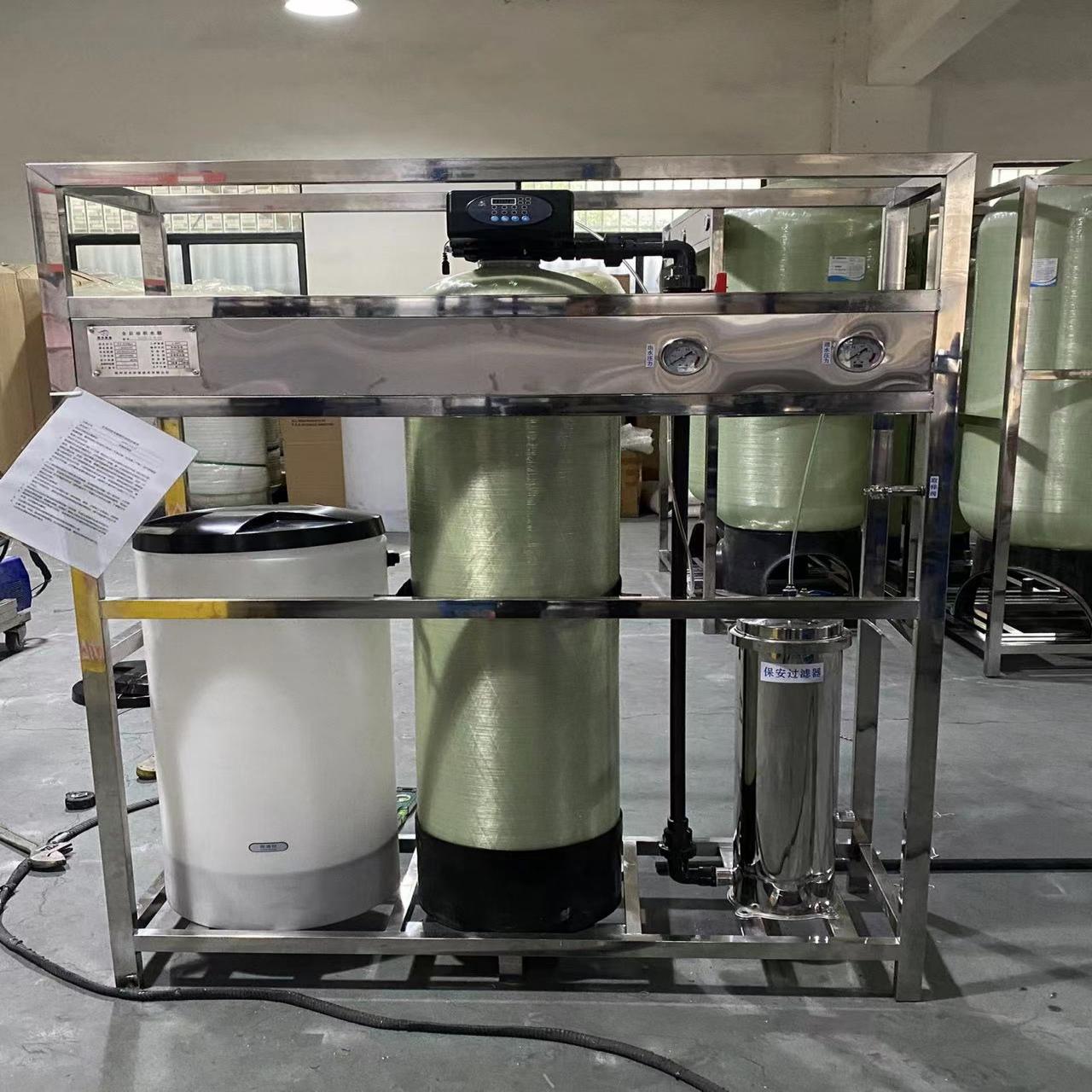
The 2-ton single tank with precision filtration is a device designed for small and medium-sized water treatment needs. It adopts a single tank structu...
See Details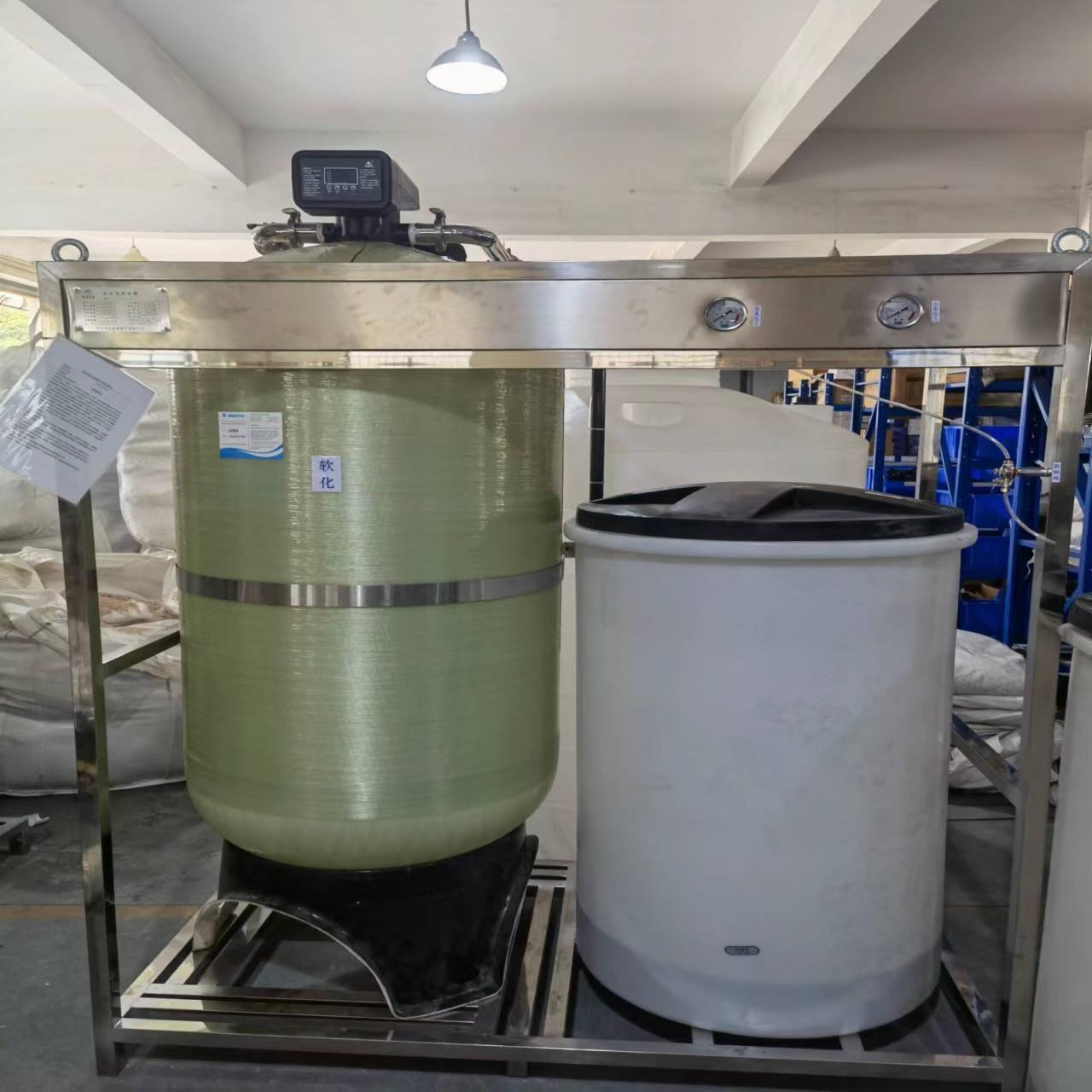
6-8 ton single tank is a water treatment equipment with moderate capacity, designed for occasions that require large water treatment. The equipment ad...
See Details
+86-13396595772
[email protected]
[email protected]
[email protected]
[email protected]
Room 508, Xingyuncheng, No.15 Xingling Street, Xingqiao Street, Linping District, Hangzhou City, Zhejiang Province.
Copyright ©2024 Hangzhou Roushui Environmental Protection Technology Co., Ltd. All Rights Reserved. Custom Industrial Civil Water Treatment Purification Equipment Manufacturers
