
 English
 Español
 عربى
Cat:PP Cotton Filter Element
The filter element is a new type of precision filter element, which has the characteristics of small size, large filtering area, high precision, no po...
See DetailsService hotline: +86-13396595772


Municipal water utilities face a familiar squeeze. Aging gravity filters are approaching the end of their service life, source waters are becoming more variable after heavy rainfall and seasonal algae blooms, and regulators continue to tighten expectations for pathogen removal. In this environment, the question is no longer whether a plant should upgrade its barriers, but which technology delivers the most reliable result with the least operational risk. Ultrafiltration has become one of the most practical answers. A UF membrane system does not simply replace sand as a granular medium. It introduces an absolute physical barrier that holds back particles, colloids, and microorganisms according to their size, producing an effluent whose quality depends far less on the condition of the raw water entering the plant.
This article explains where ultrafiltration fits within a municipal treatment train, which contaminants it removes most reliably, how it compares with conventional media filtration, and which design and operating decisions most strongly influence long-term performance. The aim is practical: to give engineers, plant managers, and procurement teams a clear technical framework for evaluating membrane-based drinking water treatment.
The removal performance of any filter starts with a simple physical fact: the size of the openings that water must pass through. Ultrafiltration membranes typically have nominal pore sizes between 0.02 and 0.05 microns, which places them far below the dimensions of most pathogens and suspended solids found in surface water. Conventional granular filters, by contrast, rely on a tortuous bed of sand or anthracite and capture particles through a combination of straining, adsorption, and sedimentation within the bed. Their performance depends heavily on coagulation chemistry, media condition, and the skill of the operators who manage backwash cycles.
Because the membrane pores are a fixed dimension, the separation they achieve does not change with the chemistry of the feed water or with short-term swings in flow. A bacterium that is larger than the pore cannot pass through an intact membrane, regardless of whether the water is cold, turbid, or carrying a high organic load. This is the core reason ultrafiltration is valued in municipal applications where microbiological compliance is the primary design driver.
The table below summarizes how the two approaches compare for the main classes of microorganisms that drive treatment design. Membrane retention of viruses is high but is usually supported by a disinfection step and by routine integrity monitoring, because viruses are small enough that a damaged membrane fiber can allow passage.
| Organism | Approximate size | Ultrafiltration behavior | Conventional granular filtration |
|---|---|---|---|
| Bacteria such as E. coli | About 1 to 2 microns | Physically retained | Partially retained, depends on coagulation |
| Viruses | 0.02 to 0.3 microns | High retention, verified with integrity testing | Low without chemical pretreatment |
| Giardia and Cryptosporidium cysts | 3 to 15 microns | Fully retained by intact membranes | Well removed when filters perform optimally |
Pathogen removal is only part of the story. Turbidity and colloidal material are the components of raw water that vary most dramatically after storms, snowmelt, or upstream construction. Conventional filters can be overwhelmed during these events, leading to breakthrough, longer filter runs, and a period of marginal effluent quality while operators adjust chemical dosing. Membranes respond differently because they do not depend on a developing filter cake or media maturity to achieve separation.
In practice, a properly operated membrane system keeps effluent turbidity far below the level that most downstream processes require, even when the incoming water changes sharply within a single day.
This stability has direct operational value. Several benefits tend to emerge in plants that adopt membrane pretreatment or primary filtration:
For facilities that also feed reverse osmosis or other polishing steps, this consistency is often the most valuable outcome. Downstream membranes are sensitive to fouling from colloids and particulate matter, and a stable upstream barrier can significantly extend their service life.
Comparisons between membrane filtration and granular media filtration are common because most utilities are evaluating an upgrade within an existing site. The most useful comparison is not a simple ranking of performance, but an assessment of how each option behaves across the full range of conditions a plant will encounter over decades of operation. The diagram below shows a typical simplified process sequence in which the membrane step replaces or follows the traditional filtration stage.
One of the most frequently cited advantages of membrane systems is their compact footprint. Because membrane modules achieve high surface area in a small volume, a plant can often install the required treatment capacity within the boundaries of an existing filter house or a modest extension. For utilities facing space constraints, this can be the deciding factor that makes an upgrade feasible without new land acquisition.
Chemical demand is the second major difference. Conventional filtration usually depends on coagulants and sometimes polymers to aggregate fine particles so that they can be captured in the media bed. Membrane systems typically require far less coagulant, and in many well-characterized waters they can operate with minimal or no polymer addition. The benefits cascade through the plant:
It is important to recognize that pretreatment needs are site specific. Waters with very high organic loads or strong seasonal algae activity may still require oxidation or targeted pretreatment to limit membrane fouling. A sound design evaluates the raw water across its full annual range rather than relying on a single favorable sample.
Municipal decision makers must demonstrate compliance to regulators, and that demonstration depends on verifiable performance data. Log removal values, often abbreviated as LRV, describe the reduction of a target organism through a treatment step. Each log of removal corresponds to a reduction of the organism population to one tenth of its previous level. Regulators use LRV credits to decide how much of the required pathogen reduction a process can claim.
Membrane systems offer a practical advantage here because their separation mechanism is physical and their performance can be verified through integrity testing. Pressure decay and related tests provide a direct indication that the membrane barrier remains intact. Plants can document this continuously, which gives regulators and internal quality teams a transparent record that is easier to defend than performance inferred solely from turbidity trends.
| Decision factor | Conventional media filtration | UF membrane filtration |
|---|---|---|
| Barrier mechanism | Depth filtration in a media bed | Size exclusion through fixed pores |
| Effluent stability | Sensitive to raw water swings | Consistent across most raw water variations |
| Chemical demand | Coagulants and often polymers | Reduced, site dependent |
| Footprint | Larger for equivalent capacity | Compact modular layout |
| Compliance verification | Indirect, based on turbidity trends | Direct through integrity testing |
Once a utility decides that membrane filtration is worth pursuing, the next challenge is selecting the right configuration. Two systems that appear similar on a specification sheet can behave very differently under real operating conditions. The decisions that matter most fall into two broad areas: the physical design of the membrane itself and the operating parameters that determine how hard it works.
Polyvinylidene fluoride, commonly called PVDF, is the material most often specified for municipal ultrafiltration. It offers a useful balance of hydrophilicity, mechanical strength, and chemical tolerance. Hydrophilic surfaces resist fouling by organic material because water wets the membrane easily and foulants adhere less strongly. Good mechanical strength allows the fibers to withstand repeated backwash cycles and pressure fluctuations, while chemical tolerance permits regular cleaning with oxidants such as dilute sodium hypochlorite at the concentrations used in water utilities.
Many utilities select a hollow fiber uf module with outside-in flow, meaning feed water passes from the outer surface of each fiber toward its hollow core. This configuration has practical advantages. It allows the feed side to be cleaned more effectively through backwashing and air scouring, and the fibers can be inspected and assessed more easily. Expected service life for well-maintained PVDF hollow fiber membranes in municipal service commonly falls in the range of three to seven years, depending on feed quality and cleaning discipline.
Flux describes how much water passes through a unit area of membrane per unit time, and it is the most important design decision in a membrane plant. Higher flux reduces the membrane area needed and therefore lowers capital cost, but it also increases the transmembrane pressure required to drive water through the pores and accelerates fouling. Large municipal plants usually adopt a conservative design flux so that transmembrane pressure rises slowly, cleaning intervals remain manageable, and the membranes last as long as expected.
Recovery rate, the fraction of feed water converted into finished product, is the second key parameter. Overall recovery can be improved by returning concentrate from backwash and cleaning operations to the head of the plant, where it can be treated again. Careful management of this recycle loop reduces wasted water and improves the economics of the system without compromising the integrity of the barrier.
Selecting the right flux and recovery target is therefore a balance between capital and operating costs. Most engineering teams begin by analyzing raw water quality data across seasons, including turbidity, suspended solids, and organic content. Those results, combined with the intended plant capacity and available footprint, provide the basis for a design flux that remains conservative enough for dependable long-term operation. Teams that want to explore how these variables interact for a specific source can request a design review, which typically starts from the raw water records rather than generic assumptions.
Few utilities build a membrane plant on a blank site. In most cases, the ultrafiltration step must fit into an existing sequence of intake, pretreatment, disinfection, and storage. Successful integration depends on understanding where the membrane adds the most value and how it interacts with the processes around it. Two configurations dominate municipal practice.
In the first configuration, the membrane system directly replaces an aging granular filter or operates as the principal filtration unit in a new treatment train. Here the membrane provides the main physical barrier against particles and microorganisms, and downstream disinfection provides the residual protection needed in the distribution network. This arrangement is attractive for plants that need to meet tighter microbiological expectations without rebuilding the entire facility.
The diagram below illustrates the basic principle of outside-in hollow fiber flow, which is the arrangement most often used in standalone municipal modules.
The second configuration places the membrane upstream of reverse osmosis, where it acts as a protective barrier. Reverse osmosis membranes are highly effective for dissolved salts and small organic molecules, but they are vulnerable to fouling by colloids and particulate matter. Controlling the silt density index of the feed water is therefore central to extending their service life. A stable ultrafiltration pretreatment step, which delivers consistently low particulate content regardless of raw water variability, supports that goal directly.
Research on combined treatment trains has repeatedly shown that layering a membrane barrier with conventional processes improves resilience to sudden contamination events, such as an influx of heavy metal-bearing sediment or a surge of colloidal material after a storm. Because the membrane responds to particle size rather than to the chemistry of the event, it provides a dependable first line of defense while operators assess and respond to the change.
A membrane system performs as well as its operating routine allows. Even a well-designed plant can experience premature fouling if backwash intervals are poorly matched to feed quality or if cleaning chemicals are applied without regard to the foulants present. Experienced operators treat the membrane as a process that requires disciplined monitoring rather than a passive component that can be left alone.
Temperature deserves particular attention. Cold water is more viscous, which increases transmembrane pressure at the same flux. Plants in cold climates often adjust their operating setpoints seasonally to maintain stable production. Recording these relationships over several years gives operators a practical model of how their specific source behaves.
The questions below reflect the issues that utility managers most often raise during early planning. Answers are general and should be checked against a site specific evaluation.
Well-maintained PVDF hollow fiber membranes commonly operate for roughly three to seven years. Actual life depends on feed water quality, the frequency and effectiveness of cleaning, the discipline of integrity testing, and how consistently the plant operates within its design flux. Plants with cleaner source water and rigorous maintenance routines tend to reach the upper end of that range.
Backwash frequency is set by the rate at which transmembrane pressure rises, which is in turn driven by the suspended solids load in the feed. Many municipal systems backwash roughly every 30 to 60 minutes under typical conditions, but this interval shortens during turbid events and lengthens when source water is clear. Adjusting the interval to measured pressure trends is more effective than following a fixed timetable.
Total cost of ownership considers far more than the initial membrane investment. Savings in coagulant and polymer purchases, reduced sludge handling and disposal, smaller civil works requirements, and lower compliance risk all contribute to the comparison. Because capital and operating costs depend heavily on design flux, membrane material, configuration, and site conditions, the realistic approach is a site specific life cycle analysis rather than a generic price comparison. Utilities commonly find that the net result depends on local chemical costs and sludge disposal fees, so these inputs should be gathered early and compared on the same basis.
Ultrafiltration offers municipal plants something that conventional media filtration cannot provide on its own: a fixed physical barrier whose performance is verifiable and largely independent of raw water swings. It removes bacteria, protozoan cysts, and fine colloids with predictable reliability, delivers stable effluent turbidity, and supports downstream processes such as reverse osmosis. Its compact footprint and reduced chemical demand address two of the most persistent constraints utilities face when upgrading aging infrastructure.
The technology is not a universal answer. Its success depends on careful evaluation of raw water quality, sensible selection of membrane material and flux, and disciplined operation over the life of the plant. For utilities preparing a feasibility study, the most productive starting point is a complete record of raw water behavior across seasons, including turbidity, suspended solids, organic content, and temperature. With that foundation, the design decisions become clearer, and the comparison between membrane and conventional options can be made on solid technical ground.
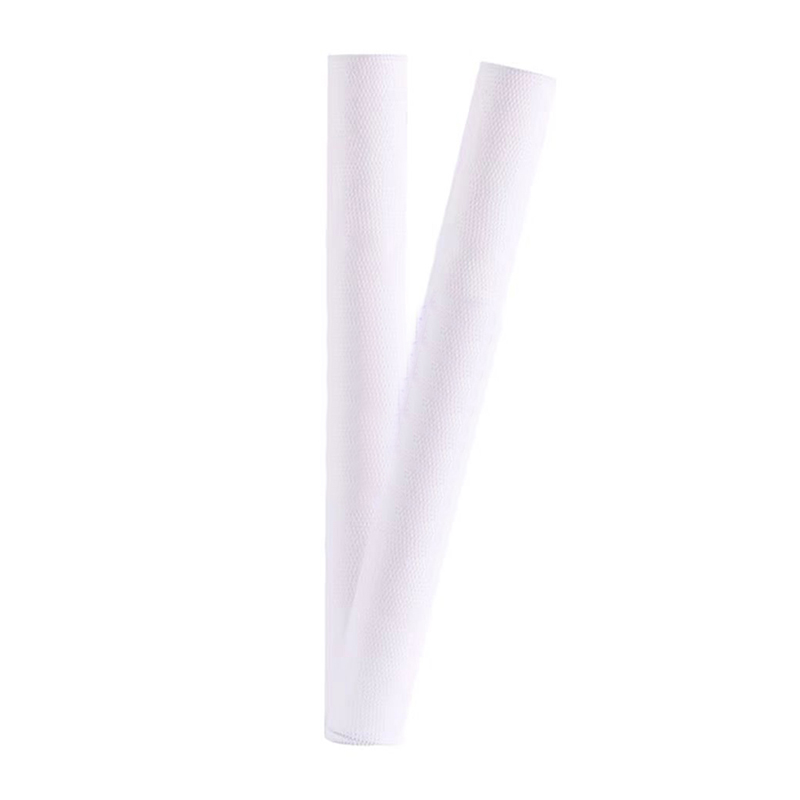
The filter element is a new type of precision filter element, which has the characteristics of small size, large filtering area, high precision, no po...
See Details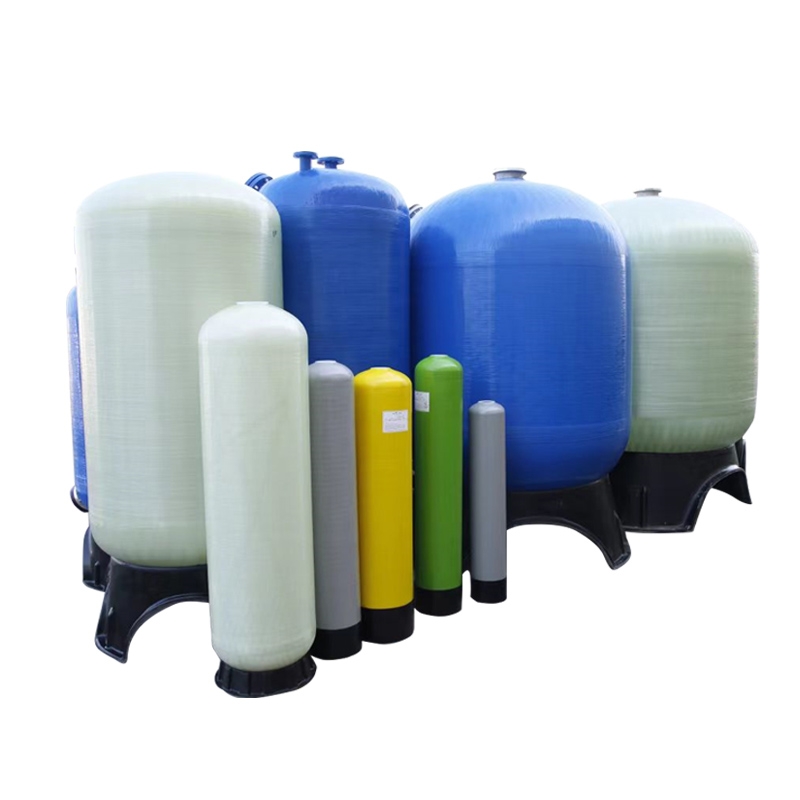
FRP filter tank is a filtering device that uses FRP as the shell material. It is widely used in water treatment, sewage treatment, industrial water tr...
See Details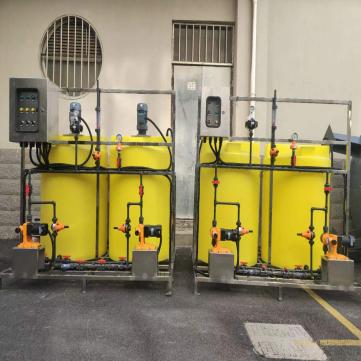
The PAC PAM dosing device is a device used to automatically add polyaluminium chloride (PAC) and polyacrylamide (PAM) during water treatment. The devi...
See Details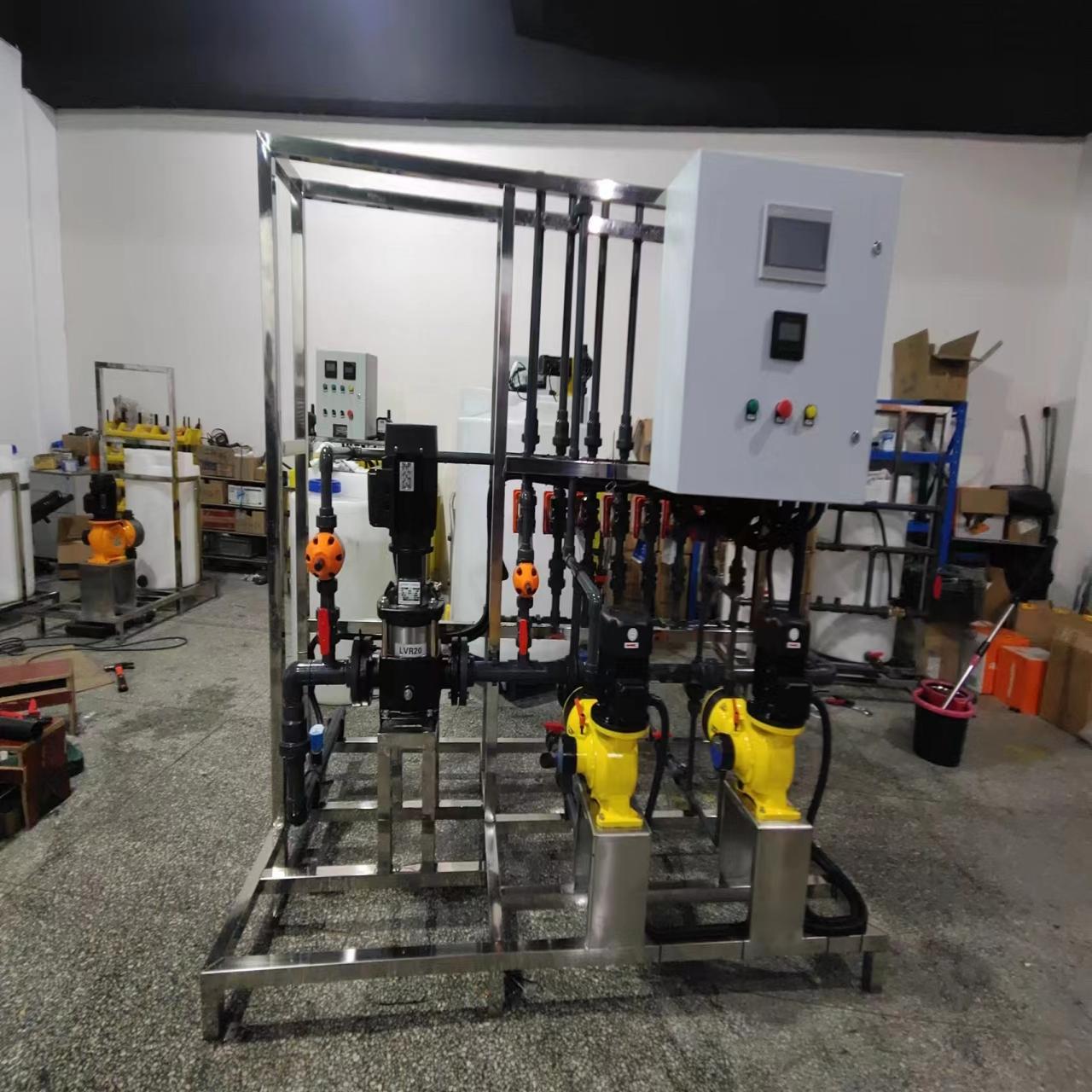
The acid-base neutralization and dosing device is a device used in the fields of industry, environmental protection and water treatment, mainly used t...
See Details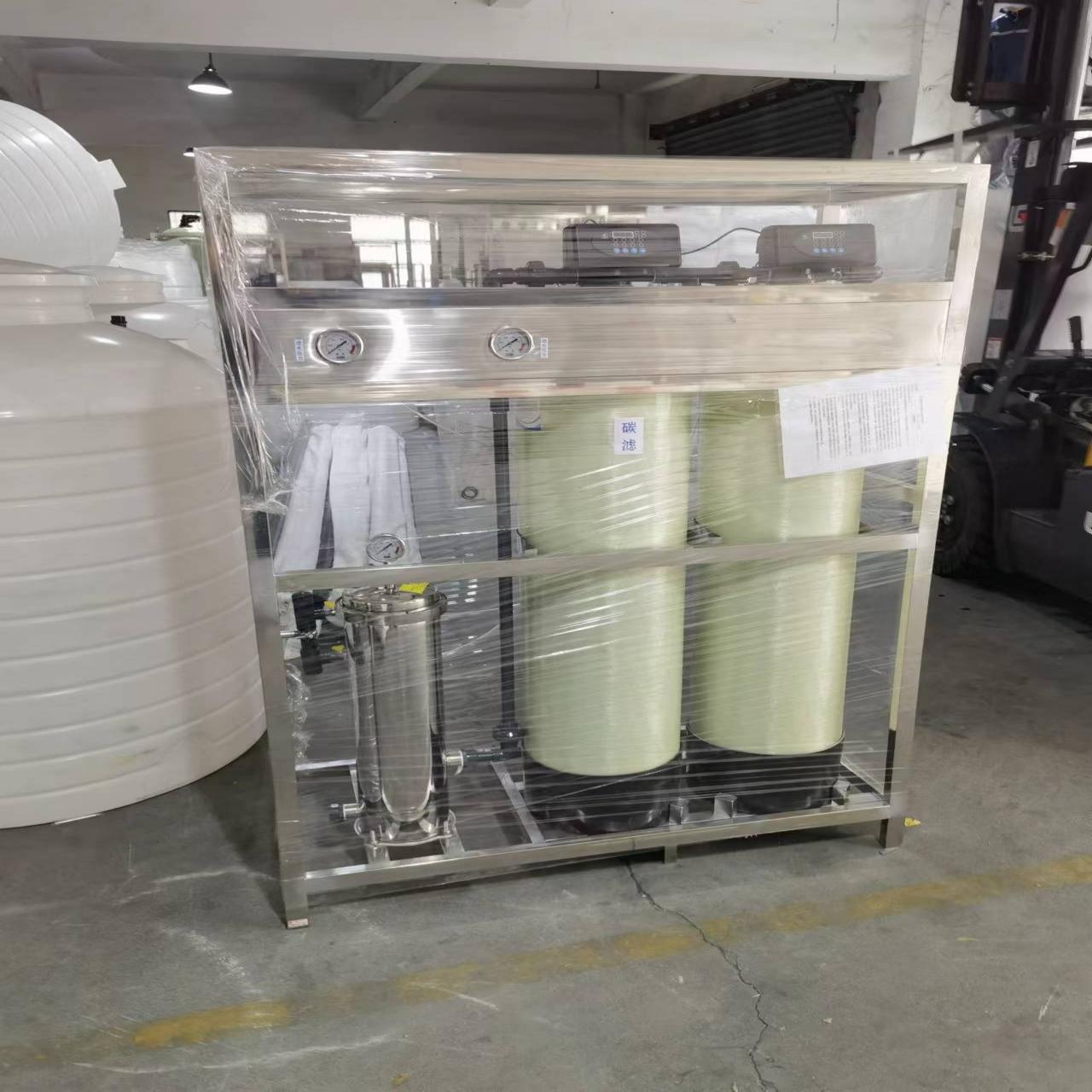
1 ton sand filter carbon filter compact tank is a high-efficiency filtration equipment for water treatment. It adopts sand filtration and carbon filtr...
See Details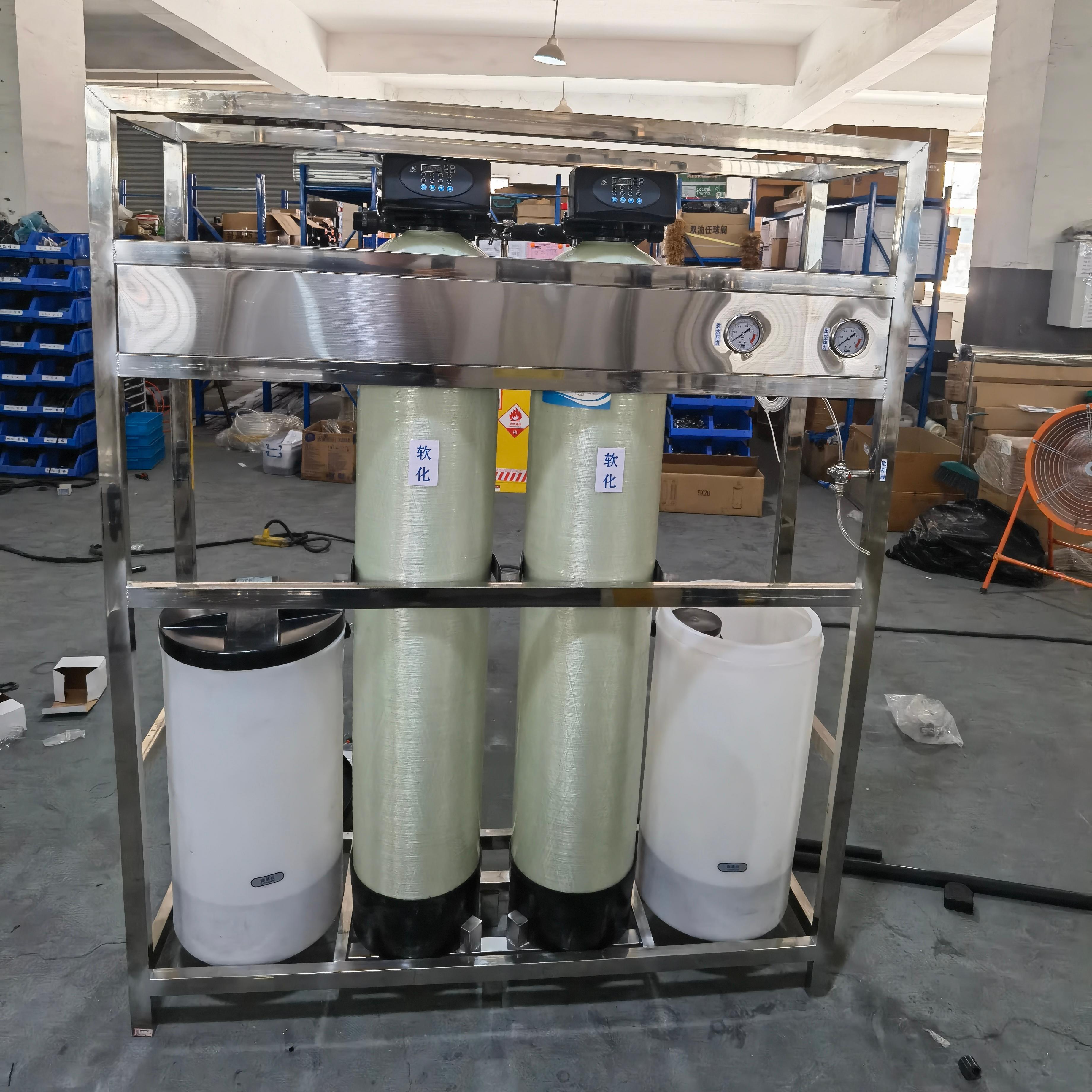
1 ton double valve double tank continuous water supply is an efficient and stable water treatment equipment, widely used in softened water, deminerali...
See Details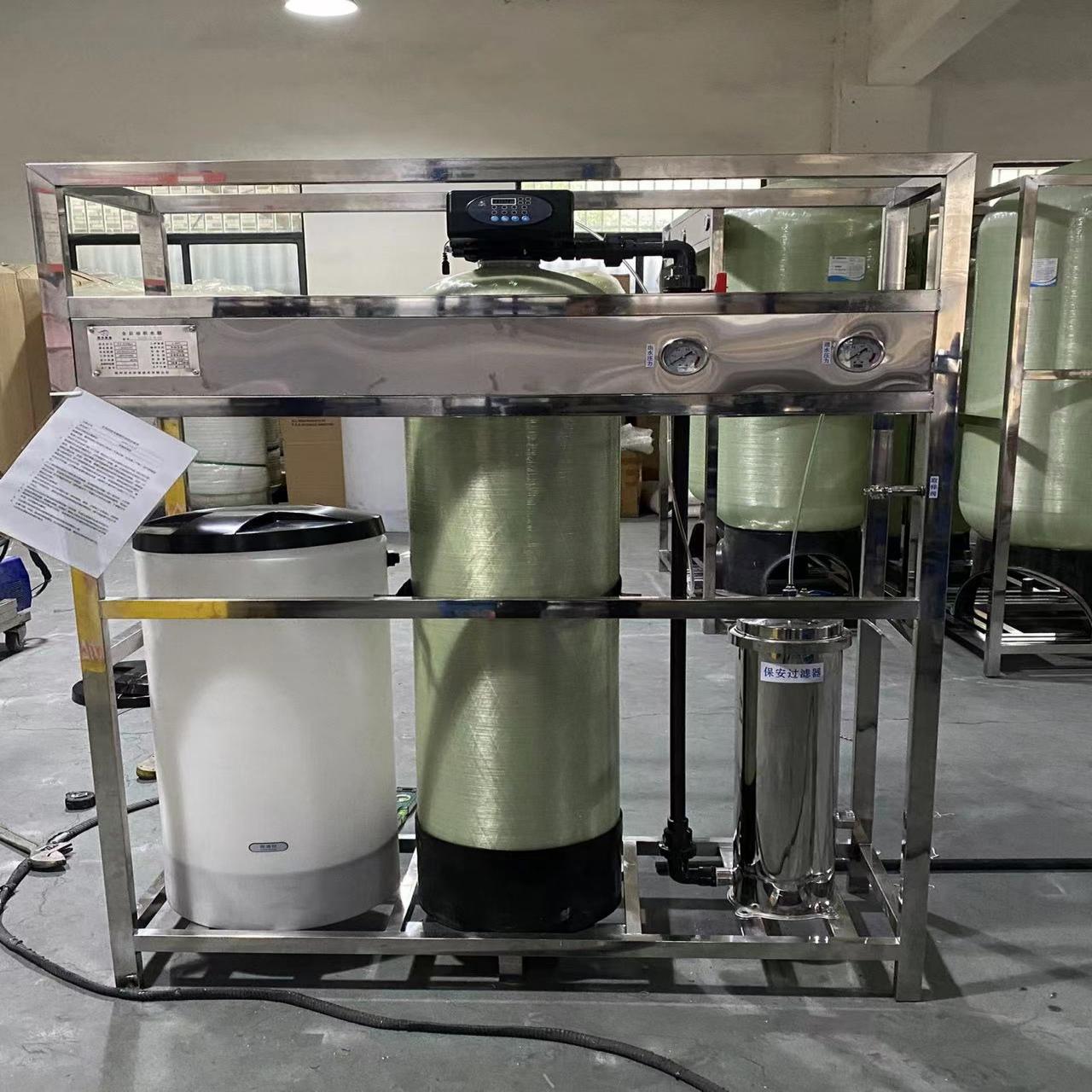
The 2-ton single tank with precision filtration is a device designed for small and medium-sized water treatment needs. It adopts a single tank structu...
See Details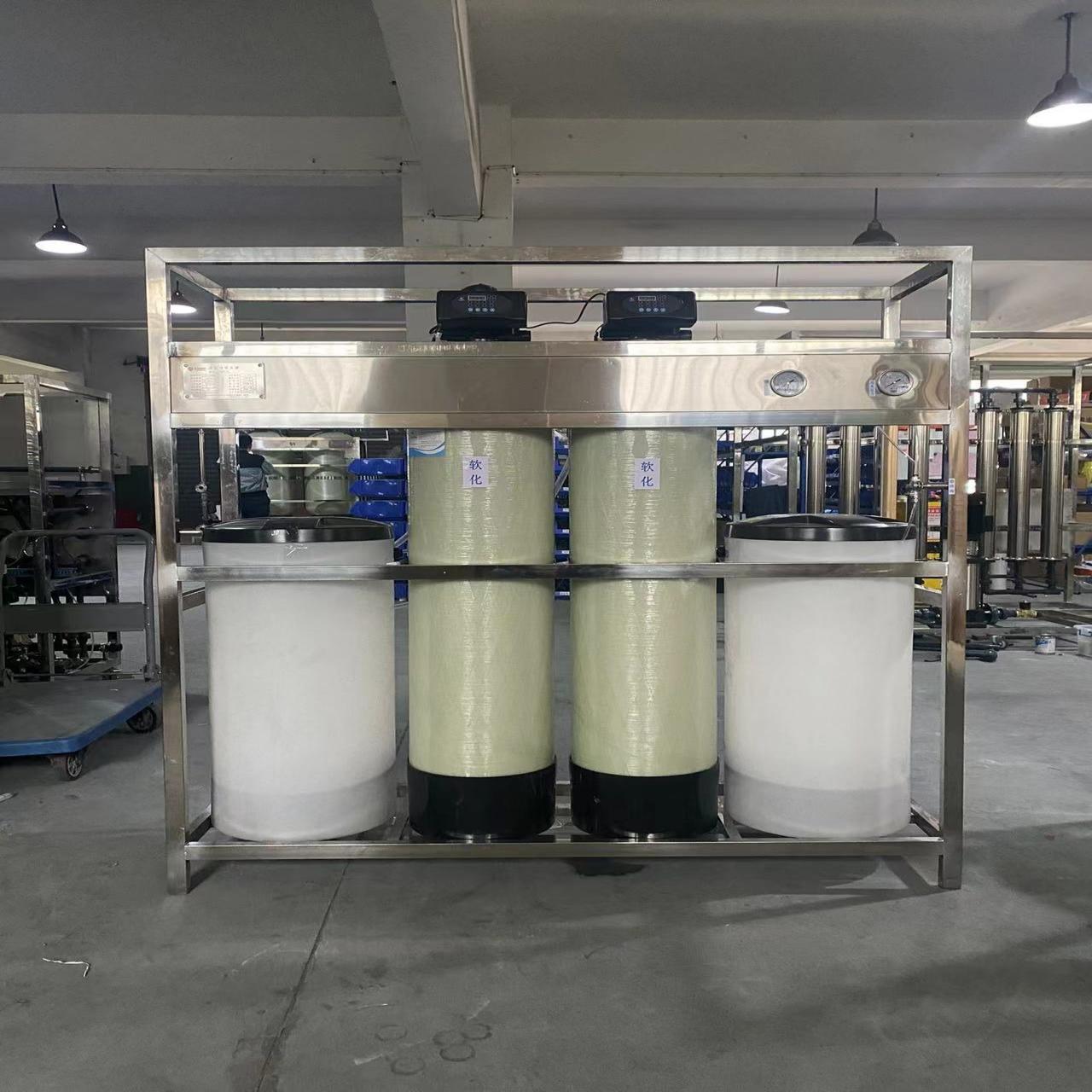
The 2-ton dual-valve dual-tank continuous water supply system is a device for medium-sized water treatment and water supply. It adopts a dual-tank des...
See Details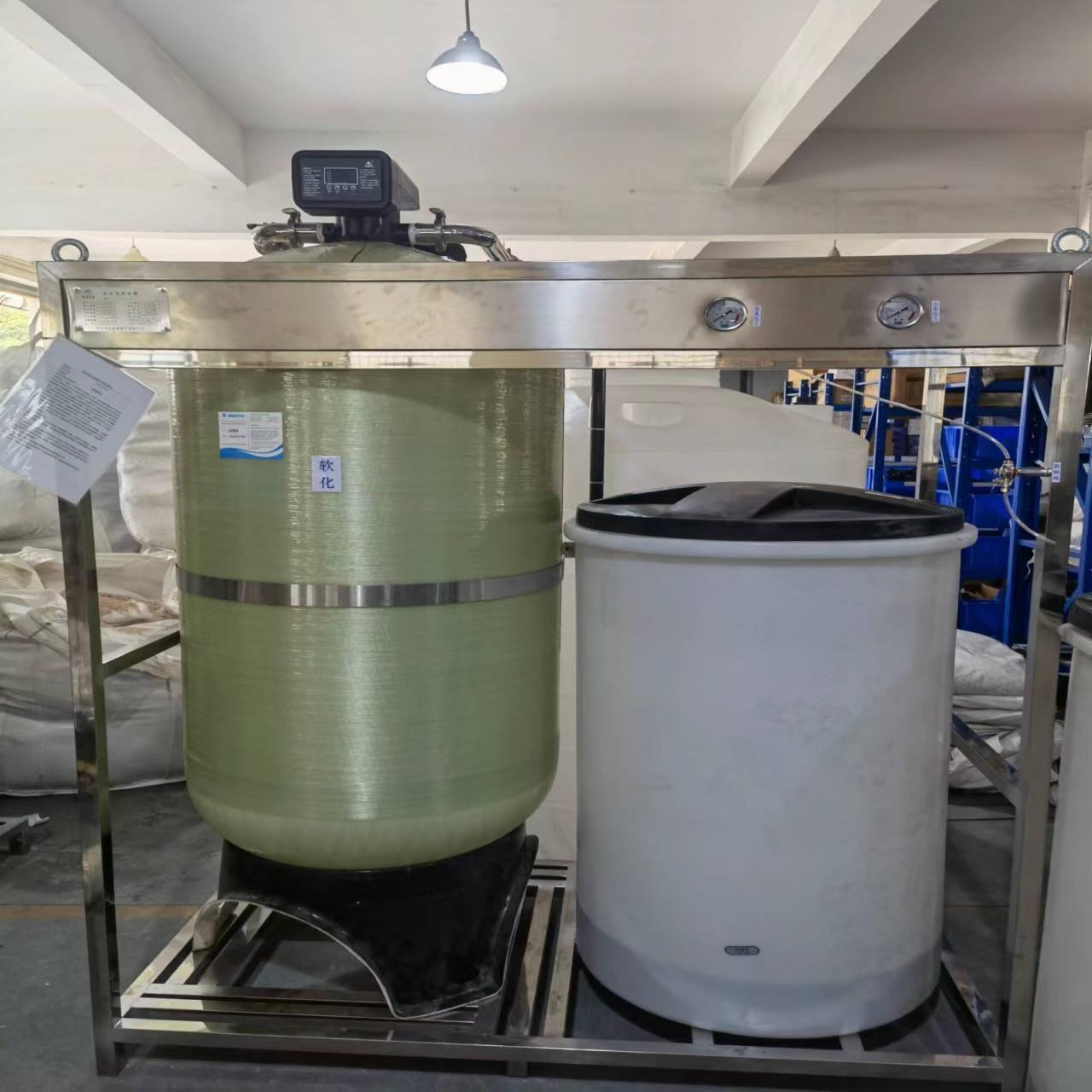
6-8 ton single tank is a water treatment equipment with moderate capacity, designed for occasions that require large water treatment. The equipment ad...
See Details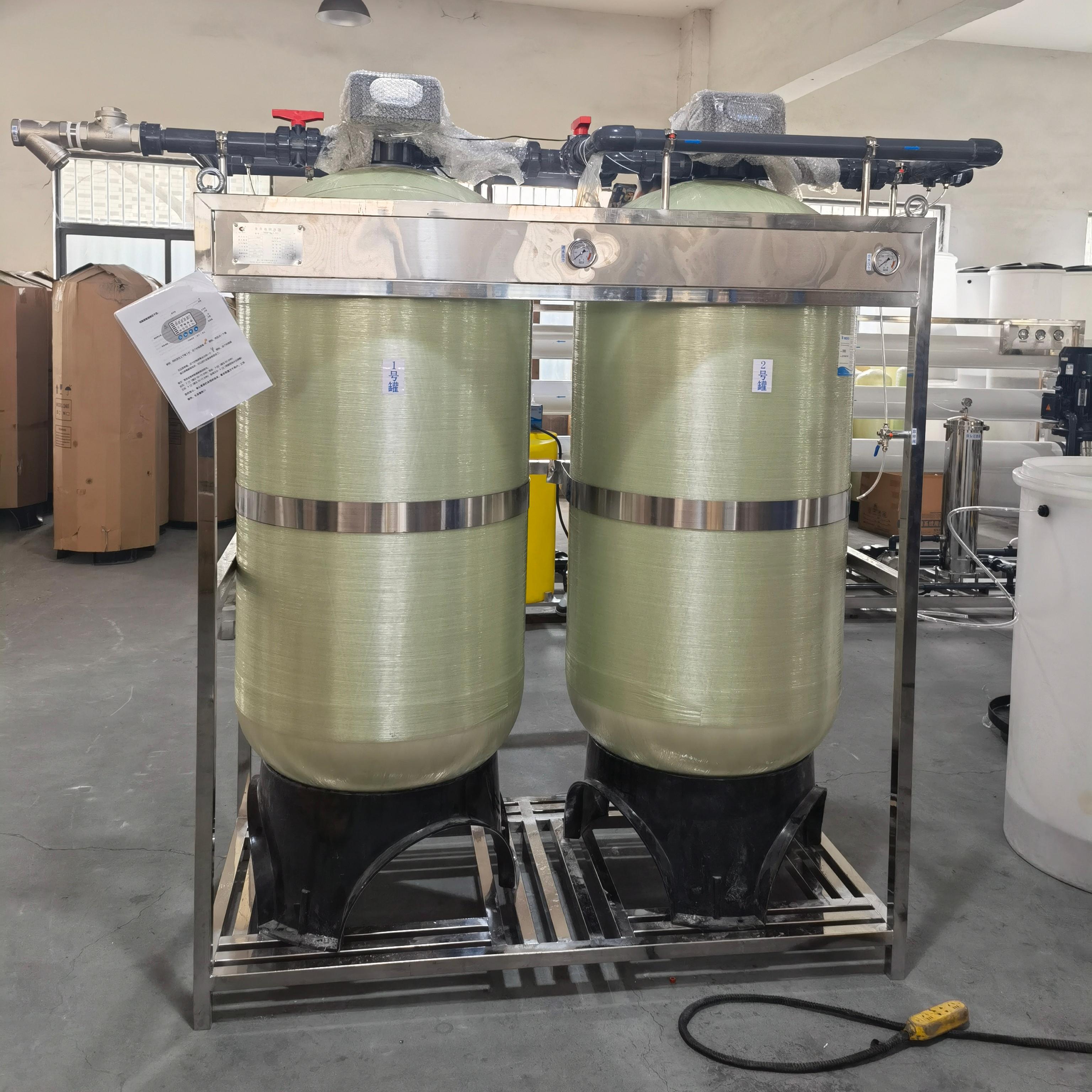
The 10-20 tons double valve double tank continuous water supply system is a high-efficiency equipment suitable for large-scale water treatment project...
See Details
+86-13396595772
[email protected]
[email protected]
[email protected]
[email protected]
Room 508, Xingyuncheng, No.15 Xingling Street, Xingqiao Street, Linping District, Hangzhou City, Zhejiang Province.
Copyright ©2024 Hangzhou Roushui Environmental Protection Technology Co., Ltd. All Rights Reserved. Custom Industrial Civil Water Treatment Purification Equipment Manufacturers
