
 English
 Español
 عربى
عربىCat:UF Membrane
In the field of industrial water purification, strict quality standards are required. In response to this challenge, a membrane filter with a PVDF str...
See DetailsService hotline: +86-13396595772


Hard water affects millions of households and businesses worldwide, causing mineral buildup on pipes, reducing appliance efficiency, and compromising water quality for daily use. Whether you're dealing with stubborn water stains on fixtures, scale accumulation in your plumbing system, or reduced performance from your water-dependent appliances, water softener systems offer a proven solution to eliminate these challenges. This comprehensive guide walks you through everything you need to know about selecting, installing, and maintaining water softening technology for both residential and commercial applications. From understanding the science behind softening to comparing different system types and evaluating costs, we'll help you make an informed decision that matches your specific water quality needs and budget requirements.
Water softening technology represents a specialized approach to water treatment that specifically targets mineral hardness. Unlike standard water filters that remove sediment, chlorine, or odors, water softener systems focus exclusively on removing dissolved minerals—primarily calcium and magnesium ions—that cause water hardness.
Hard water forms when water passes through limestone, chalk, or other mineral-rich geological formations, absorbing calcium and magnesium compounds. These minerals don't pose direct health risks but create significant practical problems in homes and businesses. Water softeners employ ion exchange technology to swap these hardness minerals for sodium or potassium ions, effectively transforming hard water into soft water suitable for all household and industrial applications.
The distinction between water softening and other water treatment methods matters significantly. While whole-house filters might improve taste or reduce chlorine, only true water softening systems address mineral hardness. This specialization makes them invaluable in regions with moderate to high water hardness levels.
Understanding the mechanics of water softener systems helps you appreciate why they effectively solve hard water problems. The technology relies on a well-established chemical process called ion exchange that has been refined over decades.
The core mechanism involves resin beads—small plastic spheres coated with sodium or potassium ions. When hard water flows through a tank containing these resin beads, calcium and magnesium ions attach to the resin surface through an exchange process. Simultaneously, the sodium or potassium ions previously bonded to the resin release into the water. This exchange continues until the resin becomes saturated with hardness minerals and can no longer function effectively.
Once the resin reaches saturation, the system enters regeneration mode. During this cycle, a concentrated salt brine solution (created by dissolving salt pellets in water) flows backward through the resin tank. This high-concentration brine solution overpowers the ionic bonds holding hardness minerals to the resin, forcing these minerals out while restoring sodium or potassium ions to the resin beads. After regeneration, the system flushes remaining brine and mineral debris down the drain, leaving the resin ready for another softening cycle.
Modern water softener systems employ various strategies to optimize performance. Flow rate capacity determines how much soft water the system can produce before needing regeneration. Exchange capacity indicates the total mineral removal capacity before regeneration becomes necessary. Smart systems monitor water usage and hardness levels, regenerating only when needed rather than on fixed schedules, significantly reducing salt consumption and wastewater.
Different softening system designs serve distinct applications and user preferences. Understanding these primary categories helps match your situation with the most appropriate technology.
The traditional ion exchange design remains the most popular and cost-effective option for both residential and commercial applications. These systems deliver superior hardness removal rates and work reliably with high mineral concentrations. They require regular salt refilling and generate wastewater during regeneration cycles, but their proven effectiveness and affordability make them the industry standard.
Alternative technologies using template-assisted crystallization or chelation don't remove hardness minerals but instead condition water to prevent scale formation. These systems produce no wastewater and require no salt, making them environmentally attractive. However, they don't provide the complete hardness removal that traditional ion exchange systems offer. They work better for preventing scale formation than for solving existing hard water problems comprehensively.
Commercial and high-demand residential applications often employ dual-tank configurations. While one tank softens water, the second regenerates simultaneously, ensuring continuous soft water supply without interruption. This design proves essential for businesses requiring uninterrupted water softening, though the higher cost and space requirements limit residential adoption.
Modern water softener systems incorporate digital controls that monitor water hardness, track flow rates, and calculate optimal regeneration timing. Smart systems reduce salt and water consumption significantly compared to timer-based models by regenerating only when necessary. Some models connect to mobile applications for remote monitoring and adjustment.
| System Type | Hardness Removal | Salt Required | Wastewater | Maintenance | Best For |
|---|---|---|---|---|---|
| Ion Exchange | Excellent (95-98%) | Yes | Moderate | Medium | Most homes and businesses |
| Salt-Free | Good (prevents scale) | No | None | Low | Eco-conscious users with lower hardness |
| Dual-Tank | Excellent (95-98%) | Yes | Moderate | High | High-demand commercial operations |
| Smart Automated | Excellent (95-98%) | Minimal | Low | Low | Conservation-focused residential users |
The decision to install water softener systems delivers tangible benefits across multiple areas of home and business operations. These advantages extend far beyond simply improving water quality.
Hard water mineral deposits accumulate inside water heaters, dishwashers, washing machines, and other appliances, forcing them to work harder and reducing their operational lifespan. Research indicates that mineral scale buildup can reduce appliance efficiency by 15-20% and shorten equipment life by several years. Water softening prevents this mineral accumulation, maintaining appliance performance and extending equipment longevity significantly. This protection alone often justifies the system investment over a 10-year period.
Mineral deposits clog water-using appliances and plumbing fixtures, leading to costly repairs and premature replacement. Hard water also reduces the effectiveness of soap and detergents, requiring higher quantities for cleaning tasks. Soft water increases soap effectiveness, reducing chemical usage and household costs. The cumulative savings from reduced appliance repairs, extended equipment life, and decreased detergent consumption often exceed the water softener's initial investment within 5-7 years.
Soft water enhances bathing and showering experiences. Hair feels softer, skin experiences less dryness, and soap residue that causes irritation and dullness disappears. Clothes washed in soft water feel softer, retain colors better, and last longer. Drinking water tastes cleaner without mineral flavors. These quality-of-life improvements, while less quantifiable than financial savings, significantly enhance daily comfort and satisfaction.
Mineral buildup inside pipes gradually reduces water pressure and restricts flow throughout the home or facility. In severe cases, mineral deposits can completely block water lines, requiring expensive pipe replacement. Water softening prevents internal pipe corrosion and scale accumulation, maintaining water pressure and extending plumbing system life indefinitely. This protection proves especially valuable in regions with naturally high water hardness levels.
Businesses depending on water quality—including restaurants, laundries, manufacturing facilities, and hospitality operations—experience direct impacts from hard water. Scale accumulation in commercial equipment reduces efficiency, increases energy consumption, and leads to frequent downtime for maintenance and cleaning. Water softening systems maintain consistent operations, reduce energy costs, and improve product quality for businesses relying on water-dependent processes.
Understanding the financial aspects of water softener systems helps you evaluate whether this investment aligns with your budget and expected return on investment. System costs vary dramatically based on multiple factors.
System Capacity and Flow Rate: Systems handling higher water volumes cost substantially more than smaller units. A residential unit serving 2-3 people costs significantly less than a commercial system supplying an entire hotel or manufacturing facility. Flow rate capacity—measured in gallons per minute or liters per hour—directly correlates with system price.
Technology and Features: Basic timer-based systems represent the most affordable option, while smart systems incorporating digital monitoring, automatic regeneration, and mobile app connectivity command premium prices. The additional features reduce operational costs over time but require higher initial investment.
Materials and Construction: System durability depends heavily on tank materials, control valve quality, and resin composition. Higher-grade materials cost more initially but provide longer service life and more reliable performance. Commercial-grade systems built for heavy-duty use incorporate premium components justifying higher prices.
Installation Complexity: Simple point-of-use systems cost less than whole-house installations requiring plumbing modifications and electrical connections. Properties with existing water treatment systems may require compatibility adjustments, increasing installation costs.
Basic timer-controlled softeners for small to medium-sized homes represent the most budget-friendly option. These systems handle fundamental hardness removal through proven ion exchange technology without advanced features.
Systems featuring improved control valves, better resin capacity, and moderate smart features serve typical residential needs effectively. These represent the sweet spot for most homeowners seeking balance between capability and investment.
High-end residential models incorporate advanced digital controls, smartphone connectivity, efficiency optimization, and premium construction materials. These systems appeal to users prioritizing convenience and maximum feature integration.
Heavy-duty commercial installations handling 100+ gallons per minute require industrial-grade equipment with dual-tank configurations, high-capacity resins, and robust controls. Commercial pricing reflects durability, capacity, and reliability requirements for business operations.
Installation Expenses: Professional installation typically ranges from moderate to substantial depending on your plumbing configuration and local labor rates. Some systems allow DIY installation, reducing these costs significantly.
Ongoing Salt or Potassium Chloride: Monthly regenerant costs depend on water hardness levels, household water usage, and system efficiency. Households require regular replenishment of salt pellets or potassium chloride depending on their preferred regenerant type.
Maintenance and Repairs: Professional maintenance services, filter replacements, and occasional component repairs represent continuing operational costs. Regular maintenance extends system life but requires budget allocation.
System Replacement: After 10-15 years, most systems require replacement. Planning for eventual system replacement helps distribute costs across the ownership period.
While water softener systems require upfront investment, the cumulative savings from appliance protection, reduced chemical usage, improved efficiency, and extended equipment life typically recover the investment within 5-7 years for average households. Commercial operations often experience faster payback periods due to higher water usage and greater equipment protection benefits.
Selecting the appropriate system requires evaluating your specific situation against several key criteria. This systematic approach ensures you invest in technology that delivers maximum value for your circumstances.
Understanding your water's hardness level represents the fundamental first step. Water hardness is measured in parts per million (ppm) or grains per gallon (gpg). Soft water measures below 60 ppm, while very hard water exceeds 180 ppm. Most municipalities provide free water hardness testing, or you can purchase affordable test kits. Some people hire professional water testing services for comprehensive analysis including hardness and other water quality parameters. Your hardness level determines the system capacity needed and regeneration frequency required.
Household water usage varies significantly based on family size, lifestyle, and local climate. Average Americans use 80-100 gallons daily, though this increases with larger families or higher usage patterns. Calculate your typical daily consumption or review water utility bills for usage data. Commercial applications require careful analysis of peak usage periods. System capacity should handle your peak daily usage plus provide some safety margin. Undersized systems regenerate excessively, while oversized systems waste money on unnecessary capacity.
Water softeners require dedicated space for installation, typically in basements, mechanical rooms, or outdoor spaces. System footprints range from compact 12 inches in diameter to larger tanks requiring 2-3 square feet of floor space. Dual-tank commercial systems need significantly more space. Before selecting a system, measure your intended installation location and verify adequate space for the chosen unit plus necessary clearance for salt refilling and maintenance access.
Determining how much you're willing to invest helps narrow system options. Consider both initial equipment costs and ongoing operational expenses. Systems spanning from budget entry-level options to premium commercial installations accommodate various financial commitments. Calculate your expected cost recovery period based on anticipated savings versus system cost to ensure financial alignment with your expectations.
Different systems align with different user priorities. Environmental-conscious users prioritizing water conservation benefit from smart systems minimizing wastewater. Busy professionals valuing convenience prefer smart systems handling regeneration automatically with minimal user involvement. Budget-focused users accept manual intervention and regular salt replenishment in exchange for lower prices. Renters facing installation limitations consider portable systems. Identifying your priorities clarifies which system type best serves your needs.
Entry-level or mid-range ion exchange systems provide adequate performance at reasonable cost, with manageable maintenance requirements.
Higher-capacity systems prevent frequent regeneration cycles and ensure consistent soft water availability during peak usage periods.
Smart automated systems reduce salt and water consumption compared to timer-based models, though at higher initial cost.
Dual-tank commercial systems ensure continuous operations without soft water interruption, despite higher investment and maintenance requirements.
Portable point-of-use systems offer flexibility without permanent installation, though with limitations on capacity and effectiveness.
Proper installation and ongoing maintenance determine whether water softener systems deliver their intended performance and longevity. Understanding these processes helps you prepare for system setup and plan maintenance activities.
Before installation begins, professionals evaluate your plumbing configuration, water supply lines, drain access, and electrical requirements. They identify the optimal installation location balancing accessibility for maintenance against aesthetic considerations. They confirm adequate space for the equipment and necessary clearances. Understanding this assessment process helps you prepare your property and avoid unexpected complications during installation.
Installation involves connecting the softener to your main water supply line, typically near the point where water enters your home or facility. The system must be positioned with access to a drain line for wastewater discharge during regeneration. For electrically-powered systems, proper electrical connection ensures reliable operation. Professional installers handle all connections using appropriate fittings and materials, ensuring no leaks or water damage. The process typically requires 2-4 hours for residential installations.
After physical installation, the system requires configuration for your specific water hardness level and household usage. Initial regeneration removes manufacturing residue from resin before the system begins treating your water. Setting correct parameters—water hardness level, daily usage, and regeneration preferences—optimizes system performance and efficiency from the start.
Salt or Potassium Refilling: Monitor salt or potassium chloride levels monthly and refill when levels drop to approximately 25% capacity. Most households refill every 2-3 months depending on hardness and usage. Some modern systems alert you when refilling becomes necessary, simplifying maintenance scheduling.
Annual Professional Service: Professional maintenance annually checks system performance, cleans components, and identifies potential issues before they cause problems. Professional service ensures optimal operation and extends system lifespan significantly.
Resin Inspection and Replacement: Resin typically functions effectively for 10-15 years. Professional inspection identifies when resin degradation impacts performance, indicating replacement timing. Some challenging water conditions require more frequent resin replacement.
Control Valve Maintenance: Control valve components occasionally require cleaning or repair. Professional service includes valve inspection and maintenance as needed.
Properly maintained water softener systems typically provide 10-15 years of reliable service before requiring replacement. Some components may need attention earlier—control valves might require repair within 5-7 years, and resin may need replacement toward the end of this period. Factors affecting lifespan include water quality, usage intensity, maintenance quality, and component manufacturing standards. Commercial systems with heavy usage may require replacement sooner than residential systems with moderate use.
Most frequently caused by resin exhaustion without proper regeneration. Verify regeneration is occurring correctly, confirm adequate salt supply, and check if resin requires replacement. Occasionally indicates that system capacity was undersized for current usage levels.
Typically results from control valve malfunction causing frequent unnecessary regeneration. Have a professional evaluate the control valve and repair or replace as needed. Alternatively, verify hardness level settings match your actual water conditions.
Indicates resin bed degradation or control valve damage allowing resin escape. Professional service is necessary to address this issue, which usually involves valve repair or resin replacement.
May indicate control valve failure, electronic sensor malfunction, or lack of salt supply. Check salt levels first, then have professional service diagnose valve or electronic issues if salt levels are adequate.
For households with moderate to high water hardness, water softener systems typically deliver return on investment within 5-7 years through appliance protection, reduced maintenance costs, and decreased chemical usage. The longer you own your home and the higher your water hardness, the more compelling the financial case becomes. Additionally, the quality-of-life improvements from soft water—better bathing experiences, softer clothes, reduced cleaning effort—provide value beyond pure financial calculations.
Traditional ion exchange systems do generate wastewater during regeneration cycles, typically 30-50 gallons per regeneration depending on system size and efficiency. Smart automated systems minimize this waste by regenerating only when necessary rather than on fixed schedules. The water conservation benefits of preventing appliance damage and extending equipment life generally far exceed the regeneration wastewater volume over time. Dual-tank commercial systems designed for water conservation use efficiency optimization to minimize waste.
Water softeners specifically target calcium and magnesium ions responsible for hardness, removing 95-98% of these minerals. They don't remove other dissolved minerals, salts, or contaminants. This selective action is appropriate because removing all minerals would create undesirable properties in water. Soft water still contains beneficial minerals and maintains appropriate mineral balance for drinking and cooking purposes. If removal of other contaminants is desired, combining water softening with other treatment methods addresses those needs separately.
Regular user maintenance involves monitoring and refilling salt or potassium levels monthly, which takes only a few minutes. Professional service should occur annually to inspect system components, ensure optimal performance, and identify any maintenance needs before problems develop. Between professional services, most systems operate independently requiring minimal user intervention. Some modern systems send maintenance reminders automatically when service is needed.
Water softening doesn't make water unsafe or unpleasant for drinking. Soft water often tastes cleaner without the mineral flavors present in hard water. The sodium content added during softening equals approximately that in a slice of bread and poses no health concerns for the vast majority of people. Medical organizations recognize softened water as safe for drinking. However, individuals on strict sodium-restricted diets should consult healthcare providers. Regardless of softening preference, all water should meet regulatory safety standards, which softening doesn't compromise.
Some basic systems designed for DIY installation allow competent homeowners to complete setup, though professional installation is generally recommended. Professional installers ensure proper water line connections, accurate drain plumbing, correct electrical configuration, and optimal system settings. Professional installation typically includes warranty protection and ensures compliance with local plumbing codes. The modest installation cost investment generally proves worthwhile given the equipment value and potential consequences of improper installation.
Salt-based ion exchange systems actually remove hardness minerals from water, producing genuinely soft water. Salt-free systems don't remove minerals but condition water to prevent scale formation through crystallization technology. Salt-based systems deliver more complete hardness removal and work effectively even with very hard water. Salt-free systems require no salt and generate no wastewater, appealing to environmentally conscious users with moderate hardness levels. Choice depends on hardness severity, environmental priorities, and whether you prefer true softening or scale prevention.
Common hard water indicators include white mineral deposits on faucets and fixtures, reduced soap lather even with adequate product, difficulty achieving cleanliness when bathing or washing, appliances performing less efficiently than expected, and recurring plumbing maintenance issues. Professional water testing provides precise hardness measurements and identifies other potential water quality issues. Municipal water suppliers often provide hardness information upon request. If you're uncertain whether your water warrants treatment, affordable water testing kits provide clear answers within minutes.
Selecting and installing appropriate water softener systems represents an investment in your home's longevity, comfort, and operational efficiency. The decision-making process requires evaluating your water hardness, daily usage patterns, space availability, budget constraints, and personal priorities regarding environmental impact and maintenance convenience.
Different systems serve different needs effectively. Entry-level systems suit households seeking affordable basic hardness removal. Mid-range systems balance capability with moderate investment. Premium systems offer maximum features and convenience. Commercial systems handle heavy-duty applications where continuous soft water supply is essential.
Whatever system you select, proper installation and regular maintenance ensure maximum performance and longevity. Professional service providers can evaluate your specific situation, recommend appropriate systems, handle installation correctly, and maintain your equipment for years of reliable operation. With the right system matched to your circumstances and supported by proper maintenance, water softening delivers tangible benefits in appliance protection, reduced maintenance costs, improved water quality, and enhanced daily comfort that justify the investment.
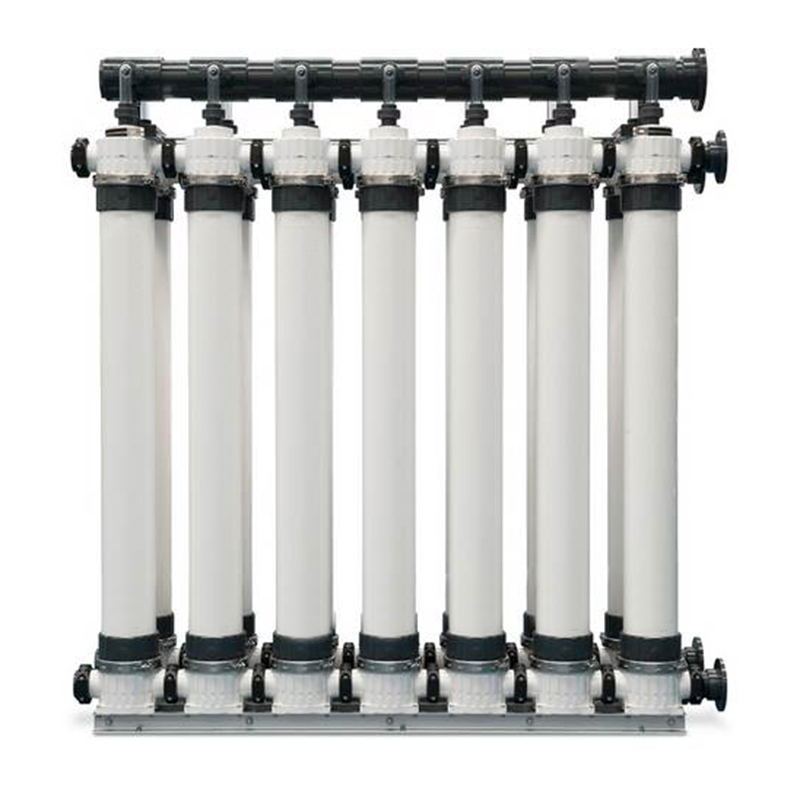
In the field of industrial water purification, strict quality standards are required. In response to this challenge, a membrane filter with a PVDF str...
See Details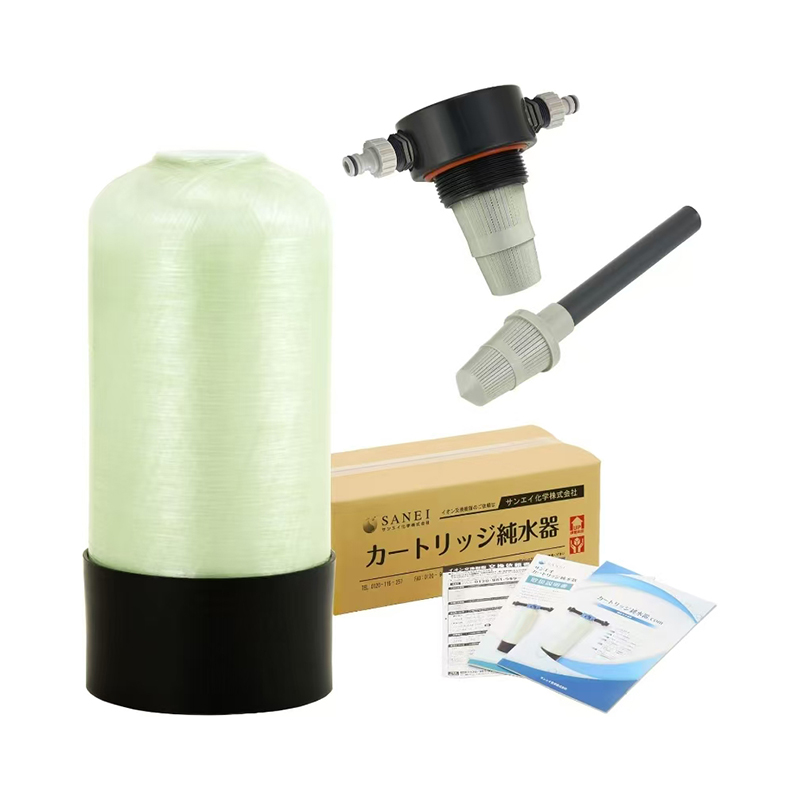
High Flow 3/4 PortKDF(Kinetic Degradation Fluxion) in our RV water filter removes chlorine, heavy metals, bacteria, and scale, ensuring cleaner and sa...
See Details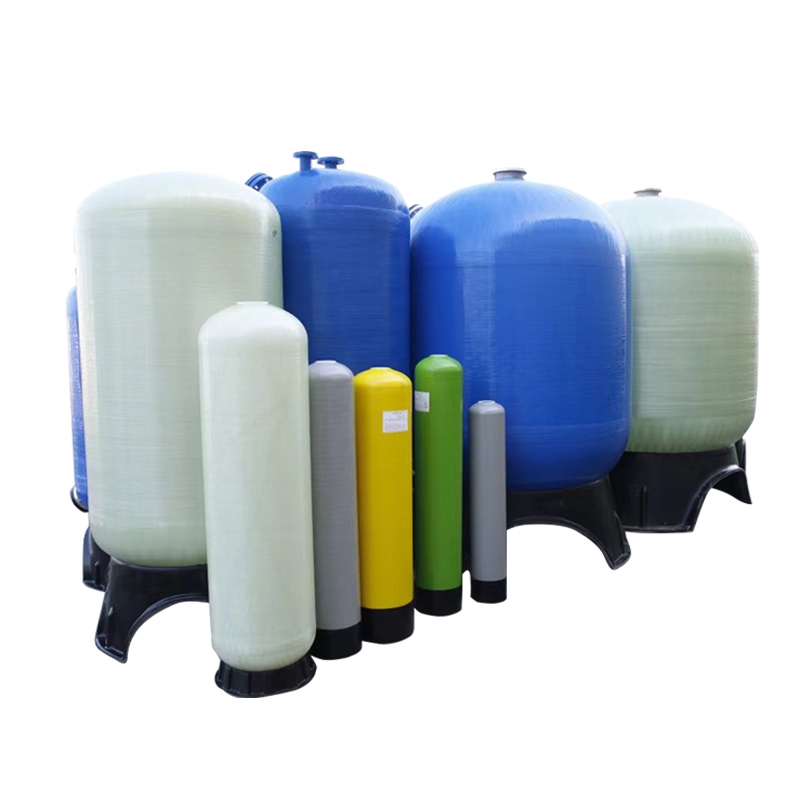
FRP filter tank is a filtering device that uses FRP as the shell material. It is widely used in water treatment, sewage treatment, industrial water tr...
See Details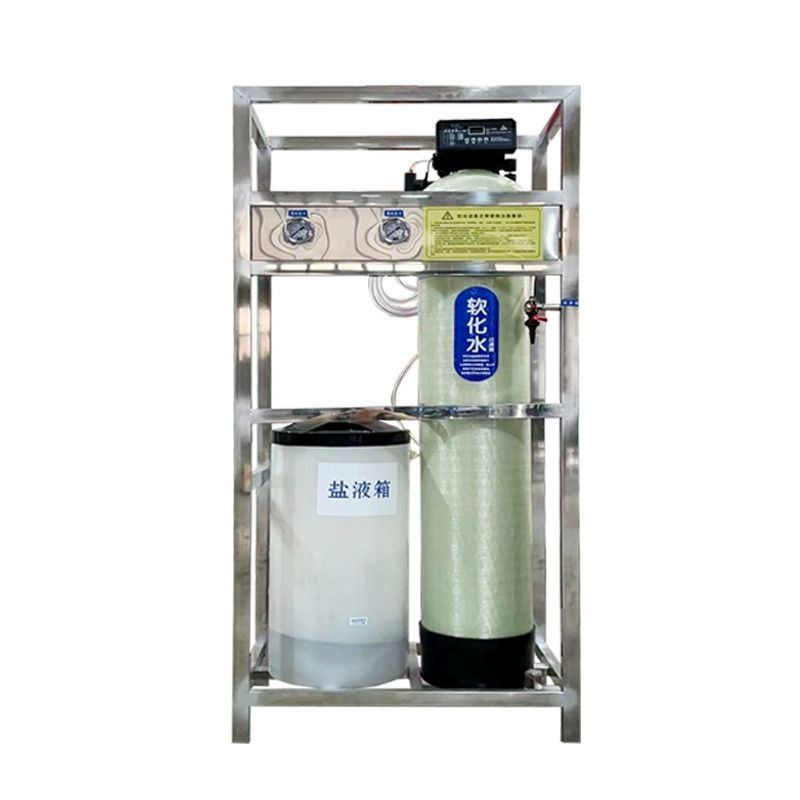
Fully automatic water softening equipment is a kind of equipment used to remove the hardness (mainly calcium and magnesium ions) in water and convert ...
See Details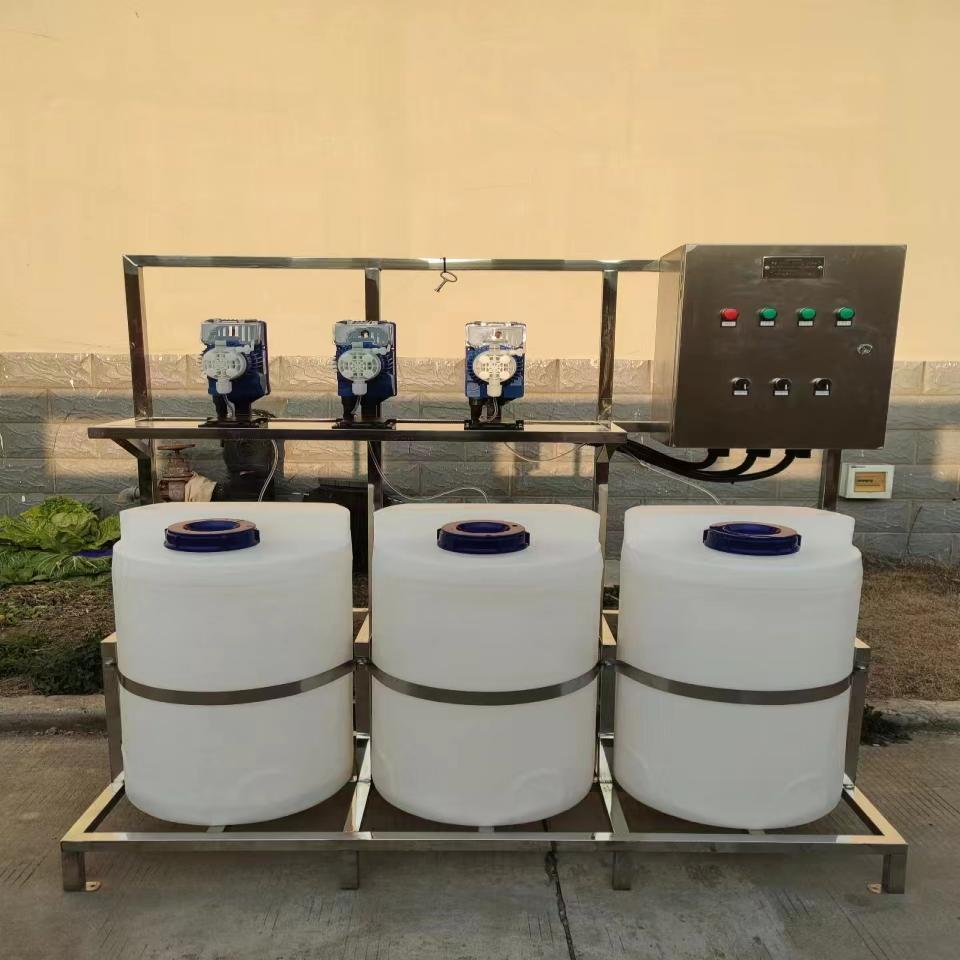
The flocculation scale inhibition and sterilization three-pump three-barrel circulating water system dosing device is a device specially used for circ...
See Details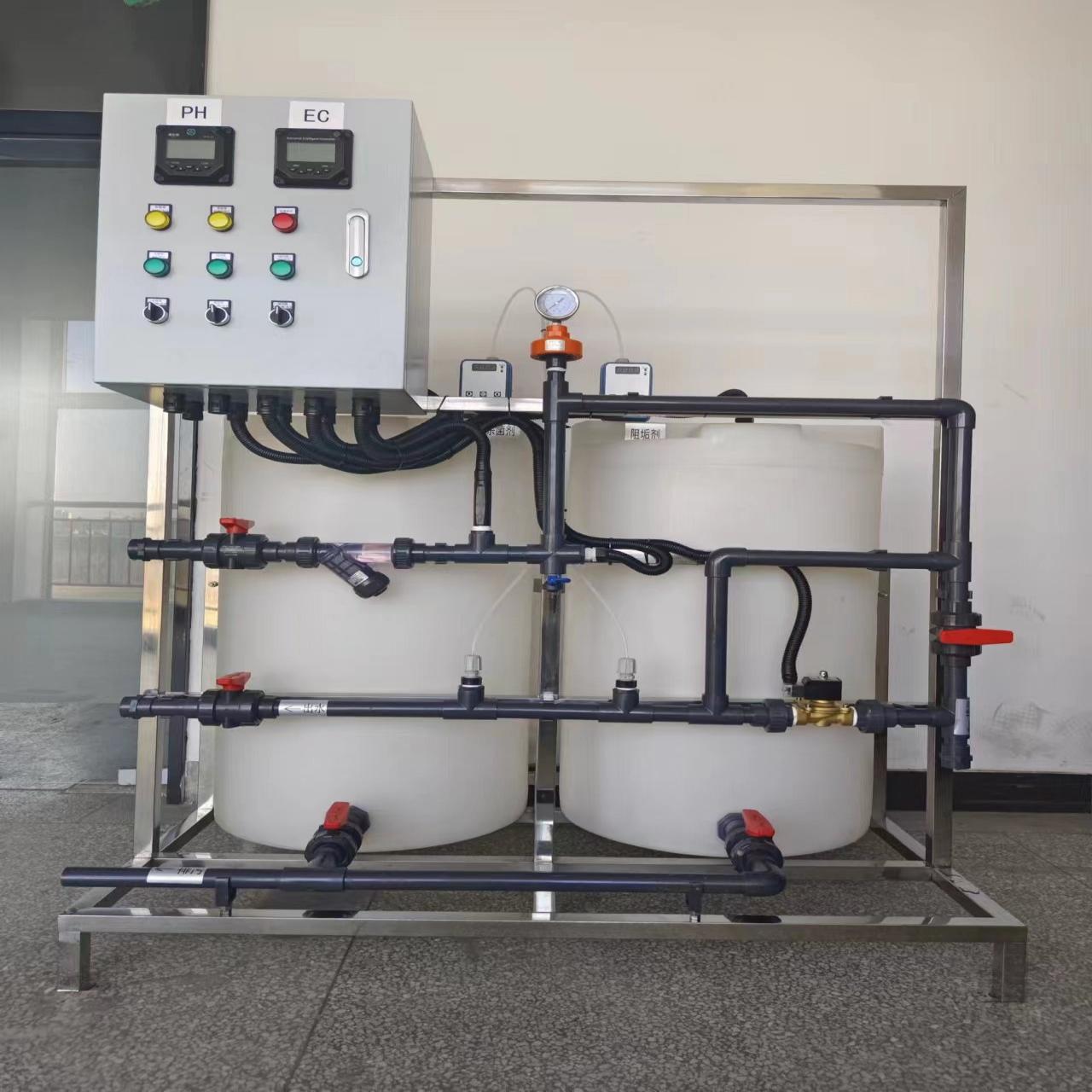
The scale prevention and sterilization double pump double barrel circulating water dosing device is an integrated dosing system equipped with two inde...
See Details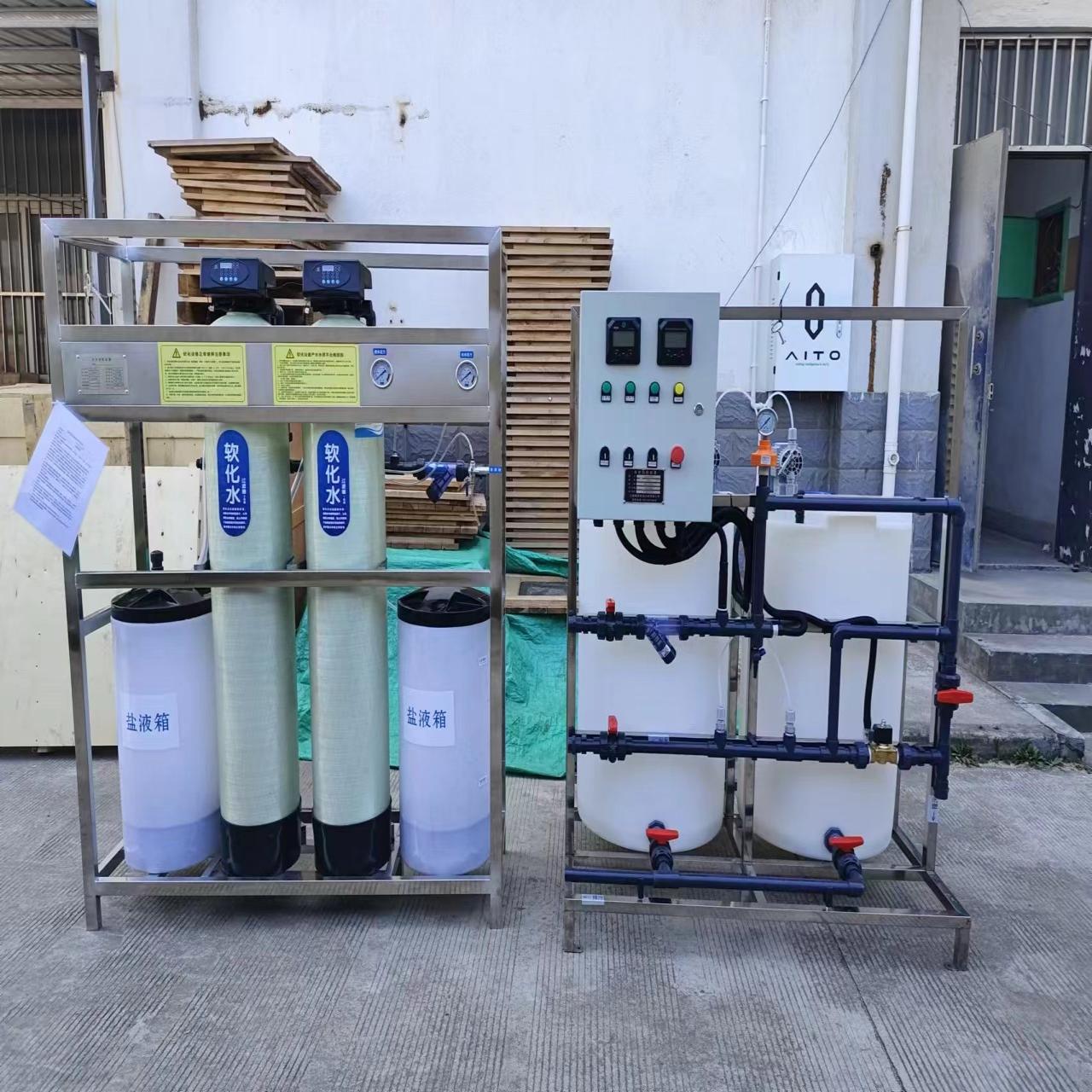
The circulating water system softening, replenishing, sterilizing and dosing device is a special equipment for industrial circulating water treatment....
See Details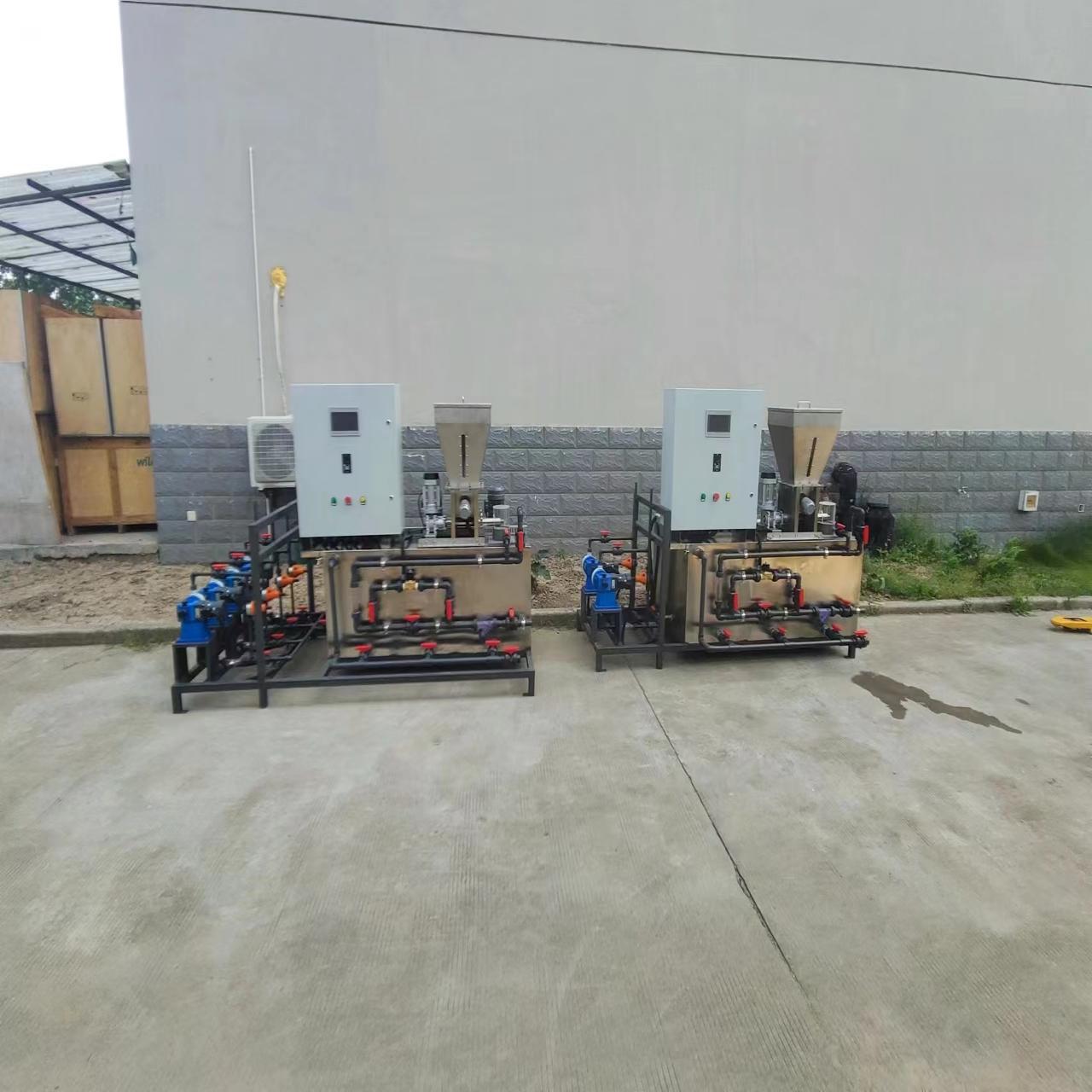
The integrated PAC PAM dosing device is an integrated water treatment equipment, which is specially used for adding agents such as polyaluminium chlor...
See Details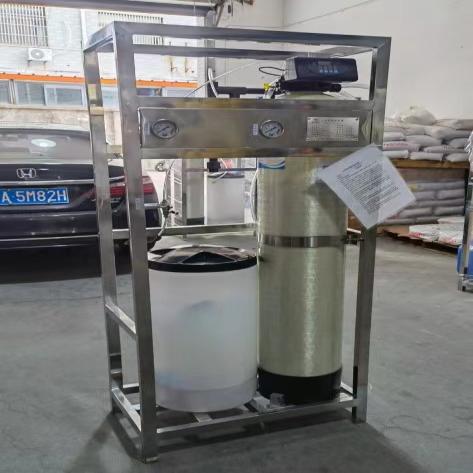
1 ton single tank is a device for storing and dosing water treatment chemicals, usually used in the dosing link of water treatment systems. The device...
See Details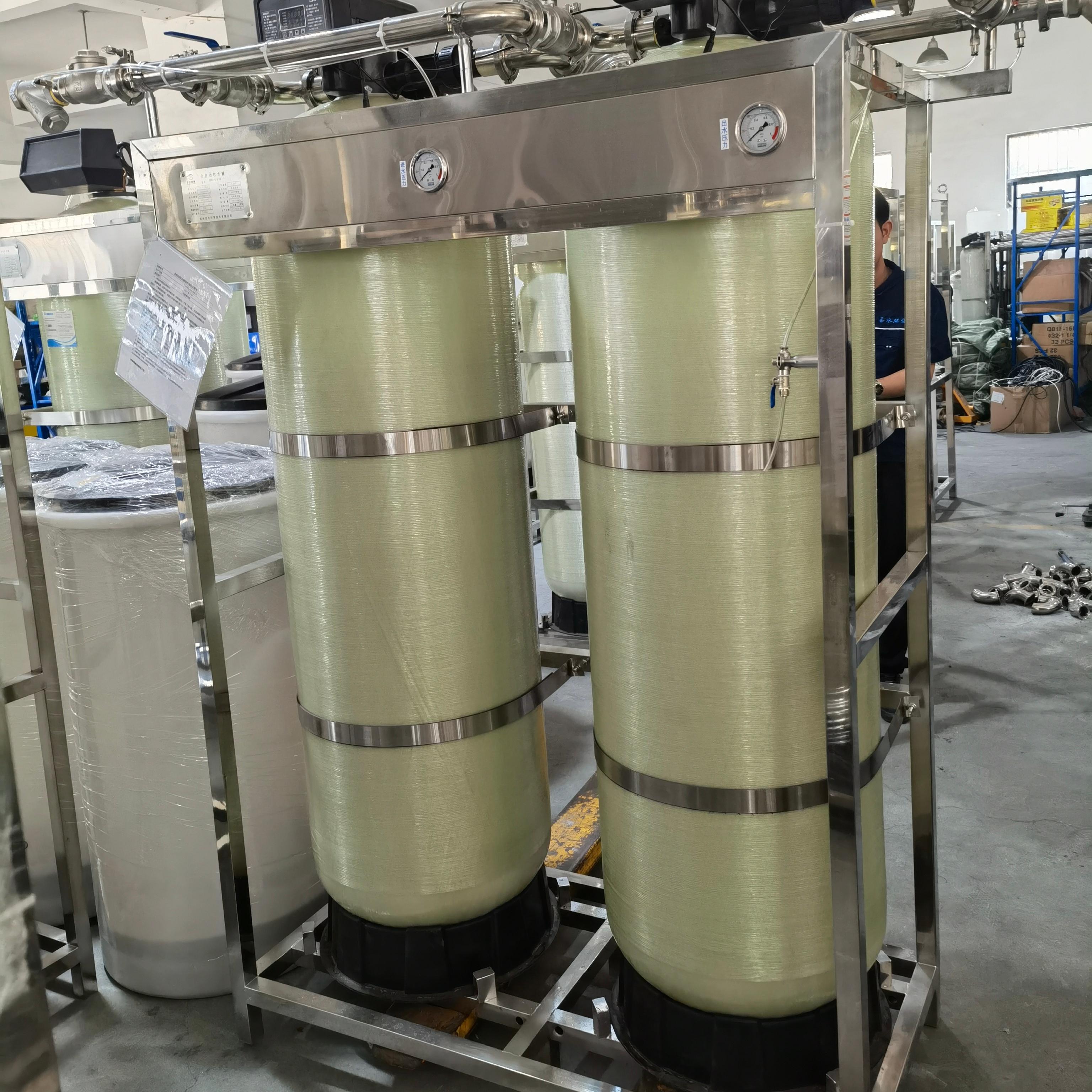
This 6-ton dual-valve dual-tank continuous water supply equipment is designed to provide efficient and stable water treatment solutions. Through the d...
See Details
+86-13396595772
[email protected]
[email protected]
[email protected]
[email protected]
Room 508, Xingyuncheng, No.15 Xingling Street, Xingqiao Street, Linping District, Hangzhou City, Zhejiang Province.
Copyright ©2024 Hangzhou Roushui Environmental Protection Technology Co., Ltd. All Rights Reserved. Custom Industrial Civil Water Treatment Purification Equipment Manufacturers
