
 English
 Español
 عربى
عربىCat:FRP Tank
FRP (Fibreglass Reinforced Plastic) softening filter tanks stand out for their adaptability and are available in a variety of sizes and configurations...
See DetailsService hotline: +86-13396595772


Water quality has become a critical concern for households and industries worldwide. Contaminated water poses serious health risks and can damage equipment in commercial and industrial settings. RO pure water systems have emerged as the gold standard solution, delivering exceptional purification across residential, commercial, and industrial applications. Whether you need pure drinking water for your family or high-purity water for manufacturing processes, understanding how these systems work and how to select the right one is essential. This comprehensive guide explores everything you need to know about RO pure water systems, from technical fundamentals to practical maintenance, helping you make an informed investment in water purification.
RO pure water systems use reverse osmosis technology to remove dissolved solids, minerals, bacteria, viruses, and other contaminants from water. Unlike conventional filters that only trap particles on their surface, reverse osmosis forces water through a semi-permeable membrane at high pressure. This membrane allows water molecules to pass through while blocking larger molecules and impurities, resulting in water purity that exceeds 95% in most applications.
The term "pure water" in RO systems refers to water with minimal dissolved solids and contaminants. Traditional water filters address visible particles and some odors, but RO pure water systems go deeper, producing water suitable for drinking, cooking, laboratory work, and industrial manufacturing. The difference is substantial: while conventional filters improve water quality, RO systems transform it entirely.
Understanding the mechanics of RO pure water systems helps you appreciate their effectiveness. The process begins with pre-filtration, where sediment and chlorine are removed. Water then enters the primary chamber where it contacts the semi-permeable membrane under pressure—typically 40-100 PSI depending on feed water quality and system design.
In normal osmosis, water molecules move from areas of high water concentration to low water concentration across a membrane. Reverse osmosis reverses this process by applying pressure to the concentrated side, forcing purified water through the membrane while rejecting contaminants. This rejection rate reaches 95-99% for dissolved salts, heavy metals, and most microorganisms.
The efficiency of RO pure water systems depends on several factors: water temperature, incoming water quality, membrane age, and system pressure. Most systems are most efficient at temperatures between 60-80 degrees Fahrenheit and produce approximately 40-75% recovery rate, meaning 40-75% of input water becomes pure water, while the remainder becomes reject water containing concentrated contaminants.
RO pure water systems deliver multiple advantages that make them the preferred choice for households, businesses, and industrial operations seeking reliable water purification solutions.
RO pure water systems remove up to 99% of dissolved solids including lead, arsenic, fluoride, nitrates, and bacteria. This level of purification exceeds what conventional filters can achieve, providing water that meets or exceeds drinking water standards in most regions. The consistency of purification makes these systems ideal for applications requiring predictable water quality.
While initial investment in RO pure water systems is higher than basic filters, long-term costs are significantly lower. Membrane replacement occurs every 2-3 years, and operational expenses are minimal compared to bottled water purchases or damage caused by impure water in industrial processes. A family avoiding bottled water through an RO system can save hundreds of dollars annually.
Modern RO pure water systems require minimal maintenance compared to industrial water treatment alternatives. Pre-filters need replacement every 6-12 months, and post-purchase support from quality suppliers often includes maintenance scheduling reminders and filter availability. This simplicity makes them accessible to users without technical expertise.
Pure water from RO systems reduces scale buildup in kettles, coffee makers, humidifiers, and water-using appliances. Industrial users benefit from extended equipment life in cooling systems, boilers, and manufacturing equipment. This translates to reduced maintenance costs and unexpected downtime across multiple applications.
For families concerned about waterborne contaminants, RO pure water systems provide peace of mind. The removal of bacteria, viruses, and chemical contaminants makes water safer for vulnerable populations including children, elderly individuals, and immunocompromised persons. In industrial and laboratory settings, pure water quality is often non-negotiable for product quality and safety.
The versatility of RO pure water systems makes them suitable for diverse environments and requirements.
Home users install under-sink, point-of-use RO pure water systems to provide pure drinking and cooking water. Residential systems typically produce 50-100 gallons per day, sufficient for a family of 4-5. These compact units take minimal space and integrate easily into existing kitchen plumbing. Residential users appreciate the improved taste of pure water, the elimination of chlorine smell, and the reduction in plastic waste from bottled water.
Restaurants, hotels, offices, and other commercial establishments use larger RO pure water systems producing 200-500 gallons per day. Commercial applications benefit from improved coffee and beverage taste, cleaner ice quality, and reduced equipment scaling. Some commercial operations integrate RO pure water systems with additional filtration stages for specialized applications. Warranty and service contracts become important considerations for business users managing operational efficiency.
Manufacturing plants, laboratories, and data centers require industrial-scale RO pure water systems producing 1,000+ gallons per day. These systems often feature multiple membrane stages, advanced monitoring, and automated controls. Industrial applications demand highest purity levels, rapid throughput, and system reliability. Predictable water quality is essential for manufacturing consistency, product quality, and regulatory compliance in pharmaceutical, semiconductor, and food processing industries.
| Application Type | Daily Production | Typical Users | Key Requirements |
|---|---|---|---|
| Residential | 50-100 GPD | Families | Compact, Low noise |
| Commercial | 200-500 GPD | Businesses | Reliability, Quality |
| Industrial | 1000+ GPD | Manufacturing | High purity, Uptime |
Understanding the cost structure of RO pure water systems helps you make an informed purchasing decision. Prices vary significantly based on system capacity, purification quality, and included features.
Entry-level residential RO pure water systems start at competitive price points, with mid-range systems offering excellent value for quality-conscious families. Premium residential models include enhanced features like mineral addition filters, smart monitoring, and extended warranties. Most residential systems include installation support and access to replacement filters through established distribution channels.
Commercial RO pure water systems require higher initial investment due to increased capacity and commercial-grade components. Organizations should factor in warranty coverage, service response times, and local technician availability. Many suppliers offer leasing options for businesses preferring predictable monthly expenses over large capital purchases. Water usage patterns and local water quality significantly affect total cost of ownership through filter replacement frequency.
Industrial RO pure water systems represent substantial capital investment, but justify costs through operational savings, reduced downtime, and improved product quality. Customization becomes standard at this scale, with systems engineered for specific water sources and application requirements. Ongoing technical support, preventive maintenance programs, and spare parts availability are essential considerations that impact total lifecycle costs.
Every organization has unique water requirements. System capacity, incoming water quality, output specifications, and specific contaminant concerns affect pricing. Contact specialists to discuss your specific needs and receive detailed quotations tailored to your application, budget, and timeline.
Proper maintenance ensures your RO pure water systems deliver consistent purification and maximum lifespan. Understanding maintenance requirements helps you plan for long-term costs and system reliability.
Pre-filters require replacement every 6-12 months depending on incoming water quality and usage volume. The RO membrane, the system's core component, typically lasts 2-3 years under normal conditions. Post-filters should be replaced at similar intervals. High-quality systems include filter change indicators and some modern models provide digital notifications when replacements are needed, eliminating guesswork from maintenance scheduling.
Annual professional inspection identifies potential issues before they affect performance. Technicians check membrane conditions, verify system pressure readings, inspect tank integrity, and ensure all components function properly. For industrial systems producing high volumes, regular cleaning protocols maintain optimal flow rates and prevent scaling. Membrane cleaning using appropriate solutions extends membrane life and maintains purification efficiency.
Testing output water quality ensures your RO pure water systems meet intended standards. Simple test strips check basic parameters, while comprehensive laboratory analysis verifies removal of specific contaminants. Some systems include built-in total dissolved solids monitors providing real-time quality feedback. Monitoring particularly matters for industrial and laboratory applications where water quality directly affects process outcomes.
Storage tanks require periodic inspection for corrosion, biofilm growth, or sediment accumulation. Pre-filtration of input water prevents tank contamination. For systems with copper plumbing connections, periodic flushing removes mineral buildup. Proper system installation with isolation valves simplifies maintenance access and allows component replacement without system-wide disruption.
Selecting appropriate RO pure water systems requires evaluating multiple factors specific to your situation. A systematic approach ensures you invest in a solution providing reliable purification for years.
Understanding incoming water quality guides system selection. Water testing reveals hardness, total dissolved solids, bacteria presence, and specific contaminants. High contamination levels may require pre-treatment or upgraded membrane specifications. Local water quality reports often provide baseline information. If your water source has unusual contamination patterns, discuss testing requirements with suppliers before purchasing.
Determine peak daily water usage and ensure system capacity exceeds this by 20-30%. For residential applications, typical consumption ranges from 50-150 gallons daily depending on household size and water use patterns. Commercial establishments should track actual daily usage over several weeks. Undersized systems result in operational frustration and poor performance, while oversized systems waste water and increase costs unnecessarily.
Different applications require different purity standards. Drinking water needs differ from laboratory-grade or semiconductor manufacturing requirements. Basic RO systems achieve 95% purification, while advanced systems with multiple stages or deionization reach 99%+ purity. Clearly define what contaminants matter most for your application, then specify that requirement to potential suppliers.
Space limitations affect system selection, particularly for residential settings. Under-sink systems fit tight spaces, while point-of-entry systems require basement or utility room installation. Commercial and industrial applications need dedicated spaces for equipment and drain requirements. Discuss installation requirements with suppliers and ensure your site meets necessary electrical, plumbing, and space specifications.
Quality suppliers back RO pure water systems with comprehensive warranties and readily available replacement parts. Local or regional service networks matter significantly for maintenance and emergency repairs. Long-term relationships with suppliers who understand your application provide valuable guidance as usage patterns change. Check warranty coverage duration and what components are included.
Yes, particularly for households concerned about water quality, individuals with sensitive health conditions, and any commercial or industrial operation where water purity affects product quality. Long-term costs of RO systems—including filter replacements and minor maintenance—typically cost less than bottled water purchases. Industrial users benefit from equipment protection and process reliability worth far more than system cost.
Standard RO pure water systems produce pure water at about 50-75% efficiency, meaning 25-50% of input water becomes reject water. Modern systems and advanced membranes improve this ratio. While this seems wasteful, reject water has alternative uses including plant watering, cleaning, or toilet flushing. Comparing water use to bottled water purchases and environmental impact of plastic bottles puts consumption in perspective.
RO systems remove 95-99% of most contaminants including minerals, bacteria, viruses, lead, arsenic, and fluoride. They cannot remove all volatile organic compounds with complete certainty, though activated carbon pre-filters address most. For applications requiring absolute purity or removal of very specific contaminants, lab-grade systems with additional purification stages may be necessary.
Annual professional inspection ensures optimal performance. Pre-filters require replacement every 6-12 months, RO membranes every 2-3 years, and post-filters at similar intervals. Usage volume, water quality, and system specifications affect actual replacement frequency. Systems with quality design provide filter change indicators making maintenance scheduling straightforward.
RO systems produce cold purified water. For hot pure water, most users install a point-of-use system with optional heating or connect the system to existing hot water lines after purification. Some commercial systems include heating options, but typical residential installations provide cold pure water for drinking and cooking applications.
Most modern RO pure water systems use an electric pump to generate the pressure needed for the reverse osmosis process. Some compact non-electric systems rely on high water pressure from municipal supplies, but these are less efficient and produce limited output. Standard systems require access to an electrical outlet, typically 120 volts.
Point-of-use systems treat water at a specific location like a kitchen sink, providing pure water where needed most. Point-of-entry systems treat all water entering a building. Point-of-use is more common for residential applications, while point-of-entry works better for commercial establishments with multiple water-use locations. Commercial RO pure water systems often employ point-of-use strategies for cost efficiency.
Reduced water output, slower production speed, or change in water taste may indicate filter saturation or membrane degradation. Modern systems include digital monitors showing system status and output quality. Regular testing of output water using test strips or laboratory analysis confirms ongoing effectiveness. Most quality suppliers provide maintenance reminders and troubleshooting guidance.
RO pure water systems represent a proven, cost-effective solution for homes, businesses, and industrial facilities seeking reliable water purification. Understanding how these systems work, evaluating their benefits across different applications, and selecting the right system based on your specific needs ensures you receive clean, pure water while maximizing your investment. Whether addressing family health concerns, improving business operations, or meeting strict industrial standards, quality RO pure water systems deliver measurable value through superior water quality, reduced maintenance requirements, and predictable operational costs. Connect with experienced suppliers who understand your application, can perform proper water testing, and provide ongoing technical support to ensure your purification investment performs optimally for years to come.
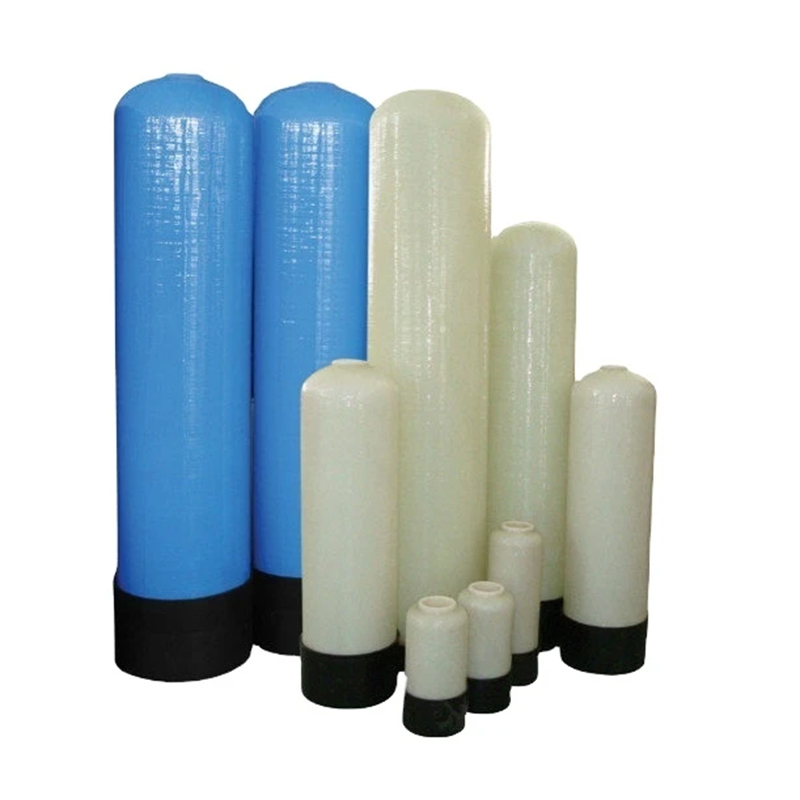
FRP (Fibreglass Reinforced Plastic) softening filter tanks stand out for their adaptability and are available in a variety of sizes and configurations...
See Details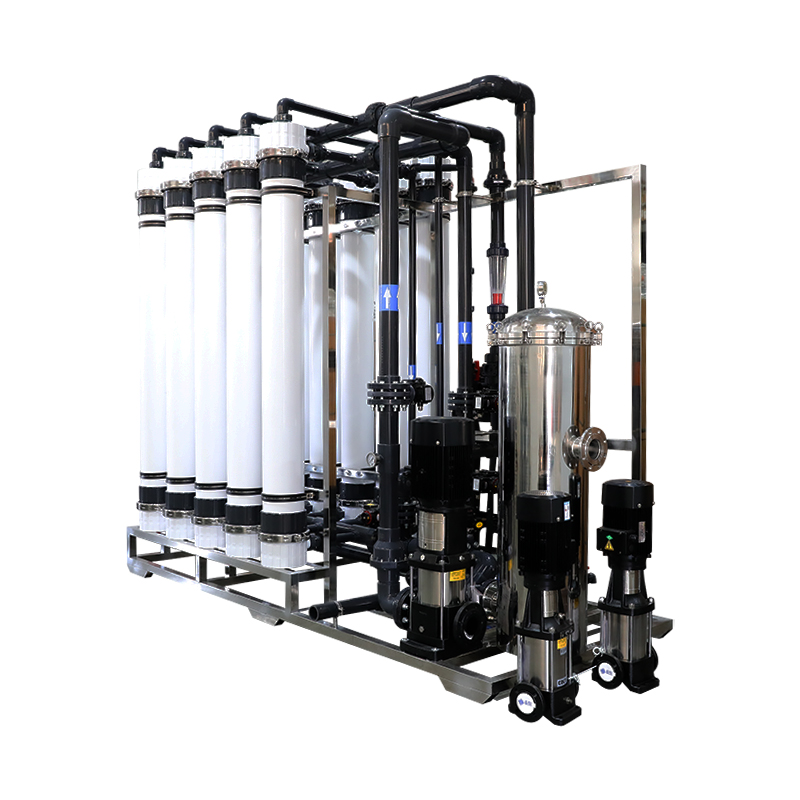
Ultrafiltration (UF) is a membrane separation technology that can purify and separate solutions. The ultrafiltration membrane system is a solution sep...
See Details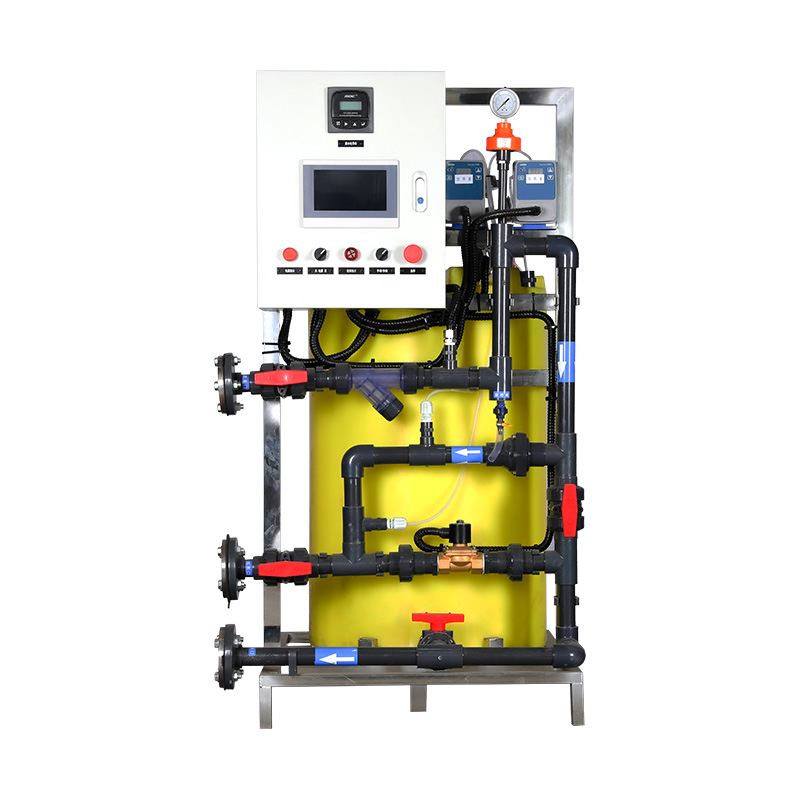
The dosing system is a device that integrates dosing, stirring, liquid transportation, and automatic control. It is mainly used in power plant raw wat...
See Details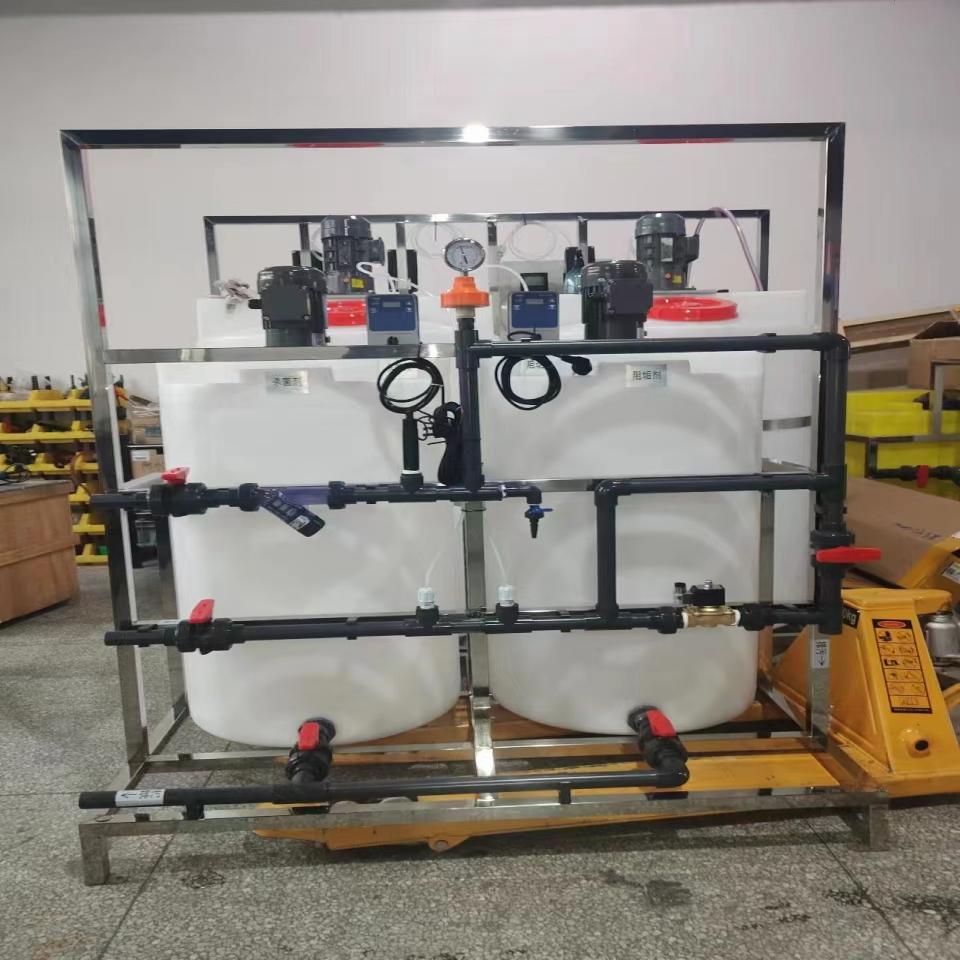
The scale-inhibiting and sterilizing circulating water system dosing device is a water quality treatment equipment designed for circulating water syst...
See Details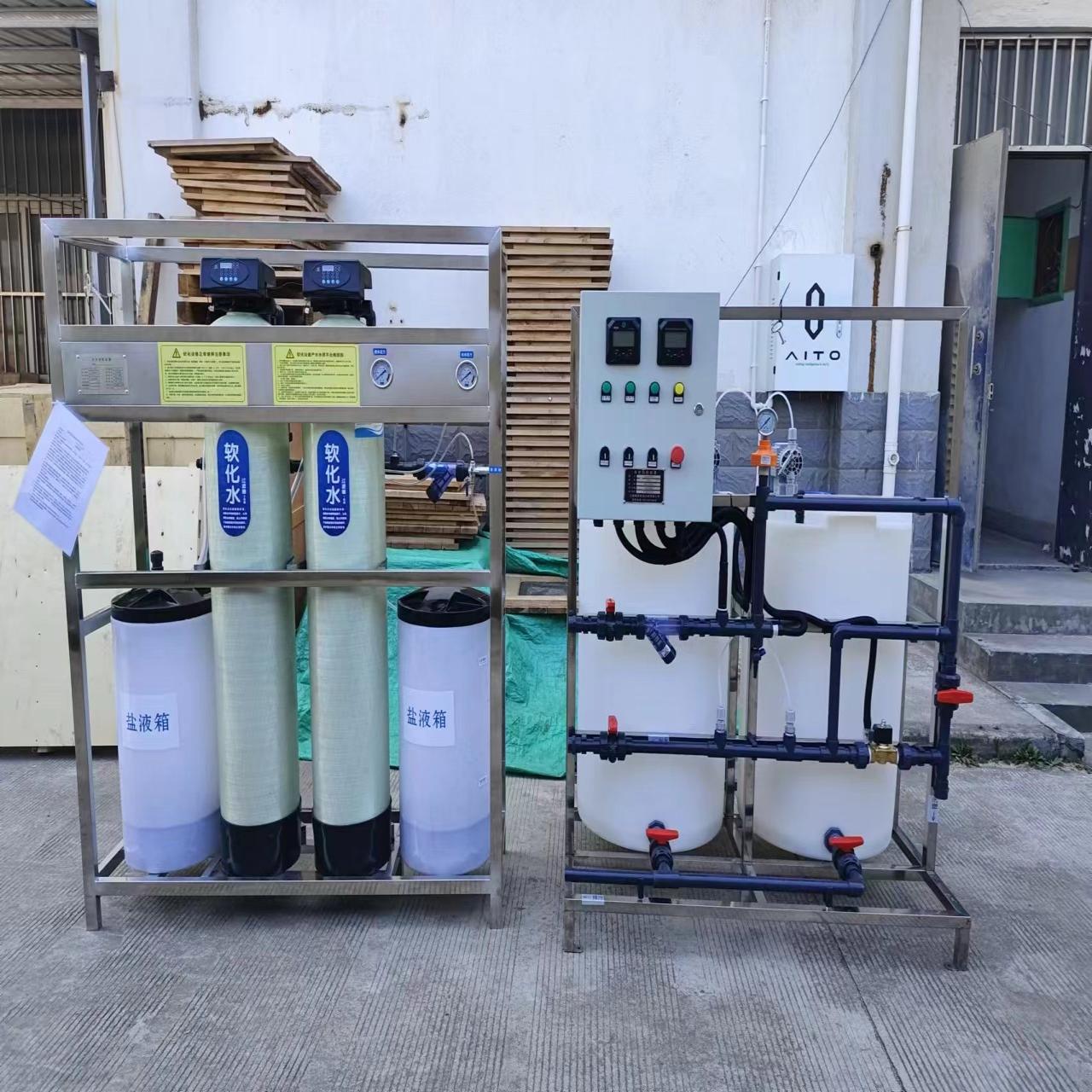
The circulating water system softening, replenishing, sterilizing and dosing device is a special equipment for industrial circulating water treatment....
See Details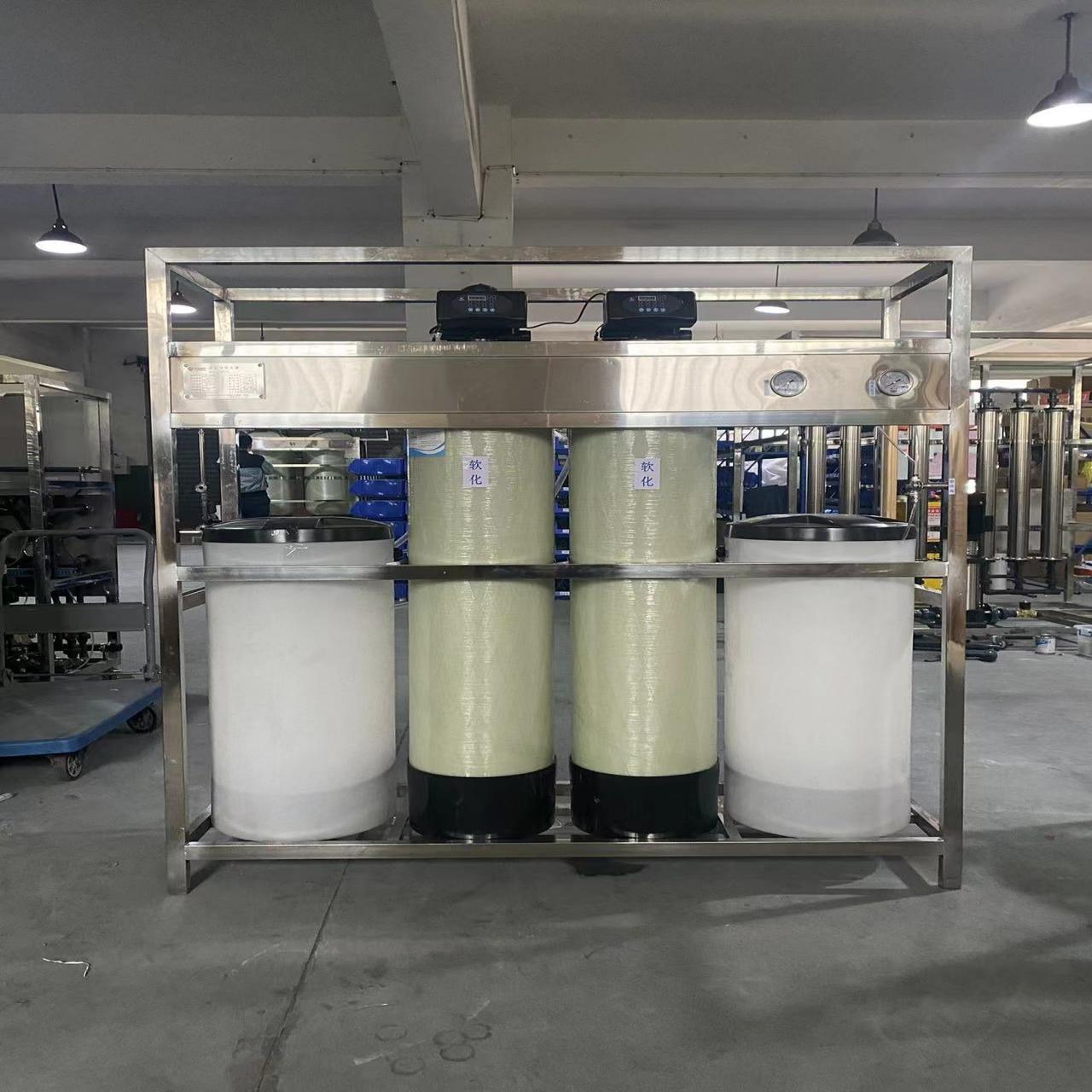
The 2-ton dual-valve dual-tank continuous water supply system is a device for medium-sized water treatment and water supply. It adopts a dual-tank des...
See Details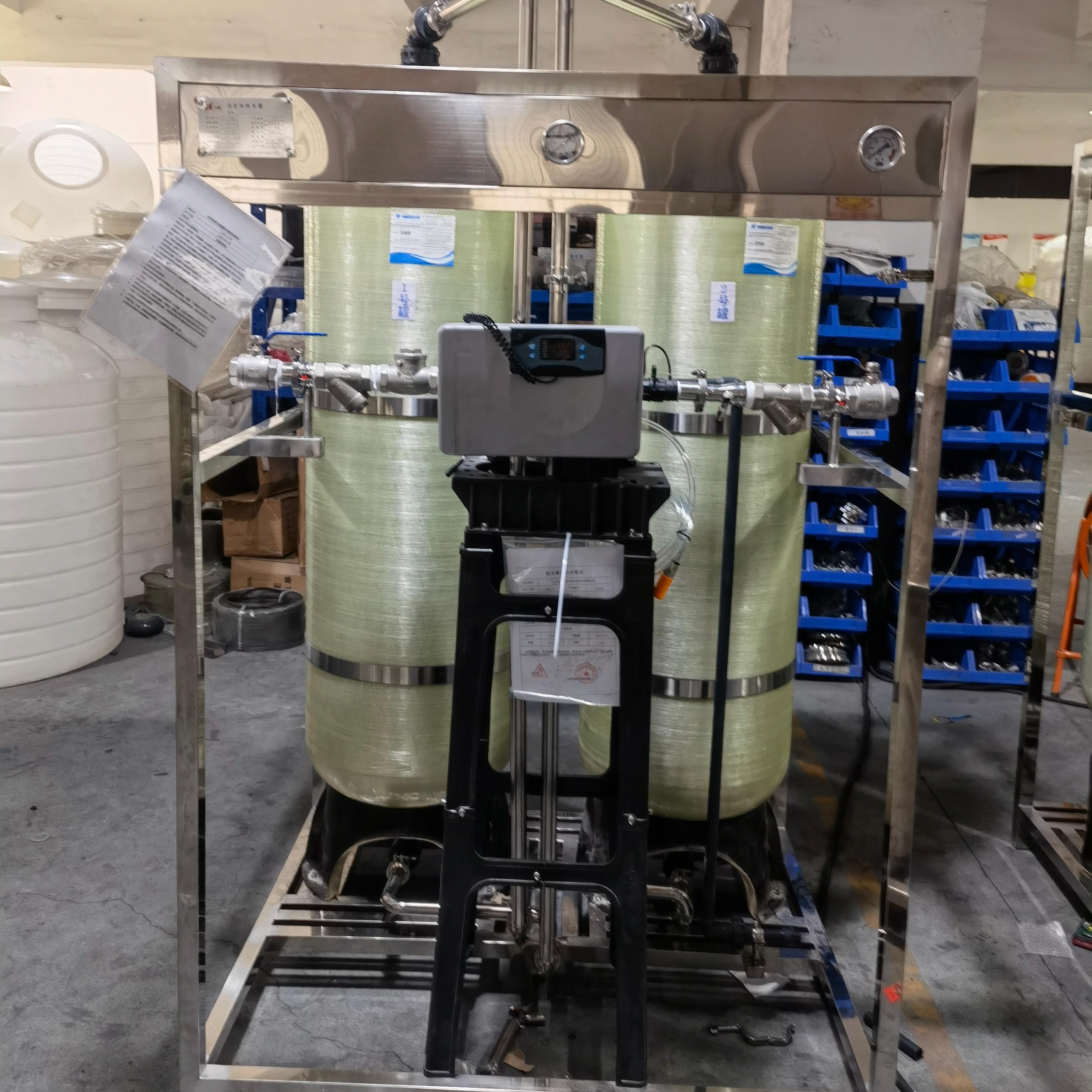
5-ton single valve dual tank, one for use and one for standby is a high-efficiency equipment designed for water treatment. It adopts a single valve du...
See Details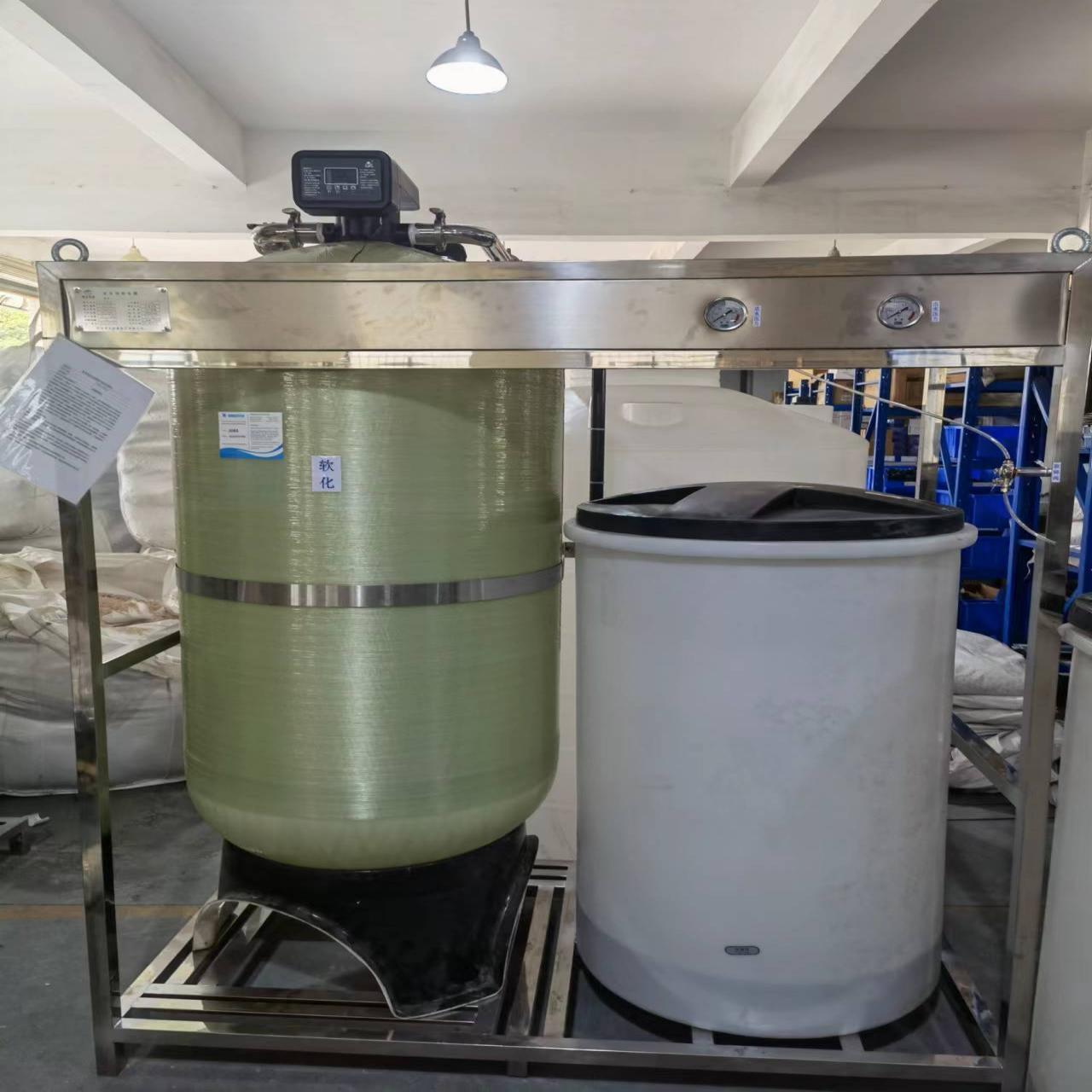
6-8 ton single tank is a water treatment equipment with moderate capacity, designed for occasions that require large water treatment. The equipment ad...
See Details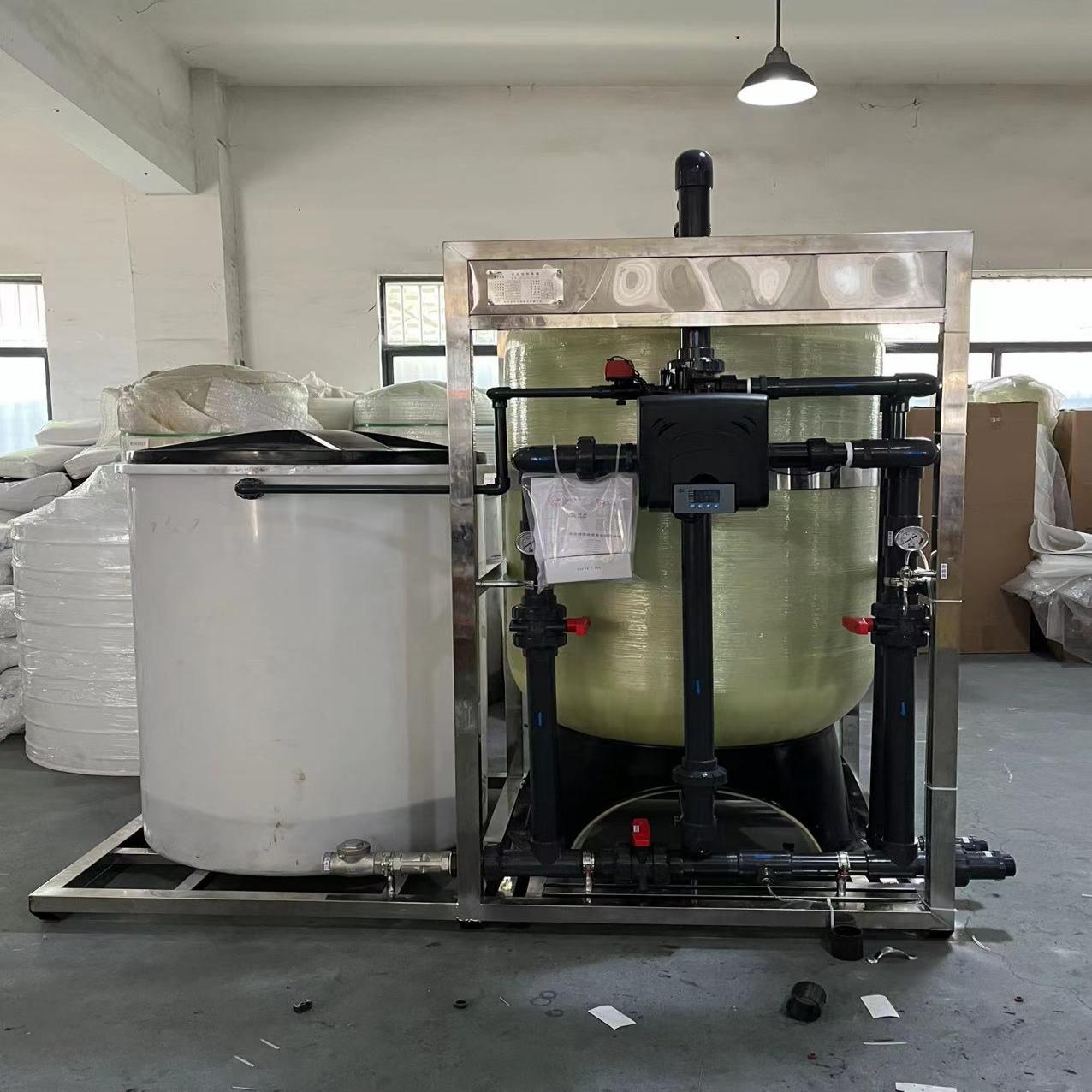
The 15-ton single valve single tank equipment is designed for large-scale water treatment needs and is suitable for places that require large-capacity...
See Details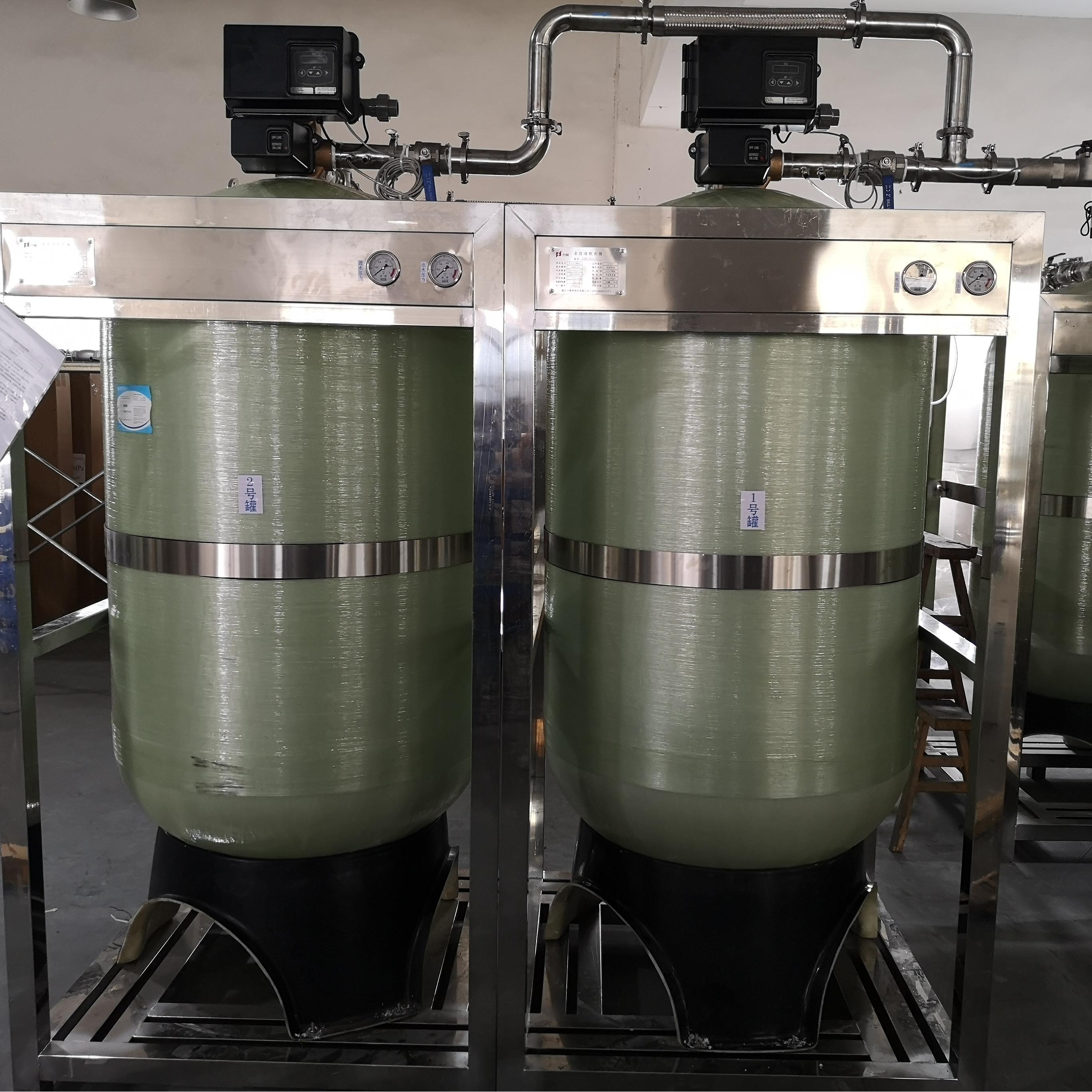
The 16-ton double valve double tank, one for use and one for standby water treatment system is a large-scale water treatment equipment equipped with t...
See Details
+86-13396595772
[email protected]
[email protected]
[email protected]
[email protected]
Room 508, Xingyuncheng, No.15 Xingling Street, Xingqiao Street, Linping District, Hangzhou City, Zhejiang Province.
Copyright ©2024 Hangzhou Roushui Environmental Protection Technology Co., Ltd. All Rights Reserved. Custom Industrial Civil Water Treatment Purification Equipment Manufacturers
