
 English
 Español
 عربى
عربىCat:RO Membrane
Specification and size: ULP-4040; ULP-8040 Reverse osmosis (RO) membranes are vital components in water filtration systems, particularly in desalinat...
See DetailsService hotline: +86-13396595772


Hard water rarely announces itself. It shows up as a chalky film on shower glass, a water heater that recovers more slowly each year, and detergent bottles that empty twice as fast as they should. The real cost is buried in appliance lifespan and energy waste, not in the water bill itself. That is why water softener systems are best understood as whole-house hardness management, not as a simple filter you bolt onto a pipe.
This guide does not dump specification sheets on you. It answers three practical questions: which system type fits your water, what capacity you actually need, and what the installed price looks like in 2026. Because pricing depends heavily on local hardness, pipe layout and permit rules, the fastest path to a real number is a local quote. Keep that in mind as you read.
Quick orientation: If your water tests above 7 grains per gallon, you are in ion exchange territory. Below that, you may be able to solve the problem with a conditioner. The rest of this article shows you how to tell the difference and what each path costs.
A softener is a point-of-entry appliance. It treats all the water entering the house, which is why it protects water heaters, dishwashers, washing machines and every faucet at once. The mechanism is not filtration. It is mineral exchange.
Hard water carries dissolved calcium and magnesium. Inside a softener tank, thousands of small resin beads are pre-loaded with sodium ions. As hard water passes through the resin bed, calcium and magnesium attach to the beads, and sodium is released into the water. The water leaves the tank softer, and the resin slowly becomes saturated with hardness minerals.
Eventually the resin has no sodium left to trade. Regeneration reverses the process. A concentrated brine solution from the brine tank is drawn through the resin, stripping calcium and magnesium off the beads and flushing them to drain. The resin is then recharged with sodium and ready to work again.
How the system decides when to regenerate matters more than most buyers realize. Timer-based units regenerate on a fixed schedule, whether the resin is exhausted or not. Metered demand units count the gallons used and regenerate only when needed. Metered control is the single biggest salt-saving feature you can pay for, and it is standard on quality systems.
Soft water and drinking water are two different jobs. If you care about what comes out of the kitchen tap, the practical configuration is a whole-house softener plus a point-of-use reverse osmosis unit under the sink. Treat them as separate decisions.
This is where most buyers get misled by terminology. The phrase salt-free water softener is technically contradictory. Salt-free devices do not soften water. They condition it. Understanding that distinction prevents an expensive mistake.
Ion exchange is the only residential technology that actually removes hardness minerals from water. If your hardness is 7 GPG or higher, this is the correct choice. It is also the right call for well water with iron below 2 ppm, for homes with tankless water heaters that cannot tolerate scale, and for anyone who wants genuinely soft water for washing and bathing.
Salt-free conditioners change how minerals behave rather than removing them. They alter crystal structure so scale is less likely to stick to pipes and heating elements. The minerals remain in the water. This can be enough for low-hardness homes, salt-restricted areas, or people who simply do not want to carry salt bags.
Honest limit: If hardness exceeds 10 to 12 GPG, or if iron is elevated, a salt-free conditioner is not the right tool. You will still get scale, and you will have paid for a solution that does not match the problem.
| Factor | Salt-Based Ion Exchange | Salt-Free Conditioner |
|---|---|---|
| Removes hardness minerals | Yes | No |
| Best hardness range | 7 GPG and above | Below 7 GPG |
| Handles iron | Up to 2 ppm with pretreatment | Not recommended |
| Maintenance | Salt refills, periodic cleaning | Minimal |
| Typical installed range | 900 to 2,900 USD | 400 to 1,200 USD |
One clarification worth repeating: a salt-free product is a conditioner, not a softener. If a listing calls it a salt-free water softener, read the specification for hardness removal claims before you buy.
Sizing is where most DIY purchases go wrong. An undersized unit regenerates constantly, wasting salt and water. An oversized unit costs more up front and can sit inefficiently. The goal is a capacity that matches your daily demand with a sensible reserve.
Daily grain demand equals household size multiplied by 75 gallons per person, multiplied by hardness in GPG. A four-person home at 12 GPG produces roughly 3,600 grains of demand per day. Weekly demand is about 25,200 grains. A unit rated at 24,000 to 32,000 grains covers that with margin, assuming metered regeneration.
Example: 4 people x 75 gallons x 12 GPG = 3,600 grains per day. Recommended capacity: 24,000 to 32,000 grains.
Well owners cannot size on hardness alone. Iron above 2 ppm will foul resin and shorten system life dramatically. In that case, an iron filter must be installed ahead of the softener. Manganese and low pH create similar problems. This is why a proper water test is not optional for well water.
If you know hardness but not iron, manganese or pH, or if you want a twin-tank continuous system, a professional assessment saves money by preventing a wrong purchase. Tell a specialist your water test results and household size, and ask for a capacity recommendation and a straight installed price rather than a generic estimate.
Price is the strongest search intent behind this topic, so it deserves real numbers. The figures below are modeled from published manufacturer pricing and labor data. Treat them as planning ranges, not quotes.
| Tier | Typical Equipment Cost | Installed Total |
|---|---|---|
| Entry, big-box valve | 947 to 1,367 USD | 1,100 to 1,800 USD |
| Standard dealer configuration | 876 USD plus labor | 1,030 to 1,305 USD |
| High-end twin tank or smart control | 2,100 to 2,500 USD | 2,648 to 2,924 USD |
The gap between tiers is not brand markup. It is valve lifespan, resin quality and regeneration efficiency. A cheap unit may need a valve replacement at year five. A quality unit often runs fifteen years without major service. Reframing the decision as annual cost rather than sticker price changes the math considerably.
Installation involves cutting into the main water line, routing a drain line, fitting a bypass valve and meeting local plumbing codes. A mistake can mean water damage or a failed inspection. Installation typically runs 153 to 429 USD when quoted separately, and many dealers fold it into a single all-in price. That bundled quote is the cleanest way to compare offers.
The cheapest system is often the most expensive once you add five years of wasted salt, repairs and early replacement.
The ranges above are modeled from published manufacturer prices and labor data. Your actual installed cost depends on local water hardness, pipe configuration and permit requirements. That is why a precise number requires two inputs: your hardness reading and your household size. A custom quote based on those two facts takes about two minutes and carries no obligation.
Use this checklist when comparing quotes. It gives you objective criteria instead of marketing language.
NSF/ANSI 44 is the performance standard for hardness reduction. It confirms the unit does what it claims. NSF/ANSI 61 covers material safety only, not performance. Do not accept 61 as a substitute.
The control valve is the hardest-working part of the system. Cheap valves are the leading cause of failure after five years. Prioritize metered demand control over timer-based control, both for reliability and for salt efficiency.
Premium resin resists fouling and bead breakage far better than generic resin. For well water users, resin quality directly determines how long the system survives before service is needed.
If budget is tight, put the money into a better valve and better resin before you pay for connectivity.
Most quality systems last 10 to 15 years. Lifespan depends on resin quality, valve durability and incoming water chemistry. Well water with iron or manganese shortens life unless pretreatment is installed.
For most healthy people, yes. Sodium content rises slightly but remains low. People on sodium-restricted diets should consult a physician. A softener does not remove contaminants, so drinking water purity requires a separate reverse osmosis stage.
Yes, they solve different problems. A filter addresses chlorine, sediment and taste. A softener addresses hardness minerals. Many homes benefit from both working together.
A softener treats the whole house for hardness. Reverse osmosis treats a single tap for drinking water purity. The common best configuration is whole-house softening plus kitchen reverse osmosis.
Soap lathers more easily, glassware dries without spots, and the water heater recovers faster. If those signs fade, check salt level, regeneration settings and resin condition.
The decision path is short: test hardness, count household members, choose salt-based or salt-free, confirm capacity, then get a quote. Price varies with local water chemistry and installation conditions, so the useful conversation starts with two facts, your hardness reading and your household size.
Tell us your water hardness, whether your source is well or municipal, and how many people live in the home. We will tell you which system fits and what installation costs. No generic estimates.
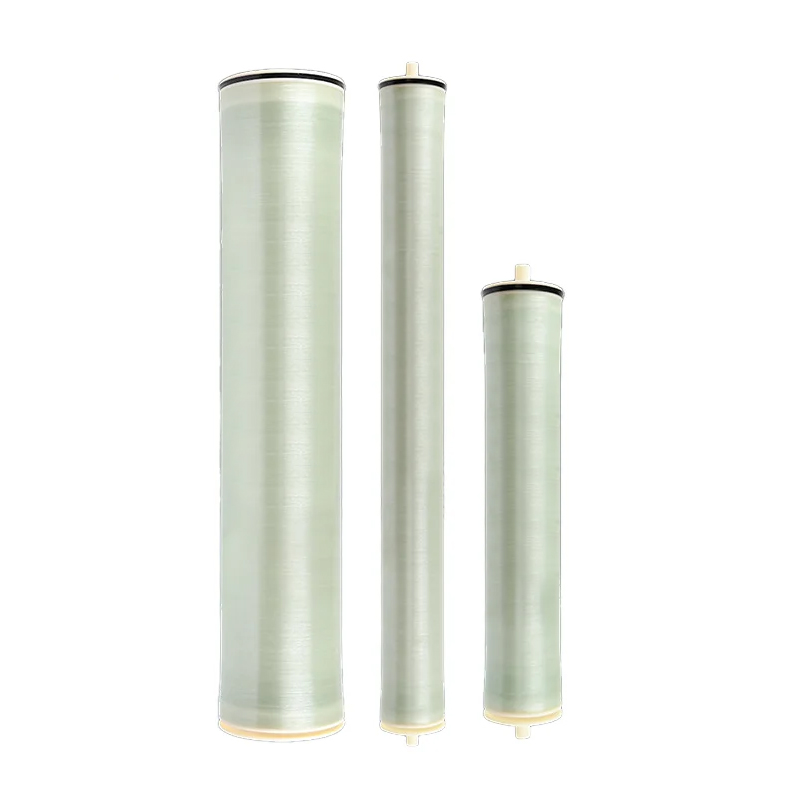
Specification and size: ULP-4040; ULP-8040 Reverse osmosis (RO) membranes are vital components in water filtration systems, particularly in desalinat...
See Details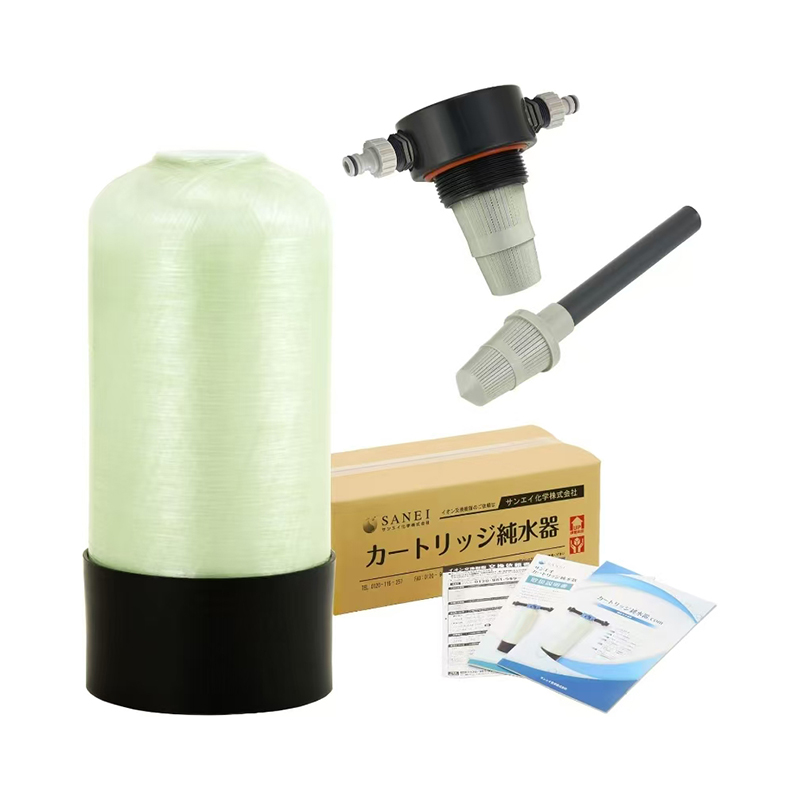
High Flow 3/4 PortKDF(Kinetic Degradation Fluxion) in our RV water filter removes chlorine, heavy metals, bacteria, and scale, ensuring cleaner and sa...
See Details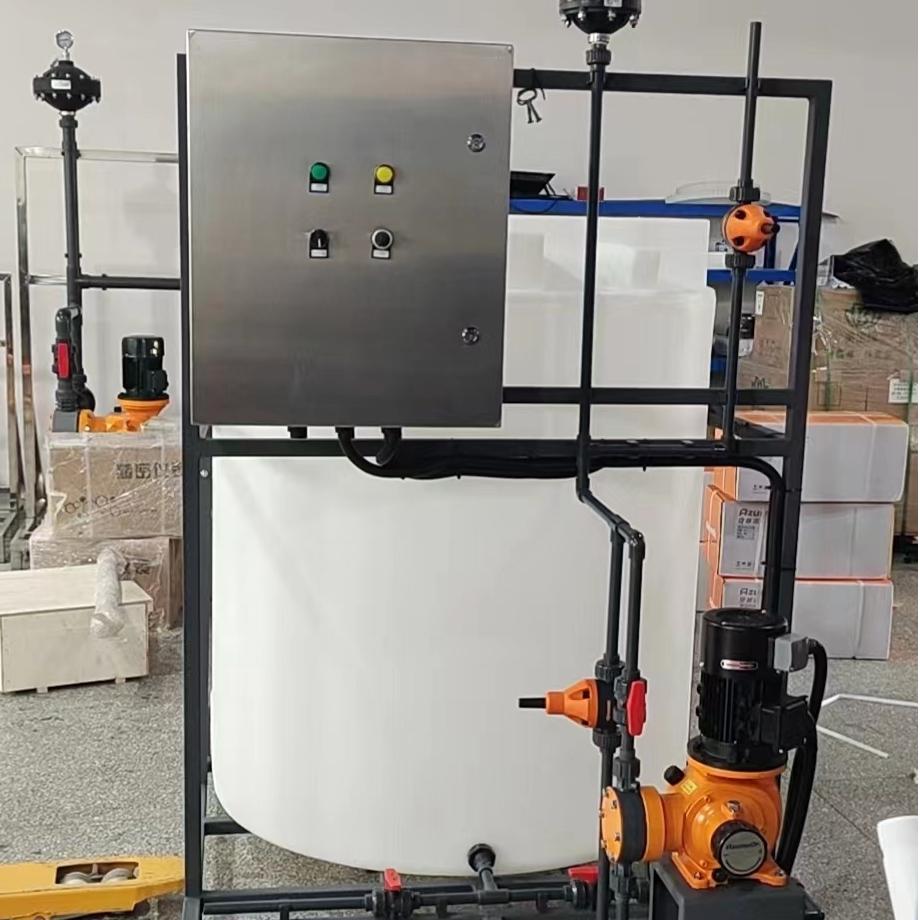
Single pump single barrel dosing device for flocculation is an automatic dosing device used in the water treatment process. It is specially used to ac...
See Details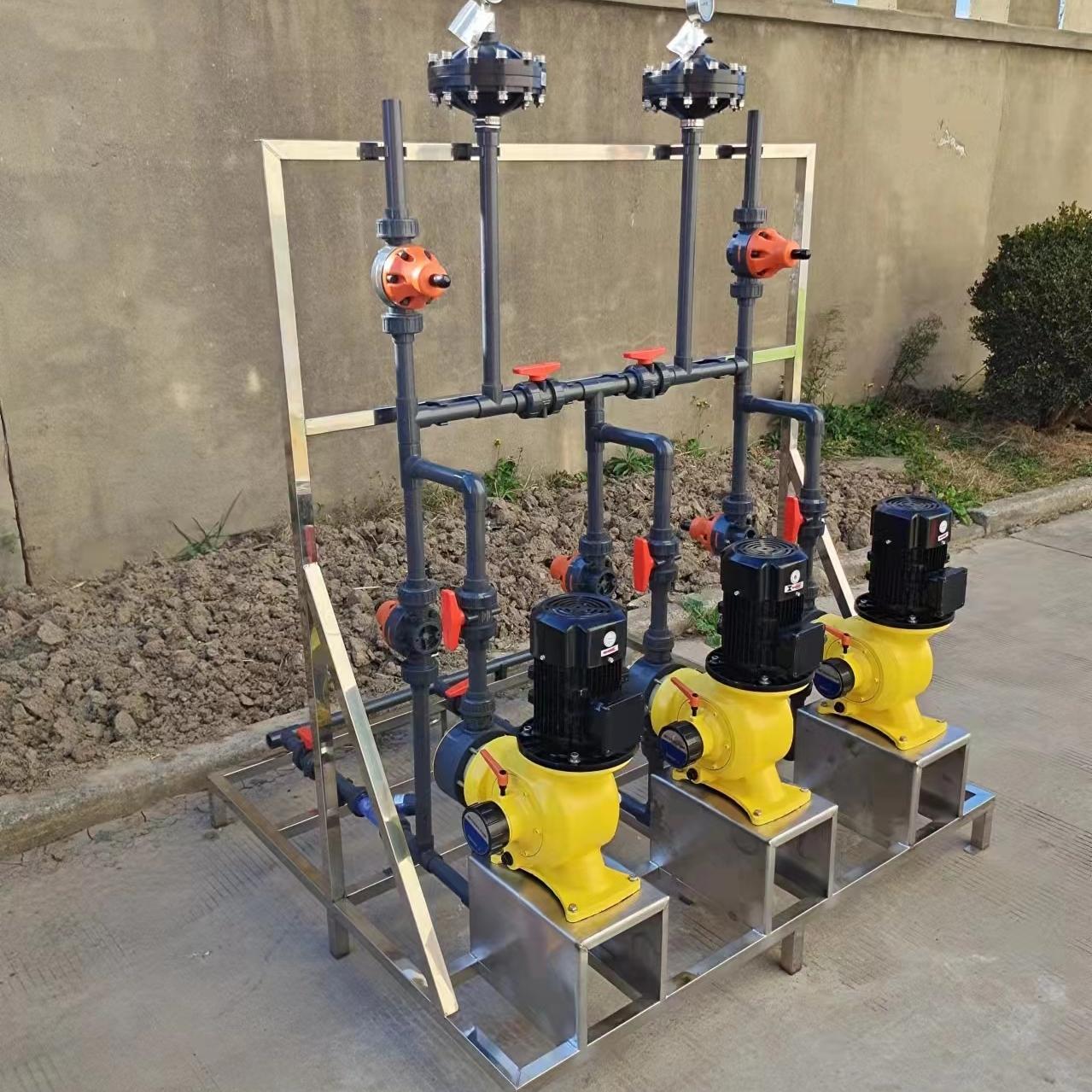
The Two-in-one dosing device for Acid and alkali is a water treatment device that integrates the automatic dosing function of acid and alkaline agents...
See Details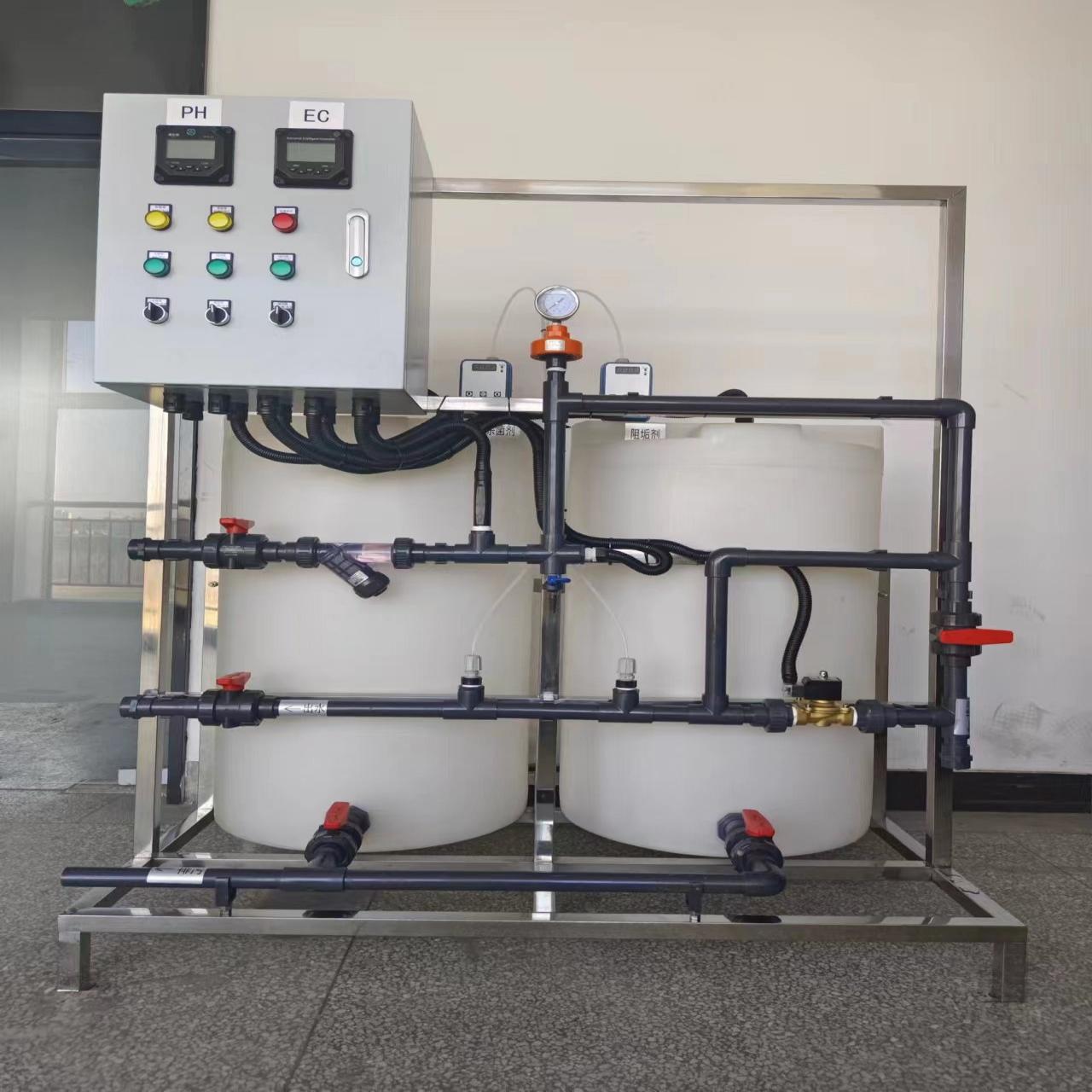
The scale prevention and sterilization double pump double barrel circulating water dosing device is an integrated dosing system equipped with two inde...
See Details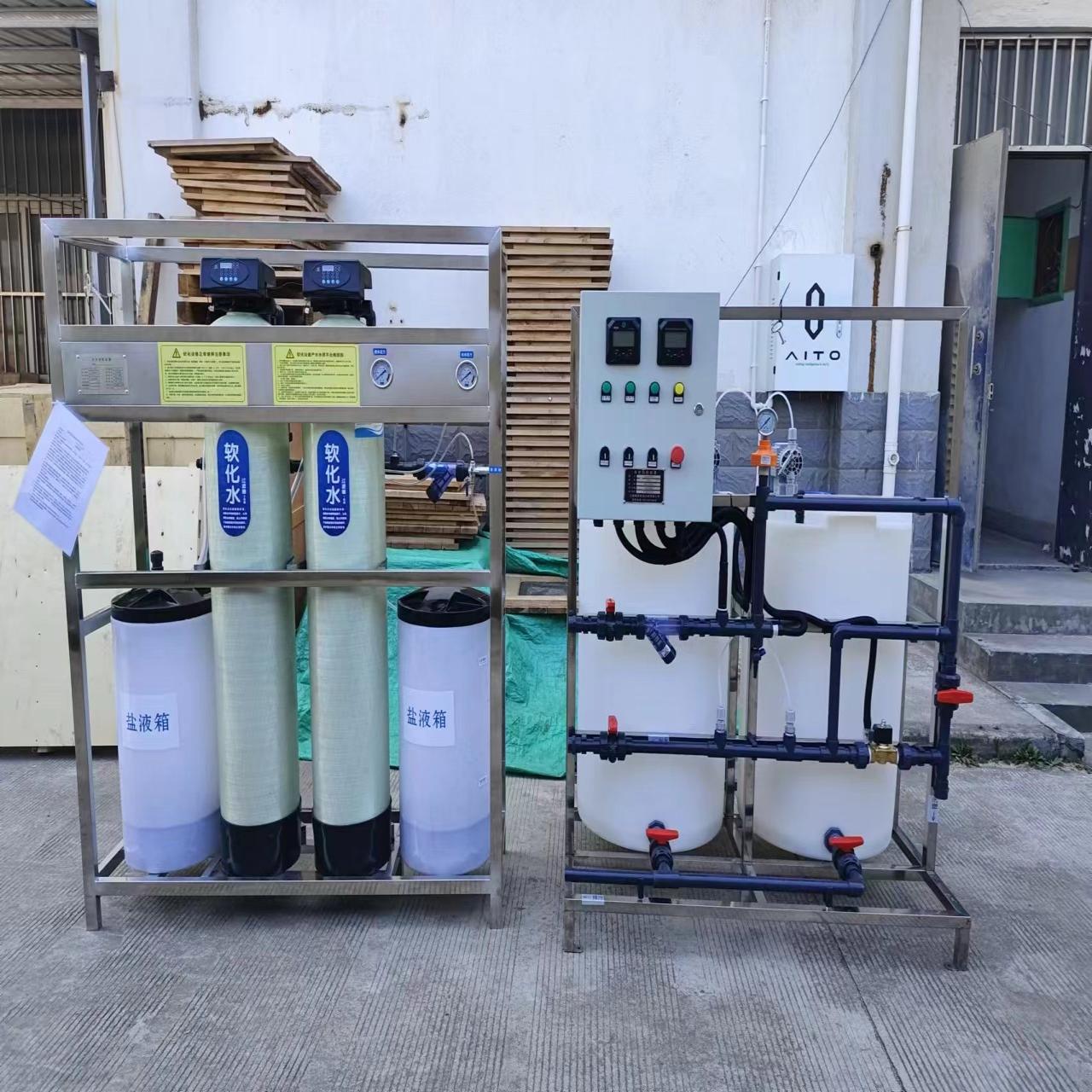
The circulating water system softening, replenishing, sterilizing and dosing device is a special equipment for industrial circulating water treatment....
See Details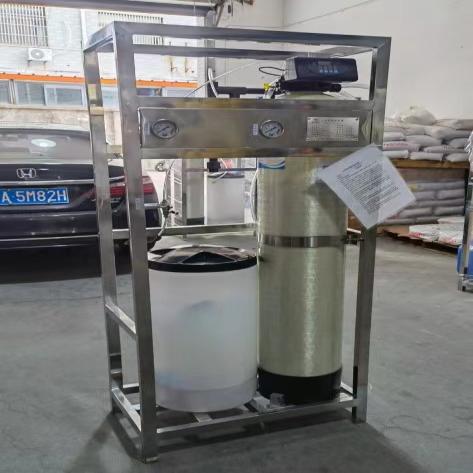
1 ton single tank is a device for storing and dosing water treatment chemicals, usually used in the dosing link of water treatment systems. The device...
See Details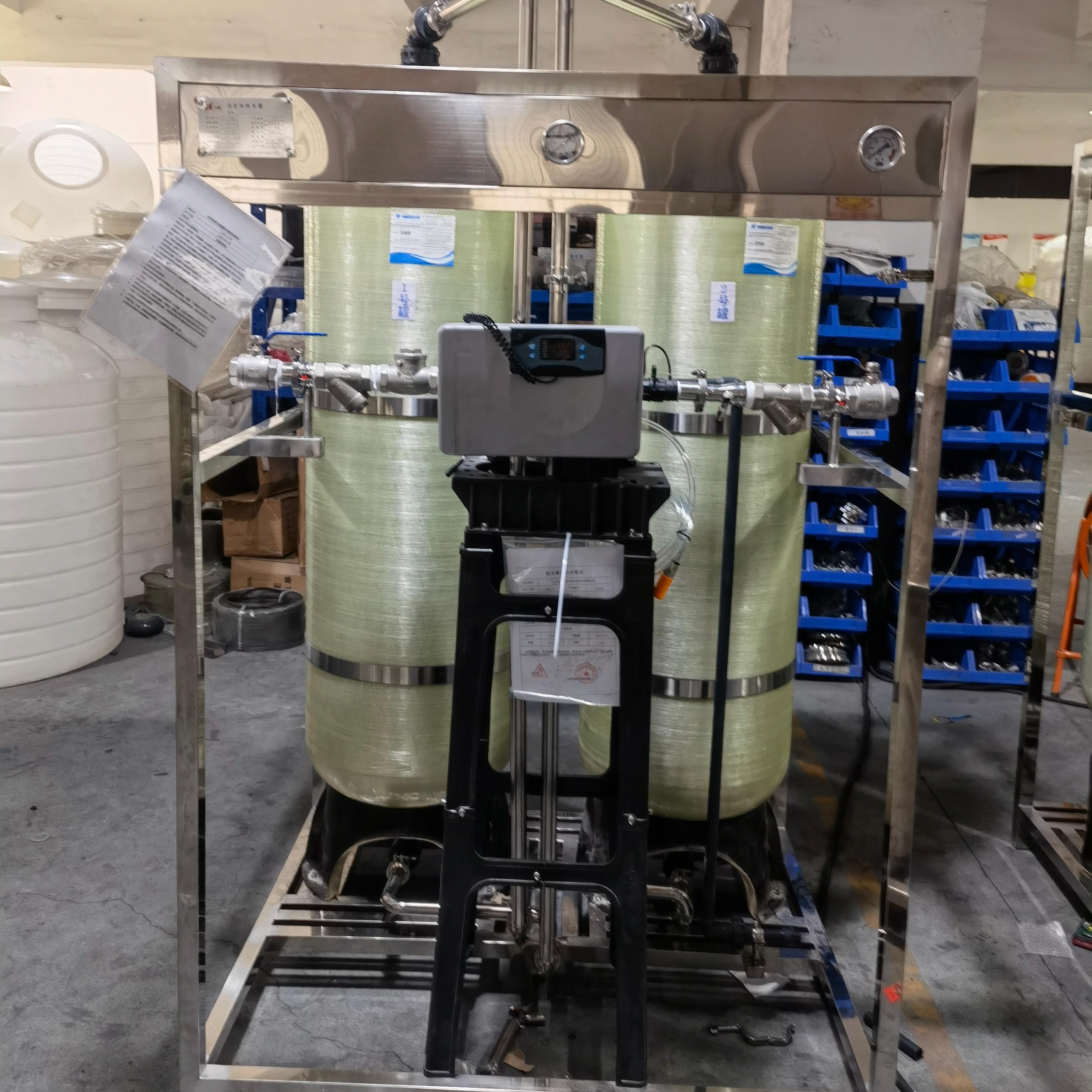
5-ton single valve dual tank, one for use and one for standby is a high-efficiency equipment designed for water treatment. It adopts a single valve du...
See Details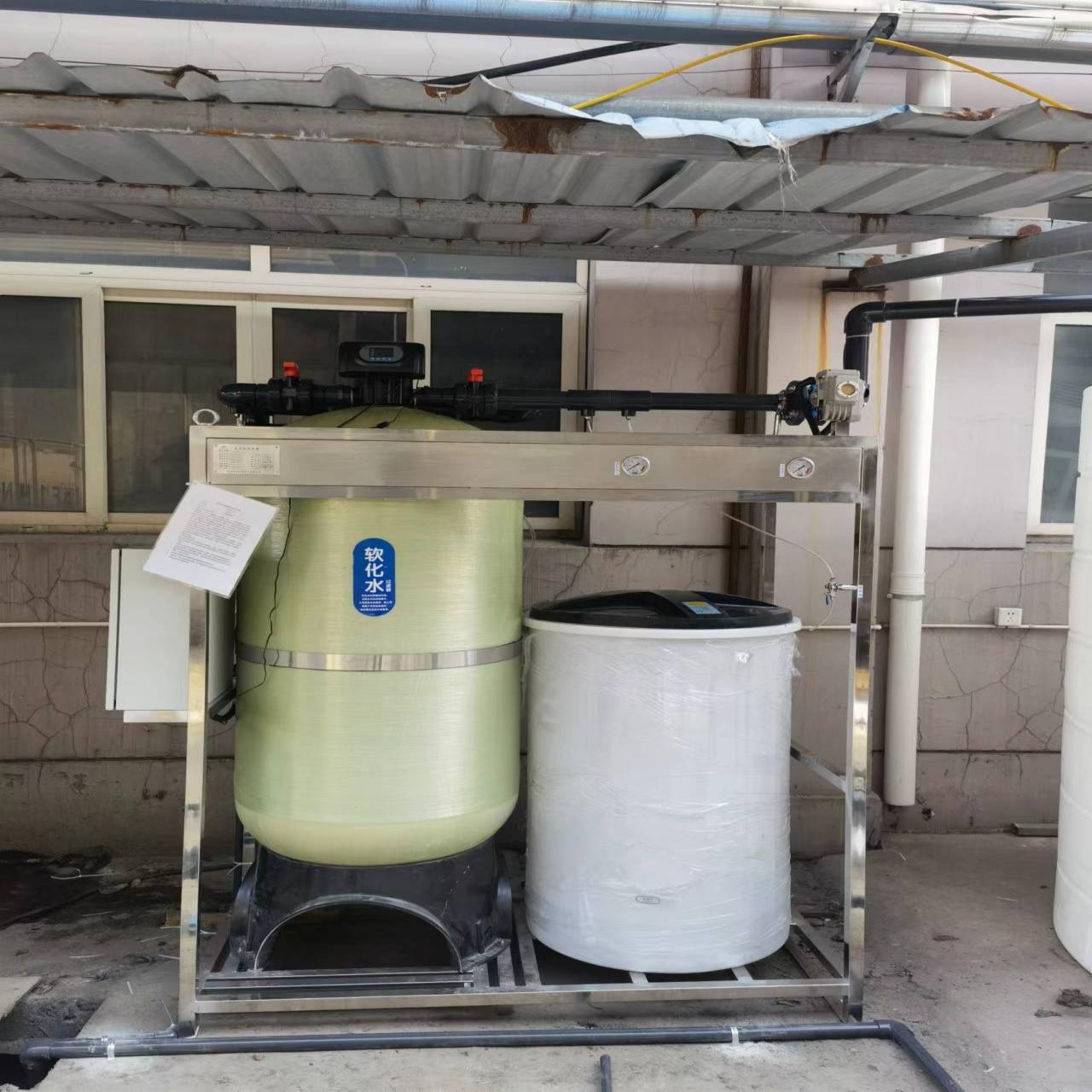
This 10-ton single tank water treatment equipment is equipped with an electric control box and is designed for large-scale water treatment needs. It a...
See Details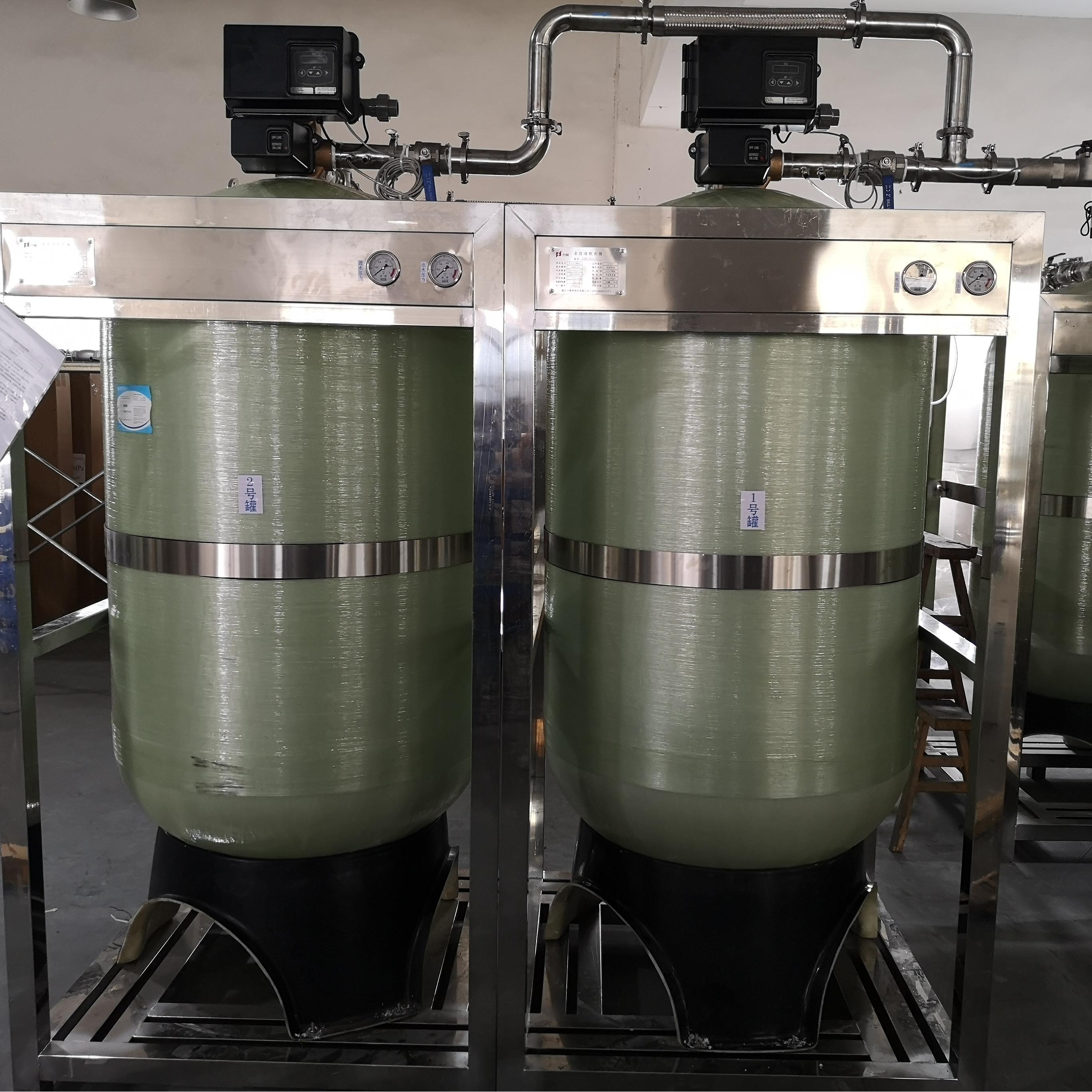
The 16-ton double valve double tank, one for use and one for standby water treatment system is a large-scale water treatment equipment equipped with t...
See Details
+86-13396595772
[email protected]
[email protected]
[email protected]
[email protected]
Room 508, Xingyuncheng, No.15 Xingling Street, Xingqiao Street, Linping District, Hangzhou City, Zhejiang Province.
Copyright ©2024 Hangzhou Roushui Environmental Protection Technology Co., Ltd. All Rights Reserved. Custom Industrial Civil Water Treatment Purification Equipment Manufacturers
