
 English
 Español
 عربى
عربىCat:SS RO Membrane Shell
Stainless steel Reverse Osmosis (RO) membrane shells are essential components in water treatment systems, particularly in industrial and commercial ap...
See DetailsService hotline: +86-13396595772


Ultrafiltration (UF) membranes are indispensable in the pharmaceutical industry for purification, operating primarily on the principle of size-based molecular separation. They effectively retain macromolecules (proteins, viruses, endotoxins) and particulate matter while allowing water, salts, and small organic molecules to pass through. This capability makes UF a core technology for concentrating, desalting, and purifying sensitive biologics, as well as for treating complex pharmaceutical wastewater. The core value of UF lies in its ability to achieve high-purity separations under mild conditions, preserving the bioactivity of valuable products.
In the production of monoclonal antibodies (mAbs) and vaccines, UF is a critical downstream processing step. It is used for concentration and buffer exchange (diafiltration), removing process-related impurities like residual solvents and host cell proteins. Internally staged ultrafiltration (ISUF) has demonstrated exceptional performance in separating target IgG from host cell proteins, achieving ~99% purity and >99.5% retention of the target antibody. For therapeutic proteins like insulin, modified UF membranes can achieve >90% rejection, ensuring high product purity.
UF membranes are a cornerstone of Water for Injection (WFI) systems, providing a reliable barrier against pyrogens, bacteria, and viruses. The dual-skin structure of certain hollow-fiber UF membranes ensures reliable endotoxin removal, a critical requirement for parenteral drug safety. These membranes are often rated with a nominal molecular weight cut-off (NMWCO) of around 6,000 Da, effectively removing contaminants while maintaining high water flux.
UF serves as a powerful pretreatment step for pharmaceutical wastewater, removing suspended solids and macromolecular organic pollutants before biological or advanced oxidation processes. In Membrane Bioreactor (MBR) systems treating real pharmaceutical wastewater, advanced UF membranes have achieved a Chemical Oxygen Demand (COD) removal rate of 96.7%, demonstrating high efficiency in reducing the organic load. Furthermore, UF can be integrated with photocatalytic nanoparticles to simultaneously filter and degrade recalcitrant pharmaceutical compounds like diclofenac, achieving up to 80% removal.
The separation performance of a UF membrane is primarily defined by its NMWCO. However, achieving sharp selectivity is challenging, especially for molecules with similar hydrodynamic radii. Surface modification is a key strategy to enhance selectivity. For instance, grafting a dense polymer network onto a UF membrane has been shown to increase the separation factor for 20 kDa/2 kDa dextrans to 11.5, nearly 9 times higher than that of an unmodified commercial membrane. This demonstrates that advanced surface engineering can enable precise fractionation for pharmaceutical-grade molecules.
High permeate flux is crucial for economic viability, but it is often compromised by membrane fouling. Enhancing membrane hydrophilicity is a primary method to mitigate fouling. Blending hydrophobic polymers with hydrophilic materials has been shown to reduce the contact angle from 84.9° to 69.4°, significantly increasing hydrophilicity. This modification leads to a nearly threefold enhancement in pure water flux (from 43.3 to 173.1 LMH) and a 60.7% flux recovery ratio after fouling.
Biofouling is a major operational challenge in long-term UF applications. Membrane materials can be engineered with intrinsic antibacterial properties. The inclusion of specific hydrophilic polymers in membrane blends has demonstrated antibacterial activity exceeding 97%, effectively reducing biofilm formation on the membrane surface and extending its operational lifespan. This is particularly valuable in MBR systems and other applications with high microbial loads.
While UF is effective for macromolecules, nanofiltration (NF) is used for smaller pharmaceutically active compounds (PhACs). However, "tight" UF membranes with a lower MWCO can also achieve moderate rejections of small PhACs (<500 Da) through electrostatic interactions, especially at low operating pressures. The following table provides a general comparison of their performance.
| Parameter | Ultrafiltration (UF) | Nanofiltration (NF) |
|---|---|---|
| Target Molecular Weight | > 1,000 Da (e.g., proteins, viruses) | 150 - 1,000 Da (e.g., small drugs, antibiotics) |
| Primary Separation Mechanism | Size exclusion | Size exclusion & electrostatic repulsion |
| Typical Rejection of PhACs | Moderate (e.g., ~75% for small PhACs) | High (e.g., >90% for small PhACs) |
| Typical Operating Pressure | 2 - 8 bar | 5 - 15 bar |
Membrane material selection is critical. Hydrophilic materials like polyacrylonitrile (PAN) are preferred for applications requiring minimal protein adsorption and easy cleaning. For high-temperature or chemical resistance, polysulfone (PSf) is a common choice. Modification strategies include surface grafting to create a selective layer and bulk blending with hydrophilic polymers or nanoparticles to improve overall hydrophilicity and mechanical properties.
UF is often integrated with other unit operations. Ultrafiltration/Diafiltration (UF/DF) is the standard method for buffer exchange, using a series of diavolumes to effectively remove solvents and free drug molecules. However, the efficiency of this process can be affected by nonspecific interactions, and some impurities may exhibit low clearance rates due to aggregation or binding. For high-potency APIs, single-use UF systems are increasingly favored to mitigate cross-contamination risks and eliminate cleaning validation burdens. However, solvent compatibility studies are mandatory, as organic solvents can leach compounds from plastic components.
The following flowchart illustrates the decision-making process for deploying UF in a typical downstream biologics purification scheme, highlighting key stages and considerations.
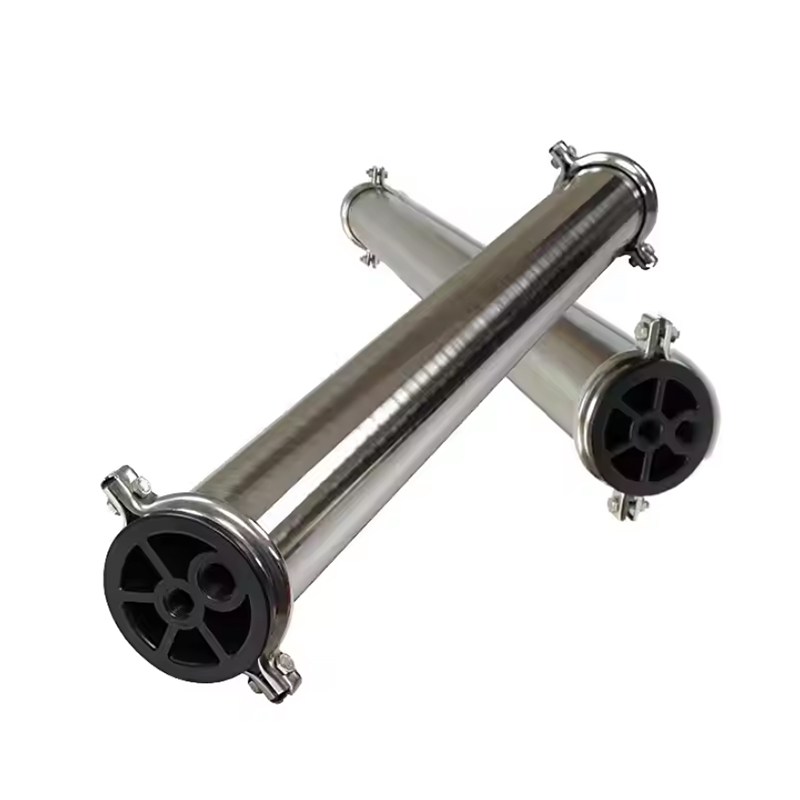
Stainless steel Reverse Osmosis (RO) membrane shells are essential components in water treatment systems, particularly in industrial and commercial ap...
See Details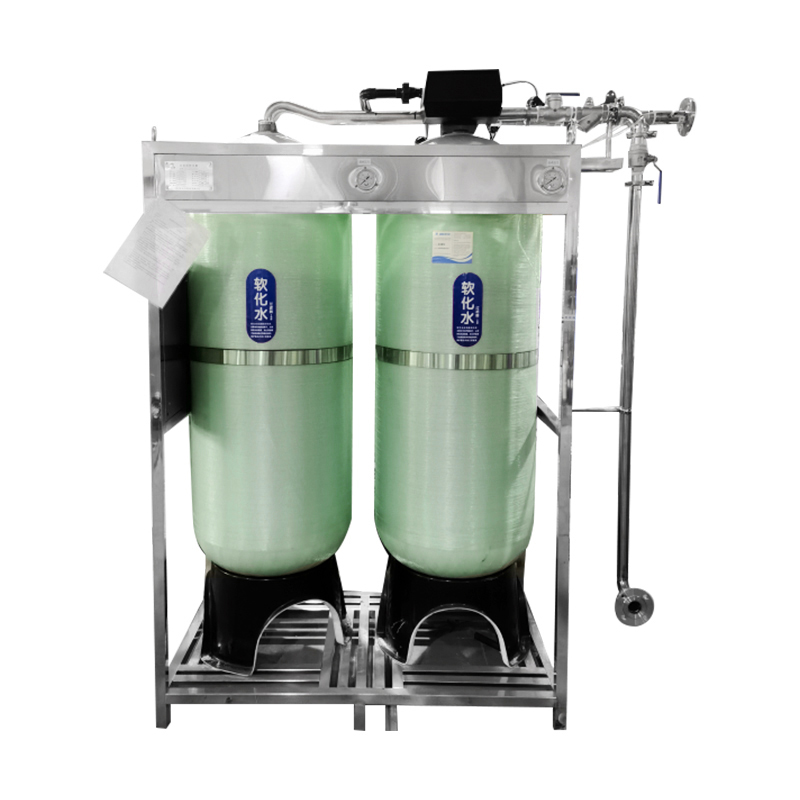
Commercial and Industrial Water Softening Systems are highly efficient water treatment solutions designed for commercial and industrial areas. Utilizi...
See Details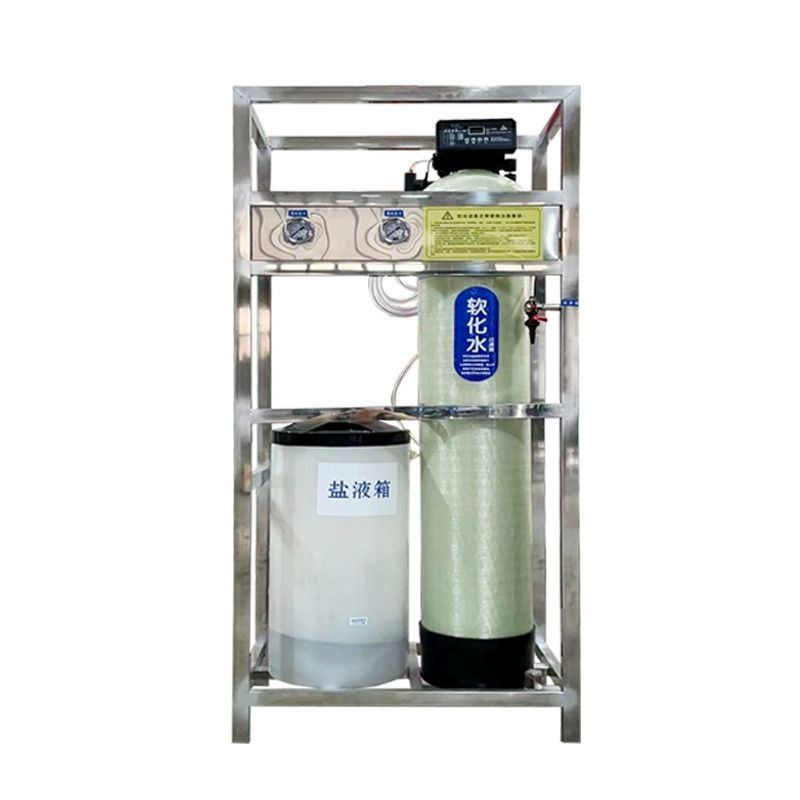
Fully automatic water softening equipment is a kind of equipment used to remove the hardness (mainly calcium and magnesium ions) in water and convert ...
See Details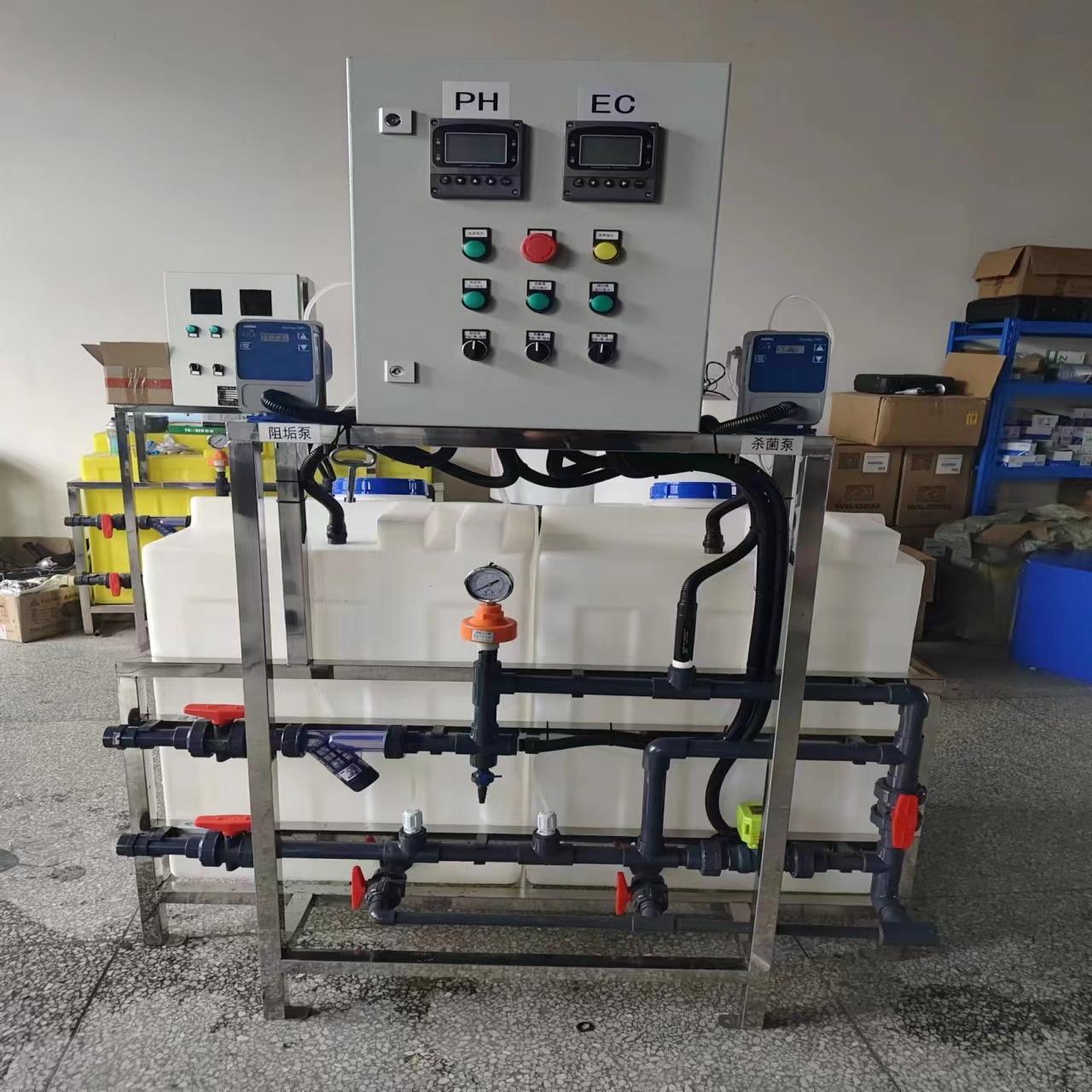
The Sterilization and anti-scaling dosing device is a device designed for water treatment systems for automatic dosing of bactericides and anti-scalin...
See Details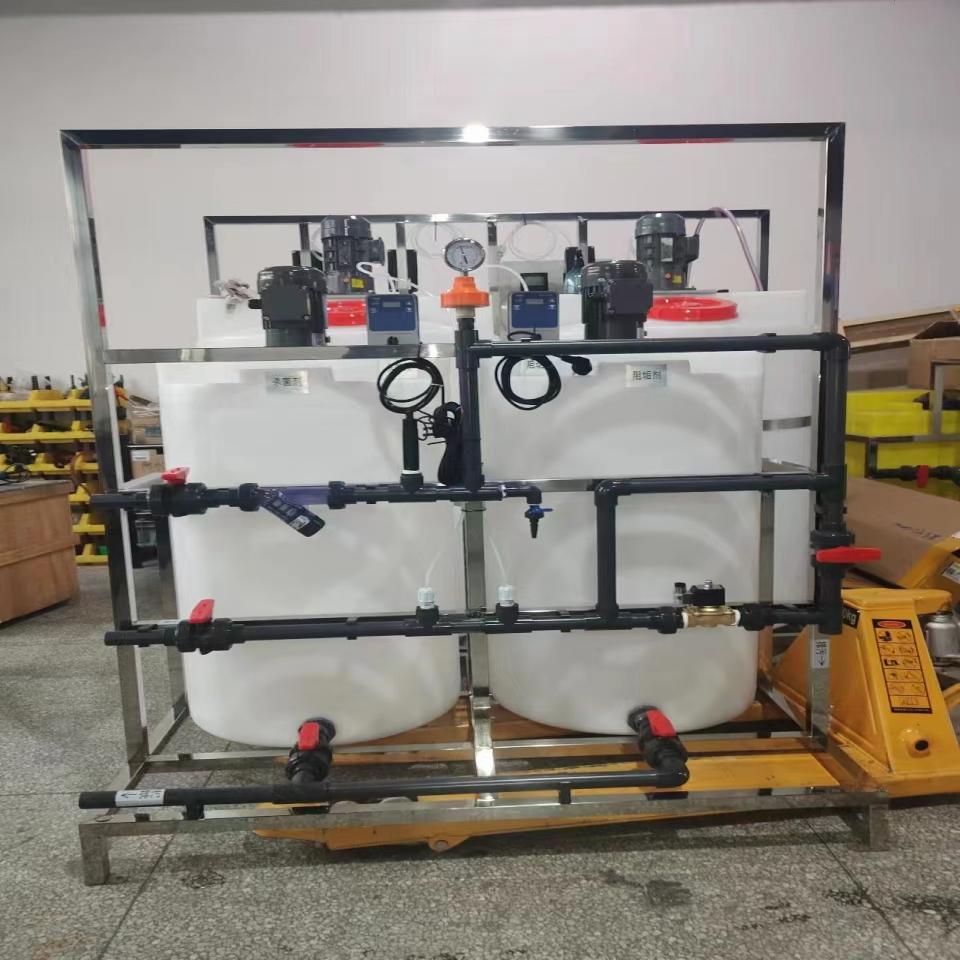
The scale-inhibiting and sterilizing circulating water system dosing device is a water quality treatment equipment designed for circulating water syst...
See Details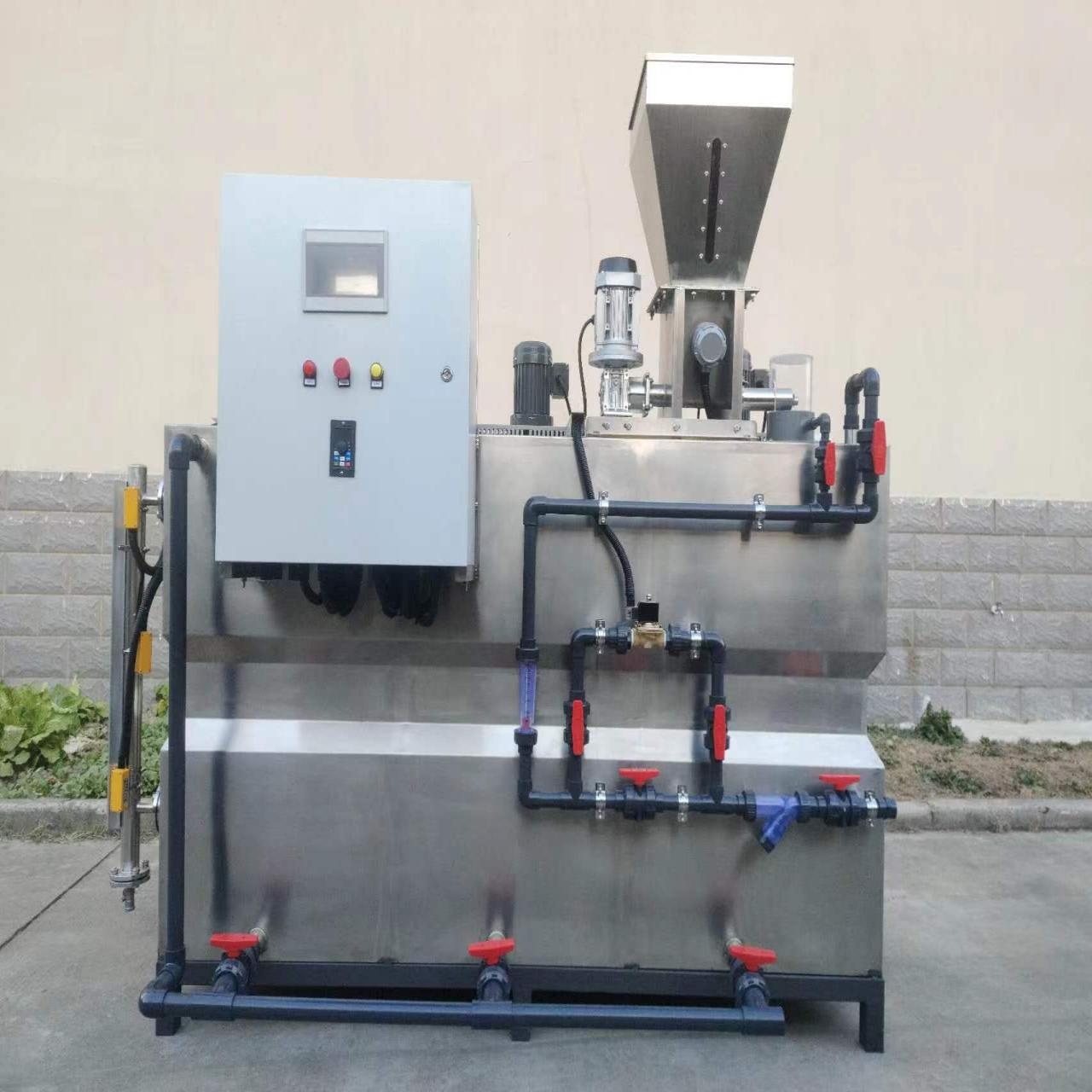
The integrated medicine soaking machine dosing device is a device designed specifically for the water treatment field, mainly used for efficient disso...
See Details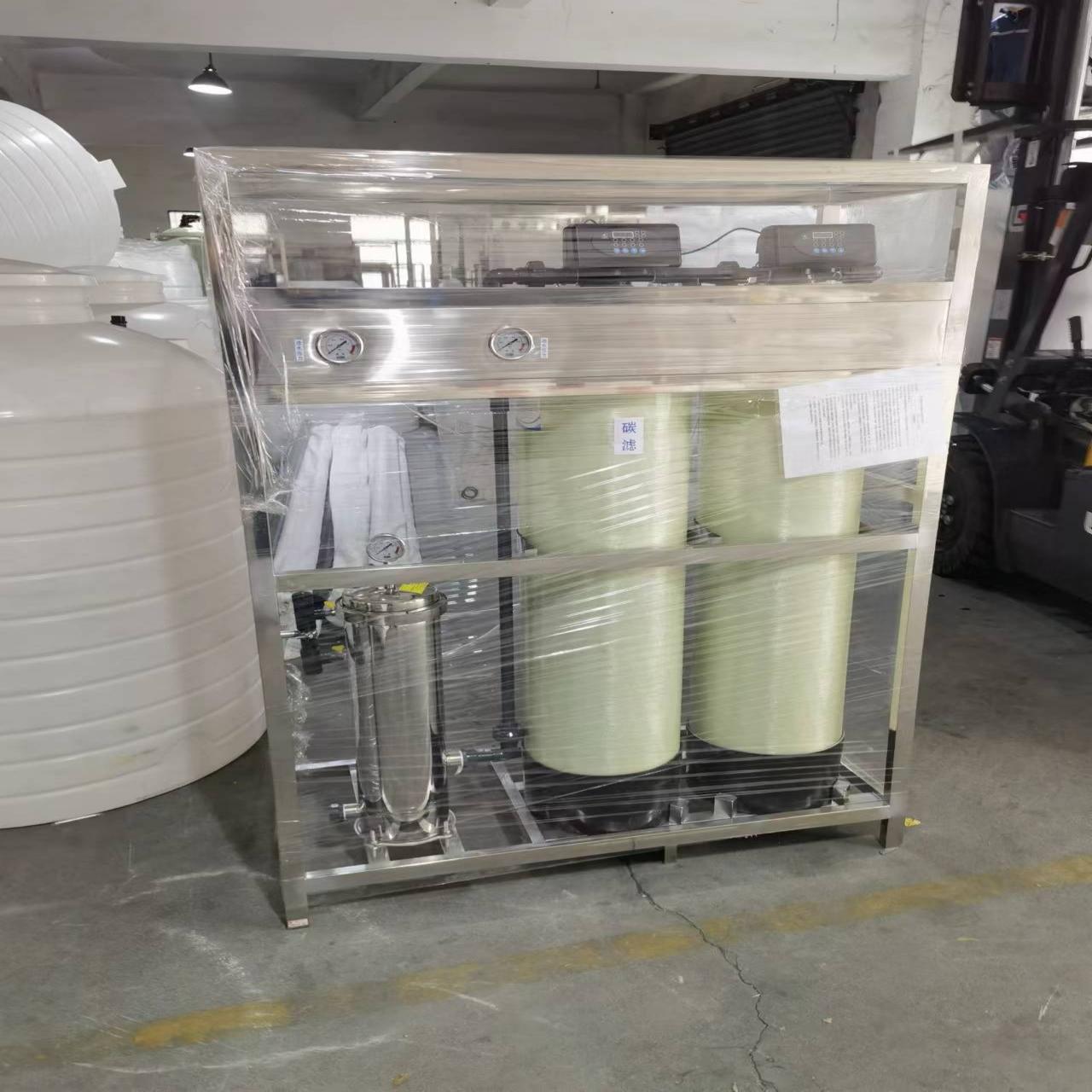
1 ton sand filter carbon filter compact tank is a high-efficiency filtration equipment for water treatment. It adopts sand filtration and carbon filtr...
See Details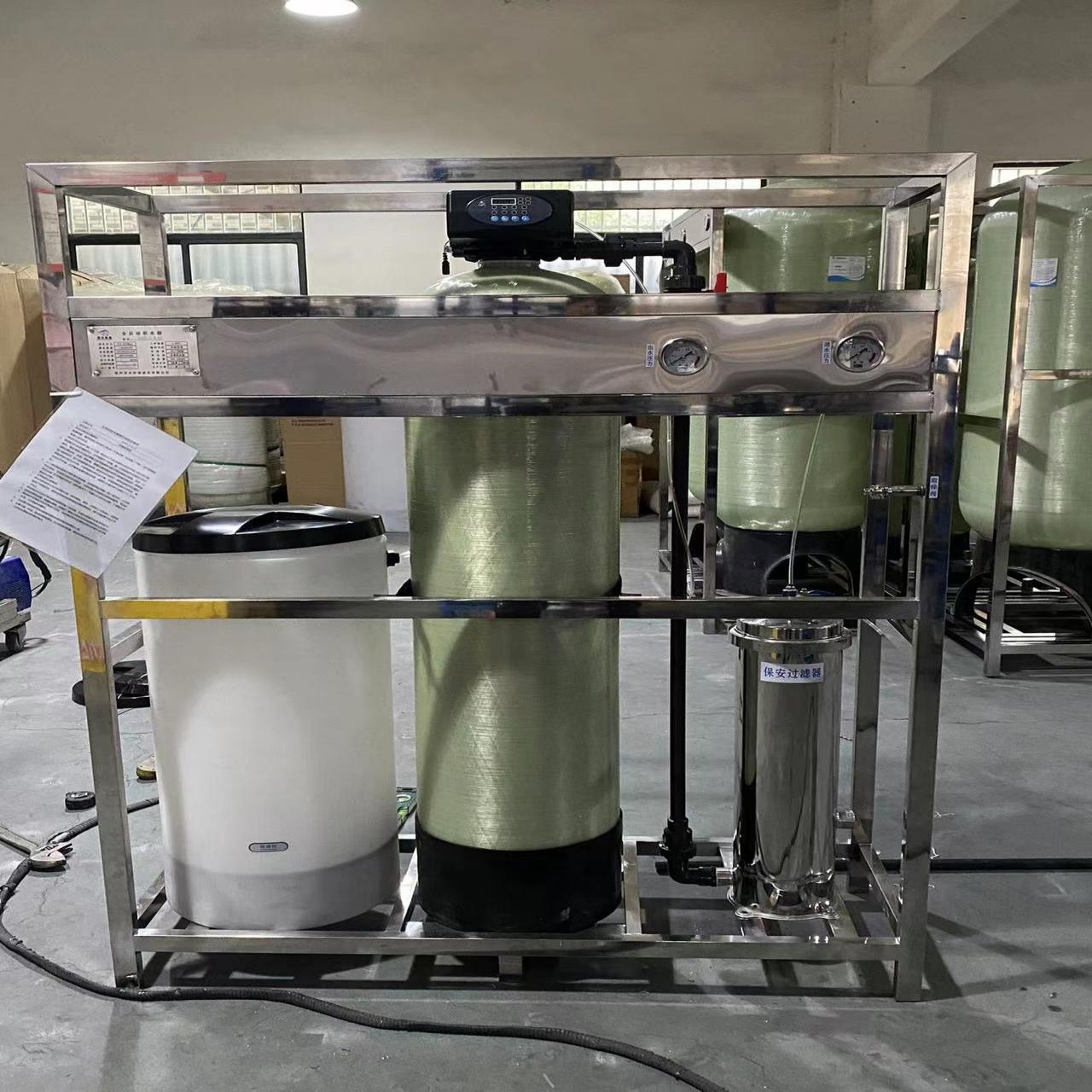
The 2-ton single tank with precision filtration is a device designed for small and medium-sized water treatment needs. It adopts a single tank structu...
See Details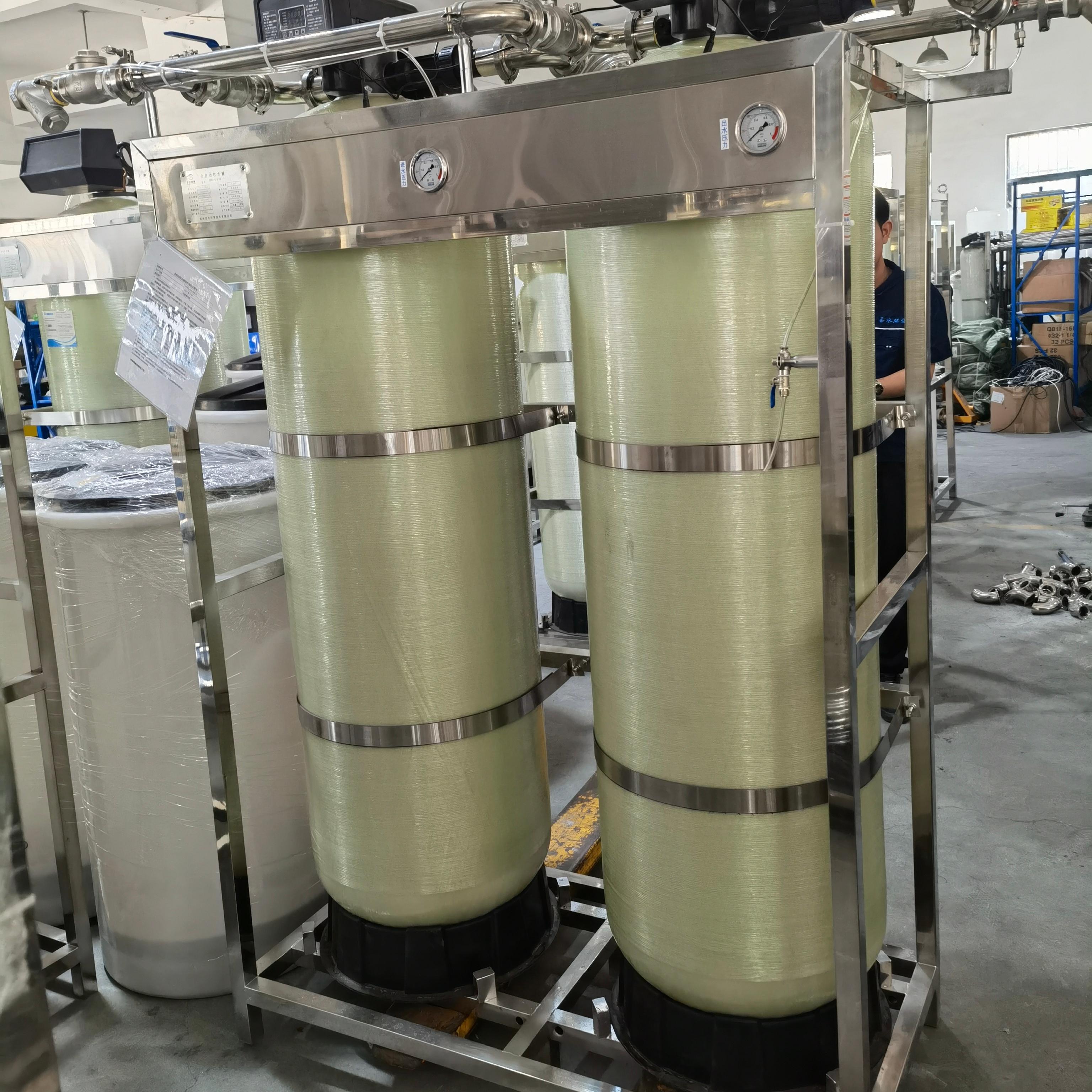
This 6-ton dual-valve dual-tank continuous water supply equipment is designed to provide efficient and stable water treatment solutions. Through the d...
See Details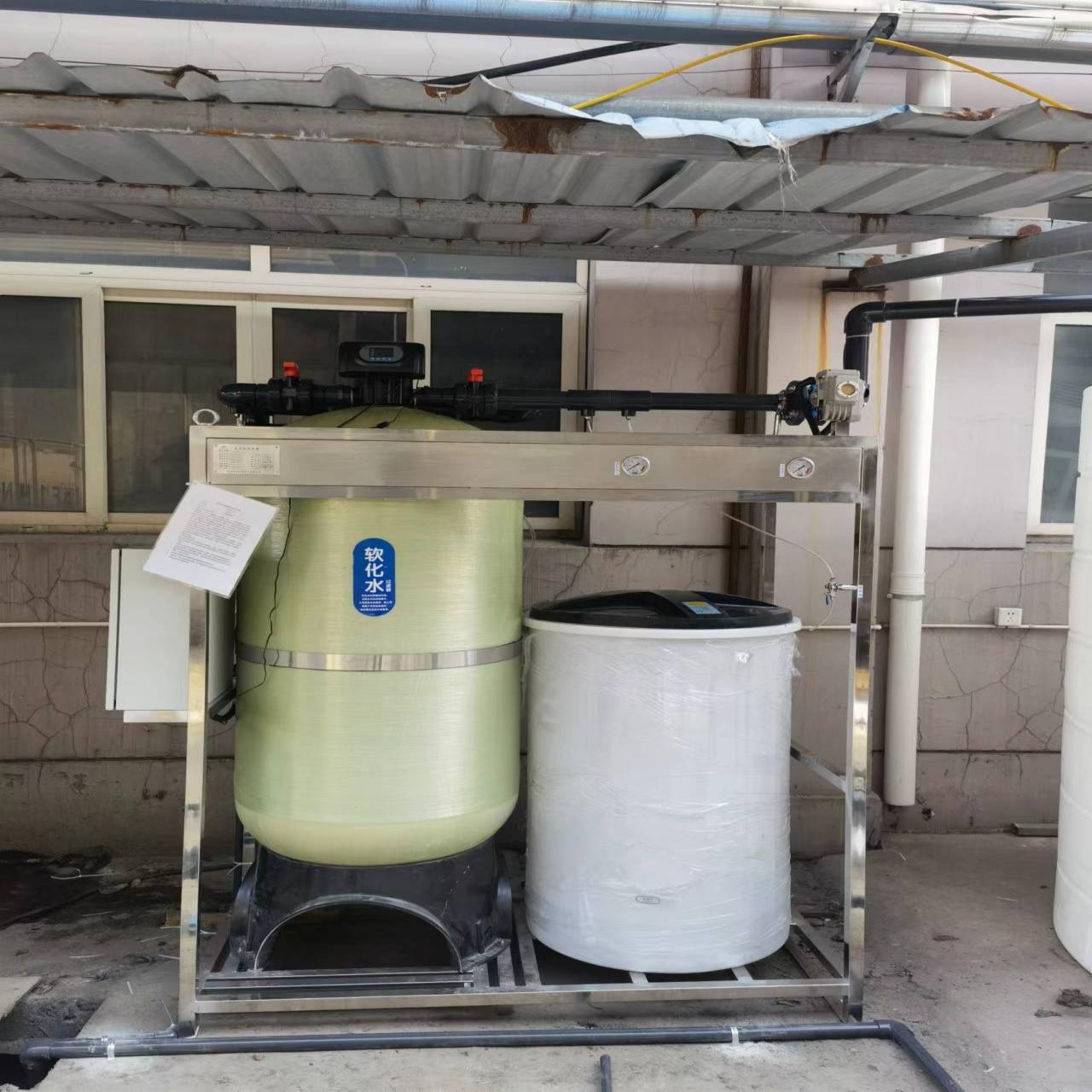
This 10-ton single tank water treatment equipment is equipped with an electric control box and is designed for large-scale water treatment needs. It a...
See Details
+86-13396595772
[email protected]
[email protected]
[email protected]
[email protected]
Room 508, Xingyuncheng, No.15 Xingling Street, Xingqiao Street, Linping District, Hangzhou City, Zhejiang Province.
Copyright ©2024 Hangzhou Roushui Environmental Protection Technology Co., Ltd. All Rights Reserved. Custom Industrial Civil Water Treatment Purification Equipment Manufacturers
