
 English
 Español
 عربى
عربىCat:RO Membrane
Specification and size: ULP-4040; ULP-8040 Reverse osmosis (RO) membranes are vital components in water filtration systems, particularly in desalinat...
See DetailsService hotline: +86-13396595772


Nearly all water softener systems performance complaints stem from a handful of mechanical or chemical faults. Salt bridges, resin fouling, clogged injectors, and pressure drops account for more than 85% of system inefficiencies, and each can be resolved without replacing the entire unit. The key is systematic diagnosis—checking the brine tank, resin bed, control valve, and water supply in sequence. With the right maintenance routine, you can restore softening capacity to near-original levels and extend equipment life by several years.
A salt bridge is a hardened crust that forms between the salt and the water in the brine tank, preventing salt from dissolving into brine. Salt mushing is a denser, sludge-like accumulation at the bottom, caused by recrystallization of dissolved salt. Both conditions starve the resin of the brine needed for regeneration.
To diagnose a bridge, insert a broom handle straight down into the salt. If you hit a hard layer before reaching the bottom, the bridge is confirmed. Break it by gently pushing and twisting the handle, then remove loose chunks. For mushing, drain the tank completely, scoop out all degraded salt, clean the tank interior, and refill with fresh, high-purity salt.
Resin beads capture hardness minerals through ion exchange. Over time, iron, manganese, and organic matter coat the resin surface, reducing exchange capacity. Even low iron levels—above 0.3 mg/L—can cause gradual fouling that standard regeneration cannot remove.
Applying a resin bed cleaner every four months dissolves iron oxide and mineral scale, recovering up to 95% of the resin's original capacity. For severe fouling, a two-step chemical wash with a dedicated iron-removing agent is recommended. If the resin has physically degraded (beads appear mushy or broken), replacement of the resin media is the only durable solution.
Low pressure is often the symptom homeowners notice. Activate the bypass valve on your softener; if pressure returns to normal, the restriction is inside the system. If pressure remains low, the issue lies in the main plumbing supply.
When water remains above the normal level in the brine tank after a regeneration cycle, the system has failed to draw brine. This prevents the resin from recharging and results in hard water breakthrough.
| Observed Condition | Corrective Action |
| Drain line obstruction | Clear the line with compressed air or replace the tube |
| Stuck safety float assembly | Clean mineral deposits from the float and guide rod |
| Clogged brine injector nozzle | Remove, soak in descaling solution, and reinstall |
| Brine line disconnection | Reconnect the tubing to the float valve securely |
A failed regeneration cycle means the resin beads do not get replenished. The frequent culprits are power interruptions, timer malfunctions, and valve obstructions.
Leaks not only waste water but also indicate impending component failure. Over 60% of external leaks originate from worn O-rings in the bypass valve, followed by loose brine line fittings and cracked control valve housings.
Follow this sequential logic to quickly narrow down the root cause and apply the correct fix.
Consistent, scheduled maintenance is the effective way to avoid common failures. Following this schedule reduces service interruptions by over 70% compared to reactive maintenance.
| Frequency | Recommended Action |
| Weekly | Monitor salt level; keep between ¼ and ½ full |
| Monthly | Probe for salt bridges with a broom handle |
| Every 4 months | Apply resin bed cleaner to eliminate iron and scale |
| Every 6 months | Replace pre-filter cartridge |
| Annually | Clean venturi injector and inspect all seals |
The purity of salt directly influences maintenance frequency and system longevity. Evaporated salt (pellets) is 99.99% pure sodium chloride, leaving negligible residue. Rock salt, while cheaper, contains up to 5% insoluble minerals that accelerate mushing and bridging.
Switching to high-grade pellets can reduce salt bridge formation by over 60% and prolong resin life significantly.
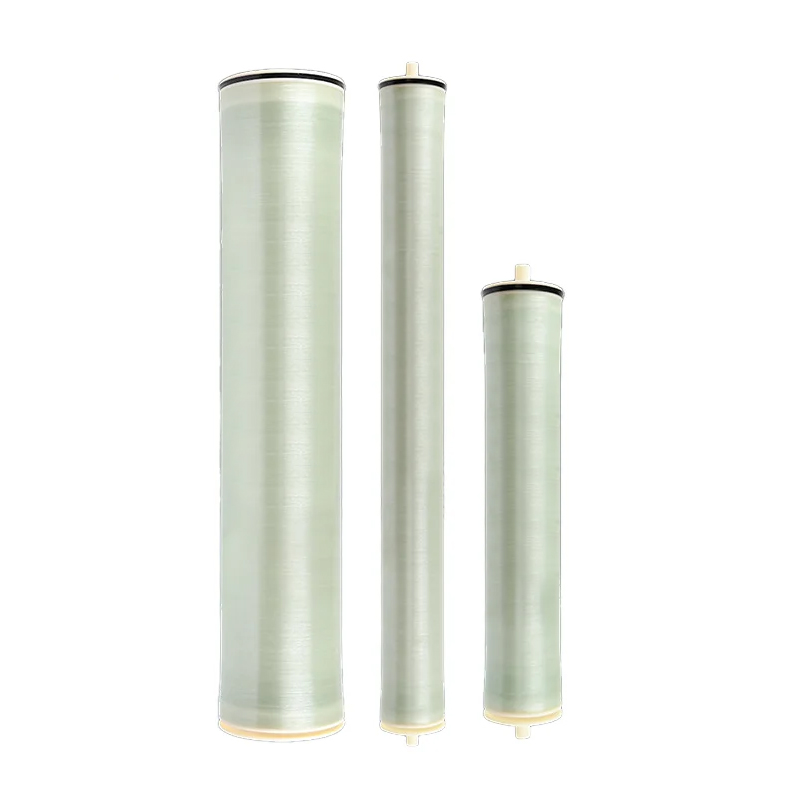
Specification and size: ULP-4040; ULP-8040 Reverse osmosis (RO) membranes are vital components in water filtration systems, particularly in desalinat...
See Details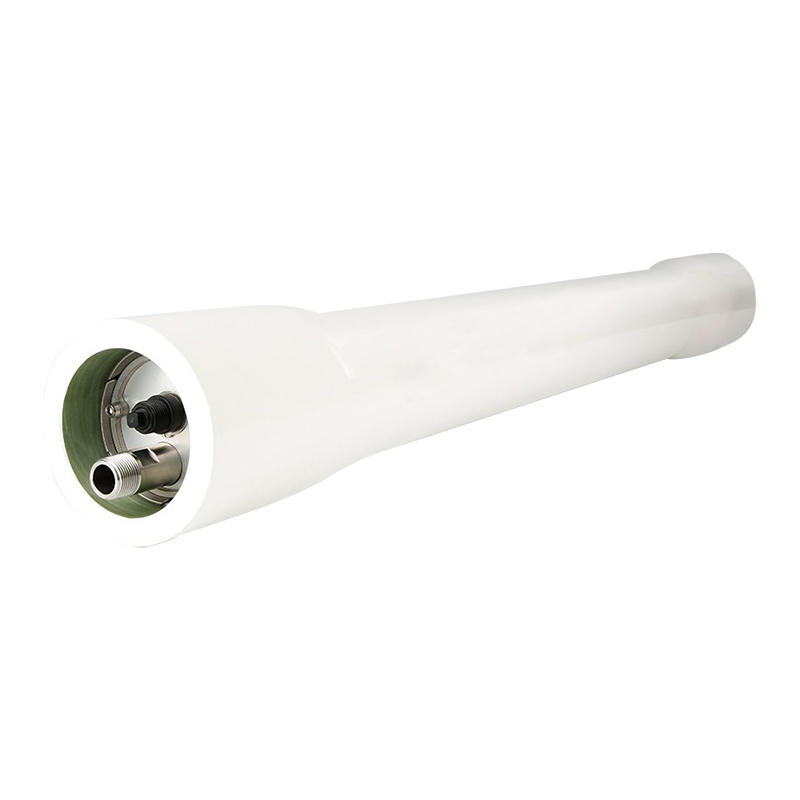
Fiber Reinforced Polymer (FRP) Reverse Osmosis (RO) membrane shells are highly sought-after for water treatment systems operating in corrosive environ...
See Details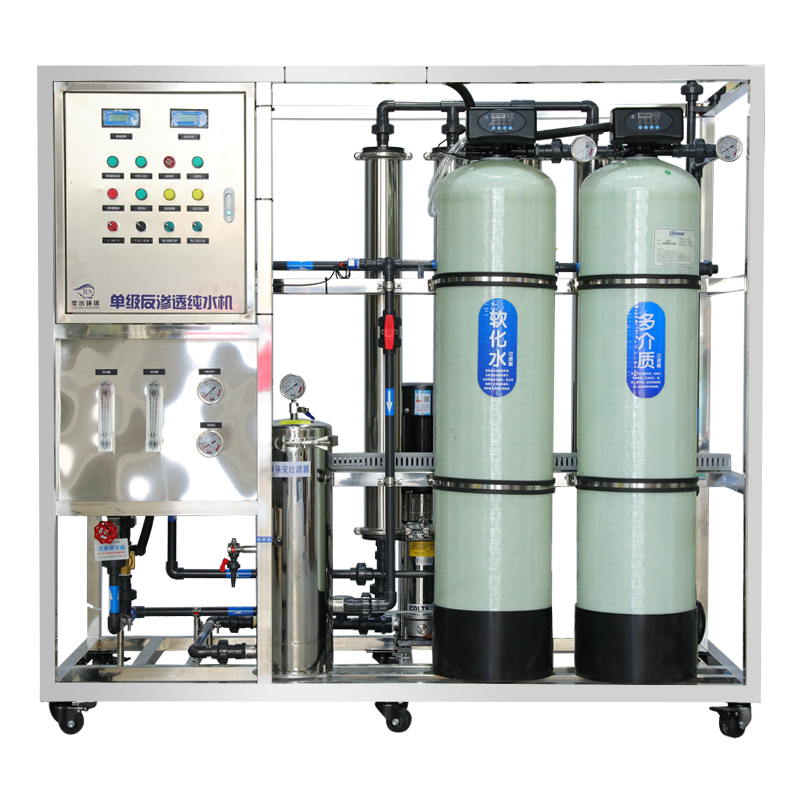
The pure water industrial RO water treatment system is an efficient and reliable water treatment equipment specially designed to meet the demand for p...
See Details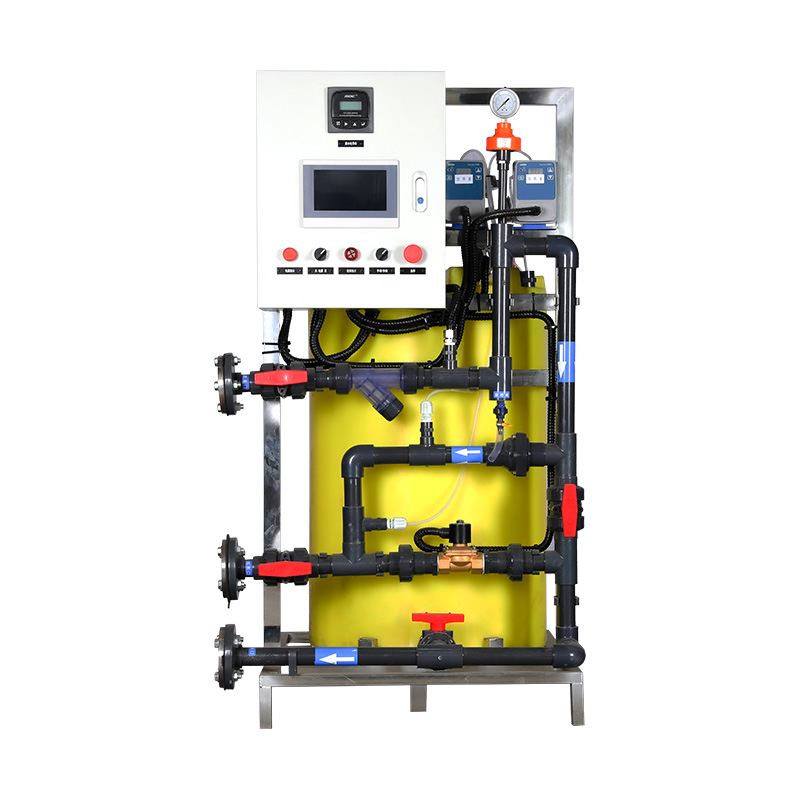
The dosing system is a device that integrates dosing, stirring, liquid transportation, and automatic control. It is mainly used in power plant raw wat...
See Details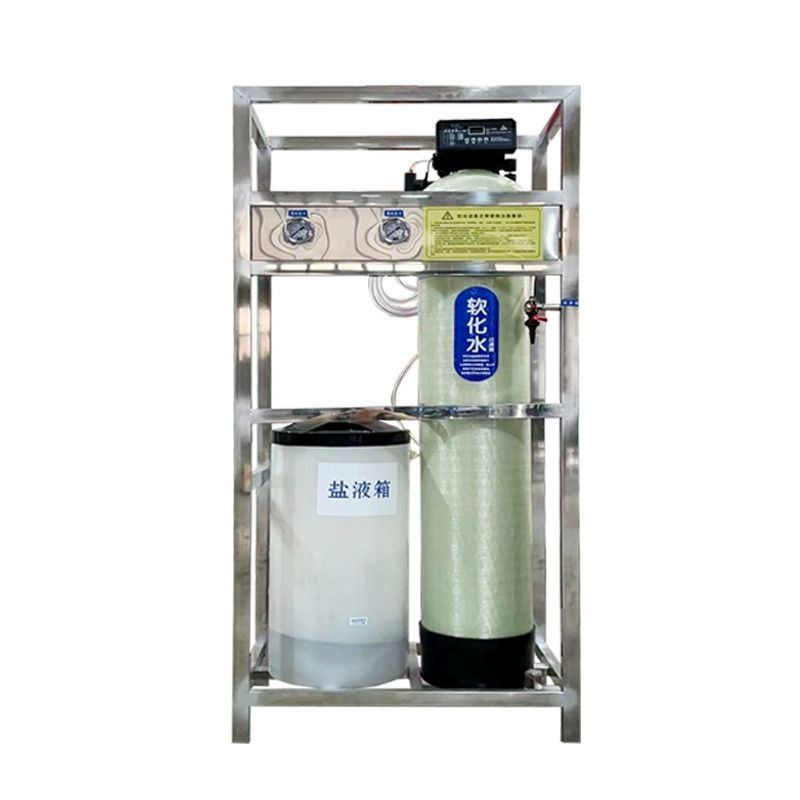
Fully automatic water softening equipment is a kind of equipment used to remove the hardness (mainly calcium and magnesium ions) in water and convert ...
See Details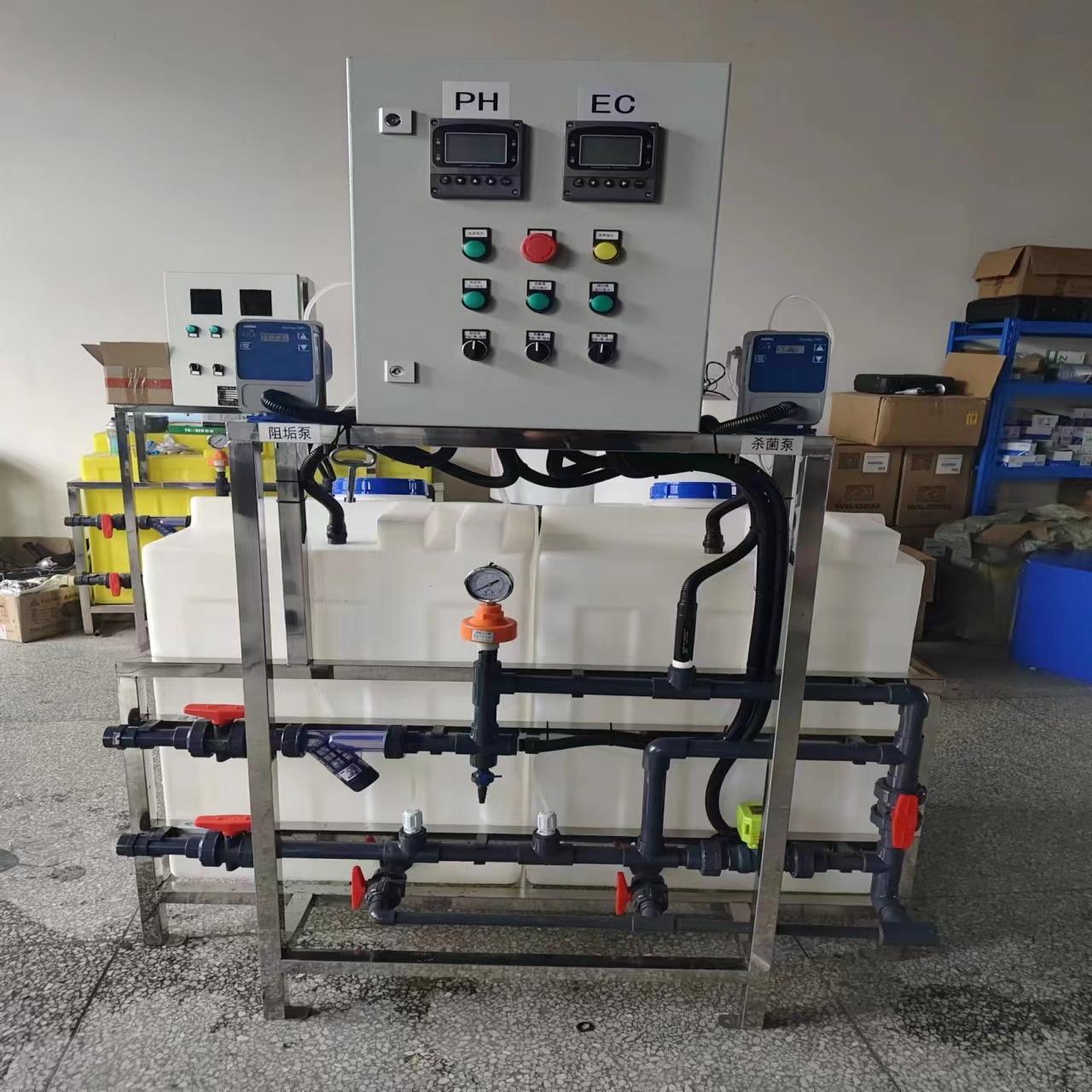
The Sterilization and anti-scaling dosing device is a device designed for water treatment systems for automatic dosing of bactericides and anti-scalin...
See Details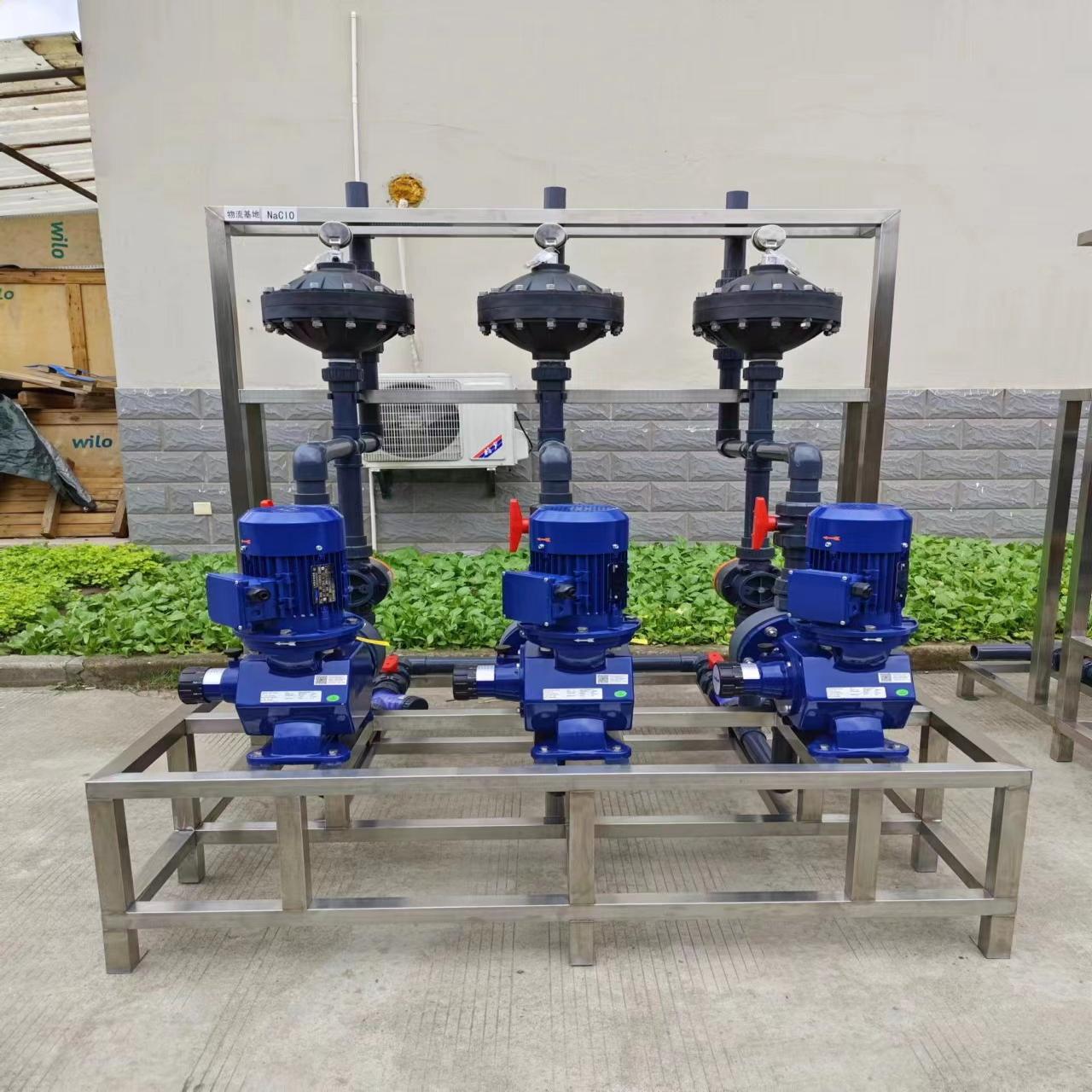
Acid-base neutralization and dosing host equipment is usually used in the field of industrial wastewater treatment or water quality regulation. It is ...
See Details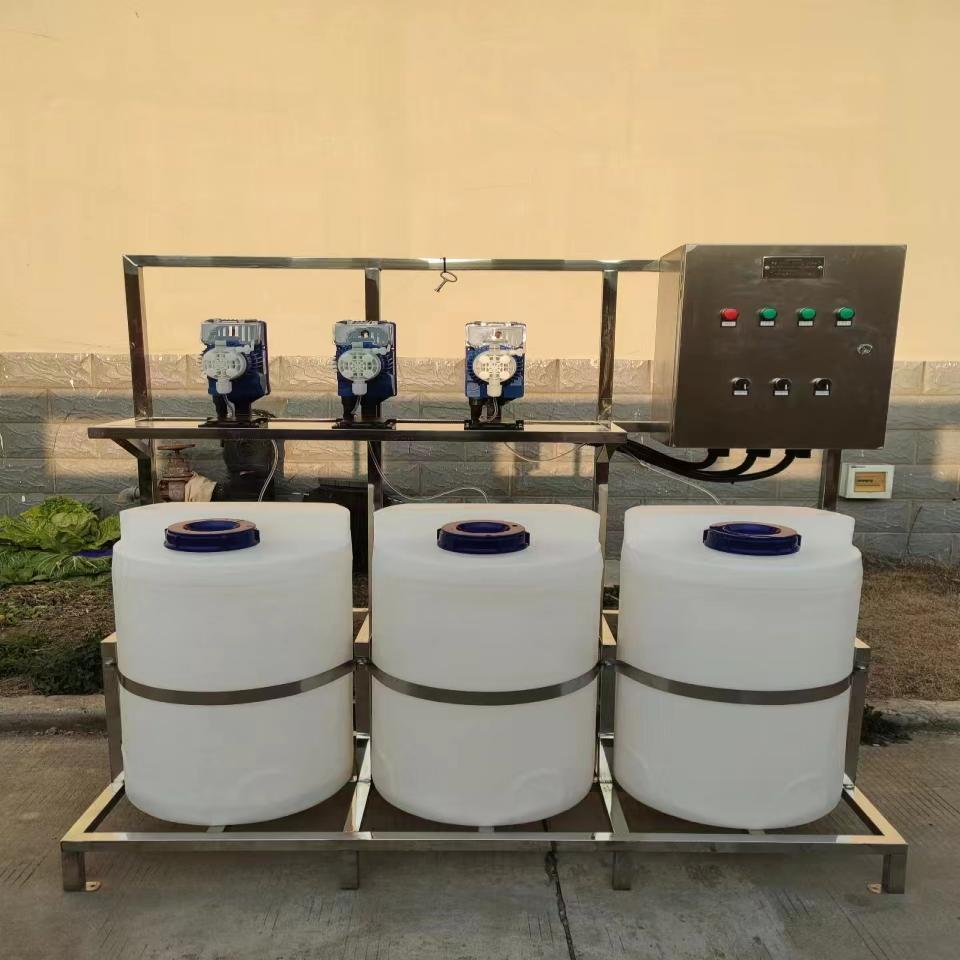
The flocculation scale inhibition and sterilization three-pump three-barrel circulating water system dosing device is a device specially used for circ...
See Details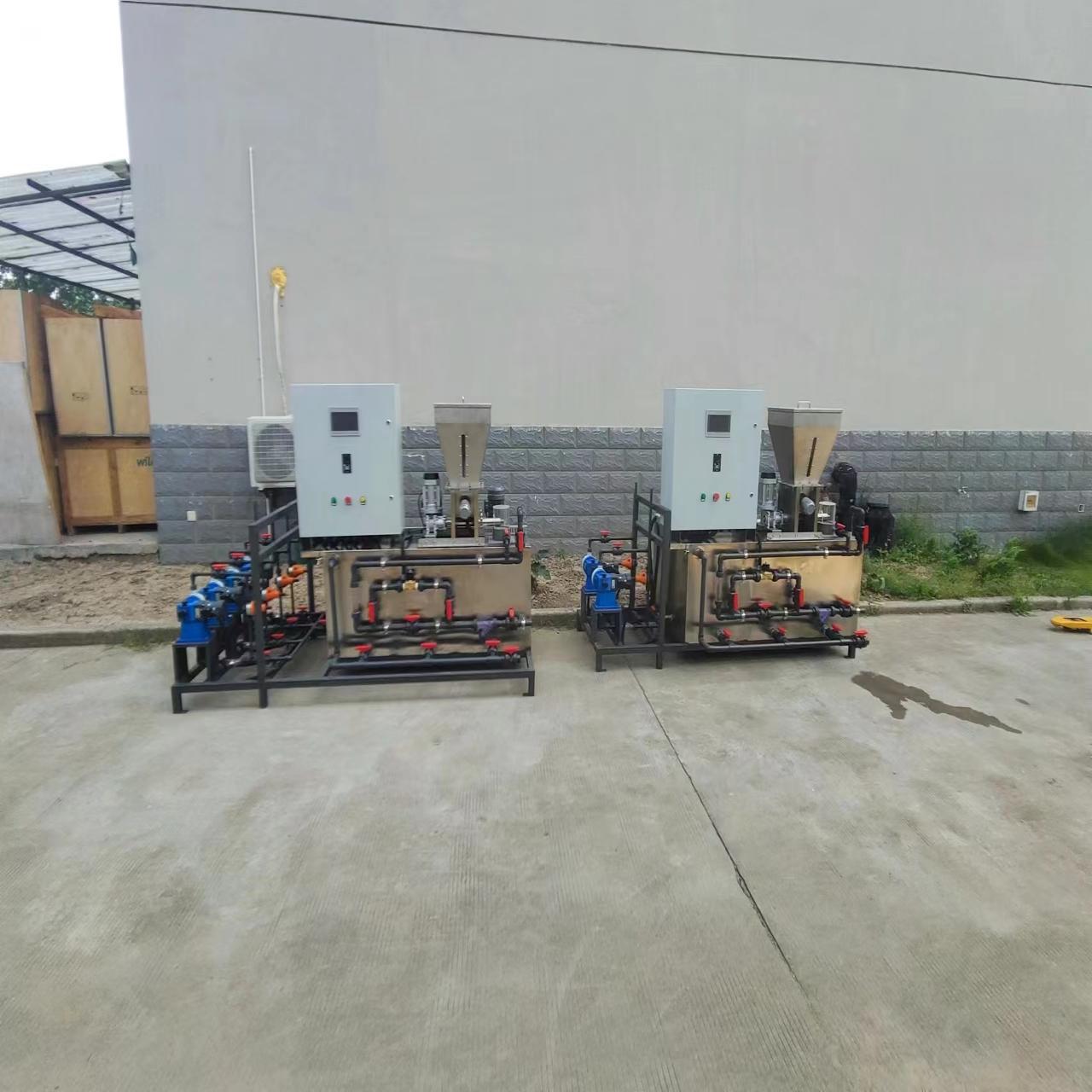
The integrated PAC PAM dosing device is an integrated water treatment equipment, which is specially used for adding agents such as polyaluminium chlor...
See Details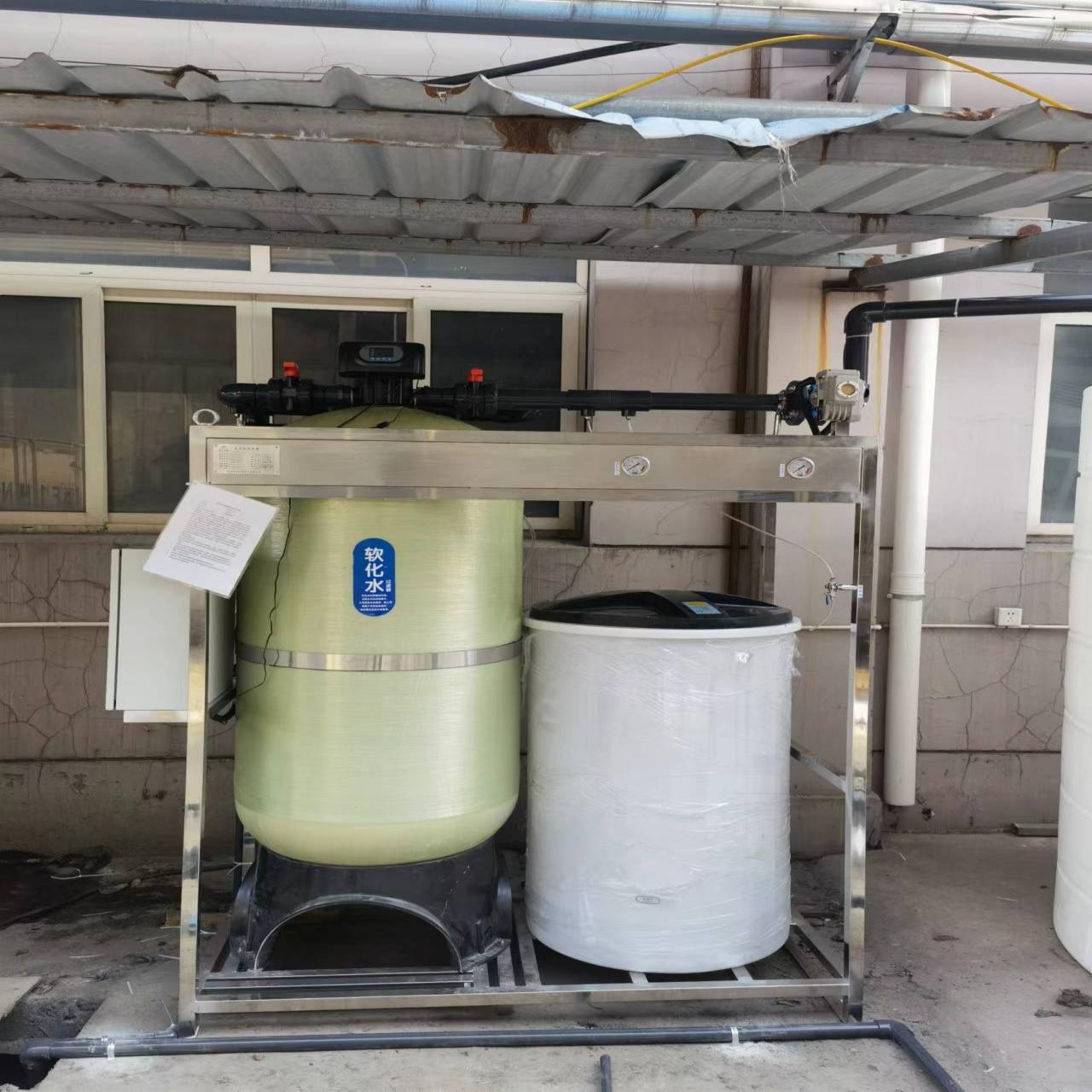
This 10-ton single tank water treatment equipment is equipped with an electric control box and is designed for large-scale water treatment needs. It a...
See Details
+86-13396595772
[email protected]
[email protected]
[email protected]
[email protected]
Room 508, Xingyuncheng, No.15 Xingling Street, Xingqiao Street, Linping District, Hangzhou City, Zhejiang Province.
Copyright ©2024 Hangzhou Roushui Environmental Protection Technology Co., Ltd. All Rights Reserved. Custom Industrial Civil Water Treatment Purification Equipment Manufacturers
