
 English
 Español
 عربى
عربىCat:UF Membrane
In the field of industrial water purification, strict quality standards are required. In response to this challenge, a membrane filter with a PVDF str...
See DetailsService hotline: +86-13396595772


To keep an RO pure water system delivering high-quality water and operating efficiently, a structured maintenance routine is absolutely required. Without it, membrane fouling, bacterial growth, and a sharp decline in water production occur. Typical pre-filters (sediment and carbon) must be replaced every 3–6 months, while the RO membrane itself lasts 2–3 years with proper care. Annual sanitization and periodic performance checks (e.g., monitoring TDS rejection rate, which should remain above 90–95%) are essential. Neglect leads to up to a 50% reduction in membrane life and a 30–40% drop in flow rate within the year.
RO pure water systems are precision separation devices. The semi-permeable membrane has pores roughly 0.0001 microns – extremely susceptible to clogging by particulate matter, scale (calcium/magnesium), and biofouling. A well-maintained system achieves 75–85% recovery (product water vs. waste) and >95% contaminant rejection. However, without scheduled care, performance degrades rapidly. Data from industrial operations show that systems following manufacturer maintenance schedules experience 70% fewer unplanned downtimes and extend membrane replacement intervals by 1.5x compared to reactive maintenance models.
Sediment filters remove rust, sand, and silt; carbon filters adsorb chlorine and organic compounds. Chlorine will oxidize and destroy RO membranes within weeks if not removed. Replace every 3–6 months or immediately when pressure differential exceeds 8–10 psi across the filter housing. Frequency depends on feed water quality: high-turbidity sources may require 2-month intervals.
The membrane is the heart of the system. Monitor normalized product flow rate and TDS rejection. Replace when:
Average service life: 2–3 years for municipal feed water; 1–2 years for hard or high-silt-density index (SDI >3) water.
Biofilm growth on membranes and within plumbing reduces permeability and can cause irreversible biological fouling. Sanitize every 6–12 months using approved non-oxidizing biocides (since chlorine damages membranes). For industrial systems: a 0.1–0.2% peracetic acid or DBNPA solution circulated for 30–60 minutes effectively controls microbes without membrane degradation. Post-sanitization flush volume must be 3–5 times the system dead volume.
Tracking these metrics enables predictive maintenance and avoids sudden failures. Record data weekly for trend analysis.
| Parameter | Acceptable Range | Action Threshold |
|---|---|---|
| TDS Rejection Rate | > 95% | Below 90% → inspect membrane |
| Normalized Permeate Flow | Within 85–100% of baseline | Drop ≥15% → clean membrane |
| Pressure Differential (ΔP) across membrane | < 25% of initial value | Increase 2x baseline → chemical clean |
| Concentrate Flow Rate | 3–4x permeate flow | Deviation >20% → check restrictor |
The following process ensures systematic care – from pre-filtration to membrane preservation.
Detailed note: Cleaning-in-place (CIP) for RO membranes typically involves a low pH wash (pH 2–3 using citric acid) for scale removal, followed by a high pH wash (pH 10–11 using sodium hydroxide + detergent) for organic/biofilm removal. Each phase circulates for 30–45 minutes at low pressure (under 60 psi) to avoid membrane compaction.
Measure product water TDS vs. feed water TDS. If rejection rate = (feed TDS - product TDS)/feed TDS ×100% falls consistently below 85% after pre-filter replacement and a chemical clean, replacement is necessary. Also, a noticeable decrease in flow rate (e.g., filling a cup takes 50% longer) indicates membrane fouling.
No, never. Chlorine oxidizes the thin-film composite membrane immediately, destroying its separation capability. Use only membrane-compatible non-oxidizing sanitizers such as peracetic acid (0.1%) or DBNPA (50–100 ppm) for industrial systems, or follow OEM-approved tablets for smaller units.
Sediment will foul the membrane surface, causing irreversible plugging. Chlorine will degrade the membrane's polyamide layer. Expect complete system failure within 8–10 months – product water quality drops to near feed water levels, and the pump may overheat due to high back pressure. Replacement costs often exceed regular filter budgets by 5–8x.
Yes, significantly. Hardness (calcium and magnesium) causes scale precipitation on the membrane, especially at recovery rates above 75%. For feed water with hardness >120 ppm as CaCO₃, install a water softener ahead of the RO, or increase membrane cleaning frequency to every 3 months (vs. annual for softened water). Scale reduces permeability by 5–10% per month if untreated.
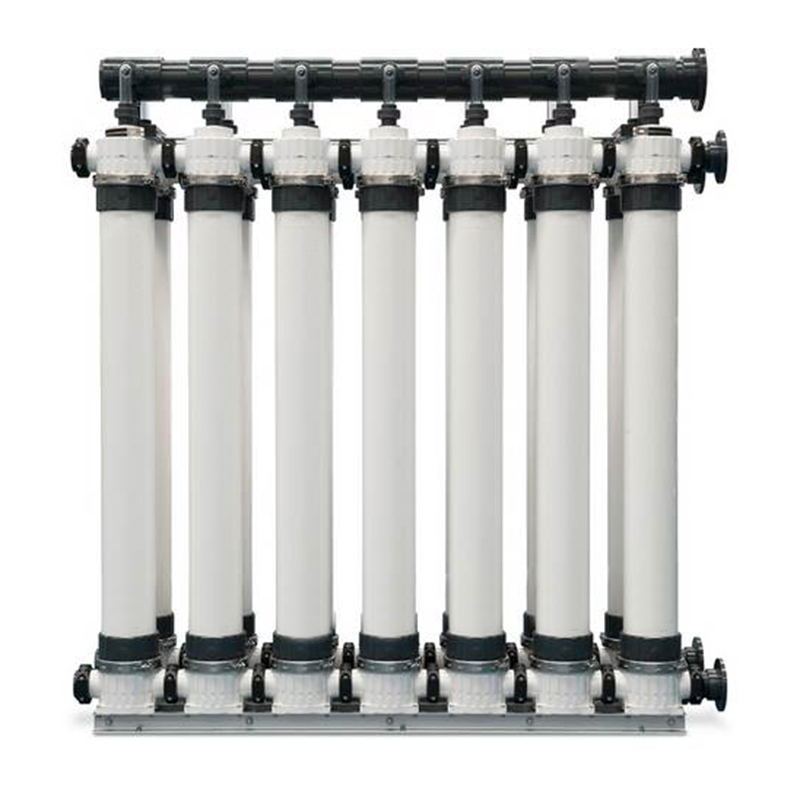
In the field of industrial water purification, strict quality standards are required. In response to this challenge, a membrane filter with a PVDF str...
See Details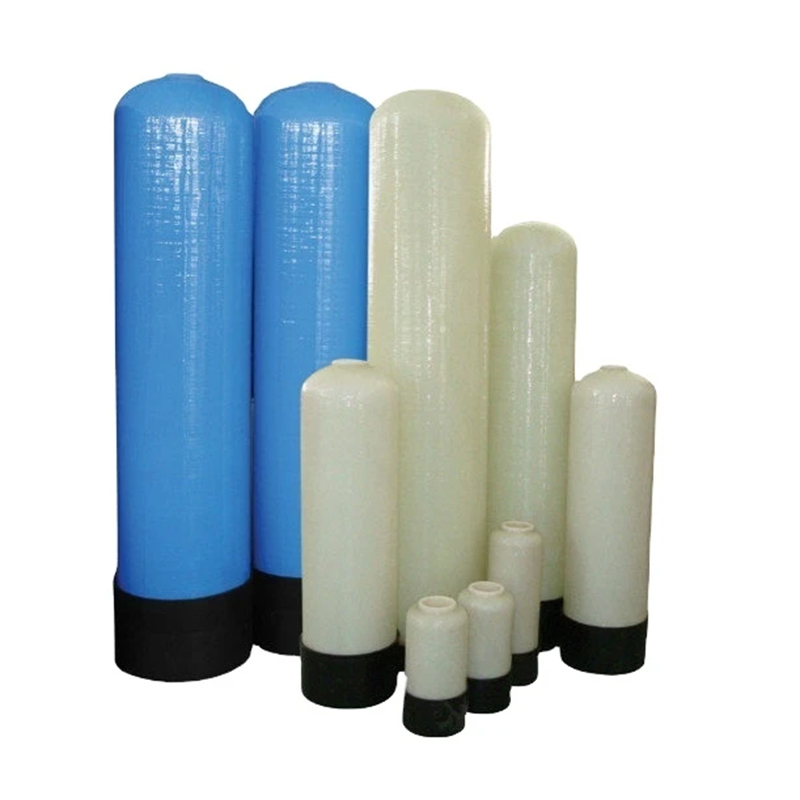
FRP (Fibreglass Reinforced Plastic) softening filter tanks stand out for their adaptability and are available in a variety of sizes and configurations...
See Details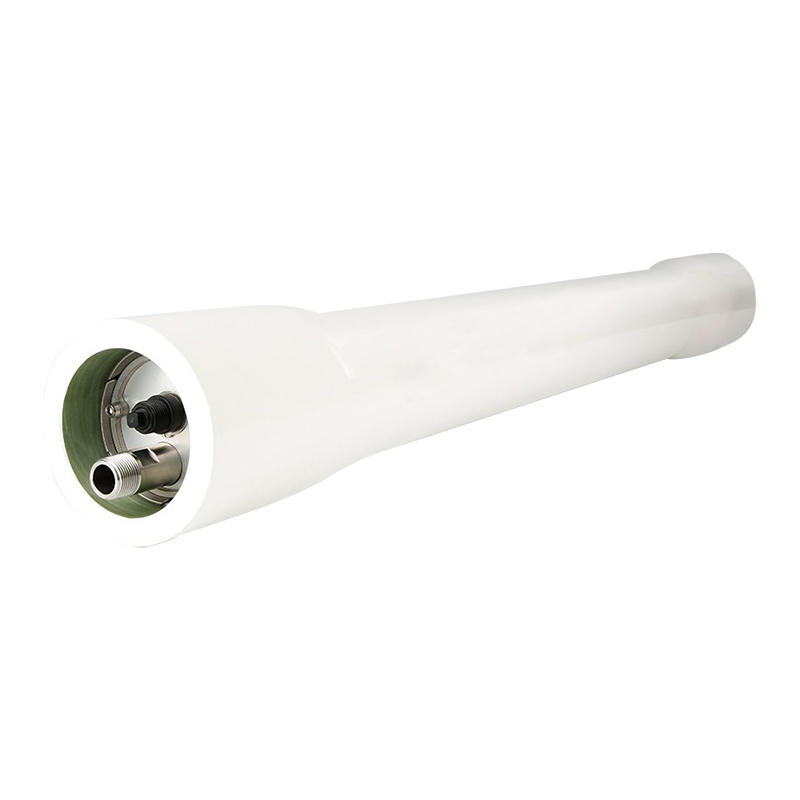
Fiber Reinforced Polymer (FRP) Reverse Osmosis (RO) membrane shells are highly sought-after for water treatment systems operating in corrosive environ...
See Details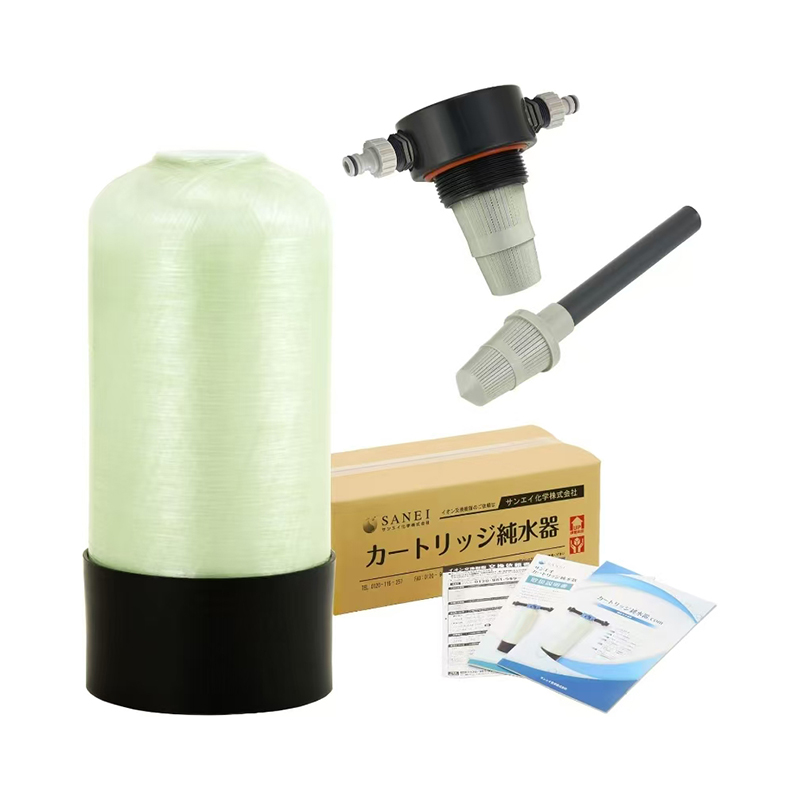
High Flow 3/4 PortKDF(Kinetic Degradation Fluxion) in our RV water filter removes chlorine, heavy metals, bacteria, and scale, ensuring cleaner and sa...
See Details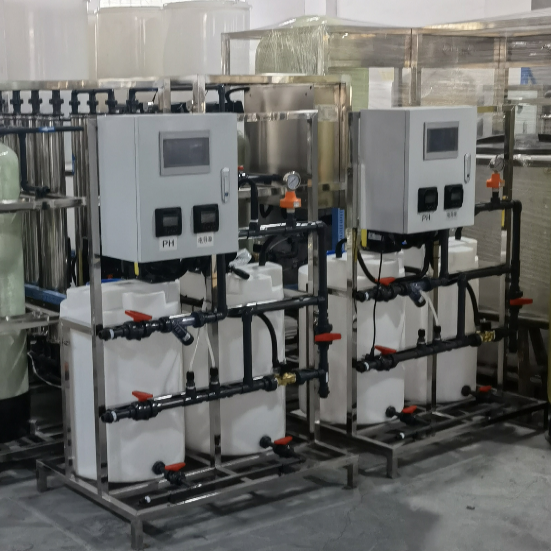
Scale-inhibiting and sterilizing PLC system circulating water dosing device is an efficient dosing device designed for circulating water system. It is...
See Details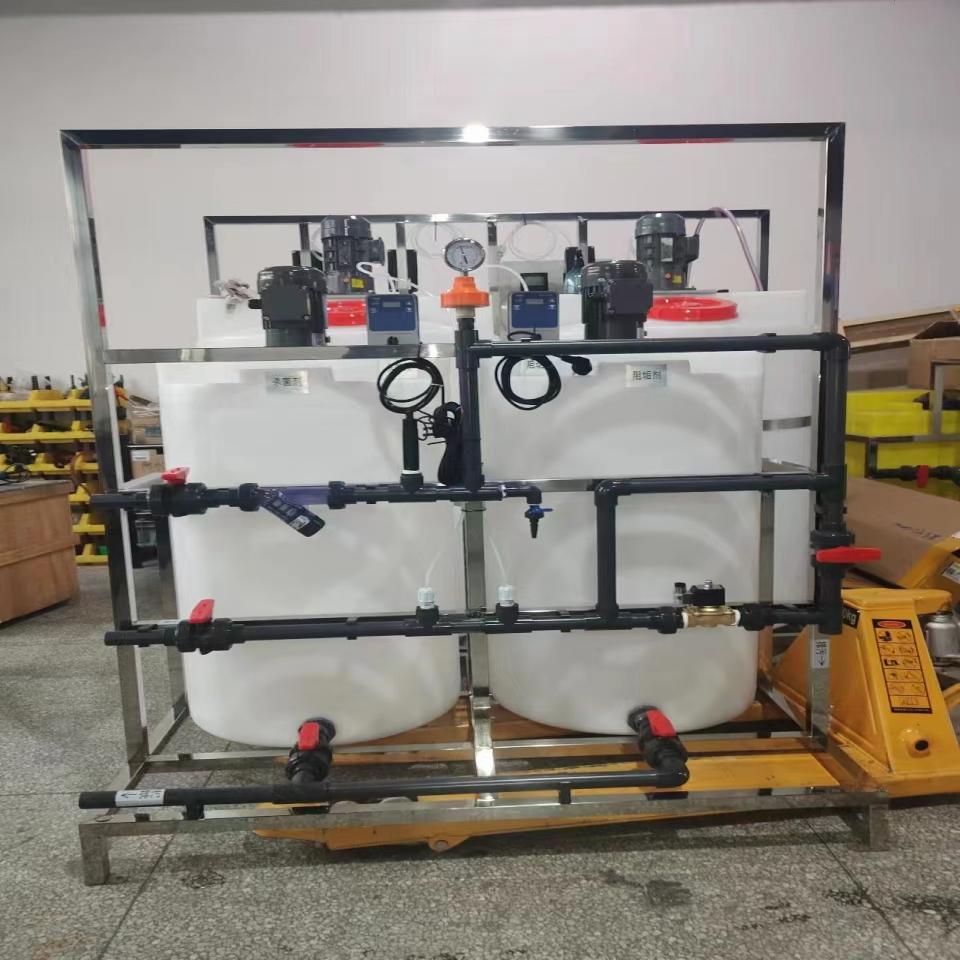
The scale-inhibiting and sterilizing circulating water system dosing device is a water quality treatment equipment designed for circulating water syst...
See Details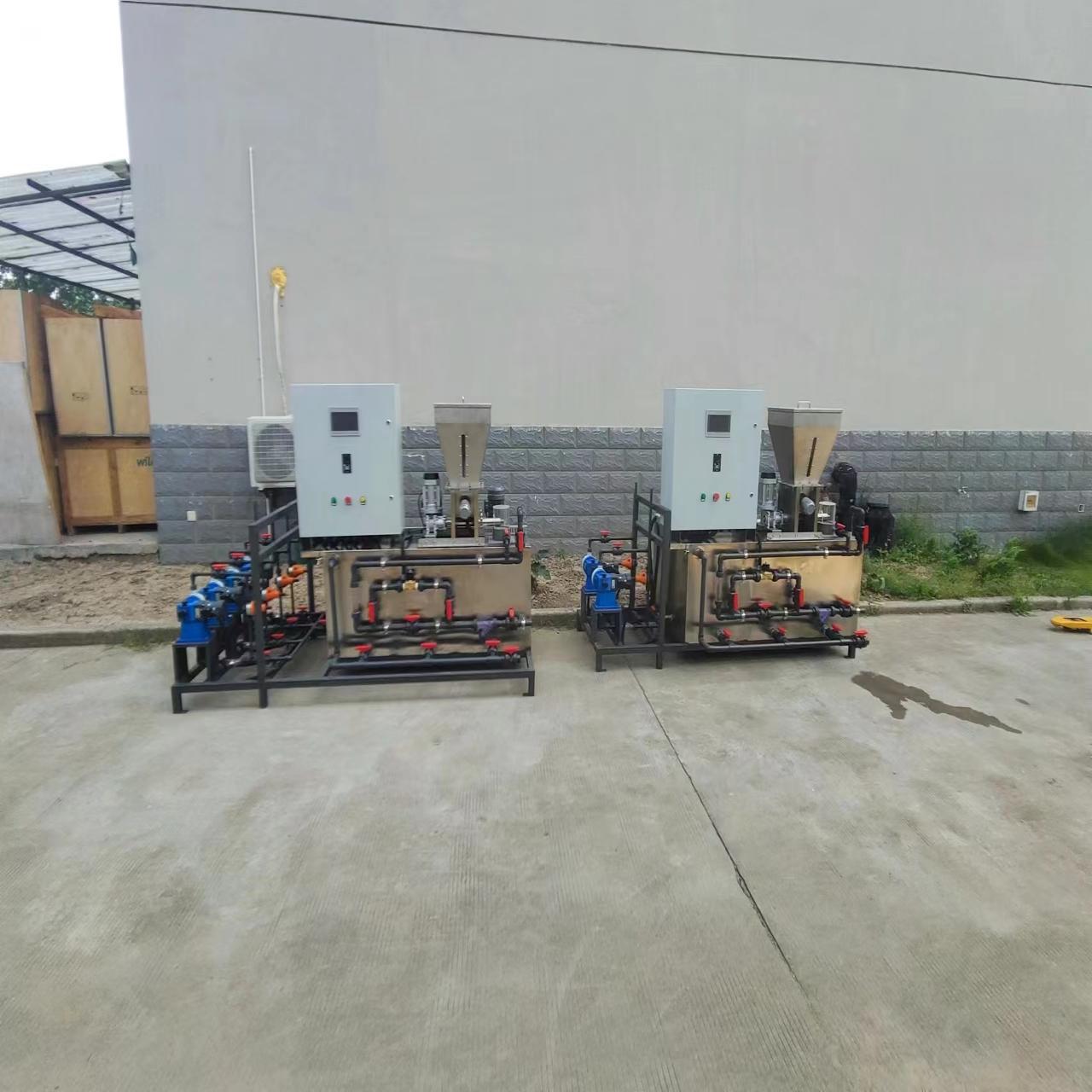
The integrated PAC PAM dosing device is an integrated water treatment equipment, which is specially used for adding agents such as polyaluminium chlor...
See Details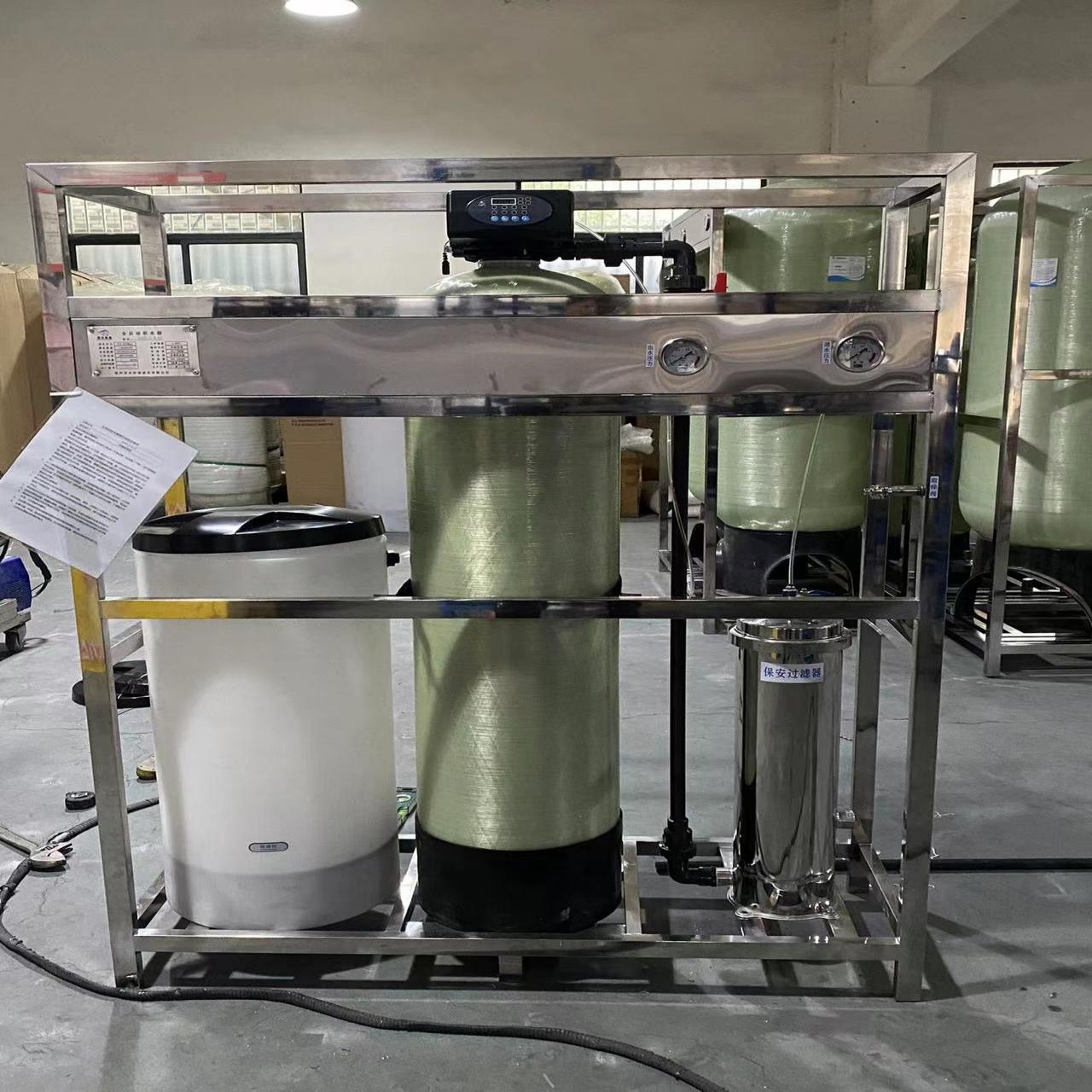
The 2-ton single tank with precision filtration is a device designed for small and medium-sized water treatment needs. It adopts a single tank structu...
See Details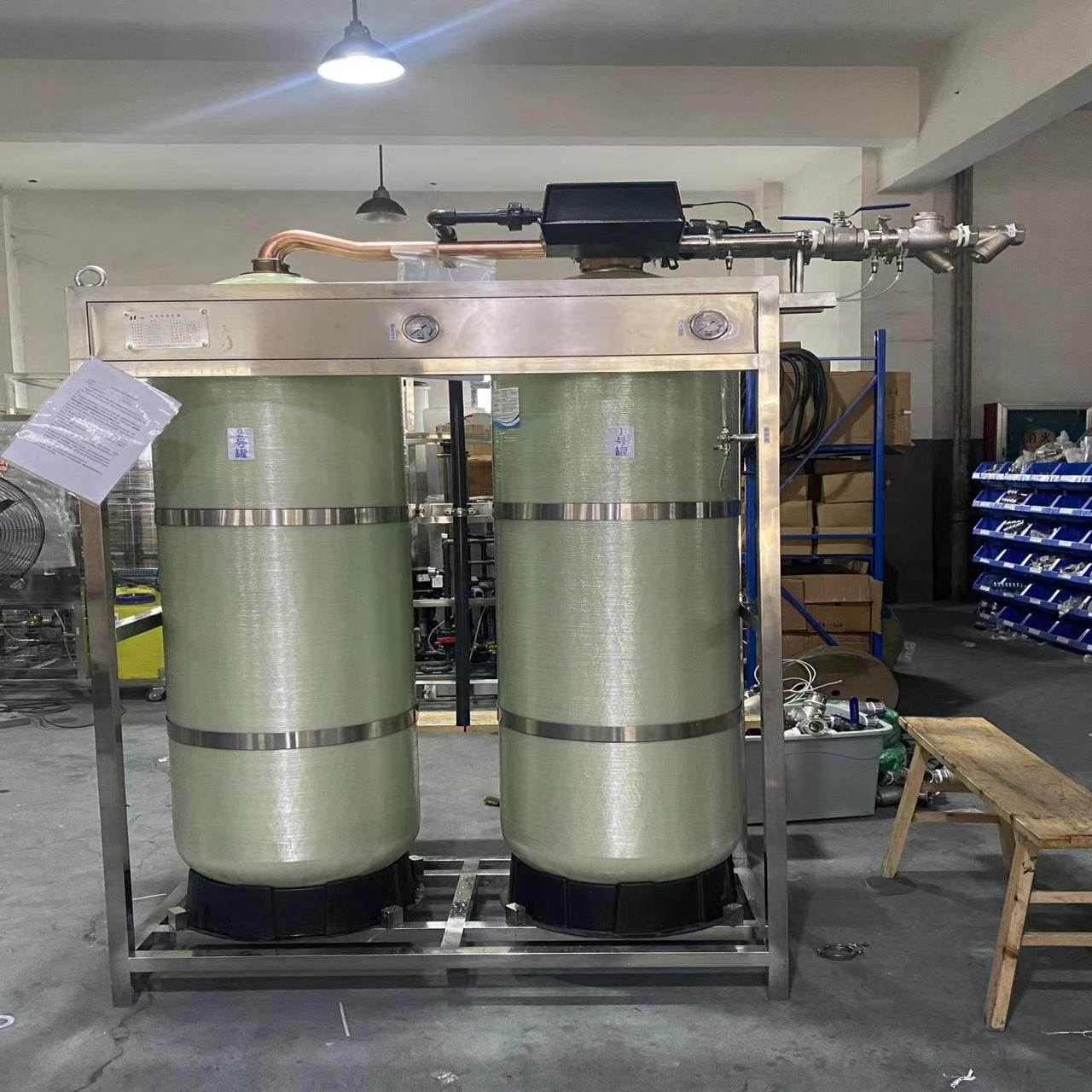
5-6 tons single valve double tank, one for use and one for standby is a device designed for medium and large water treatment systems. It has two indep...
See Details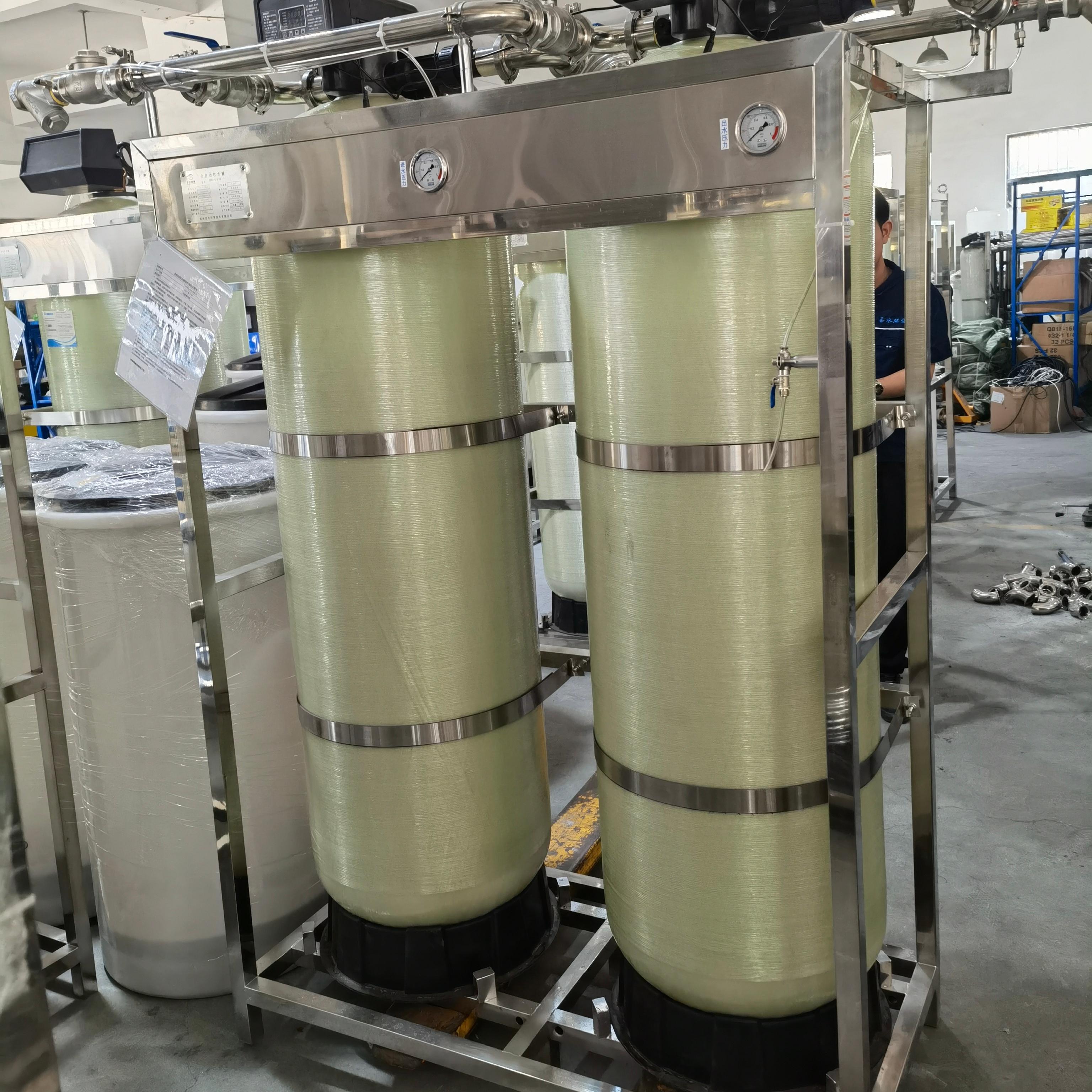
This 6-ton dual-valve dual-tank continuous water supply equipment is designed to provide efficient and stable water treatment solutions. Through the d...
See Details
+86-13396595772
[email protected]
[email protected]
[email protected]
[email protected]
Room 508, Xingyuncheng, No.15 Xingling Street, Xingqiao Street, Linping District, Hangzhou City, Zhejiang Province.
Copyright ©2024 Hangzhou Roushui Environmental Protection Technology Co., Ltd. All Rights Reserved. Custom Industrial Civil Water Treatment Purification Equipment Manufacturers
