
 English
 Español
 عربى
عربىCat:PP Cotton Filter Element
The filter element is a new type of precision filter element, which has the characteristics of small size, large filtering area, high precision, no po...
See DetailsService hotline: +86-13396595772


Immediate Fixes for the Most Frequent RO System Failures
When an RO pure water system malfunctions, production halts. The most common culprits are clogged prefilters (responsible for up to 70 percent of flow issues), membrane fouling that reduces rejection rates, and leaks from loose fittings. The immediate fix for low flow is inspecting and replacing the sediment and carbon prefilters if they have been in service for over 6 months. For a sudden drop in water quality (high TDS), the RO membrane itself likely requires replacement, typically every 2 to 3 years. Addressing these two points resolves the majority of operational complaints without the need for extensive system overhauls.
This is the most frequent complaint in industrial and commercial setups. The cause is usually a blockage in the pre-filtration stage or a fouled membrane. Sediment and carbon filters should be replaced every 6 to 12 months to prevent them from becoming a flow restriction point. If replacing the prefilters does not restore flow, the RO membrane may be scaled or fouled. Additionally, check the flow restrictor; if it is overly clogged or incorrectly sized, it can drastically reduce output.
For systems with a storage tank, low flow can also result from improper tank pressure. An empty tank should have an air pre-charge of 5 to 7 psi; if this drops, the bladder cannot push water out effectively.
RO systems are designed to operate within a specific feed pressure range, typically 40 to 60 psi. If the feed pressure drops below this, the booster pump may struggle, leading to low production or system shutdown via the low-pressure switch. Check the feed valve to ensure it is fully open and inspect for any kinks or blockages in the supply line.
A sudden increase in product water TDS indicates a failure in the membrane's rejection capability. While a slight increase is normal as a membrane ages, a sharp rise means the membrane is compromised. Common causes include chlorine damage (which oxidizes the membrane surface) or physical abrasion. If the incoming water contains more than 2.0 ppm of chlorine, the carbon prefilter must be replaced immediately to protect the new membrane.
Bad tastes and odors are often linked to the post-filter or biological growth. If the water tastes stale, sanitize the system and replace the post-filter.
Fouling is the accumulation of suspended particles, colloids, or microorganisms on the membrane surface. Scaling is the precipitation of sparingly soluble salts (like calcium carbonate) on the surface. Both lead to higher pressure drop and lower permeate flux. A well-maintained system operating on proper feed water should maintain stable rejection rates.
When an RO unit fails to start or trips immediately, the issue is either electrical or hydraulic. If the house breaker or GFCI trips, the system is drawing excessive current. This usually points to an overloaded circuit or a failing pump motor. The pump draws the highest current at startup, so sharing a circuit with other heavy appliances can cause this.
If the system starts but shuts down quickly (hydraulic trip), it is likely a pressure problem. The automatic shut-off (ASO) valve will trigger if the pump cannot generate enough pressure, often due to a clogged prefilter or a malfunctioning check valve. Inlet pressure below 40 psi is a primary cause of this cycling behavior.
| Problem | Primary Indicator | Immediate Action |
|---|---|---|
| Low product water flow | Slow fill rate at point of use | Check prefilter condition; replace if more than 6 months old |
| Poor water quality (High TDS) | TDS meter reading above 75 percent rejection rate | Inspect for chlorine breakthrough; replace membrane if oxidized |
| System will not start (electrical trip) | Breaker flips immediately on startup | Move to dedicated circuit; inspect pump for damage |
| Leaks at fittings | Visible water pooling | Check PE tube cut quality and O-ring integrity |
| Unusual noise | Loud humming or vibrating | Check for air in system or failing pump bearings |
Common RO System Faults and Diagnostic Indicators
Adherence to a strict maintenance schedule is the most effective way to prevent common RO problems. Neglecting replacements is the leading cause of system failure.
Biofilm growth is a frequent cause of fouling and taste issues. It is recommended to sanitize the entire system at least once a year or whenever the filters are changed. This involves flushing the system with a sanitizing agent (like a commercial RO sanitizer or diluted bleach) to eliminate bacteria that can survive in the plumbing.
Environmental factors significantly impact RO performance. In winter, cold feed water causes the water viscosity to increase, leading to a drop in production by approximately 3 percent per 1 degree Celsius decrease in temperature. To compensate, either increase the feed pressure or use a feed water heater to maintain a temperature of 20 to 25 degrees Celsius during cold months.
For systems installed outdoors or in unheated spaces, freeze protection is critical. Water expands when frozen, which can crack membrane housings and rupture tubing. The system must be protected when temperatures drop below 5 degrees Celsius, and operation is prohibited below 0 degrees Celsius to prevent catastrophic damage.
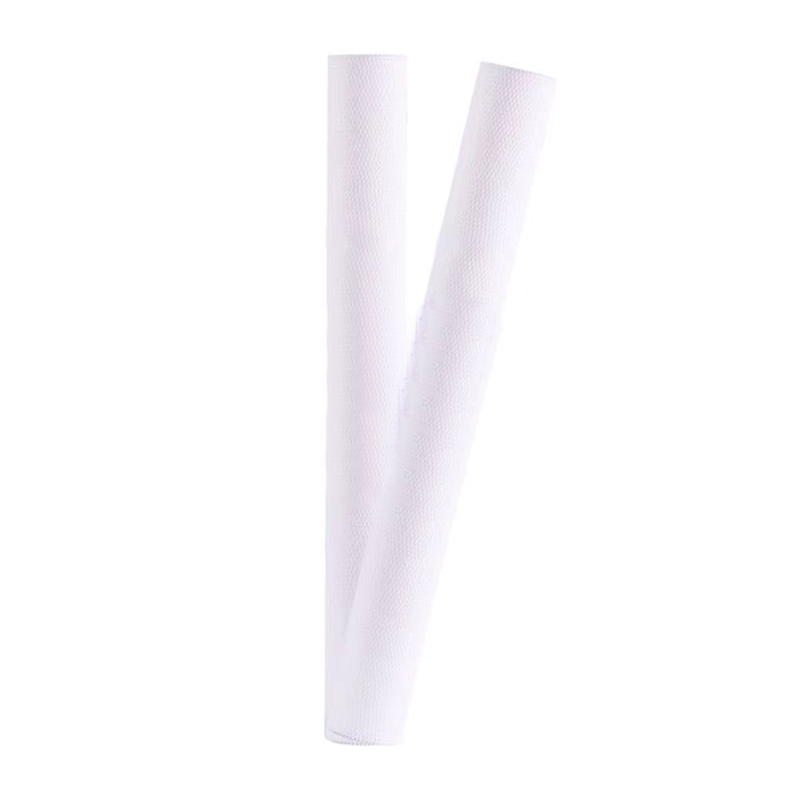
The filter element is a new type of precision filter element, which has the characteristics of small size, large filtering area, high precision, no po...
See Details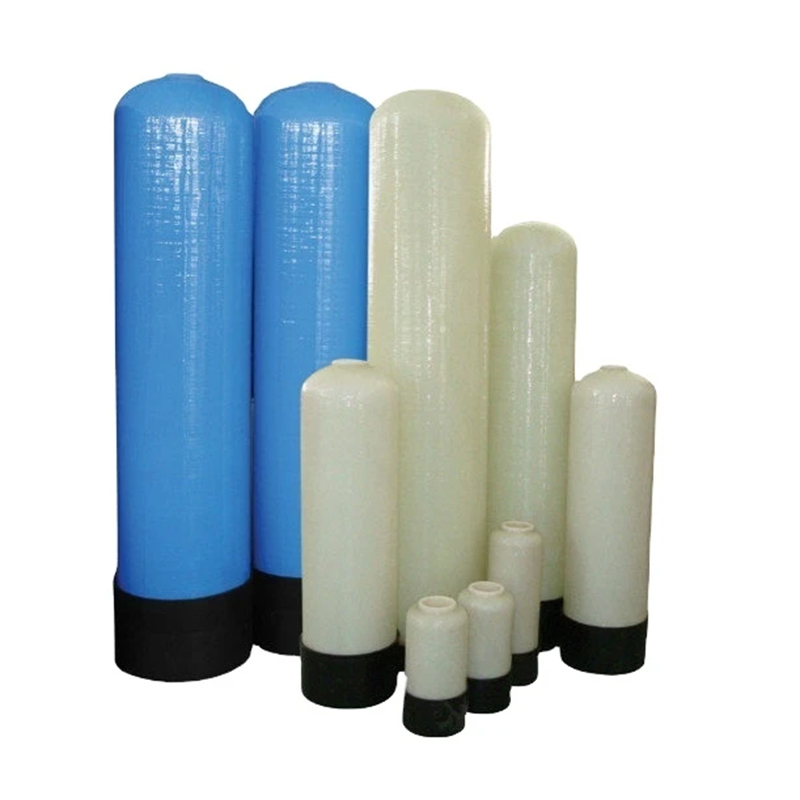
FRP (Fibreglass Reinforced Plastic) softening filter tanks stand out for their adaptability and are available in a variety of sizes and configurations...
See Details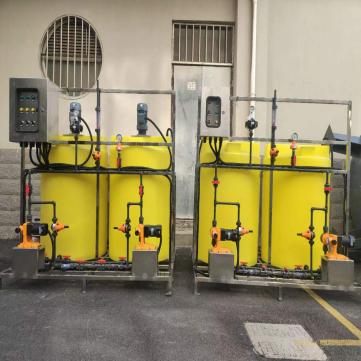
The PAC PAM dosing device is a device used to automatically add polyaluminium chloride (PAC) and polyacrylamide (PAM) during water treatment. The devi...
See Details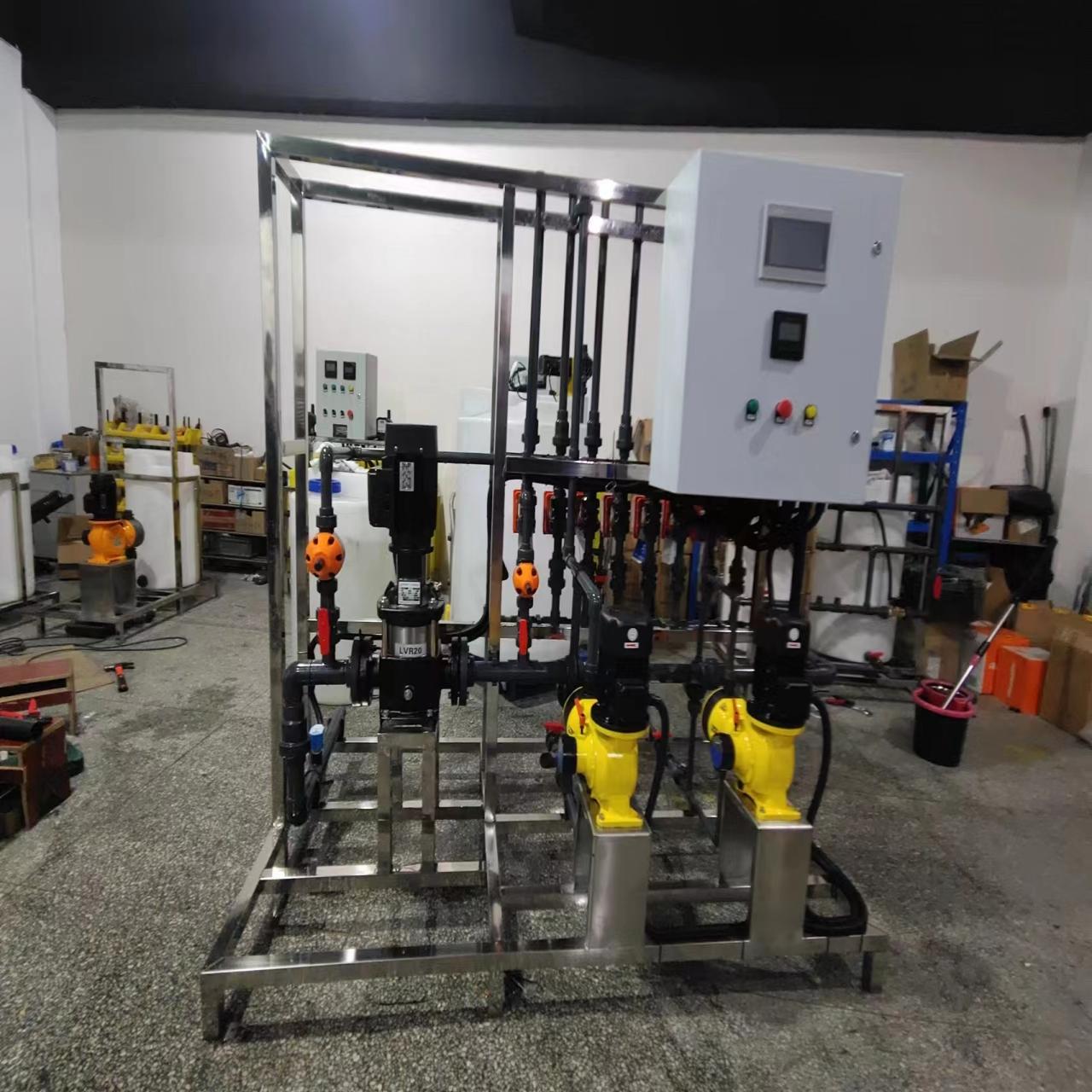
The acid-base neutralization and dosing device is a device used in the fields of industry, environmental protection and water treatment, mainly used t...
See Details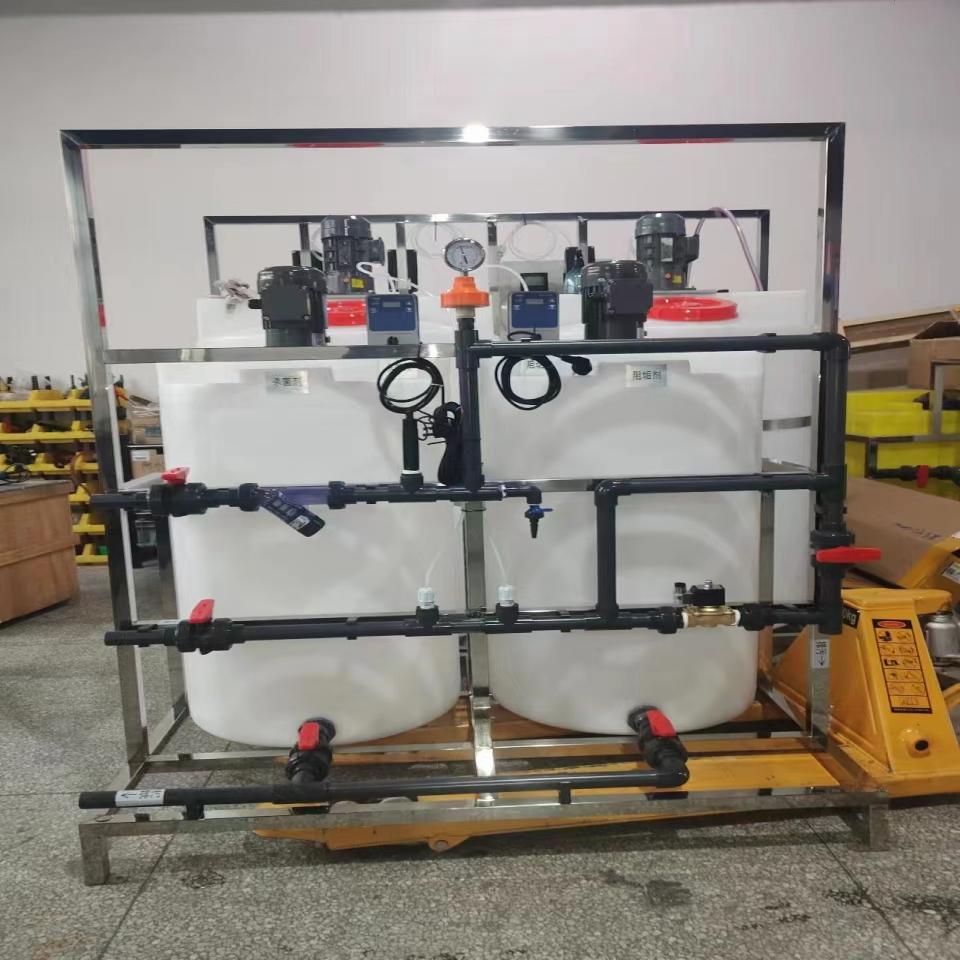
The scale-inhibiting and sterilizing circulating water system dosing device is a water quality treatment equipment designed for circulating water syst...
See Details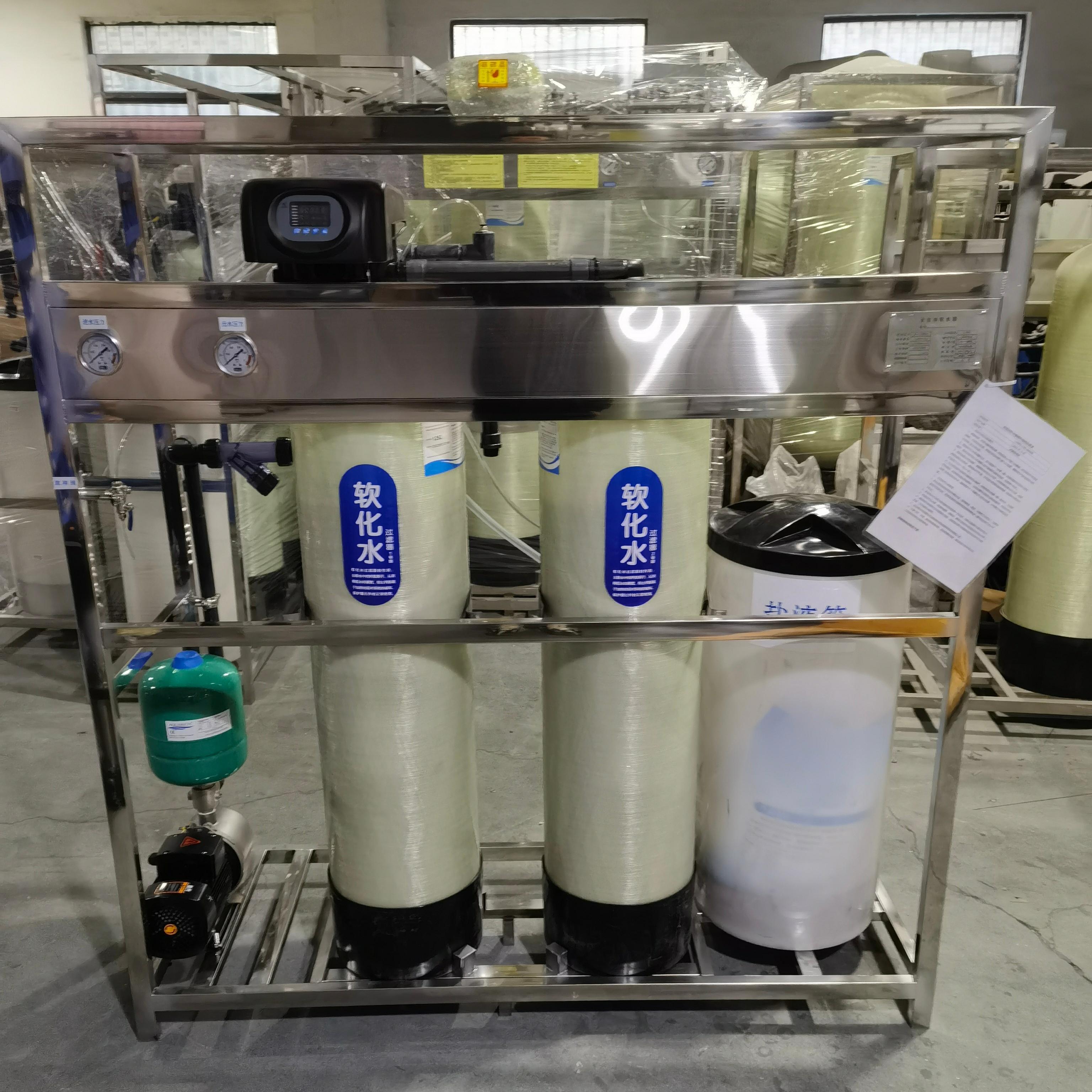
2-ton single valve double tank constant pressure water supply tank, one for use and one for standby is a high-efficiency water treatment equipment, wh...
See Details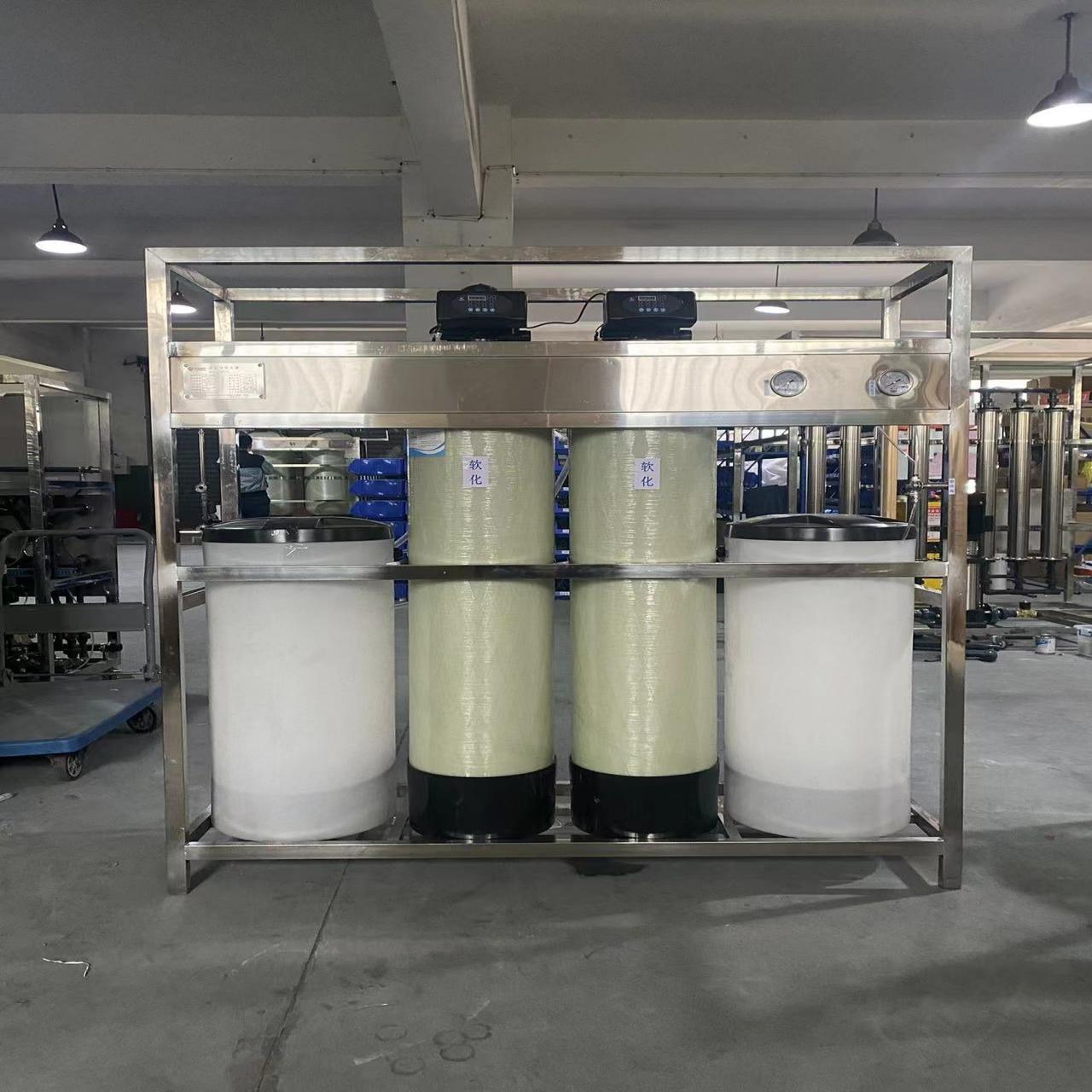
The 2-ton dual-valve dual-tank continuous water supply system is a device for medium-sized water treatment and water supply. It adopts a dual-tank des...
See Details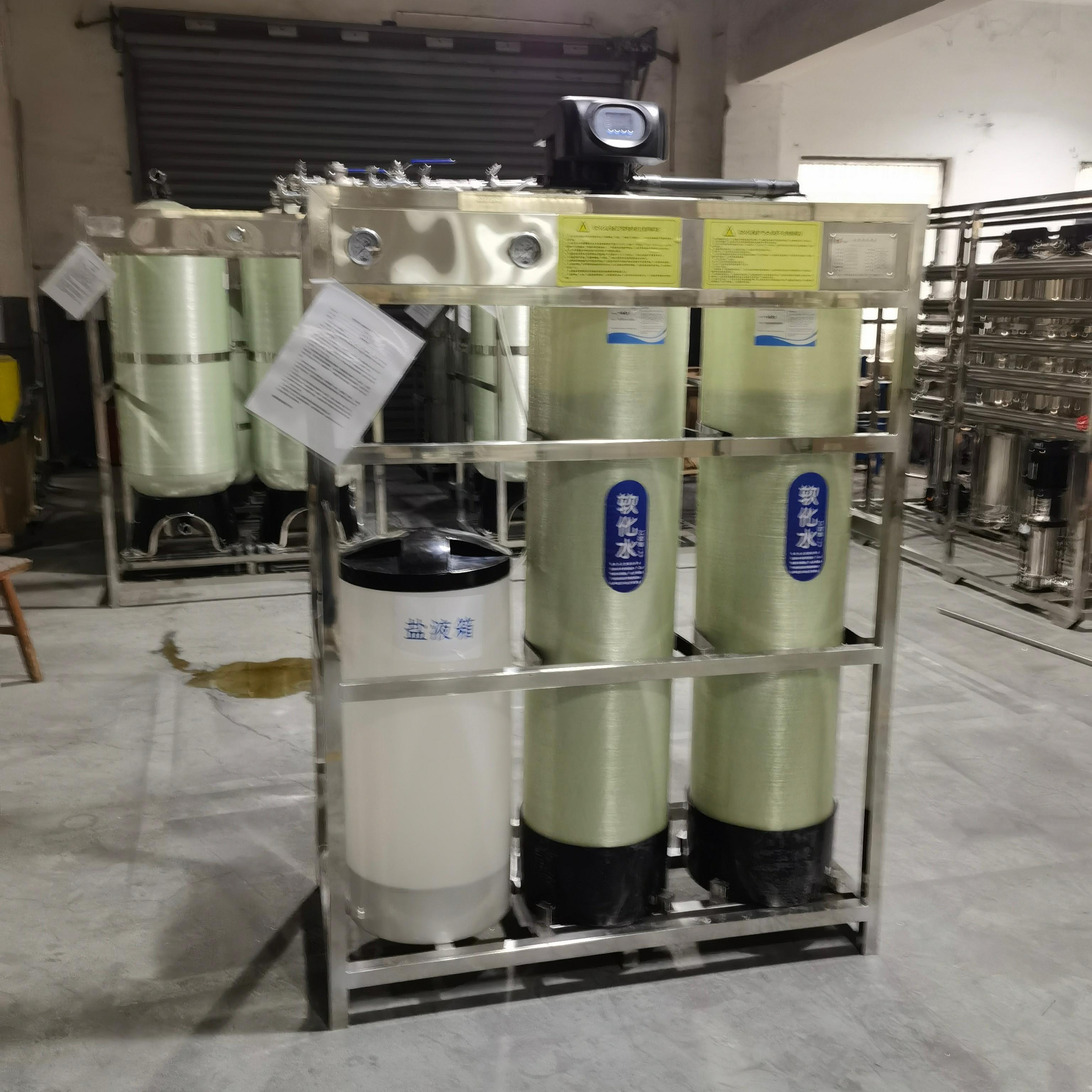
The 3 tons single valve double tank, one for use and one for standby is a high-efficiency water treatment equipment, which adopts a single valve doubl...
See Details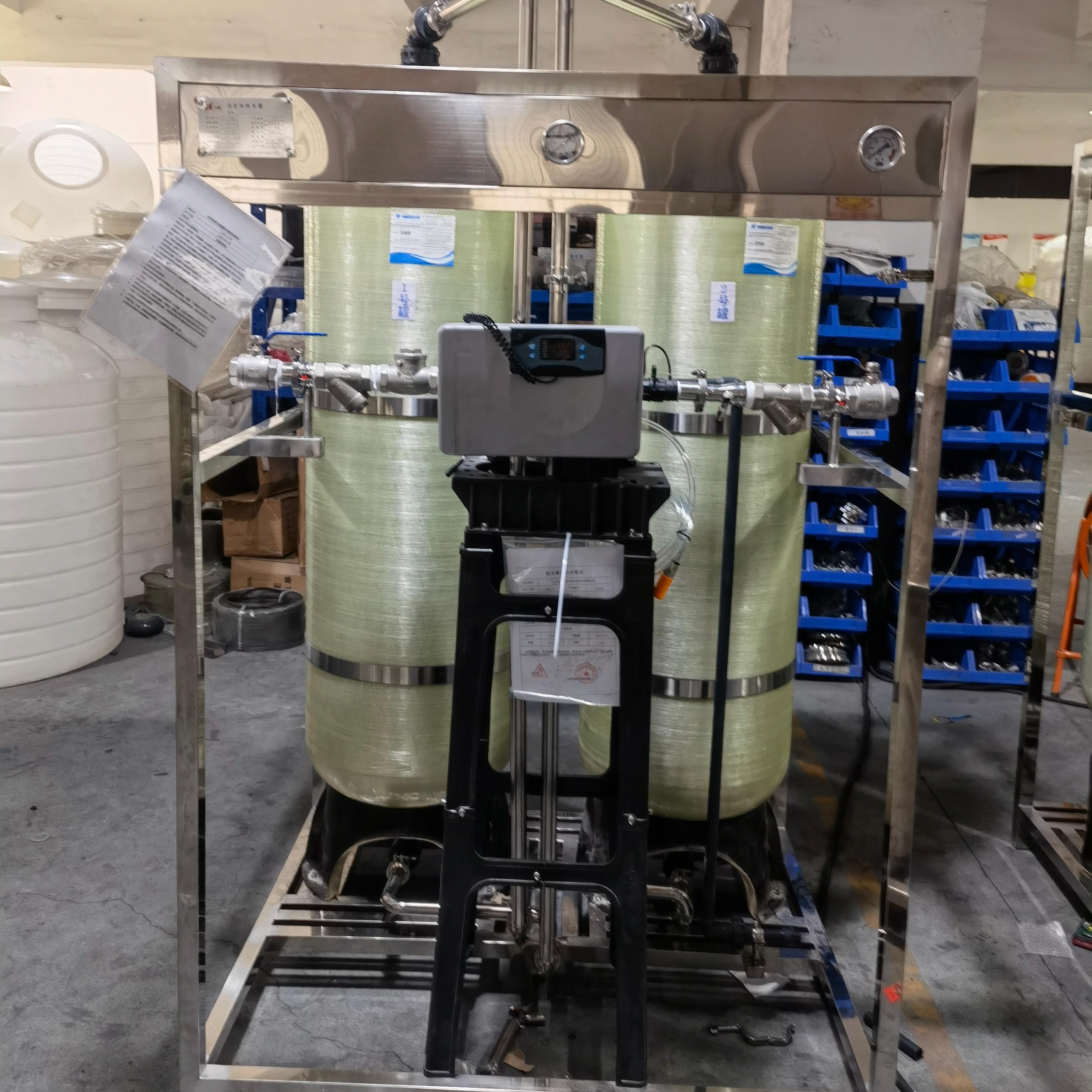
5-ton single valve dual tank, one for use and one for standby is a high-efficiency equipment designed for water treatment. It adopts a single valve du...
See Details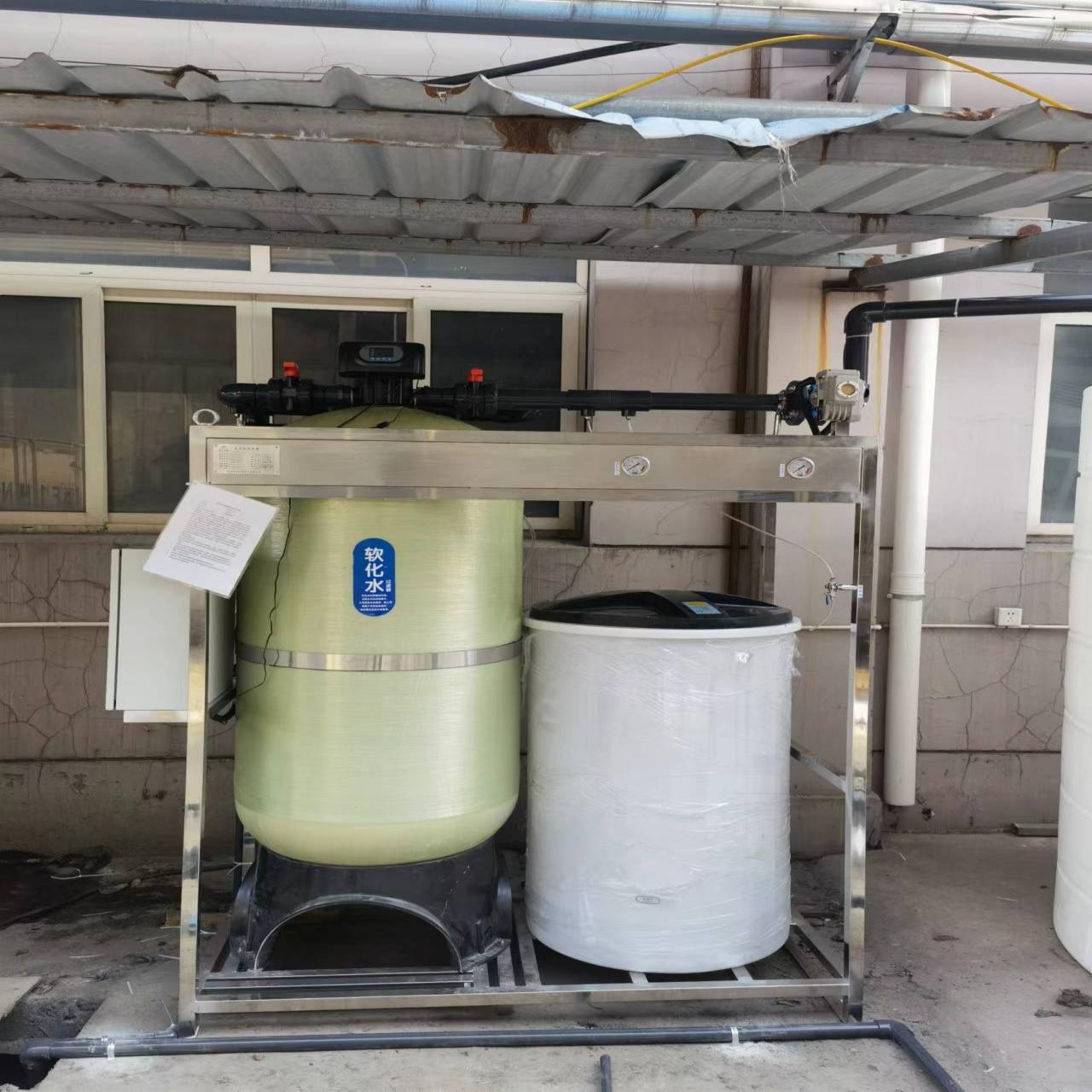
This 10-ton single tank water treatment equipment is equipped with an electric control box and is designed for large-scale water treatment needs. It a...
See Details
+86-13396595772
[email protected]
[email protected]
[email protected]
[email protected]
Room 508, Xingyuncheng, No.15 Xingling Street, Xingqiao Street, Linping District, Hangzhou City, Zhejiang Province.
Copyright ©2024 Hangzhou Roushui Environmental Protection Technology Co., Ltd. All Rights Reserved. Custom Industrial Civil Water Treatment Purification Equipment Manufacturers
