Service hotline: +86-13396595772


Get A Quote
Service hotline: +86-13396595772
Water purification has become increasingly critical as water quality concerns grow worldwide. Multiple filtration technologies exist, each with distinct advantages and limitations. Among these, RO reverse osmosis membrane systems have emerged as one of the most effective solutions for both residential and commercial applications. Understanding how different filtration methods work helps businesses and consumers make informed decisions about their water treatment investments.
The choice between filtration technologies depends on specific water quality challenges, contamination types, flow rate requirements, and budget constraints. Each method targets different contaminant sizes and uses distinct separation principles to achieve water purification goals.
Water filtration encompasses various technologies, each operating at different efficiency levels and treating specific contaminants. The main categories include mechanical filtration, activated carbon filtration, ion exchange, ultrafiltration, nanofiltration, and reverse osmosis systems. Each represents a different approach to water purification with unique operational characteristics.
Mechanical filtration removes large particles through physical barriers. Sand filters, screen filters, and cartridge filters fall into this category. These systems can remove sediment, debris, and particles typically larger than 5 to 100 microns. While cost-effective for initial implementation, mechanical filters require frequent maintenance and provide limited removal of dissolved contaminants or microorganisms.
Activated carbon absorbs organic compounds, chlorine, and odors through adsorption processes. This method proves effective for taste and odor improvement but has limitations regarding salt, heavy metals, and microorganism removal. Activated carbon filters typically treat particles down to 5 microns and require regular replacement as absorption capacity diminishes over time.
Ion exchange technology replaces undesired ions with more acceptable ones, primarily treating hardness and other ionic contaminants. These systems work well for softening water but require periodic regeneration and consume significant amounts of salt. They struggle with dissolved organic compounds and microorganisms.
Ultrafiltration removes particles, bacteria, and some viruses (0.01 to 0.1 microns). Nanofiltration operates at a similar scale but provides higher rejection rates for specific compounds. Both methods use pressure-driven membrane separation but typically leave dissolved salts and some organic compounds in the treated water.
Reverse osmosis membrane systems represent a significant advancement in water purification technology. Unlike traditional methods, RO systems utilize semi-permeable membranes that allow only water molecules to pass through while rejecting dissolved salts, minerals, bacteria, viruses, and organic compounds. This capability makes RO one of the most comprehensive filtration solutions available.
RO membranes achieve rejection rates of 95 to 99 percent for dissolved solids, bacteria, viruses, and most organic contaminants. A single RO system can accomplish what traditionally required multiple filtration stages. This comprehensive approach eliminates concerns about incomplete purification that plague other single-technology solutions.
RO technology performs effectively whether treating municipal water, well water, brackish water, or seawater. The membrane's fine pore structure removes both ionic and organic contaminants regardless of water source characteristics. This versatility explains why industries ranging from pharmaceuticals to food processing prefer RO systems.
While RO filtration membrane systems require periodic membrane replacement, they demand less frequent maintenance than activated carbon filters or ion exchange systems. Modern RO systems include advanced monitoring capabilities that alert operators when maintenance becomes necessary, reducing downtime and operational disruptions.
Initial RO system costs exceed many traditional methods, but long-term operational expenses often prove lower. Fewer replacement cycles for primary treatment components and reduced need for multiple sequential filtration stages result in cumulative savings over system lifetime. The high rejection efficiency also means reduced costs for downstream processes that would otherwise handle partially treated water.
| Filtration Method | Particle Size Removal | Salt Rejection | Bacterial Removal | Maintenance Frequency | Initial Cost | Operating Cost |
|---|---|---|---|---|---|---|
| Mechanical Filtration | 5-100 microns | None | Minimal | Frequent | Low | Moderate |
| Activated Carbon | 5 microns | None | Minimal | Frequent | Moderate | Moderate |
| Ion Exchange | Ionic compounds | Partial | None | Regular | Moderate | High |
| Ultrafiltration | 0.01-0.1 microns | Minimal | Excellent | Moderate | Moderate | Moderate |
| Nanofiltration | 0.001-0.01 microns | Partial | Excellent | Moderate | Moderate | Moderate |
| RO Reverse Osmosis | 0.0001-0.001 microns | 95-99% | 99.99% | Moderate | High | Low-Moderate |
The versatility of reverse osmosis technology supports applications across numerous industries. Different sectors benefit from specific advantages that RO systems provide compared to alternative filtration methods.
Pharmaceutical manufacturing demands ultra-pure water meeting stringent standards. RO systems provide the purity levels required for drug synthesis, sterilization, and injectable formulations. The 99 percent rejection rate ensures removal of contaminants that could compromise product safety or efficacy.
Food processors utilize RO technology to improve taste, eliminate odors, and remove contaminants without adding chemicals. Beverage manufacturers depend on consistent water quality that RO systems reliably deliver, enabling consistent product quality across production batches.
Electronics manufacturing, semiconductor production, and precision equipment fabrication all require ultra-pure water. RO systems provide the quality necessary for these demanding applications while traditional methods fall short of required purity standards.
Regions facing freshwater scarcity increasingly rely on RO systems for seawater and brackish water treatment. While other technologies cannot effectively remove high salt concentrations, RO membranes efficiently handle these challenging applications, making previously unusable water sources viable.
Many municipalities supplement traditional treatment with RO systems for specific contamination challenges. Fluoride removal, pharmaceutical residue treatment, and emerging contaminant elimination often require RO technology's comprehensive rejection capabilities.
RO membrane technology encompasses several variations, each optimized for specific applications and water conditions. Understanding these distinctions helps identify the most appropriate solution for particular treatment scenarios.
Thin film composite (TFC) membranes represent the modern standard in RO technology. These membranes feature multiple layers including a support structure, intermediate layer, and active polyamide layer. This construction provides excellent salt rejection while maintaining reasonable water flux. TFC membranes dominate contemporary RO applications due to superior performance characteristics and reliability.
Cellulose acetate represents an earlier generation RO membrane technology. While less commonly used today, these membranes tolerate higher chlorine concentrations and operate at higher pH levels compared to modern alternatives. Limited salt rejection and lower water flux typically make cellulose acetate membranes less suitable for demanding applications.
Specialized high-rejection membranes achieve salt rejection rates exceeding 99 percent. These membranes prioritize rejection efficiency while accepting lower water flow rates. Applications requiring maximum purity levels, such as pharmaceutical manufacturing, benefit from high-rejection membrane selection.
Low-pressure membranes reduce operating energy requirements by functioning effectively at lower operating pressures. These membranes balance rejection rates with reduced energy consumption, making them attractive for cost-conscious applications where absolute maximum purity is less critical than operational efficiency.
Specialized membranes designed for saline water treatment differ from standard freshwater RO membranes. Brackish water membranes handle moderate salt concentrations while seawater membranes tolerate extremely high salt levels. These specialized variants ensure optimal performance when treating high-salinity water sources.
RO system effectiveness depends on multiple variables influencing water quality, flux rates, and contaminant rejection. Understanding these factors enables optimization of system performance and longevity.
Pre-filtration significantly impacts RO membrane lifespan and performance. Sediment, turbidity, and chlorine in feed water accelerate membrane fouling and degradation. Adequate pre-treatment removes these contaminants before they reach the RO stage, extending membrane life and maintaining consistent performance.
RO systems operate at elevated pressures that facilitate water passage through semi-permeable membranes while rejecting dissolved contaminants. Operating pressure directly influences water production rates and energy consumption. Higher pressures increase flux but elevate energy costs, requiring careful pressure optimization based on treatment objectives.
RO membrane performance varies with water temperature. Higher temperatures increase water viscosity, improving flux rates but potentially reducing salt rejection slightly. Most RO systems perform optimally within specific temperature ranges, typically between 15 to 25 degrees Celsius, with manufacturers providing performance data for specific conditions.
Feed water salinity directly affects RO system performance. Higher salt concentrations require greater operating pressure to achieve adequate rejection. Systems treating high-salinity water demand specialized membrane selections and potentially higher operating costs compared to freshwater treatment applications.
Feed water pH influences membrane material compatibility and performance. Most RO membranes operate effectively within pH ranges of 3 to 10, with optimal performance typically occurring between pH 6 and 8. pH adjustment may become necessary for waters outside these ranges.
Evaluating filtration technology involves analyzing both initial investment and operating expenses. The most economical solution depends on specific application requirements, water volume, and desired treatment level.
Mechanical filters represent the lowest initial cost, typically requiring modest capital expenditure. Activated carbon systems involve moderate investment. Ion exchange systems demand higher initial costs. Ultrafiltration and nanofiltration occupy the mid-to-high range. RO systems generally require the highest initial investment among standard filtration technologies.
Mechanical filters necessitate frequent cartridge replacement, resulting in ongoing maintenance costs. Activated carbon filters require regular replacement as absorption capacity depletes. Ion exchange systems demand expensive salt regeneration. RO systems exhibit lower operating costs once installed, as membrane replacement intervals extend significantly longer than pre-filtration media. Energy consumption represents a primary ongoing cost for RO systems.
High-capacity RO systems often achieve cost recovery through operating savings within 3 to 7 years. Larger installations and higher-volume applications favor this timeline. Smaller systems or applications with modest treatment requirements may require longer recovery periods. Long-term water quality improvements and reduced contamination-related problems contribute to overall economic value.
Scaling analysis reveals interesting economic trends. Small-scale RO systems show relatively high per-unit costs. Larger industrial installations distribute costs across greater water volumes, significantly reducing per-gallon treatment expenses. This economics principle explains why municipal and industrial facilities increasingly adopt RO technology despite high upfront costs.
While RO technology offers superior performance, practical challenges arise during implementation and operation. Understanding these challenges and effective solutions enables successful system deployment.
Fouling occurs when particles, microorganisms, or scale deposits accumulate on membrane surfaces, reducing water flow and rejection efficiency. Causes include inadequate pre-filtration, bacterial growth, and mineral scaling. Solutions involve implementing comprehensive pre-treatment, maintaining appropriate operating pressures, periodic chemical cleaning, and membrane protection systems. Advanced monitoring enables early fouling detection before significant performance degradation occurs.
RO systems produce concentrated reject water containing removed contaminants. Proper disposal prevents environmental contamination and regulatory violations. Options include municipal wastewater treatment, zero-liquid discharge systems with additional treatment, or concentrate recovery for specific applications. Selecting appropriate reject management depends on local regulations, water volumes, and economic factors.
High-pressure operation demands substantial energy input, particularly for seawater and brackish water treatment. Solutions include energy recovery devices that capture pressure from reject water streams, variable frequency drive motors that optimize pump operation, and membrane selection balanced for specific applications. Modern energy recovery technologies recover 40 to 50 percent of reject water pressure energy.
Extensive salt rejection produces demineralized water lacking beneficial minerals. While excellent for some applications, low mineral content can cause corrosion in distribution systems or result in undesirable taste. Post-treatment remineralization, mineral addition, or blending with untreated water balances purity with mineral content for specific applications.
Scheduled maintenance, membrane replacement, and chemical cleaning cause operational interruptions. Redundant system design, strategic maintenance scheduling during low-demand periods, and rapid-change membrane cartridges minimize disruption. Professional maintenance protocols ensure membranes receive appropriate care, extending lifespan and preventing premature failure.
Water treatment technology selection involves environmental considerations affecting resource consumption, waste generation, and ecosystem impact.
RO systems typically recover 50 to 75 percent of feed water as purified water, with the remaining 25 to 50 percent becoming reject water. While this may seem inefficient compared to other methods, RO achieves superior purification in a single stage. Enhanced pre-treatment, advanced membrane technology, and system design optimization continue improving recovery rates. High-efficiency configurations can achieve 80 percent recovery for suitable applications.
RO system energy demands depend on feed water characteristics and desired flow rates. Seawater RO consumes more energy than freshwater or brackish water treatment. Modern systems with energy recovery devices reduce energy requirements by 30 to 50 percent compared to earlier generation equipment. Renewable energy integration, including solar-powered RO systems, addresses sustainability concerns in environmentally sensitive applications.
Traditional filtration methods often require frequent chemical additions for backwashing, regeneration, or pH adjustment. RO systems minimize chemical inputs through mechanical separation, reducing environmental contamination risks and chemical waste streams. Occasional cleaning chemicals and rare pH adjustments represent minimal chemical demands compared to ion exchange systems requiring regular salt regeneration.
RO reject water, while representing a waste stream, contains concentrated recoverable materials. Advanced systems capture valuable minerals, treat reject water for reuse in irrigation or industrial applications, or employ zero-liquid discharge approaches. These circular economy principles transform waste streams into resource opportunities, enhancing overall sustainability.
Choosing between filtration methods requires systematic evaluation of application requirements, water characteristics, regulatory compliance needs, and economic constraints. A structured selection process ensures optimal outcomes.
Initial water analysis determines contamination types and concentrations. Testing for sediment, turbidity, salinity, bacteria, viruses, organic compounds, and specific contaminants of concern guides technology selection. Feed water characteristics fundamentally determine which technologies can effectively address identified problems.
Clarifying desired water purity levels and specific contaminant removal targets narrows technology options. Applications requiring 95 percent or greater salt rejection effectively limit selection to RO or similar advanced technologies. Simpler objectives may allow less complex solutions.
Daily water volume needs and peak flow rate demands affect technology selection and system sizing. High-volume applications often benefit from RO economics due to superior per-unit efficiency at scale. Intermittent or low-volume requirements may favor simpler, lower-cost alternatives.
Local water quality regulations, discharge standards, and waste management requirements influence technology selection. Some applications require specific treatment standards achievable only through advanced technologies like RO. Understanding regulatory frameworks prevents non-compliance issues and associated penalties.
Comprehensive economic evaluation considers initial purchase, installation, operating expenses, maintenance costs, membrane replacement, energy consumption, and expected system lifespan. Comparing total costs across alternative technologies over 10 to 15-year periods provides realistic economic perspective beyond initial pricing.
Physical space availability, utility requirements, and existing infrastructure influence practical feasibility. Some technologies require less floor space or simpler integration with existing systems. Space-constrained environments may favor compact RO systems despite higher costs if alternatives cannot physically fit.
The RO reverse osmosis membrane manufacturer industry continues advancing technology through ongoing research and development. Emerging innovations promise improved performance, reduced energy requirements, and expanded application possibilities.
Research focuses on developing membranes with enhanced salt rejection, increased water permeability, improved fouling resistance, and greater chemical durability. Nanofiber composites, graphene-enhanced materials, and biomimetic membrane structures show promising laboratory results. These innovations aim to overcome current performance limitations while reducing energy consumption.
Advanced pre-filtration methods, including ceramic membranes, magnetic separation, and electrocoagulation, protect RO membranes from fouling more effectively than traditional approaches. Improved feed water quality increases membrane lifespan and reduces cleaning frequency, lowering overall system operating costs.
Continued advances in pressure exchanger technology and turbine energy recovery devices improve efficiency of energy recapture from reject water streams. Next-generation systems may achieve 60 to 70 percent energy recovery, significantly reducing operational power requirements for high-salinity applications.
Sensor technology, real-time monitoring, and artificial intelligence algorithms enable predictive maintenance, automatic system optimization, and performance trending. Smart RO systems detect fouling patterns, optimize operating parameters, and schedule maintenance before problems occur, maximizing uptime and efficiency.
Emerging modular RO system designs enable flexible scaling and simpler integration with renewable energy sources, particularly solar power. Portable RO systems address emergency response applications and remote location water purification, expanding technology accessibility beyond traditional fixed installations.
Successful RO system deployment requires adherence to established guidelines and industry best practices. Following these recommendations ensures optimal performance, extended equipment lifespan, and regulatory compliance.
Water filtration technology selection fundamentally impacts water quality, operational costs, regulatory compliance, and environmental sustainability. Understanding the capabilities, limitations, and economic implications of available technologies enables informed decision-making aligned with specific application requirements.
RO reverse osmosis membrane systems represent a powerful solution for demanding applications requiring exceptional purity levels and comprehensive contaminant removal. While initial costs exceed simpler alternatives, superior purification capability, long-term operational efficiency, and expanding technological innovations justify RO investment for appropriate applications.
Traditional filtration methods remain valuable for less demanding applications or when cost minimization takes priority. The optimal strategy often combines technologies in multi-stage systems, leveraging each method's strengths while compensating for individual limitations. As water quality challenges intensify and environmental standards increase globally, continuing advances in membrane technology and system design ensure RO systems remain central to modern water purification strategies.
Successful water treatment depends on matching technology capabilities to application requirements rather than assuming any single method universally solves all problems. Systematic evaluation of water characteristics, treatment objectives, regulatory requirements, and economic constraints leads to solutions delivering reliable performance while optimizing resource utilization and environmental impact.
RO membranes operate at the molecular level with pore sizes of 0.0001 to 0.001 microns, rejecting dissolved salts, minerals, and most organic compounds. Ultrafiltration operates at larger scales (0.01 to 0.1 microns), effectively removing bacteria and viruses but allowing most dissolved salts to pass through. RO provides significantly more comprehensive purification for applications requiring dissolved contaminant removal.
RO membrane lifespan typically ranges from 3 to 7 years depending on feed water quality, system operation practices, maintenance protocols, and operating pressure. Systems with excellent pre-filtration and proper maintenance may achieve longer membrane life. Regular monitoring and performance testing help determine optimal replacement timing.
Standard RO membranes cannot treat seawater without specialized pre-treatment. Dedicated seawater RO membranes, designed for high-salinity application, operate at higher pressures and withstand extreme conditions. Seawater systems require additional pre-filtration and often multiple treatment stages to achieve satisfactory performance.
Reject water contains concentrated contaminants removed from the feed water stream. This typically represents 25 to 50 percent of input water volume. Disposal options include direct discharge to municipal wastewater systems, additional treatment for alternative applications, or zero-liquid discharge systems that remove all remaining water.
Point-of-use RO systems effectively treat residential water supplies, providing highly purified water for drinking and cooking. These compact systems produce 10 to 75 gallons daily depending on model selection. Lower production rates and space constraints may limit residential systems compared to commercial installations, but performance remains excellent for household application.
RO membranes function optimally within pH ranges of 3 to 10, with best performance between pH 6 and 8. Extreme pH levels can damage membranes or reduce rejection efficiency. Pre-treatment pH adjustment ensures optimal operating conditions and extends membrane lifespan.
Primary maintenance expenses include pre-filtration cartridge replacement (every 3 to 12 months depending on water quality), occasional chemical cleaning, membrane replacement every 3 to 7 years, and regular filter inspections. Energy consumption represents ongoing operational costs, with amounts varying based on system size, feed water characteristics, and operating hours.
Multi-stage systems combining mechanical filtration, activated carbon, and RO provide comprehensive water treatment addressing diverse contamination types. Pre-treatment removes larger particles and chlorine before RO, protecting membranes and extending lifespan. Post-treatment remineralization can be added for specific applications. System integration maximizes overall effectiveness.
Daily monitoring should include inlet pressure, outlet pressure, water flow rate, and reject water flow rate. These parameters indicate membrane condition and system performance. More advanced systems include total dissolved solids measurement, temperature monitoring, and electrical conductivity tracking. Regular water quality testing confirms satisfactory purification.
Solar-powered RO systems address energy sustainability concerns by utilizing renewable energy sources. Energy recovery devices substantially reduce electrical consumption for high-salinity applications. Advanced membrane materials and modular system designs continue improving efficiency. Circular economy approaches recover valuable minerals from reject water and reuse treated water in industrial or agricultural applications.
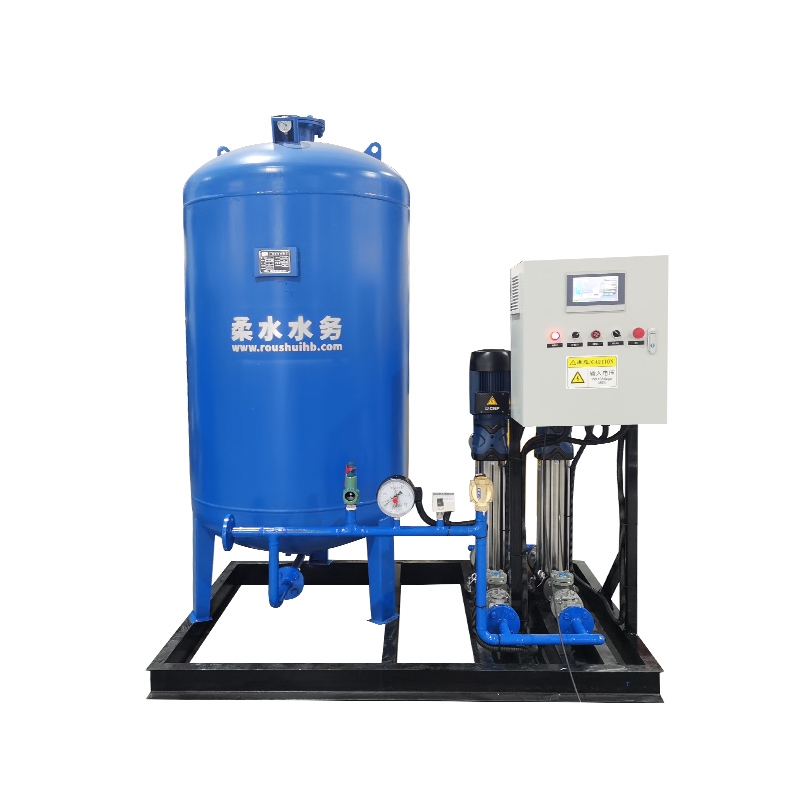
The constant pressure water replenishment device is a device used to maintain the stability of the water system pressure. It is mainly used in systems...
See Details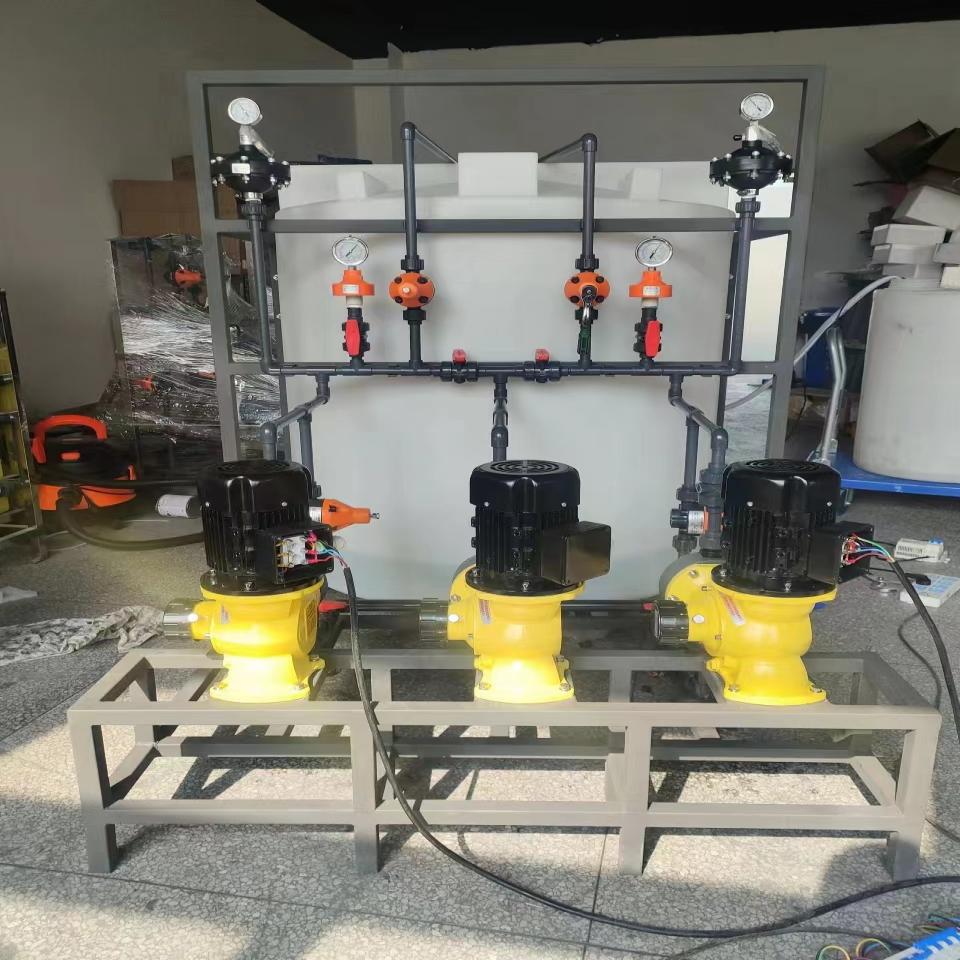
Sterilization, scale prevention, PAC, PAM and other dual-purpose dosing devices is a multifunctional water treatment equipment that integrates the dos...
See Details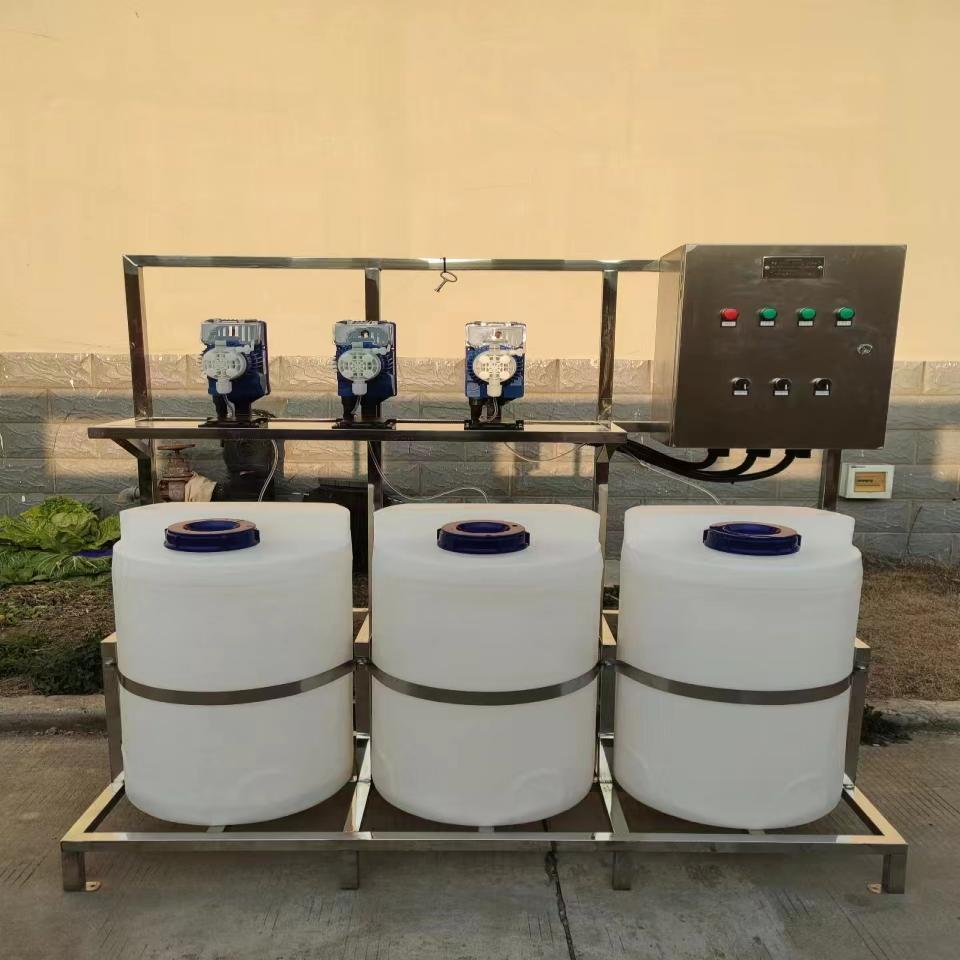
The flocculation scale inhibition and sterilization three-pump three-barrel circulating water system dosing device is a device specially used for circ...
See Details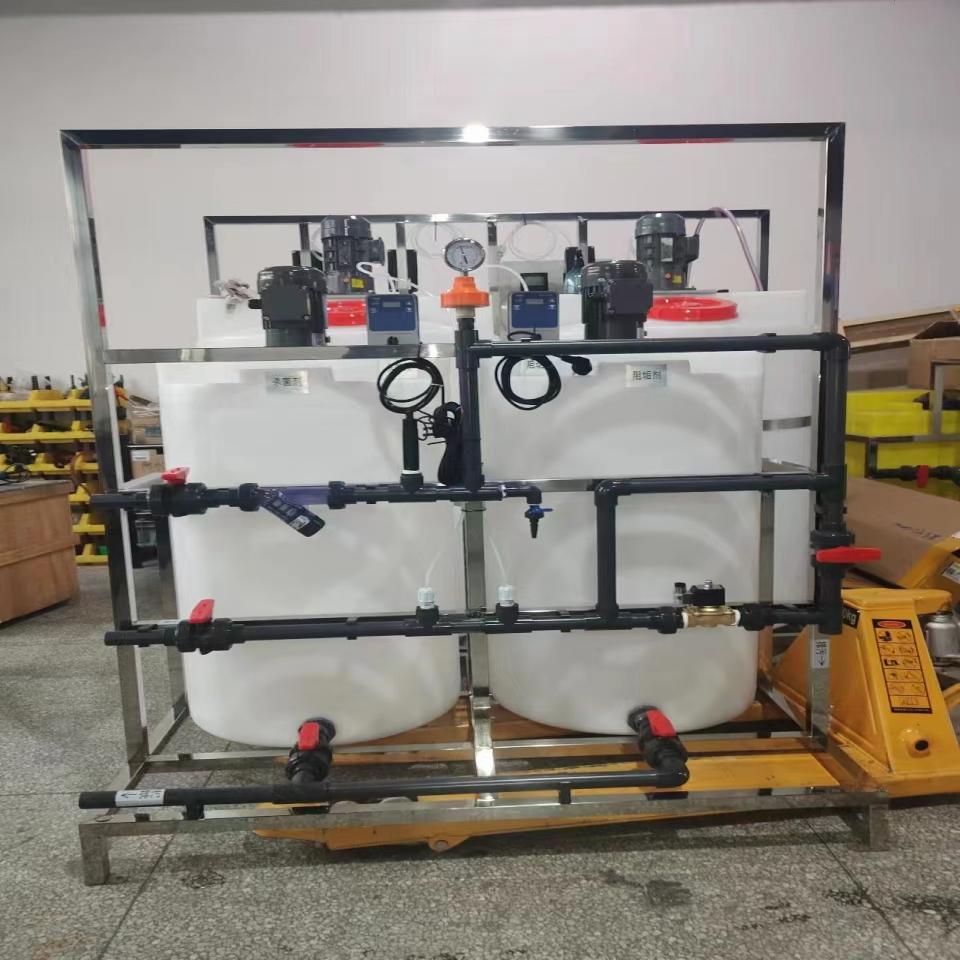
The scale-inhibiting and sterilizing circulating water system dosing device is a water quality treatment equipment designed for circulating water syst...
See Details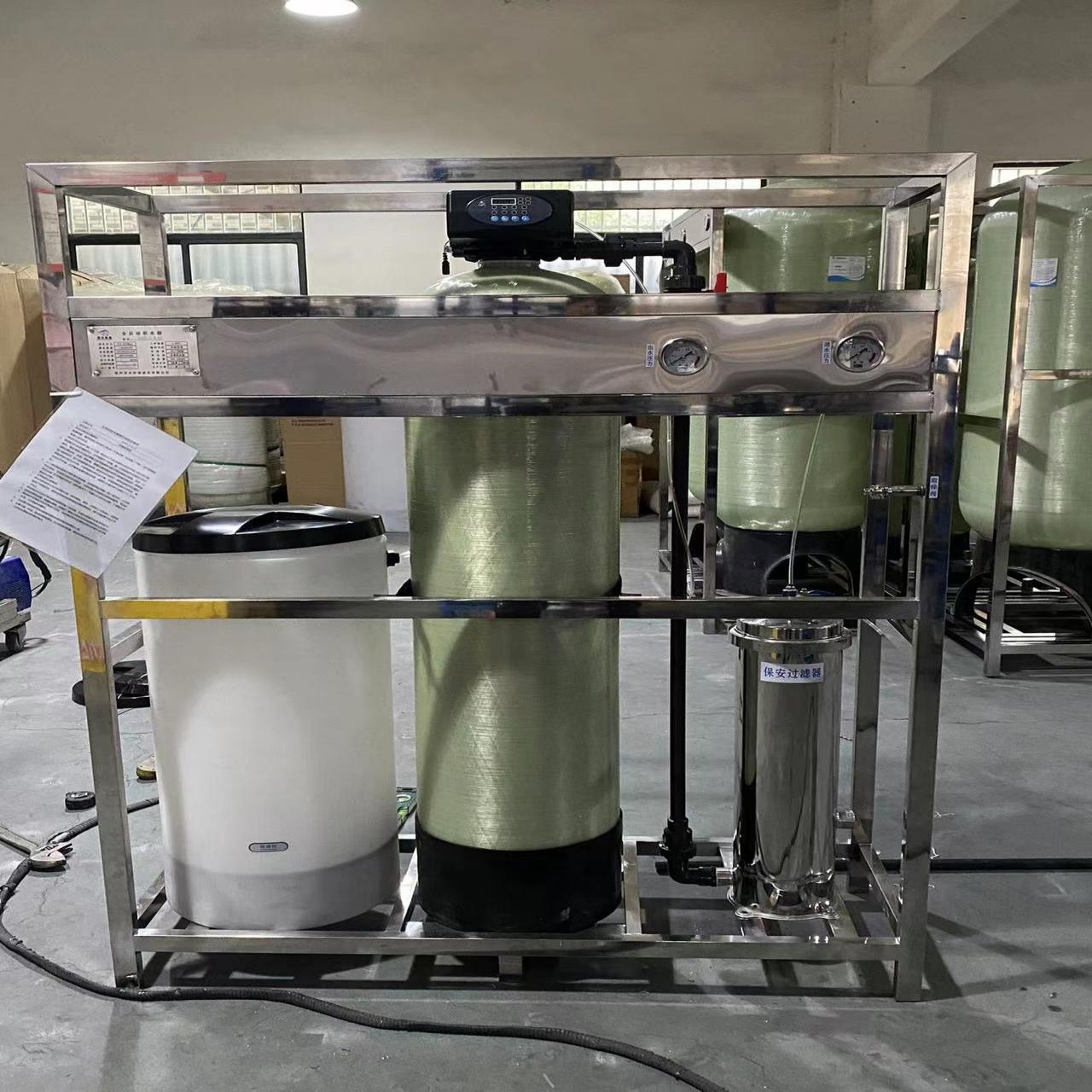
The 2-ton single tank with precision filtration is a device designed for small and medium-sized water treatment needs. It adopts a single tank structu...
See Details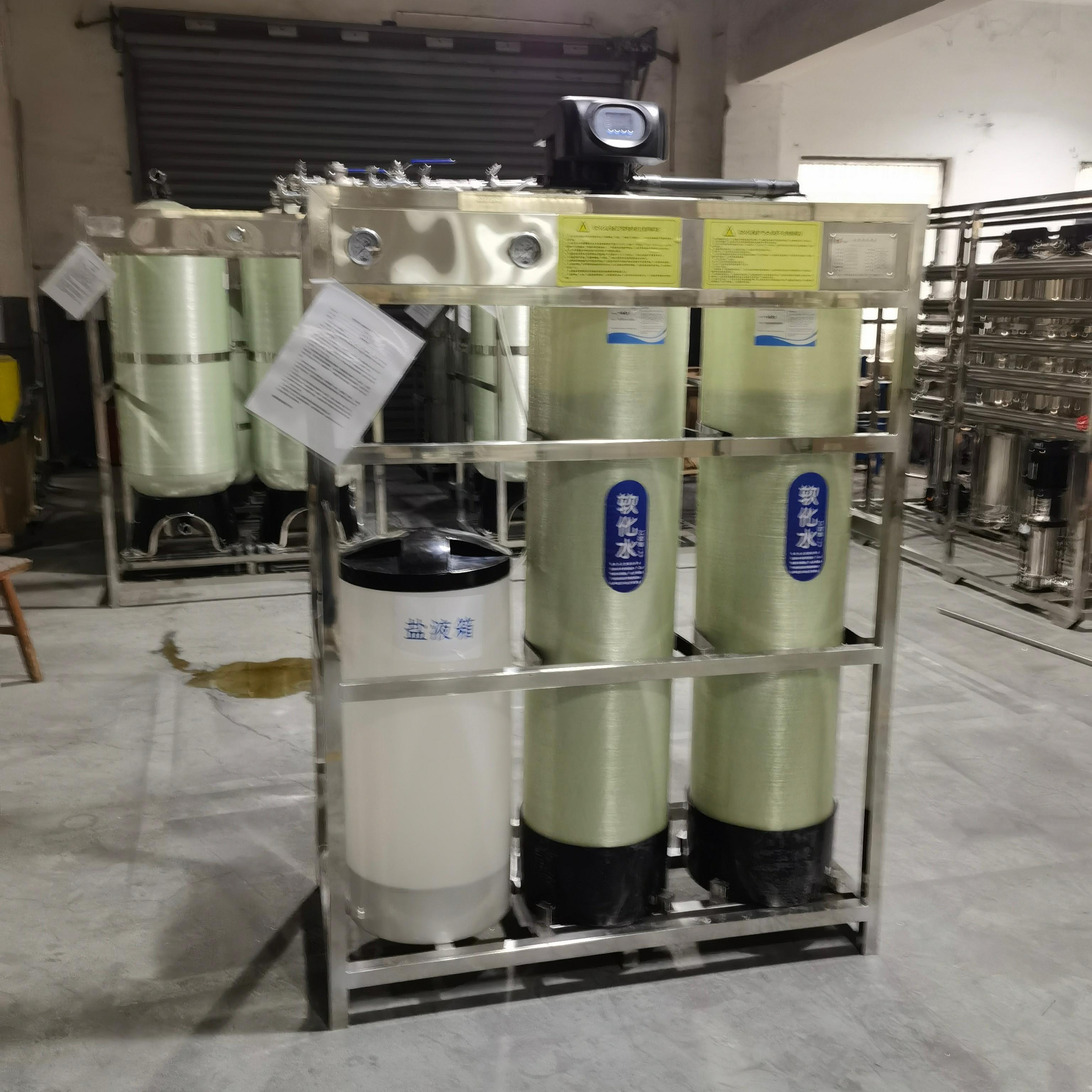
The 3 tons single valve double tank, one for use and one for standby is a high-efficiency water treatment equipment, which adopts a single valve doubl...
See Details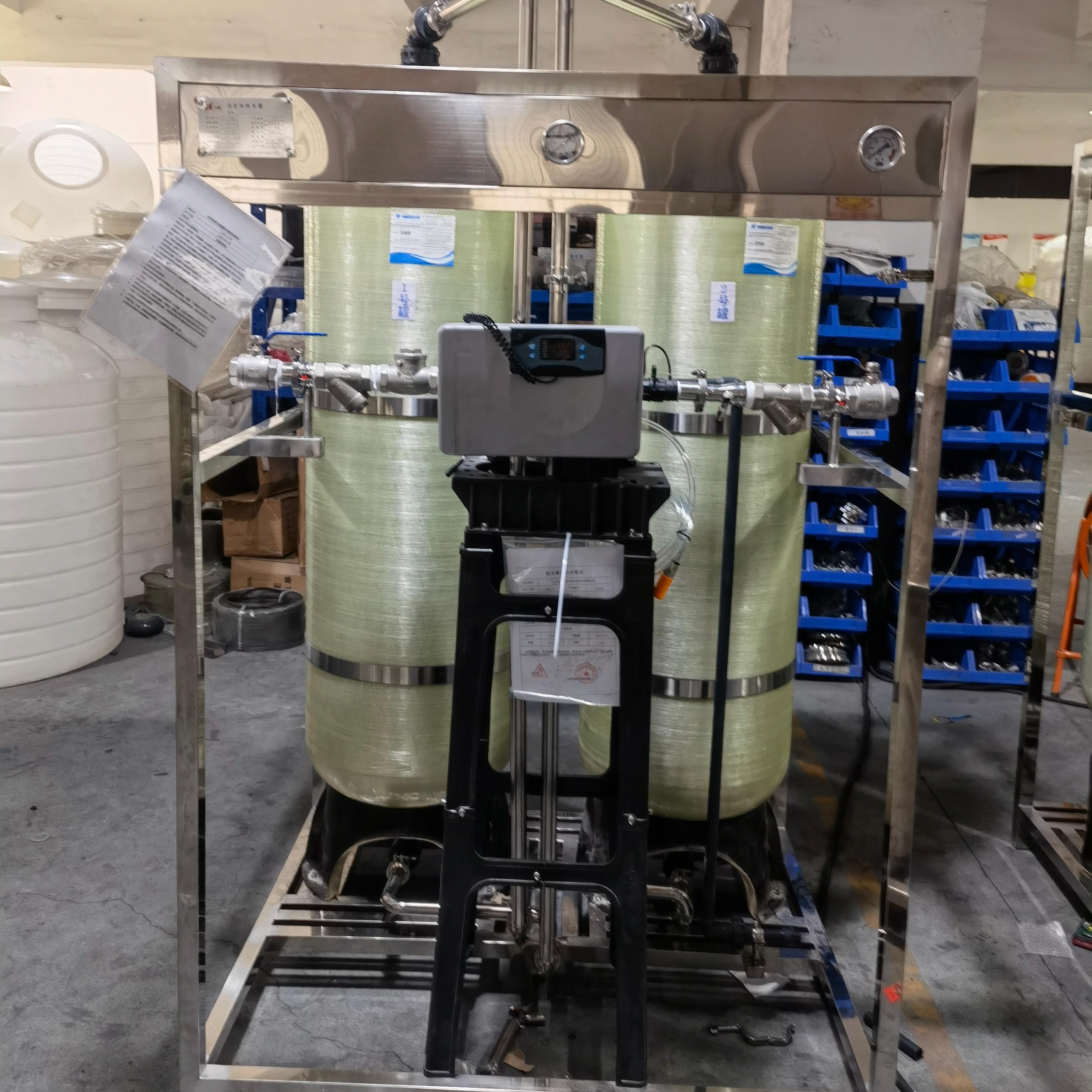
5-ton single valve dual tank, one for use and one for standby is a high-efficiency equipment designed for water treatment. It adopts a single valve du...
See Details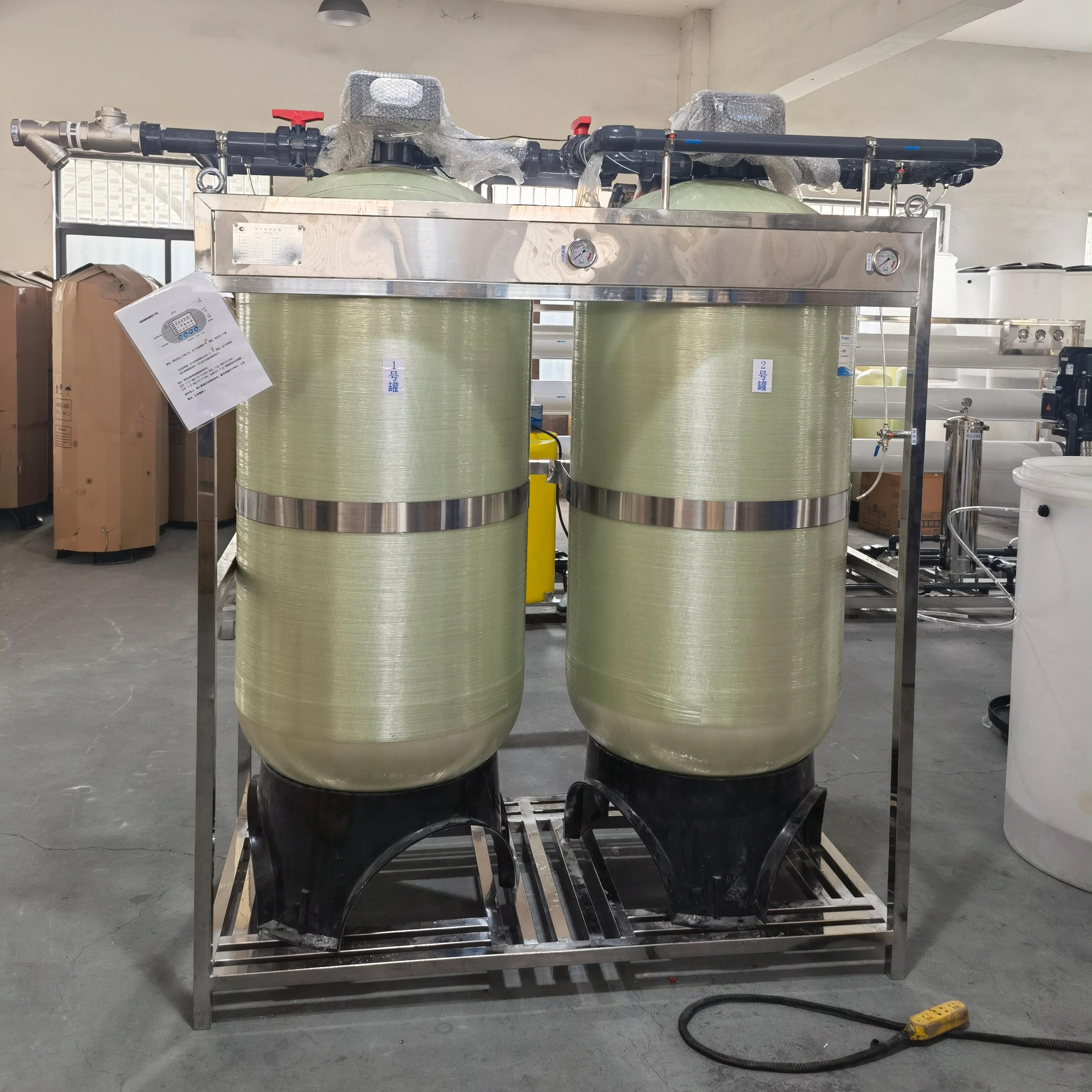
The 10-20 tons double valve double tank continuous water supply system is a high-efficiency equipment suitable for large-scale water treatment project...
See Details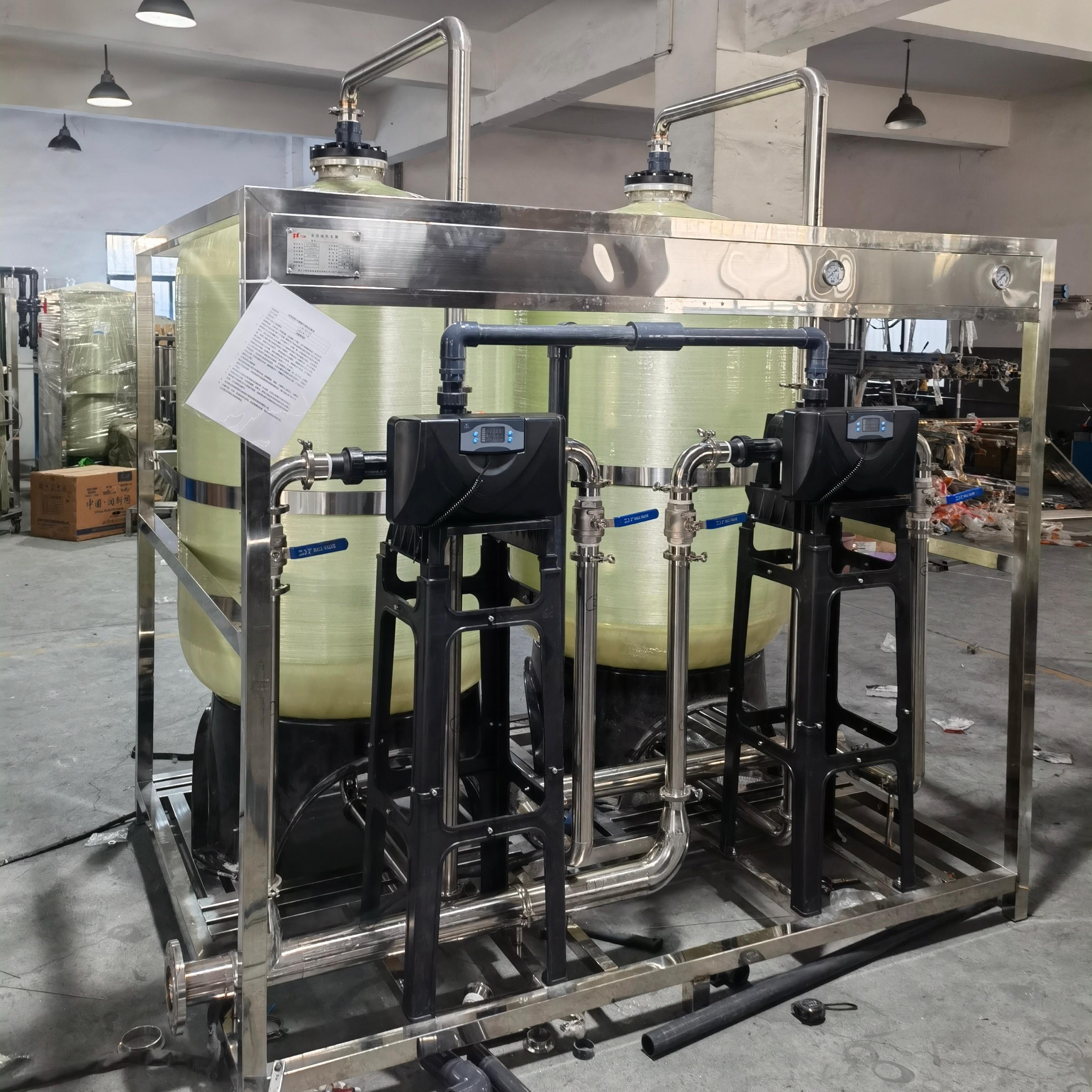
This 20-40 tons double valve double tank continuous water supply stainless steel pipeline equipment is an efficient and stable water treatment system ...
See Details
+86-13396595772
[email protected]
[email protected]
[email protected]
[email protected]
Room 508, Xingyuncheng, No.15 Xingling Street, Xingqiao Street, Linping District, Hangzhou City, Zhejiang Province.
Copyright ©2024 Hangzhou Roushui Environmental Protection Technology Co., Ltd. All Rights Reserved. Custom Industrial Civil Water Treatment Purification Equipment Manufacturers

 English
 Español
 عربى
عربى