
 English
 Español
 عربى
عربىCat:CNP Pump
The CNP vertical multi-stage centrifugal booster water pump is an efficient and reliable industrial pump designed to meet various hydraulic booster ne...
See DetailsService hotline: +86-13396595772


A properly maintained water softener systems setup can operate efficiently for many years, but neglecting basic upkeep often leads to reduced performance, resin fouling, and unexpected downtime. Whether the unit serves a household, a commercial facility, or a large industrial operation, the underlying principle is the same: consistent monitoring and timely servicing extend equipment life and preserve water quality.
This guide walks through the practical steps involved in caring for a water softener system, covering salt management, resin care, valve inspection, and troubleshooting signs that indicate service is needed.
Most residential and light commercial units rely on an ion exchange water softener process. Hard water containing calcium and magnesium ions passes through a resin bed, where those minerals are exchanged for sodium or potassium ions. Over time, the resin becomes saturated and must be regenerated using a brine solution, which flushes accumulated hardness minerals out through the drain line.
Some larger facilities use a commercial water softener system with dual tanks, allowing one tank to regenerate while the other remains in service, ensuring continuous soft water supply without interruption.
Consistent, scheduled care prevents most common failures. The table below outlines typical maintenance intervals for standard residential and light commercial units.
| Task | Recommended Frequency | Purpose |
|---|---|---|
| Check salt level | Every 4 weeks | Prevents bridging and ensures proper regeneration |
| Inspect brine tank | Every 2 months | Detects salt mushing or sediment buildup |
| Clean resin bed | Once or twice yearly | Removes iron and organic fouling |
| Test water hardness | Every 3 months | Confirms softening performance |
| Inspect valve and seals | Annually | Prevents leaks and mechanical wear |
The resin bed is the functional core of any softening system. Water softener resin beads gradually lose capacity due to iron fouling, chlorine exposure, and mechanical attrition. Signs that resin needs attention include a noticeable drop in soft water output between regeneration cycles or water that no longer tests soft shortly after a cycle completes.
In many facilities, resin beds retain effective capacity for eight to twelve years before replacement becomes necessary, though water chemistry and usage volume can shorten or extend that range considerably.
An industrial water softener handles significantly higher flow rates and often faces more variable water chemistry than a residential unit. As a result, maintenance schedules tend to be more frequent and closely monitored, often supported by automated controllers that track flow volume and trigger regeneration based on actual usage rather than a fixed timer.
| Aspect | Residential System | Commercial or Industrial System |
|---|---|---|
| Flow Rate | Low to moderate | High and continuous |
| Regeneration Trigger | Timer or basic meter | Metered, demand-based control |
| Monitoring | Manual, periodic | Automated with alerts |
| Service Frequency | Quarterly to annual | Monthly or continuous monitoring |
Facilities relying on water softening equipment for boiler feed water or food processing often implement redundant tanks and backup power for control valves, since even brief hardness breakthrough can affect downstream equipment or product quality.
Recognizing early warning signs helps avoid larger repairs. Common indicators include:
If a hard water filter or softening unit shows several of these symptoms simultaneously, a full inspection of the control valve, injector, and resin bed is generally warranted.
With regular care, most systems last between ten and fifteen years. Lifespan depends heavily on water quality, usage volume, and how consistently maintenance tasks are performed. Components such as the control valve and injector may need replacement before the resin tank itself, since they experience more mechanical wear during each cycle.
Salt-free systems use a different approach, typically relying on template-assisted crystallization rather than true ion exchange. They do not remove hardness minerals but instead alter their crystal structure to reduce scale formation. This approach requires less ongoing maintenance and no salt refills, but it does not soften water in the traditional sense and may be less effective for severe hardness levels. The right choice depends on hardness severity, maintenance preference, and whether true softening or scale prevention is the primary goal.
It uses an ion exchange process where resin beads swap sodium or potassium ions for calcium and magnesium ions in hard water, then periodically regenerates using a brine solution to restore resin capacity.
The best system depends on household or facility size, water hardness level, and flow rate needs. Metered, demand-based units generally offer more efficient salt and water use than basic timer-based models.
Most well-maintained units last ten to fifteen years, though resin and valve components may need attention or replacement at different intervals within that span.
Yes, when properly sized and maintained, ion exchange softening reliably reduces hardness minerals, preventing scale buildup and improving soap efficiency.
It depends on the goal. Salt-free units reduce scale formation and require less maintenance but do not remove hardness minerals the way traditional softeners do.
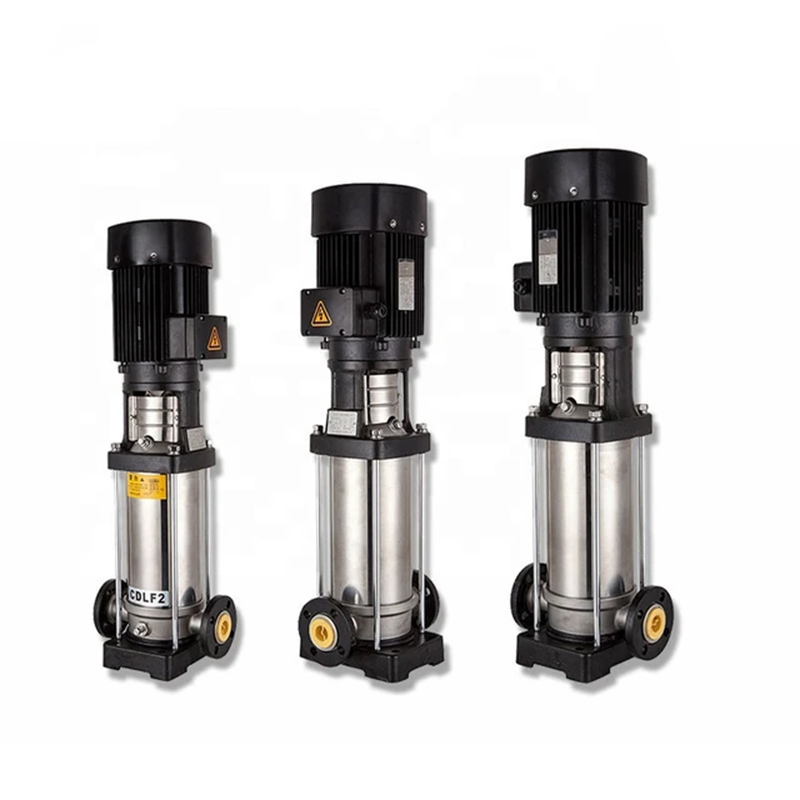
The CNP vertical multi-stage centrifugal booster water pump is an efficient and reliable industrial pump designed to meet various hydraulic booster ne...
See Details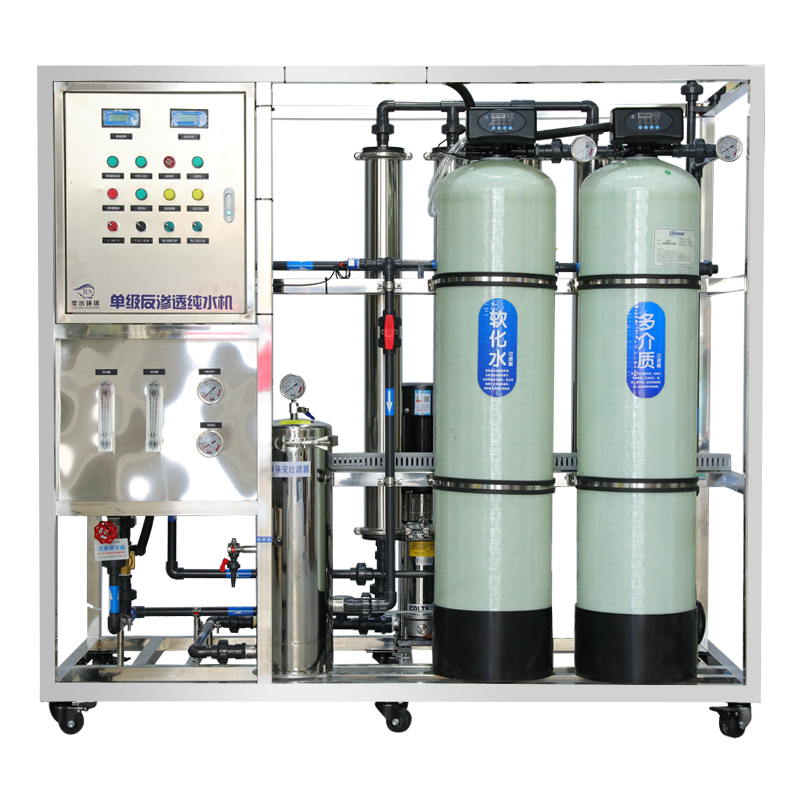
The pure water industrial RO water treatment system is an efficient and reliable water treatment equipment specially designed to meet the demand for p...
See Details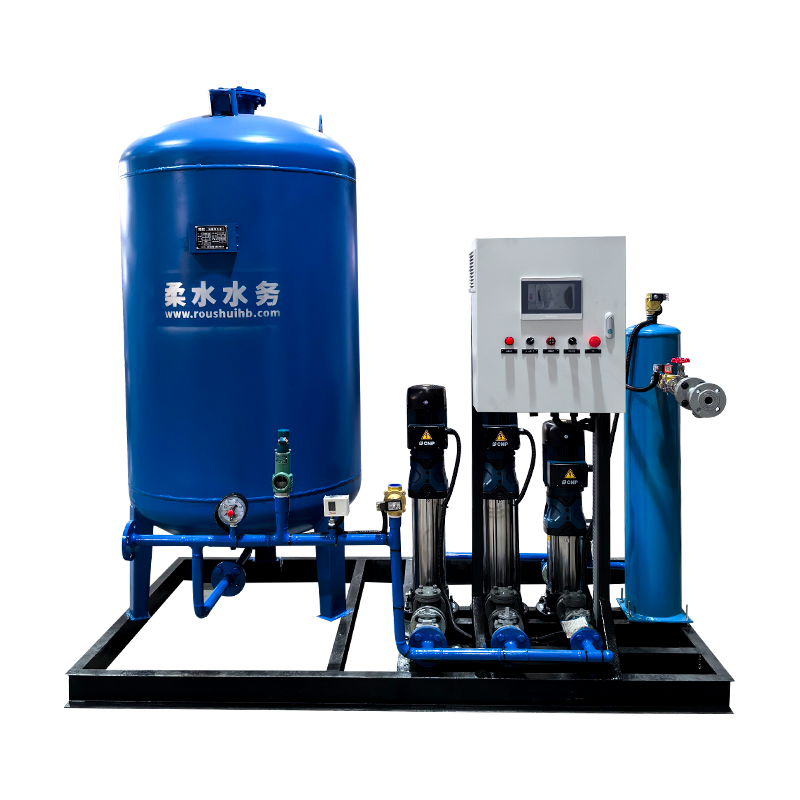
This equipment is a water supply system specially designed to provide stable water pressure. It combines the design of a water pump and an expansion t...
See Details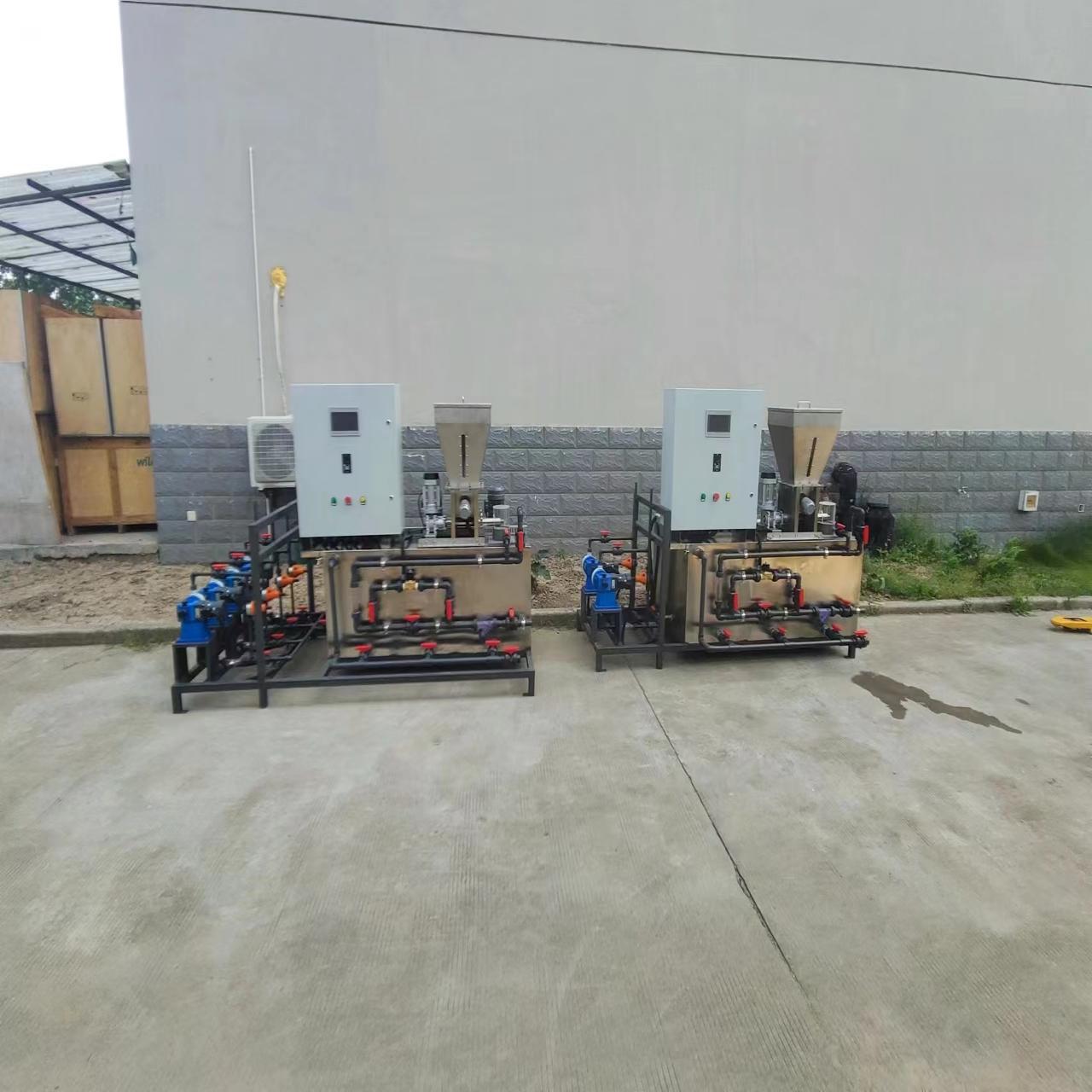
The integrated PAC PAM dosing device is an integrated water treatment equipment, which is specially used for adding agents such as polyaluminium chlor...
See Details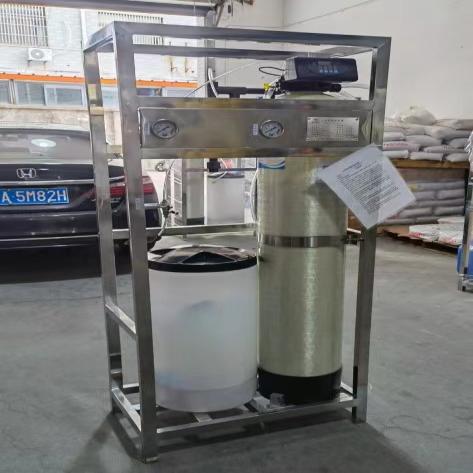
1 ton single tank is a device for storing and dosing water treatment chemicals, usually used in the dosing link of water treatment systems. The device...
See Details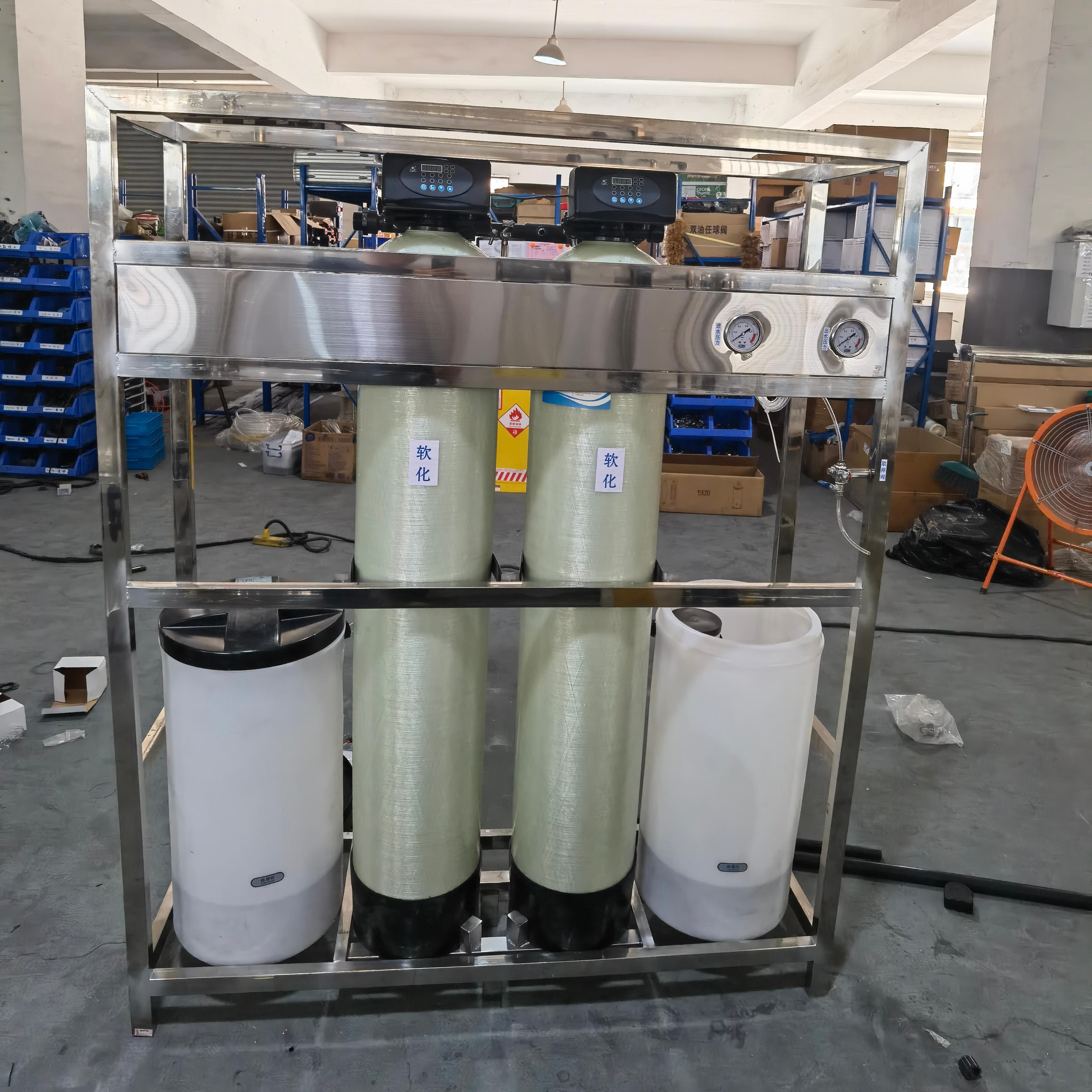
1 ton double valve double tank continuous water supply is an efficient and stable water treatment equipment, widely used in softened water, deminerali...
See Details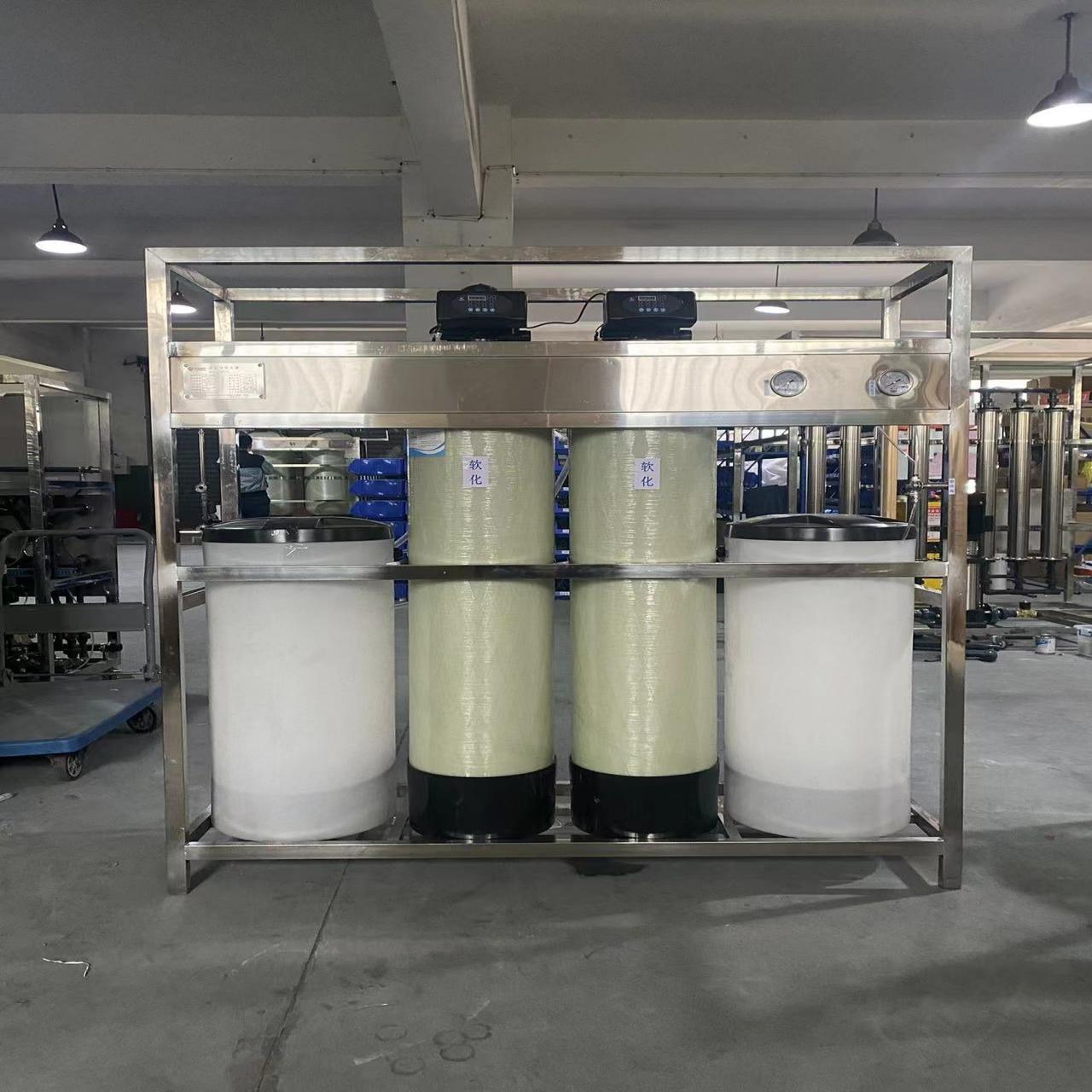
The 2-ton dual-valve dual-tank continuous water supply system is a device for medium-sized water treatment and water supply. It adopts a dual-tank des...
See Details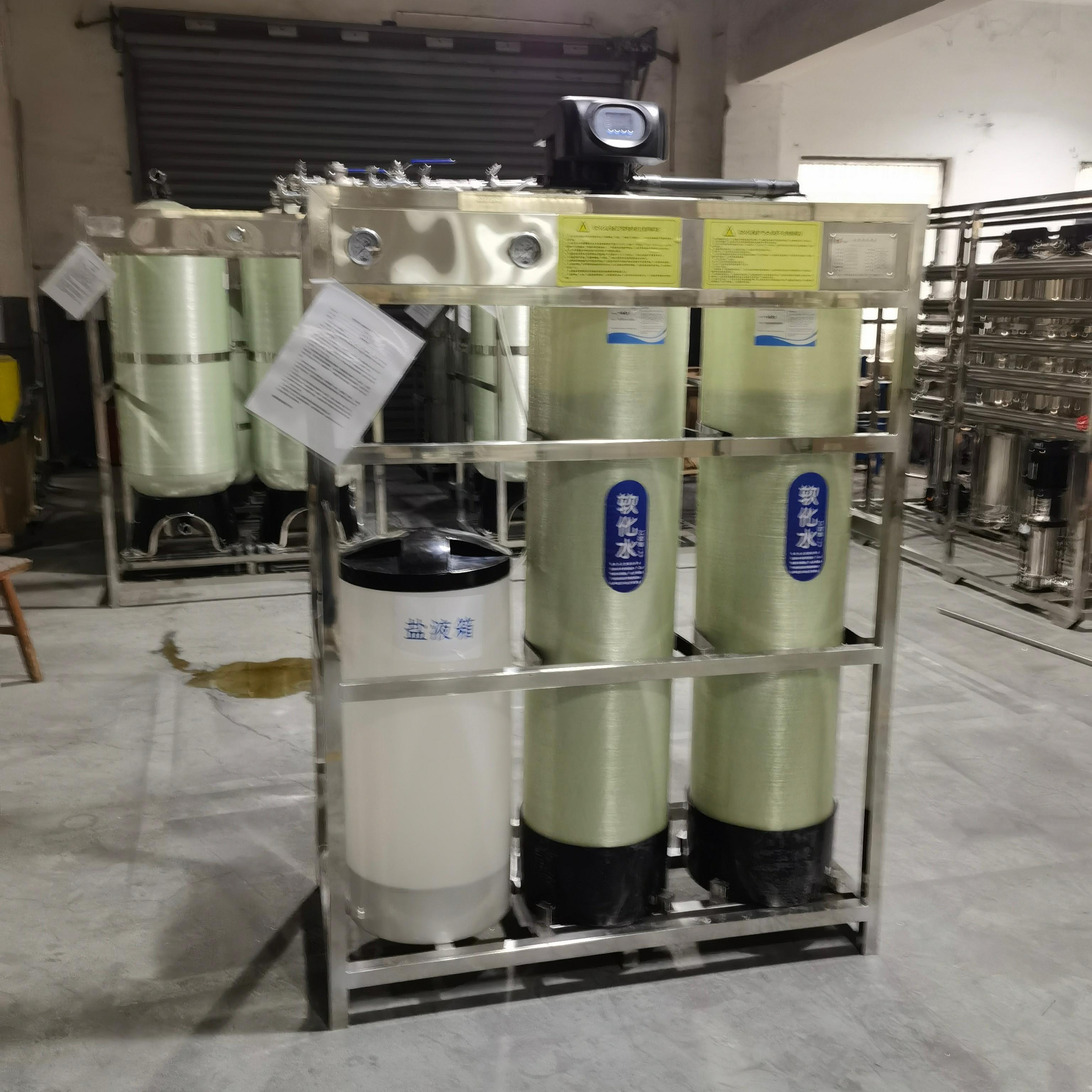
The 3 tons single valve double tank, one for use and one for standby is a high-efficiency water treatment equipment, which adopts a single valve doubl...
See Details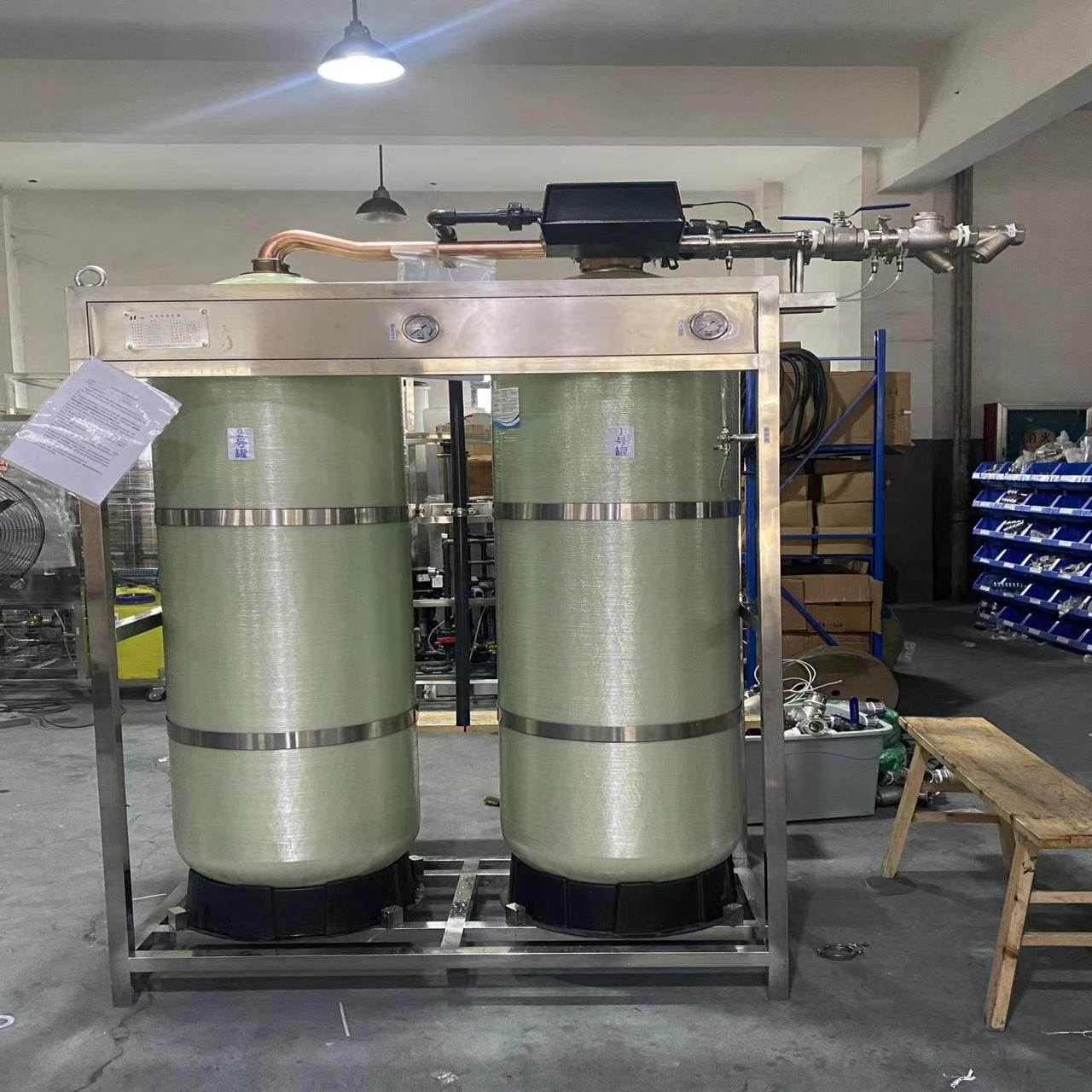
5-6 tons single valve double tank, one for use and one for standby is a device designed for medium and large water treatment systems. It has two indep...
See Details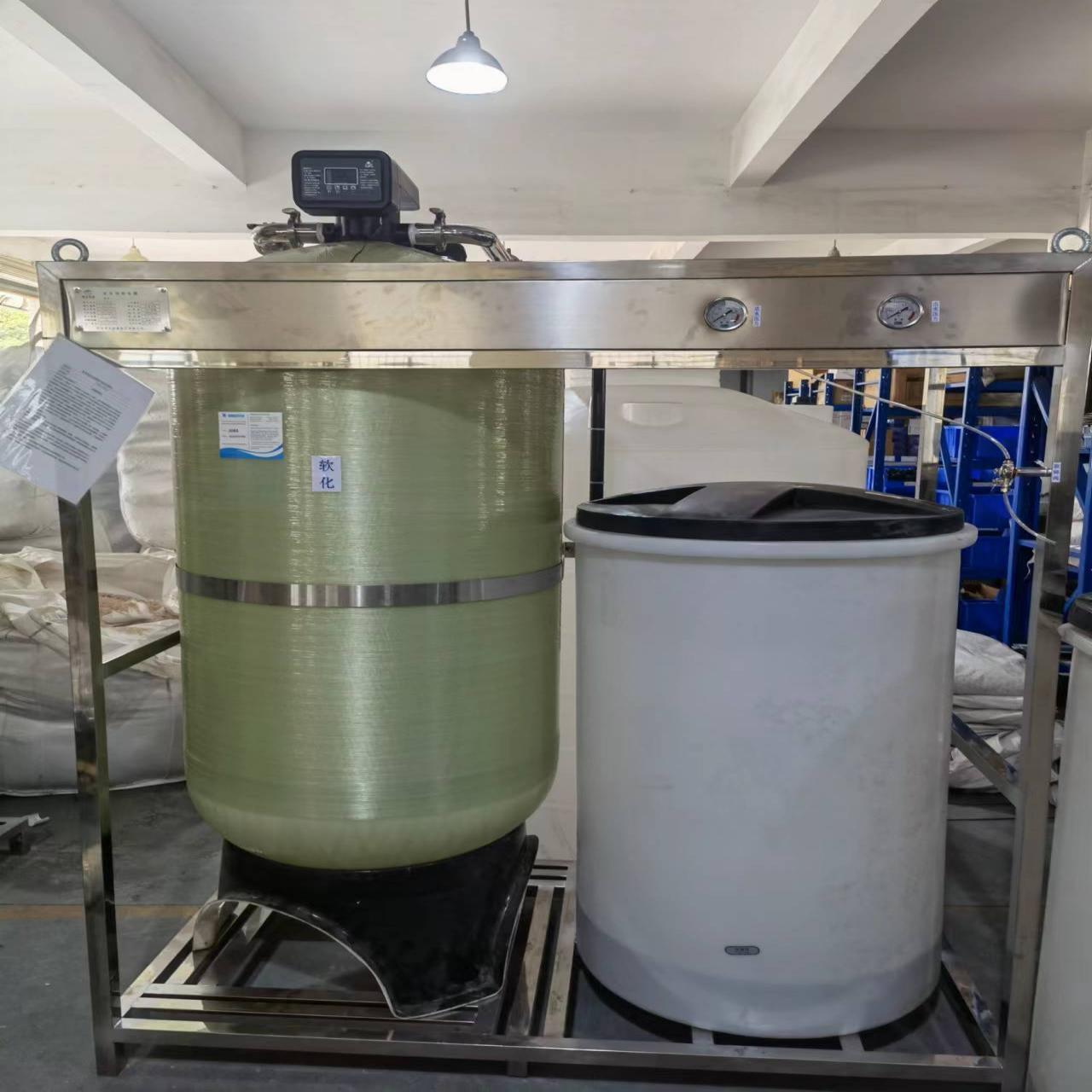
6-8 ton single tank is a water treatment equipment with moderate capacity, designed for occasions that require large water treatment. The equipment ad...
See Details
+86-13396595772
[email protected]
[email protected]
[email protected]
[email protected]
Room 508, Xingyuncheng, No.15 Xingling Street, Xingqiao Street, Linping District, Hangzhou City, Zhejiang Province.
Copyright ©2024 Hangzhou Roushui Environmental Protection Technology Co., Ltd. All Rights Reserved. Custom Industrial Civil Water Treatment Purification Equipment Manufacturers
