
 English
 Español
 عربى
عربىCat:RO Membrane
Specification and size: ULP-4040; ULP-8040 Reverse osmosis (RO) membranes are vital components in water filtration systems, particularly in desalinat...
See DetailsService hotline: +86-13396595772


Choosing the right water softener systems depends on matching the unit to your household’s water hardness, daily water usage, regeneration efficiency, and maintenance requirements. The important features include grain capacity, regeneration type, flow rate, salt efficiency, and filtration compatibility. A well-selected system improves water quality, protects plumbing, and reduces scale buildup while maintaining long-term operational efficiency.
Capacity determines how much hardness minerals a system can remove before regeneration is required. Water softener systems are usually rated by grain capacity, commonly ranging from 24,000 to 80,000 grains.
Households with harder water and higher usage need larger capacities to maintain efficiency. Undersized systems regenerate too often, increasing salt and water consumption. Oversized units may reduce regeneration frequency but can waste salt if not programmed correctly.
| Household Size | Recommended Capacity |
|---|---|
| 1–2 people | 24,000–32,000 grains |
| 3–4 people | 32,000–48,000 grains |
| 5+ people | 48,000–80,000 grains |
Regeneration restores the resin’s ability to remove hardness minerals. Demand-initiated regeneration is typically the efficient option because it activates only when needed rather than on a fixed timer.
Operates on scheduled cycles regardless of actual water usage. This may unnecessary water and salt consumption.
Tracks real water consumption and regenerates only when capacity is nearly exhausted, improving overall efficiency.
Flow rate determines how much softened water can move through the system without pressure loss. Most residential systems provide between 7 and 15 gallons per minute.
Larger households running multiple appliances simultaneously should choose higher flow rates to avoid reduced shower pressure or appliance performance issues.
Modern water softener systems vary significantly in resource efficiency. High-efficiency systems use less salt per regeneration cycle while maintaining full softening performance.
Digital controls simplify operation and improve system monitoring. Advanced control valves can automatically adjust regeneration based on changing usage patterns.
Useful smart features include salt level reminders, usage tracking, vacation modes, and diagnostic alerts that help maintain consistent performance.
Water softeners address hardness minerals but may not remove sediment, chlorine, or iron. Systems compatible with pre-filtration or multi-stage filtration provide broader water treatment benefits.
If water contains sediment or iron, adding filtration upstream protects resin beds and improves softener lifespan.
Maintenance affects long-term convenience and system reliability. Choose water softener systems with accessible brine tanks, easy-clean valves, and durable resin designed for years of operation.
Systems requiring minimal manual adjustments typically deliver more consistent performance over time. Reviewing maintenance intervals before purchase prevents unnecessary upkeep burdens later.
The water softener systems balance capacity, regeneration efficiency, flow performance, and maintenance simplicity. Selecting a system based on your actual water hardness and household usage ensures better water quality, longer plumbing life, and more efficient daily operation.
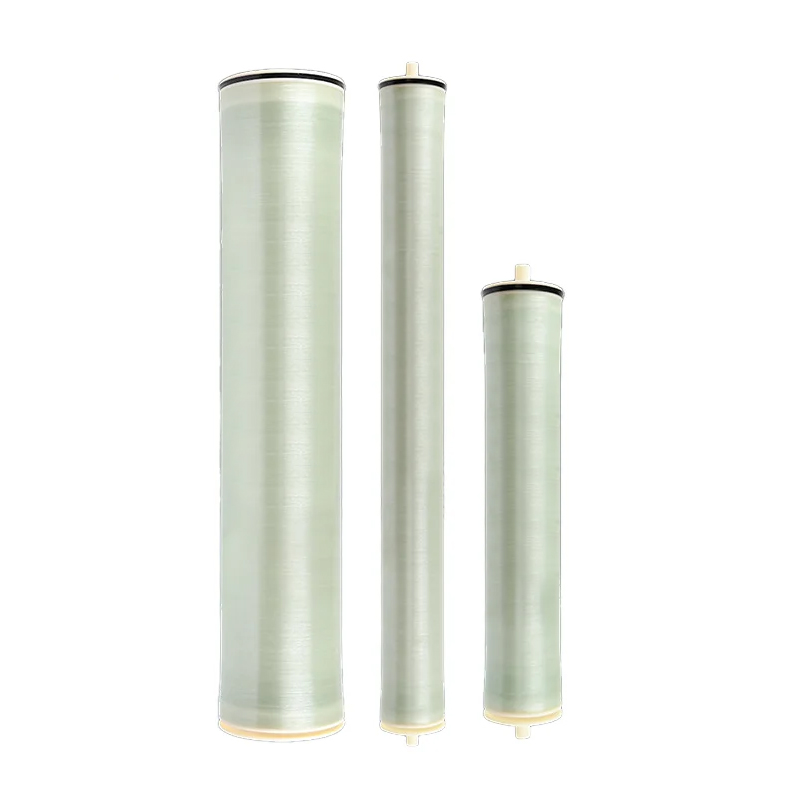
Specification and size: ULP-4040; ULP-8040 Reverse osmosis (RO) membranes are vital components in water filtration systems, particularly in desalinat...
See Details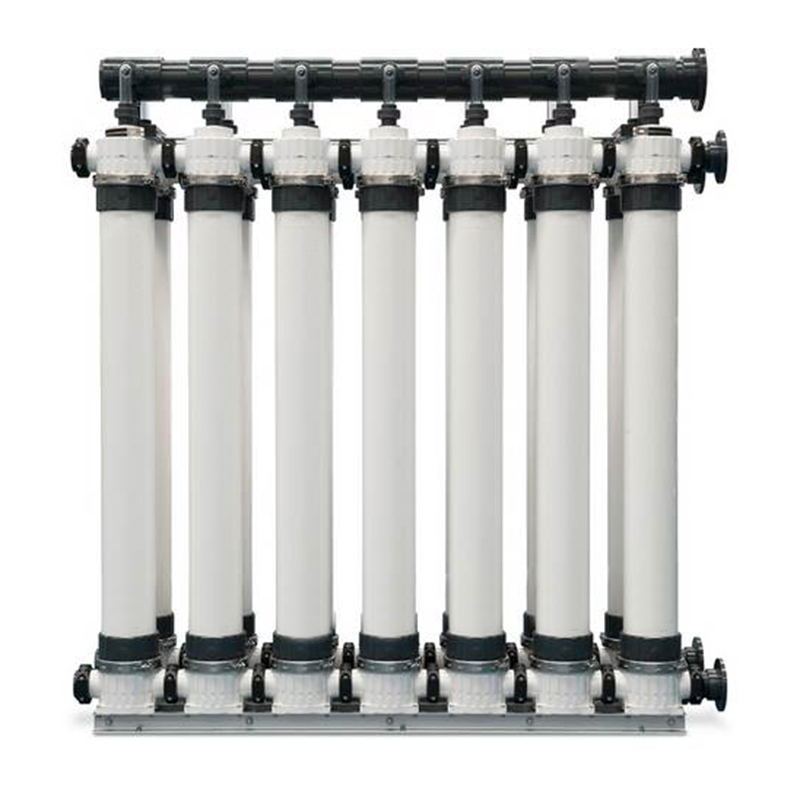
In the field of industrial water purification, strict quality standards are required. In response to this challenge, a membrane filter with a PVDF str...
See Details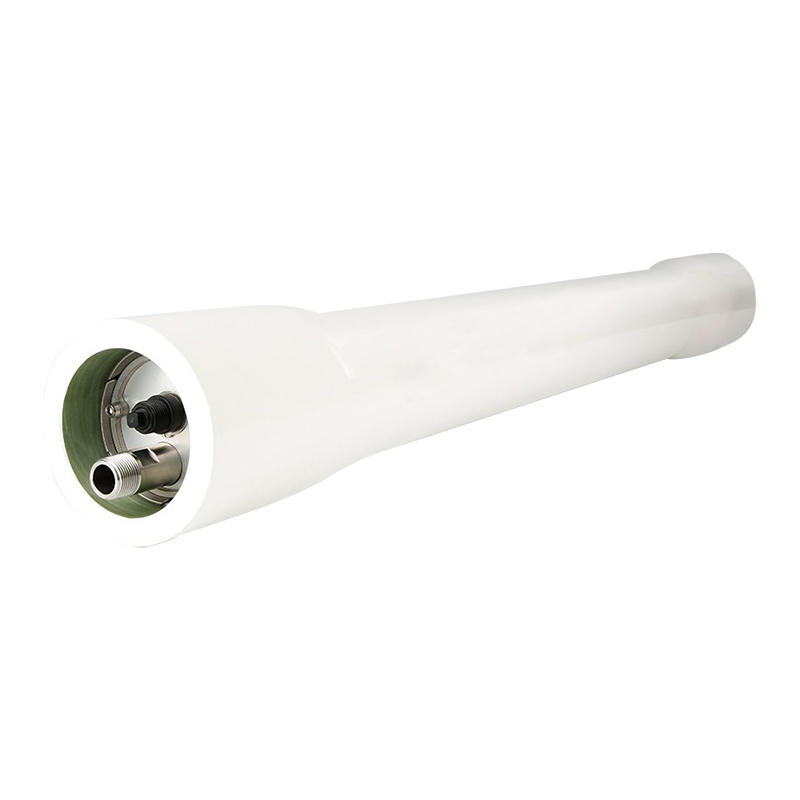
Fiber Reinforced Polymer (FRP) Reverse Osmosis (RO) membrane shells are highly sought-after for water treatment systems operating in corrosive environ...
See Details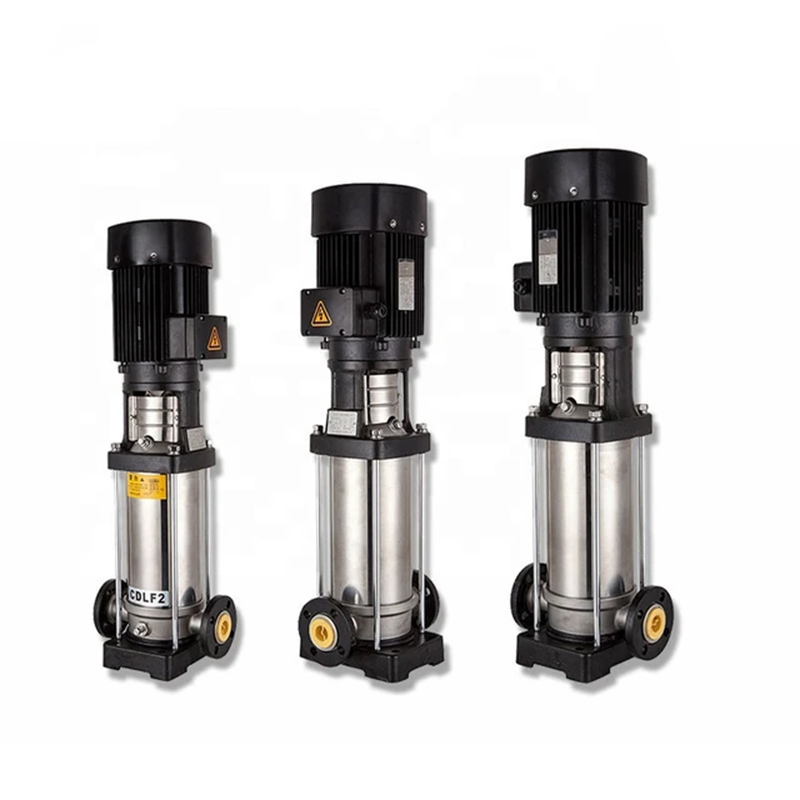
The CNP vertical multi-stage centrifugal booster water pump is an efficient and reliable industrial pump designed to meet various hydraulic booster ne...
See Details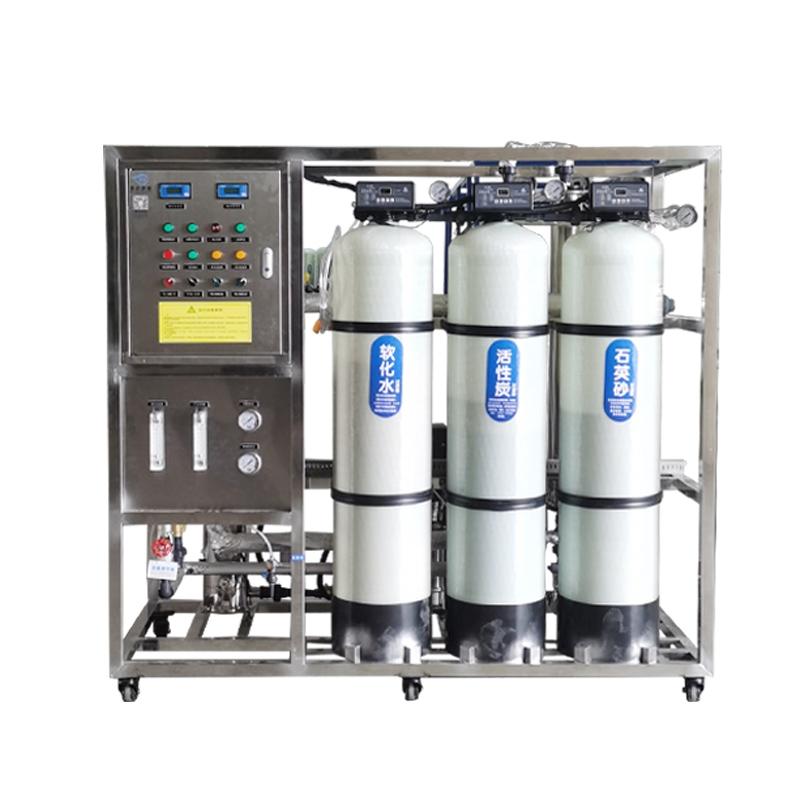
Reverse osmosis (RO) pure water device is a device that uses reverse osmosis technology to treat and purify water. Reverse osmosis technology filters ...
See Details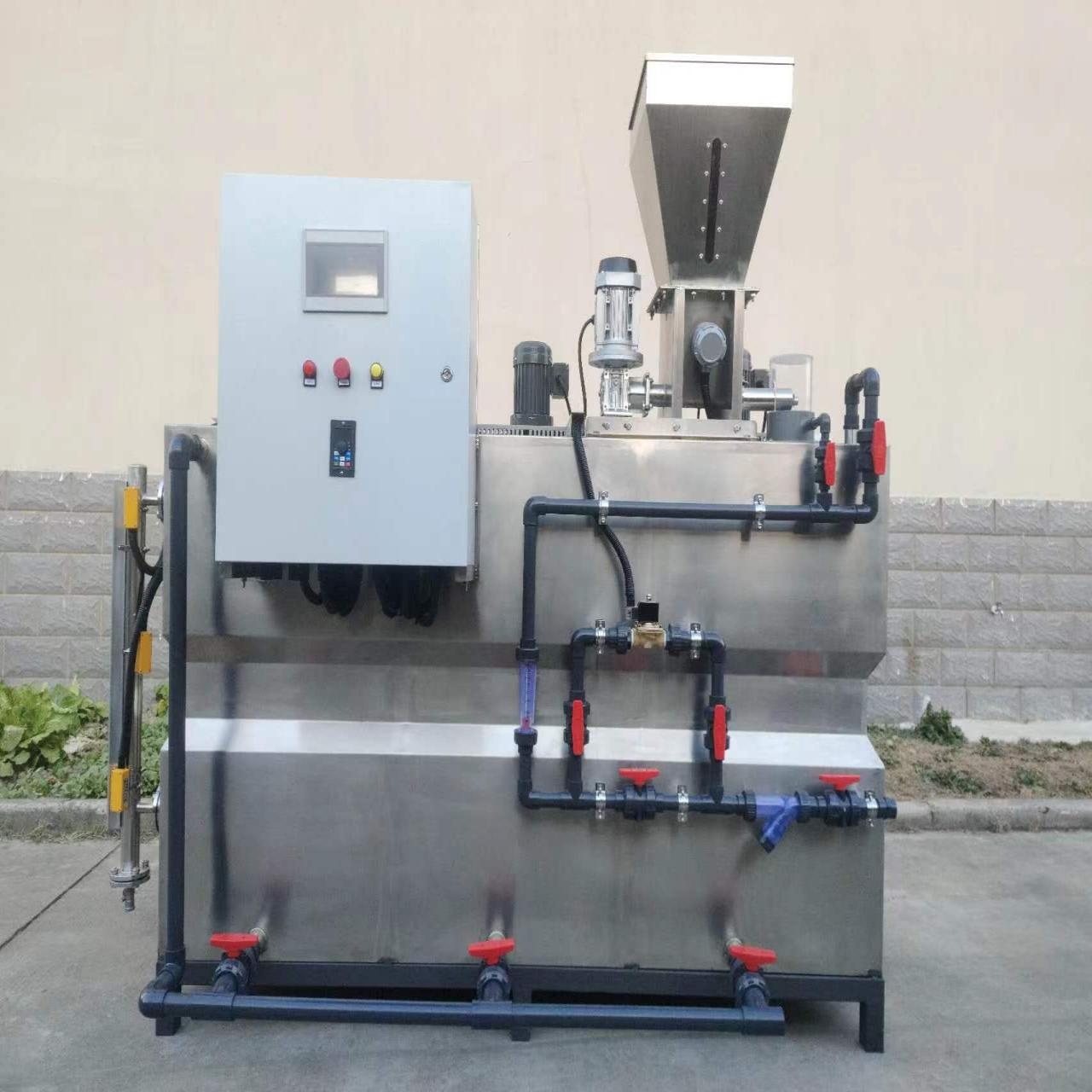
The integrated medicine soaking machine dosing device is a device designed specifically for the water treatment field, mainly used for efficient disso...
See Details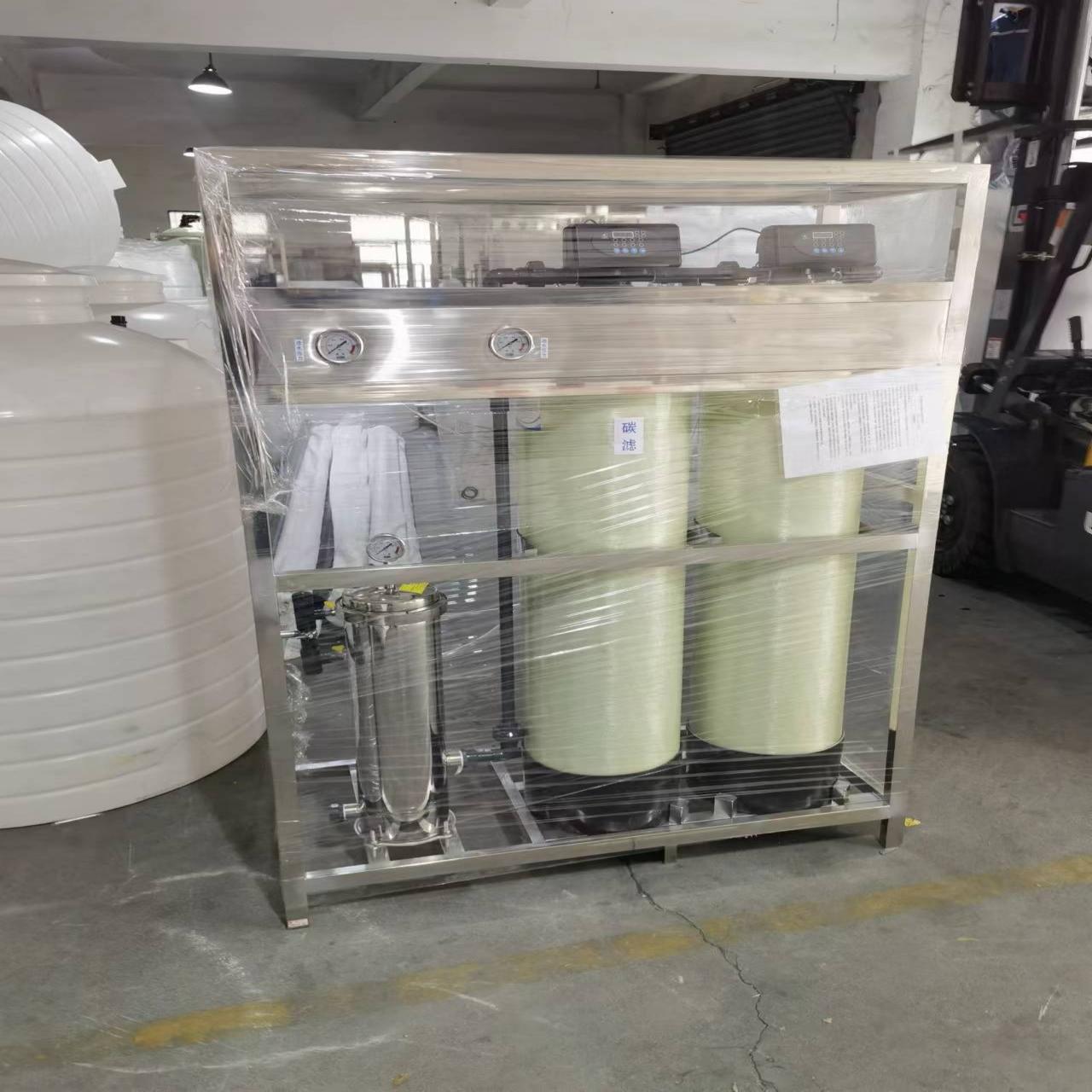
1 ton sand filter carbon filter compact tank is a high-efficiency filtration equipment for water treatment. It adopts sand filtration and carbon filtr...
See Details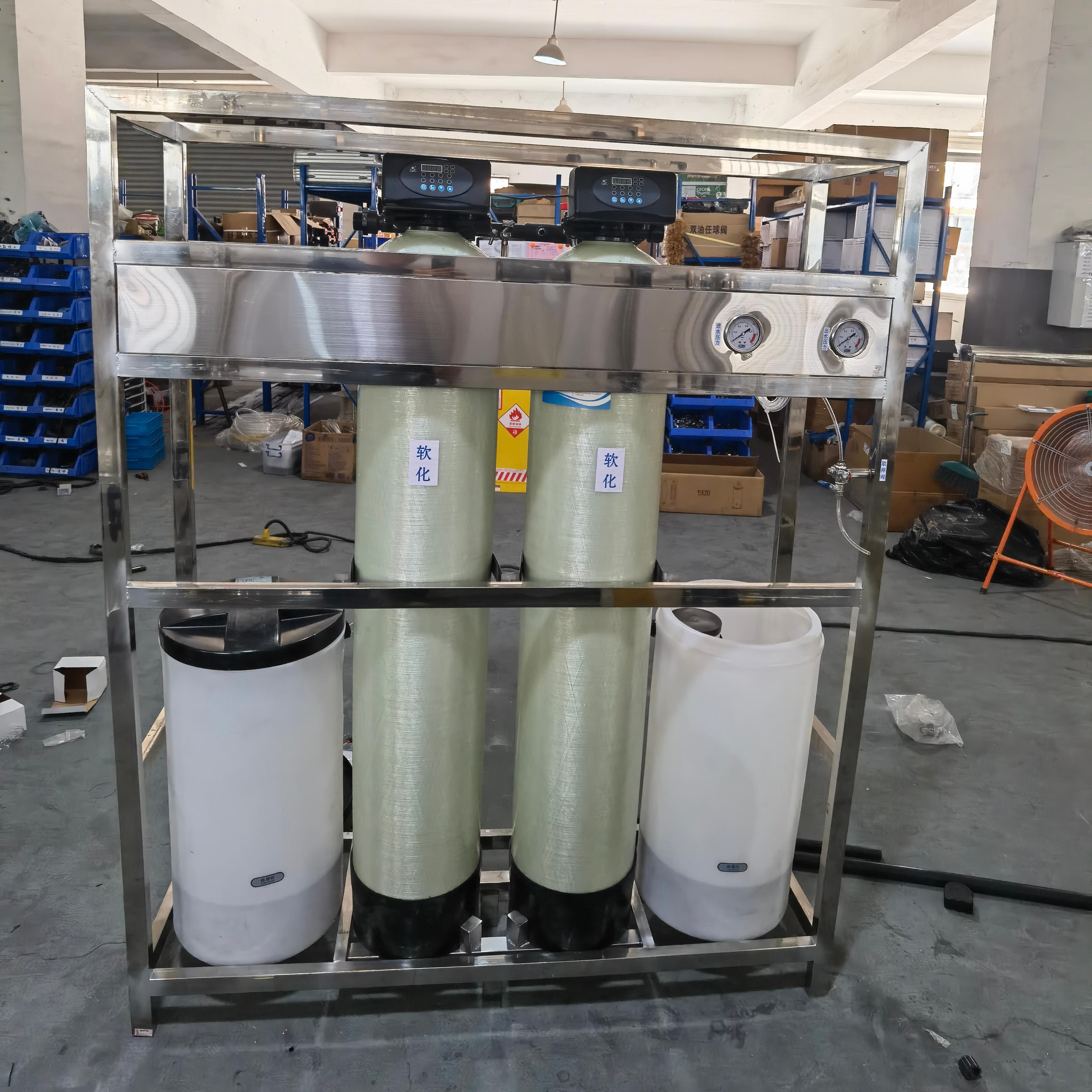
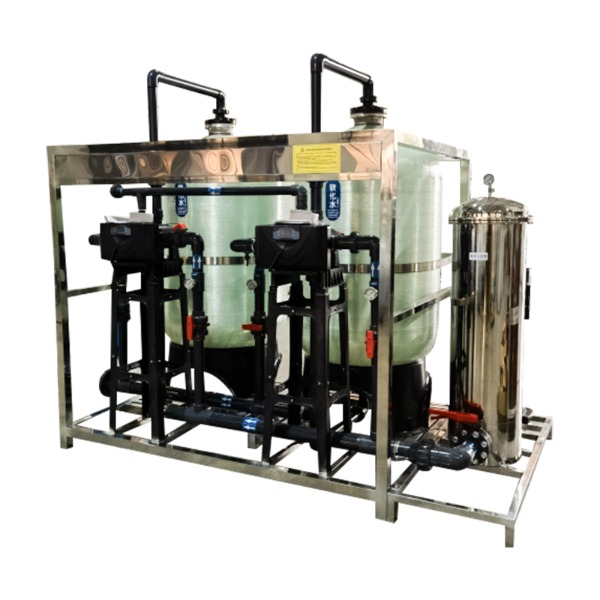
1 ton double valve double tank continuous water supply is an efficient and stable water treatment equipment, widely used in softened water, deminerali...
See Details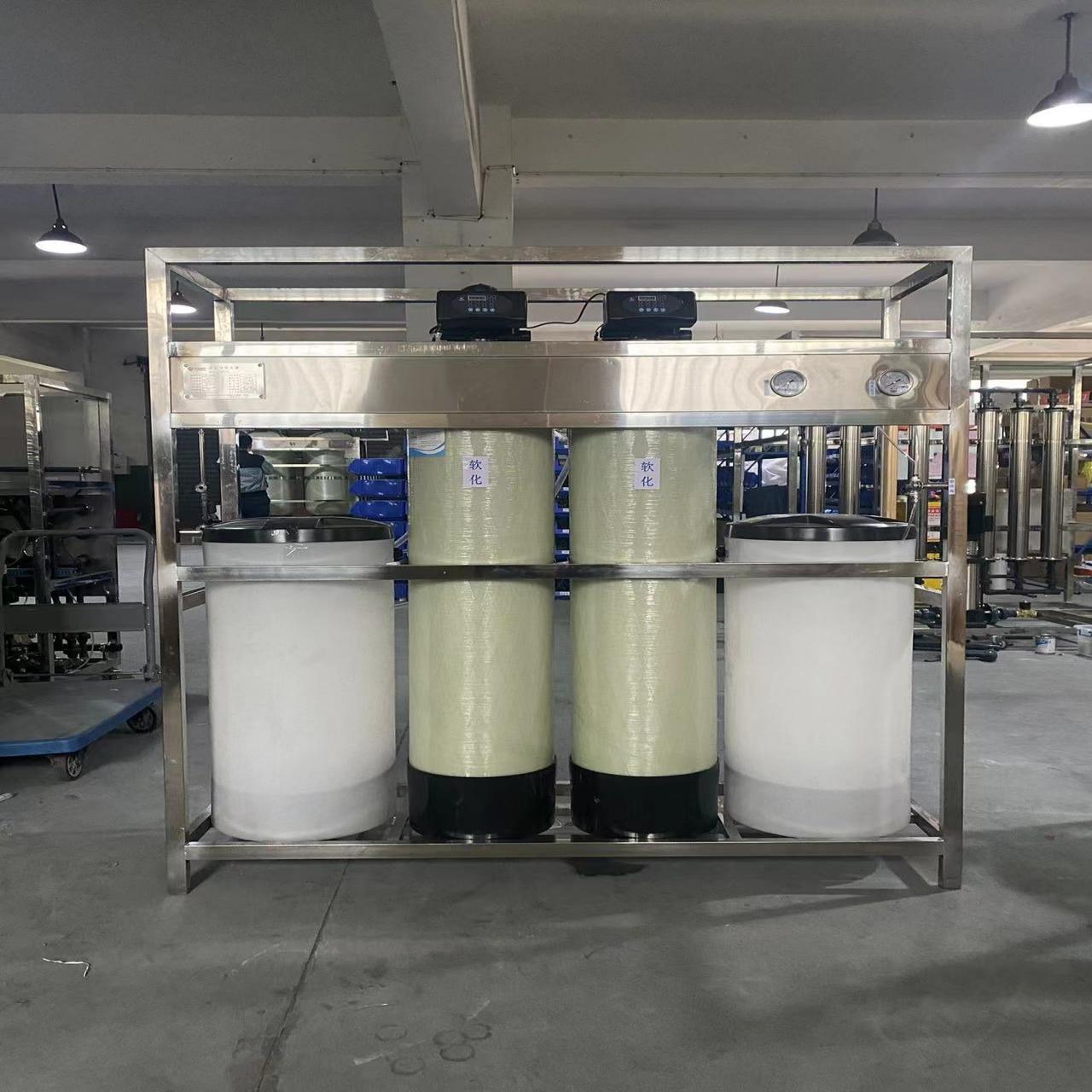
The 2-ton dual-valve dual-tank continuous water supply system is a device for medium-sized water treatment and water supply. It adopts a dual-tank des...
See Details
+86-13396595772
[email protected]
[email protected]
[email protected]
[email protected]
Room 508, Xingyuncheng, No.15 Xingling Street, Xingqiao Street, Linping District, Hangzhou City, Zhejiang Province.
Copyright ©2024 Hangzhou Roushui Environmental Protection Technology Co., Ltd. All Rights Reserved. Custom Industrial Civil Water Treatment Purification Equipment Manufacturers
