
 English
 Español
 عربى
عربىCat:Water Softener Systems
Commercial and Industrial Water Softening Systems are highly efficient water treatment solutions designed for commercial and industrial areas. Utilizi...
See DetailsService hotline: +86-13396595772


Water is the essence of daily life, yet its quality often goes unnoticed until problems arise. One of the common household water issues is hardness—excess calcium and magnesium ions. These minerals, while not harmful to ingest, can cause a cascade of nuisances: stubborn scale buildup on faucets, dull laundry, dry skin, and reduced efficiency of water heaters and pipes. This is where water softener systems come into play. By removing hardness minerals, these systems transform ordinary tap water into soft water, delivering tangible improvements to both water quality and personal health. Beyond residential settings, industrial water treatment equipment addresses similar challenges on a massive scale, ensuring that manufacturing processes, boiler feeds, and cooling towers operate without scale-related disruptions.
To appreciate the value of water softener systems, one must understand what hard water is. Hard water contains dissolved calcium (Ca²⁺) and magnesium (Mg²⁺) ions. These enter the water supply as rainwater percolates through limestone, chalk, or gypsum deposits. The degree of hardness varies geographically; some regions have moderately hard water, while others have very hard water. Although regulatory agencies do not classify hard water as a health hazard, its effects on domestic plumbing, appliances, and personal care are well-documented.
Beyond the visible annoyances, hard water interacts with soaps and detergents chemically. Calcium and magnesium ions react with the fatty acids in soap to form insoluble curds—soap scum. This reaction reduces lathering and cleaning efficiency, forcing users to apply more soap or detergent. Over time, the cumulative effect can damage appliances such as dishwashers, coffee makers, and water heaters.
The core technology behind modern water softener systems is ion exchange. A typical system consists of a mineral tank filled with resin beads, a brine tank containing a salt solution, and a control valve. Here is a step-by-step explanation of the process:
Ion Exchange Cycle – Hard water enters the mineral tank and passes through the resin beads. These beads are charged with sodium ions. As the hard water flows, calcium and magnesium ions are attracted to the resin beads, swapping places with the sodium ions. The result: softened water (low in calcium and magnesium, slightly higher in sodium) exits the tank for household use.
Recharge (Regeneration) Cycle – After treating a certain volume of water, the resin beads become saturated with calcium and magnesium ions and lose their softening capacity. The system initiates a regeneration cycle. During this phase, a strong brine solution from the brine tank is flushed through the mineral tank. The high concentration of sodium ions in the brine forces the captured calcium and magnesium ions off the resin beads, which are then rinsed away as waste. The resin beads are recharged with sodium ions, ready to soften again.
Backwash and Rinse – Additional steps include backwashing (to remove trapped dirt and debris) and a final rinse to ensure no residual brine remains in the mineral tank.
The entire process is automated by the control valve, which may be timer-based (regenerating at fixed intervals) or demand-initiated (using a computer to track water usage and regenerate only when needed). Demand-initiated systems are more efficient, saving salt and water.
While ion exchange is the dominant method, other technologies exist for specific applications. For example:
For whole-house solutions, ion-exchange water softener systems remain the industry standard due to their proven reliability and performance.
Softening delivers immediate, measurable enhancements to water quality across multiple parameters. Below is a comparative table illustrating the differences between hard water and softened water in typical household applications.
| Aspect | Hard Water | Softened Water |
|---|---|---|
| Appearance | Clear, but leaves white scale on surfaces | Crystal clear; no scale deposits |
| Lathering with soap | Poor; forms scum | Rich, abundant lather |
| Dishwashing result | Spots and film on glassware | Spotless, shiny dishes |
| Laundry feel | Stiff, rough, colors fade quickly | Soft, bright, longer fabric life |
| Plumbing impact | Scale buildup reduces flow and heats inefficiently | No scale, flow and heat transfer |
| Cleaning effort | Requires harsh chemicals to remove soap scum and scale | Easy cleaning with less detergent |
Beyond these everyday benefits, softened water also improves the taste and texture of water for drinking and cooking. Many people mistakenly believe that removing calcium and magnesium makes water tasteless. In reality, the absence of metallic or chalky notes often makes softened water more palatable. However, individuals on low-sodium diets should note the slight increase in sodium content (approximately 25–50 mg per 8-ounce glass, depending on initial hardness). For people, this amount is negligible compared to dietary sodium intake.
Scale acts as an insulator. When it coats the heating element of a water heater, it forces the appliance to run longer and at higher temperatures to achieve the same hot water output. This not only increases energy consumption but also shortens the lifespan of the appliance. Water softener systems prevent scale formation, allowing water heaters, dishwashers, and washing machines to operate at factory-rated efficiency. According to industry estimates (without citing specific numbers), softened water can extend the life of a water heater by several years and reduce detergent usage by up to half.
Pipes also benefit. Scale accumulation inside copper or PEX piping gradually reduces the internal diameter, which results in decreased water pressure and, in severe cases, can cause complete blockage. By eliminating scale, soft water preserves pipe flow rates and reduces the need for costly descaling or pipe replacement.
The relationship between water softener systems and human health revolves around two main areas: dermatological benefits and potential nutritional considerations.
Hard water leaves a residue of calcium and magnesium salts on the skin after bathing. This residue disrupts the skin’s natural acid mantle—a protective barrier that locks in moisture and keeps out irritants. As a result, hard water can exacerbate conditions like eczema, psoriasis, and dry skin. The soap scum formed when soap reacts with hard minerals also clogs pores and leaves a filmy layer that prevents proper cleansing.
Softened water, by contrast, allows soaps and cleansers to rinse away completely. Users often report:
Research (qualitative observations) supports the notion that switching to softened water can improve atopic dermatitis symptoms, particularly in children. While water softener systems are not medical treatments, they remove an environmental stressor that aggravates skin conditions.
Steam from hard water showers carries atomized mineral particles. Inhaled frequently, these particles might irritate the respiratory tract of people with asthma or allergies. Soft water produces steam free of such particles, potentially reducing bronchial irritation. Although evidence is largely anecdotal, many users with respiratory sensitivities report easier breathing after installing a water softener.
During ion exchange, each hardness mineral (calcium or magnesium) is replaced by two sodium ions. Therefore, softened water contains added sodium. The amount is directly proportional to the original hardness. For every 10 grains per gallon (gpg) of hardness removed, approximately 20 mg of sodium is added per 8-ounce glass. For typical hard water of 10–15 gpg, an 8-ounce glass of softened water contains 20–30 mg of sodium. Compare this to a slice of white bread (150 mg) or a cup of low-fat milk (120 mg). For healthy individuals, the added sodium is inconsequential.
However, people on strict low-sodium diets (e.g., for hypertension, heart failure, or kidney disease) should consult their physician. Alternatives include using a reverse osmosis system for drinking water (installed after the softener) or choosing a potassium-chloride-based softener instead of sodium chloride. Potassium chloride softeners exchange hardness ions for potassium, which is beneficial for many people, though it costs more.
Some worry that removing calcium and magnesium from water will dietary deficiencies. In reality, water typically provides only a small fraction of daily mineral requirements. Most calcium and magnesium come from food—dairy, leafy greens, nuts, and whole grains. Losing these minerals from water does not cause deficiency in a balanced diet. Conversely, for people who rely on well water with very high mineral content, excessive calcium intake might contribute to kidney stone risk in susceptible individuals. Softening can actually reduce that risk.
While residential systems handle 1–10 gallons per minute, industrial water treatment equipment must process hundreds or thousands of gallons per minute for factories, power plants, hotels, hospitals, and commercial laundries. The principles are similar—ion exchange, often combined with other technologies—but the scale and complexity differ significantly.
| Equipment Type | Function | Typical Industry Application |
|---|---|---|
| Industrial water softeners (double-tank systems) | Continuous softening with alternating regeneration | Boiler feedwater, cooling towers |
| Dealkalizers | Remove bicarbonate alkalinity in addition to hardness | Beverage production, pharmaceutical |
| Reverse osmosis units | Remove up to 99% of total dissolved solids (TDS) | Electronics, desalination |
| Electrodialysis reversal (EDR) | Uses electric fields to remove ions | Food processing, municipal water |
| Mixed-bed demineralizers | Produce ultrapure water (no minerals) | Power generation, semiconductor |
In industrial settings, scale formation is not just an inconvenience—it is a major operational hazard. A 1 mm layer of scale on a boiler tube can increase fuel consumption by 10–15% and cause tube failure due to overheating. Similarly, cooling towers with scale lose heat transfer efficiency, forcing fans and pumps to work harder. Therefore, industrial water treatment equipment is considered critical infrastructure.
Residential water softener systems typically use one mineral tank and regenerate during low-demand hours (e.g., 2 AM). Industrial systems often employ dual tanks: one online while the other regenerates, ensuring uninterrupted softened water supply. Regeneration may use brine (sodium chloride) or acid/caustic solutions for special applications. Additionally, industrial units feature larger resin volumes, corrosion-resistant materials (stainless steel or fiberglass), and programmable logic controllers (PLCs) for precise monitoring.
Properly treated industrial water reduces wastewater discharge of hardness salts, lowers energy consumption, and extends equipment lifespan by years. For example, a textile mill using softened water in dyeing processes achieves more consistent color uptake, reducing rework and chemical usage. A hospital with softened water for sterilizers and dishwashers avoids costly downtime for descaling. These advantages translate directly to sustainability: less waste, fewer chemical cleaners, and lower carbon emissions from energy savings.
For homeowners considering water softener systems, proper sizing and maintenance are crucial to realize the benefits. An undersized unit will regenerate too frequently, wasting salt and water. An oversized unit may channel water through the resin bed unevenly, reducing efficiency. Sizing is based on:
Most reputable local dealers offer a free water test and sizing recommendation. After installation, periodic maintenance includes keeping the brine tank filled with salt (sodium chloride pellets or crystals), cleaning the brine tank annually, and checking the control valve settings. The resin beads typically last 10–15 years before replacement.
One common question: Is it safe to water plants with softened water? The sodium content can harm some plants over time, especially those sensitive to salt. Therefore, it is wise to have an unsoftened outdoor tap or use rainwater for gardening. For indoor plants, mixing softened water with rainwater or using bottled water is advisable.
Despite their widespread use, misconceptions persist. Let us address a few.
Myth 1: Soft water tastes salty.
Fact: The sodium added is typically imperceptible to taste unless water was extremely hard (above 30 gpg). Most people cannot distinguish between soft and unsoftened water in a blind taste test.
Myth 2: Softeners waste large amounts of water.
Fact: Modern demand-initiated regeneration units use approximately 20–40 gallons per regeneration cycle (once every 3–7 days for an average family). This is less than the water used in one shower.
Myth 3: Soft water leaches from pipes.
Fact: Softened water (via ion exchange) is not aggressive. However, very soft water with low pH can be corrosive. If a home has pipes or solder, a water softener alone does not increase leaching more than any other low-mineral water. Testing and pH adjustment (e.g., a neutralizing filter) solve this.
Myth 4: You need a water softener if you have city water.
Fact: Not all municipal water is hard. Many cities treat water to reduce hardness. A simple test or a call to the water utility reveals the hardness level. Only moderately hard to very hard water justifies a softener.
The following table summarizes the improvements that water softener systems bring to water quality and health:
| Area of Impact | Improvement Description |
|---|---|
| Water taste | Removal of metallic/chalky notes; fresher flavor |
| Cleaning efficiency | Better lathering; less soap and detergent needed |
| Skin health | Reduced dryness, irritation, and soap scum residue |
| Hair health | Increased shine, softness, and manageability |
| Household hygiene | No scale on fixtures; easier bathroom cleaning |
| Appliance protection | Longer life for water heater, washing machine, dishwasher |
| Energy savings | Faster heating; no insulating scale on elements |
| Laundry quality | Brighter colors, softer fabrics, less detergent |
| Respiratory comfort | Fewer mineral particles in steam during showers |
Q1: Is softened water safe for drinking and cooking?
Yes, for the vast majority of people. The slight increase in sodium (typically 20–30 mg per glass) is negligible compared to dietary sodium. However, individuals on strict low-sodium diets should consult a doctor or use a potassium-based softener or a reverse osmosis system for drinking water.
Q2: How often does a water softener system need to regenerate?
It depends on water hardness, household size, and the unit’s capacity. Demand-initiated systems regenerate only when the resin reaches saturation, typically every 3 to 7 days for an average family. Timer-based systems regenerate on a fixed schedule (e.g., every 3 days) regardless of usage, which is less efficient.
Q3: Can I install a water softener myself, or should I hire a professional?
DIY installation is possible for people with basic plumbing skills, as the kit typically includes a bypass valve and connection fittings. However, professional installation ensures proper sizing, correct programming, and compliance with local plumbing codes. Many companies include installation in the purchase price.
Q4: Does softened water help with eczema or other skin conditions?
Many dermatologists and patients report improvement after switching to softened water. By removing the residue of calcium and magnesium that irritates skin, soft water allows the skin’s barrier to function better. While not a cure, it is considered an effective supportive measure for managing eczema, especially in children.
Q5: What is the difference between a water softener and a water filter?
A water filter (e.g., carbon or sediment filter) removes particles, chlorine, taste, and odor, but does not remove hardness minerals. A water softener specifically targets calcium and magnesium via ion exchange. For complete water treatment, many homes use both: a softener for whole-house hardness and a filter for drinking water. Industrial water treatment equipment often combines multiple technologies in series.
From the humble bathroom shower to the massive cooling towers of a power plant, water softener systems and industrial water treatment equipment play an indispensable role in improving water quality and health. For homeowners, the decision to install a softener is an investment in convenience, appliance longevity, and personal comfort—softer skin, manageable hair, and spotless dishes. For industries, it is a matter of operational efficiency, safety, and environmental responsibility. While no solution is for every situation, the preponderance of evidence supports soft water’s benefits far outweighing its minor considerations. By understanding how these systems work and what they offer, consumers and engineers alike can make informed choices that yield lasting value.
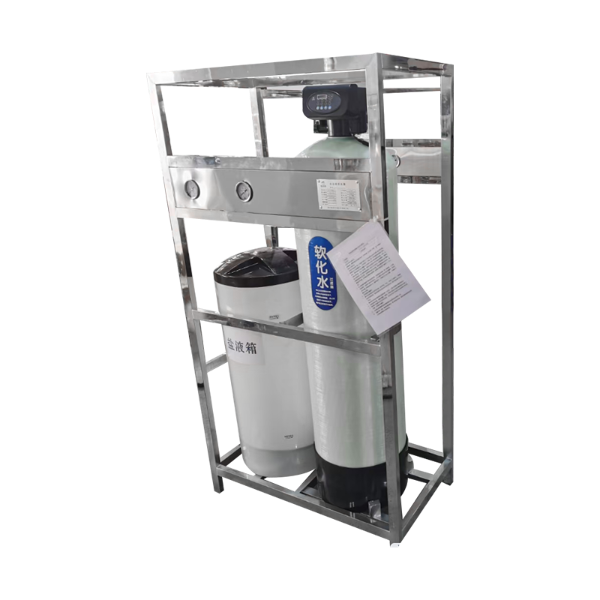
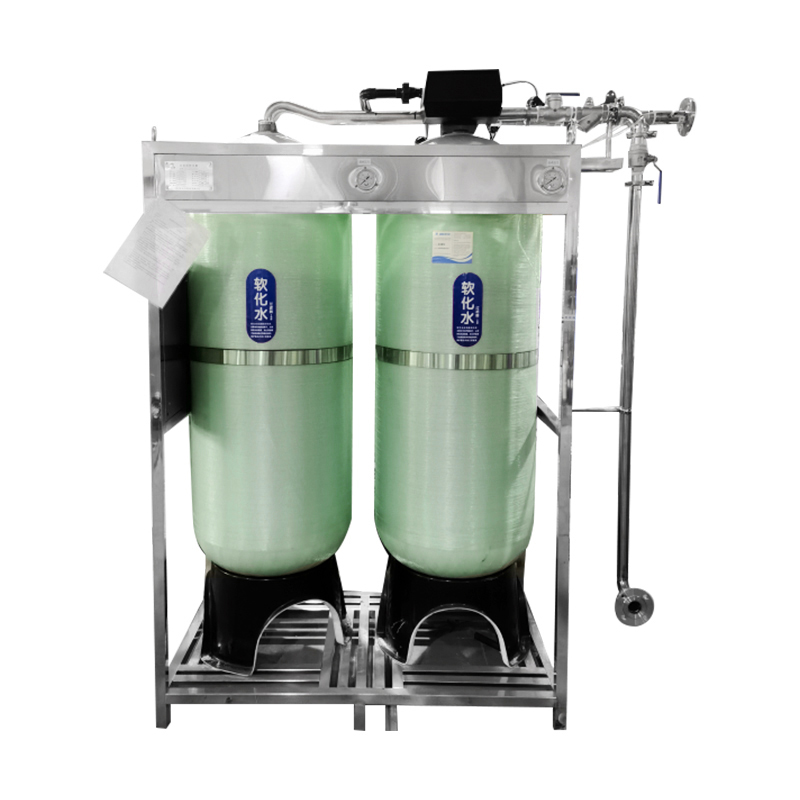
Commercial and Industrial Water Softening Systems are highly efficient water treatment solutions designed for commercial and industrial areas. Utilizi...
See Details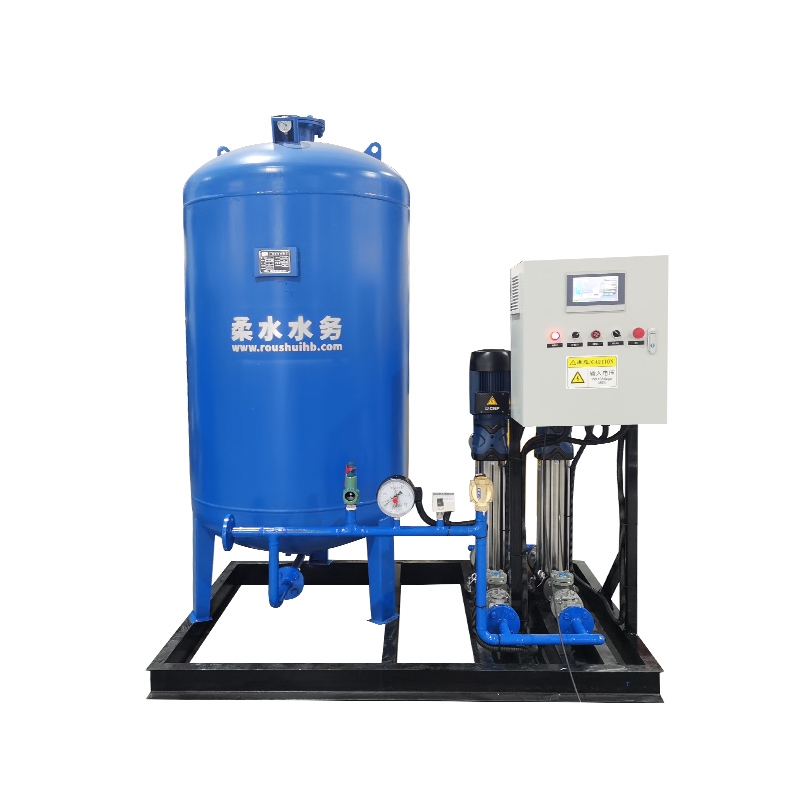
The constant pressure water replenishment device is a device used to maintain the stability of the water system pressure. It is mainly used in systems...
See Details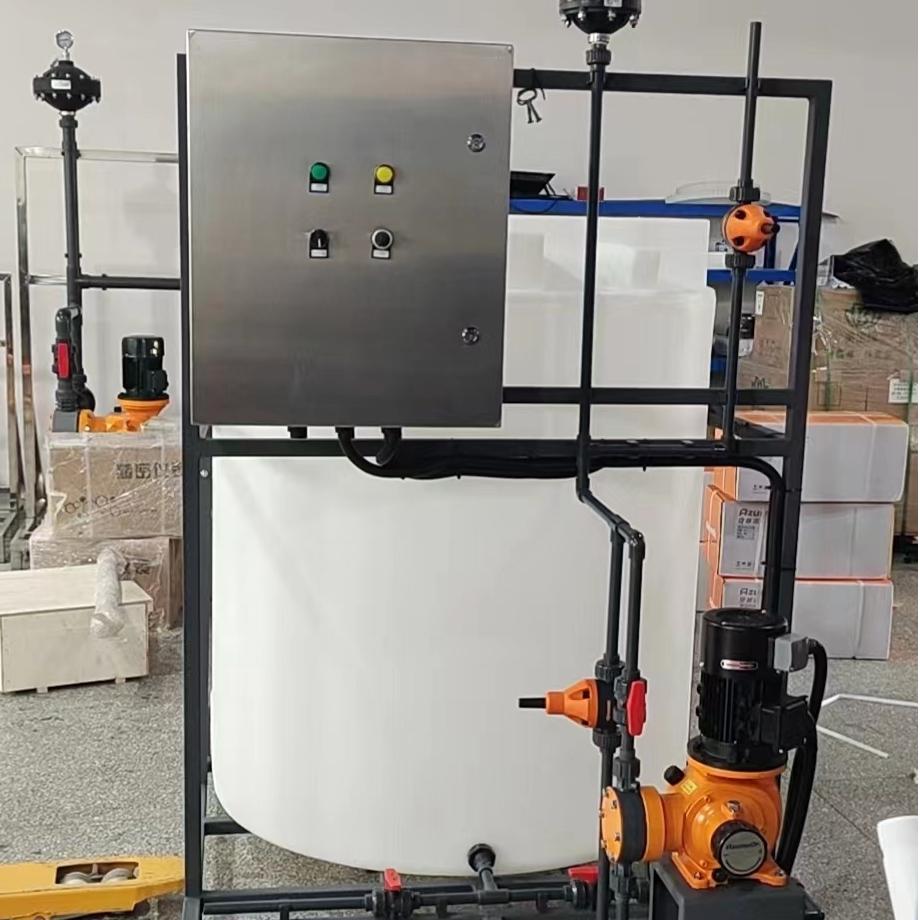
Single pump single barrel dosing device for flocculation is an automatic dosing device used in the water treatment process. It is specially used to ac...
See Details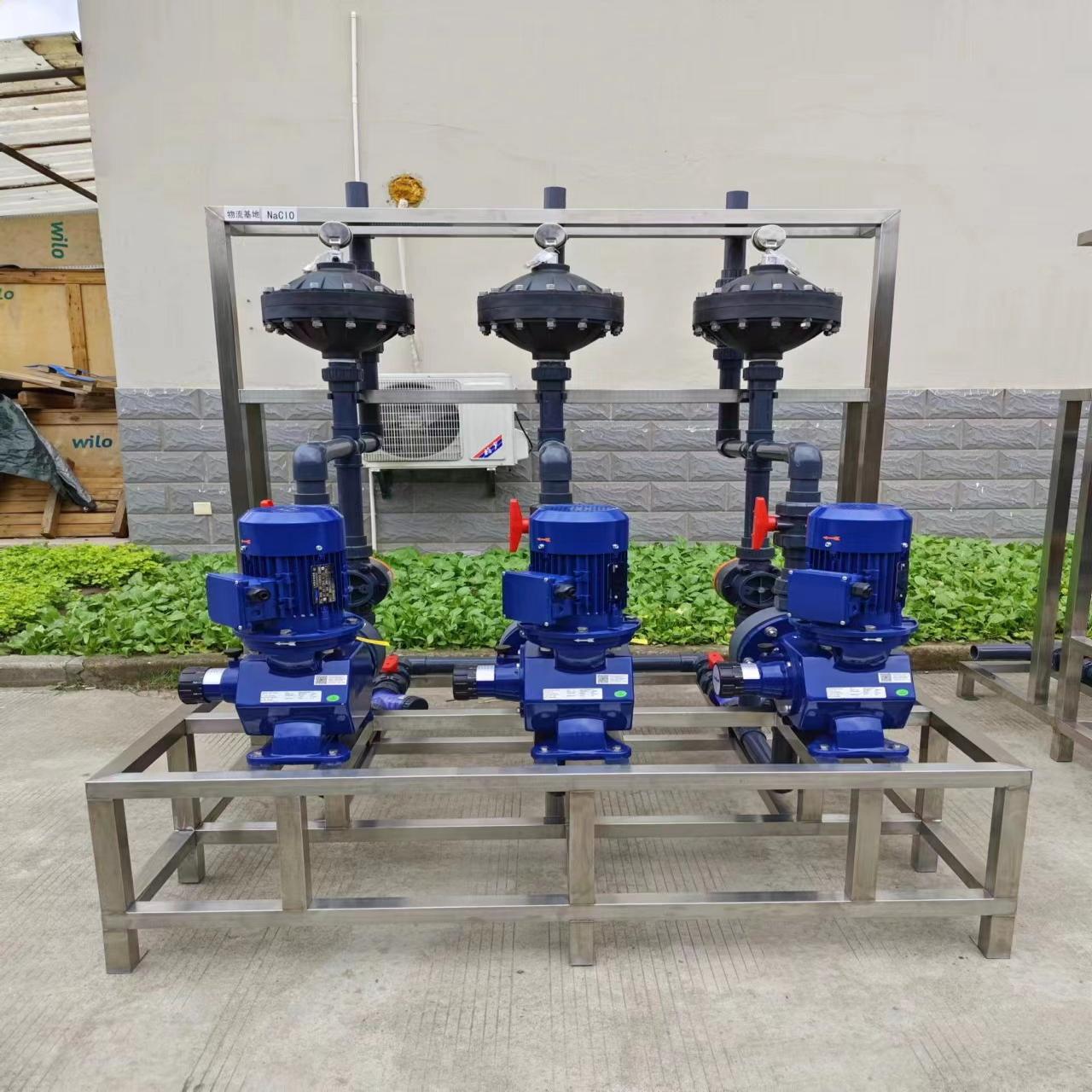
Acid-base neutralization and dosing host equipment is usually used in the field of industrial wastewater treatment or water quality regulation. It is ...
See Details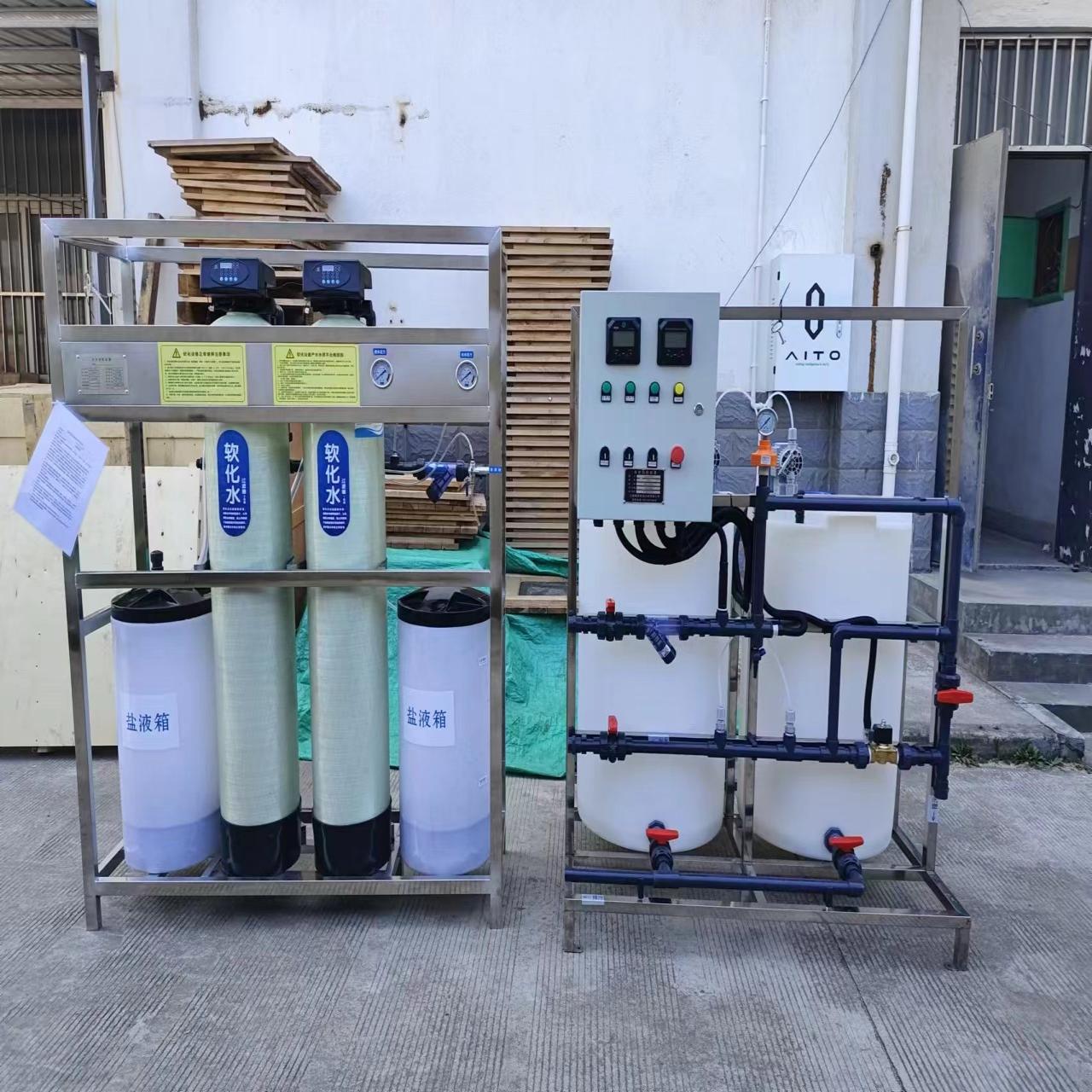
The circulating water system softening, replenishing, sterilizing and dosing device is a special equipment for industrial circulating water treatment....
See Details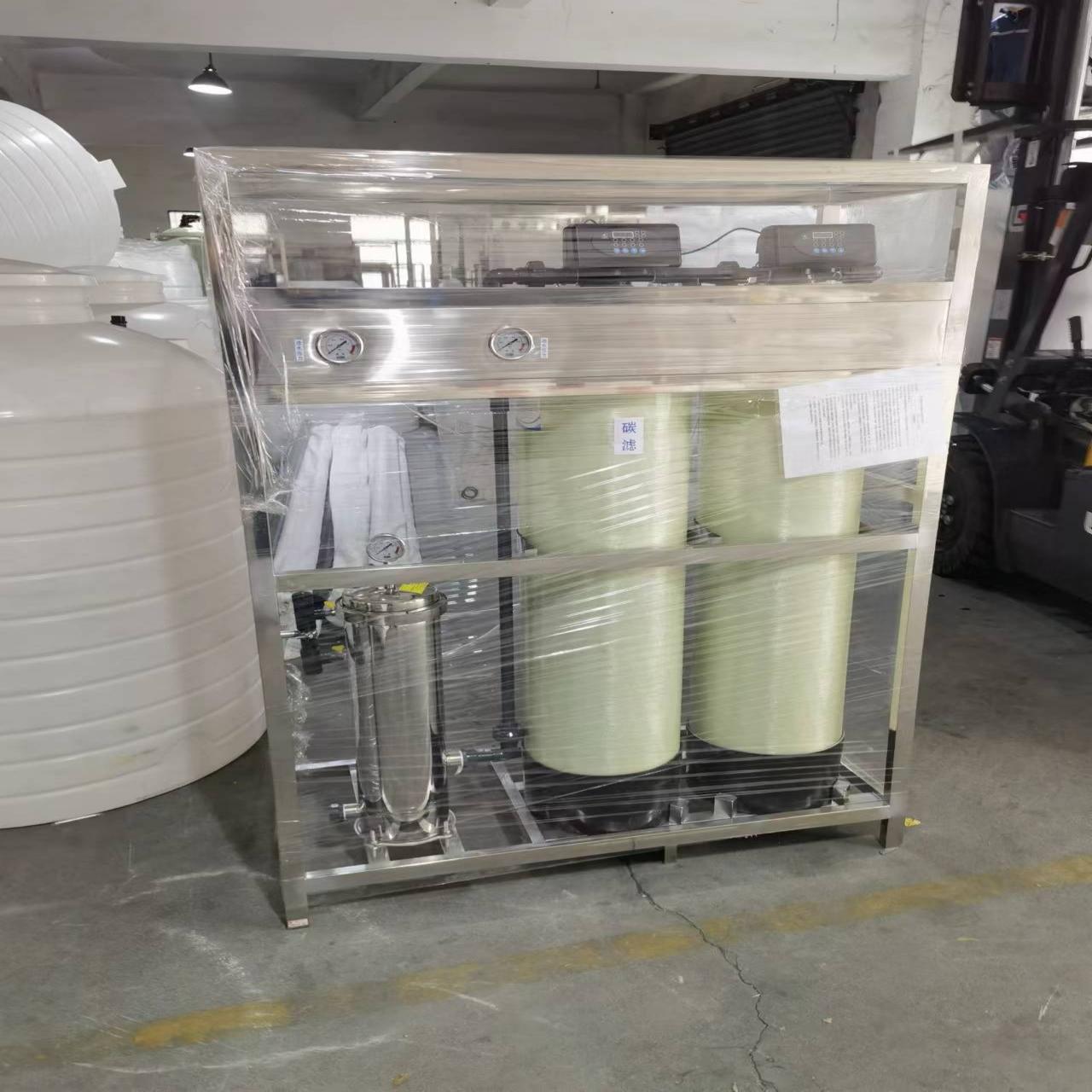
1 ton sand filter carbon filter compact tank is a high-efficiency filtration equipment for water treatment. It adopts sand filtration and carbon filtr...
See Details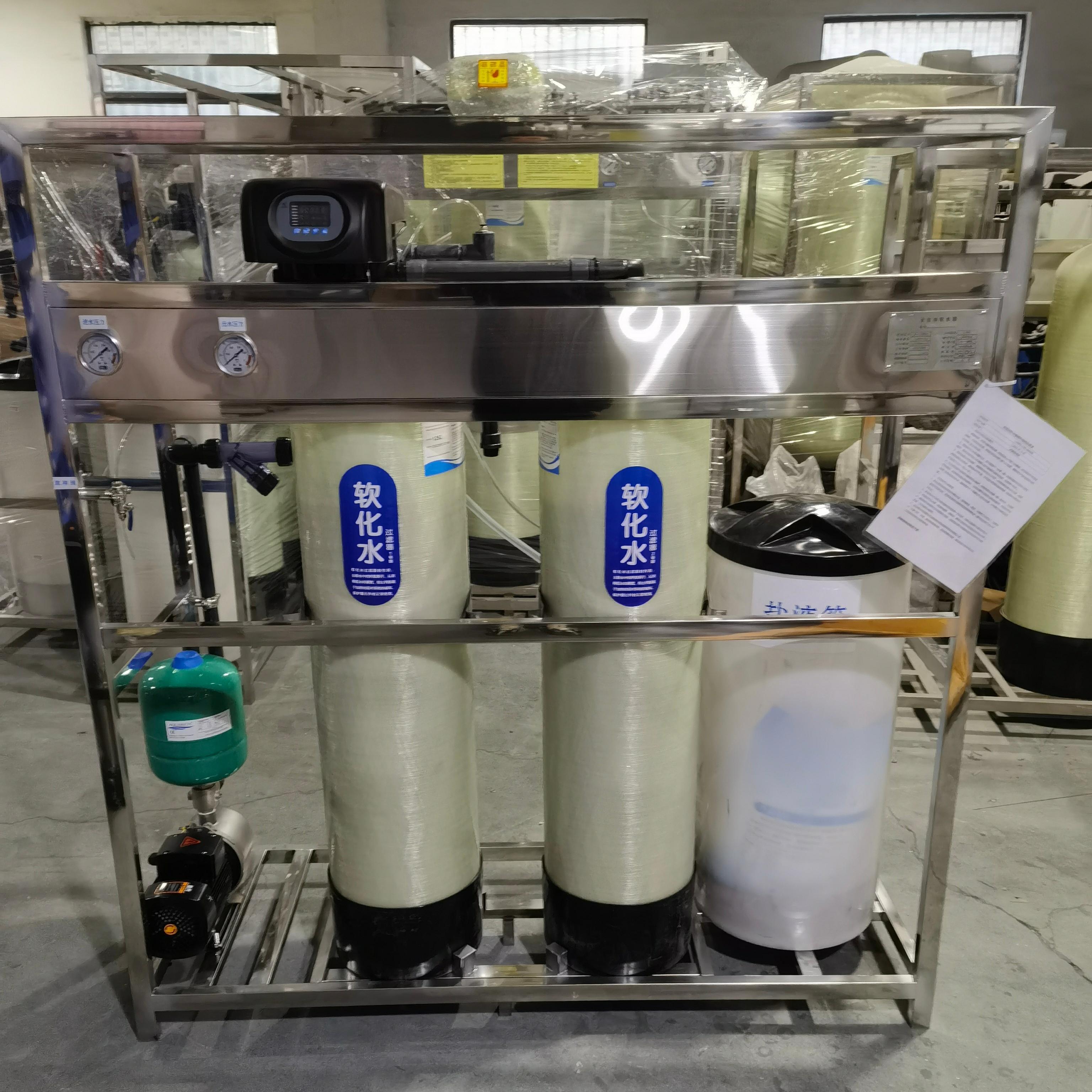
2-ton single valve double tank constant pressure water supply tank, one for use and one for standby is a high-efficiency water treatment equipment, wh...
See Details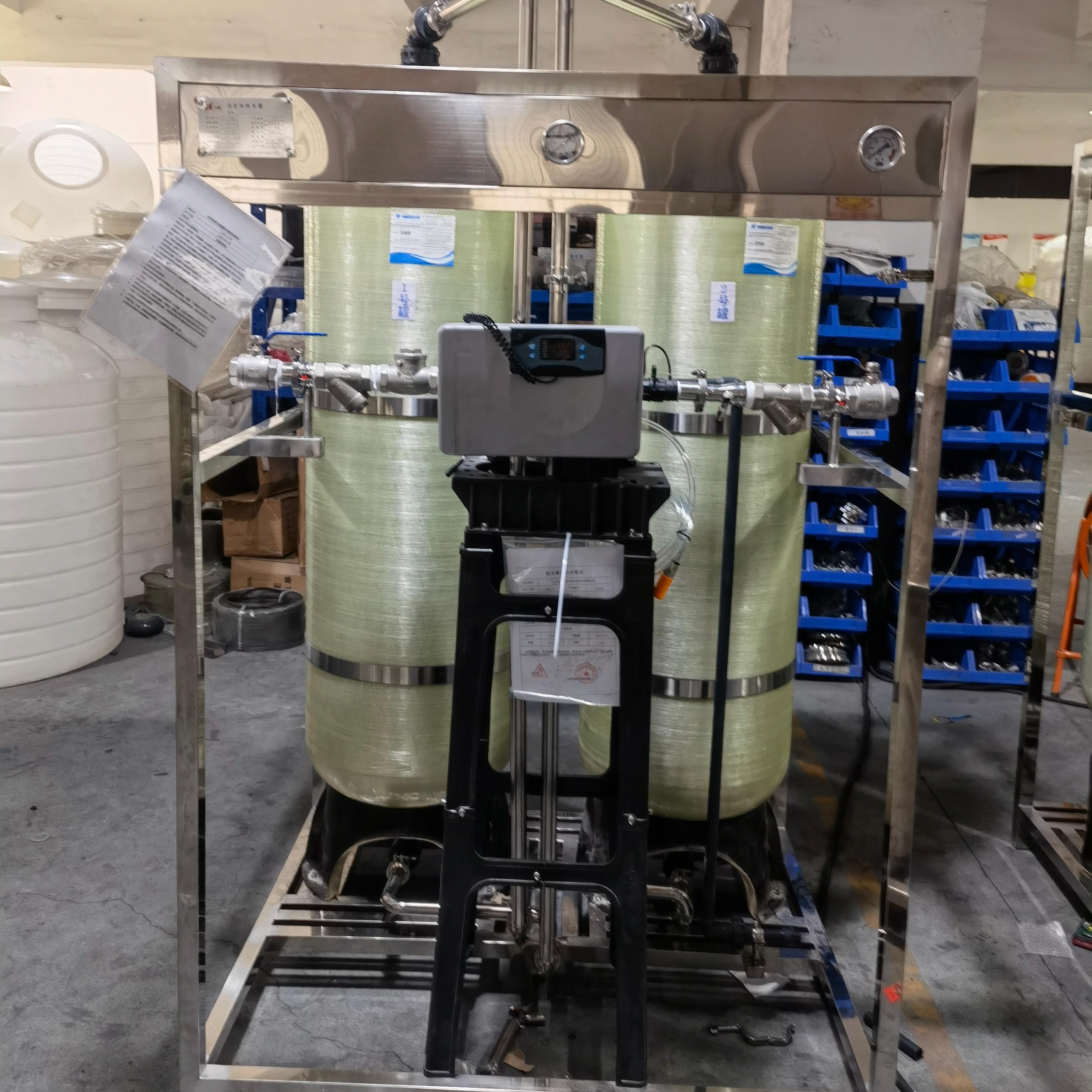
5-ton single valve dual tank, one for use and one for standby is a high-efficiency equipment designed for water treatment. It adopts a single valve du...
See Details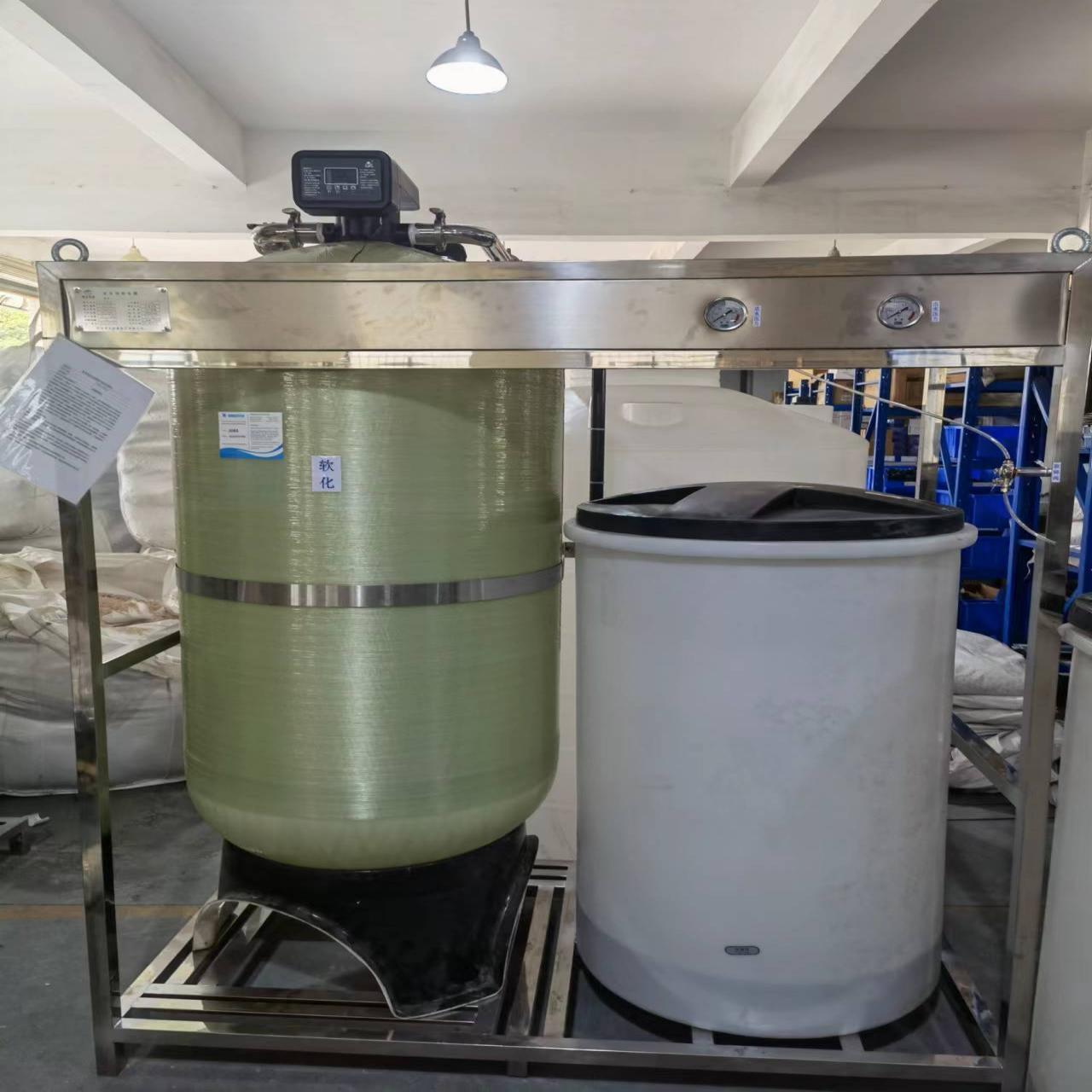
6-8 ton single tank is a water treatment equipment with moderate capacity, designed for occasions that require large water treatment. The equipment ad...
See Details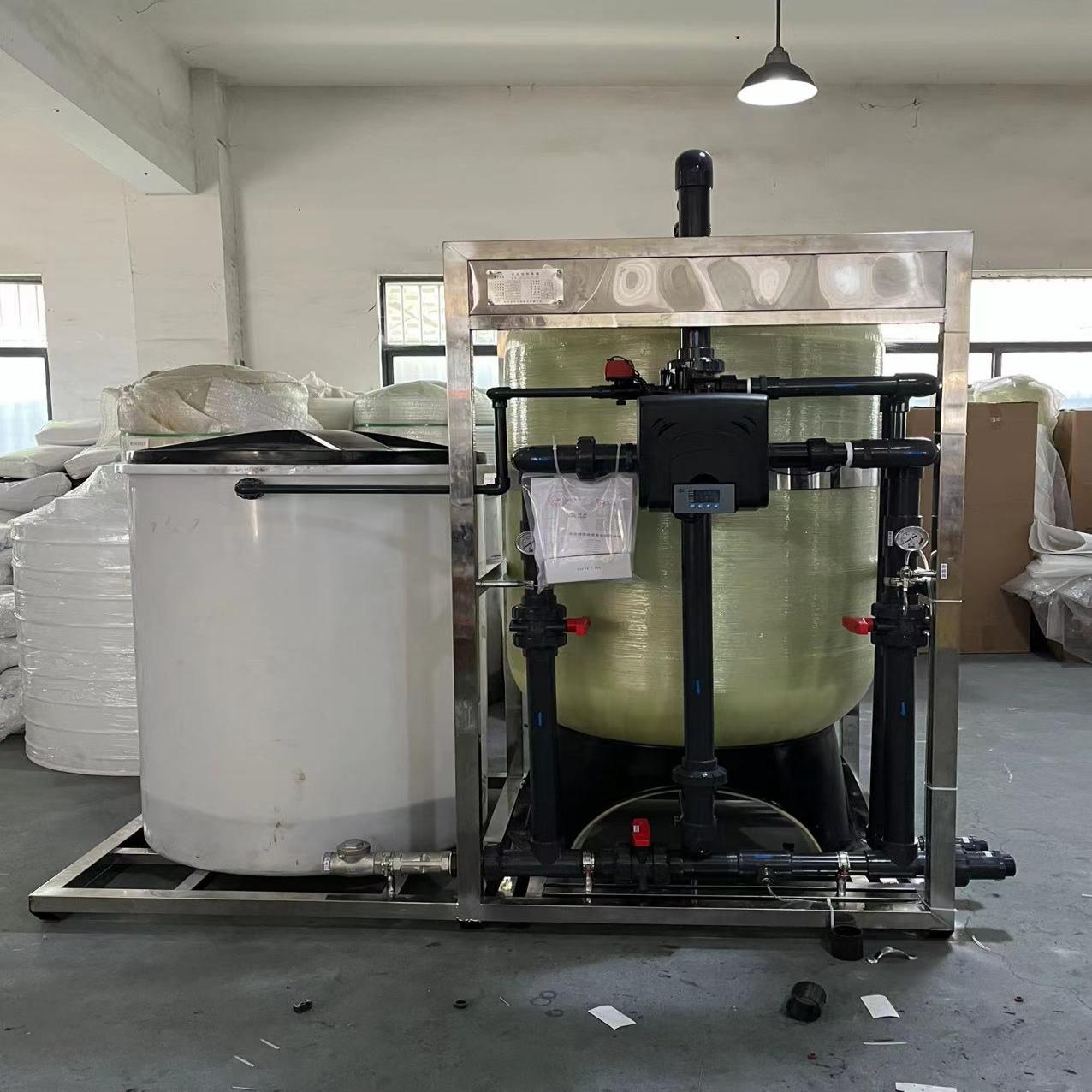
The 15-ton single valve single tank equipment is designed for large-scale water treatment needs and is suitable for places that require large-capacity...
See Details
+86-13396595772
[email protected]
[email protected]
[email protected]
[email protected]
Room 508, Xingyuncheng, No.15 Xingling Street, Xingqiao Street, Linping District, Hangzhou City, Zhejiang Province.
Copyright ©2024 Hangzhou Roushui Environmental Protection Technology Co., Ltd. All Rights Reserved. Custom Industrial Civil Water Treatment Purification Equipment Manufacturers
