
 English
 Español
 عربى
عربىCat:UF Membrane System
Ultrafiltration (UF) is a membrane separation technology that can purify and separate solutions. The ultrafiltration membrane system is a solution sep...
See DetailsService hotline: +86-13396595772


Hard water is a common issue that many homeowners face, causing mineral build-up in pipes, appliances, and fixtures. This build-up can cause costly damage and reduce the efficiency of water-using appliances like dishwashers and water heaters. To combat these issues, many households invest in water softener systems. But with so many options available, it can be challenging to determine which is the choice for hard water areas.
Hard water contains high levels of minerals like calcium and magnesium. When hard water flows through pipes and fixtures, these minerals accumulate and form scale deposits. Over time, this can clogged pipes, reduced water flow, and inefficient appliances.
A water softener system works by removing these minerals from the water, usually through a process called ion exchange. In this process, sodium ions replace calcium and magnesium ions, resulting in softer water that doesn’t cause scale buildup.
There are several types of water softener systems available on the market. The right one for you depends on factors like the hardness of your water, household size, and budget. Below, we discuss the common types of water softeners.
The common and traditional type of water softener is the salt-based ion exchange system. These systems use sodium (or sometimes potassium) to replace the calcium and magnesium ions in hard water.
Advantages:
Disadvantages:
Salt-free water softeners, also known as descalers or conditioners, use a different technology to reduce mineral buildup. Instead of removing calcium and magnesium, these systems alter the structure of the minerals so they don’t form scale deposits.
Advantages:
Disadvantages:
While not traditionally categorized as a water softener, reverse osmosis systems can significantly reduce hardness in water. These systems filter water through a semi-permeable membrane, removing impurities including calcium and magnesium.
Advantages:
Disadvantages:
Magnetic water softeners work by using magnets to change the properties of minerals in the water, preventing them from forming scale. They are an alternative to traditional salt-based systems.
Advantages:
Disadvantages:
When selecting a water softener system for your home, several factors can impact your decision. Let’s break down some of the important considerations:
The hardness of your water is the important factor when choosing a softener. A water test can help you determine your water’s hardness, which is typically measured in grains per gallon (GPG). Hardness levels range from soft (0-3 GPG) to very hard (over 10 GPG). Salt-based systems work for very hard water, while salt-free or magnetic systems are more effective in areas with lower hardness.
The size of your household can influence the capacity of the water softener system you choose. Larger households will need a system that can handle higher volumes of water, while smaller households can use more compact and cost-effective units.
Salt-based systems require regular maintenance, including replenishing the salt supply. On the other hand, salt-free systems require less maintenance and are easier to maintain in the long run. If you prefer a low-maintenance solution, a salt-free system or reverse osmosis system might be a better choice.
Salt-based systems can release brine into the environment during the regeneration process, which can be harmful to local ecosystems. Salt-free systems are more environmentally friendly, as they don’t use salt or chemicals.
Water softener systems vary widely in price, depending on the type and capacity. Salt-based systems tend to be the affordable upfront, but they may incur ongoing costs for salt and maintenance. Reverse osmosis systems are typically the expensive, but they offer added filtration benefits.
Proper maintenance is key to ensuring your water softener system works efficiently over the long term. Here are some basic maintenance tips for different types of systems:
| Type | Effectiveness in Hard Water | Maintenance | Environmental Impact | Cost |
|---|---|---|---|---|
| Salt-Based Ion Exchange | Very High | Moderate | High (brine discharge) | Moderate |
| Salt-Free Water Softener | Low to Moderate | Low | Low | Moderate |
| Reverse Osmosis (RO) | High | High | Low | High |
| Magnetic Water Softener | Low | Low | Low | Low |
1. What is the effective water softener system?
Salt-based ion exchange systems are typically the effective for treating hard water.
2. Can I install a water softener system myself?
Some systems, like salt-free or magnetic softeners, are relatively easy to install yourself. However, salt-based and reverse osmosis systems may require professional installation.
3. Do water softeners increase sodium levels in water?
Salt-based systems can add sodium to the water, but the levels are generally considered safe for people. If you have concerns about sodium, consider a potassium-based system or a salt-free solution.
4. How do I know which water softener is good for my home?
The system for your home depends on your water hardness, household size, and budget. A water test and consultation with a professional can help guide your decision.
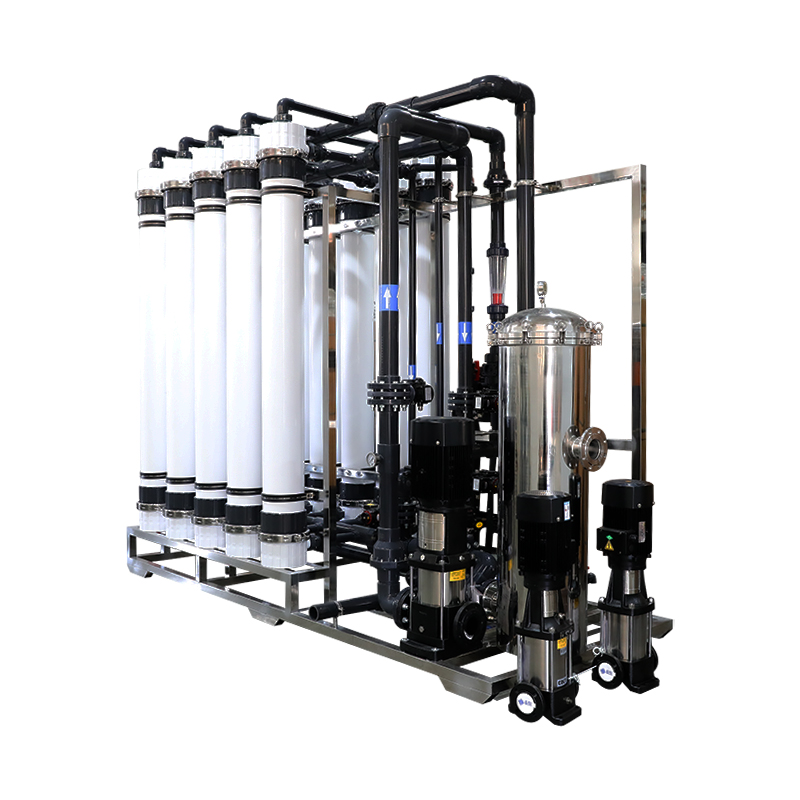
Ultrafiltration (UF) is a membrane separation technology that can purify and separate solutions. The ultrafiltration membrane system is a solution sep...
See Details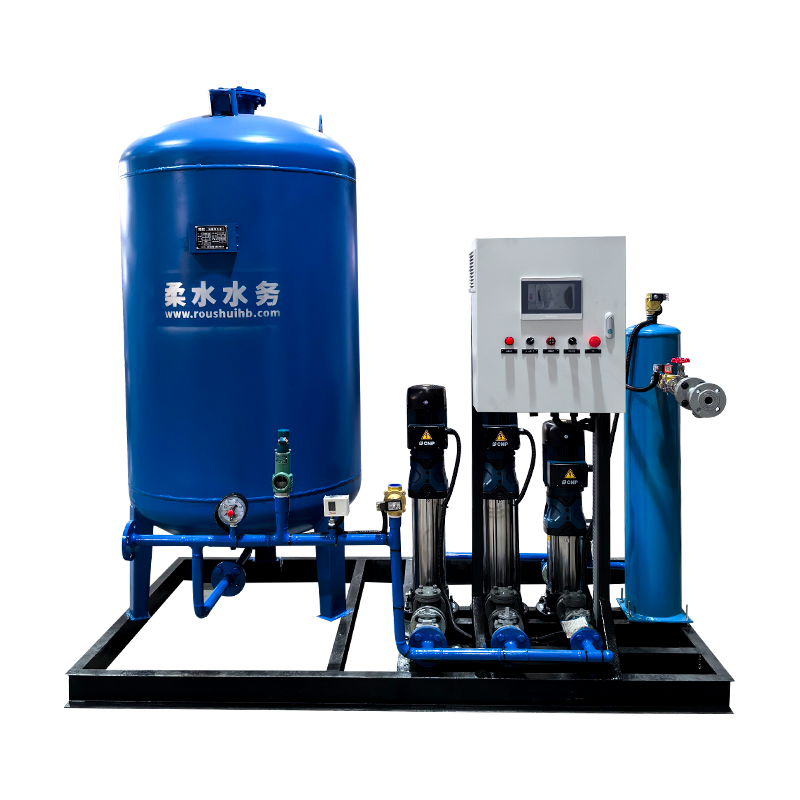
This equipment is a water supply system specially designed to provide stable water pressure. It combines the design of a water pump and an expansion t...
See Details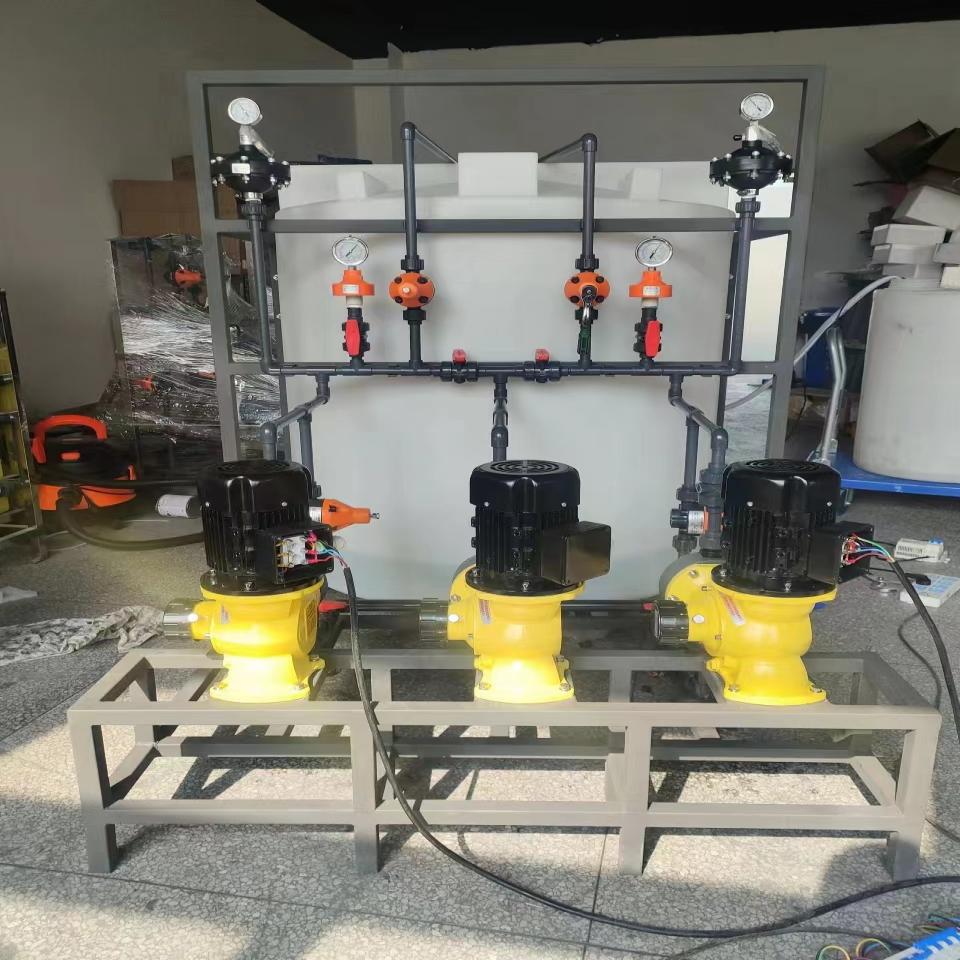
Sterilization, scale prevention, PAC, PAM and other dual-purpose dosing devices is a multifunctional water treatment equipment that integrates the dos...
See Details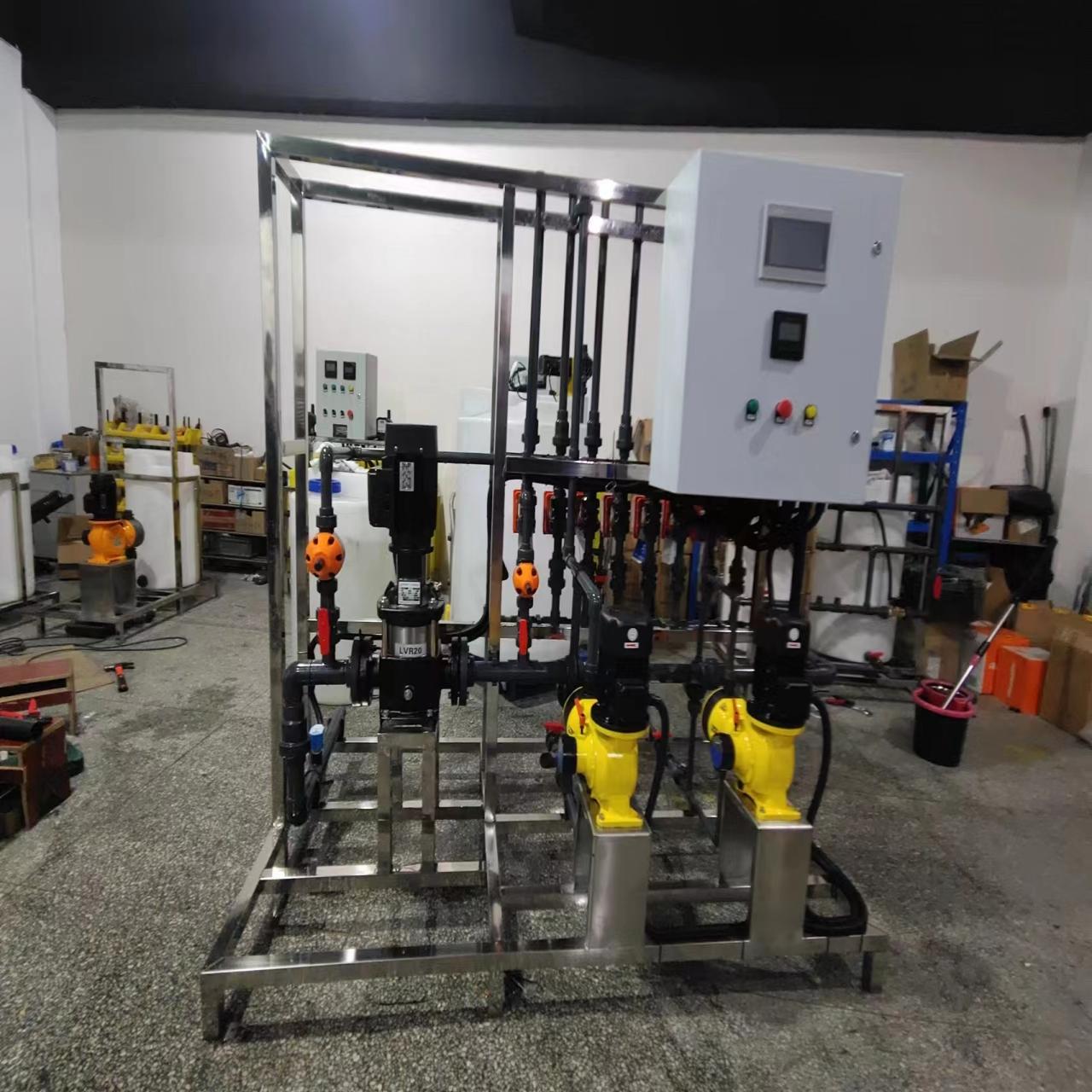
The acid-base neutralization and dosing device is a device used in the fields of industry, environmental protection and water treatment, mainly used t...
See Details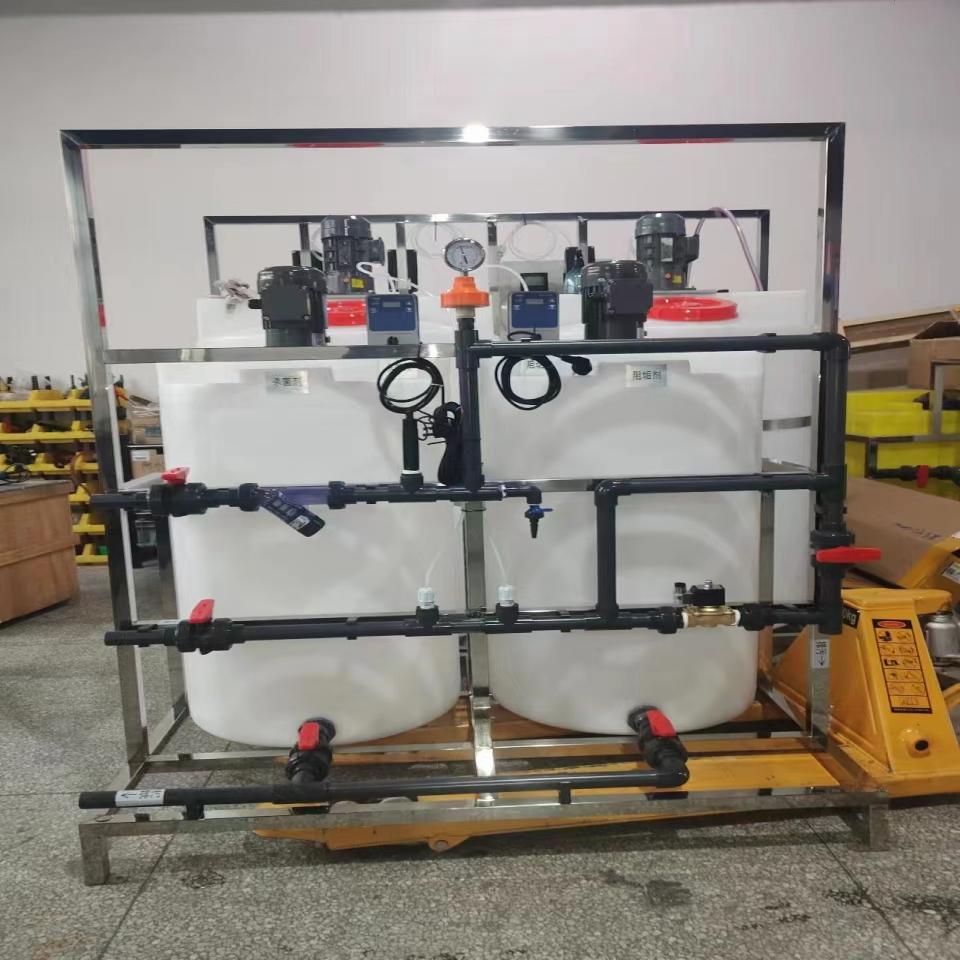
The scale-inhibiting and sterilizing circulating water system dosing device is a water quality treatment equipment designed for circulating water syst...
See Details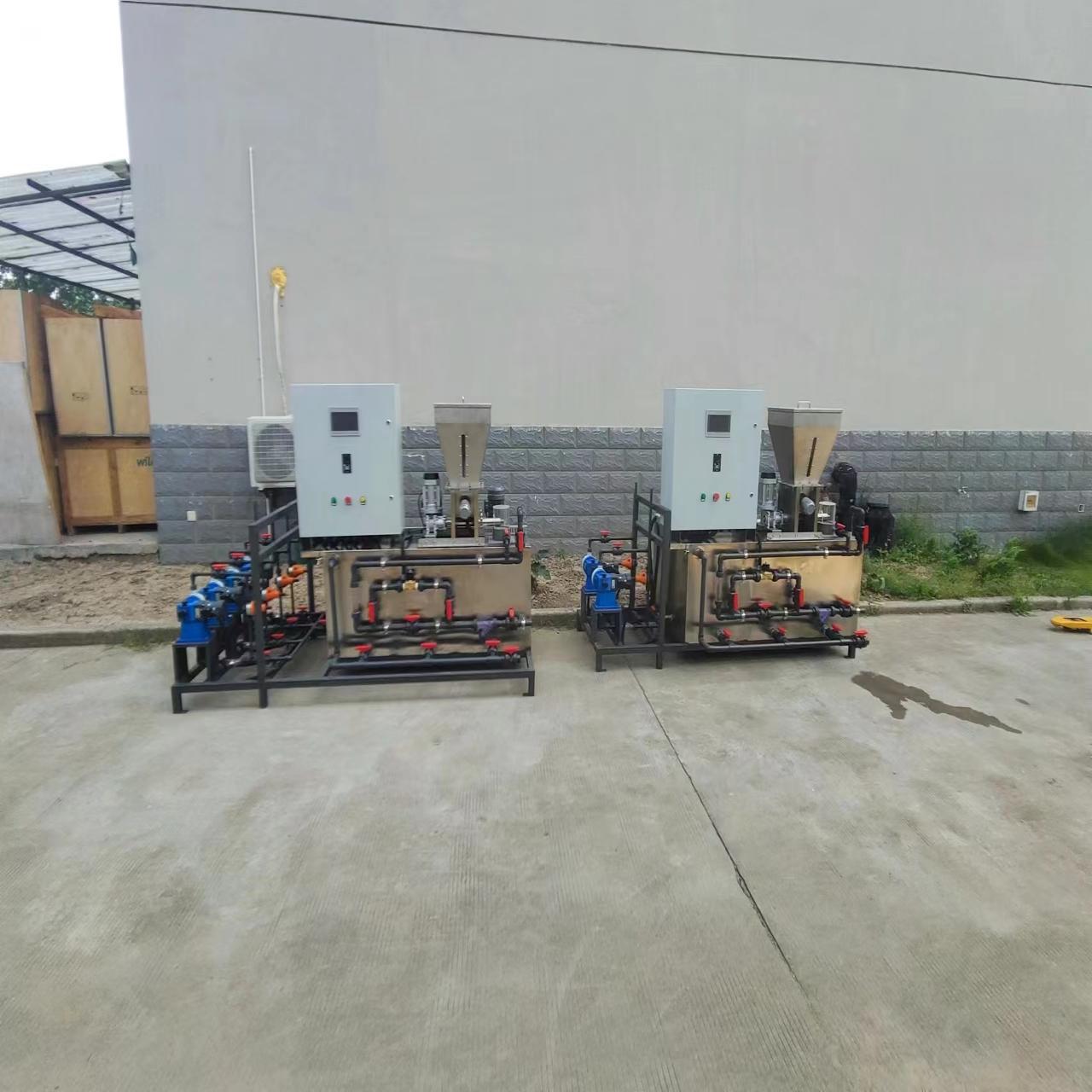
The integrated PAC PAM dosing device is an integrated water treatment equipment, which is specially used for adding agents such as polyaluminium chlor...
See Details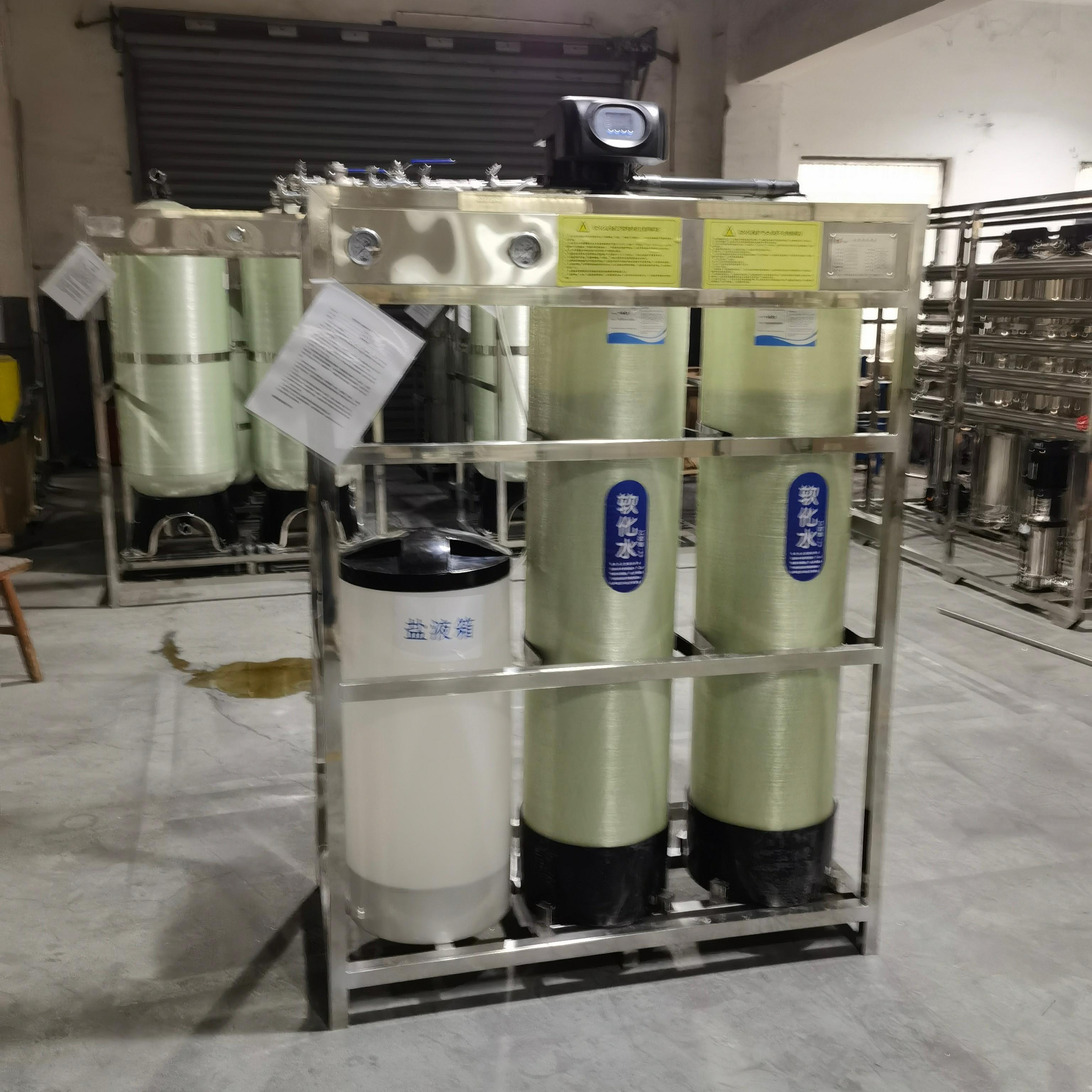
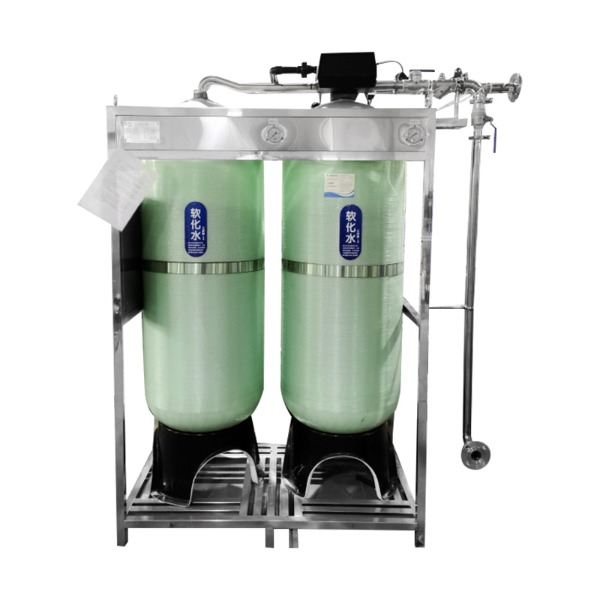
The 3 tons single valve double tank, one for use and one for standby is a high-efficiency water treatment equipment, which adopts a single valve doubl...
See Details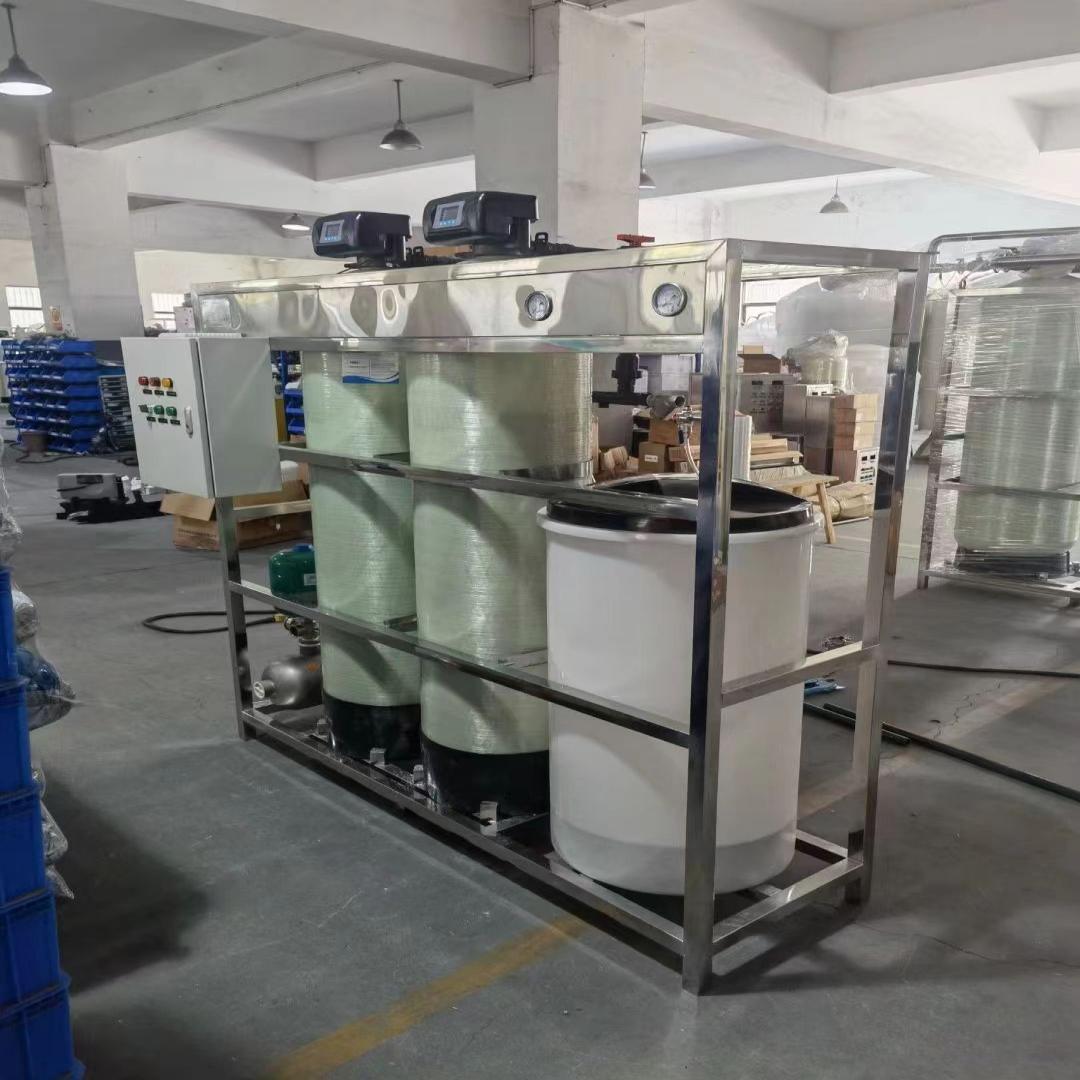
The 4-ton dual-valve dual-tank live box is an efficient water treatment equipment designed for industrial and commercial water treatment systems. The ...
See Details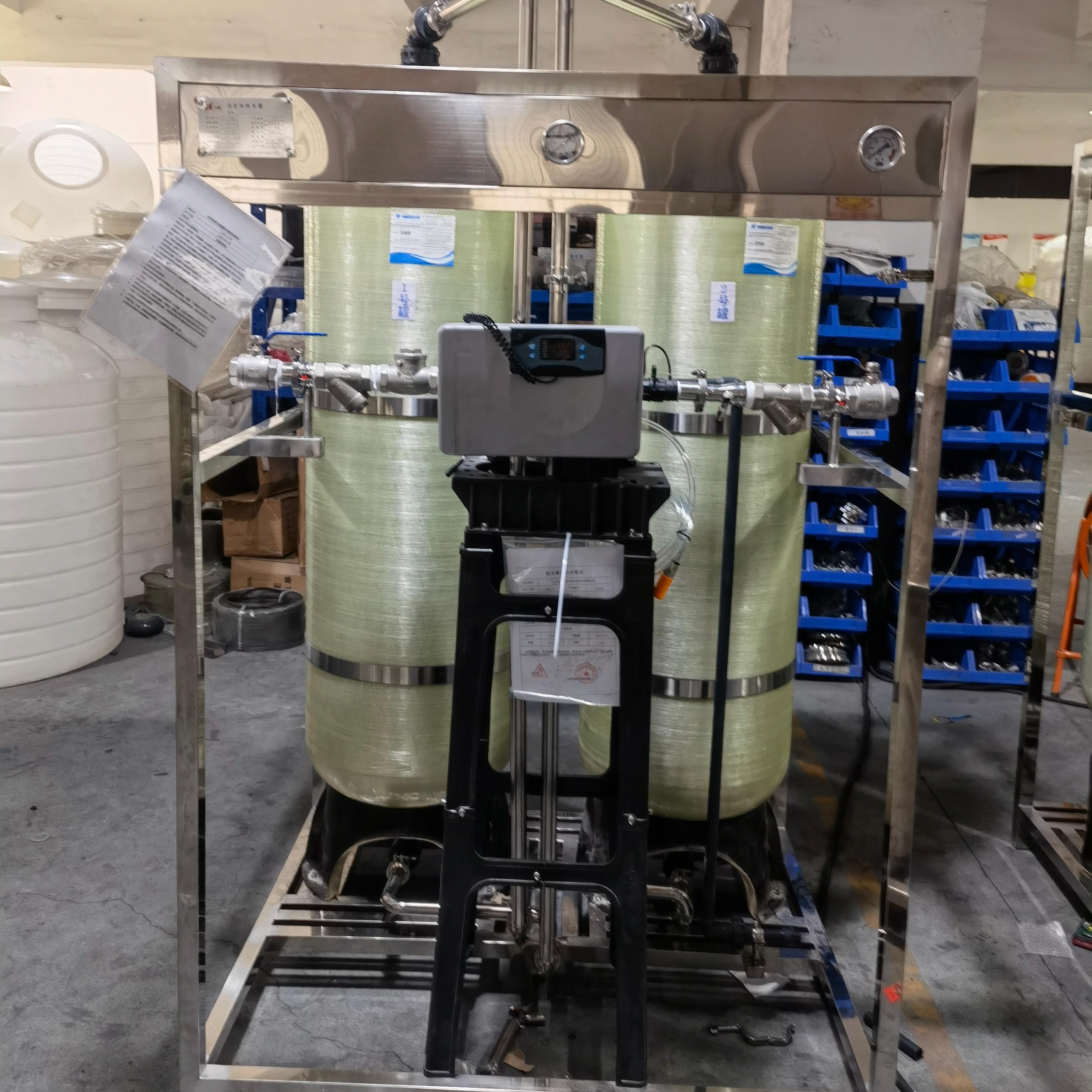
5-ton single valve dual tank, one for use and one for standby is a high-efficiency equipment designed for water treatment. It adopts a single valve du...
See Details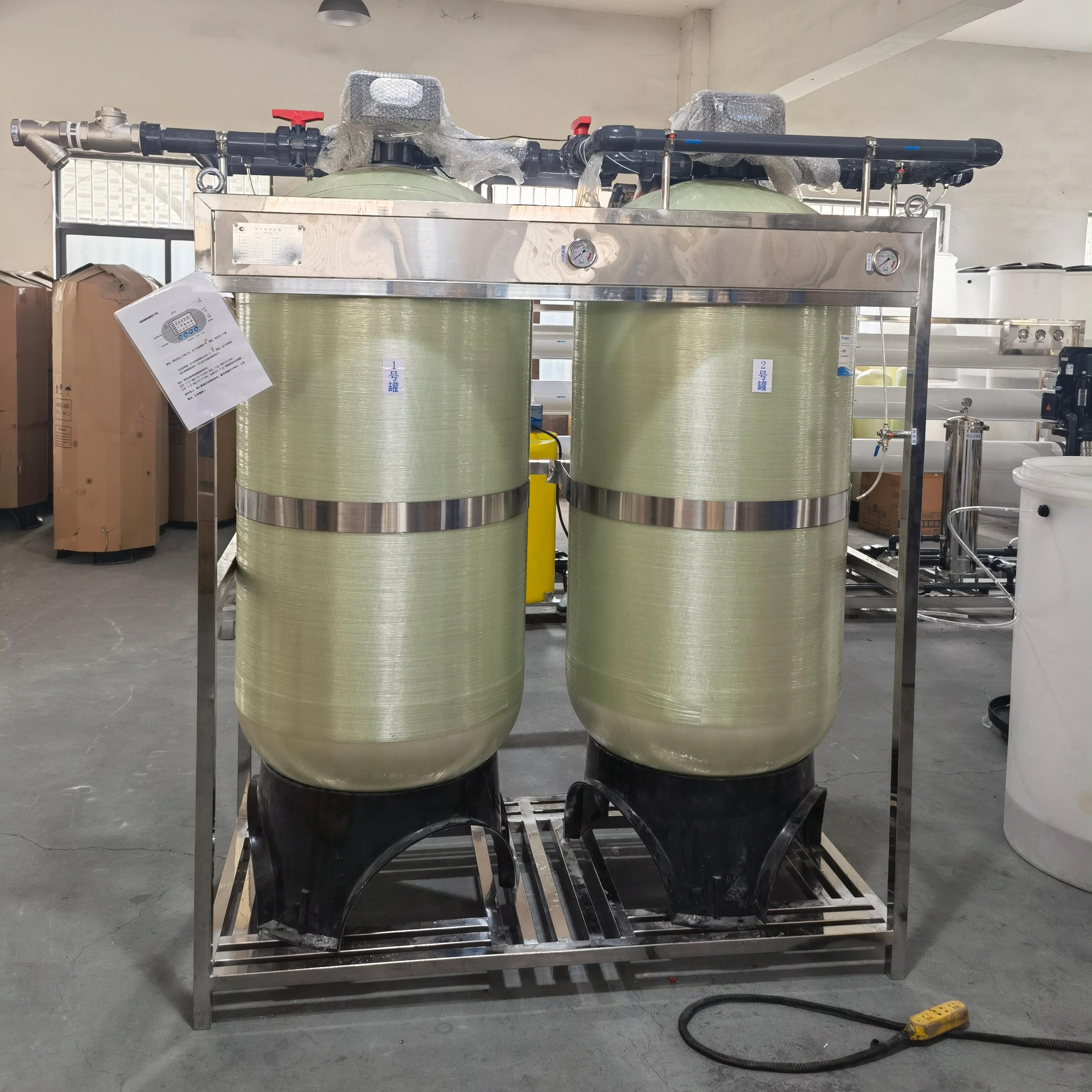
The 10-20 tons double valve double tank continuous water supply system is a high-efficiency equipment suitable for large-scale water treatment project...
See Details
+86-13396595772
[email protected]
[email protected]
[email protected]
[email protected]
Room 508, Xingyuncheng, No.15 Xingling Street, Xingqiao Street, Linping District, Hangzhou City, Zhejiang Province.
Copyright ©2024 Hangzhou Roushui Environmental Protection Technology Co., Ltd. All Rights Reserved. Custom Industrial Civil Water Treatment Purification Equipment Manufacturers
