
 English
 Español
 عربى
عربىCat:RO Pure Water Systems
The pure water industrial RO water treatment system is an efficient and reliable water treatment equipment specially designed to meet the demand for p...
See DetailsService hotline: +86-13396595772


Water is an essential part of everyday life, and ensuring its purity is crucial for both health and convenience. Reverse Osmosis (RO) pure water systems have become a popular choice for those seeking high-quality water purification at home or in commercial settings.
Before diving into the features, it’s important to understand what an RO pure water system is. At its core, an RO system uses a semi-permeable membrane to remove contaminants from water, leaving only pure, clean water behind. The process of reverse osmosis involves pushing water through the membrane under pressure, filtering out impurities like bacteria, viruses, heavy metals, and other harmful substances.
When choosing an RO pure water system, several key features will ensure you get the performance and value for your investment. Below are the important factors to consider.
One of the primary features of any RO system is its filtration stages. Multiple filtration stages help to remove a broad spectrum of contaminants, providing high-quality water. Typically, an RO system includes:
Comparison of RO Filtration Stages
| Stage | Purpose | Key Benefits |
|---|---|---|
| Pre-filtration | Removes large particles and chlorine | Protects the membrane, extends filter life |
| Activated Carbon | Removes chlorine, pesticides, and odors | Improves taste, eliminates unpleasant odors |
| Reverse Osmosis | Filters out dissolved solids and contaminants | Ensures high purity water, eliminates harmful substances |
| Post-filtration | Removes residual taste and odor | Final touch for clean, fresh-tasting water |
The efficiency of the RO membrane is crucial in determining how much pure water the system can produce in a given time. Look for systems that offer a high gallon-per-day (GPD) capacity, especially if you have a larger household or need the system for commercial use. A higher GPD means the system can produce more filtered water per day without compromising on quality.
The water recovery rate indicates how much of the input water is converted into pure water. A good RO system should have a high recovery rate, which means less waste water is produced. Typically, RO systems waste about 3 to 4 gallons of water for every gallon of purified water produced, but some high-end systems feature waste reduction technology that minimizes this ratio.
The size and design of the RO system can affect its installation and space requirements. Compact and space-saving designs are ideal for homes or apartments with limited space, while larger systems might be more suitable for commercial or industrial applications. Ensure that the system can fit under your sink or in your desired installation area.
A key consideration when choosing an RO system is the longevity of the filters. The longer the filter lifespan, the less frequently you will need to replace them, reducing ongoing maintenance costs. Make sure to choose a system with filters that have a reasonable lifespan and can be easily replaced. Regular maintenance is crucial for maintaining water quality and system performance.
Look for RO systems that meet industry standards and certifications, such as NSF/ANSI certification. These certifications ensure that the system has been rigorously tested and meets specific water purification standards. They also provide peace of mind that the system will effectively filter out contaminants.
Some advanced RO systems come with additional features that improve convenience and performance. These might include:
While upfront costs are an important consideration, don’t forget to factor in long-term maintenance costs. Choose an RO system with affordable replacement filters and easy-to-service components to avoid high ongoing expenses.
There are several myths surrounding RO water systems that can affect decision-making. Some common misconceptions include:
Q1: How often should I replace the filters in my RO system?
The frequency of filter replacement varies depending on your system and water usage. On average, pre-filters need to be replaced every 6 to 12 months, while the RO membrane typically lasts 2-3 years.
Q2: Is an RO system effective at removing bacteria and viruses?
Yes, reverse osmosis is highly effective at removing bacteria, viruses, and other harmful microorganisms, especially when combined with UV sterilization.
Q3: Can I use an RO system for my entire house or just for drinking water?
RO systems can be used for whole-house filtration, but they are more commonly used for drinking water due to their filtration capacity. Whole-house systems often require more complex installations and larger units.
Q4: What is the difference between RO water and distilled water?
RO water is purified through a membrane filtration process, while distilled water is created by boiling water and then condensing the steam. Both are free of contaminants, but distilled water lacks minerals, which may affect taste.
When choosing the right RO pure water system, it’s essential to focus on the features that meet your specific needs. By considering filtration stages, membrane capacity, water recovery rates, and ease of maintenance, you can select a system that provides high-quality water while offering long-term value and efficiency. Remember that an effective RO system is not just about water purification but also about convenience, durability, and ensuring that the water you consume is as pure and safe as possible.
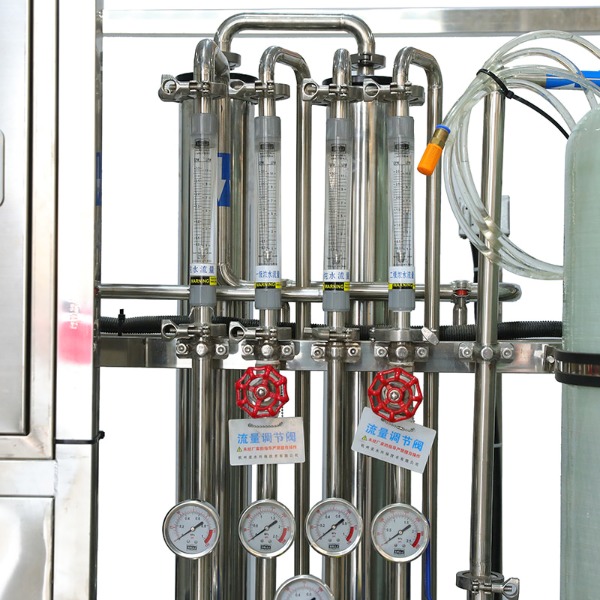
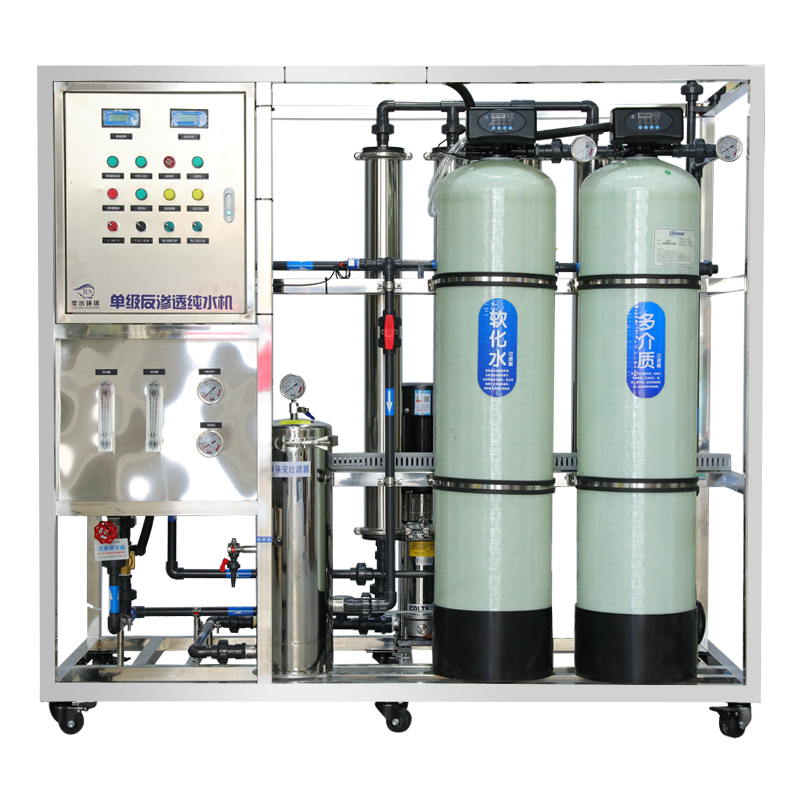
The pure water industrial RO water treatment system is an efficient and reliable water treatment equipment specially designed to meet the demand for p...
See Details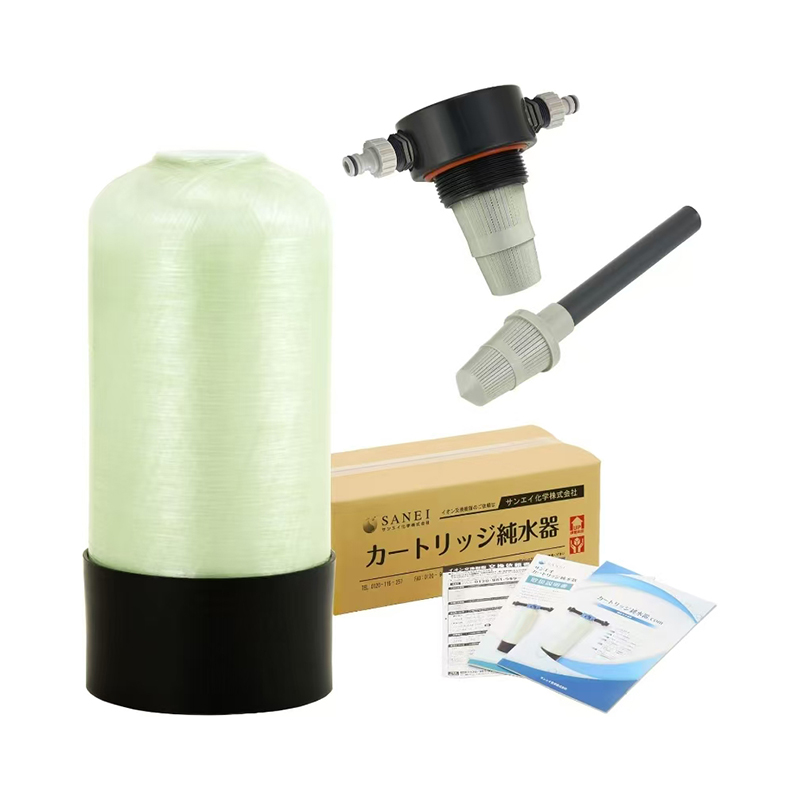
High Flow 3/4 PortKDF(Kinetic Degradation Fluxion) in our RV water filter removes chlorine, heavy metals, bacteria, and scale, ensuring cleaner and sa...
See Details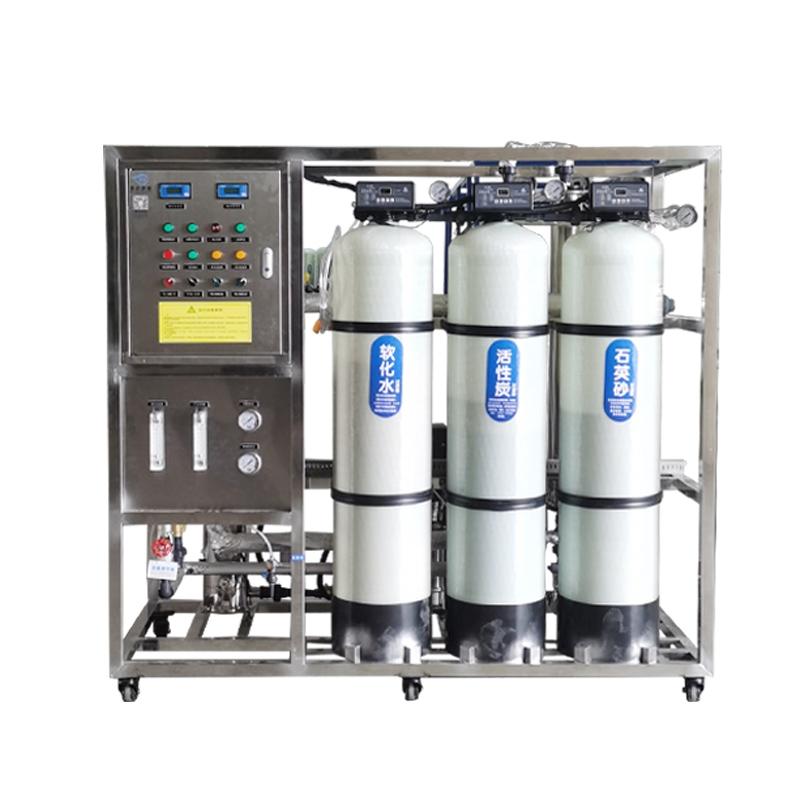
Reverse osmosis (RO) pure water device is a device that uses reverse osmosis technology to treat and purify water. Reverse osmosis technology filters ...
See Details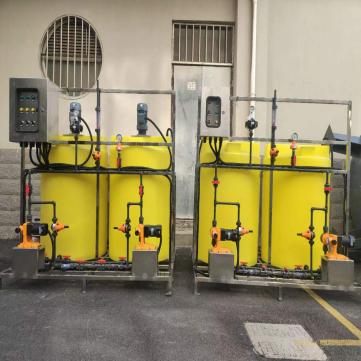
The PAC PAM dosing device is a device used to automatically add polyaluminium chloride (PAC) and polyacrylamide (PAM) during water treatment. The devi...
See Details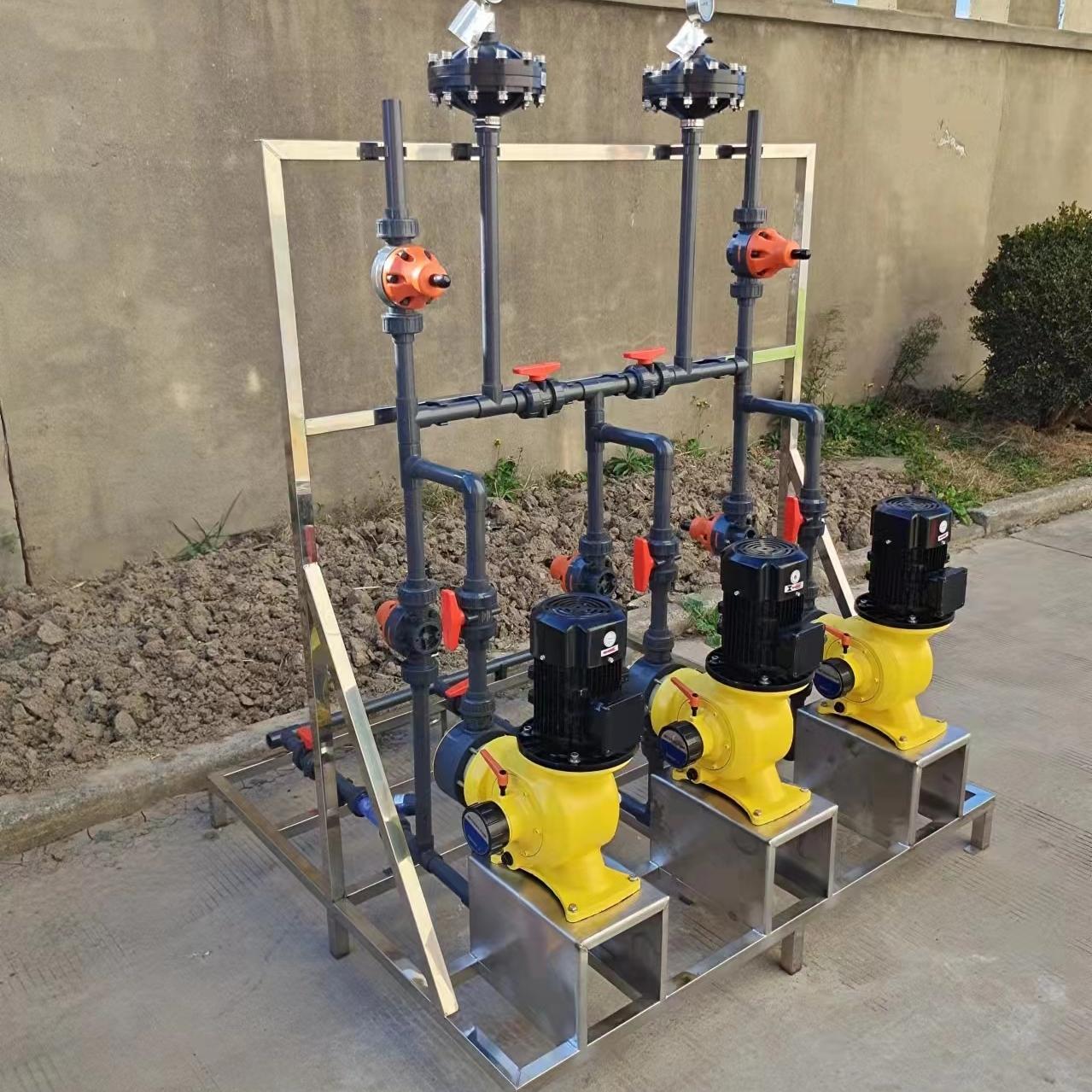
The Two-in-one dosing device for Acid and alkali is a water treatment device that integrates the automatic dosing function of acid and alkaline agents...
See Details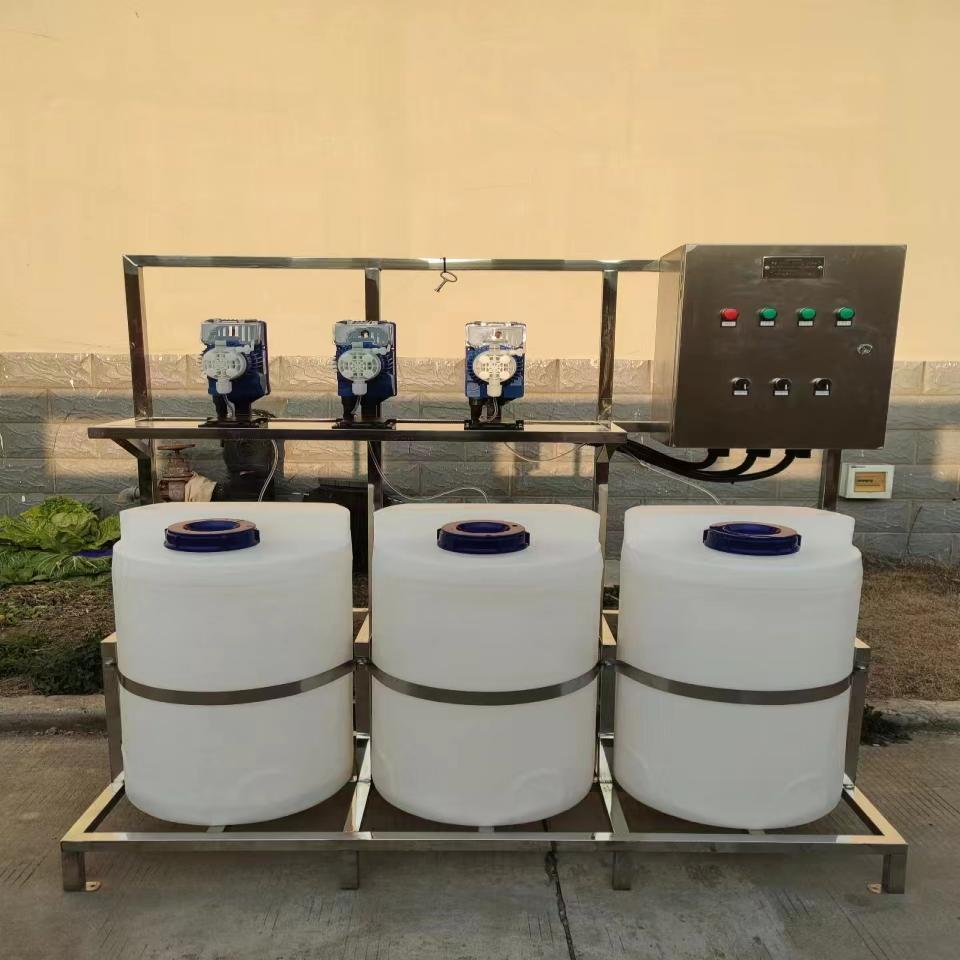
The flocculation scale inhibition and sterilization three-pump three-barrel circulating water system dosing device is a device specially used for circ...
See Details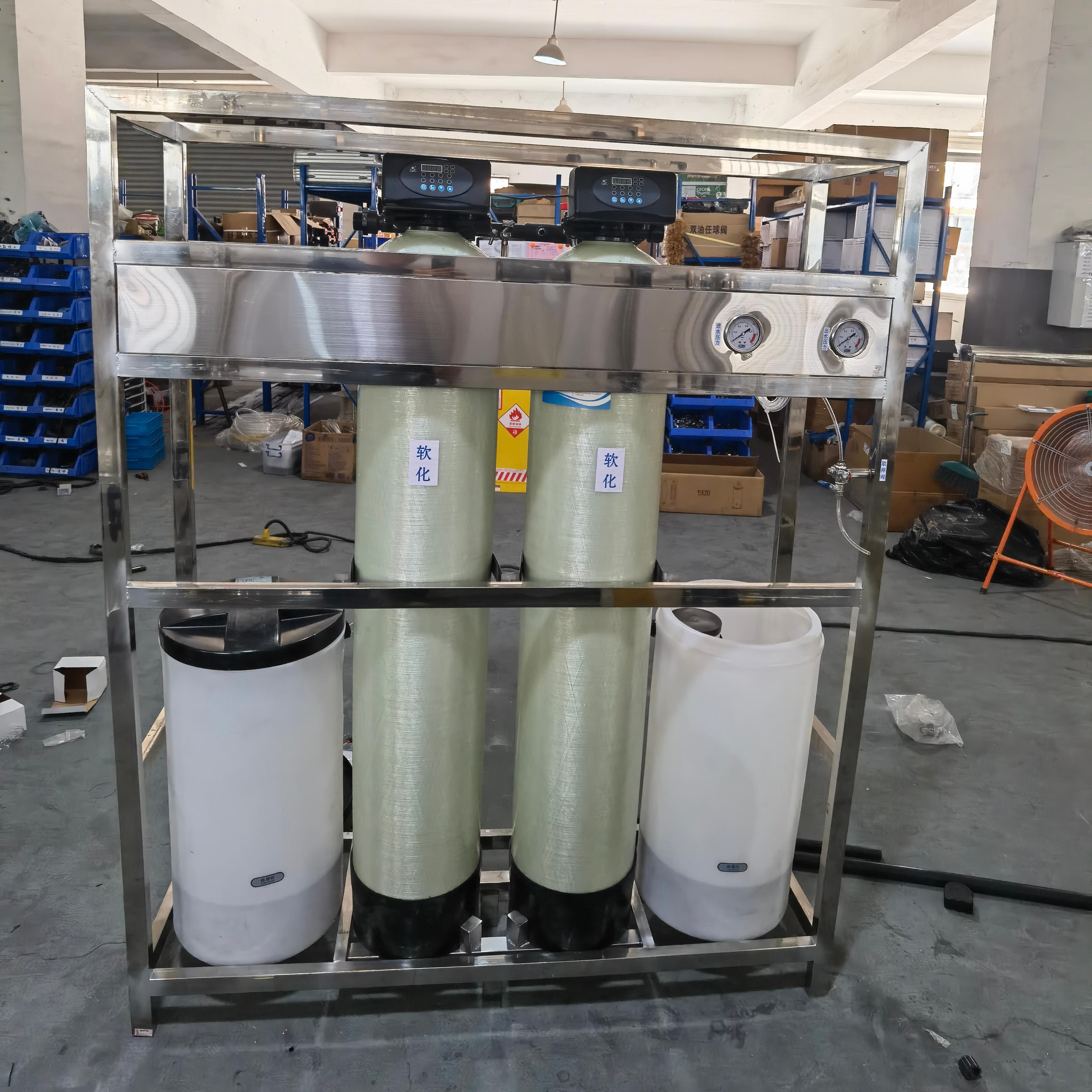
1 ton double valve double tank continuous water supply is an efficient and stable water treatment equipment, widely used in softened water, deminerali...
See Details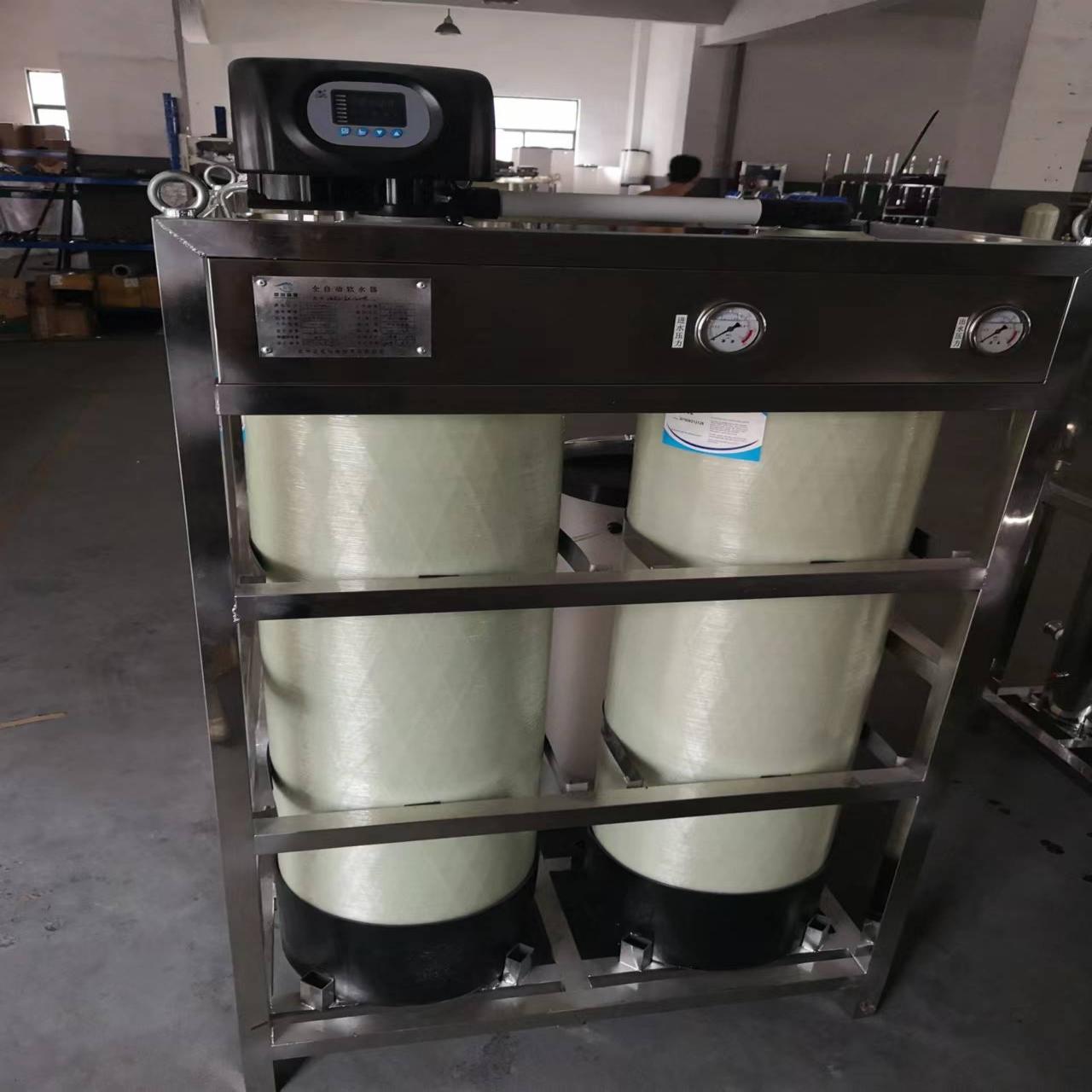
2-ton single valve dual tank, one for use and one for standby is an efficient and stable water treatment equipment. It adopts a single valve dual tank...
See Details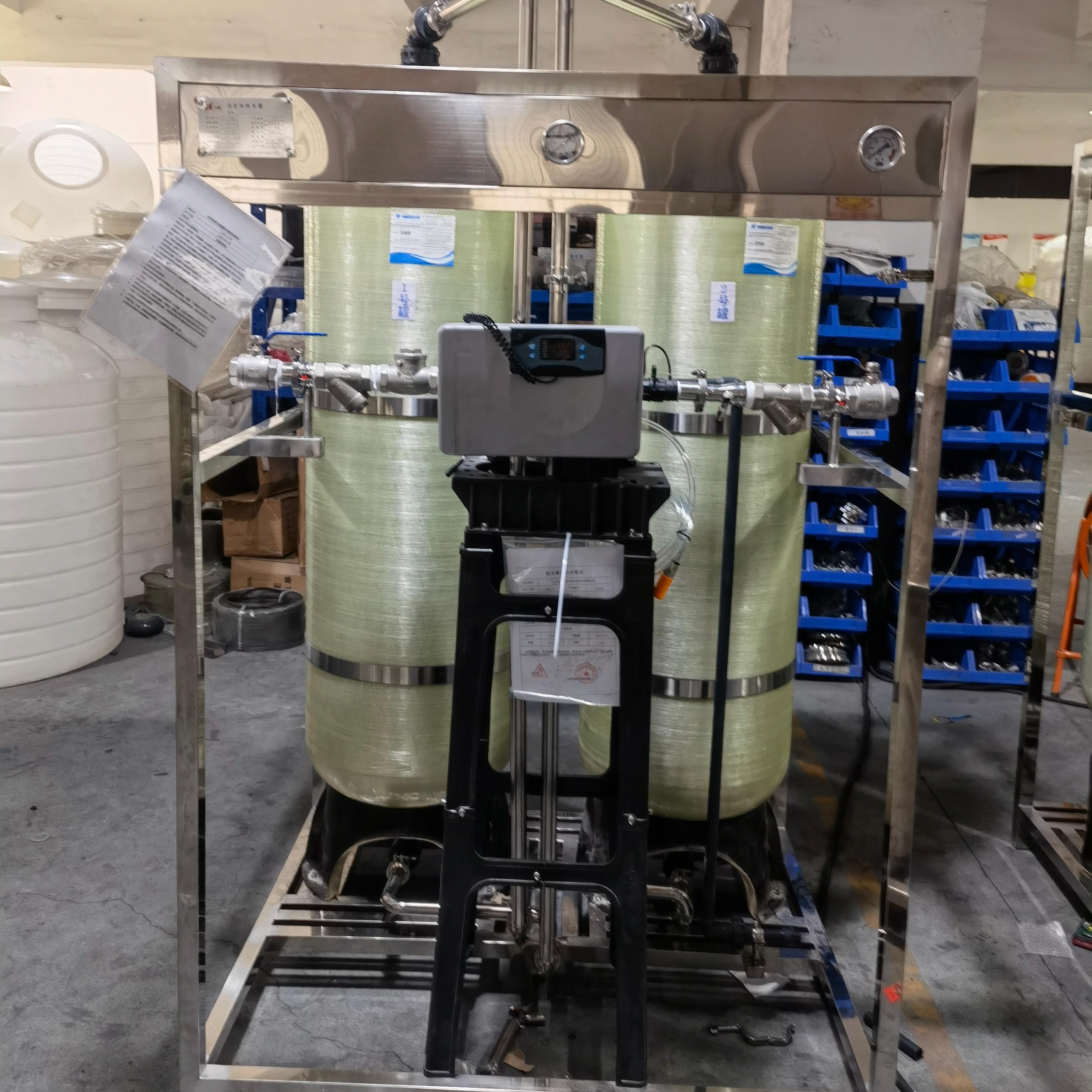
5-ton single valve dual tank, one for use and one for standby is a high-efficiency equipment designed for water treatment. It adopts a single valve du...
See Details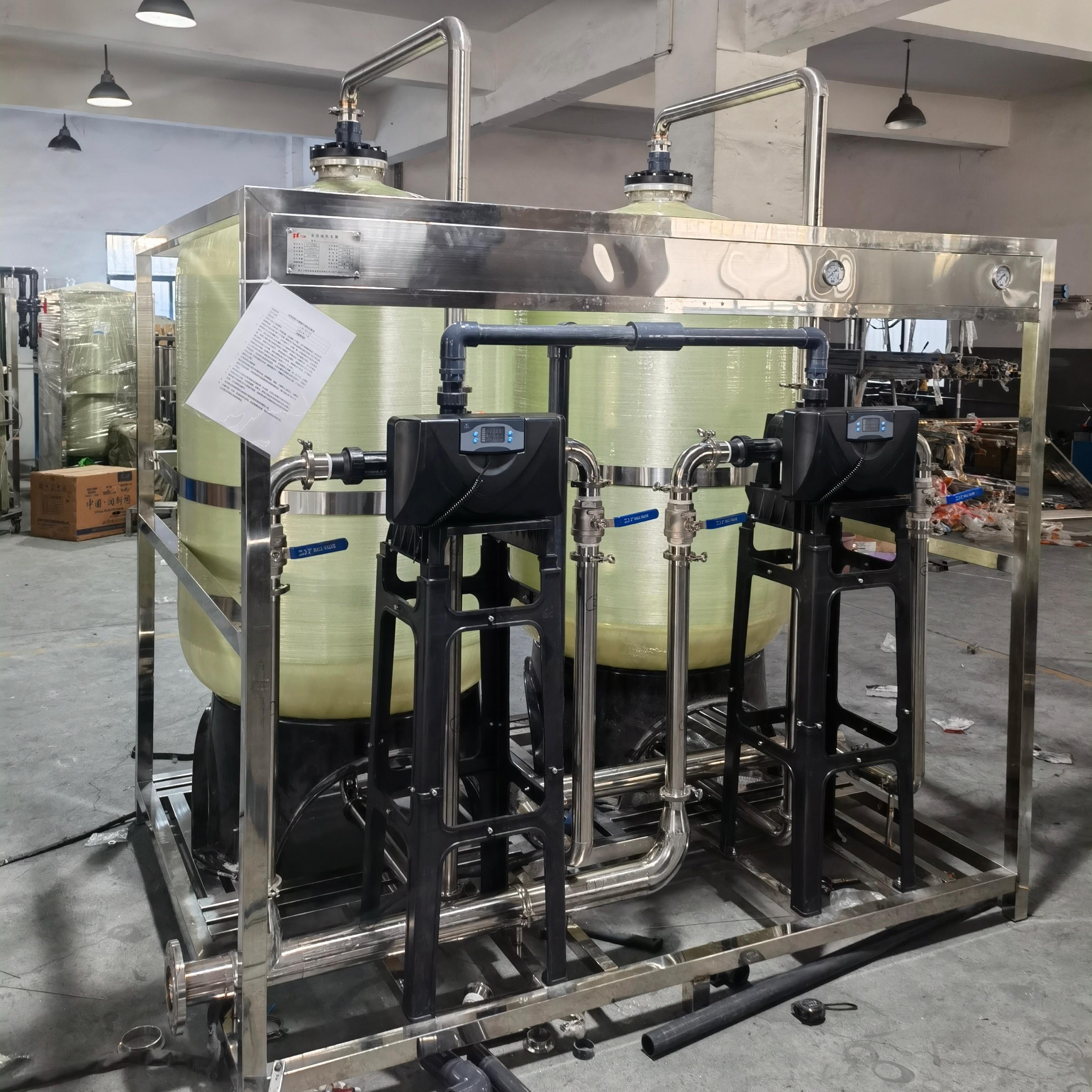
This 20-40 tons double valve double tank continuous water supply stainless steel pipeline equipment is an efficient and stable water treatment system ...
See Details
+86-13396595772
[email protected]
[email protected]
[email protected]
[email protected]
Room 508, Xingyuncheng, No.15 Xingling Street, Xingqiao Street, Linping District, Hangzhou City, Zhejiang Province.
Copyright ©2024 Hangzhou Roushui Environmental Protection Technology Co., Ltd. All Rights Reserved. Custom Industrial Civil Water Treatment Purification Equipment Manufacturers
