
 English
 Español
 عربى
عربىCat:PP Cotton Filter Element
The filter element is a new type of precision filter element, which has the characteristics of small size, large filtering area, high precision, no po...
See DetailsService hotline: +86-13396595772


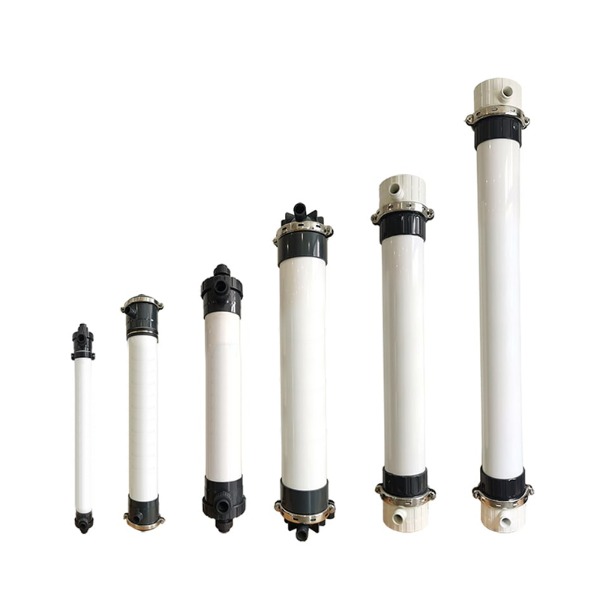
In an era where environmental sustainability is a pressing concern, industries worldwide are striving to reduce their carbon footprint and environmental impact. One area that plays a crucial role in this endeavor is water treatment, where the use of ultrafiltration (UF) membranes is gaining significant attention. UF membranes are integral to various water processing applications, offering highly efficient filtration that contributes to cleaner water and fewer pollutants being released into the environment.
Ultrafiltration membranes are a type of membrane filtration technology that separates particles based on size exclusion. Typically, UF membranes have a pore size ranging from 0.01 to 0.1 microns, which allows them to filter out suspended solids, bacteria, and large molecules while allowing water and smaller dissolved molecules to pass through.
This ability makes UF membranes a choice for water processing, particularly in applications like potable water production, wastewater treatment, and industrial water purification. The membranes’ ability to retain harmful particles and bacteria while allowing clean water to flow through is a fundamental part of their effectiveness in reducing water contamination and pollution.
Energy consumption is a significant concern in water treatment processes, as traditional methods like reverse osmosis and distillation require substantial amounts of energy to operate. UF membranes, on the other hand, are more energy-efficient compared to other filtration methods. The process requires less pressure, which directly translates to lower energy usage. This reduction in energy consumption not only makes UF membrane systems more cost-effective but also reduces their overall environmental impact.
By choosing UF membrane technology, industries can lower their reliance on energy-intensive processes, which helps minimize their carbon footprint and contributes to sustainable water treatment practices.
In conventional water treatment processes, chemicals are often used to help in coagulation, flocculation, and disinfection. However, these chemicals can have negative environmental impacts, particularly when they are discharged into the environment. UF membranes can help reduce the need for these chemicals by providing effective filtration without the need for additional chemical treatments.
This results in a cleaner, less chemically contaminated water output, which significantly reduces the environmental impact of water treatment operations. Moreover, using fewer chemicals also reduces the potential for chemical spills and runoff, contributing to a safer ecosystem.
UF membranes play a vital role in the recycling and reuse of water, especially in industries like agriculture, manufacturing, and food processing. They enable the recovery of water from wastewater, which can then be treated and reused for various purposes. By water reuse, industries can minimize their consumption of fresh water resources, thereby reducing the environmental strain caused by water scarcity.
The ability to recycle water using UF membranes helps reduce the overall demand for water from natural sources and promotes a circular water economy. This contributes to long-term sustainability by ensuring that water is conserved and reused rather than wasted.
One of the significant environmental challenges faced by industries is the treatment and disposal of wastewater. UF membranes help minimize wastewater generation by filtering out contaminants efficiently and reducing the volume of waste produced during the treatment process.
By employing UF membrane technology, industries can achieve a more efficient water treatment process that generates less waste, which reduces pollution and results in a smaller environmental footprint. Moreover, the treated water can be safely returned to natural water sources, further minimizing the ecological impact.
Compared to traditional filtration systems, UF membranes have a longer operational lifespan, which results in reduced maintenance and fewer membrane replacements. This reduces the amount of waste generated by replacing old membranes and helps lower the demand for resources used in manufacturing new membranes.
In addition, UF membranes’ durability contributes to the overall sustainability of water treatment operations. Fewer membrane replacements mean less waste ending up in landfills, contributing to a more eco-friendly water filtration process.
UF membranes are widely used in producing potable water from natural water sources. By removing microorganisms, suspended solids, and other contaminants, UF membranes ensure that the treated water meets safety standards for human consumption. This is particularly important in areas where water quality is a concern, and traditional methods may be inadequate or unsustainable.
In wastewater treatment plants, UF membranes are used to treat sewage and industrial wastewater, allowing for the safe discharge of clean water into natural bodies of water or for reuse in non-potable applications. Their ability to filter out harmful contaminants and pathogens makes them ideal for achieving high water quality standards.
Industries such as food and beverage, pharmaceuticals, and chemical manufacturing rely heavily on UF membranes for water treatment. These membranes help remove contaminants from process water, ensuring that the water used in industrial applications is of the quality and meets the required standards for various processes.
1. What are UF membranes, and how do they work?
UF membranes are a type of filtration technology used in water processing to remove contaminants like bacteria, suspended solids, and large molecules. They work by allowing clean water to pass through their fine pores while trapping harmful particles.
2. How do UF membranes contribute to reducing energy consumption in water treatment?
UF membranes require less pressure to filter water, which reduces the energy needed for operation compared to other filtration methods like reverse osmosis.
3. Can UF membranes reduce the need for chemicals in water treatment?
Yes, UF membranes can significantly reduce the need for chemicals, as they provide efficient filtration without relying on coagulation or flocculation processes.
4. Are UF membranes effective in treating wastewater?
Yes, UF membranes are highly effective in treating wastewater by removing contaminants and allowing the treated water to be safely discharged or reused.
5. How long do UF membranes last, and do they contribute to waste reduction?
UF membranes have a longer lifespan compared to traditional filtration methods, reducing the need for frequent replacements and helping lower the amount of waste generated.
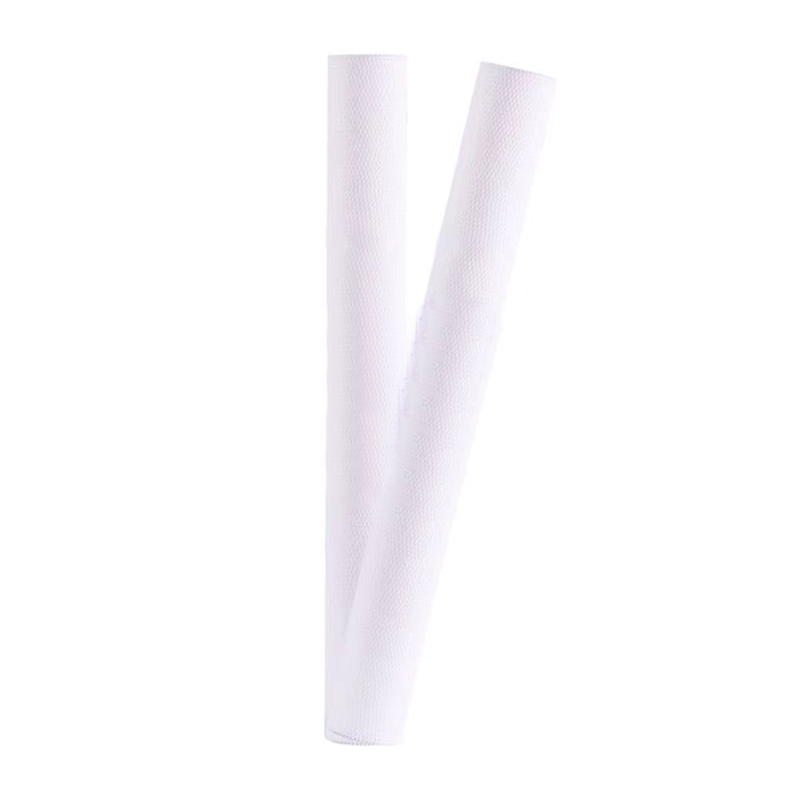
The filter element is a new type of precision filter element, which has the characteristics of small size, large filtering area, high precision, no po...
See Details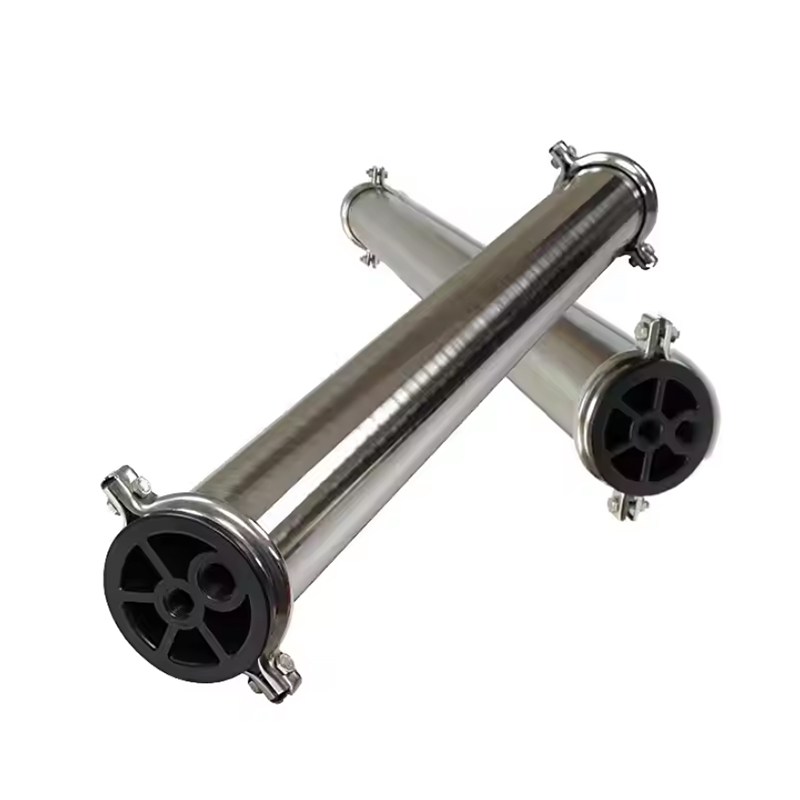
Stainless steel Reverse Osmosis (RO) membrane shells are essential components in water treatment systems, particularly in industrial and commercial ap...
See Details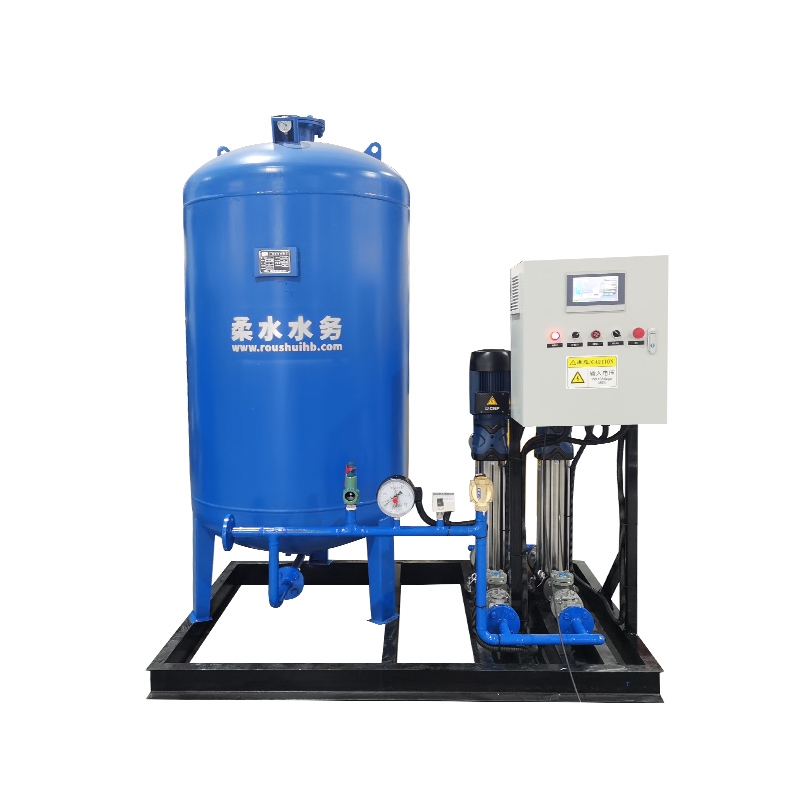
The constant pressure water replenishment device is a device used to maintain the stability of the water system pressure. It is mainly used in systems...
See Details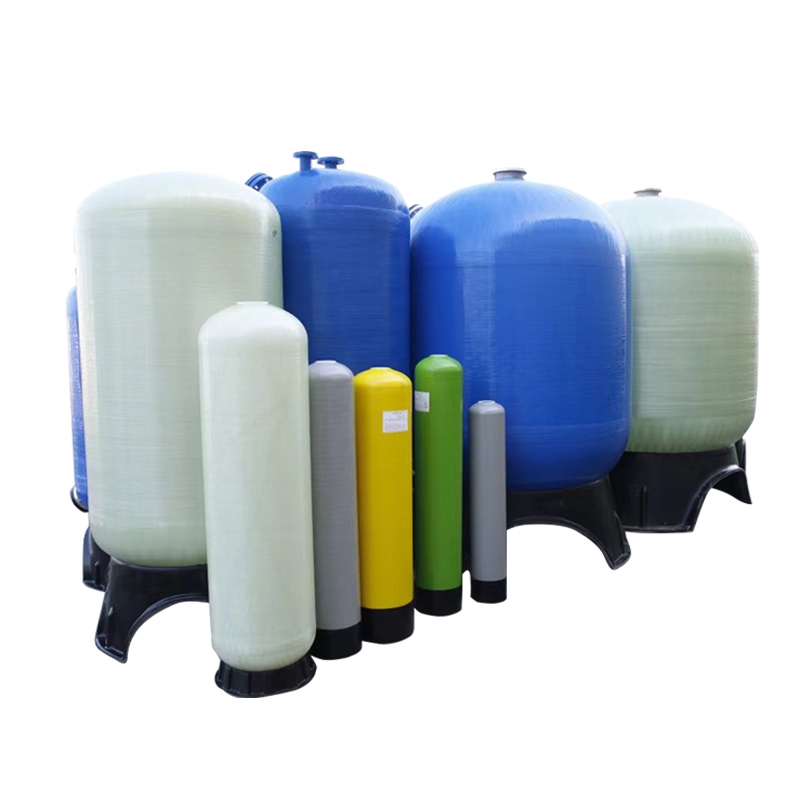
FRP filter tank is a filtering device that uses FRP as the shell material. It is widely used in water treatment, sewage treatment, industrial water tr...
See Details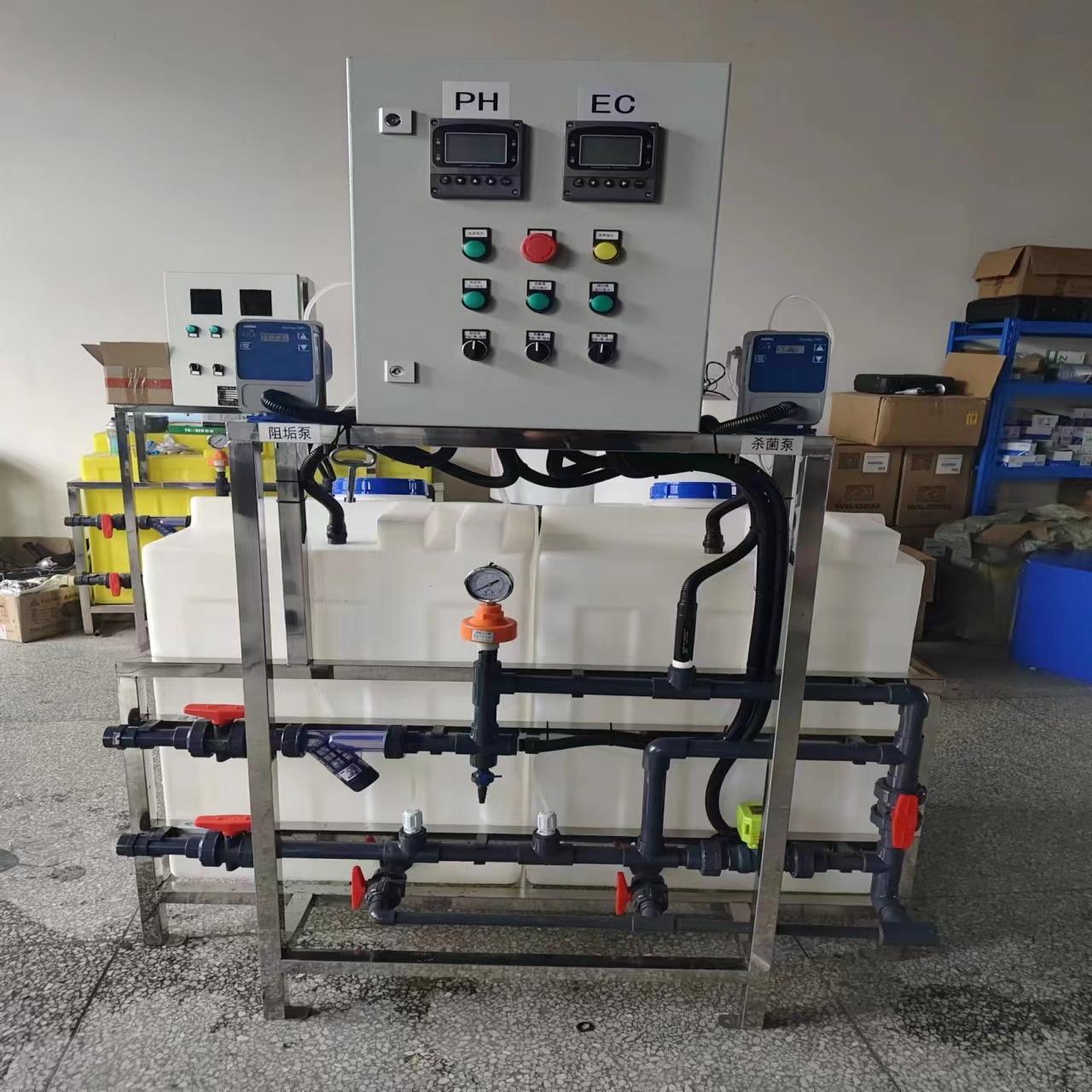
The Sterilization and anti-scaling dosing device is a device designed for water treatment systems for automatic dosing of bactericides and anti-scalin...
See Details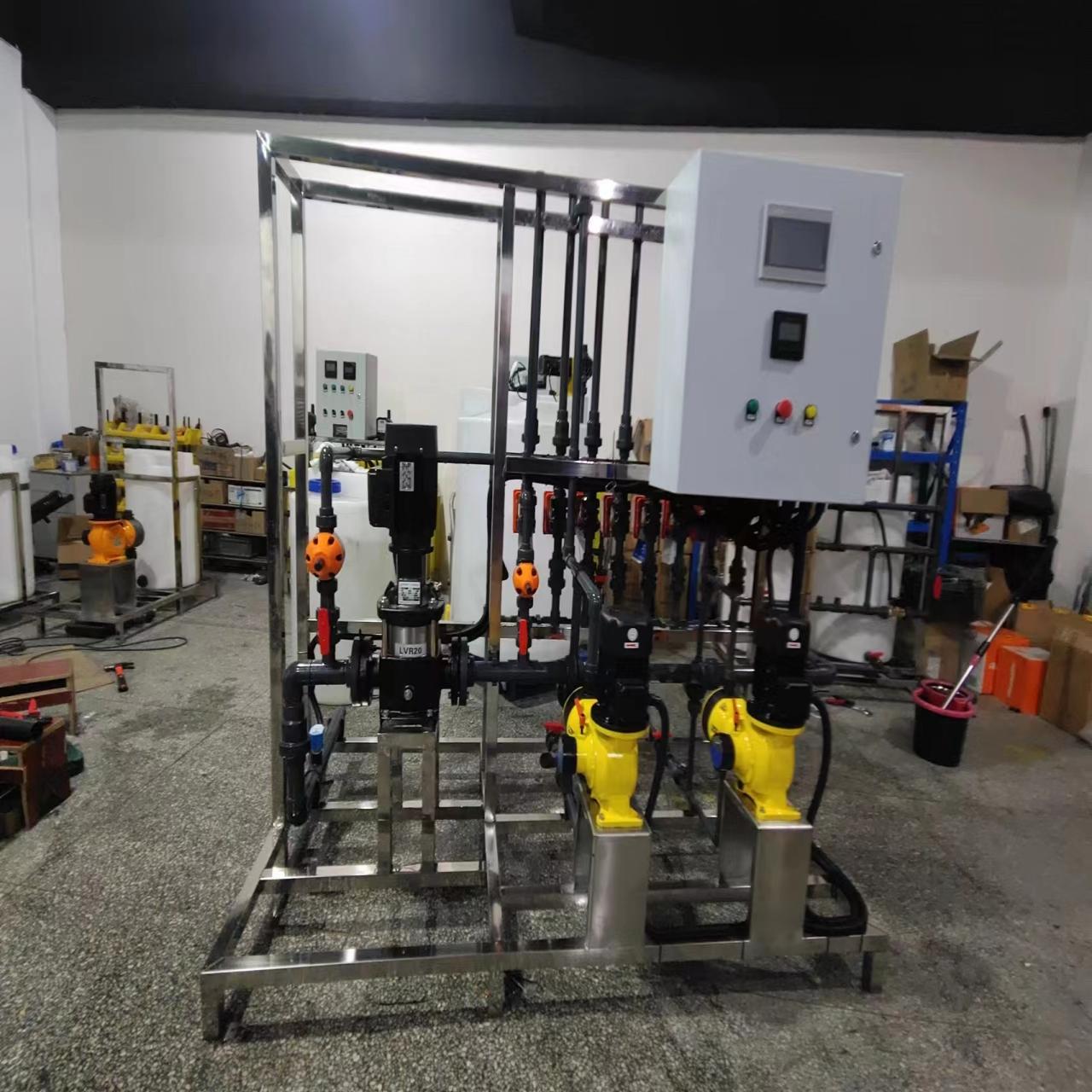
The acid-base neutralization and dosing device is a device used in the fields of industry, environmental protection and water treatment, mainly used t...
See Details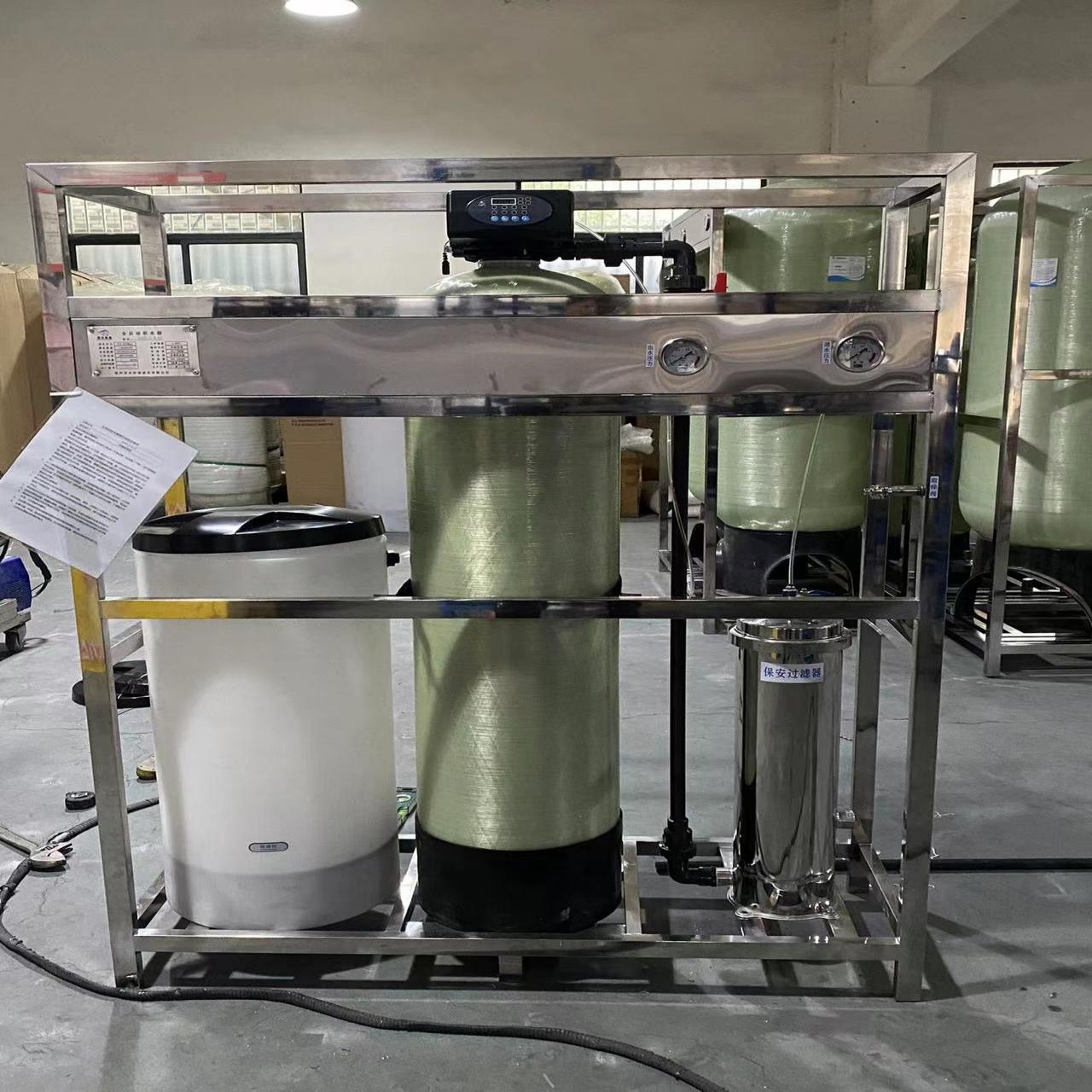
The 2-ton single tank with precision filtration is a device designed for small and medium-sized water treatment needs. It adopts a single tank structu...
See Details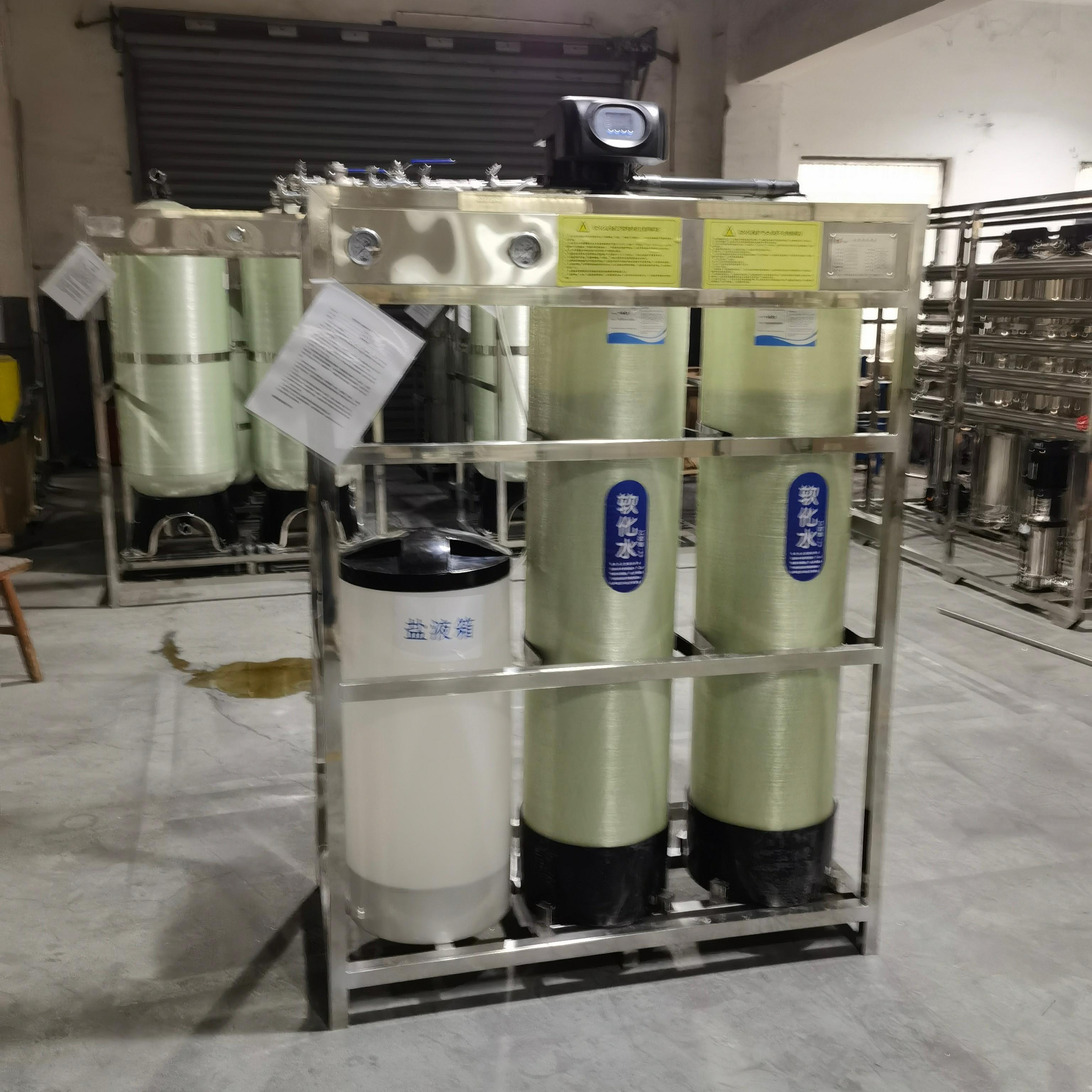
The 3 tons single valve double tank, one for use and one for standby is a high-efficiency water treatment equipment, which adopts a single valve doubl...
See Details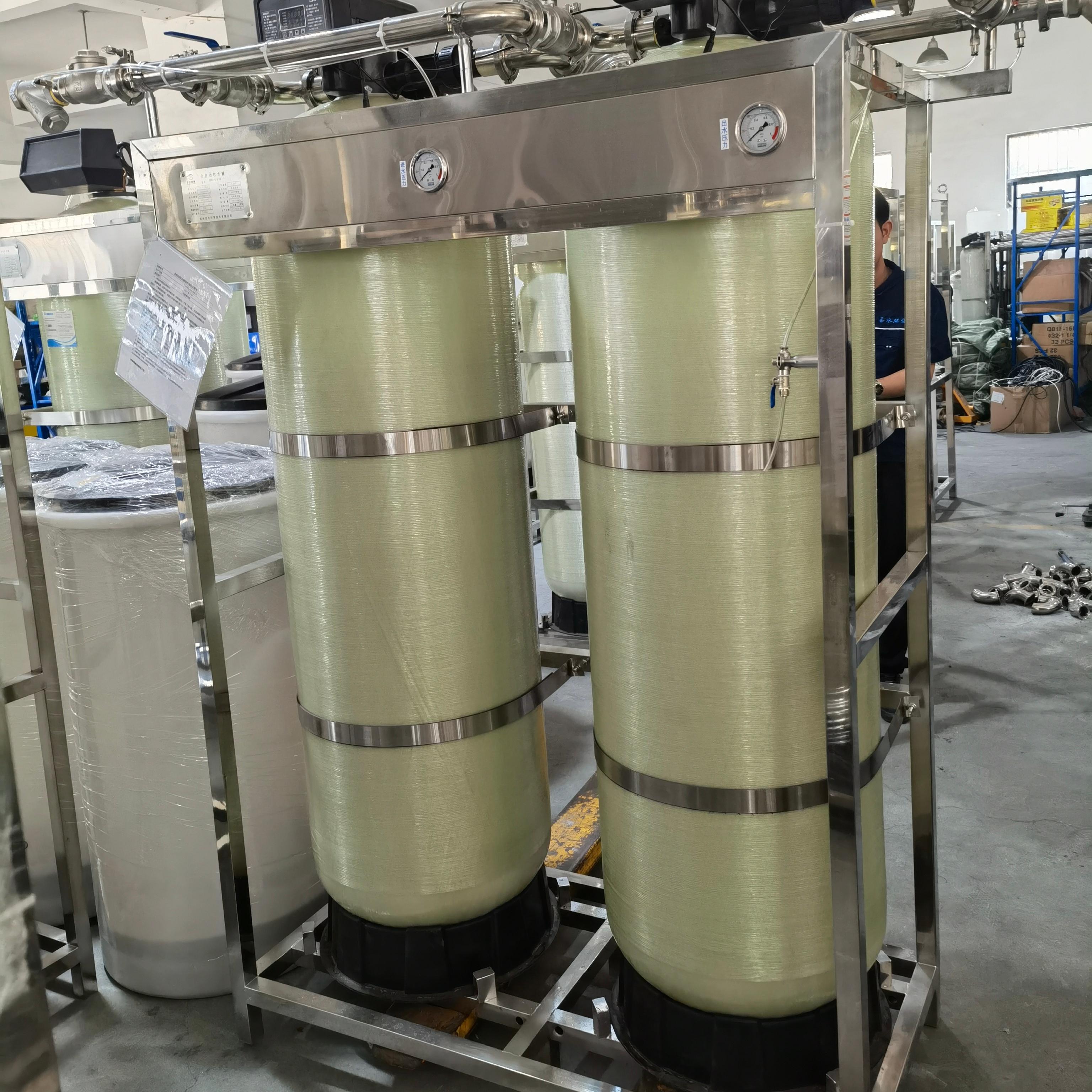
This 6-ton dual-valve dual-tank continuous water supply equipment is designed to provide efficient and stable water treatment solutions. Through the d...
See Details
+86-13396595772
[email protected]
[email protected]
[email protected]
[email protected]
Room 508, Xingyuncheng, No.15 Xingling Street, Xingqiao Street, Linping District, Hangzhou City, Zhejiang Province.
Copyright ©2024 Hangzhou Roushui Environmental Protection Technology Co., Ltd. All Rights Reserved. Custom Industrial Civil Water Treatment Purification Equipment Manufacturers
