
 English
 Español
 عربى
عربىCat:UF Membrane
In the field of industrial water purification, strict quality standards are required. In response to this challenge, a membrane filter with a PVDF str...
See DetailsService hotline: +86-13396595772


Water softener systems are essential for households that experience hard water issues. They help in removing minerals like calcium and magnesium from water, which can cause a variety of problems ranging from scaling on appliances to dry skin and hair. If you’re using an outdated system, it might be time to consider upgrading to ensure performance and efficiency.
Before diving into the reasons for upgrading, it’s essential to understand what water softeners do. Water softener systems typically use ion exchange to replace hard minerals with sodium or potassium ions. They are available in different types, including salt-based, salt-free, and dual-tank systems. Each system has its own set of advantages and limitations depending on your water’s hardness levels and household needs.
Hard water can affect many aspects of daily life. The minerals in hard water can leave behind unsightly stains on clothes, faucets, and bathtubs. They can clog pipes and appliances, reducing their efficiency and lifespan. Over time, the mineral buildup can expensive repairs or replacements. Soft water, on the other hand, offers several advantages:
Older water softeners may become less efficient over time due to wear and tear. Upgrading to a modern system can improve efficiency, reduce salt and water consumption, and ensure a more thorough softening process. Modern systems come with advanced features like:
Although upgrading may involve an initial investment, the savings you can achieve over time outweigh the costs. A more efficient water softener system reduces the need for repairs and replacements of appliances, extends the lifespan of plumbing, and minimizes soap and detergent consumption. Additionally, a well-maintained system ensures that your water bill remains manageable by preventing excessive water usage during regeneration cycles.
Upgrading your water softener ensures that you enjoy consistently soft water. Modern systems provide better filtration and purification options, which can help remove other contaminants such as chlorine, iron, and sediment. With better water quality, you’ll notice improved taste and smell of the water, which is an important factor in everyday living.
Upgrading to a more efficient water softener system not only saves you money but also benefits the environment. Newer systems are designed to use less water and salt, minimizing the waste generated during regeneration cycles. This reduction in resource consumption contributes to a more sustainable water treatment process.
When upgrading your water softener, it’s essential to consider the following features to ensure you make the right choice for your household:
| Feature | Description |
|---|---|
| Salt Efficiency | New systems use less salt per regeneration, saving you money and reducing waste. |
| Flow Rate | Ensure that the system has a sufficient flow rate to meet the needs of your household. |
| Size and Capacity | Choose a system that suits the size of your home and the hardness of your water. |
| Regeneration Process | Look for systems with demand-initiated regeneration that adjusts based on water usage. |
| Filtration | Many upgraded systems include advanced filtration for better water quality. |
| Maintenance Requirements | Some systems are easier to maintain, requiring less frequent salt refills or service. |
When upgrading your water softener system, the following considerations will help you choose the right option:
Upgrading your water softener system can provide numerous benefits, including improved efficiency, reduced maintenance costs, better water quality, and a positive environmental impact. By choosing the right system for your household’s needs, you can enjoy the long-term advantages of softened water, which makes daily tasks easier and protects your home appliances.
Q1: How often should I replace my water softener system?
It depends on the age and condition of your current system. Typically, water softeners last between 10 to 15 years. If your system is showing signs of inefficiency or breakdowns, it may be time to upgrade.
Q2: Can a water softener system improve my skin condition?
Yes, soft water can help reduce skin irritation and dryness that often results from hard water minerals.
Q3: Is a salt-free water softener system effective?
Salt-free systems can be effective in preventing scale buildup, but they don’t technically soften water. If you need to eliminate hard water entirely, a traditional salt-based system may be more suitable.
Q4: How do I maintain my upgraded water softener system?
Routine maintenance includes checking salt levels, cleaning the system, and ensuring proper functioning. Modern systems often require less frequent maintenance.
Q5: Will upgrading my water softener increase my water bill?
No, upgrading to a more efficient system can help reduce water and salt consumption, which results in lower water bills in the long run.
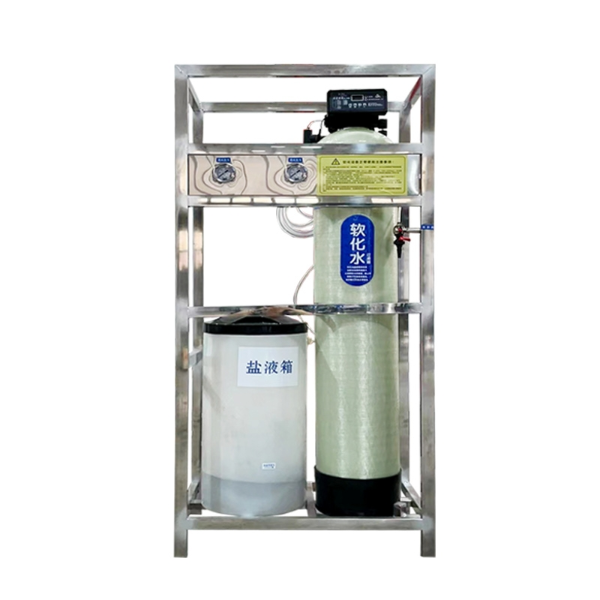
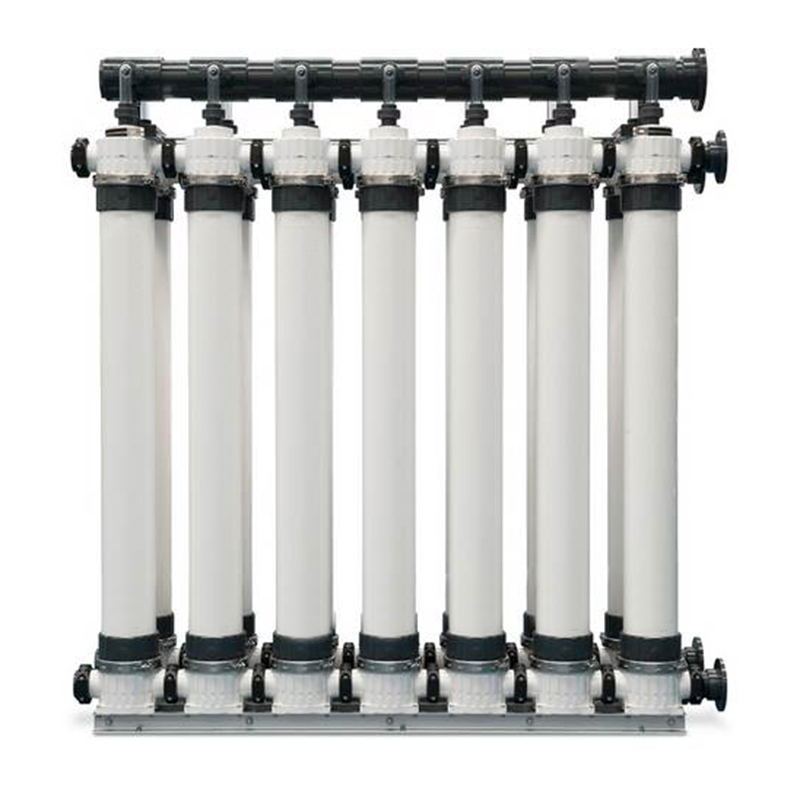
In the field of industrial water purification, strict quality standards are required. In response to this challenge, a membrane filter with a PVDF str...
See Details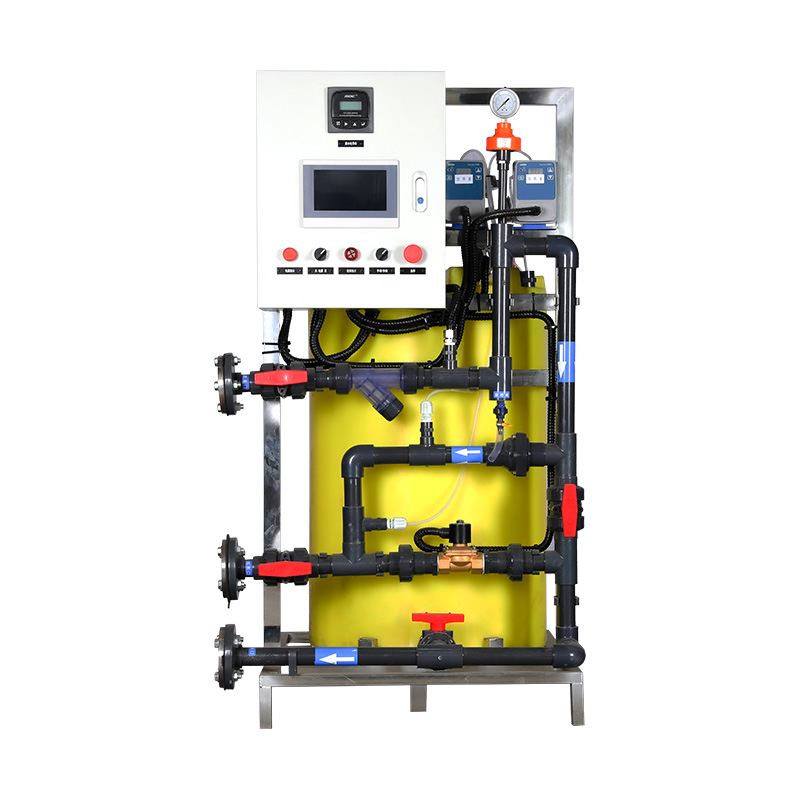
The dosing system is a device that integrates dosing, stirring, liquid transportation, and automatic control. It is mainly used in power plant raw wat...
See Details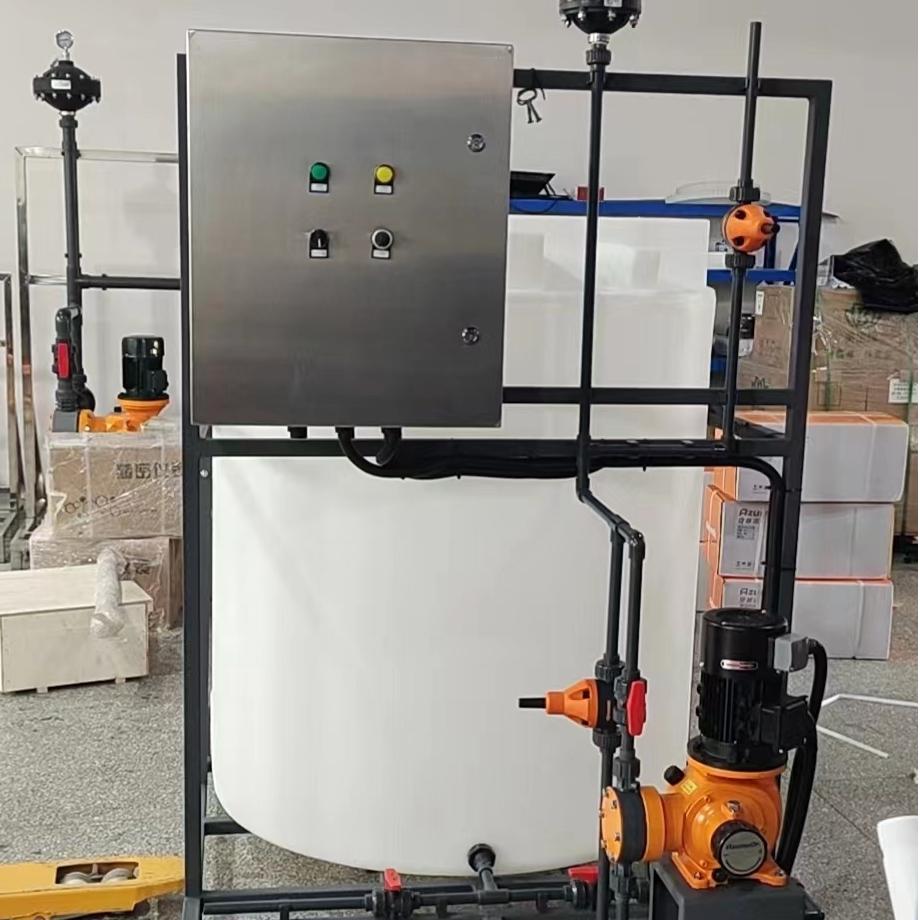
Single pump single barrel dosing device for flocculation is an automatic dosing device used in the water treatment process. It is specially used to ac...
See Details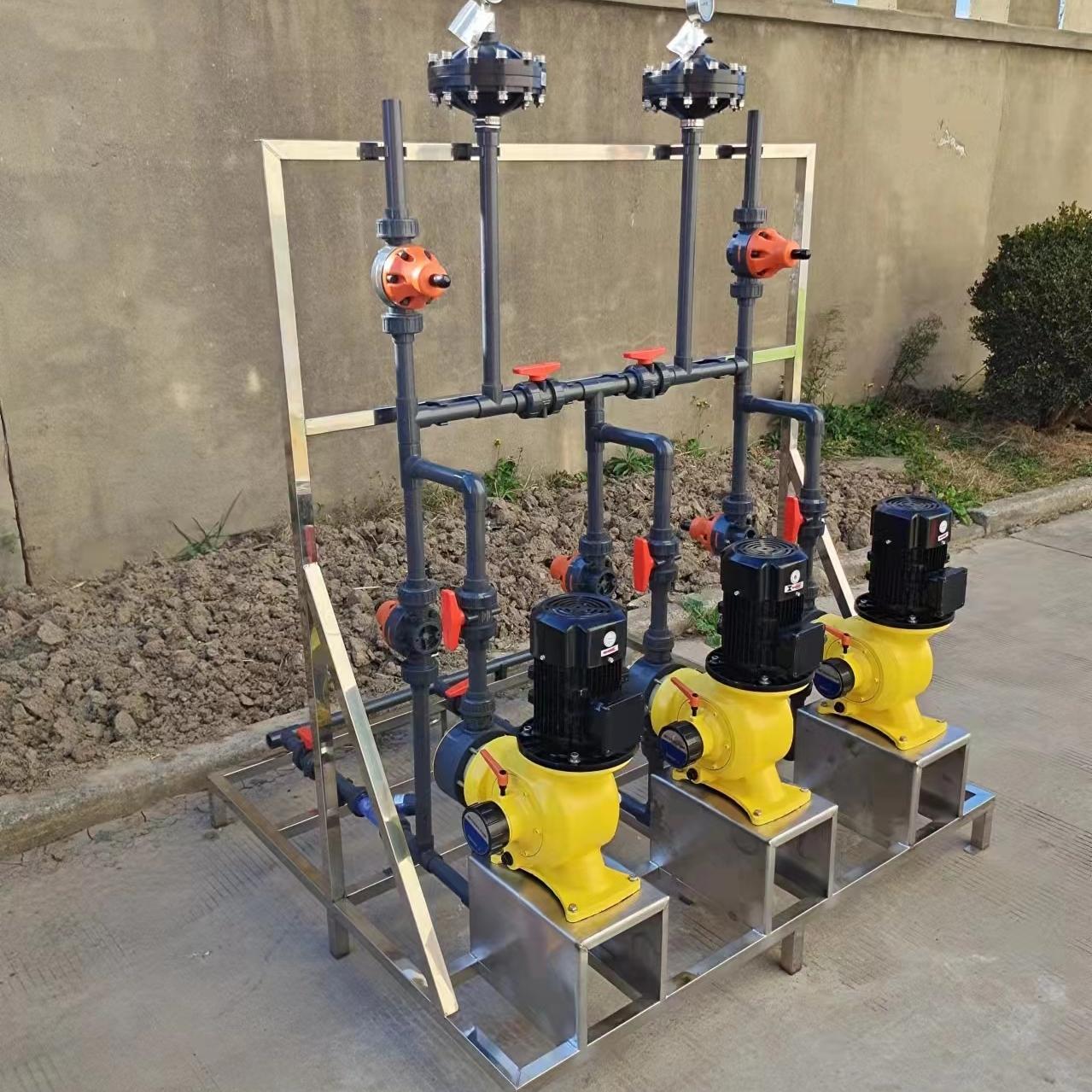
The Two-in-one dosing device for Acid and alkali is a water treatment device that integrates the automatic dosing function of acid and alkaline agents...
See Details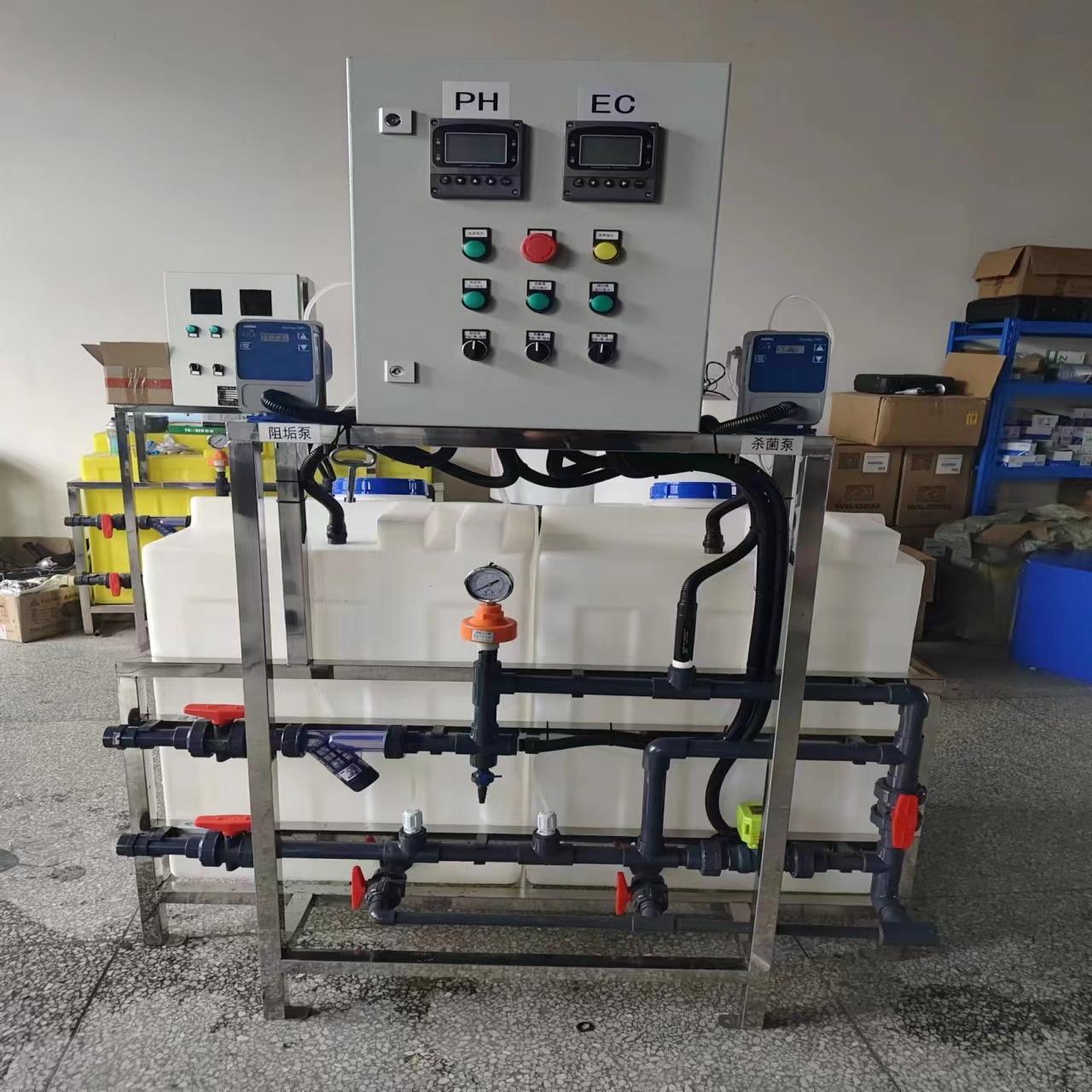
The Sterilization and anti-scaling dosing device is a device designed for water treatment systems for automatic dosing of bactericides and anti-scalin...
See Details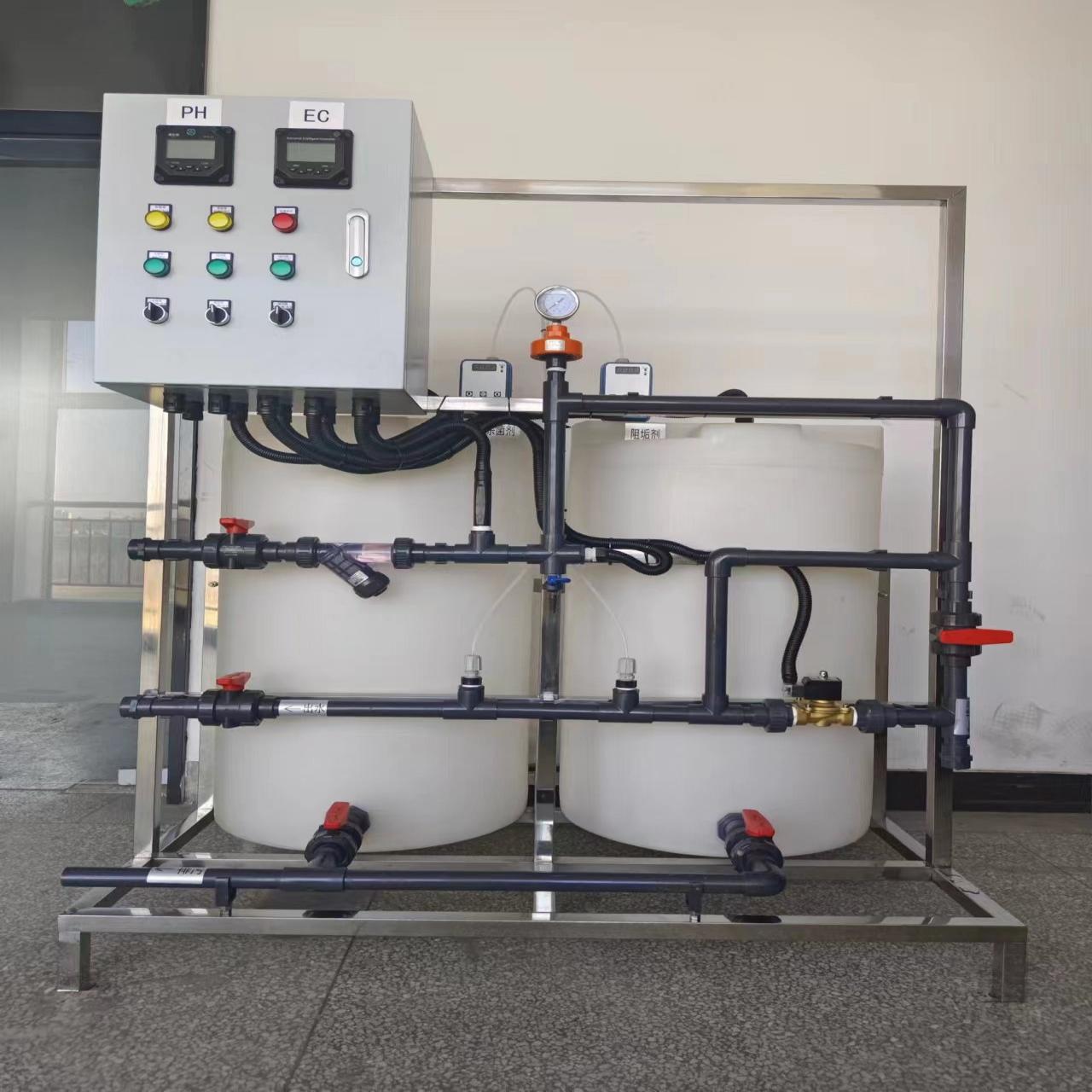
The scale prevention and sterilization double pump double barrel circulating water dosing device is an integrated dosing system equipped with two inde...
See Details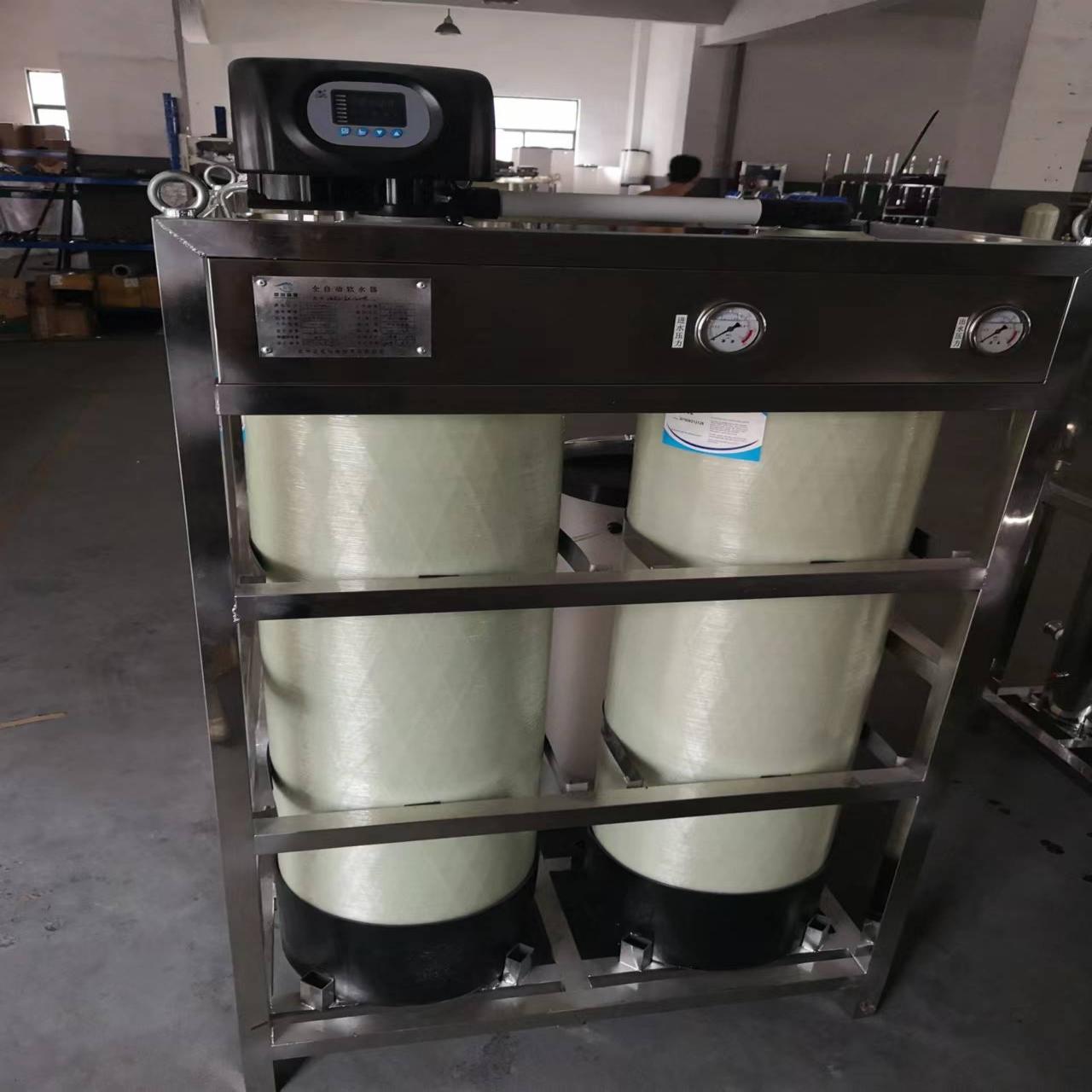
2-ton single valve dual tank, one for use and one for standby is an efficient and stable water treatment equipment. It adopts a single valve dual tank...
See Details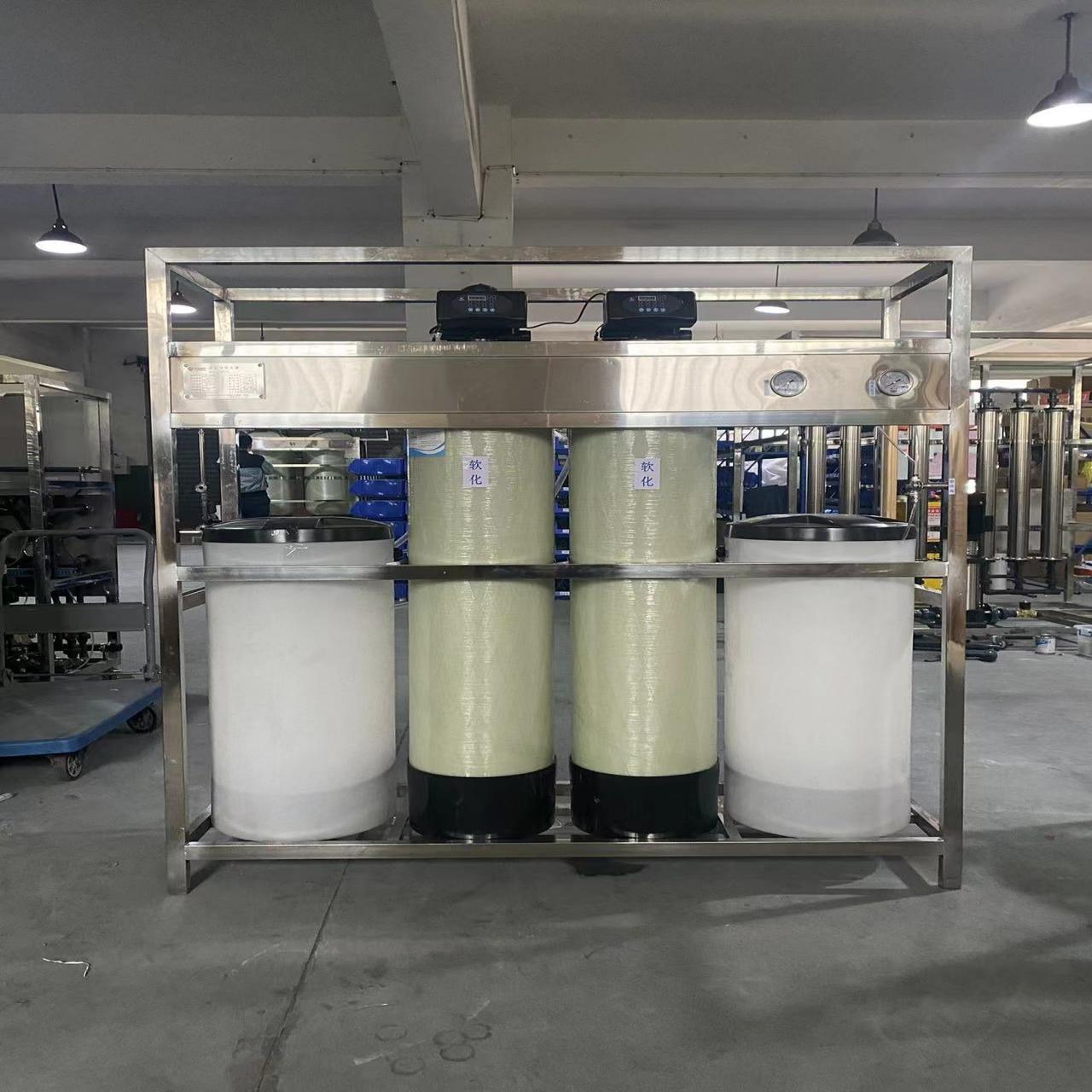
The 2-ton dual-valve dual-tank continuous water supply system is a device for medium-sized water treatment and water supply. It adopts a dual-tank des...
See Details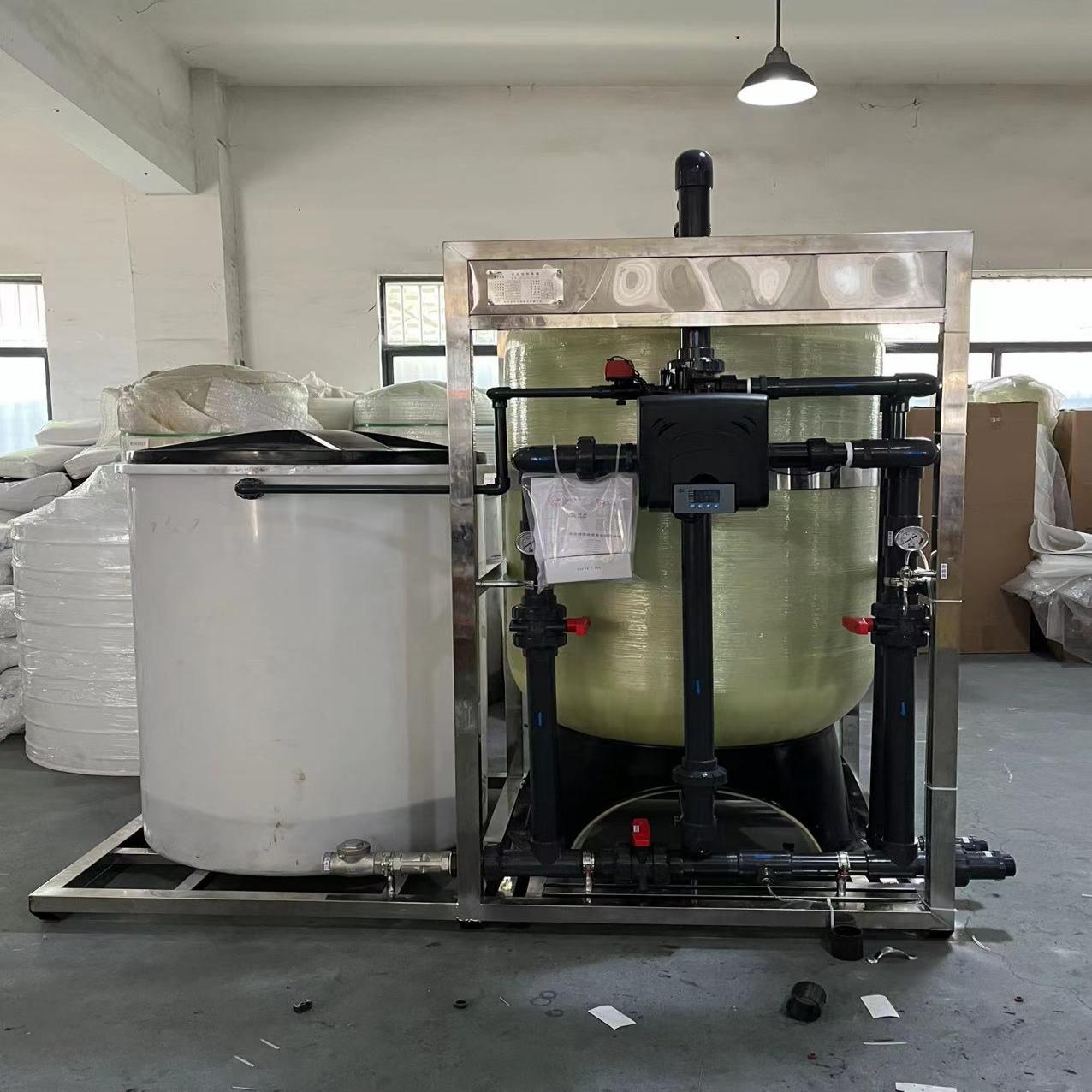
The 15-ton single valve single tank equipment is designed for large-scale water treatment needs and is suitable for places that require large-capacity...
See Details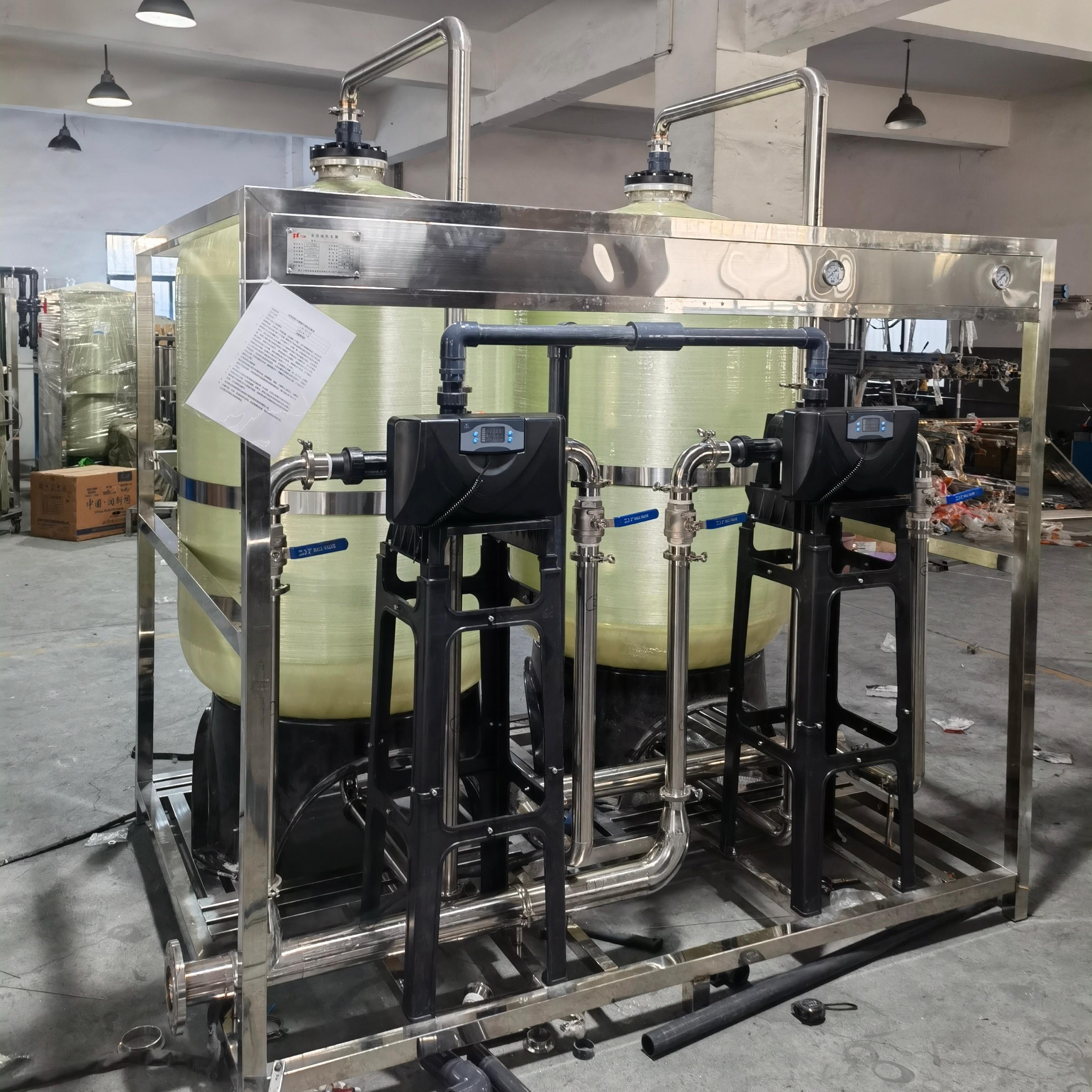
This 20-40 tons double valve double tank continuous water supply stainless steel pipeline equipment is an efficient and stable water treatment system ...
See Details
+86-13396595772
[email protected]
[email protected]
[email protected]
[email protected]
Room 508, Xingyuncheng, No.15 Xingling Street, Xingqiao Street, Linping District, Hangzhou City, Zhejiang Province.
Copyright ©2024 Hangzhou Roushui Environmental Protection Technology Co., Ltd. All Rights Reserved. Custom Industrial Civil Water Treatment Purification Equipment Manufacturers
