
 English
 Español
 عربى
عربىCat:RO Pure Water Systems
The pure water industrial RO water treatment system is an efficient and reliable water treatment equipment specially designed to meet the demand for p...
See DetailsService hotline: +86-13396595772


Water purification is a critical process in industries and communities worldwide. With increasing demands for high-quality water for both industrial applications and safe drinking water, the need for effective and reliable filtration solutions has never been greater. Ultrafiltration (UF) membranes play a crucial role in this field, offering highly efficient filtration that ensures clean, safe, and purified water.
Ultrafiltration membranes are semi-permeable filters that use pressure as the driving force to separate colloidal particles, suspended solids, and macromolecules from water. These membranes have a pore size range of 0.01 to 0.1 microns, making them highly effective in filtering out large particles and microorganisms from water. The key principle behind ultrafiltration is that it allows water molecules to pass through while retaining larger impurities, which makes it a vital component in many water treatment systems.
UF membranes are particularly known for their ability to remove colloidal particles, bacteria, viruses, and other contaminants that could compromise the quality of water. This makes them suitable for a wide range of applications, from industrial wastewater treatment to the production of clean drinking water.
One of the significant benefits of UF membranes is their high filtration efficiency. Their fine pore size allows them to effectively remove a broad spectrum of contaminants, including bacteria, viruses, suspended solids, and large molecules. This high filtration performance is crucial in both industrial water purification and drinking water production, ensuring that the treated water meets the necessary quality standards.
The hollow fiber UF membrane, a type of UF membrane, is known for its high surface area, which enhances filtration efficiency. The fiber structure allows for a larger volume of water to be processed while maintaining high filtration rates. This feature is particularly advantageous in applications that require large-scale water treatment.
When it comes to industrial water purification, one of the biggest challenges is the presence of various pollutants and chemicals in the wastewater. UF membranes, especially those made with PVDF (Polyvinylidene Fluoride) materials, offer chemical resistance. This makes them suitable for treating a wide range of industrial wastewater that contains chemicals, oils, solvents, and other contaminants.
Alloy PVDF gradient hollow fiber UF membranes, in particular, are designed to withstand harsh chemical environments. Their robust structure ensures that they maintain their filtration performance even when exposed to aggressive chemicals, ensuring long-term durability and reliability in industrial applications.
In both industrial and drinking water applications, high throughput and increased processing capacity are essential for efficient water treatment. UF membranes, particularly those with hollow fiber structures, offer a significant advantage in this area. Their high surface area allows for greater filtration capacity, enabling them to process larger volumes of water in less time.
The increased throughput not only optimizes the purification process but also reduces the need for additional filtration units, saving on space, energy, and costs. This is especially beneficial for large-scale industrial applications and municipal drinking water treatment plants that require high-capacity filtration systems.
UF membranes excel at removing fine particles, microorganisms, and dissolved solids from water. Their ability to separate particles based on size ensures that harmful substances, such as bacteria, viruses, and suspended solids, are effectively removed. This makes UF membranes ideal for applications where water purity is critical, such as in drinking water production.
Alloy PVDF gradient hollow fiber UF membranes, with their precisely controlled pore size distribution, offer performance in removing even the smallest contaminants. This ensures that the water treated with these membranes is free from harmful microorganisms, providing safe and clean water for consumption and industrial use.
UF membranes are energy-efficient compared to other filtration technologies. The operating pressure required for ultrafiltration is relatively low, typically ranging from 100 to 1000 kPa. This results in lower energy consumption, making UF membranes a cost-effective solution for water purification.
In addition, UF membranes have a long operational life when properly maintained. Their durability reduces the need for frequent replacements, resulting in long-term cost savings. This is particularly important for industries and municipalities that require continuous, high-quality water treatment without incurring significant maintenance costs.
UF membranes are versatile and can be used in a variety of applications, including:
The versatility of UF membranes makes them a valuable tool in many different sectors, ensuring that clean and safe water is available for various purposes.
The integration of UF membranes into water purification systems significantly improves the efficiency and effectiveness of the treatment process. By providing filtration and reducing the need for chemical treatments, UF membranes ensure that the water is not only clean but also safe for its intended use. In industrial settings, the removal of contaminants helps protect machinery and equipment, while in drinking water systems, the removal of harmful microorganisms ensures public health.
The precise control of pore size in UF membranes, especially in hollow fiber and alloy PVDF gradient hollow fiber configurations, allows for the targeted removal of specific contaminants. This precision makes them an ideal choice for applications that require high-quality water, such as drinking water production and industrial wastewater treatment.
UF membranes, particularly hollow fiber UF membranes and alloy PVDF gradient hollow fiber UF membranes, offer numerous benefits for water purification systems. Their high filtration efficiency, chemical resistance, high throughput, and ability to remove particulates and microorganisms make them an essential tool in both industrial and drinking water applications. With their cost-effectiveness, energy efficiency, and versatility, UF membranes continue to set the standard in water purification technology, ensuring that clean and safe water is available for a wide range of uses.
1. What is a UF membrane, and how does it work?
A UF membrane is a semi-permeable filter that separates colloidal particles and macromolecules from water using pressure. It allows water molecules to pass through while retaining larger impurities.
2. What are the advantages of using hollow fiber UF membranes?
Hollow fiber UF membranes have a high surface area, which increases filtration capacity, allowing for larger volumes of water to be processed efficiently.
3. How does alloy PVDF gradient hollow fiber UF membrane perform in harsh chemical environments?
Alloy PVDF membranes offer chemical resistance, ensuring that they remain durable and effective in treating industrial wastewater that contains chemicals, oils, and solvents.
4. What types of applications are UF membranes used in?
UF membranes are used in industrial water treatment, drinking water production, food and beverage industries, and pharmaceutical applications.
5. Are UF membranes energy-efficient?
Yes, UF membranes require low operating pressures, resulting in reduced energy consumption compared to other filtration technologies.
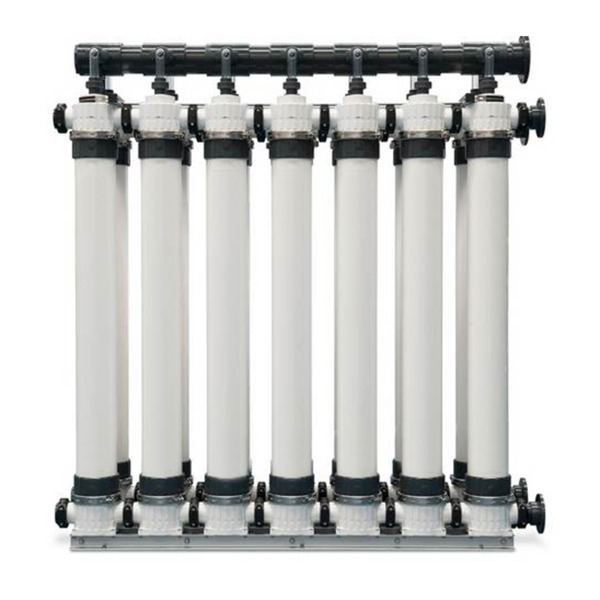
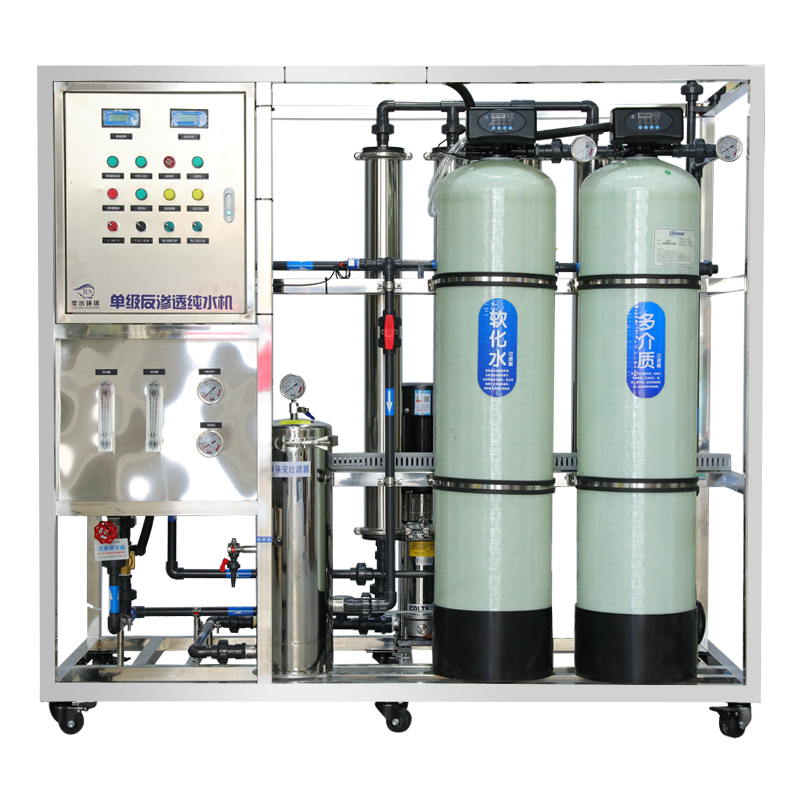
The pure water industrial RO water treatment system is an efficient and reliable water treatment equipment specially designed to meet the demand for p...
See Details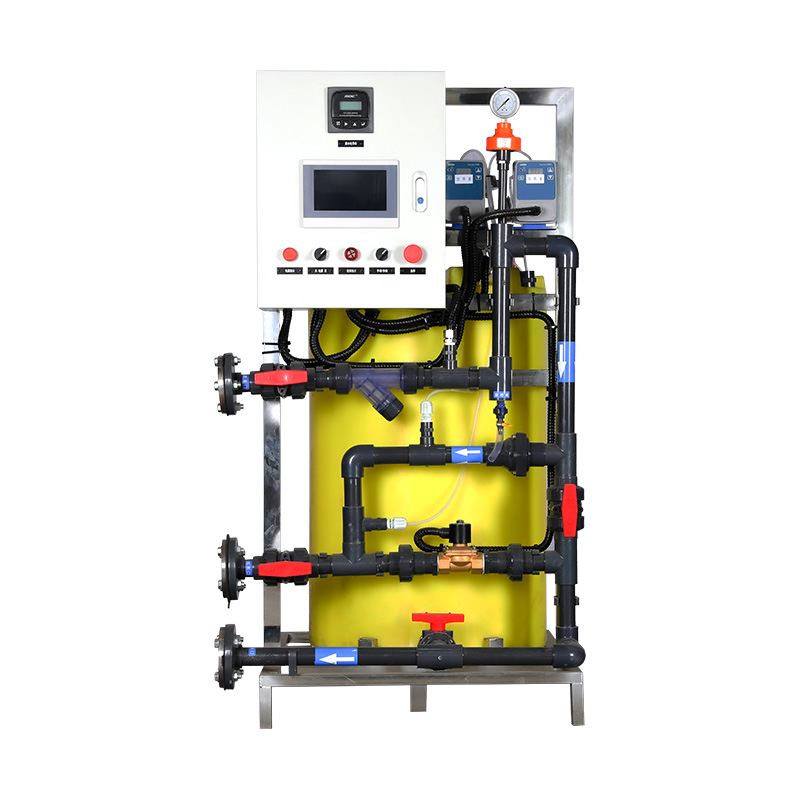
The dosing system is a device that integrates dosing, stirring, liquid transportation, and automatic control. It is mainly used in power plant raw wat...
See Details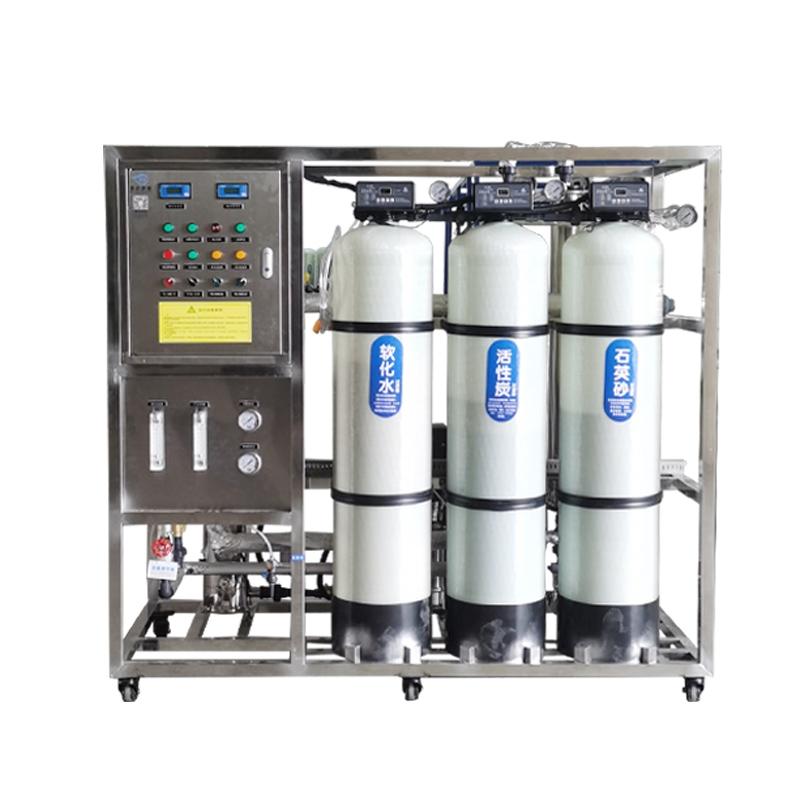
Reverse osmosis (RO) pure water device is a device that uses reverse osmosis technology to treat and purify water. Reverse osmosis technology filters ...
See Details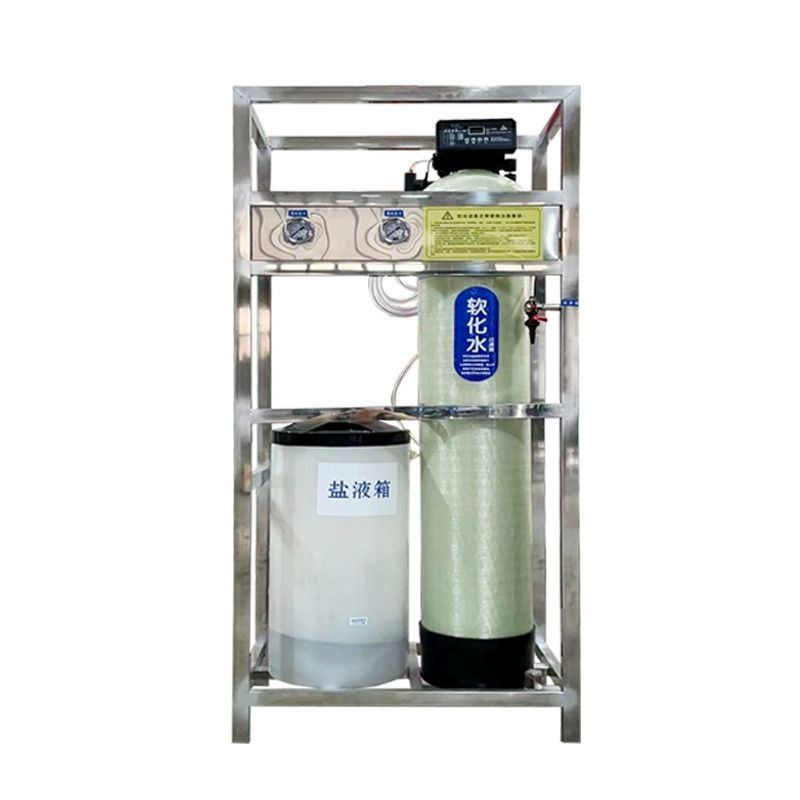
Fully automatic water softening equipment is a kind of equipment used to remove the hardness (mainly calcium and magnesium ions) in water and convert ...
See Details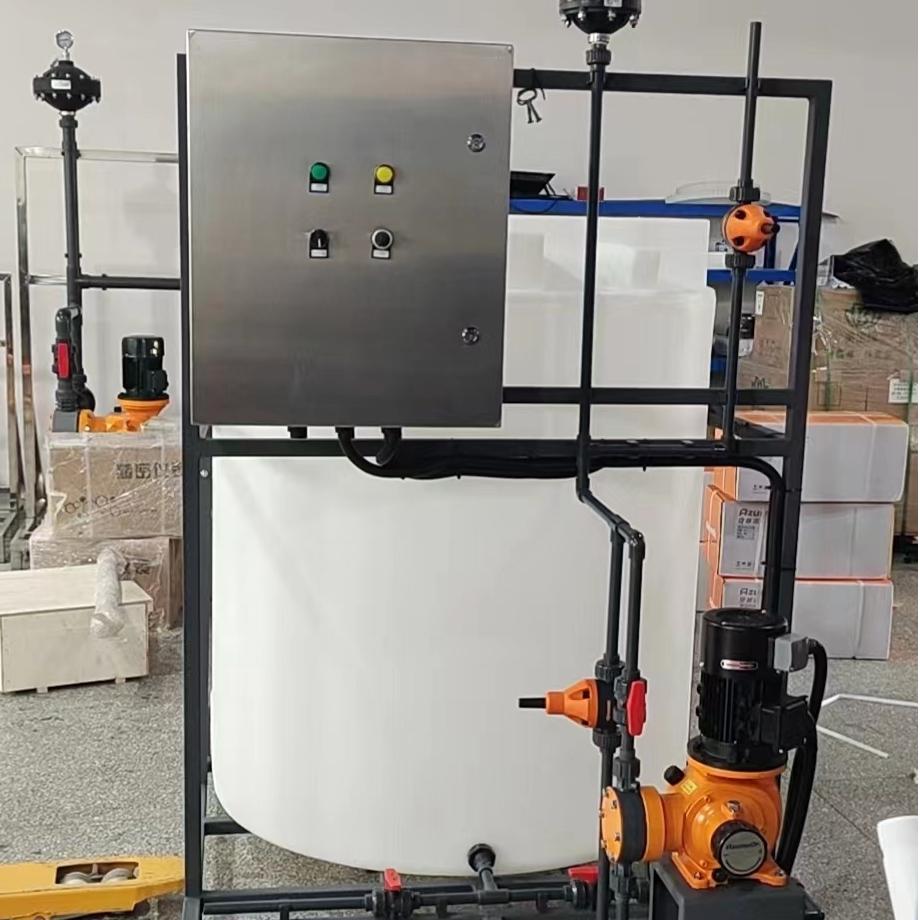
Single pump single barrel dosing device for flocculation is an automatic dosing device used in the water treatment process. It is specially used to ac...
See Details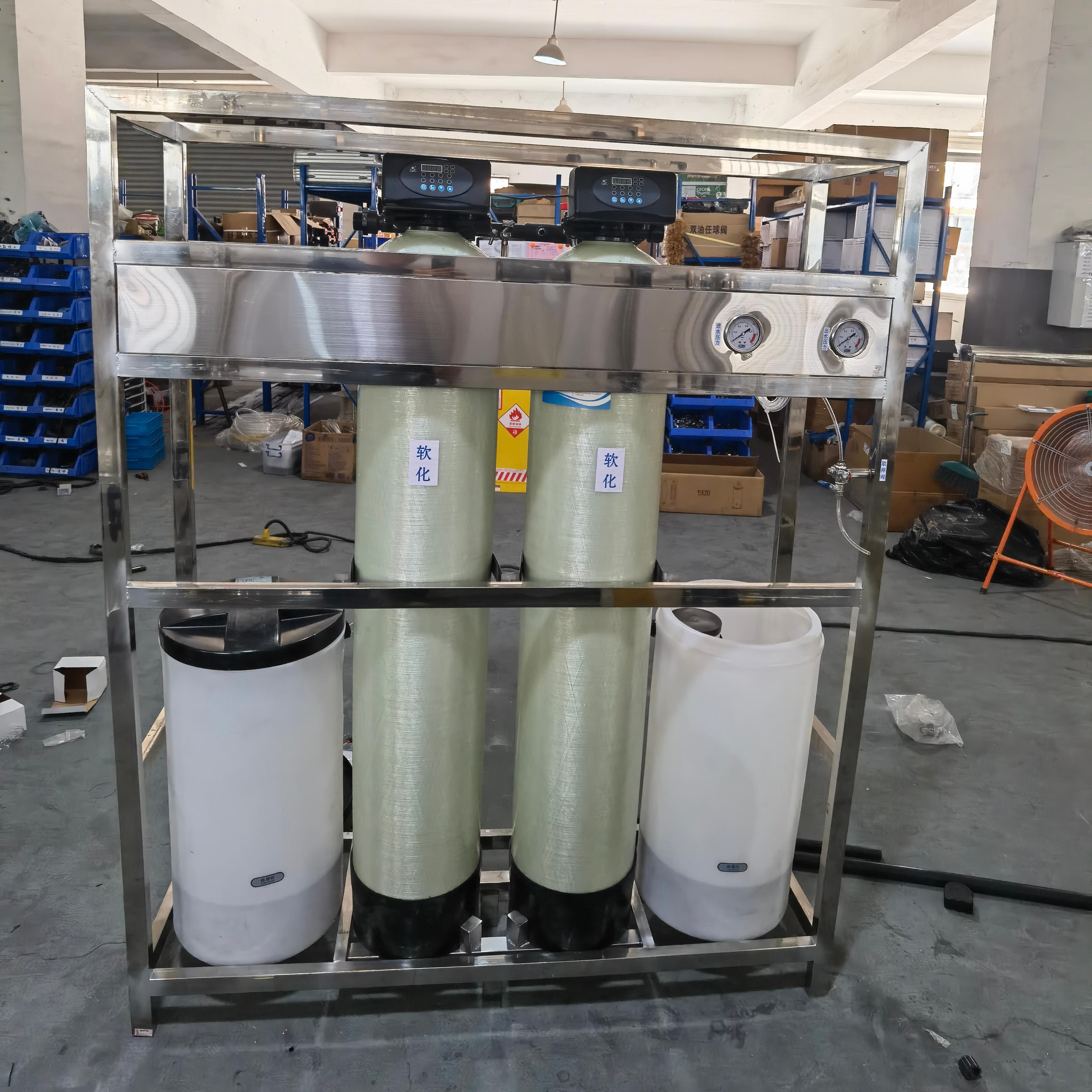
1 ton double valve double tank continuous water supply is an efficient and stable water treatment equipment, widely used in softened water, deminerali...
See Details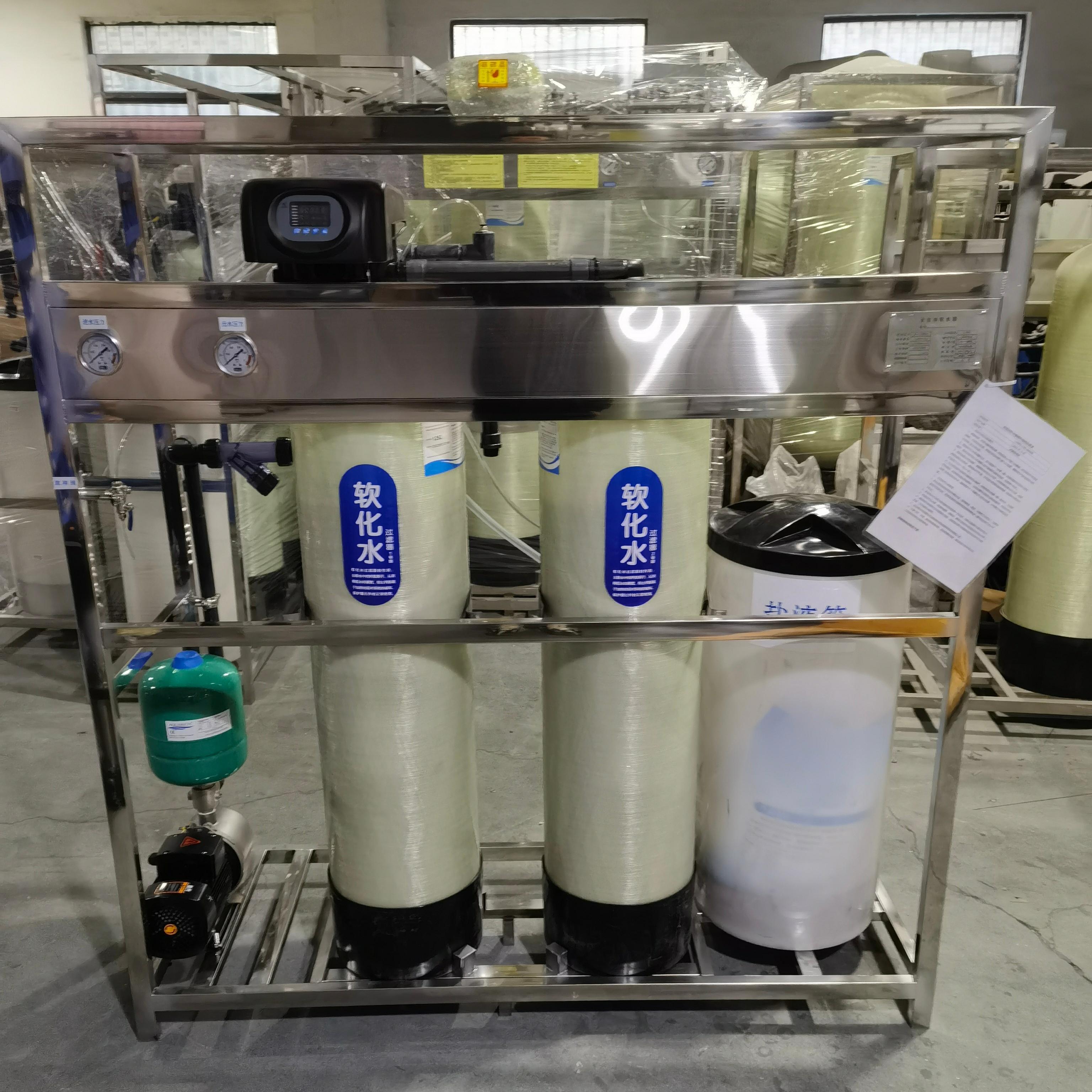
2-ton single valve double tank constant pressure water supply tank, one for use and one for standby is a high-efficiency water treatment equipment, wh...
See Details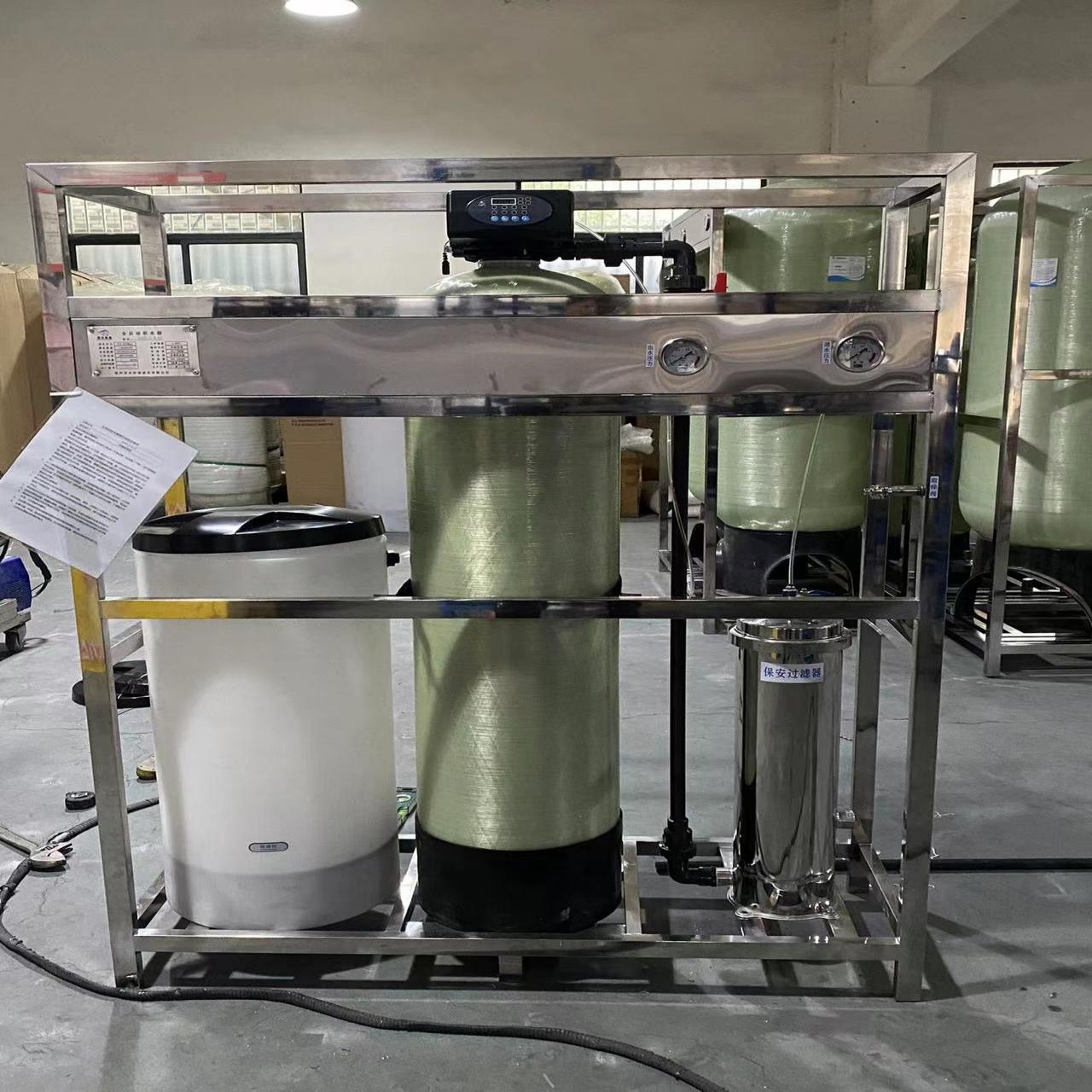
The 2-ton single tank with precision filtration is a device designed for small and medium-sized water treatment needs. It adopts a single tank structu...
See Details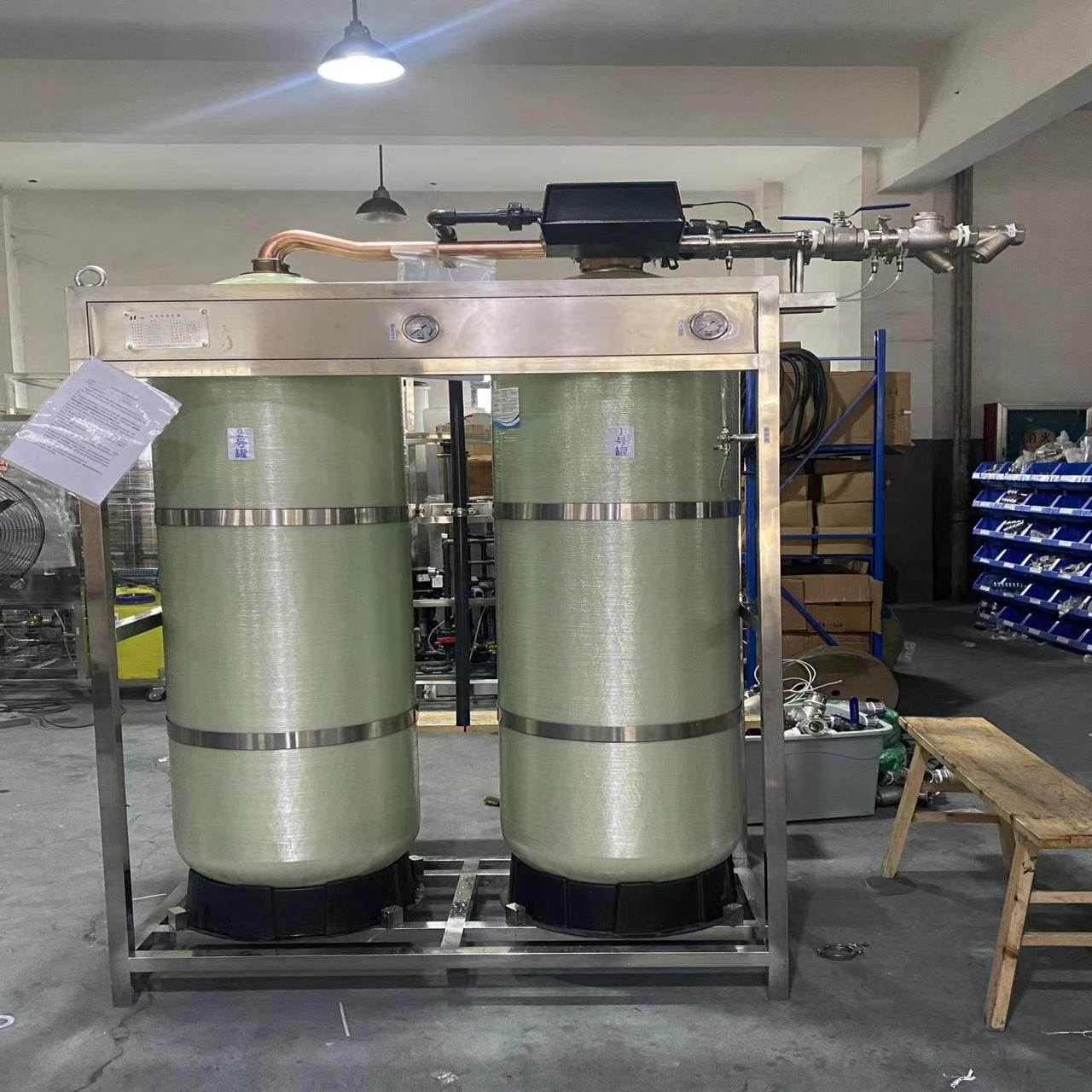
5-6 tons single valve double tank, one for use and one for standby is a device designed for medium and large water treatment systems. It has two indep...
See Details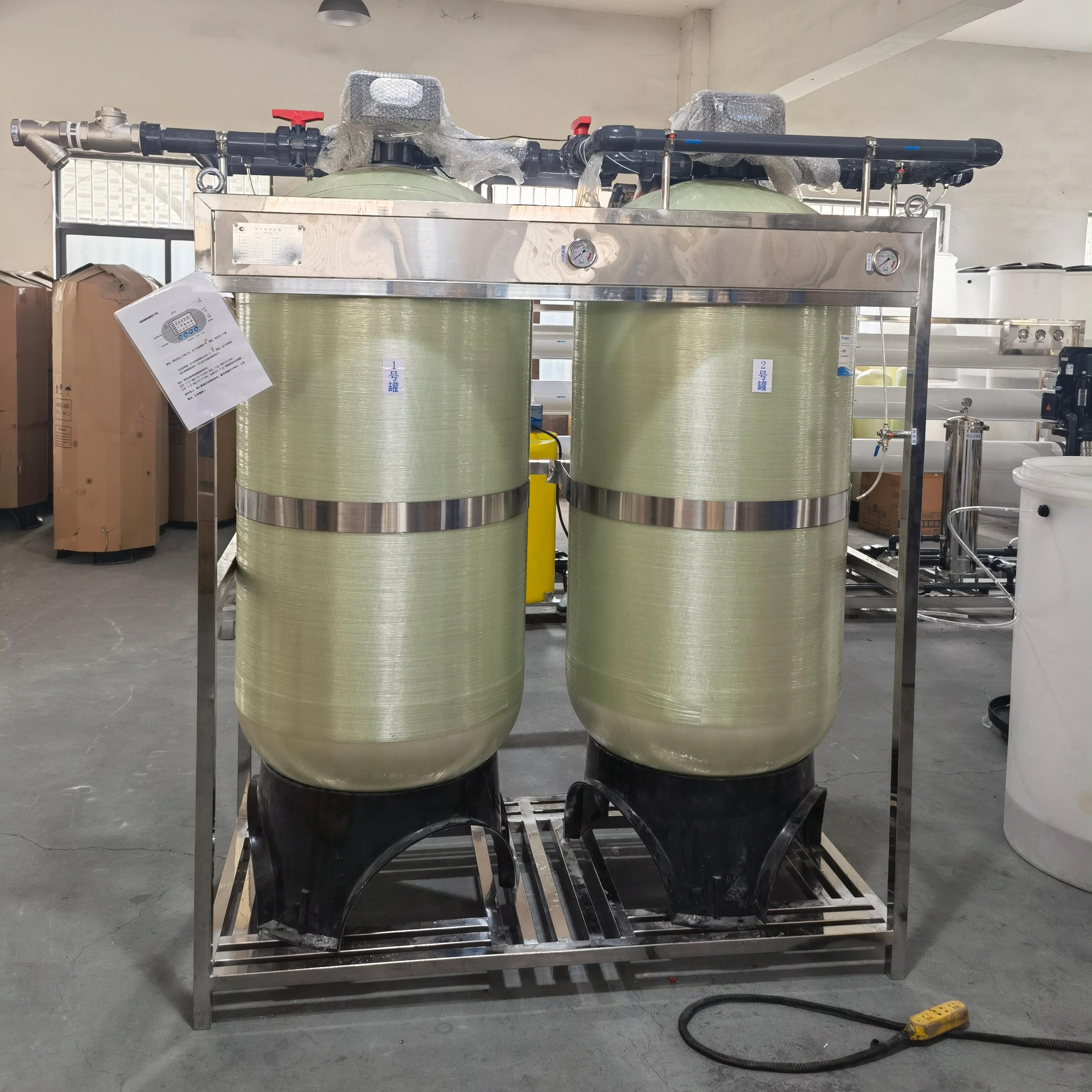
The 10-20 tons double valve double tank continuous water supply system is a high-efficiency equipment suitable for large-scale water treatment project...
See Details
+86-13396595772
[email protected]
[email protected]
[email protected]
[email protected]
Room 508, Xingyuncheng, No.15 Xingling Street, Xingqiao Street, Linping District, Hangzhou City, Zhejiang Province.
Copyright ©2024 Hangzhou Roushui Environmental Protection Technology Co., Ltd. All Rights Reserved. Custom Industrial Civil Water Treatment Purification Equipment Manufacturers
