
 English
 Español
 عربى
عربىCat:FRP RO Membrane Shell
Fiber Reinforced Polymer (FRP) Reverse Osmosis (RO) membrane shells are highly sought-after for water treatment systems operating in corrosive environ...
See DetailsService hotline: +86-13396595772


Water is an essential part of everyday life, and ensuring its quality is crucial for health, taste, and overall well-being. The increasing demand for clean and pure water has led to the widespread adoption of various water filtration systems, among which Reverse Osmosis (RO) pure water systems are considered one of the effective solutions.
A Reverse Osmosis (RO) pure water system is a water filtration process that uses a semi-permeable membrane to remove dissolved ions, particles, and other impurities from water. The system works by applying pressure to water, forcing it through the membrane and leaving contaminants behind. This process helps produce purified water that is free from harmful substances and contaminants, making it safer and more enjoyable to drink.
Key Components of an RO System:
The improvement in water quality provided by an RO system is significant, as it removes a variety of harmful elements and ensures that only pure water remains. Below are the primary ways in which an RO system enhances water quality:
RO systems are effective at eliminating contaminants such as chlorine, fluoride, heavy metals, pesticides, and even dissolved salts. By filtering out these harmful substances, RO systems ensure that the water you consume is safe and healthy.
RO systems also remove harmful microorganisms such as bacteria, viruses, and protozoa. This is particularly important in areas where water contamination is a concern due to inadequate sanitation or poor water treatment infrastructure.
One of the immediate benefits of using an RO pure water system is the improvement in the taste and smell of water. By removing chlorine, sulfur compounds, and other chemical traces, the water becomes more neutral, resulting in a crisp, clean taste.
Water that is free of chemicals, chlorine, and other impurities is noticeably fresher and more pleasant to drink. The following factors contribute to the improvement in taste:
Municipal water supplies often contain chlorine and chloramines, chemicals used to disinfect water. These compounds can leave a harsh, unpleasant taste and smell in the water. RO systems effectively remove these elements, resulting in water that tastes fresh and clean.
Dissolved solids such as salts and minerals can give water a briny or metallic taste. RO systems filter out these dissolved solids, ensuring that the water is smooth and more refreshing.
RO systems also improve the clarity of water by removing particulate matter. Clear, pure water not only looks more appealing but also signals a high-quality product.
Given the significant improvements in water quality and taste, it’s no surprise that RO pure water systems are increasingly popular in homes, offices, and industrial settings. Below are the key advantages of investing in an RO water system:
Drinking purified water can reduce the risk of waterborne diseases and long-term health issues associated with consuming contaminated water. By eliminating harmful bacteria, viruses, and chemicals, RO systems provide safe, healthy drinking water.
While purchasing bottled water can be expensive over time, an RO system provides a cost-effective solution by supplying an unlimited source of pure water directly from the tap.
By reducing the need for bottled water, RO systems help decrease plastic waste, making them a more sustainable option for those concerned about the environment.
RO systems are generally easy to maintain, requiring only occasional filter changes. With proper maintenance, they can last for several years while consistently delivering high-quality water.
| Feature | RO Pure Water System | Other Filtration Systems |
|---|---|---|
| Contaminant Removal | Excellent (removes up to 99%) | Moderate to Good |
| Microbial Removal | Highly effective | Limited effectiveness |
| Taste Improvement | Significant improvement | Mild improvement |
| Cost | Affordable long-term | Varies significantly |
| Environmental Impact | Low (reduced plastic waste) | Depends on type |
| Maintenance | Low (easy filter changes) | Varies (depending on system) |
Despite their numerous benefits, there are several misconceptions about RO systems. Let’s address some of these myths:
While it’s true that RO systems remove minerals, the water produced is still safe to drink. Additionally, many people find that the taste of mineral-free water is superior, and any necessary minerals can be added back into the water after the filtration process.
Modern RO systems are more efficient than ever before. While traditional systems used a lot of water in the filtration process, newer models use less water and offer improved efficiency.
RO pure water systems offer a comprehensive solution for improving water quality and taste. By effectively removing contaminants, improving clarity, and ensuring safe drinking water, these systems provide numerous benefits for households, offices, and industries. Investing in an RO system can enhance the overall quality of your water, making it a refreshing and healthful choice for everyday use.
1. What types of contaminants do RO systems remove?
RO systems remove a wide range of contaminants, including chlorine, fluoride, heavy metals, bacteria, viruses, and dissolved solids.
2. Are RO systems expensive to maintain?
RO systems are relatively low-maintenance, with only occasional filter changes required. The cost of maintaining an RO system is minimal compared to the long-term savings of using bottled water.
3. Can RO water systems improve the taste of tap water?
Yes, RO systems significantly improve the taste by removing chemicals and other impurities that can affect the flavor.
4. Is it necessary to add minerals back into RO water?
While some minerals are removed during the RO process, the water is still safe to drink. If desired, mineral supplements can be added after filtration.
5. How much water is wasted in the RO filtration process?
Newer RO systems are designed to be more efficient, with reduced water waste. The amount of water wasted is considerably lower than older models.
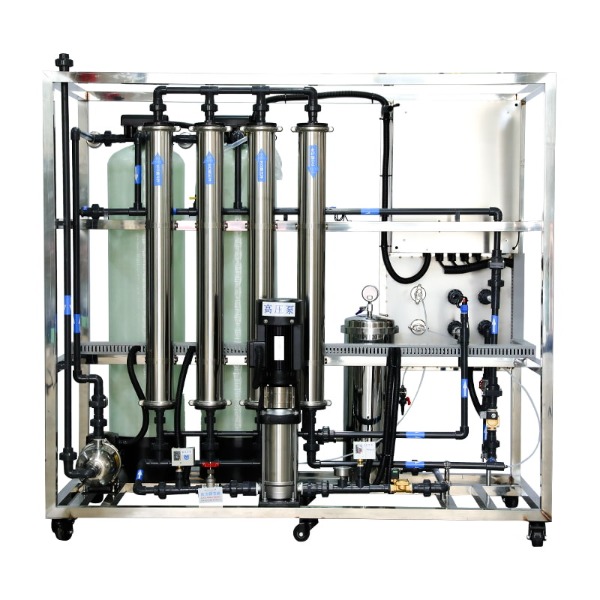
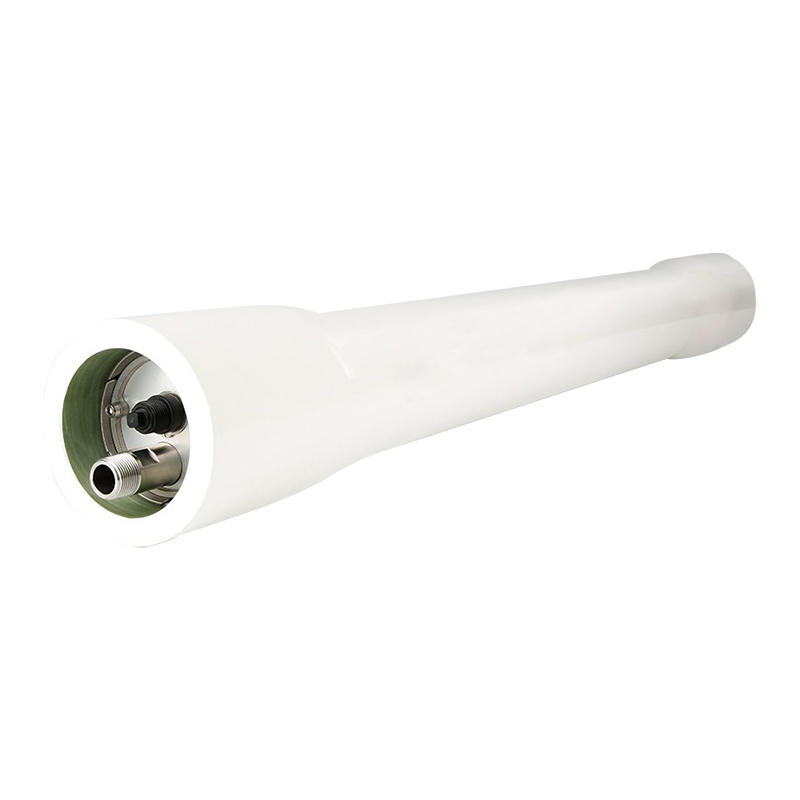
Fiber Reinforced Polymer (FRP) Reverse Osmosis (RO) membrane shells are highly sought-after for water treatment systems operating in corrosive environ...
See Details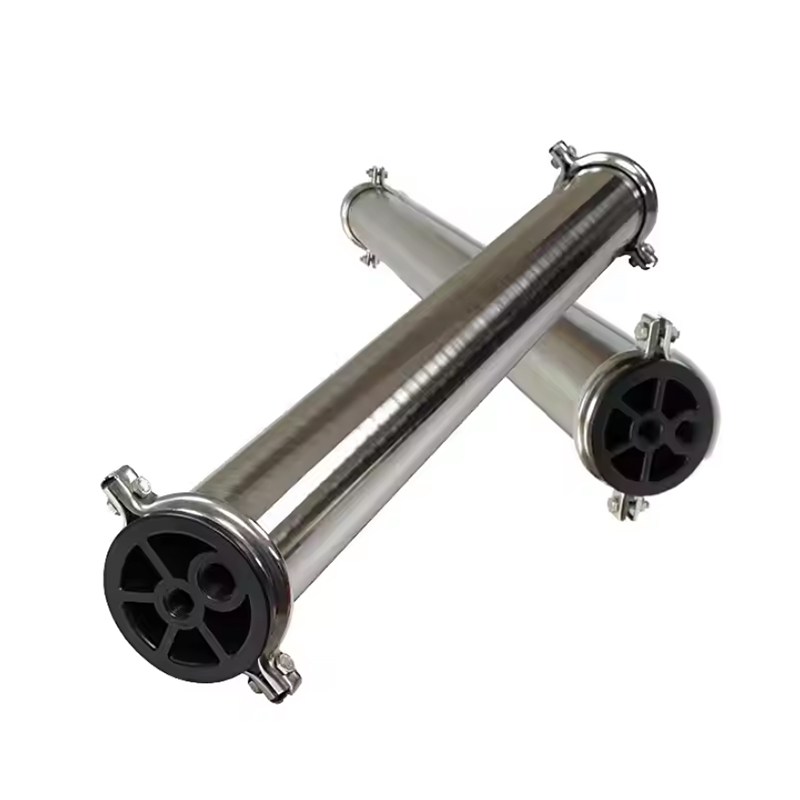
Stainless steel Reverse Osmosis (RO) membrane shells are essential components in water treatment systems, particularly in industrial and commercial ap...
See Details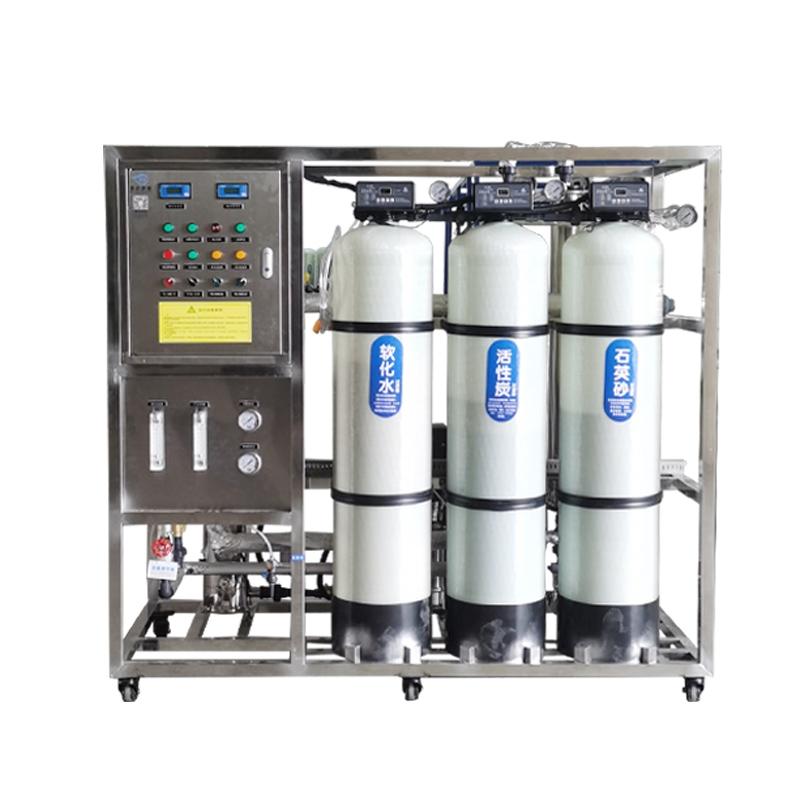
Reverse osmosis (RO) pure water device is a device that uses reverse osmosis technology to treat and purify water. Reverse osmosis technology filters ...
See Details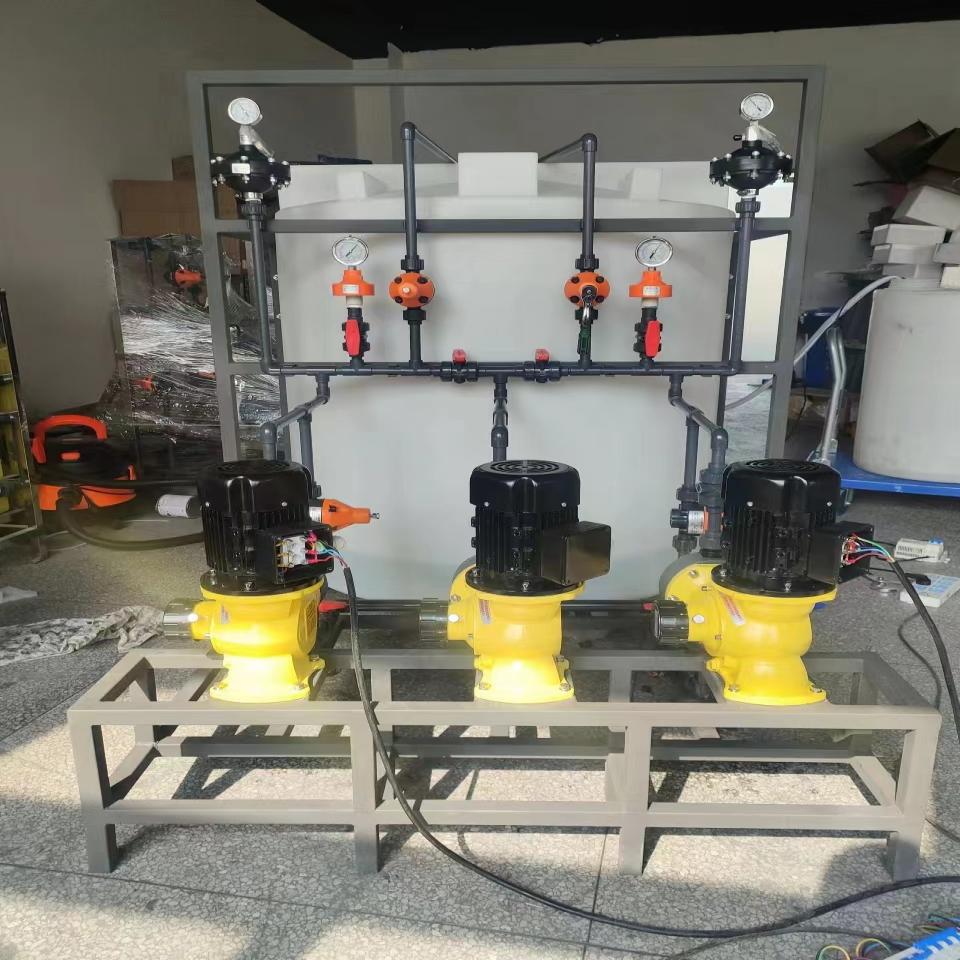
Sterilization, scale prevention, PAC, PAM and other dual-purpose dosing devices is a multifunctional water treatment equipment that integrates the dos...
See Details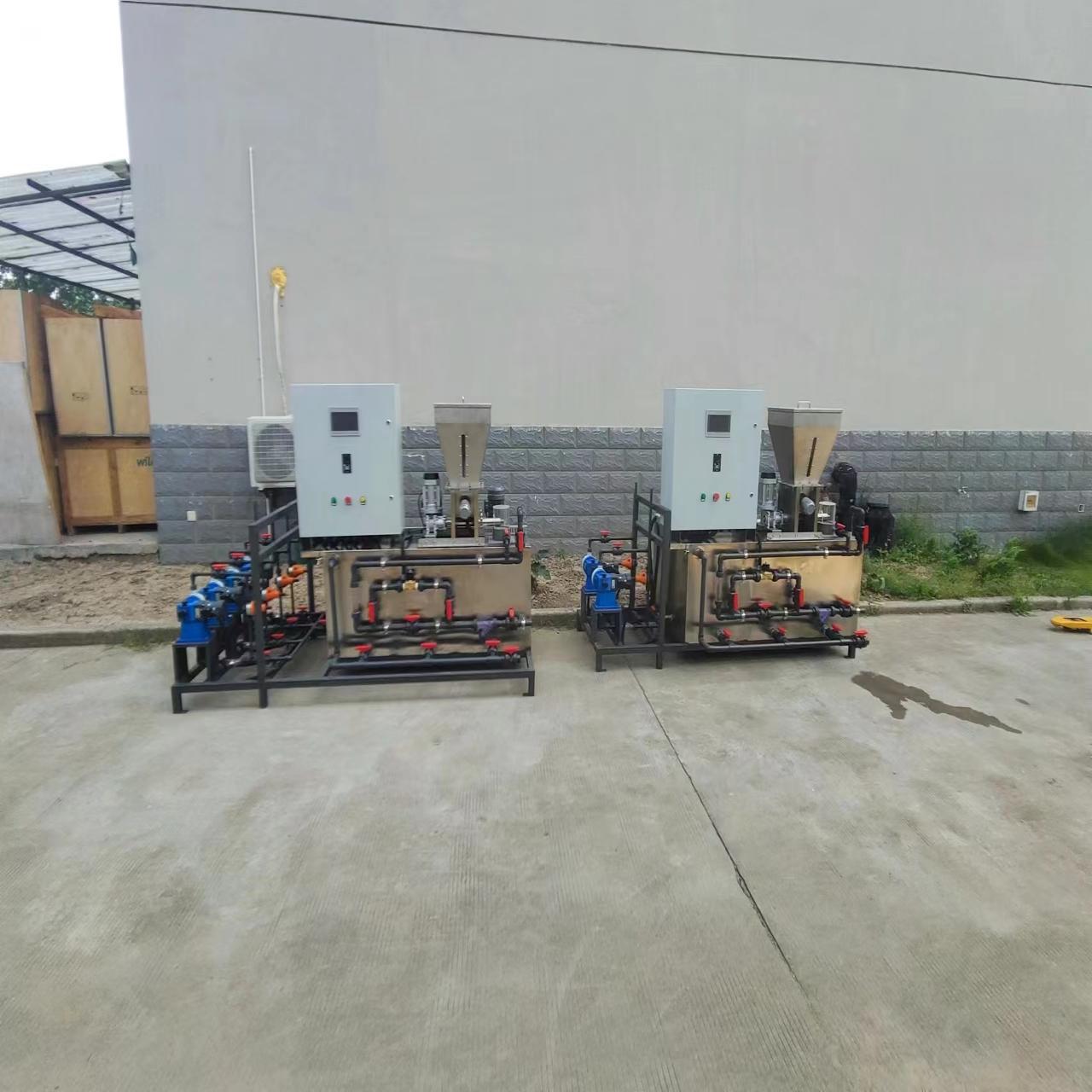
The integrated PAC PAM dosing device is an integrated water treatment equipment, which is specially used for adding agents such as polyaluminium chlor...
See Details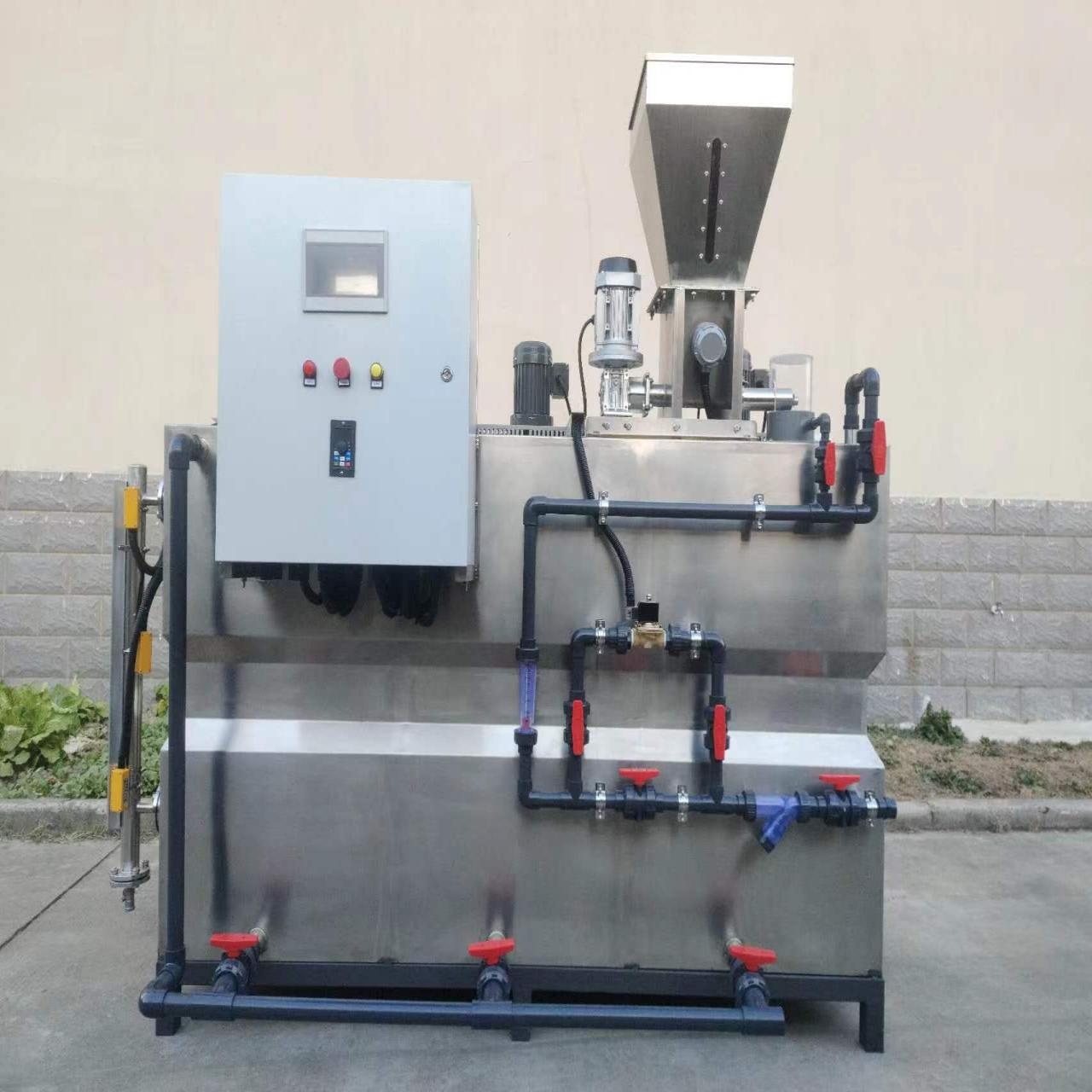
The integrated medicine soaking machine dosing device is a device designed specifically for the water treatment field, mainly used for efficient disso...
See Details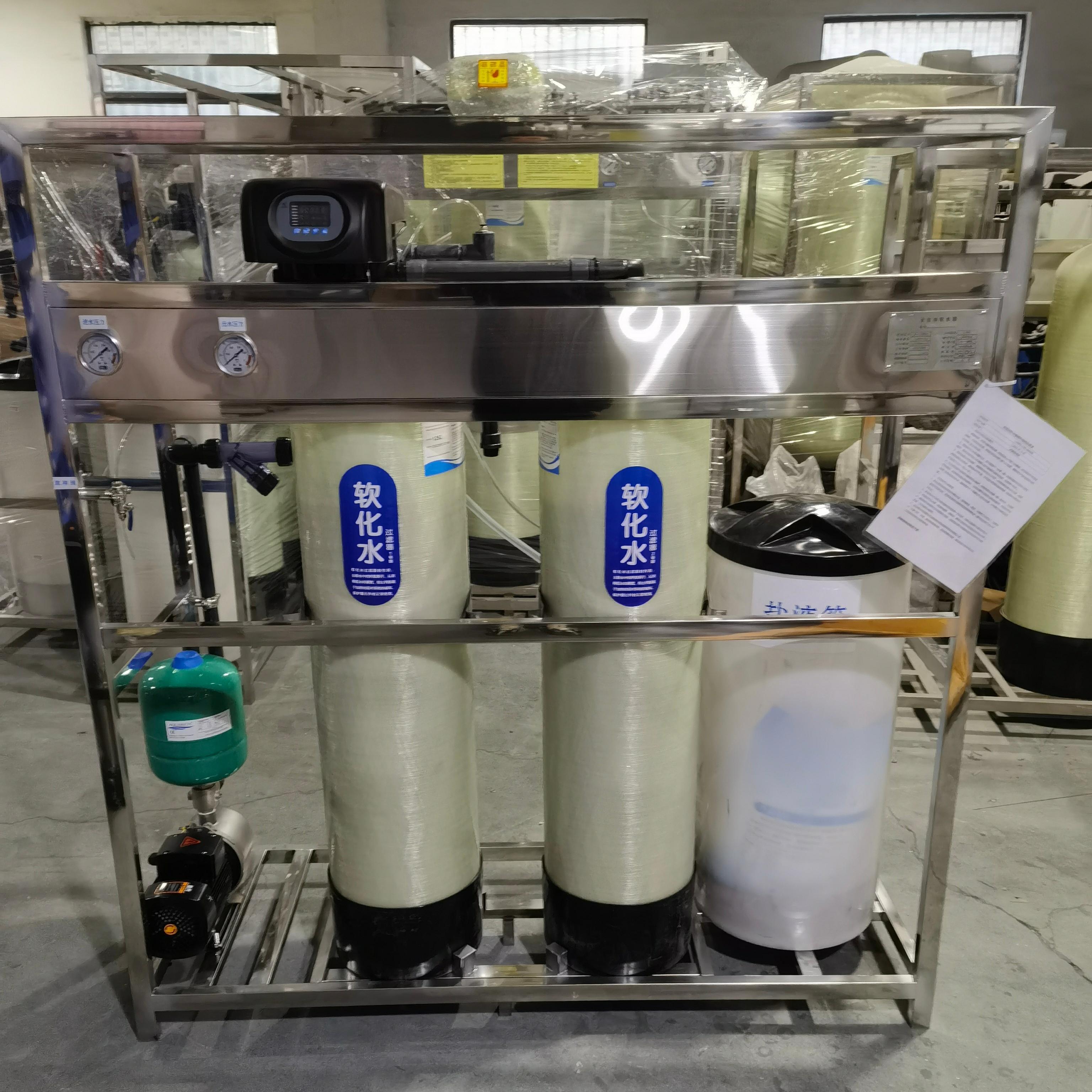
2-ton single valve double tank constant pressure water supply tank, one for use and one for standby is a high-efficiency water treatment equipment, wh...
See Details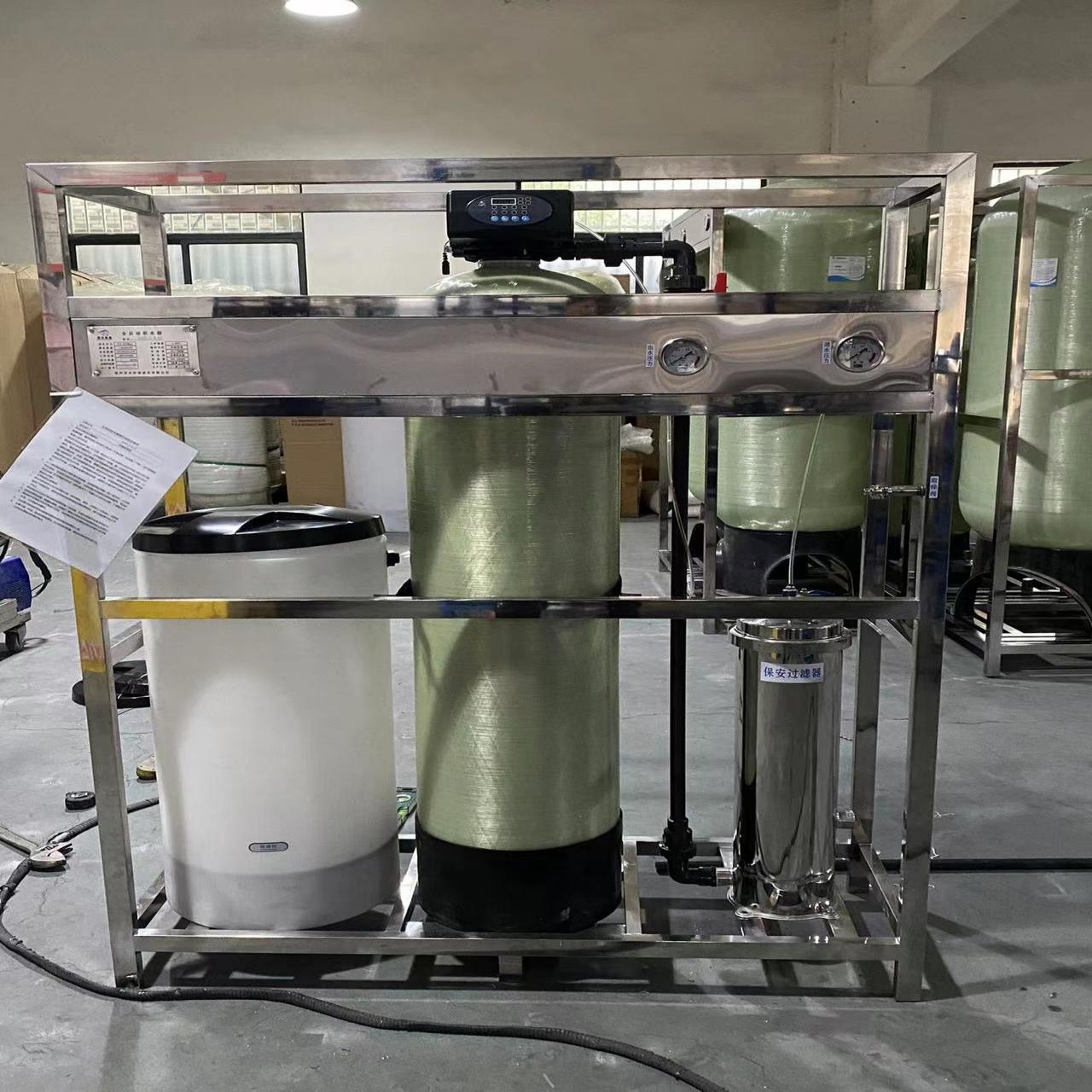
The 2-ton single tank with precision filtration is a device designed for small and medium-sized water treatment needs. It adopts a single tank structu...
See Details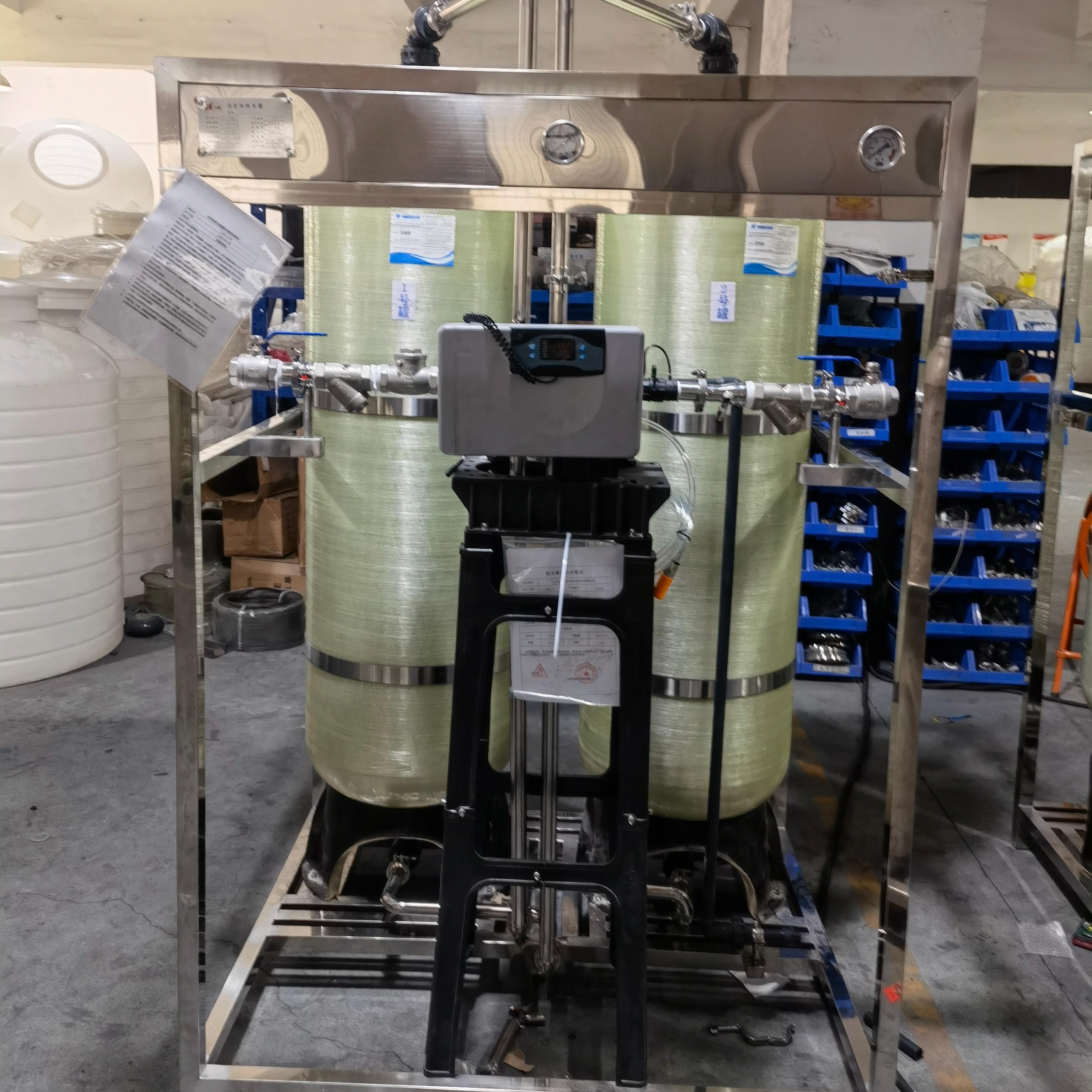
5-ton single valve dual tank, one for use and one for standby is a high-efficiency equipment designed for water treatment. It adopts a single valve du...
See Details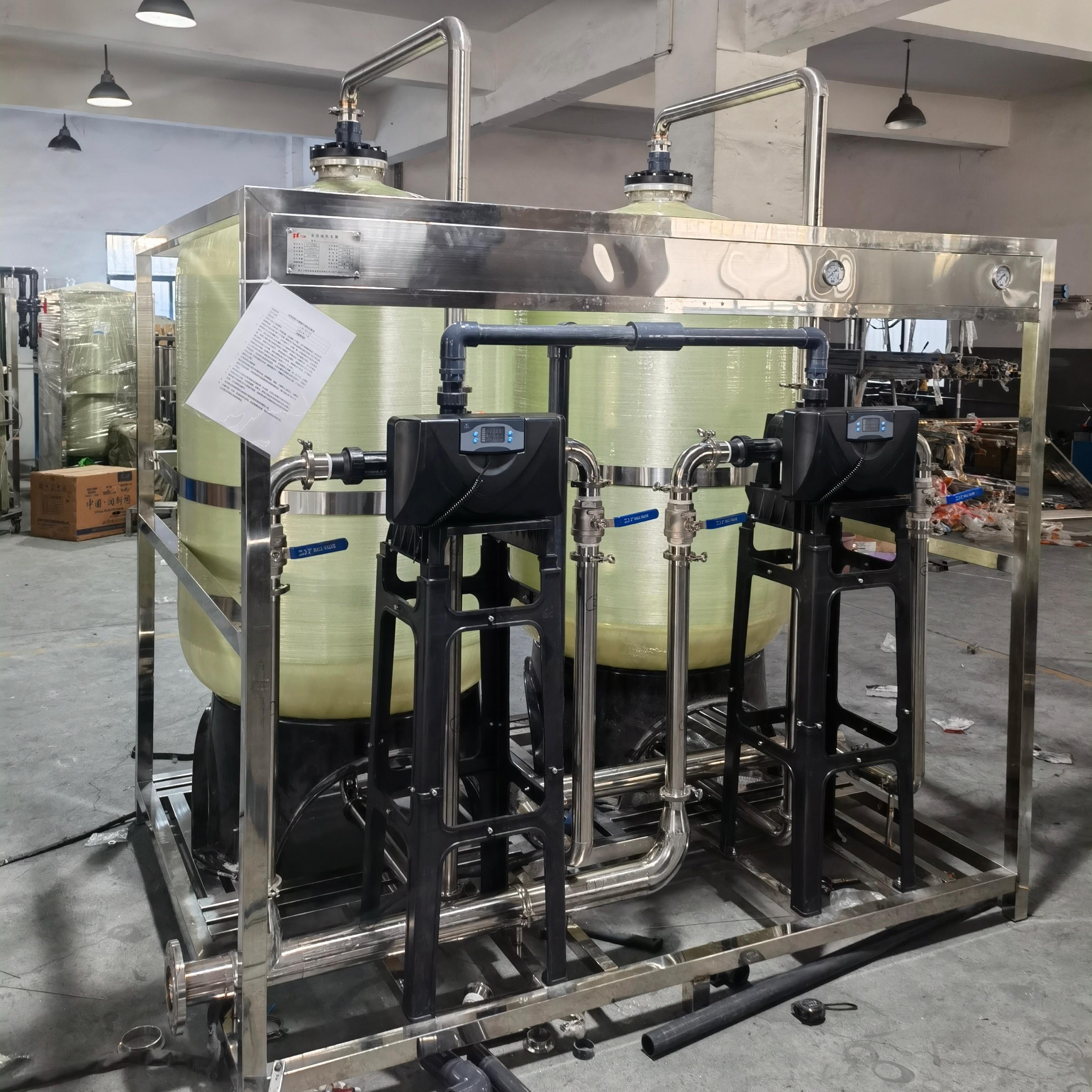
This 20-40 tons double valve double tank continuous water supply stainless steel pipeline equipment is an efficient and stable water treatment system ...
See Details
+86-13396595772
[email protected]
[email protected]
[email protected]
[email protected]
Room 508, Xingyuncheng, No.15 Xingling Street, Xingqiao Street, Linping District, Hangzhou City, Zhejiang Province.
Copyright ©2024 Hangzhou Roushui Environmental Protection Technology Co., Ltd. All Rights Reserved. Custom Industrial Civil Water Treatment Purification Equipment Manufacturers
