
 English
 Español
 عربى
عربىCat:FRP RO Membrane Shell
Fiber Reinforced Polymer (FRP) Reverse Osmosis (RO) membrane shells are highly sought-after for water treatment systems operating in corrosive environ...
See DetailsService hotline: +86-13396595772


Water softener systems have become increasingly essential in residential, commercial, and industrial settings. Their primary function is to treat hard water by removing minerals that cause scale buildup in pipes and appliances. Scale, primarily formed by calcium and magnesium ions, can clogged pipes, inefficient water flow, and damage to plumbing systems.
Hard water is water that contains high levels of dissolved minerals, primarily calcium (Ca²⁺) and magnesium (Mg²⁺). These minerals are picked up by water as it moves through soil and rock. When hard water flows through pipes and fixtures, it can cause the minerals to precipitate out and form scale deposits. This buildup is a major problem for both domestic and industrial systems. Over time, scale accumulation leads to reduced water flow, damage to appliances, increased energy consumption, and the need for costly repairs.
Problems Caused by Scale Buildup:
A water softener system works by removing calcium and magnesium ions from the water and replacing them with sodium (Na⁺) or potassium (K⁺) ions. This process is known as ion exchange. The core component of a water softener system is the resin bed, which is designed to facilitate this exchange. When hard water passes through the resin bed, calcium and magnesium ions are exchanged with sodium or potassium ions, effectively “softening” the water.
Water Flow Into the System: Hard water enters the water softener unit and flows through the resin bed.
Ion Exchange: The resin beads, which are charged with sodium or potassium ions, attract and exchange their sodium/potassium ions with the calcium and magnesium ions present in the water.
Softened Water: The now-softened water, free of calcium and magnesium, exits the system and flows to the household or industrial plumbing.
Regeneration: Over time, the resin beads become saturated with calcium and magnesium ions. The system initiates a regeneration cycle, where a brine solution (saltwater) is used to flush the calcium and magnesium ions from the resin beads and replace them with fresh sodium or potassium ions.
There are several types of water softener systems, each designed to meet different needs depending on the scale of operation and the specific requirements of the water source.
The common type of water softener, ion exchange systems use resin beads to exchange calcium and magnesium ions with sodium or potassium ions. They are highly effective in preventing scale buildup and are ideal for both residential and industrial applications.
Salt-free systems do not actually soften water. Instead, they condition it by altering the crystal structure of calcium and magnesium, preventing them from bonding with surfaces and forming scale. While not as effective as traditional ion exchange systems in softening water, they are a popular choice for those looking for a more environmentally friendly option.
Reverse osmosis systems use a semipermeable membrane to filter out impurities, including calcium and magnesium ions, from the water. While primarily used for filtration, RO systems also reduce hardness in water and are often combined with other softening methods for results.
These systems use electromagnetic or electric fields to alter the properties of calcium and magnesium ions, preventing them from adhering to surfaces and causing scale buildup. While their effectiveness can vary, these systems are often marketed as low-maintenance alternatives to traditional softeners.
In industrial applications, water quality is critical. Scale buildup can cause significant issues in production lines, boilers, cooling systems, and other critical infrastructure. Industrial water treatment equipment, including advanced water softening systems, is crucial to preventing these issues.
For industries using water in large quantities, such as manufacturing, food processing, or power generation, water softeners play a vital role in ensuring operational efficiency and reducing downtime due to equipment failure. Industrial water softeners are typically larger and more robust than residential systems and may be combined with other water treatment methods, such as filtration and disinfection, to meet the specific needs of the operation.
Key Features of Industrial Water Softener Systems:
The use of water softener systems offers a wide range of benefits across both residential and industrial settings:
By preventing scale buildup, water softeners help extend the lifespan of appliances like dishwashers, washing machines, and water heaters. This reduces the frequency of repairs and replacements, resulting in cost savings.
Softened water helps appliances operate more efficiently, as scale buildup can impede heat transfer in water heaters, reducing their energy efficiency.
Water softeners help prevent the need for frequent plumbing repairs due to clogged pipes or inefficient appliances caused by scale buildup.
Softened water can enhance the performance of soap and detergent, resulting in cleaner dishes, laundry, and surfaces. Additionally, it is gentler on the skin and hair, making it a preferred choice for households.
In industrial settings, water softeners reduce the need for chemical treatments, which can be harmful to the environment. Softened water is also more efficient for cooling and heating purposes, reducing overall energy consumption.
Water softener systems are essential tools in preventing scale buildup in pipes and appliances, which can inefficiencies, costly repairs, and reduced lifespan of equipment. Whether for residential, commercial, or industrial applications, these systems offer significant benefits, including improved water quality, enhanced appliance longevity, and reduced maintenance costs. By choosing the right type of water softener system, businesses and homeowners alike can ensure the efficiency and durability of their plumbing and appliances, while contributing to more sustainable water use practices.
Q1: What is the type of water softener for residential use?
A1: The type for residential use is typically an ion exchange water softener, as it is highly effective at removing calcium and magnesium ions from the water, preventing scale buildup.
Q2: How often do water softeners need to be regenerated?
A2: The regeneration cycle frequency depends on the system’s capacity and the water hardness level. Typically, residential systems regenerate every 1-3 days, while industrial systems may do so more frequently.
Q3: Can salt-free water softeners prevent scale buildup as effectively as traditional systems?
A3: Salt-free systems do not technically soften water but condition it, which can help prevent scale formation, but they are less effective than traditional ion exchange systems.
Q4: Are there any maintenance requirements for water softeners?
A4: Regular maintenance includes refilling the salt tank (for ion exchange systems), cleaning the system, and checking for any malfunctions during the regeneration cycle.
Q5: Can water softeners be used in industrial settings?
A5: Yes, industrial water softeners are specially designed to handle large volumes of water and are used to prevent scale buildup in machinery, boilers, and cooling systems in industrial operations.
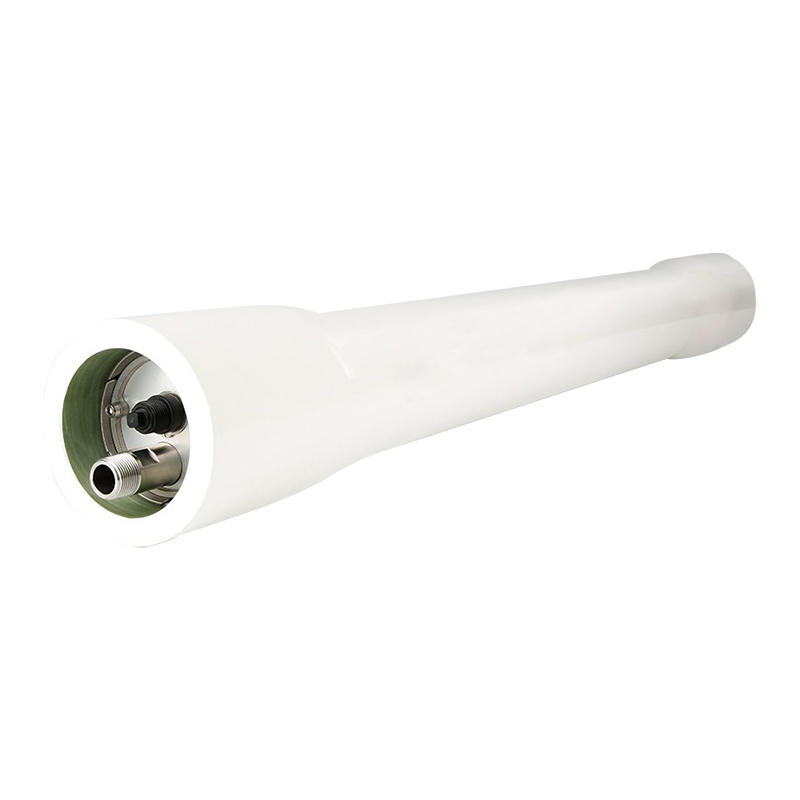
Fiber Reinforced Polymer (FRP) Reverse Osmosis (RO) membrane shells are highly sought-after for water treatment systems operating in corrosive environ...
See Details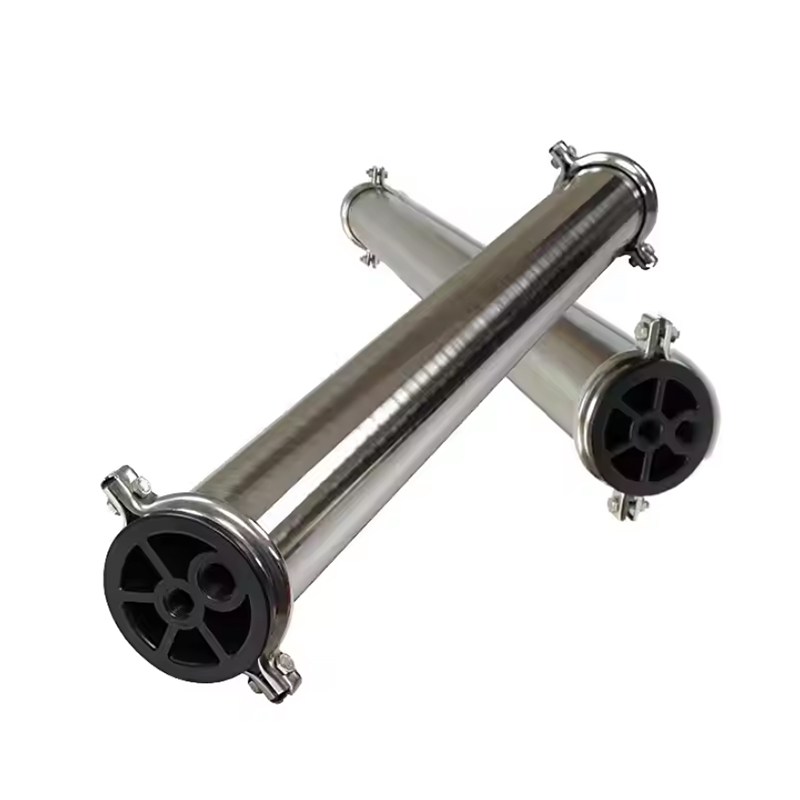
Stainless steel Reverse Osmosis (RO) membrane shells are essential components in water treatment systems, particularly in industrial and commercial ap...
See Details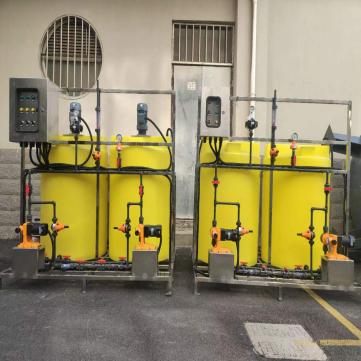
The PAC PAM dosing device is a device used to automatically add polyaluminium chloride (PAC) and polyacrylamide (PAM) during water treatment. The devi...
See Details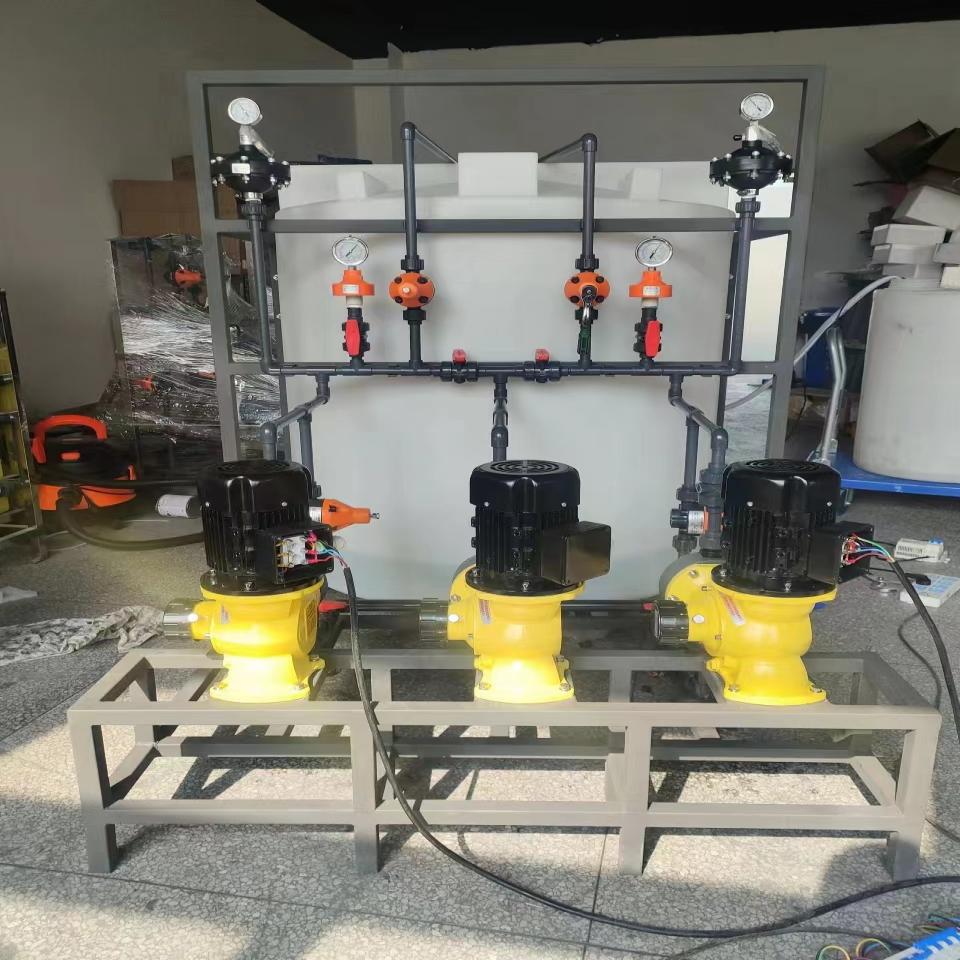
Sterilization, scale prevention, PAC, PAM and other dual-purpose dosing devices is a multifunctional water treatment equipment that integrates the dos...
See Details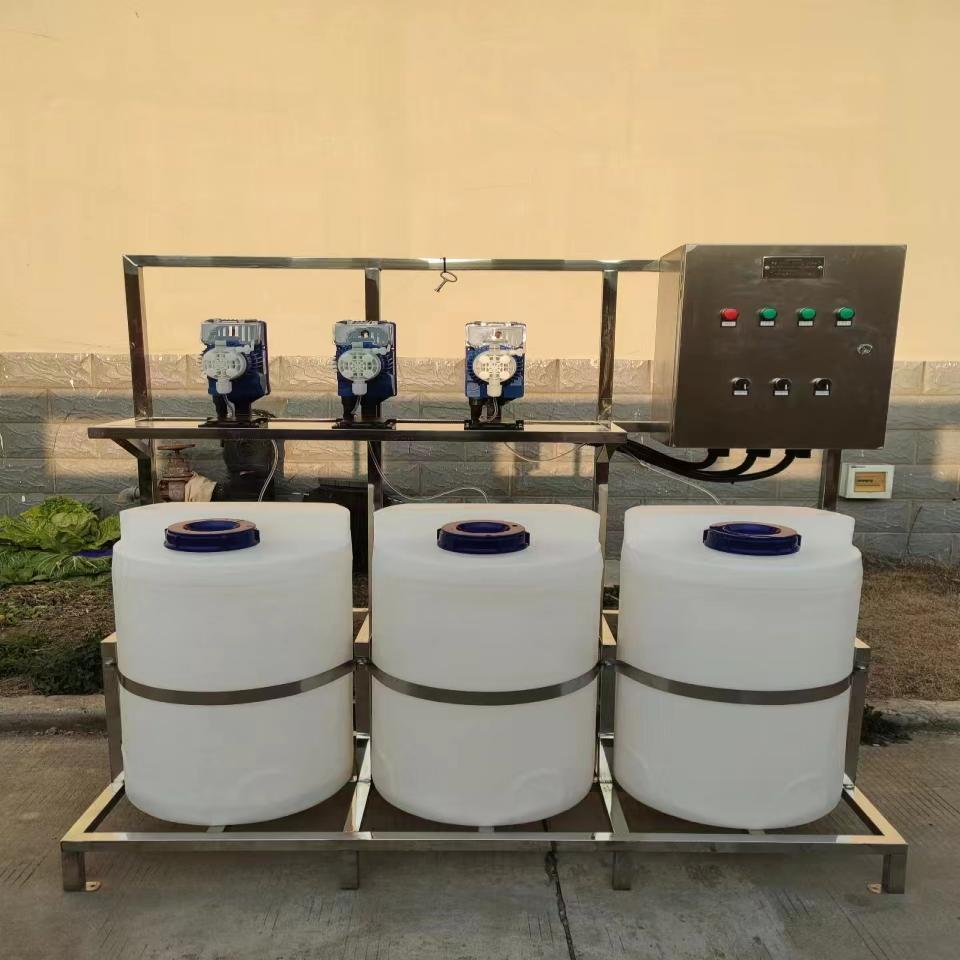
The flocculation scale inhibition and sterilization three-pump three-barrel circulating water system dosing device is a device specially used for circ...
See Details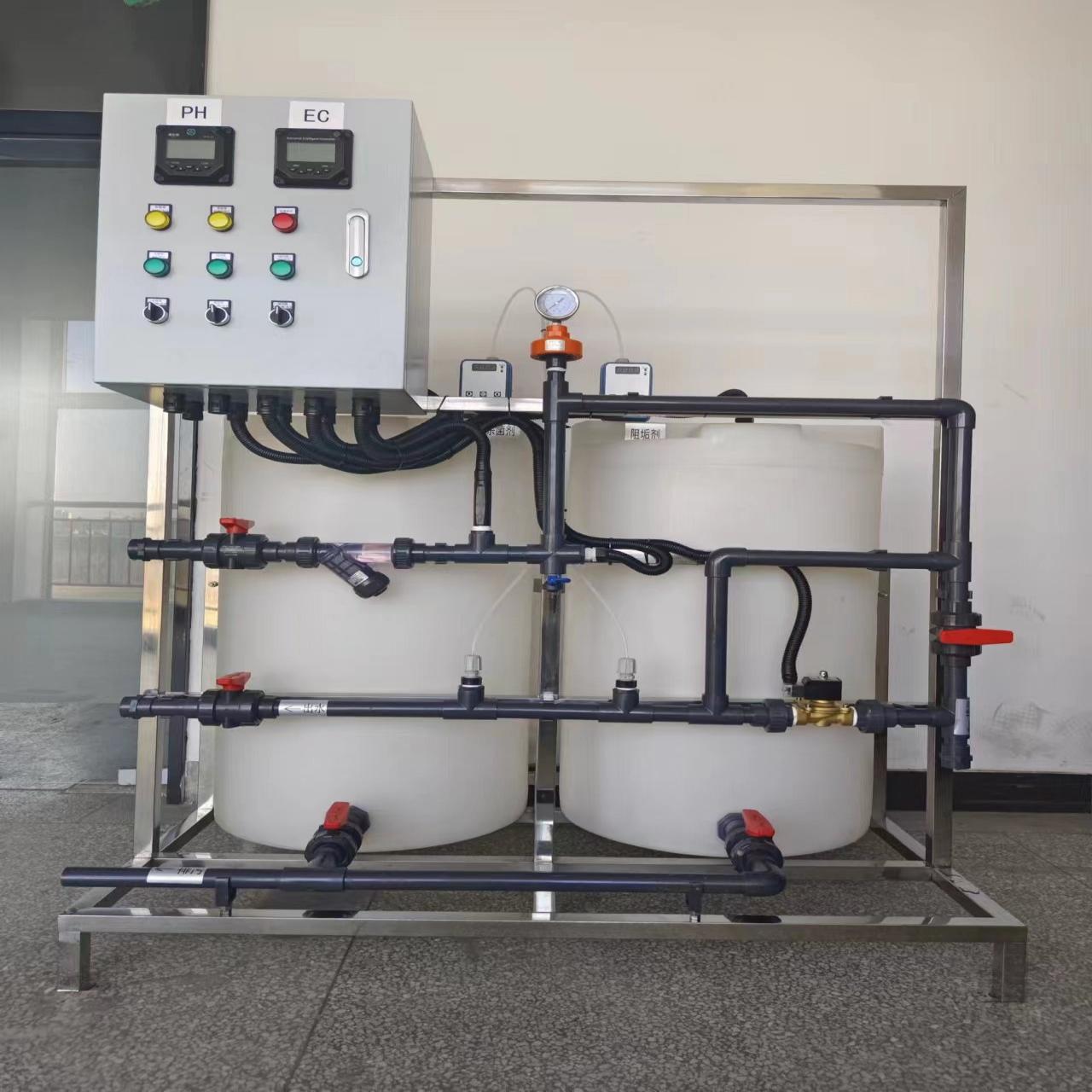
The scale prevention and sterilization double pump double barrel circulating water dosing device is an integrated dosing system equipped with two inde...
See Details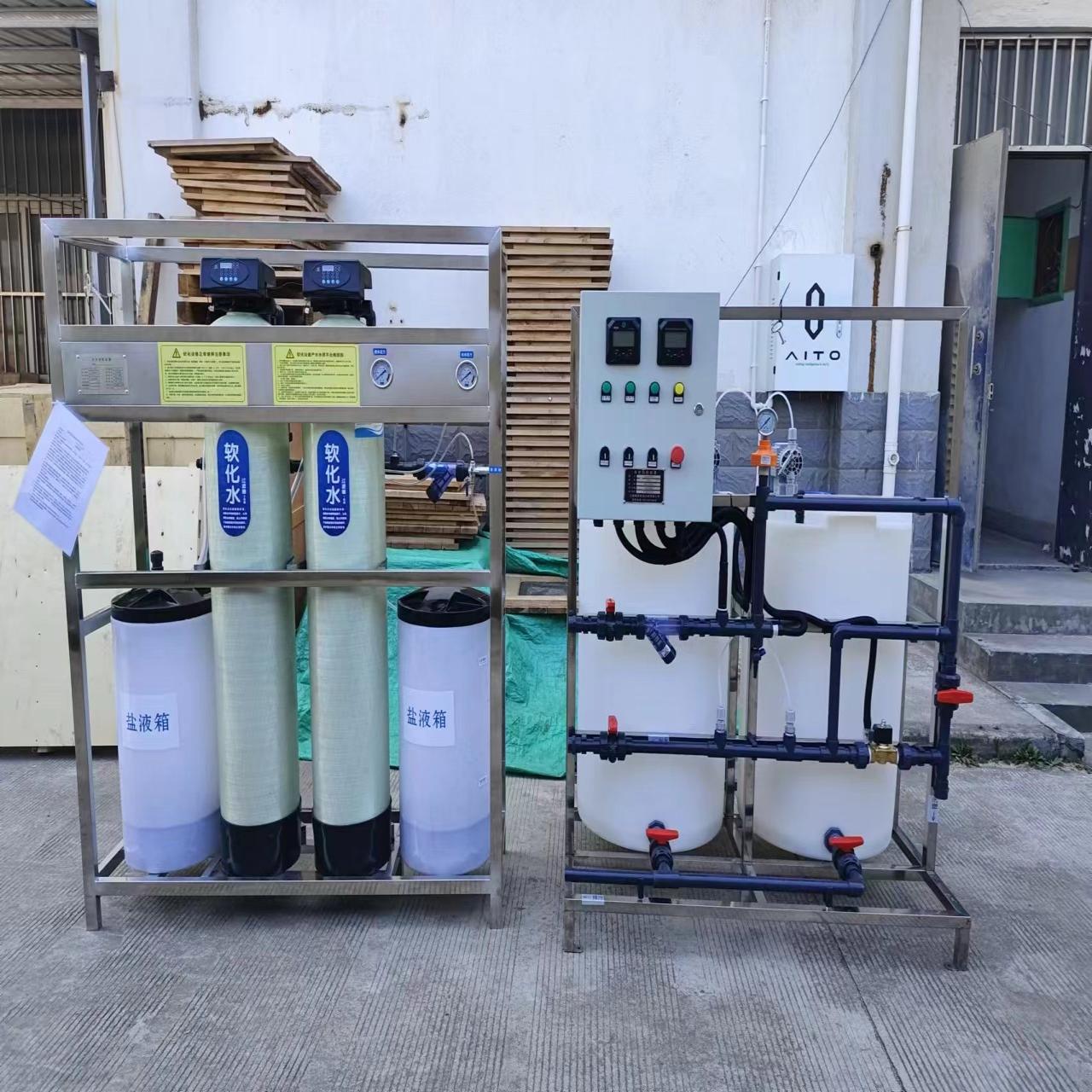
The circulating water system softening, replenishing, sterilizing and dosing device is a special equipment for industrial circulating water treatment....
See Details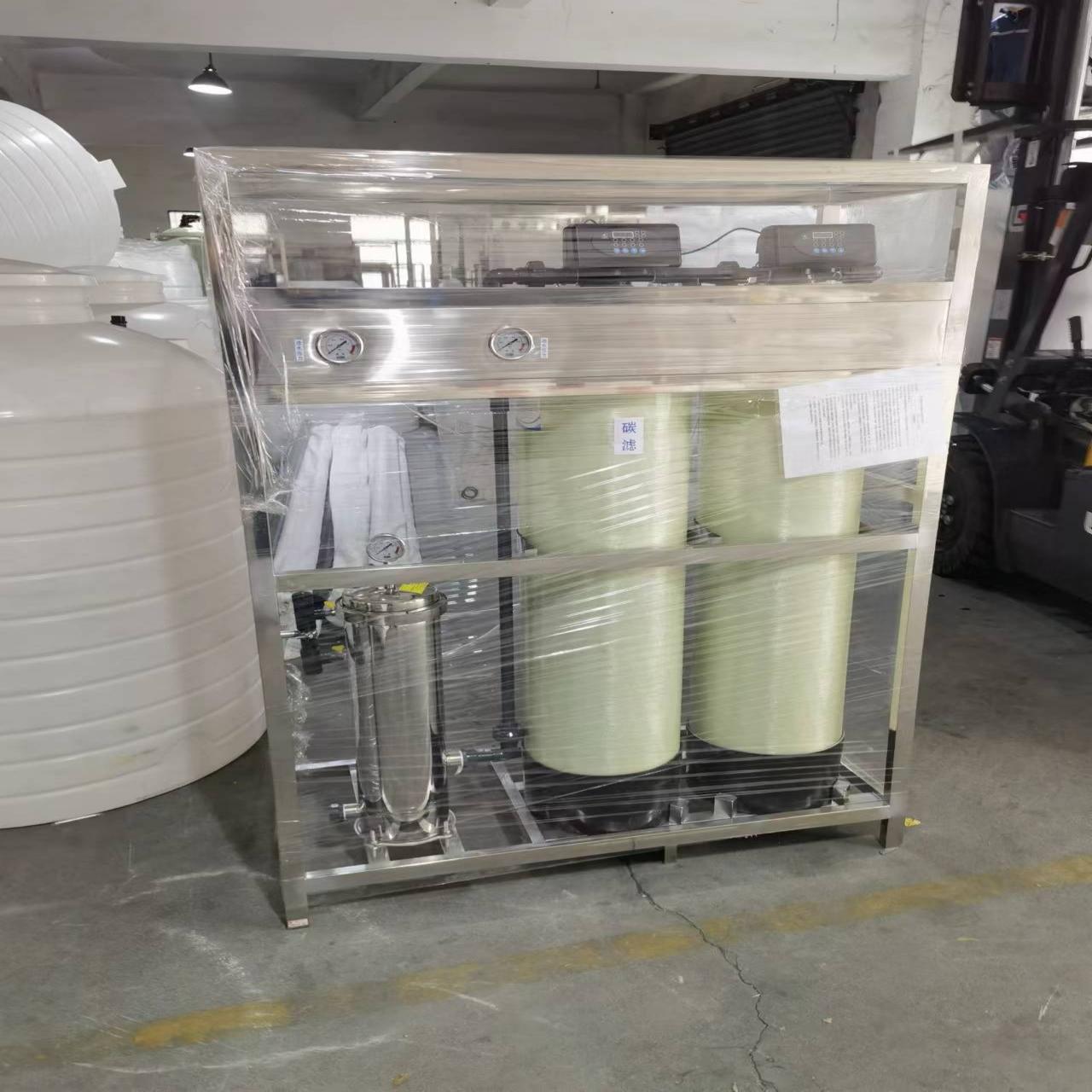
1 ton sand filter carbon filter compact tank is a high-efficiency filtration equipment for water treatment. It adopts sand filtration and carbon filtr...
See Details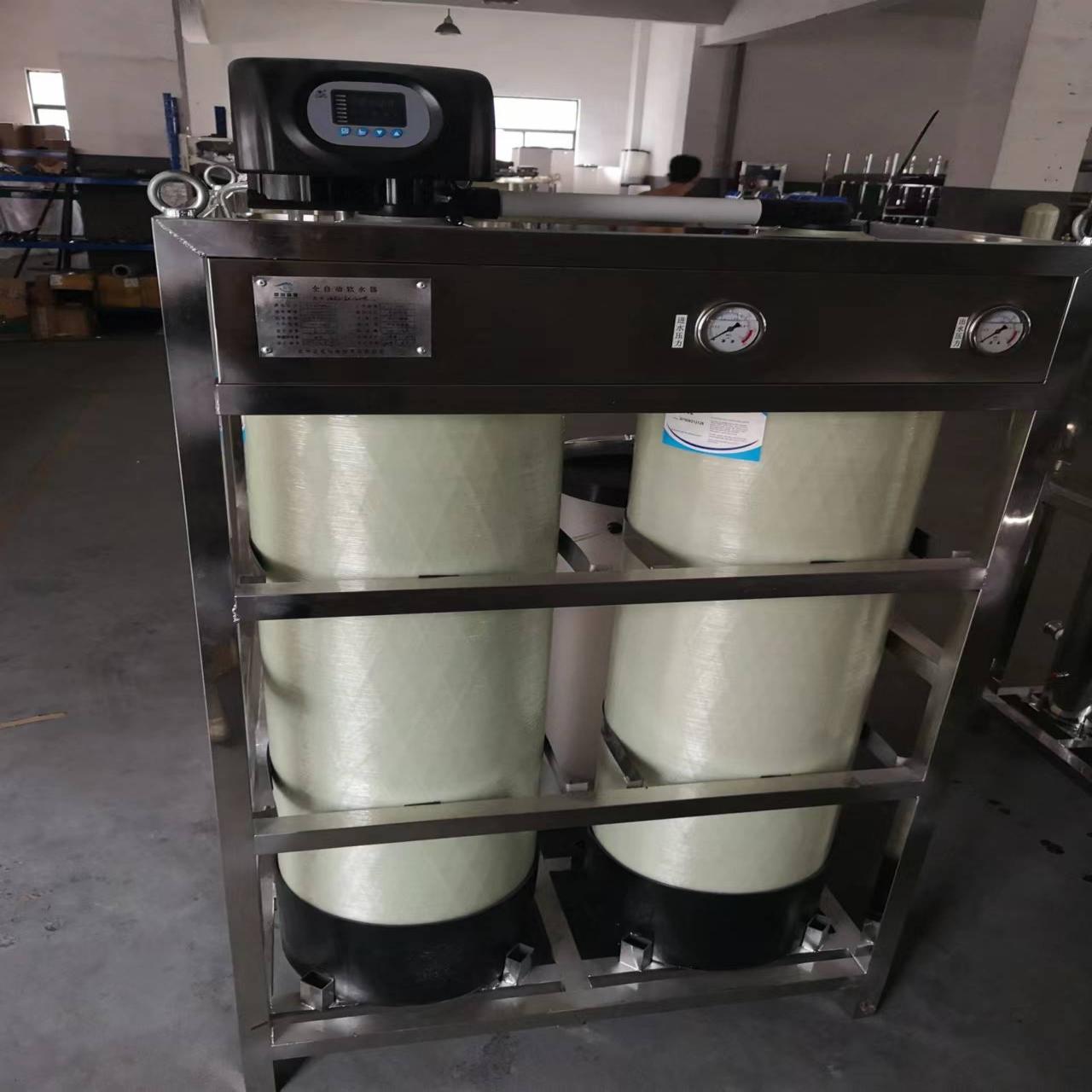
2-ton single valve dual tank, one for use and one for standby is an efficient and stable water treatment equipment. It adopts a single valve dual tank...
See Details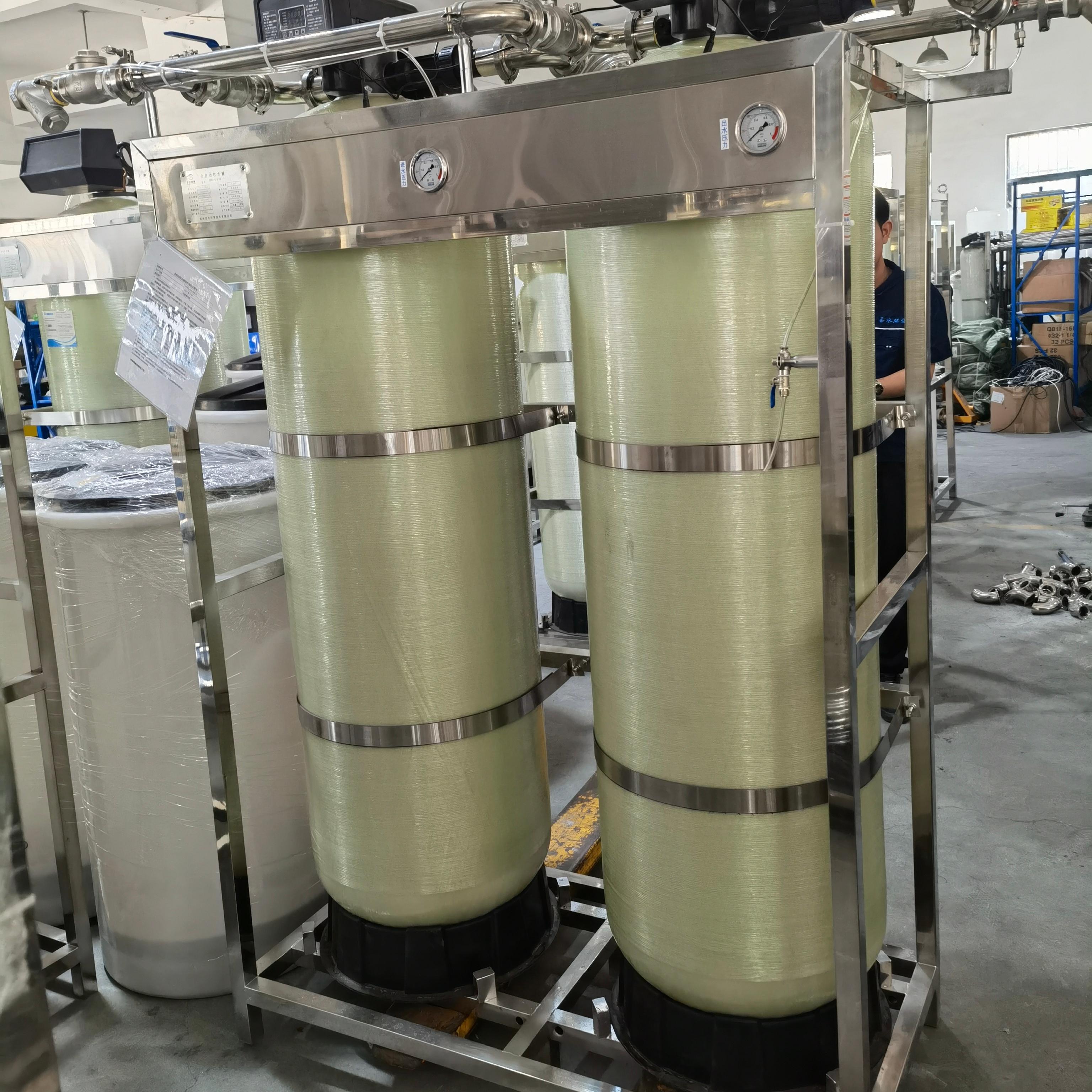
This 6-ton dual-valve dual-tank continuous water supply equipment is designed to provide efficient and stable water treatment solutions. Through the d...
See Details
+86-13396595772
[email protected]
[email protected]
[email protected]
[email protected]
Room 508, Xingyuncheng, No.15 Xingling Street, Xingqiao Street, Linping District, Hangzhou City, Zhejiang Province.
Copyright ©2024 Hangzhou Roushui Environmental Protection Technology Co., Ltd. All Rights Reserved. Custom Industrial Civil Water Treatment Purification Equipment Manufacturers
