
 English
 Español
 عربى
عربىCat:FRP RO Membrane Shell
Fiber Reinforced Polymer (FRP) Reverse Osmosis (RO) membrane shells are highly sought-after for water treatment systems operating in corrosive environ...
See DetailsService hotline: +86-13396595772


Reverse Osmosis (RO) pure water systems are widely regarded as one of the effective water purification technologies available. They are used in homes, businesses, and industrial applications to provide high-quality drinking water by removing contaminants, including salts, minerals, and other impurities. One of the key factors influencing the effectiveness of an RO system is the total dissolved solids (TDS) level in the water source.
Total Dissolved Solids (TDS) refer to the total concentration of dissolved substances in water, such as salts, minerals, metals, and ions. TDS is measured in parts per million (ppm), and the level of TDS can significantly affect the taste, health benefits, and overall quality of water.
When water contains high levels of TDS, it becomes more challenging for filtration systems, including RO systems, to efficiently remove these dissolved solids. Understanding this relationship is crucial when assessing the capacity of RO systems in areas with high TDS water.
An RO system works by forcing water through a semipermeable membrane that filters out contaminants larger than water molecules, such as salts, bacteria, and other particles. The process works in several stages:
Pre-filtration: Larger particles like sand, sediment, and chlorine are removed.
Reverse Osmosis: Water is pushed through a semipermeable membrane to remove smaller impurities.
Post-filtration: Additional filters ensure that any remaining particles are removed before the water reaches the faucet.
The effectiveness of the RO system depends on the water pressure, the quality of the membrane, and the TDS levels. In high-TDS water, the RO system has to work harder to reject salts and minerals, and the filtration process becomes slower.
High TDS levels present several challenges for RO systems, including:
Slower Filtration Process:
Higher TDS concentrations mean that the RO membrane has to filter out more contaminants, which can reduce the flow rate and extend the time needed to produce purified water.
Increased Membrane Fouling:
High TDS levels, especially from minerals like calcium, magnesium, and salts, can cause scaling on the RO membrane. This buildup can reduced membrane life, increased maintenance, and more frequent need for membrane replacement.
Lower Water Recovery Rate:
In systems dealing with high TDS levels, a larger percentage of water is wasted as brine, which reduces the overall water recovery rate. This means that for every gallon of purified water, more water is lost in the process.
Pressure and Energy Requirements:
RO systems require a certain amount of water pressure to function optimally. In areas with high TDS, the pressure must be higher to achieve the desired level of purification, which leads to increased energy consumption.
Taste and Aesthetic Concerns:
Even after filtration, water with high TDS may still retain a salty or unpleasant taste, which can impact user experience.
Several strategies can help RO systems handle high TDS water more effectively:
Use of High-TDS RO Membranes:
Some RO membranes are specifically designed to cope with higher TDS levels. These membranes can filter out larger amounts of dissolved solids and maintain better performance in challenging water conditions.
Boosted Water Pressure Systems:
Installing a booster pump can help increase water pressure in areas with high TDS. Higher pressure improves the efficiency of the filtration process, reducing the burden on the RO membrane.
Pre-treatment Filters:
Pre-filters that remove heavy metals, chlorine, and other contaminants before the water reaches the RO membrane can extend the life of the membrane and improve filtration efficiency.
Post-filtration with Mineral Remineralization:
While RO systems remove minerals, some water purifiers include a remineralization filter to add beneficial minerals back into the water. This ensures that the water remains healthy and balanced even after the TDS is reduced.
Regular Maintenance and Cleaning:
Cleaning and replacing the RO system’s components regularly is essential in maintaining efficiency, especially in areas with high TDS levels. Periodic maintenance ensures that the system works at its peak capacity and reduces the likelihood of issues like fouling and scaling.
| TDS Level (ppm) | RO System Efficiency | Flow Rate | Membrane Life | Recommended Action |
|---|---|---|---|---|
| 0-300 | Optimal | High | Long-lasting | Regular Maintenance |
| 301-500 | Moderate | Moderate | Moderate | Use booster pump if needed |
| 501-1000 | Reduced | Slow | Shorter | Consider high-TDS membrane |
| >1000 | Low | Very Slow | Very Short | Use additional pre-filters and periodic cleaning |
While RO pure water systems are effective at purifying water with various levels of TDS, handling high TDS levels requires specific considerations. From choosing the right membranes to ensuring proper water pressure and regular maintenance, it’s crucial to take proactive measures to optimize system performance in high-TDS conditions. By addressing these challenges, RO systems can continue to provide high-quality, purified water even in regions with challenging water characteristics.
1. Can RO systems handle extremely high TDS water?
Yes, RO systems can handle high TDS water, but they may require specialized high-TDS membranes, boosted water pressure, and frequent maintenance.
2. What is the impact of high TDS on the taste of water?
Water with high TDS may taste salty or bitter, which can affect its palatability. RO systems can reduce these taste issues, but additional post-filtration may be necessary.
3. How often should an RO membrane be replaced in high-TDS areas?
The replacement frequency depends on the TDS levels and maintenance. In areas with high TDS, membranes may need to be replaced more frequently due to increased fouling and scaling.
4. Does high TDS affect the water recovery rate of RO systems?
Yes, high TDS levels often result in a lower water recovery rate, meaning more water is wasted as brine in the filtration process.
5. Can a booster pump improve RO system performance?
Yes, a booster pump can increase the pressure in high-TDS water, improving the efficiency of the filtration process and the system’s overall performance.
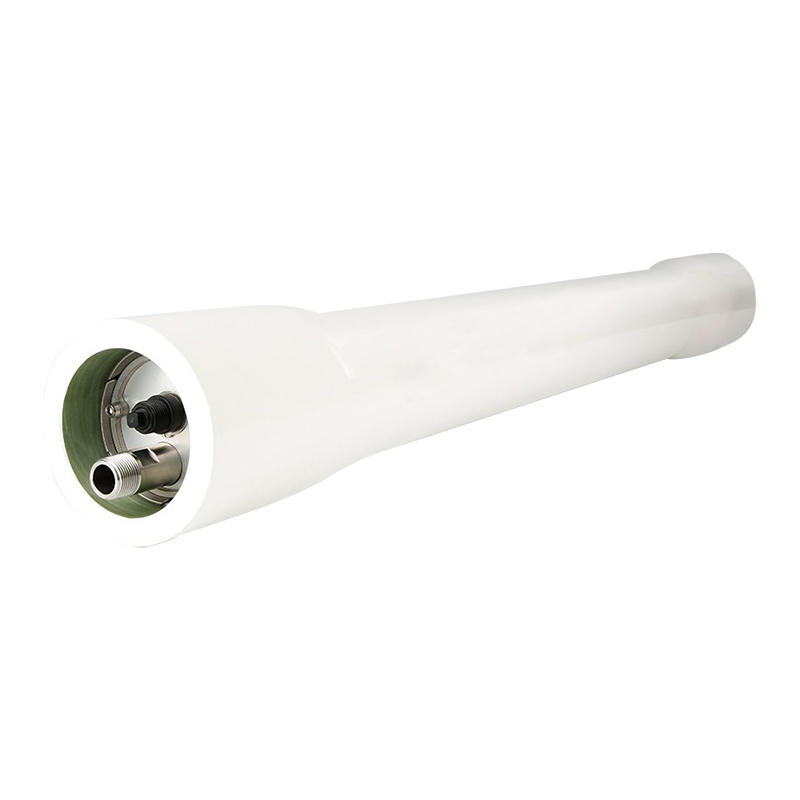
Fiber Reinforced Polymer (FRP) Reverse Osmosis (RO) membrane shells are highly sought-after for water treatment systems operating in corrosive environ...
See Details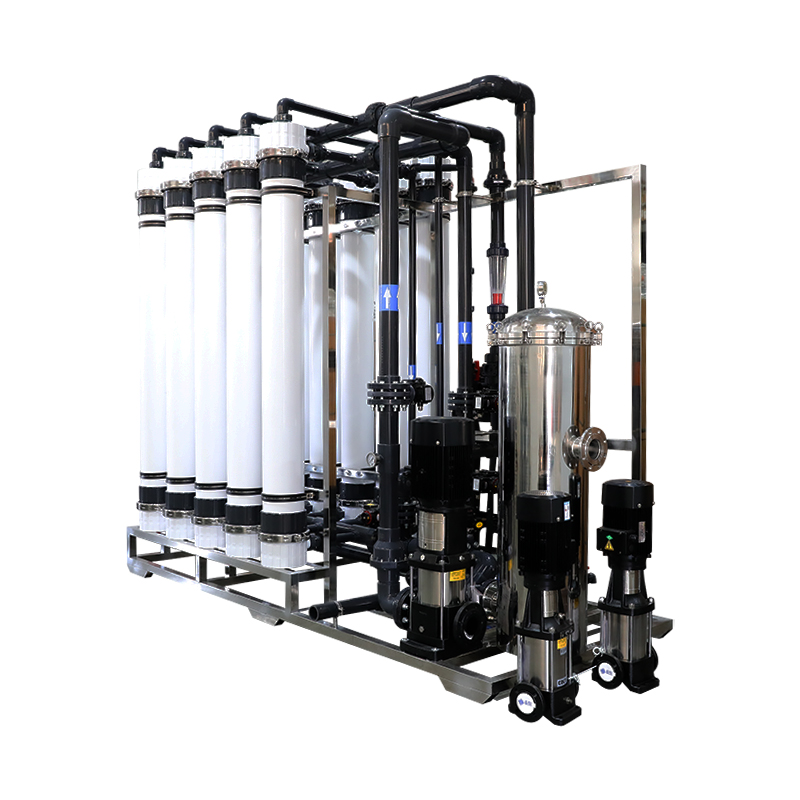
Ultrafiltration (UF) is a membrane separation technology that can purify and separate solutions. The ultrafiltration membrane system is a solution sep...
See Details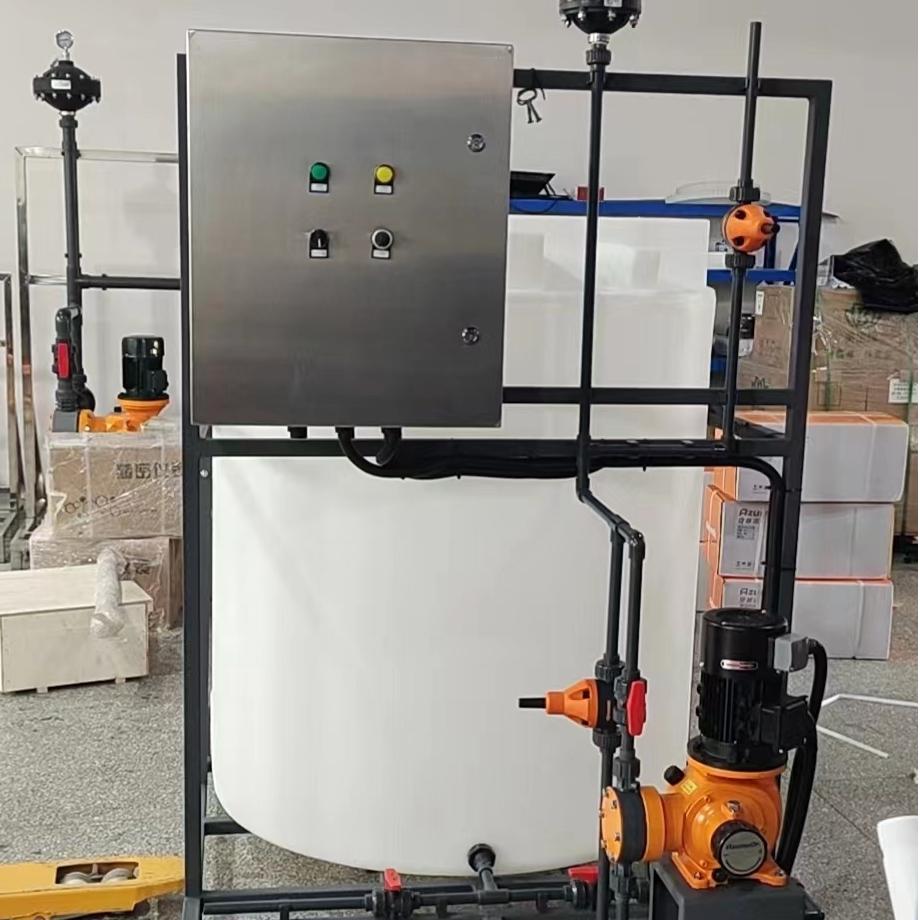
Single pump single barrel dosing device for flocculation is an automatic dosing device used in the water treatment process. It is specially used to ac...
See Details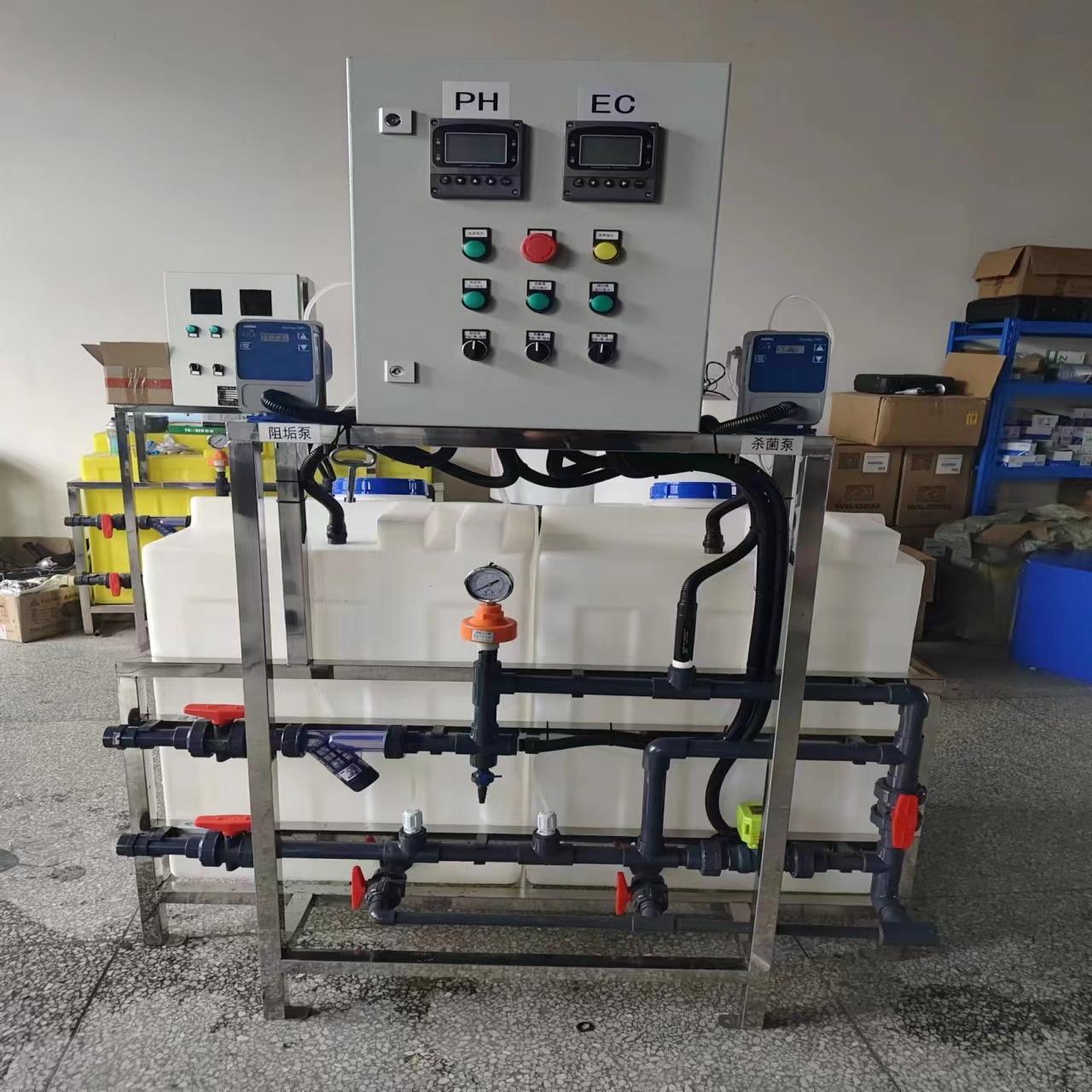
The Sterilization and anti-scaling dosing device is a device designed for water treatment systems for automatic dosing of bactericides and anti-scalin...
See Details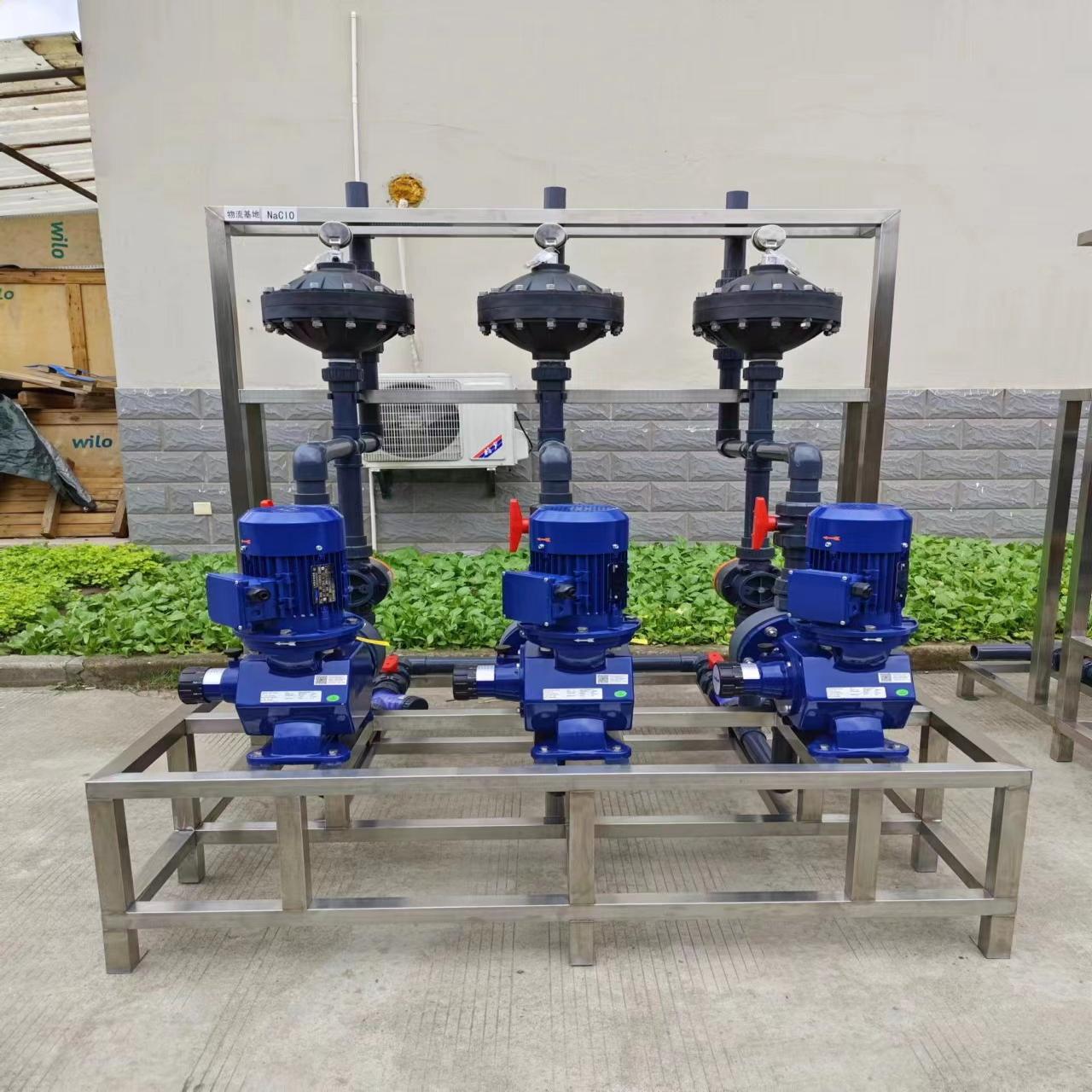
Acid-base neutralization and dosing host equipment is usually used in the field of industrial wastewater treatment or water quality regulation. It is ...
See Details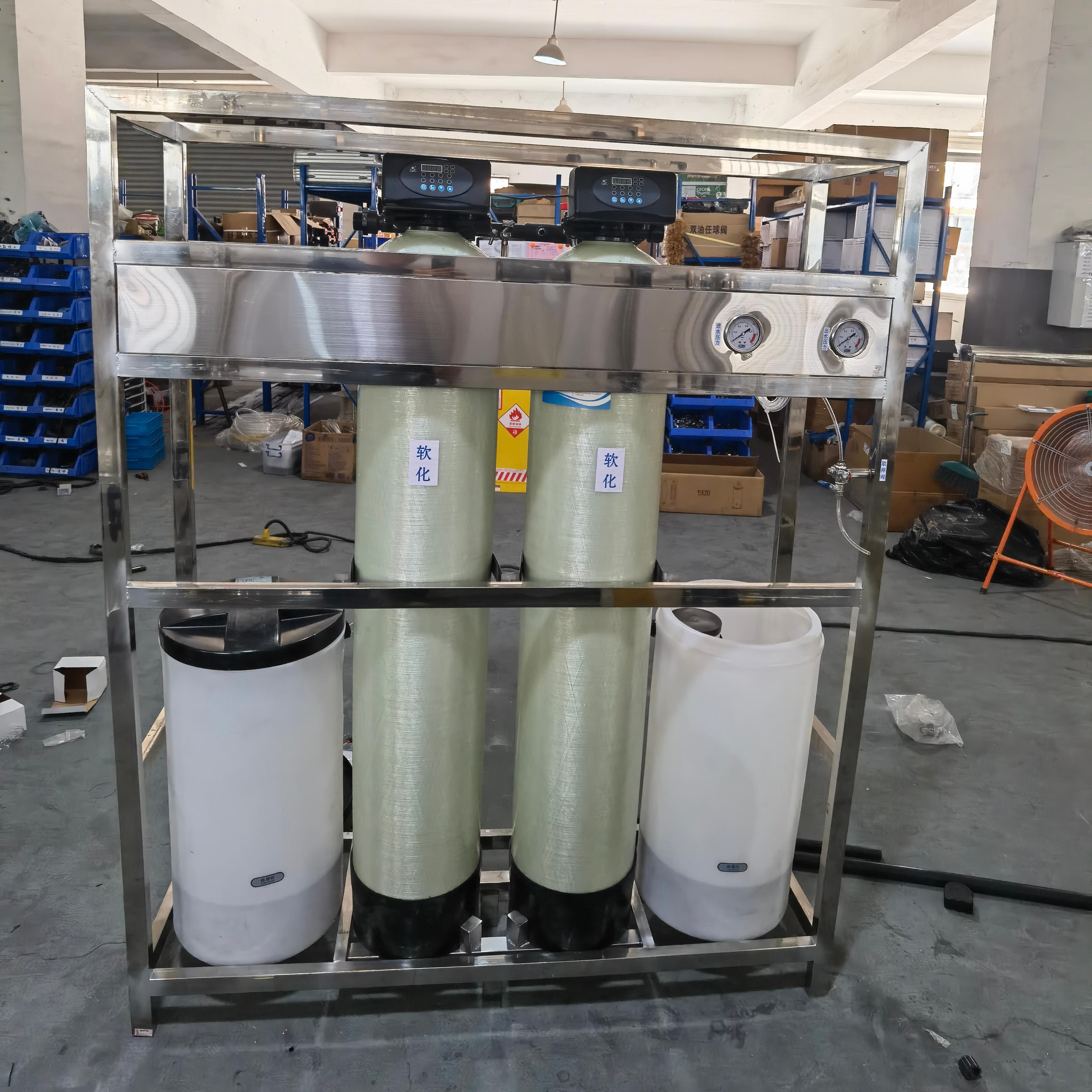
1 ton double valve double tank continuous water supply is an efficient and stable water treatment equipment, widely used in softened water, deminerali...
See Details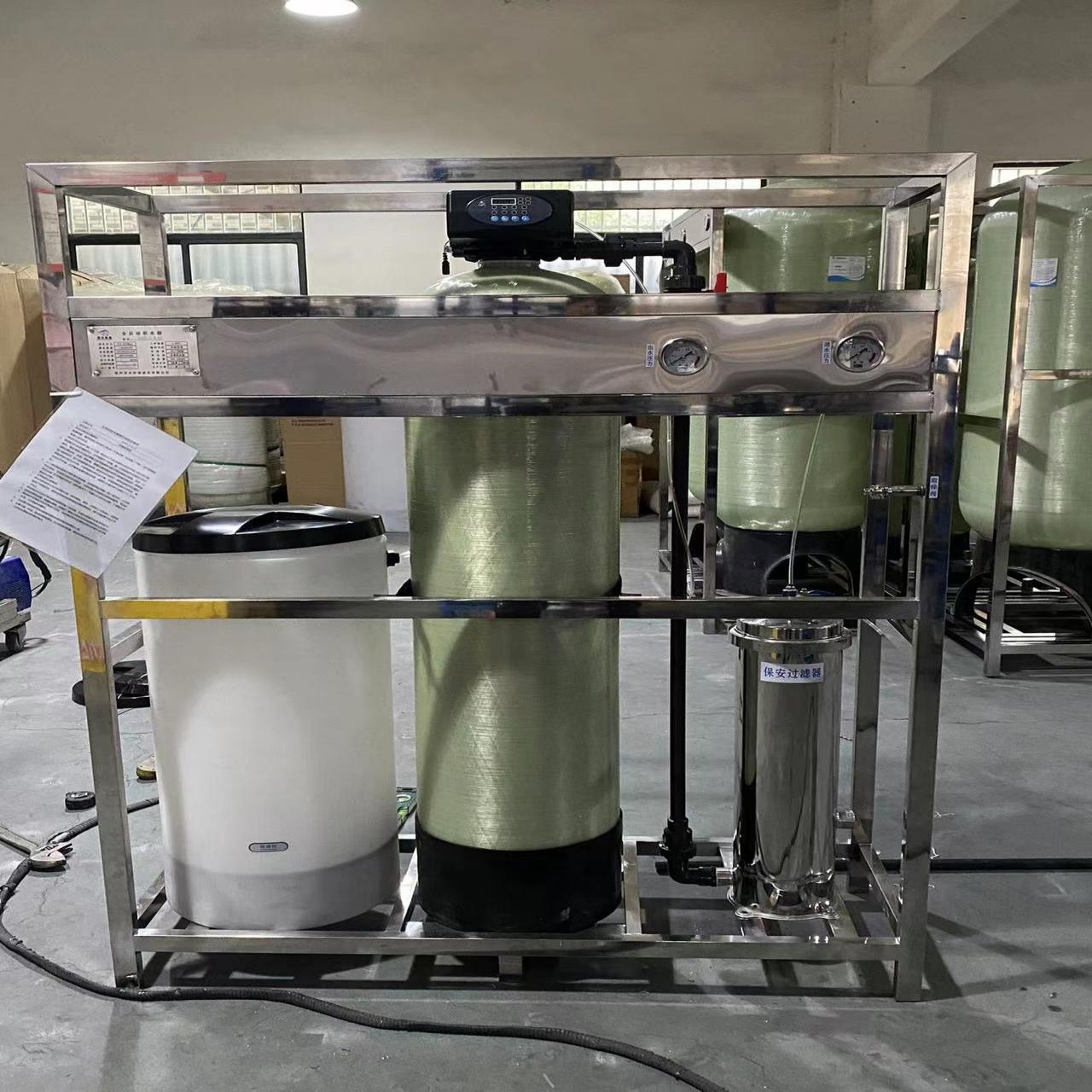
The 2-ton single tank with precision filtration is a device designed for small and medium-sized water treatment needs. It adopts a single tank structu...
See Details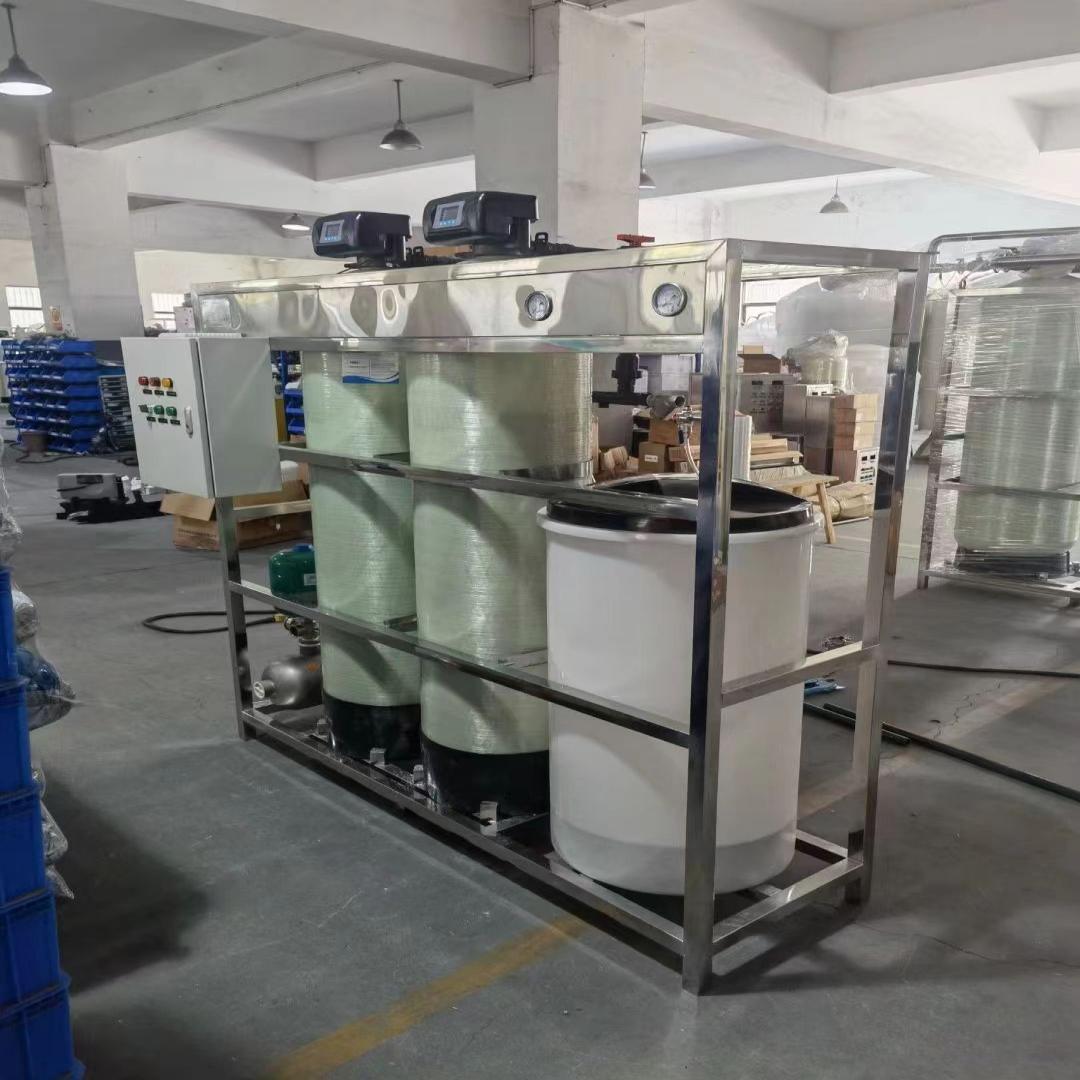
The 4-ton dual-valve dual-tank live box is an efficient water treatment equipment designed for industrial and commercial water treatment systems. The ...
See Details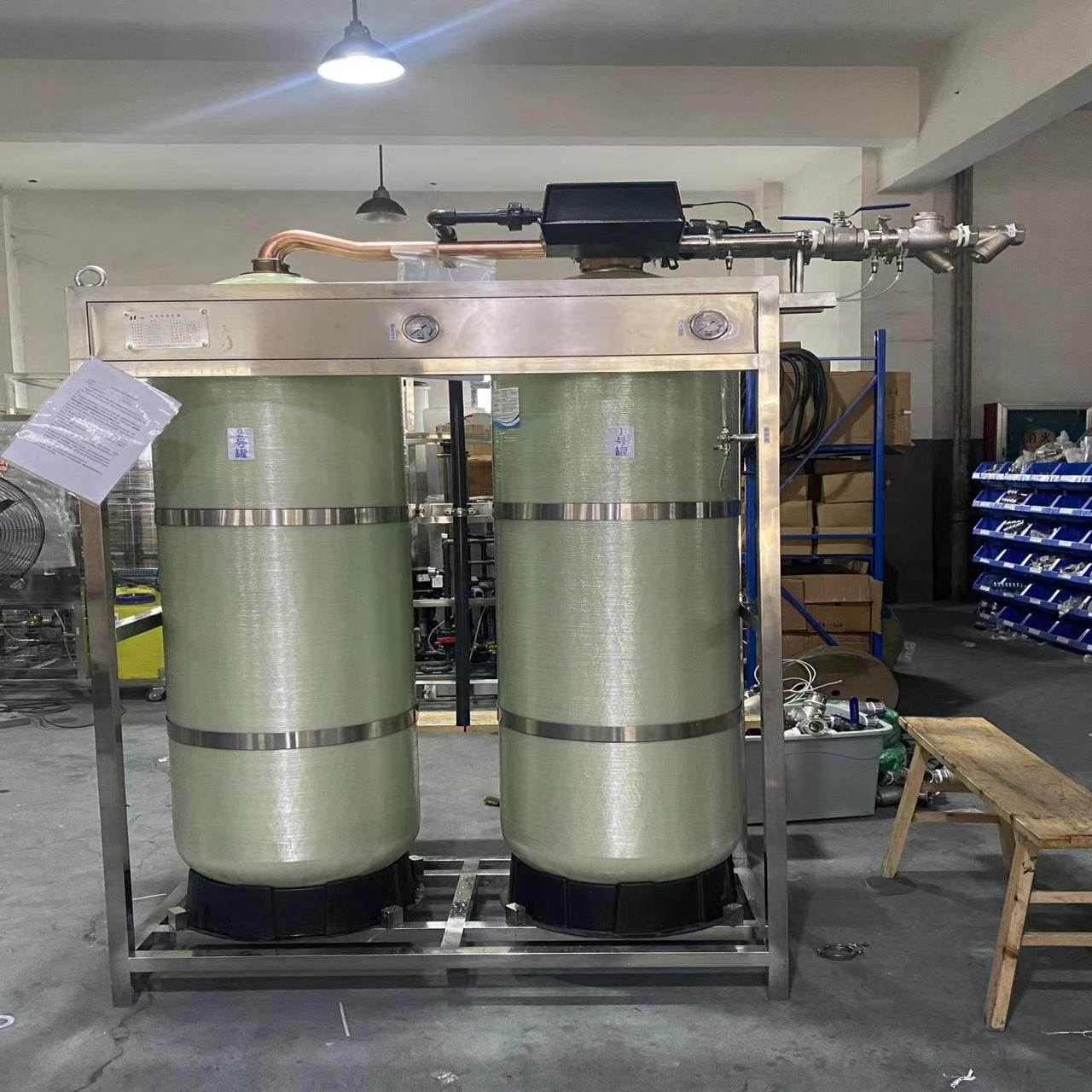
5-6 tons single valve double tank, one for use and one for standby is a device designed for medium and large water treatment systems. It has two indep...
See Details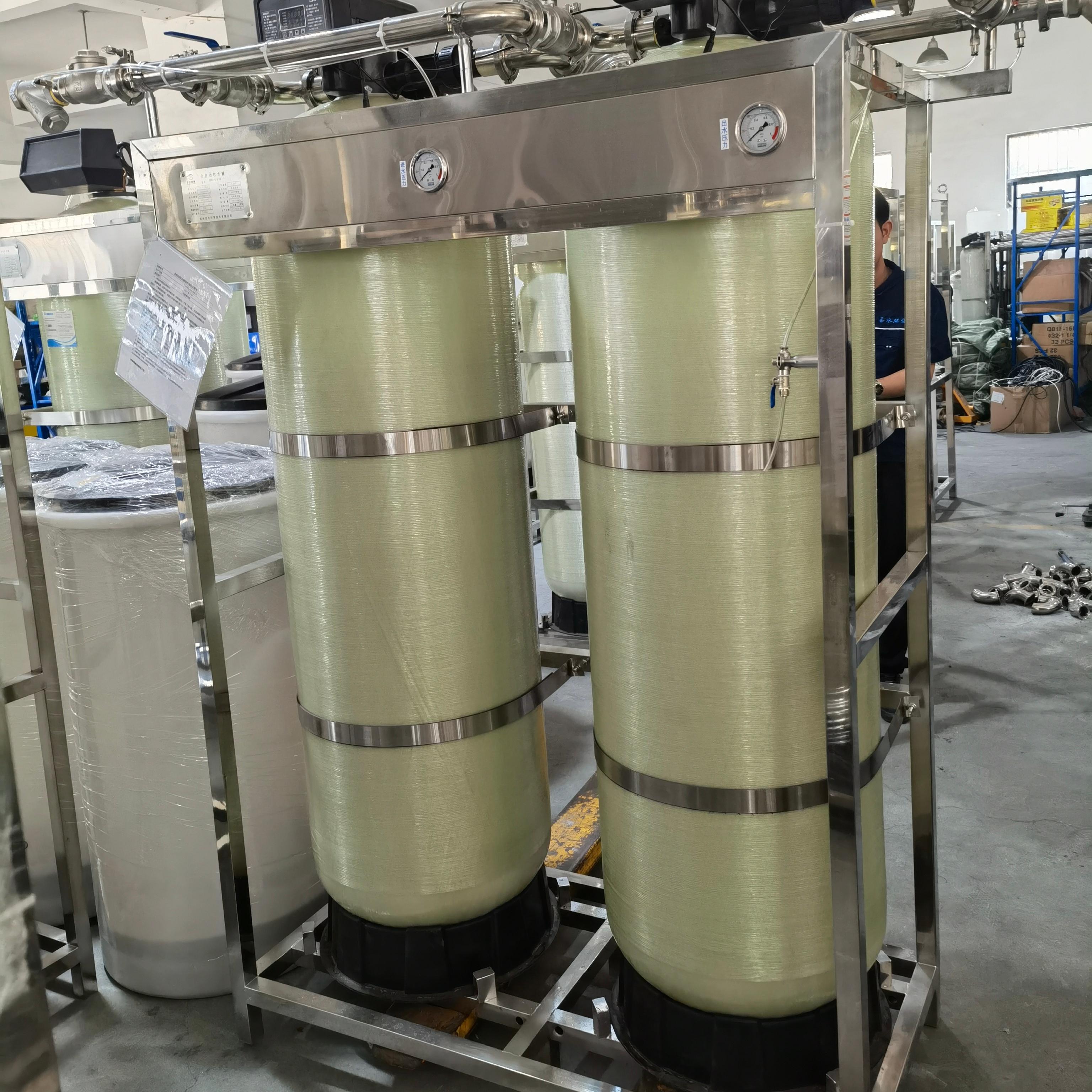
This 6-ton dual-valve dual-tank continuous water supply equipment is designed to provide efficient and stable water treatment solutions. Through the d...
See Details
+86-13396595772
[email protected]
[email protected]
[email protected]
[email protected]
Room 508, Xingyuncheng, No.15 Xingling Street, Xingqiao Street, Linping District, Hangzhou City, Zhejiang Province.
Copyright ©2024 Hangzhou Roushui Environmental Protection Technology Co., Ltd. All Rights Reserved. Custom Industrial Civil Water Treatment Purification Equipment Manufacturers
