
 English
 Español
 عربى
عربىCat:PP Cotton Filter Element
The filter element is a new type of precision filter element, which has the characteristics of small size, large filtering area, high precision, no po...
See DetailsService hotline: +86-13396595772


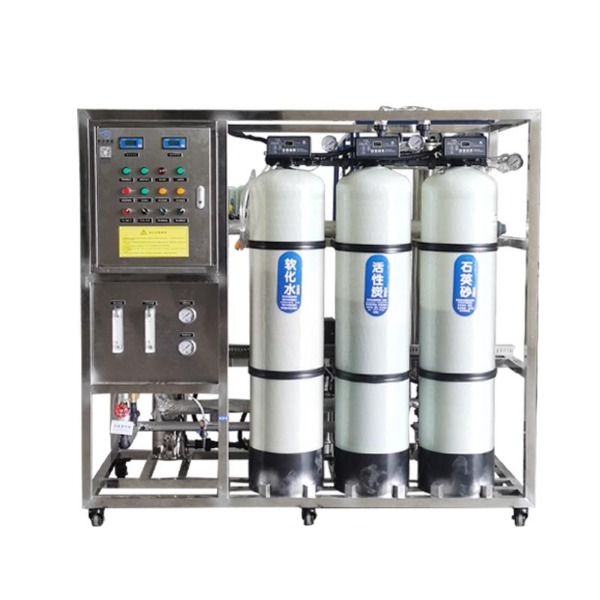
Water quality has become one of the important concerns in residential, commercial, and industrial environments. As water sources are increasingly exposed to pollutants, the demand for advanced purification technologies continues to grow. Among these solutions, RO pure water systems stand out as one of the effective methods for reducing a wide range of water contaminants.
Reverse osmosis technology is widely recognized for its ability to provide high-level filtration by using a semi-permeable membrane. This process removes impurities at a molecular level, ensuring cleaner and safer water output.
An RO pure water system operates by applying pressure to push water through a specialized membrane. This membrane allows only water molecules to pass while blocking dissolved salts, heavy metals, and other contaminants.
The system typically includes multiple filtration stages, each designed to target specific types of impurities. This layered approach ensures comprehensive water purification rather than single-stage filtration.
| Stage | Function | Contaminants Removed |
|---|---|---|
| Pre-filtration | Removes large particles | Sand, rust, sediments |
| Activated carbon filter | Adsorbs chemicals | Chlorine, organic compounds |
| RO membrane filtration | Core purification stage | Heavy metals, dissolved salts, microorganisms |
| Post-filtration | Final polishing | Taste and odor impurities |
This structured filtration process ensures that water undergoes progressive purification, improving both safety and taste.
One of the main advantages of reverse osmosis filtration is its ability to address a broad spectrum of contaminants. Unlike basic filtration methods, RO pure water systems target both visible and invisible impurities.
Common contaminants removed include:
By removing these substances, the system significantly improves drinking water quality and reduces potential health risks associated with long-term exposure.
Water quality improvement is not only about removing harmful substances but also about enhancing the overall characteristics of water. RO systems contribute in several important ways.
First, they reduce total dissolved solids (TDS), which directly affects water taste and clarity. Lower TDS levels typically result in cleaner, fresher-tasting water.
Second, the system helps balance water composition by removing unwanted minerals while retaining essential hydration properties. Although RO filtration removes many minerals, the result is generally considered safer for consumption, especially in areas with heavily polluted water sources.
Third, it provides consistency in water quality. Regardless of fluctuations in source water conditions, the output remains stable due to the controlled filtration process.
RO technology is widely used across multiple sectors due to its reliability and efficiency. Its adaptability makes it suitable for both small-scale and large-scale applications.
In each of these applications, maintaining high water purity is essential for safety, product quality, and operational efficiency.
The increasing adoption of reverse osmosis systems is driven by several key benefits:
Additionally, modern systems are designed for energy efficiency and ease of maintenance, making them practical for long-term use.
While RO pure water systems are highly effective, they also have certain considerations. One of the main factors is water wastage during the filtration process, as some water is used to flush contaminants from the membrane.
Another consideration is mineral reduction. Since RO systems remove both harmful and beneficial minerals, some users may choose to add a mineral rebalancing stage after filtration.
Despite these limitations, the overall benefits in water safety and quality generally outweigh the drawbacks, especially in areas with contaminated water sources.
RO pure water systems play a crucial role in modern water purification by effectively reducing a wide range of contaminants. Through multi-stage filtration and advanced membrane technology, they ensure cleaner, safer, and more reliable water for various applications.
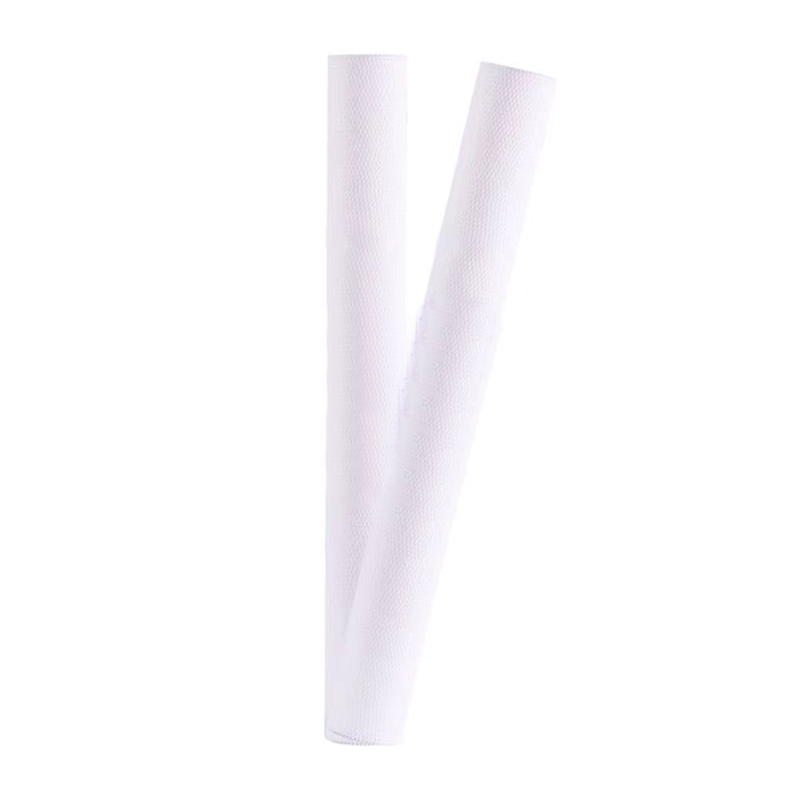
The filter element is a new type of precision filter element, which has the characteristics of small size, large filtering area, high precision, no po...
See Details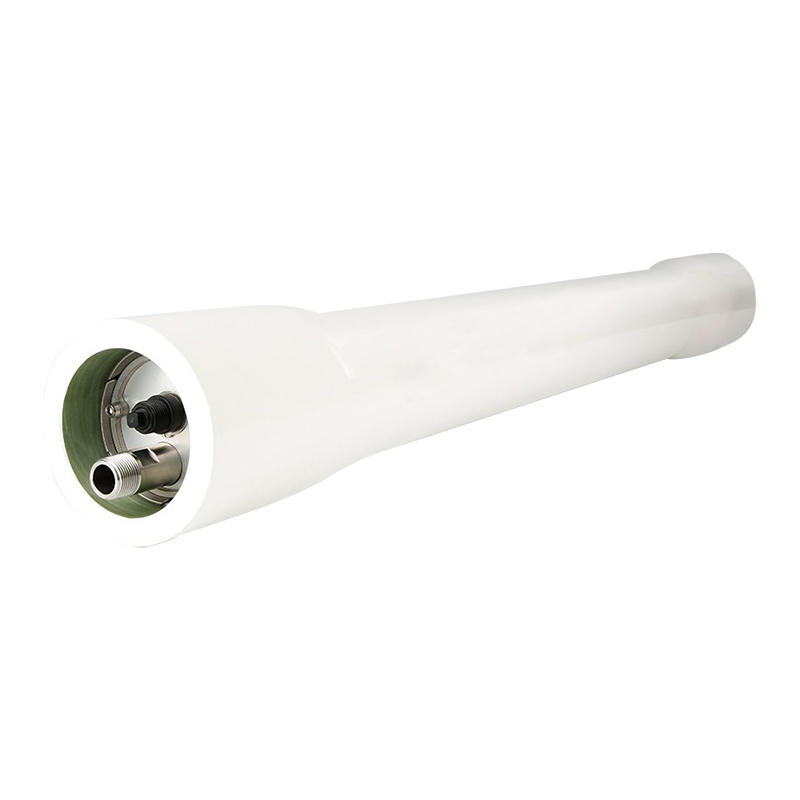
Fiber Reinforced Polymer (FRP) Reverse Osmosis (RO) membrane shells are highly sought-after for water treatment systems operating in corrosive environ...
See Details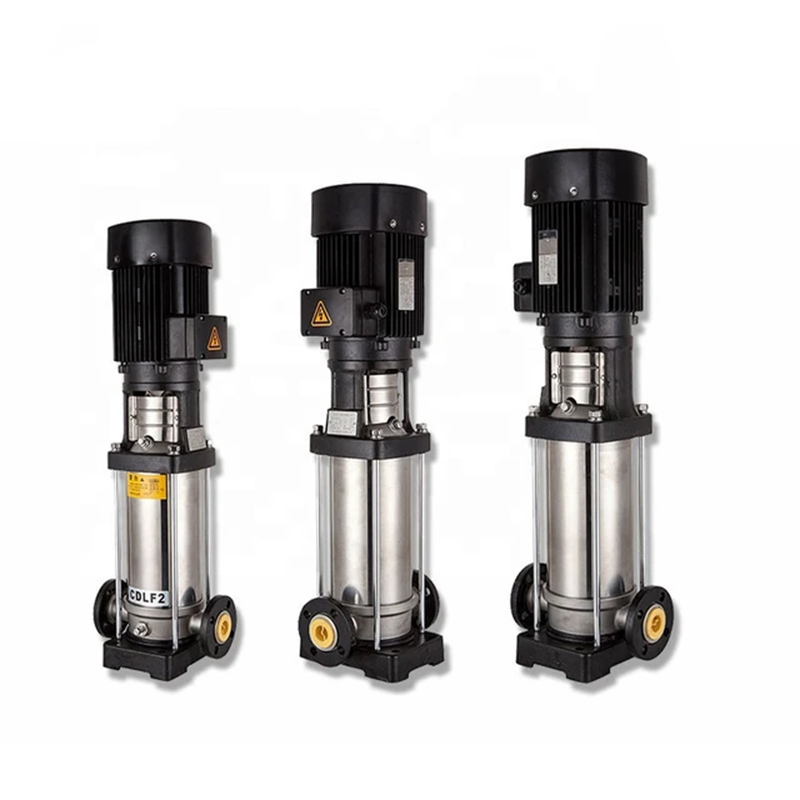
The CNP vertical multi-stage centrifugal booster water pump is an efficient and reliable industrial pump designed to meet various hydraulic booster ne...
See Details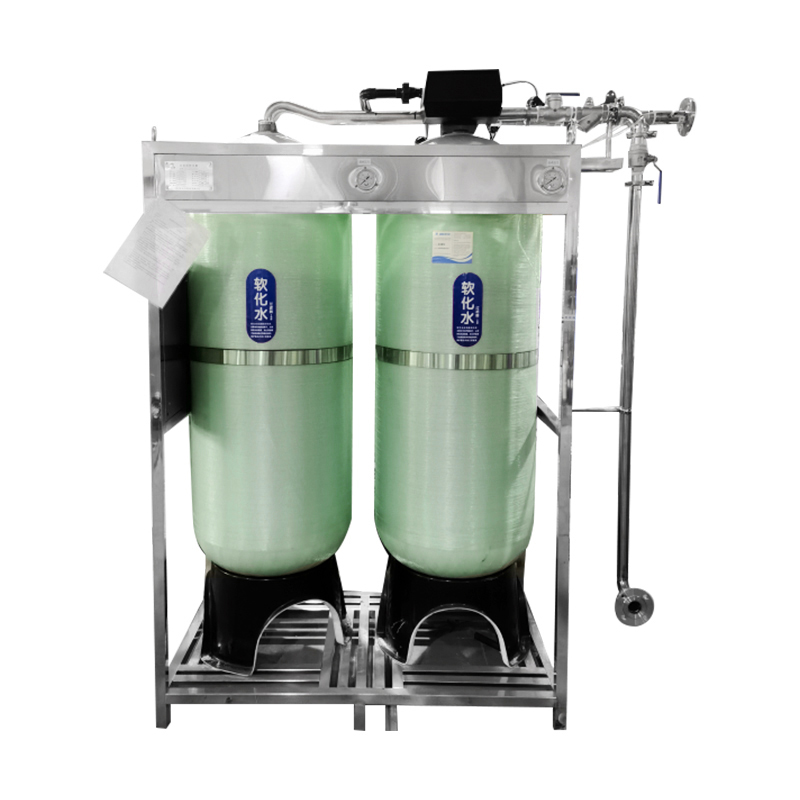
Commercial and Industrial Water Softening Systems are highly efficient water treatment solutions designed for commercial and industrial areas. Utilizi...
See Details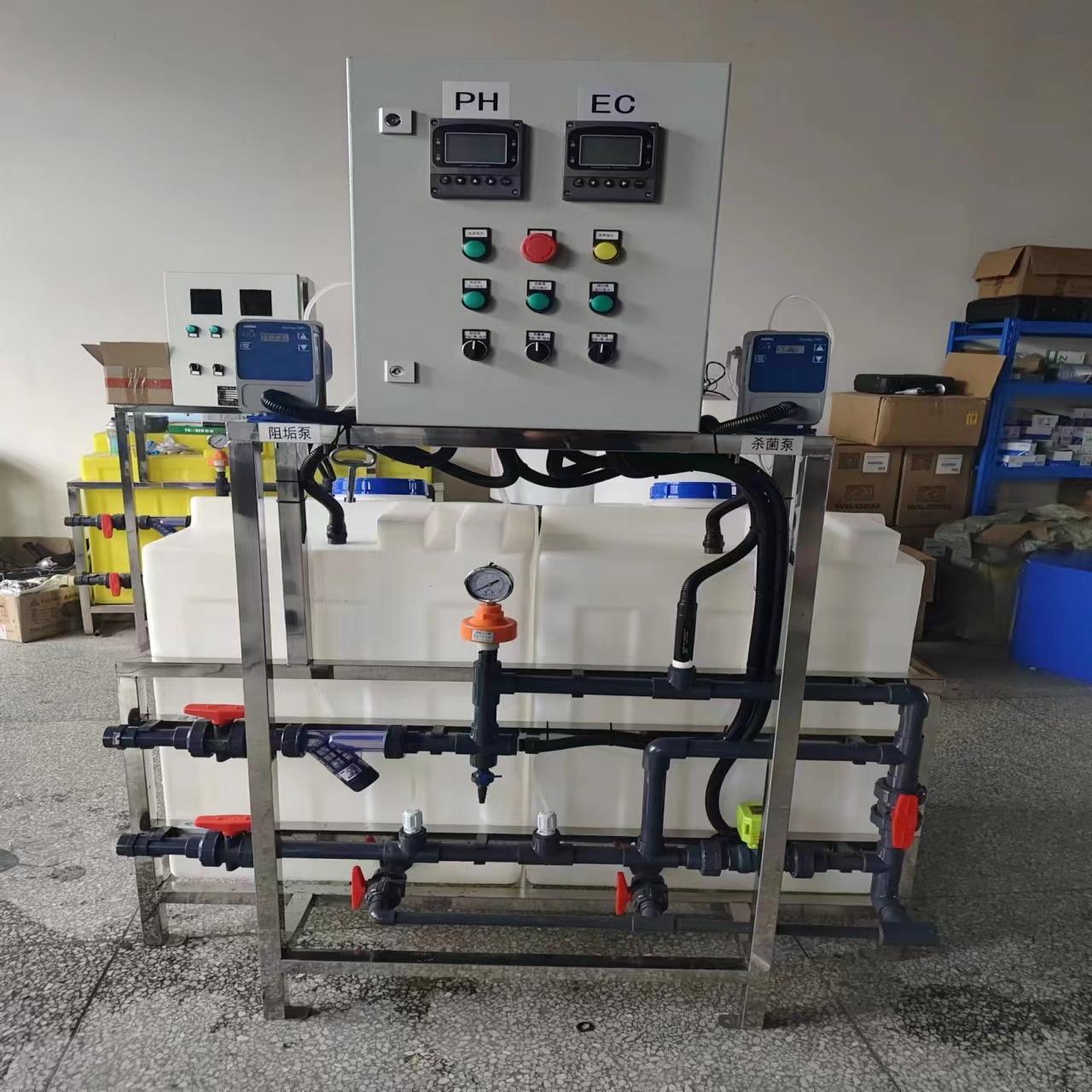
The Sterilization and anti-scaling dosing device is a device designed for water treatment systems for automatic dosing of bactericides and anti-scalin...
See Details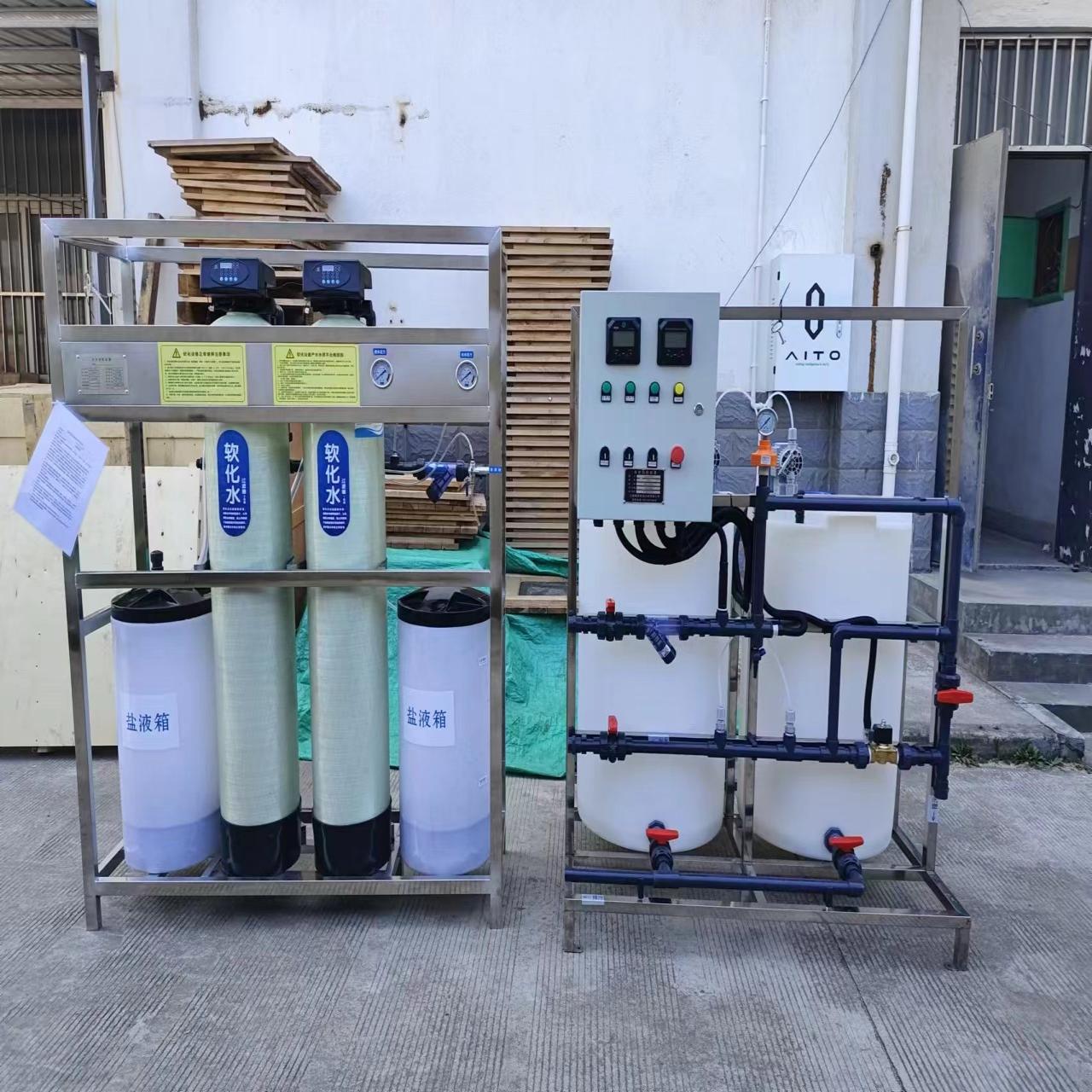
The circulating water system softening, replenishing, sterilizing and dosing device is a special equipment for industrial circulating water treatment....
See Details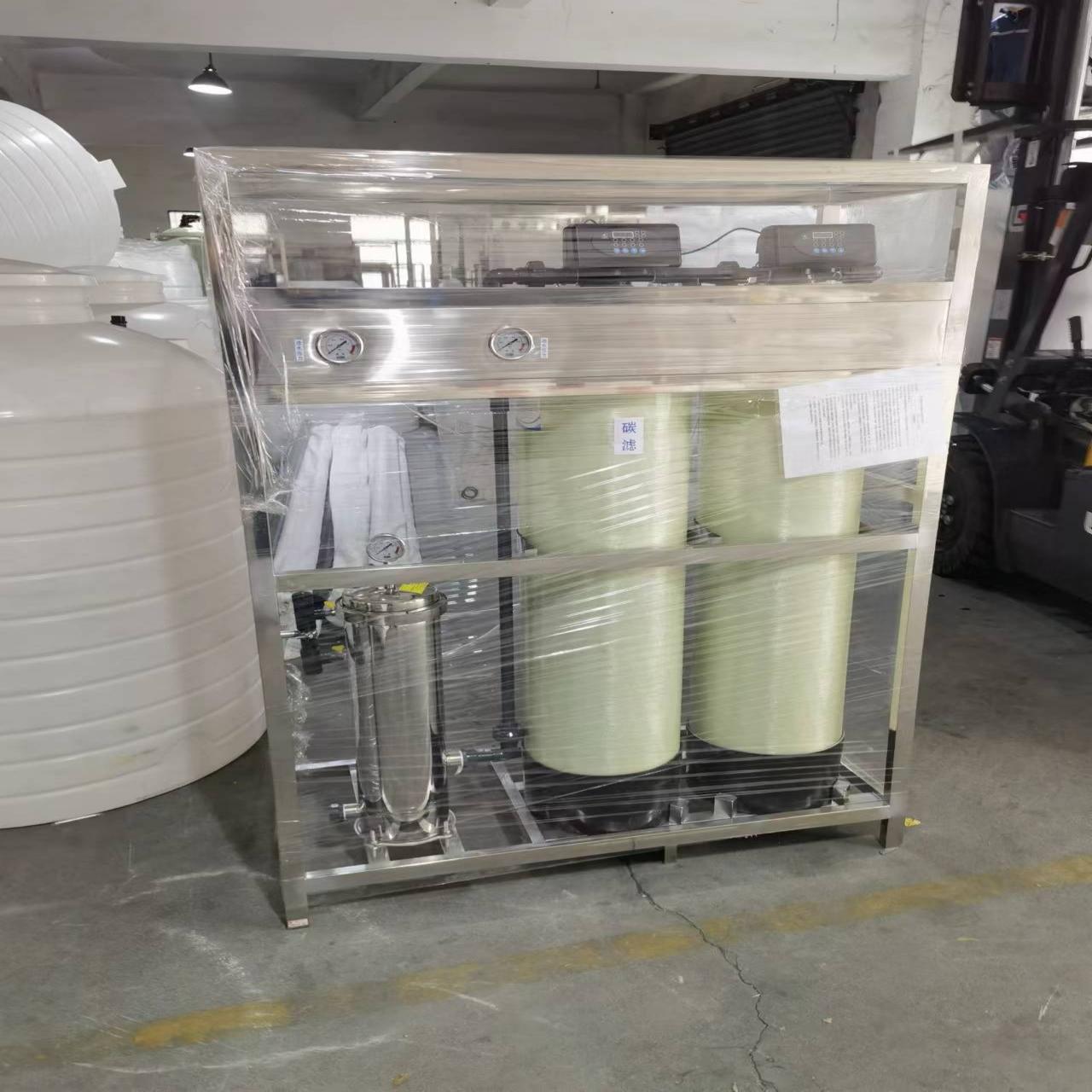
1 ton sand filter carbon filter compact tank is a high-efficiency filtration equipment for water treatment. It adopts sand filtration and carbon filtr...
See Details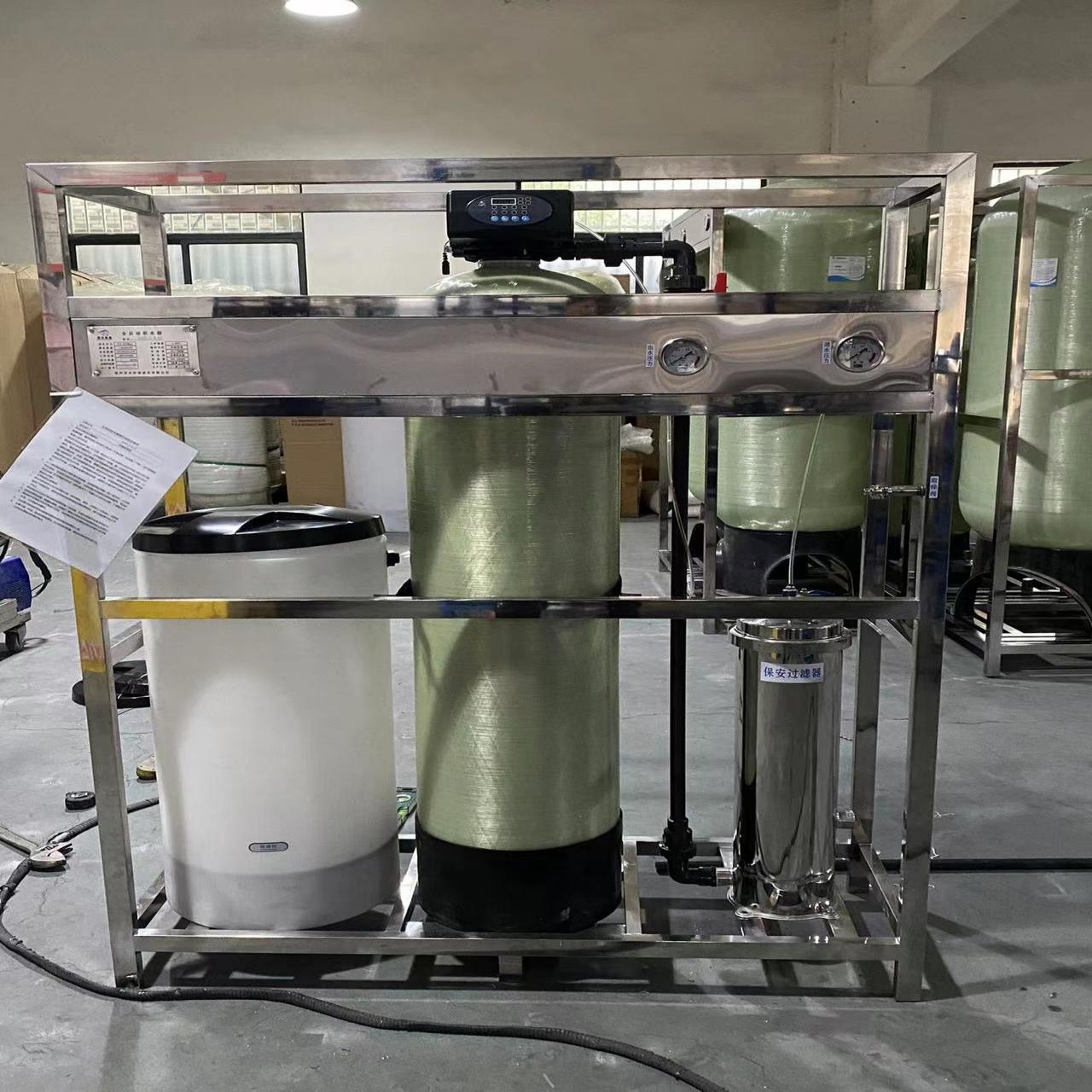
The 2-ton single tank with precision filtration is a device designed for small and medium-sized water treatment needs. It adopts a single tank structu...
See Details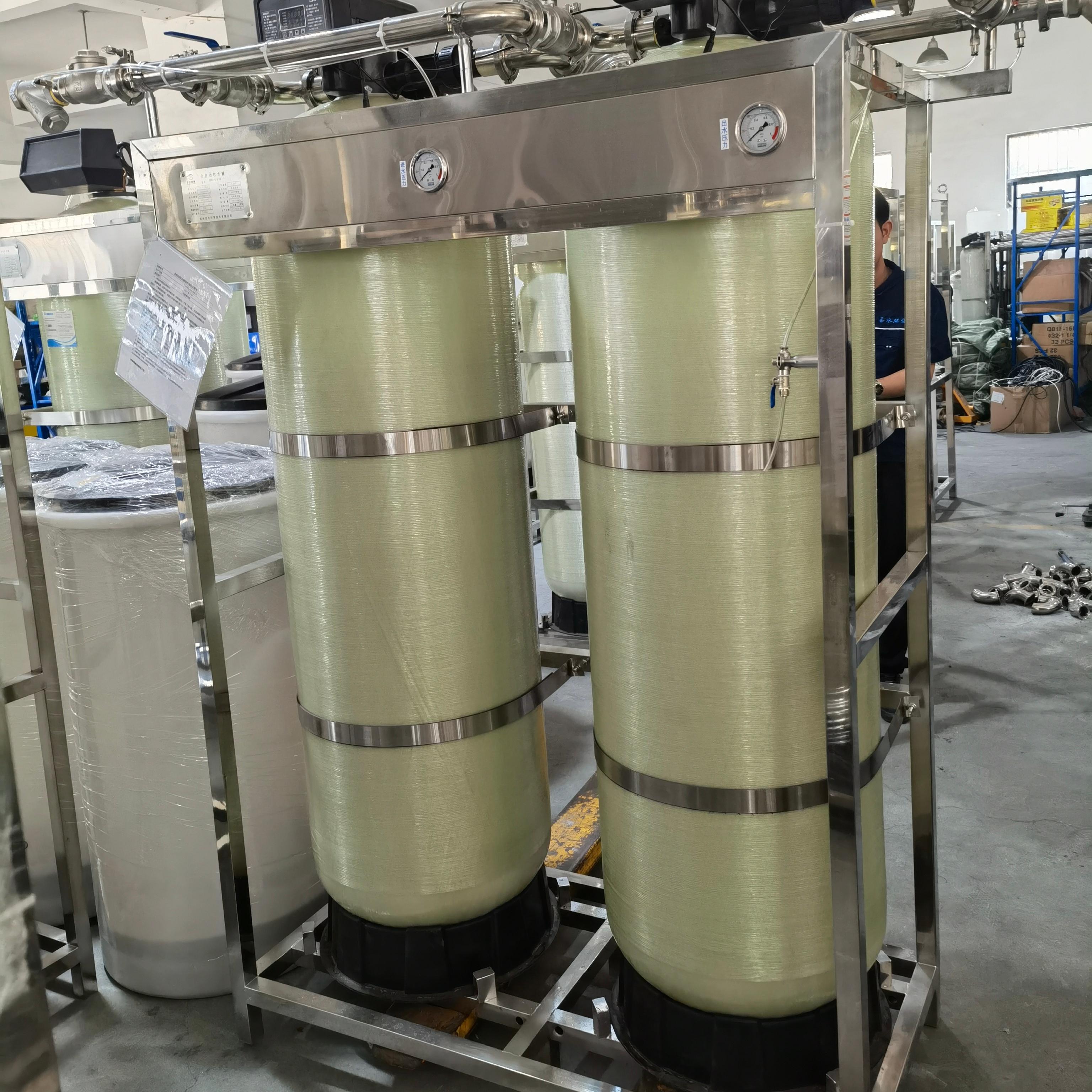
This 6-ton dual-valve dual-tank continuous water supply equipment is designed to provide efficient and stable water treatment solutions. Through the d...
See Details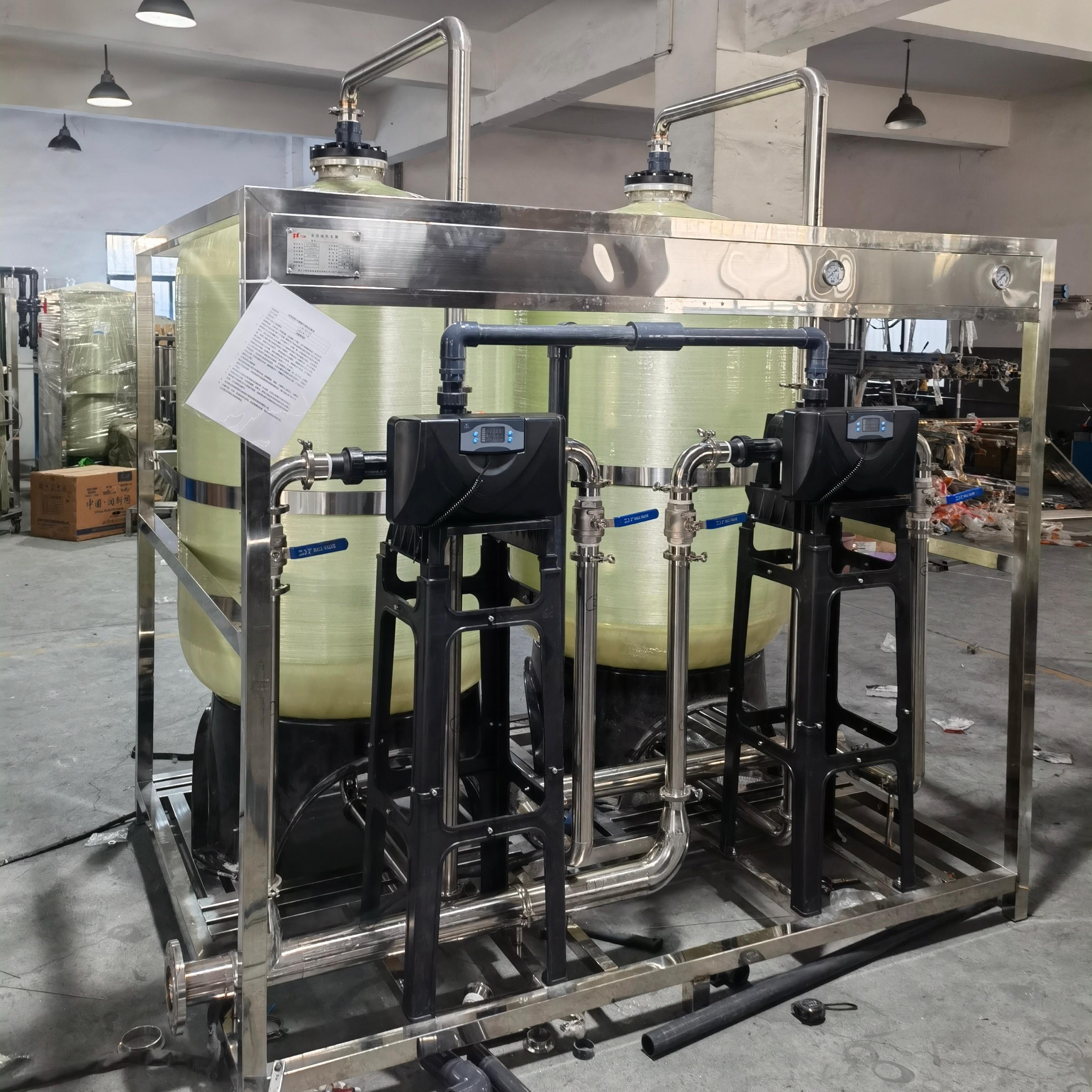
This 20-40 tons double valve double tank continuous water supply stainless steel pipeline equipment is an efficient and stable water treatment system ...
See Details
+86-13396595772
[email protected]
[email protected]
[email protected]
[email protected]
Room 508, Xingyuncheng, No.15 Xingling Street, Xingqiao Street, Linping District, Hangzhou City, Zhejiang Province.
Copyright ©2024 Hangzhou Roushui Environmental Protection Technology Co., Ltd. All Rights Reserved. Custom Industrial Civil Water Treatment Purification Equipment Manufacturers
