
 English
 Español
 عربى
عربىCat:UF Membrane
In the field of industrial water purification, strict quality standards are required. In response to this challenge, a membrane filter with a PVDF str...
See DetailsService hotline: +86-13396595772


Water softener systems have become a household necessity for many, providing an efficient solution for addressing hard water issues. Hard water, which contains high levels of calcium and magnesium, can various problems like mineral buildup in pipes, poor soap lathering, and damage to household appliances. While traditional salt-based water softener systems have been a popular choice for decades, a newer alternative, salt-free water softeners, has gained traction in recent years.
Water softener systems are designed to remove minerals like calcium and magnesium from hard water, thus preventing scale buildup and improving water quality. There are two main types of water softener systems: salt-based and salt-free. Both aim to achieve the same goal but operate on different principles and have distinct advantages and disadvantages.
Traditional salt-based water softeners use a process called ion exchange to remove the hardness-causing minerals from water. The system passes water through a resin bed that is coated with sodium ions. As hard water flows through the resin, calcium and magnesium ions are exchanged for sodium ions, effectively softening the water. Over time, the resin becomes saturated with calcium and magnesium ions and must be “regenerated” using salt to restore its softening capabilities.
Salt-free water softeners, on the other hand, do not rely on salt or the ion exchange process. Instead, they use a physical method, such as a template-assisted crystallization (TAC) process, to alter the structure of the hardness-causing minerals. The minerals are crystallized, which prevents them from adhering to surfaces like pipes, faucets, and appliances. While salt-free systems do not technically “soften” the water, they effectively reduce scaling and mineral buildup.
While traditional salt-based systems provide a proven method for softening water, salt-free systems have their own set of benefits. The primary advantage of salt-free systems is that they require little maintenance compared to their salt-based counterparts. Since there is no need for salt regeneration, there is no need to worry about refilling salt or dealing with the waste generated from the regeneration process.
However, salt-free systems are not as effective at reducing water hardness to the same extent as traditional salt-based systems. For very hard water, a salt-based system will generally be more effective in reducing mineral content and preventing scale buildup.
| Feature | Salt-Based Water Softener | Salt-Free Water Softener |
|---|---|---|
| Water Softening Capacity | High (removes up to 99% of hardness) | Low to moderate (does not remove hardness, but prevents buildup) |
| Maintenance | Requires regular salt replenishment and regeneration | Minimal maintenance (no salt or regeneration) |
| Environmental Impact | Produces brine waste that can affect water systems | More environmentally friendly, no waste or discharge of salt |
| Cost of Operation | Higher due to salt and energy usage | Lower long-term operational costs |
| Effectiveness for Hard Water | Very effective for areas with extremely hard water | Suitable for moderately hard water, not effective for very hard water |
| Lifespan of Appliances | Can prevent mineral buildup in appliances | Helps reduce scale buildup in appliances |
1. Can a salt-free water softener system completely replace a salt-based system?
No, salt-free water softeners do not remove the hardness-causing minerals. They prevent scale buildup but are not as effective in softening very hard water as salt-based systems.
2. Is a salt-free water softener system better for the environment?
Yes, salt-free systems have a lower environmental impact as they do not produce brine waste, which can be harmful to the environment. Salt-based systems generate salt waste during the regeneration process.
3. How do I know which type of water softener is for my home?
Consider the hardness of your water. If you have very hard water, a salt-based system is likely the option. For moderately hard water, a salt-free system may be sufficient.
4. Do salt-free water softeners require a lot of maintenance?
No, salt-free systems require minimal maintenance as they do not need regular salt refills or regeneration. The main maintenance requirement is to replace the filter cartridges periodically.
5. How much can a salt-free water softener system save in the long term?
While the initial cost of a salt-free system may be slightly higher, it saves money in the long run due to the lack of salt costs and less frequent maintenance.
Both salt-based and salt-free water softener systems have their place in the market, and the choice between them ultimately depends on factors such as water hardness, environmental considerations, and budget. While salt-based systems are highly effective at softening water, salt-free systems offer a more eco-friendly, low-maintenance solution for preventing scale buildup. By understanding the differences between these systems, you can make an informed decision that suits your needs and lifestyle.
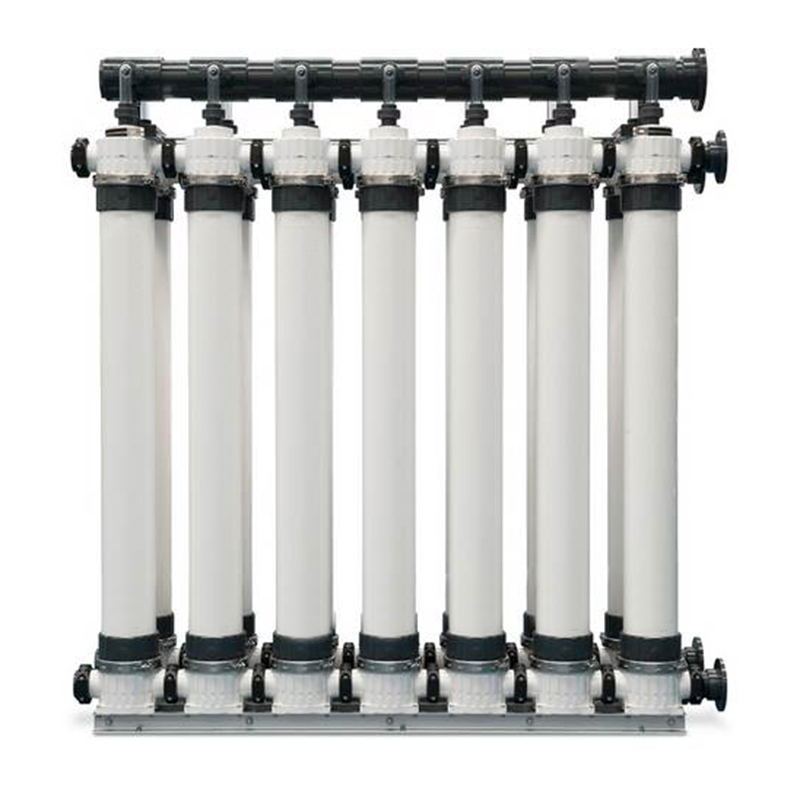
In the field of industrial water purification, strict quality standards are required. In response to this challenge, a membrane filter with a PVDF str...
See Details
The filter element is a new type of precision filter element, which has the characteristics of small size, large filtering area, high precision, no po...
See Details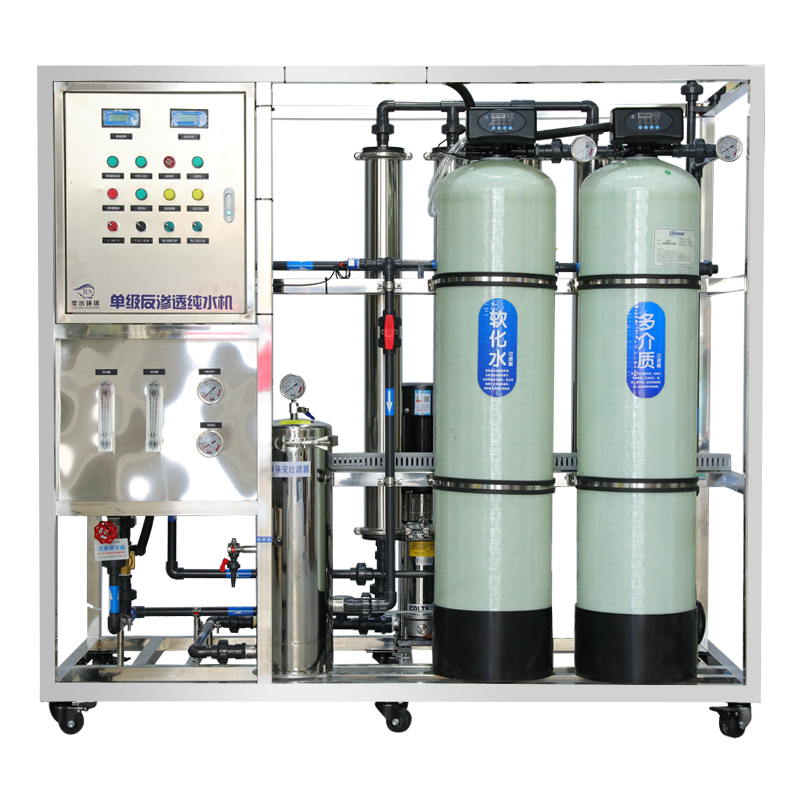
The pure water industrial RO water treatment system is an efficient and reliable water treatment equipment specially designed to meet the demand for p...
See Details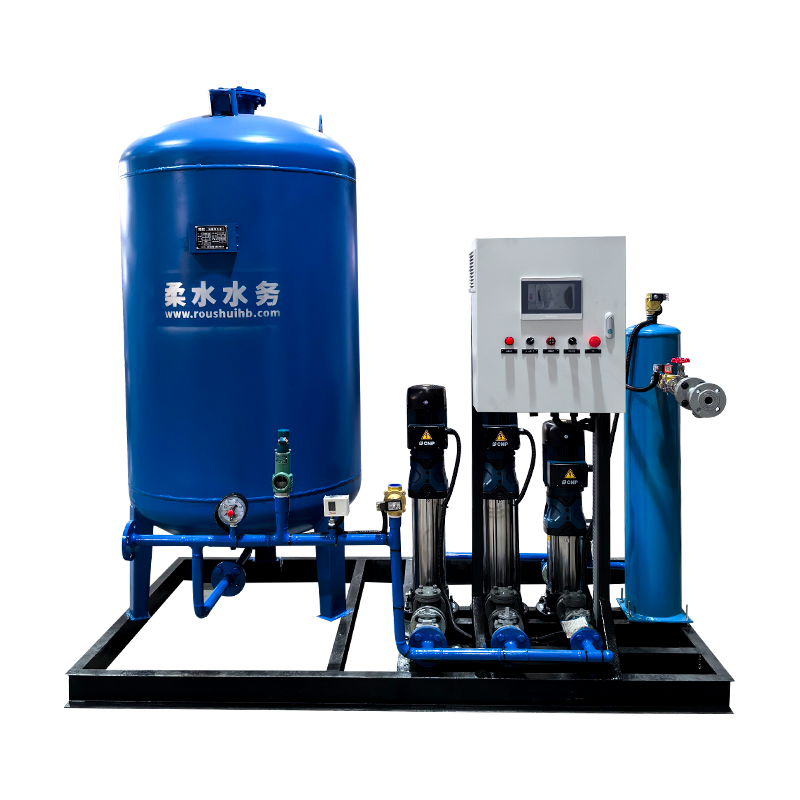
This equipment is a water supply system specially designed to provide stable water pressure. It combines the design of a water pump and an expansion t...
See Details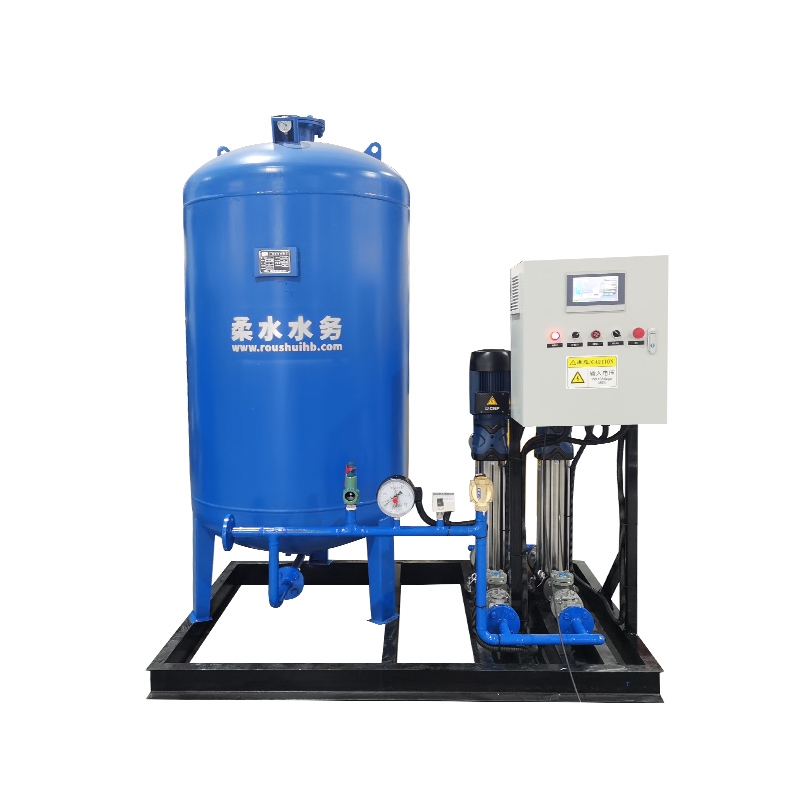
The constant pressure water replenishment device is a device used to maintain the stability of the water system pressure. It is mainly used in systems...
See Details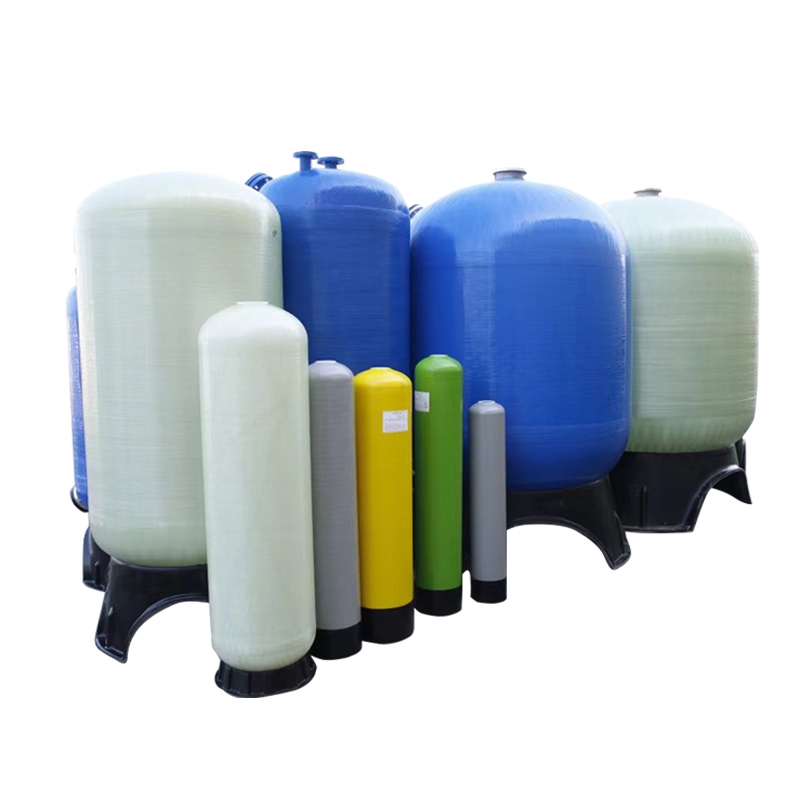
FRP filter tank is a filtering device that uses FRP as the shell material. It is widely used in water treatment, sewage treatment, industrial water tr...
See Details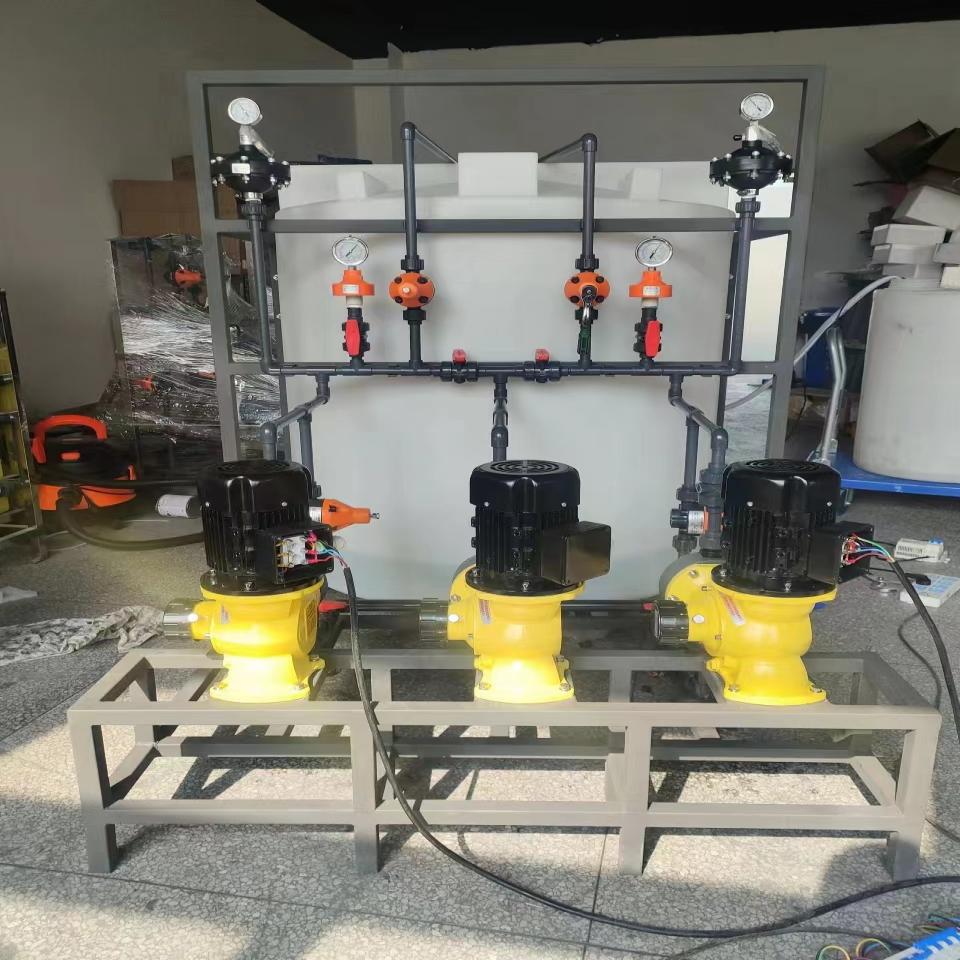
Sterilization, scale prevention, PAC, PAM and other dual-purpose dosing devices is a multifunctional water treatment equipment that integrates the dos...
See Details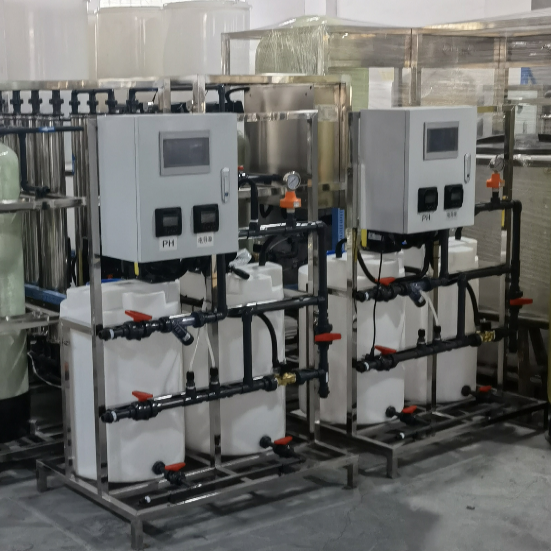
Scale-inhibiting and sterilizing PLC system circulating water dosing device is an efficient dosing device designed for circulating water system. It is...
See Details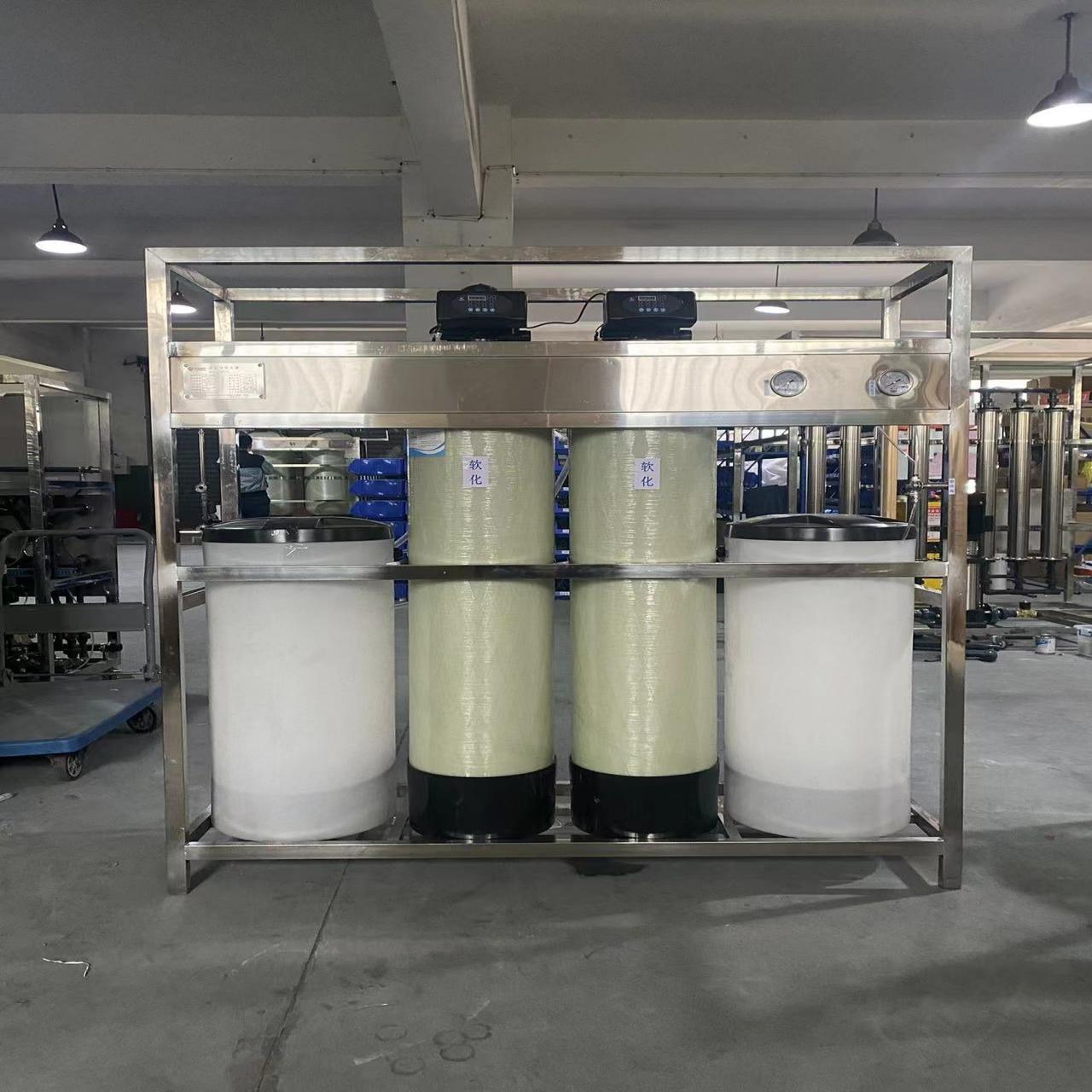
The 2-ton dual-valve dual-tank continuous water supply system is a device for medium-sized water treatment and water supply. It adopts a dual-tank des...
See Details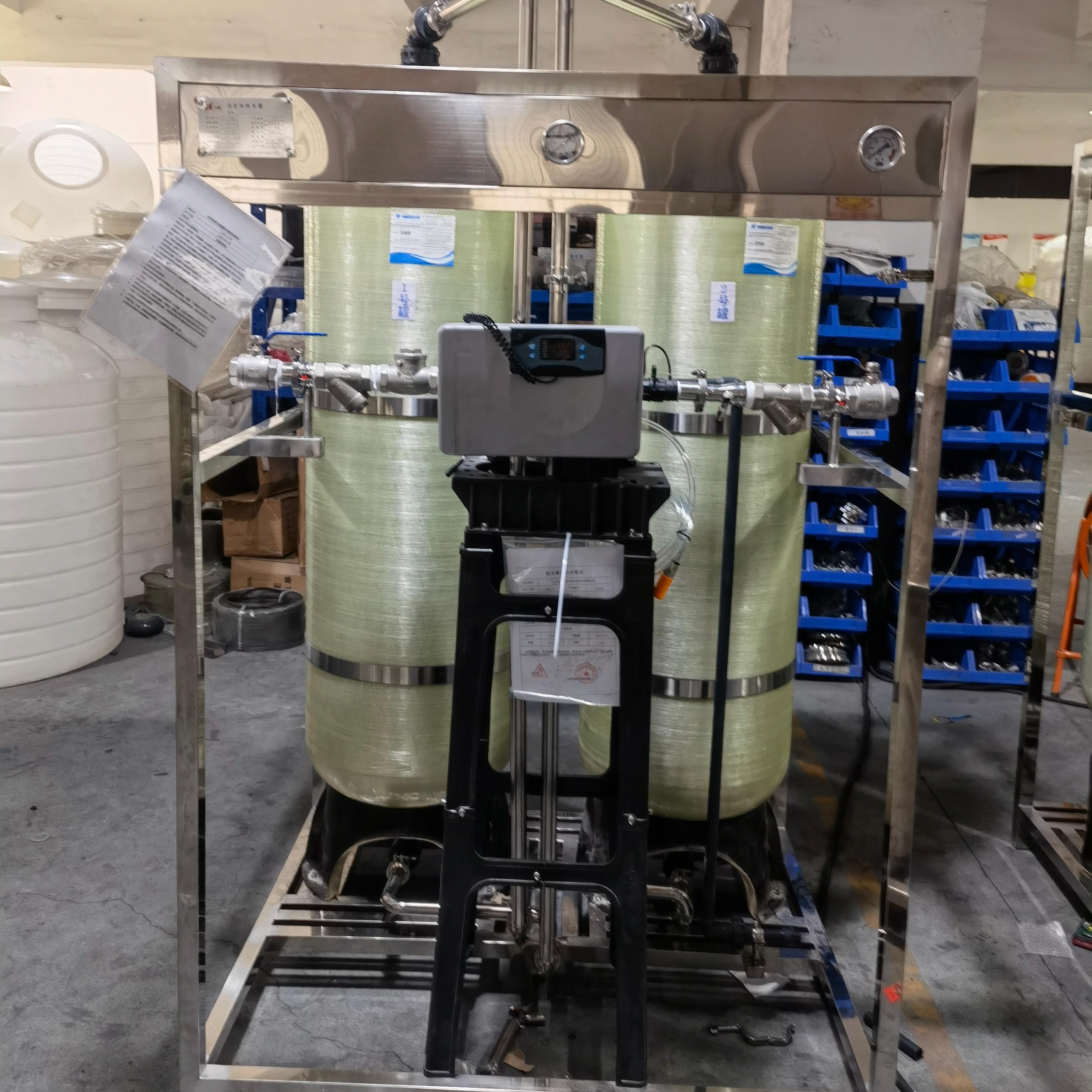
5-ton single valve dual tank, one for use and one for standby is a high-efficiency equipment designed for water treatment. It adopts a single valve du...
See Details
+86-13396595772
[email protected]
[email protected]
[email protected]
[email protected]
Room 508, Xingyuncheng, No.15 Xingling Street, Xingqiao Street, Linping District, Hangzhou City, Zhejiang Province.
Copyright ©2024 Hangzhou Roushui Environmental Protection Technology Co., Ltd. All Rights Reserved. Custom Industrial Civil Water Treatment Purification Equipment Manufacturers
