
 English
 Español
 عربى
عربىCat:Constant Pressure Water Supply Systems
This equipment is a water supply system specially designed to provide stable water pressure. It combines the design of a water pump and an expansion t...
See DetailsService hotline: +86-13396595772


Introduction
Fiberglass Reinforced Plastic (FRP) water tanks have gained widespread acceptance in various industries due to their outstanding properties such as corrosion resistance, lightweight nature, high strength, and long-lasting durability. These advantages make FRP water tanks highly effective for water storage in environments where conventional materials might fail. In industries like water treatment, sewage management, and industrial processes, FRP water tanks are critical for maintaining the quality and safety of stored water.
Understanding FRP Water Tanks
FRP (Fiberglass Reinforced Plastic) is a composite material made by combining glass fibers with a resin matrix, which provides both strength and resistance to corrosion. The characteristics that make FRP a preferred material for water tanks include:
FRP water tanks are commonly used in water treatment, sewage treatment, and industrial water management systems. Among these tanks, FRP filter tanks are specifically designed for filtering water, with added features such as the ability to hold filter media that help purify water before it is released.
Maintenance Requirements for FRP Water Tanks
The maintenance of FRP water tanks involves a set of practices that are crucial to ensuring their longevity and effective operation. Here, we will discuss the key maintenance tasks that are required for these tanks.
Regular inspection is essential to detect any signs of wear, damage, or leaks. Some common issues to look out for in FRP water tanks include:
FRP water tanks, like any water storage system, require periodic cleaning to remove sediment, algae, or biofilm build-up. This is particularly important for tanks used in water treatment or drinking water applications.
Cleaning Frequency:
For FRP filter tanks, the condition of the filter media is a critical aspect of maintenance. The filter media can become clogged or fouled over time, reducing the tank’s effectiveness. Therefore, regular checks should be conducted to ensure the media is functioning optimally.
One of the key benefits of FRP water tanks is their sealing properties, but over time, seals and gaskets may wear out. This can leaks and compromise the integrity of the water tank.
Maintenance Steps:
Although FRP water tanks are designed to withstand conditions, they are not immune to external damage. Preventive maintenance is important to ensure the structural integrity of the tank over time.
Key Maintenance Activities:
FRP tanks can degrade under prolonged exposure to UV radiation. While FRP is naturally resistant to corrosion, UV degradation can cause the tank material to become brittle or discolored.
Preventive Measures:
Proper ventilation is necessary for FRP tanks, especially in those used for water filtration or sewage treatment. Air vents ensure that the tank maintains the correct pressure levels and prevents the build-up of harmful gases.
Air Vent Inspection:
Maintenance Comparison: FRP Water Tanks vs. Other Types
In comparison to other water tank materials, such as steel, concrete, and plastic, FRP water tanks have relatively lower maintenance requirements. Here’s a breakdown:
| Maintenance Task | FRP Water Tanks | Steel Tanks | Concrete Tanks | Plastic Tanks |
|---|---|---|---|---|
| Inspection & Cleaning | Moderate | High | Moderate | Low |
| Filter Media Maintenance | Required (periodic) | Not applicable | Not applicable | Not applicable |
| Sealing & Leak Prevention | Low to Moderate | High (prone to rust) | Low (cracks, leakage) | Low (cracking, leaks) |
| Structural Integrity | Low (lightweight) | High (heavy structure) | High (prone to cracking) | Low (plastic warping) |
| UV Protection | Required (UV coatings) | Not applicable | Not applicable | Required (UV degradation) |
FRP water tanks stand out due to their corrosion resistance, lightweight design, and long lifespan. Maintenance requirements for these tanks are generally less demanding compared to steel or concrete tanks, especially when it comes to cleaning and structural integrity. However, regular inspections, proper cleaning schedules, and maintenance of the filter media are essential for performance.
By following recommended maintenance practices, FRP water tanks manufacturers can ensure that their products perform efficiently for extended periods, making them an ideal choice for industries that require reliable and durable water storage solutions.
FAQ
1. How often should FRP water tanks be inspected?
2. Can FRP water tanks be used for drinking water storage?
3. What should be done if an FRP water tank shows signs of cracking?
4. How often should the filter media in an FRP filter tank be replaced?
5. What maintenance is required for FRP tanks used in industrial water treatment?
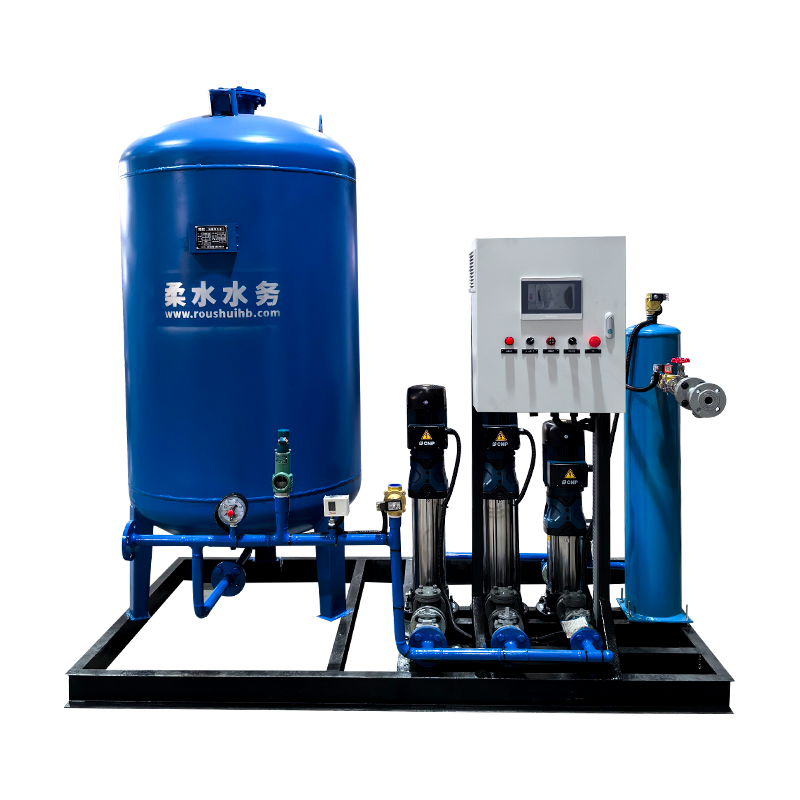
This equipment is a water supply system specially designed to provide stable water pressure. It combines the design of a water pump and an expansion t...
See Details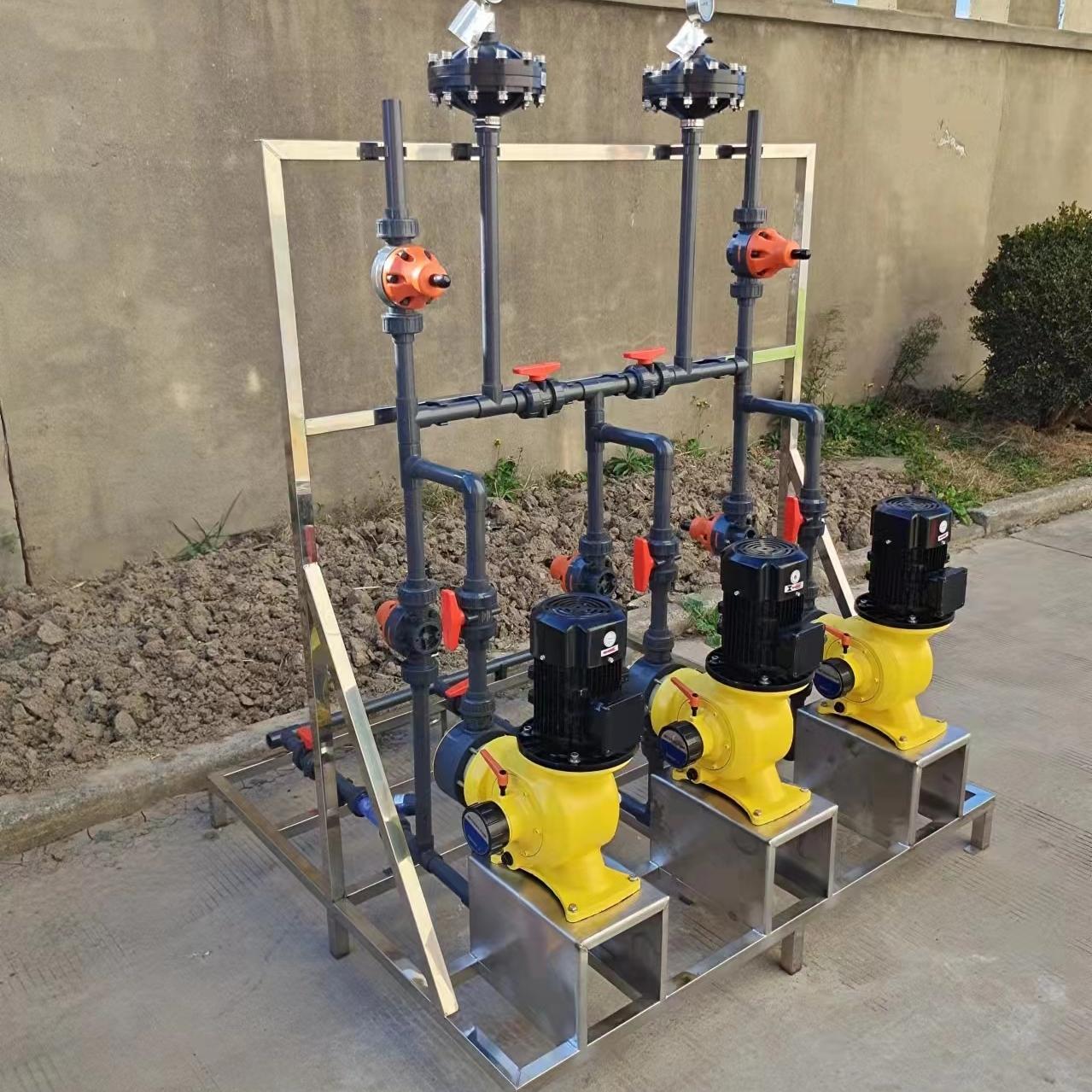
The Two-in-one dosing device for Acid and alkali is a water treatment device that integrates the automatic dosing function of acid and alkaline agents...
See Details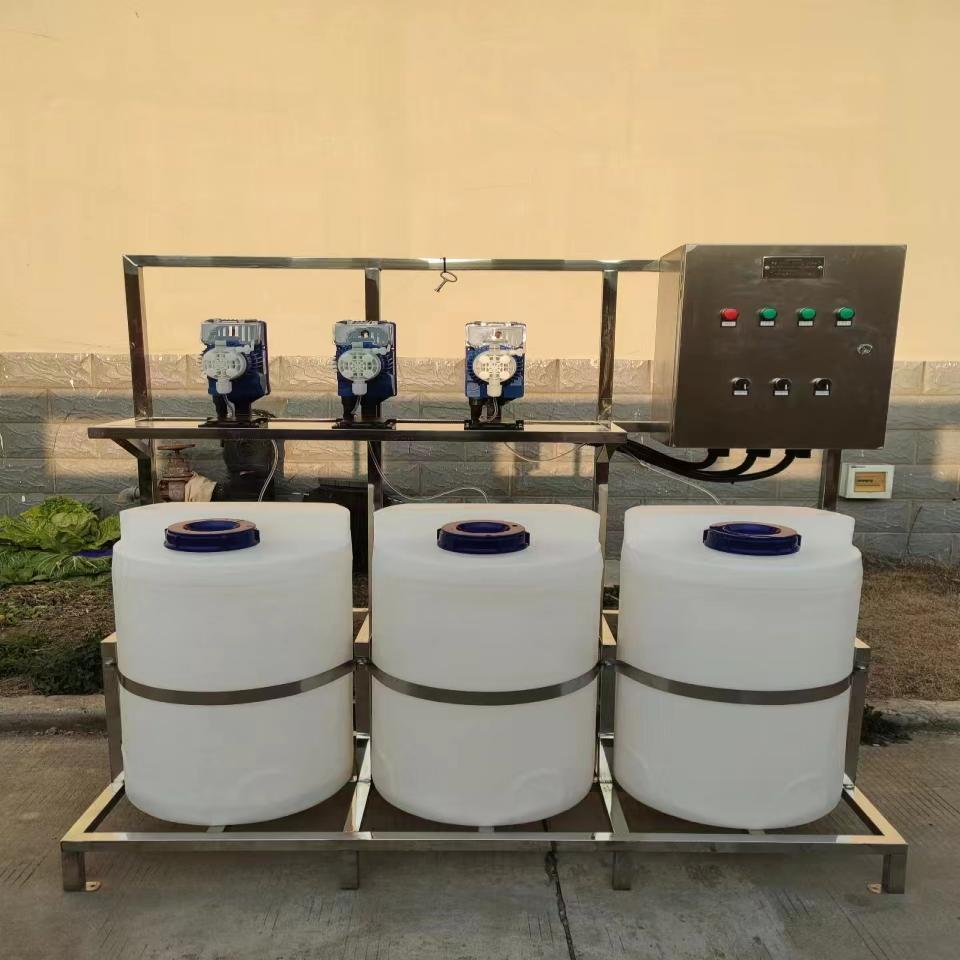
The flocculation scale inhibition and sterilization three-pump three-barrel circulating water system dosing device is a device specially used for circ...
See Details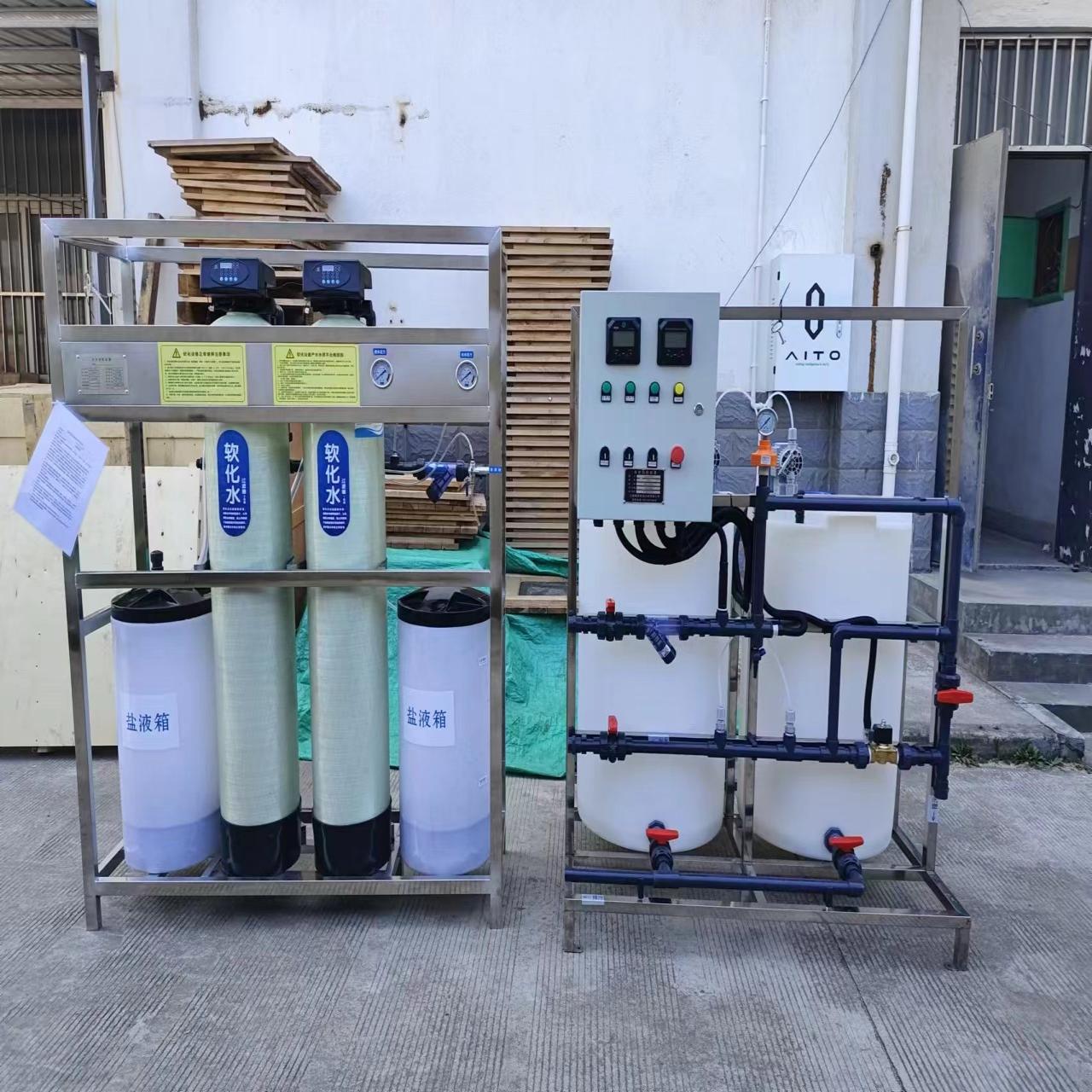
The circulating water system softening, replenishing, sterilizing and dosing device is a special equipment for industrial circulating water treatment....
See Details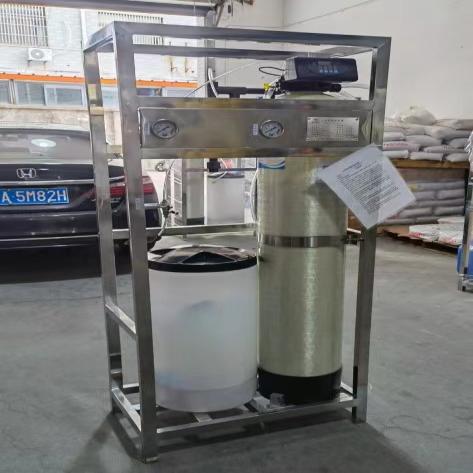
1 ton single tank is a device for storing and dosing water treatment chemicals, usually used in the dosing link of water treatment systems. The device...
See Details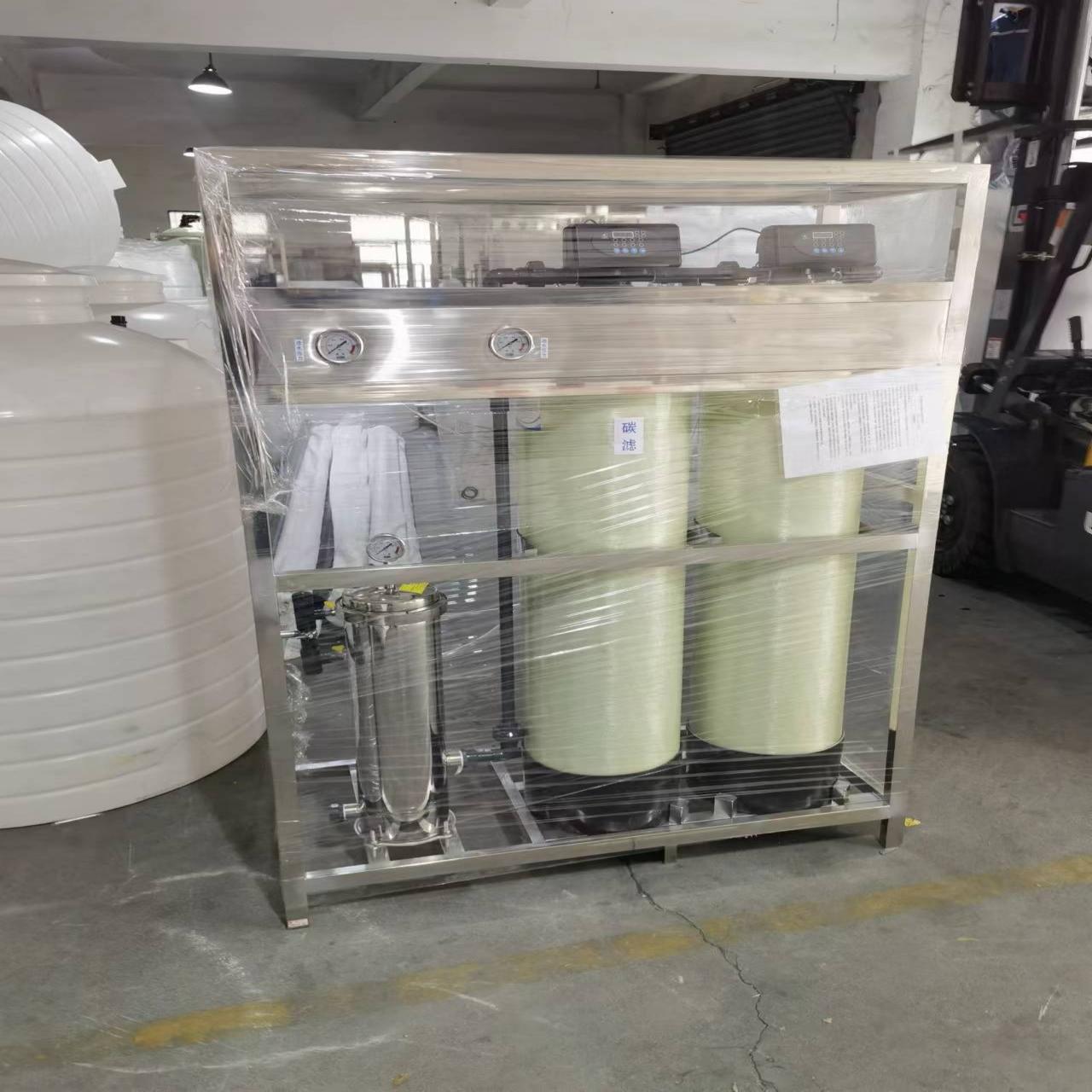
1 ton sand filter carbon filter compact tank is a high-efficiency filtration equipment for water treatment. It adopts sand filtration and carbon filtr...
See Details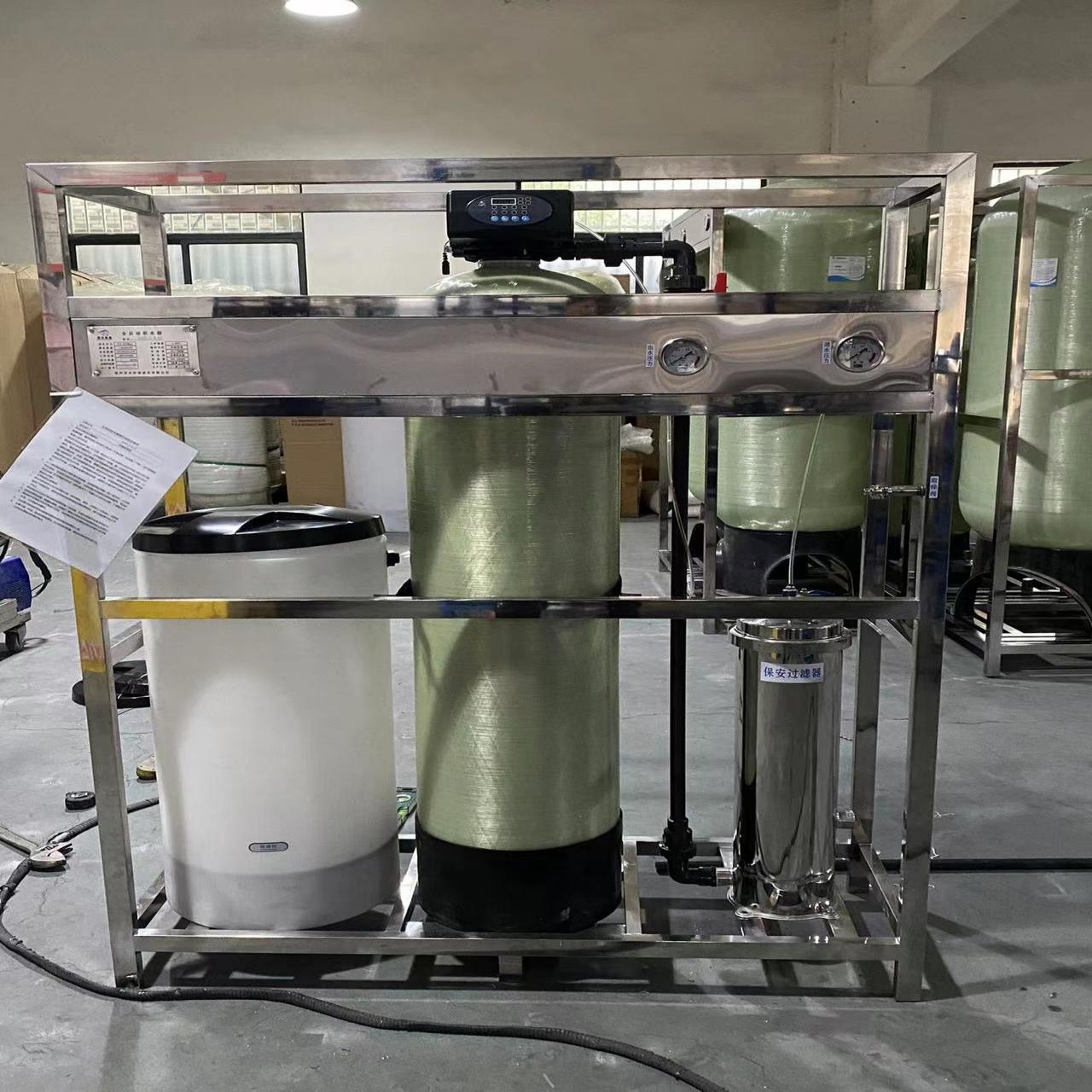
The 2-ton single tank with precision filtration is a device designed for small and medium-sized water treatment needs. It adopts a single tank structu...
See Details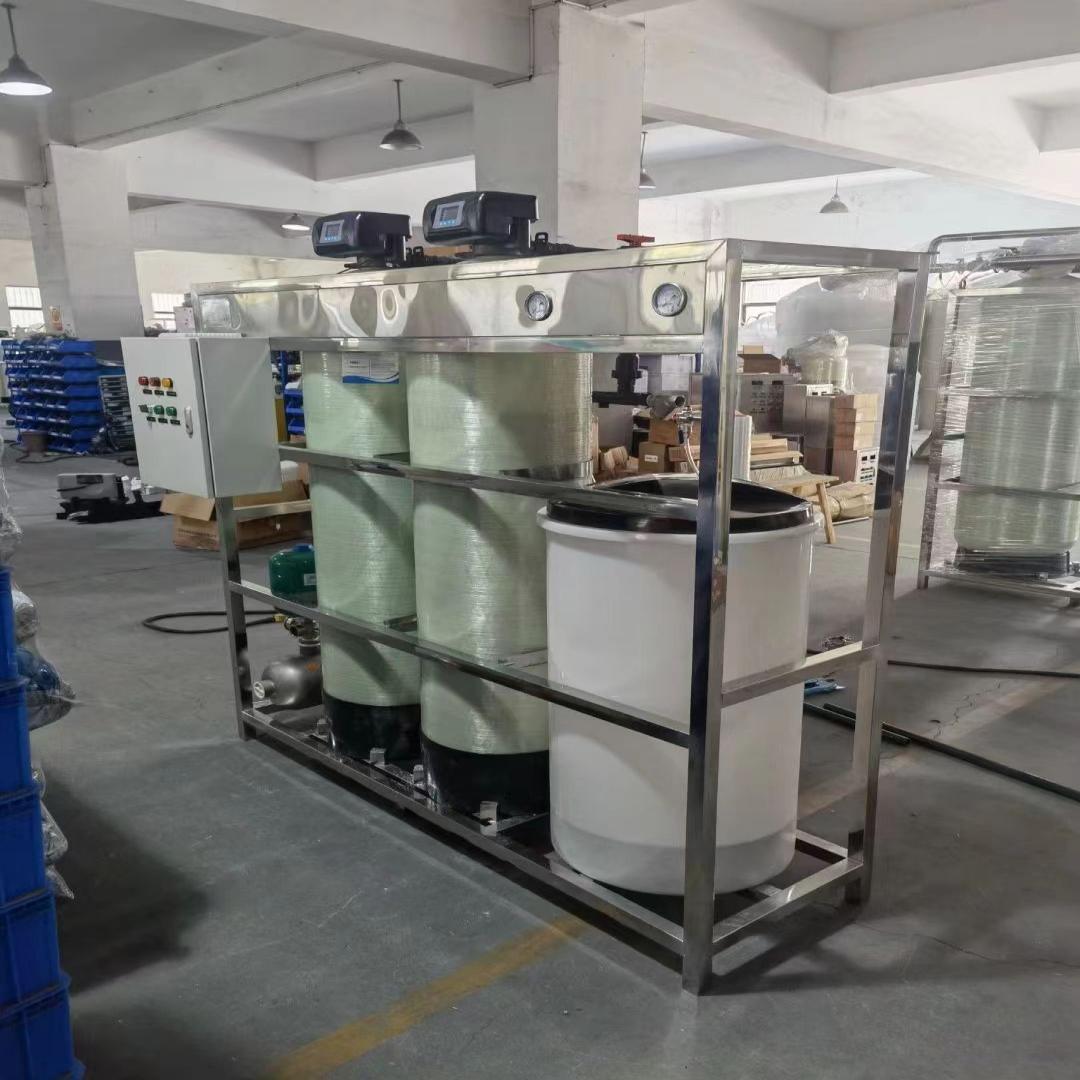
The 4-ton dual-valve dual-tank live box is an efficient water treatment equipment designed for industrial and commercial water treatment systems. The ...
See Details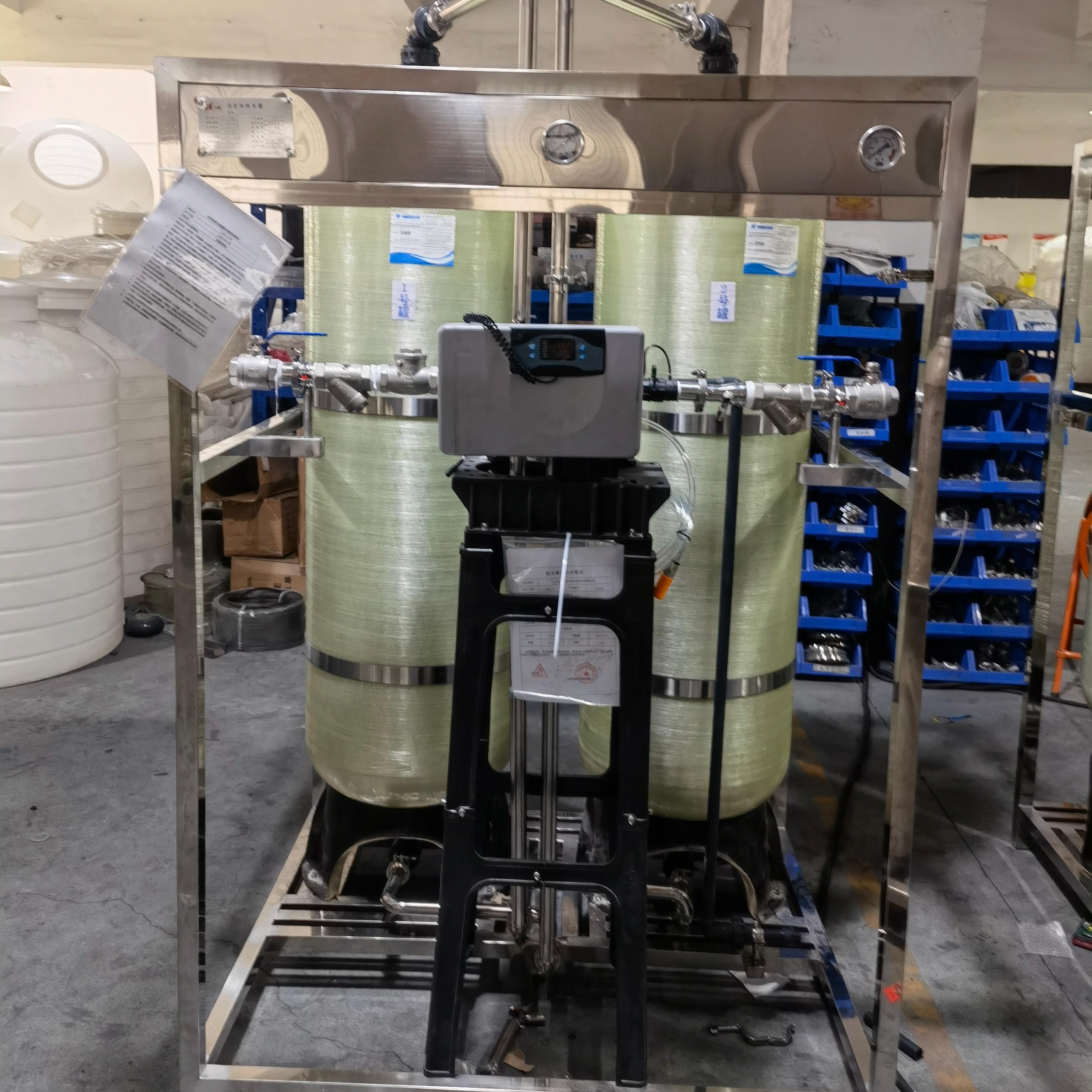
5-ton single valve dual tank, one for use and one for standby is a high-efficiency equipment designed for water treatment. It adopts a single valve du...
See Details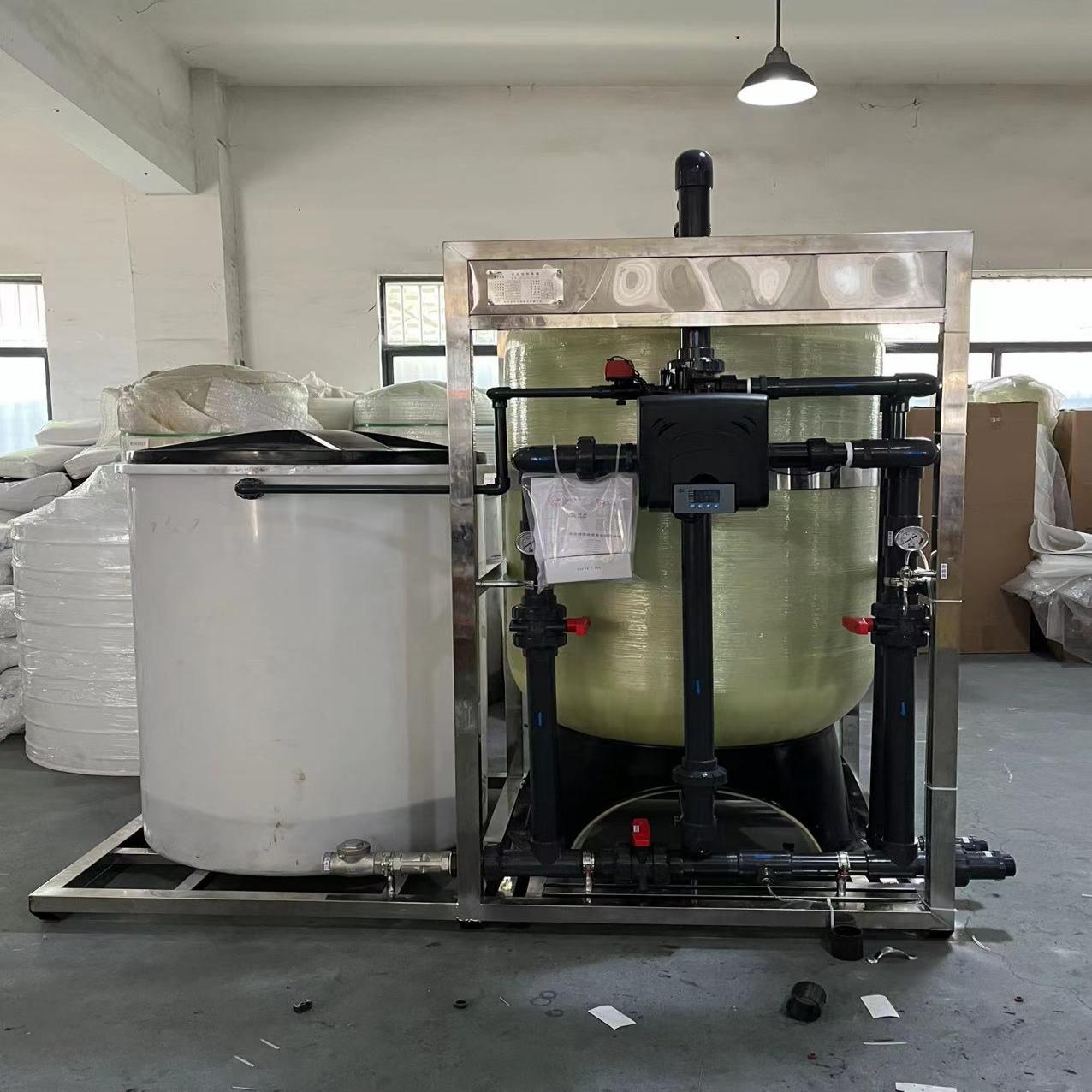
The 15-ton single valve single tank equipment is designed for large-scale water treatment needs and is suitable for places that require large-capacity...
See Details
+86-13396595772
[email protected]
[email protected]
[email protected]
[email protected]
Room 508, Xingyuncheng, No.15 Xingling Street, Xingqiao Street, Linping District, Hangzhou City, Zhejiang Province.
Copyright ©2024 Hangzhou Roushui Environmental Protection Technology Co., Ltd. All Rights Reserved. Custom Industrial Civil Water Treatment Purification Equipment Manufacturers
