
 English
 Español
 عربى
عربىCat:RO Pure Water Systems
The pure water industrial RO water treatment system is an efficient and reliable water treatment equipment specially designed to meet the demand for p...
See DetailsService hotline: +86-13396595772


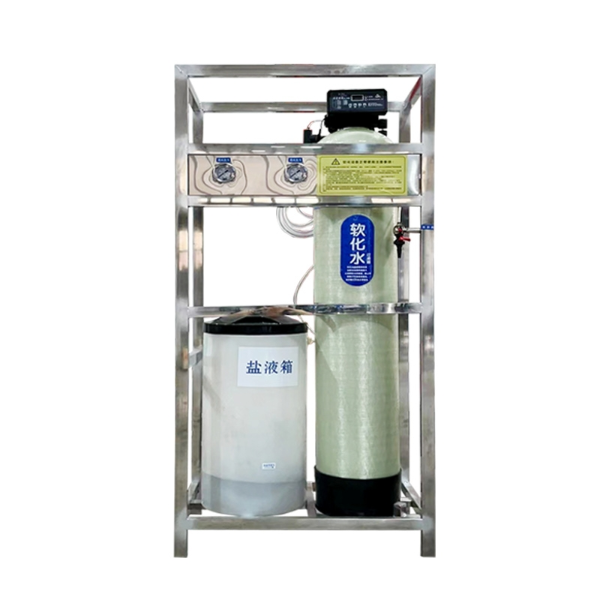
Water softener systems are essential tools designed to combat the negative effects of hard water in various environments. Whether used in residential, commercial, or industrial settings, these systems provide an efficient solution to address the common problems associated with hard water.
A water softener system is a device that removes minerals such as calcium and magnesium from hard water. These minerals are responsible for the hardness of water and can cause various issues in plumbing, appliances, and industrial machinery. The core technology behind a water softener system is ion exchange, where calcium and magnesium ions are replaced with sodium or potassium ions, resulting in softened water.
Hard water is a common issue in many areas around the world. It can cause scale buildup in pipes, appliances, and machinery, which results in reduced efficiency, higher maintenance costs, and shortened equipment lifespans. Softened water, on the other hand, prevents these problems and can significantly improve the quality of water for various applications.
In both commercial and industrial settings, equipment such as boilers, cooling towers, and plumbing systems is often subjected to hard water. Over time, the accumulation of scale from calcium and magnesium can cause blockages, corrosion, and reduced efficiency. By installing a water softener system, businesses can protect their equipment from these harmful effects, which helps extend the lifespan of machinery and reduce repair and replacement costs.
Hard water can impair the efficiency of industrial processes, especially those involving heat transfer, such as in boilers and cooling systems. Scale buildup in heat exchangers and boilers reduces their ability to transfer heat, resulting in higher energy consumption. Softened water helps maintain the efficiency of these systems, which reduces energy costs and improves operational performance.
One of the significant advantages of using water softener systems is the reduction in maintenance costs. Hard water causes scale buildup in pipes, faucets, and machinery, which can frequent maintenance and cleaning. Softened water minimizes this buildup, reducing the need for repairs, cleaning, and maintenance services, and ultimately lowering operational costs.
In commercial and industrial environments, water is often used for cleaning purposes. Hard water can leave unsightly mineral deposits on surfaces and reduce the effectiveness of detergents and cleaning agents. By using softened water, businesses can improve the cleaning process, reduce soap and detergent consumption, and achieve better cleaning results, all while lowering operational costs.
In residential settings, hard water can significantly reduce the lifespan of appliances such as washing machines, dishwashers, and water heaters. The mineral deposits that accumulate in these appliances can cause them to malfunction or break down more quickly. By installing a water softener system, households can protect their appliances and extend their lifespan, saving money on repairs and replacements.
Commercial and industrial water softener systems are designed to meet the specific needs of large-scale operations. These systems are capable of treating vast amounts of water, ensuring consistent quality and performance in high-demand environments.
| Feature | Description |
|---|---|
| Ion Exchange Technology | Replaces calcium and magnesium ions with sodium ions to soften water. |
| Modular Design | Can be customized and configured according to the size and water quality requirements of the business. |
| Fully Automatic Operation | Intelligent control systems ensure smooth and reliable operation. |
| Safety Features | Includes leak detection and filter condition monitoring for enhanced safety. |
| Reduced Energy Consumption | Softened water improves system efficiency, reducing energy costs. |
Choosing the right water softener system depends on several factors, including the scale of the operation, the level of water hardness, and the specific requirements of the business. It’s essential to assess the water quality, the size of the facility, and the expected water usage before selecting a system. Consulting with a water treatment professional can help determine the solution for your needs.
1. How do water softener systems work?
Water softener systems work by using ion exchange technology, where calcium and magnesium ions are exchanged with sodium or potassium ions in a resin. This process reduces water hardness and prevents the buildup of scale.
2. What are the main benefits of installing a water softener system in a commercial setting?
The main benefits include improved equipment lifespan, enhanced operational efficiency, reduced maintenance costs, better water quality for cleaning, and reduced wear and tear on appliances.
3. How often do commercial water softener systems need maintenance?
Commercial systems typically require minimal maintenance. However, periodic checks and resin replacements may be necessary depending on the water quality and system usage.
4. Can water softener systems help reduce energy costs?
Yes, softened water improves the efficiency of systems such as boilers and cooling towers, reducing energy consumption and operational costs.
5. Are water softener systems customizable for different business needs?
Yes, commercial and industrial water softener systems are highly customizable and can be configured to meet the specific water quality and scale requirements of the business.
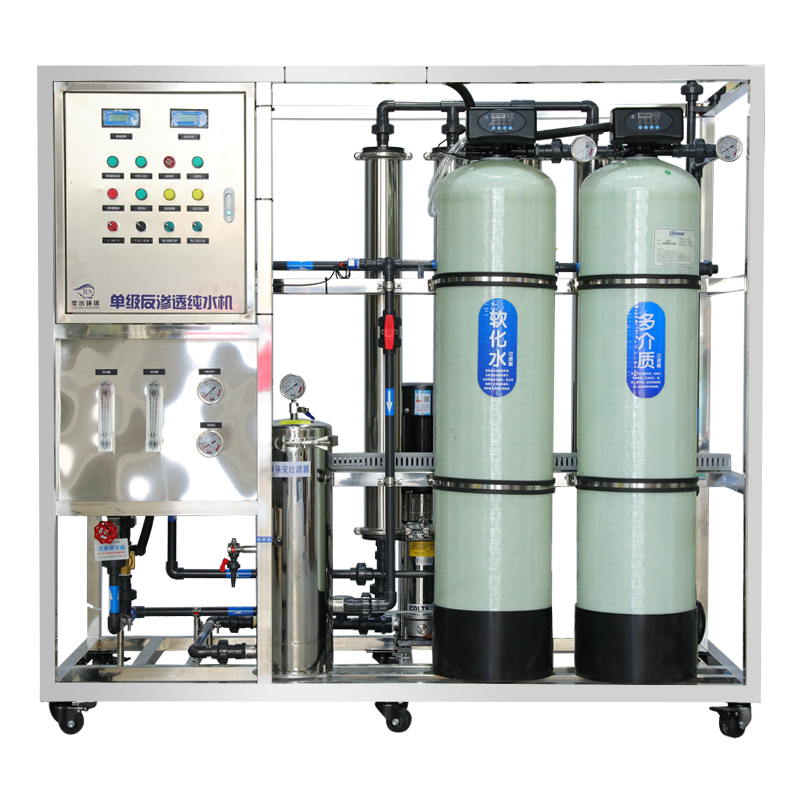
The pure water industrial RO water treatment system is an efficient and reliable water treatment equipment specially designed to meet the demand for p...
See Details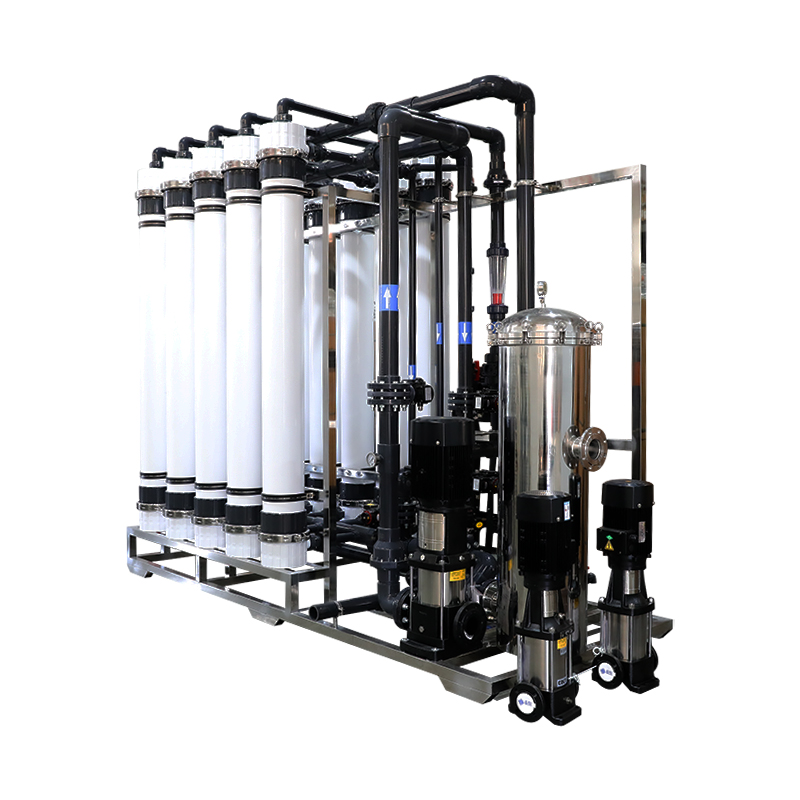
Ultrafiltration (UF) is a membrane separation technology that can purify and separate solutions. The ultrafiltration membrane system is a solution sep...
See Details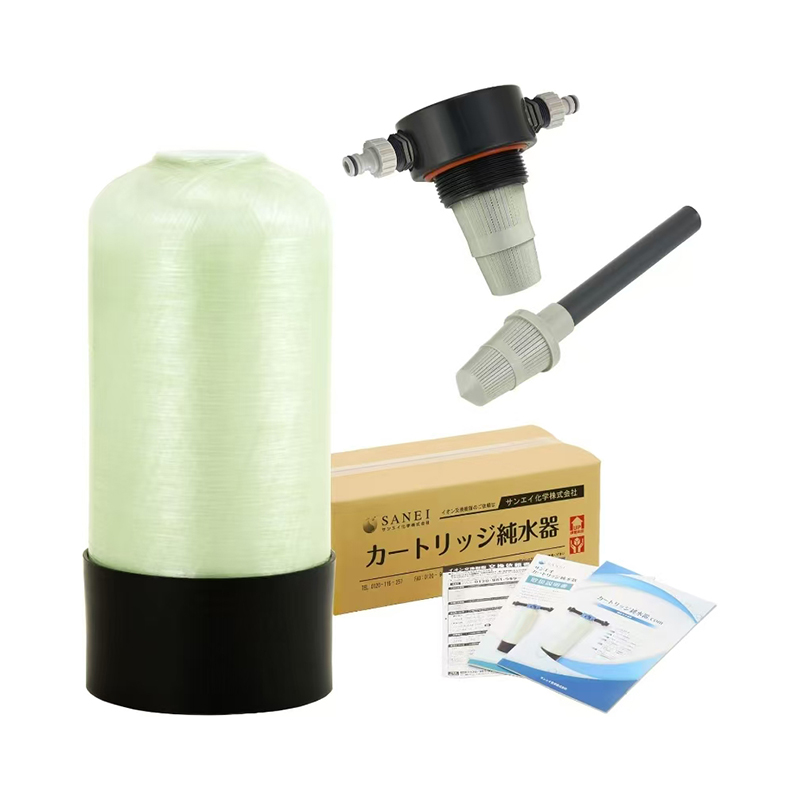
High Flow 3/4 PortKDF(Kinetic Degradation Fluxion) in our RV water filter removes chlorine, heavy metals, bacteria, and scale, ensuring cleaner and sa...
See Details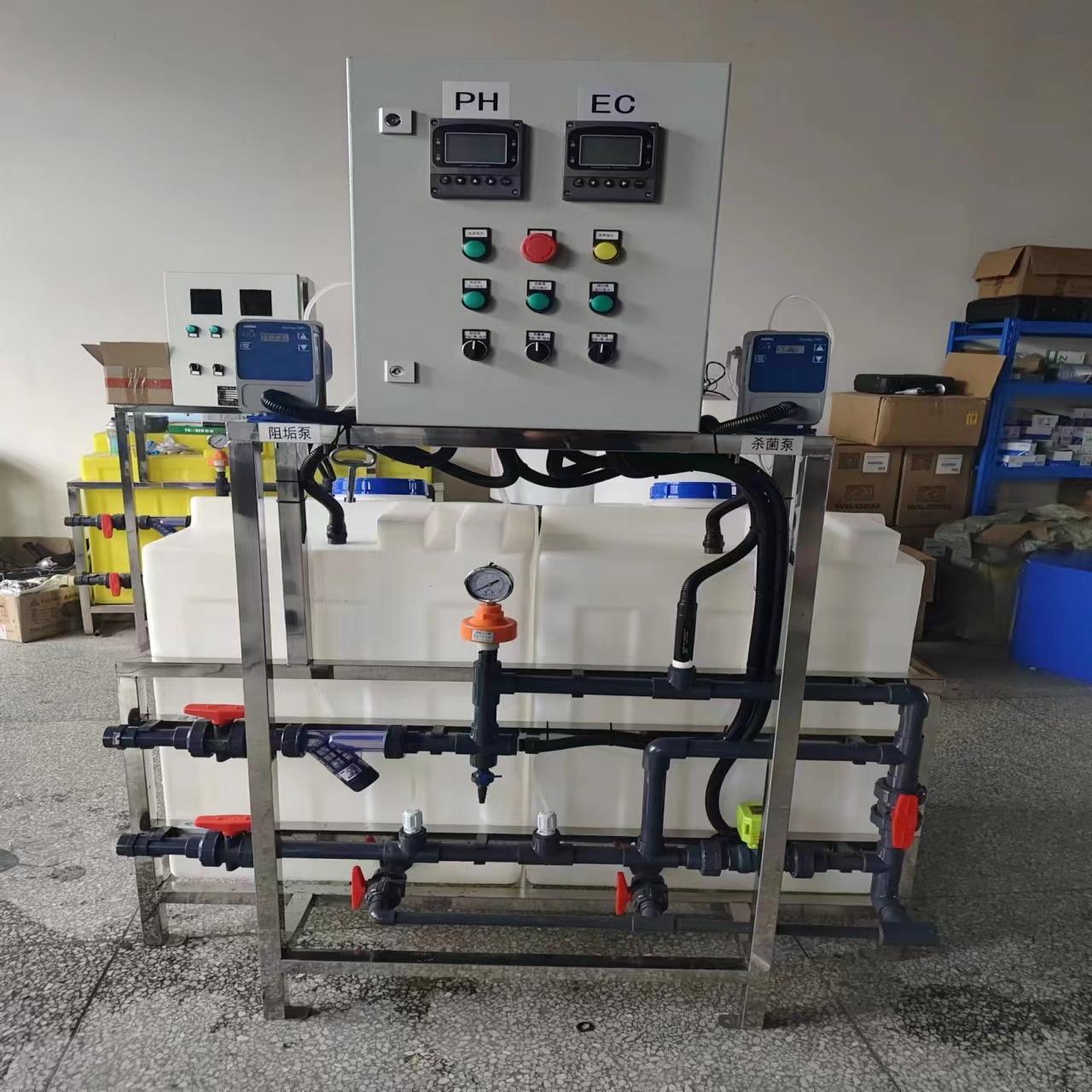
The Sterilization and anti-scaling dosing device is a device designed for water treatment systems for automatic dosing of bactericides and anti-scalin...
See Details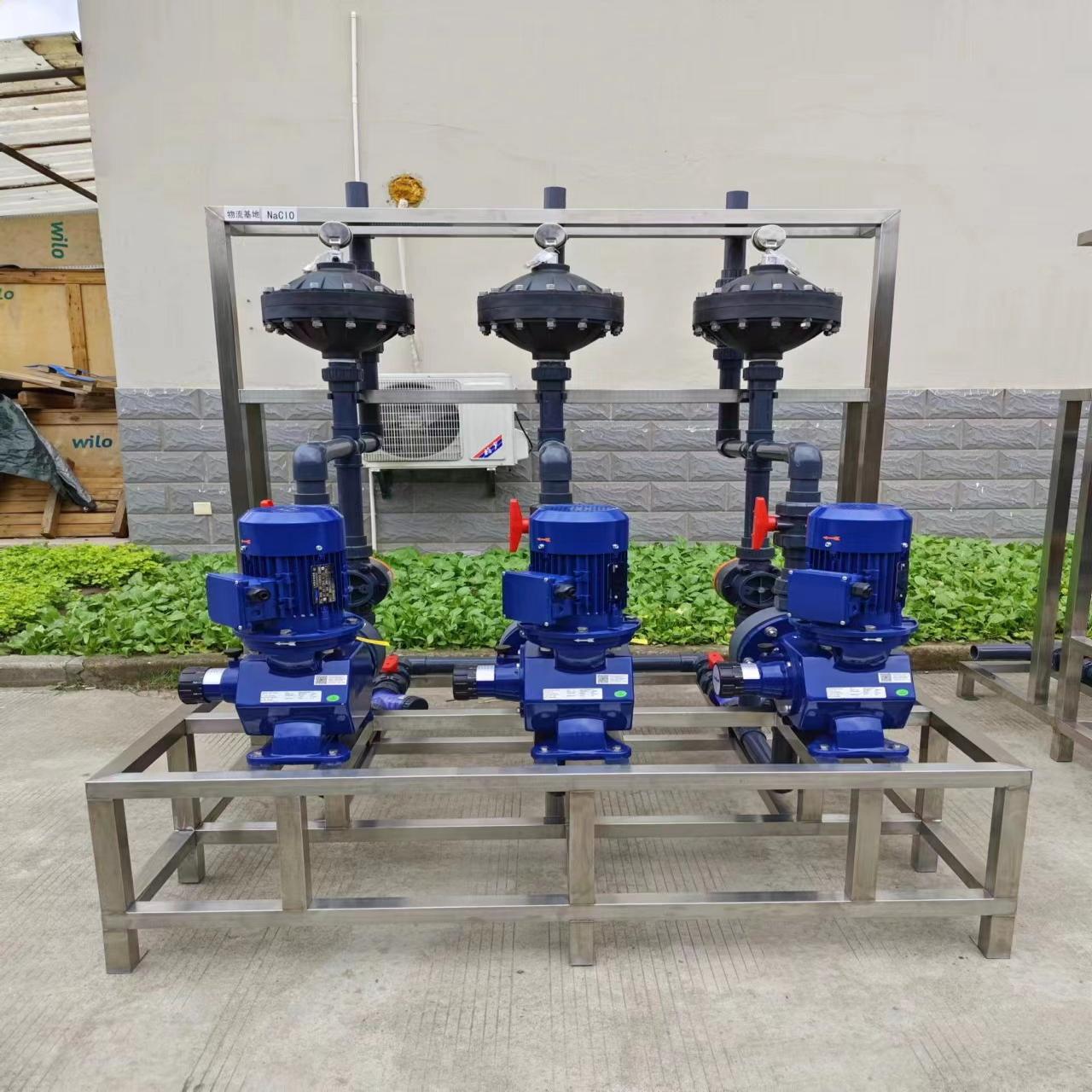
Acid-base neutralization and dosing host equipment is usually used in the field of industrial wastewater treatment or water quality regulation. It is ...
See Details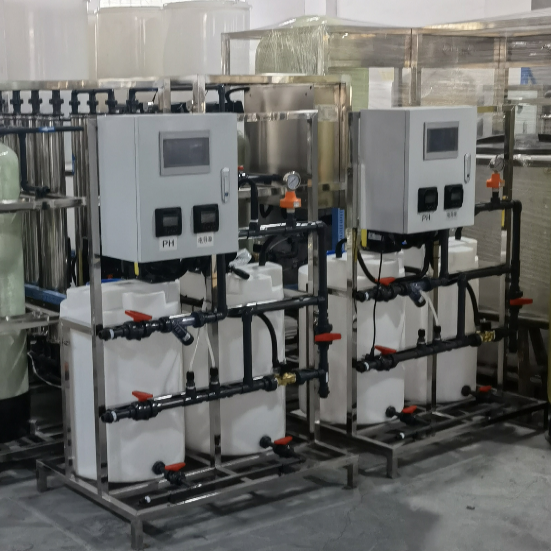
Scale-inhibiting and sterilizing PLC system circulating water dosing device is an efficient dosing device designed for circulating water system. It is...
See Details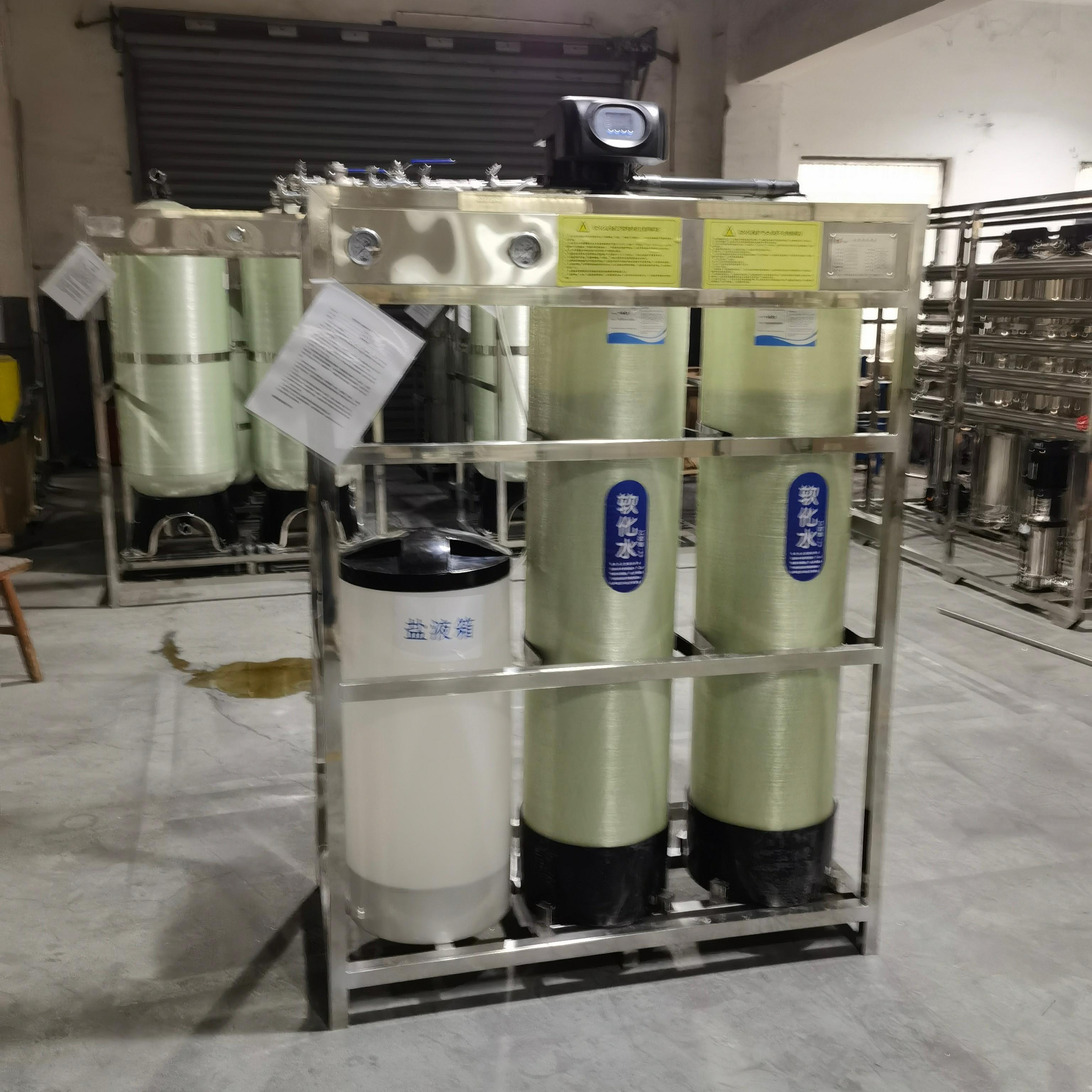
The 3 tons single valve double tank, one for use and one for standby is a high-efficiency water treatment equipment, which adopts a single valve doubl...
See Details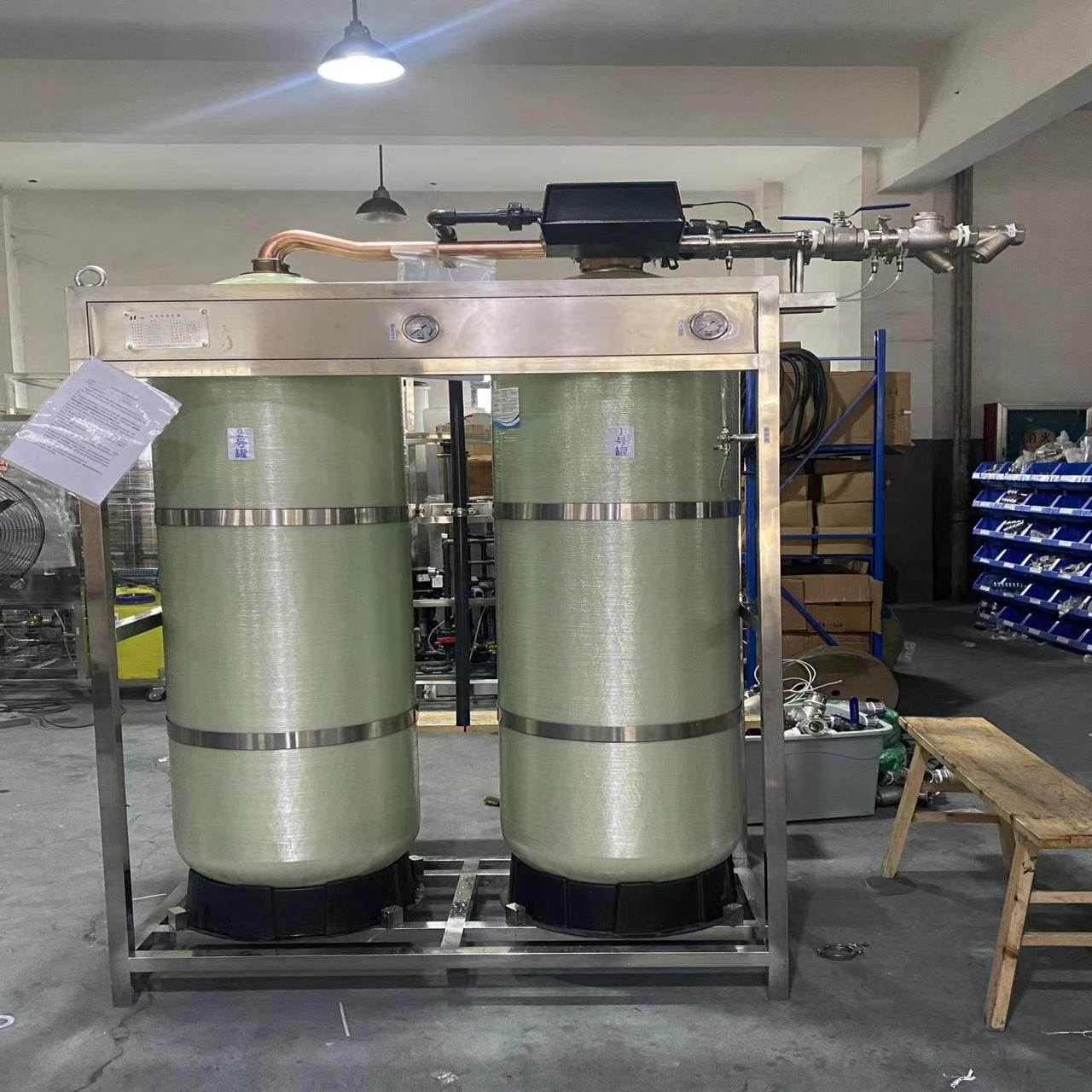
5-6 tons single valve double tank, one for use and one for standby is a device designed for medium and large water treatment systems. It has two indep...
See Details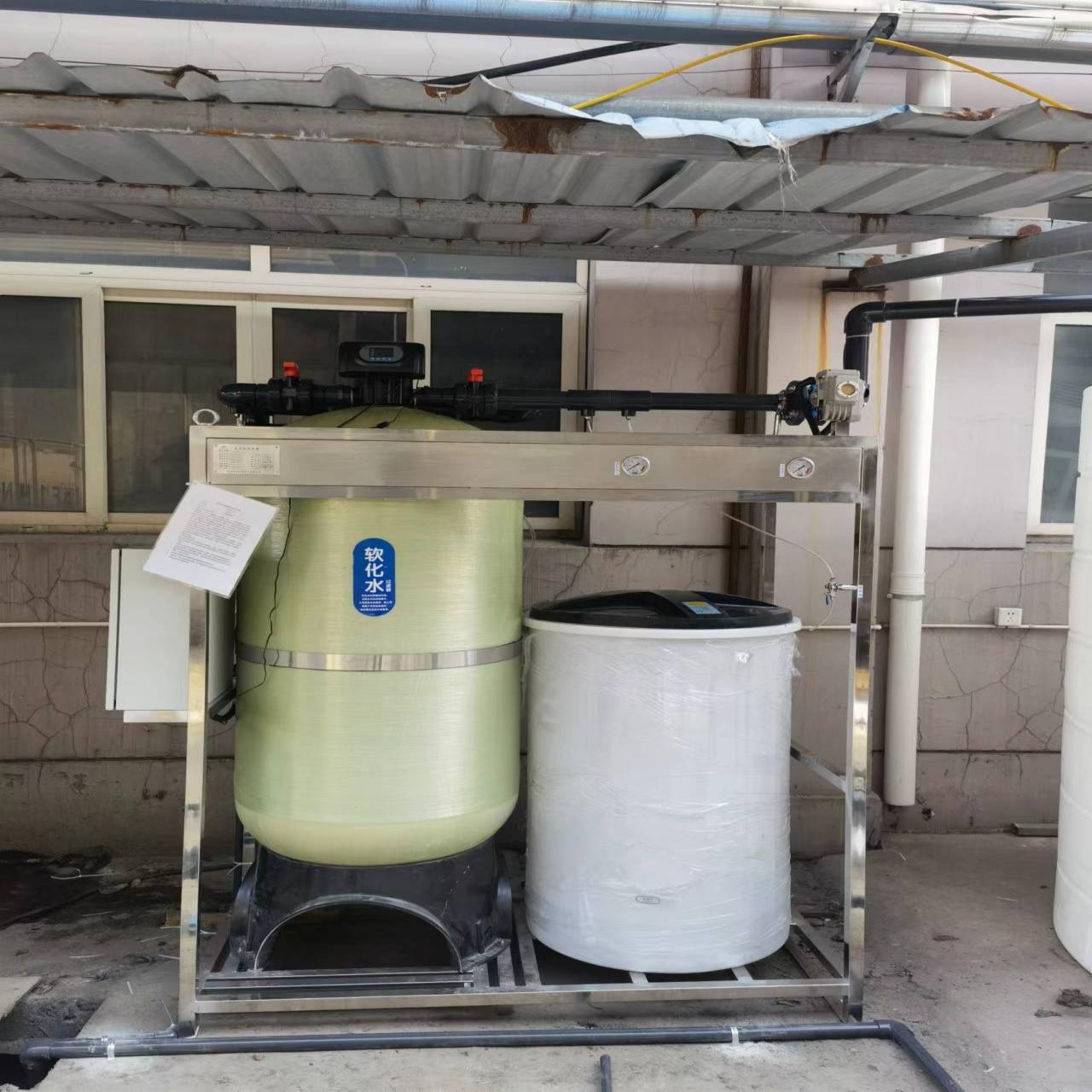
This 10-ton single tank water treatment equipment is equipped with an electric control box and is designed for large-scale water treatment needs. It a...
See Details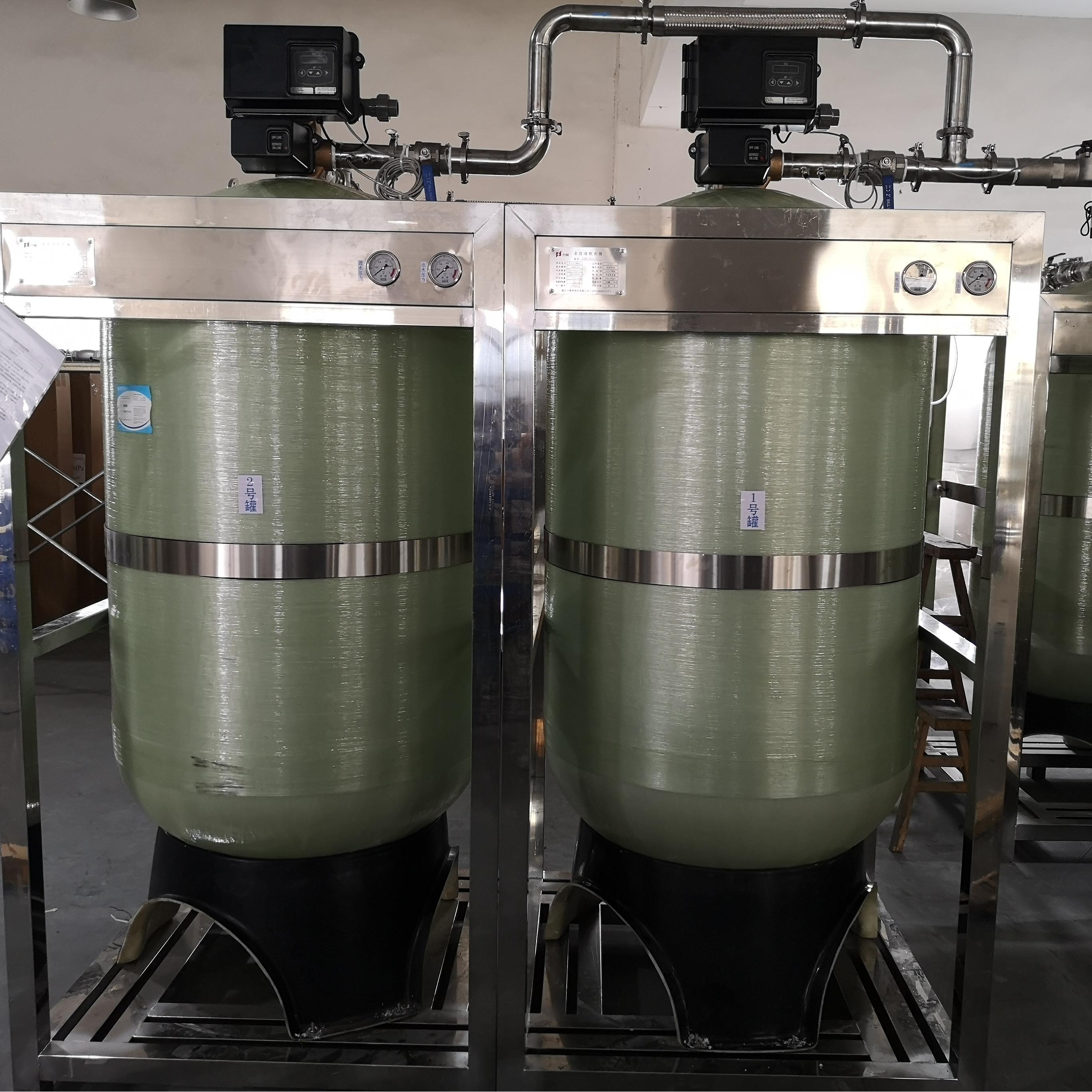
The 16-ton double valve double tank, one for use and one for standby water treatment system is a large-scale water treatment equipment equipped with t...
See Details
+86-13396595772
[email protected]
[email protected]
[email protected]
[email protected]
Room 508, Xingyuncheng, No.15 Xingling Street, Xingqiao Street, Linping District, Hangzhou City, Zhejiang Province.
Copyright ©2024 Hangzhou Roushui Environmental Protection Technology Co., Ltd. All Rights Reserved. Custom Industrial Civil Water Treatment Purification Equipment Manufacturers
