
 English
 Español
 عربى
عربىCat:RO Membrane
Specification and size: ULP-4040; ULP-8040 Reverse osmosis (RO) membranes are vital components in water filtration systems, particularly in desalinat...
See DetailsService hotline: +86-13396595772


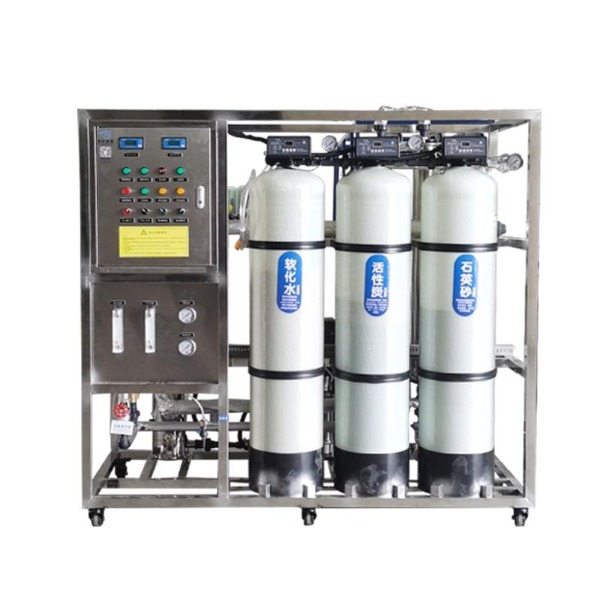
Reverse osmosis RO pure water systems are highly regarded for their ability to filter and purify water, ensuring that it is free from contaminants and suitable for drinking. However, like any water treatment system, RO systems can encounter issues over time. These issues may range from minor inconveniences to significant malfunctions that affect the system’s efficiency and the water quality it produces.
One of the common issues with RO systems is low water pressure. A properly functioning RO system requires a certain amount of pressure to push water through the semi-permeable membrane and filter out impurities. If the water pressure is too low, the system might not be able to produce enough pure water, or it may even fail to operate.
Causes of Low Water Pressure:
How to Fix It:
Leaks in the system can be frustrating, especially if they occur near critical components like the membrane or storage tank. Small leaks can result in wasted water and reduced efficiency, while larger leaks may cause significant water damage.
Causes of Leaks:
How to Fix It:
The RO membrane is the heart of the system, filtering out of the contaminants. Over time, the membrane can become fouled or clogged with minerals, organic matter, and other impurities, reducing the system’s effectiveness.
Causes of Membrane Fouling:
How to Fix It:
Even though RO systems are designed to remove odors and tastes from water, you may sometimes notice an unpleasant taste or smell, particularly if the system has been in use for a long time.
Causes of Taste and Odor Issues:
How to Fix It:
If your RO system stops producing water altogether, it could be due to several potential issues. This can be particularly frustrating, as the system might appear to be malfunctioning completely.
Causes of No Water Production:
How to Fix It:
RO systems typically produce waste water as a byproduct of the filtration process. However, if your system is generating an excessive amount of waste water, it could indicate an underlying problem.
Causes of Excessive Waste Water:
How to Fix It:
While RO pure water systems are generally reliable and efficient, they are not immune to issues. Regular maintenance and timely repairs can help extend the lifespan of your system and ensure it continues to produce high-quality water. By addressing common problems like low pressure, leaks, fouling, and water quality issues, you can keep your RO system running smoothly.
1. How often should I replace the filters in my RO system?
It’s generally recommended to replace the filters every 6 to 12 months, depending on your water quality and usage.
2. Why is my RO system producing very little water?
Low water production can be caused by low water pressure, clogged filters, or a damaged membrane. Check these components and replace them if needed.
3. Can I repair my RO system myself?
Many issues can be fixed with basic tools and a bit of knowledge. However, for complex problems like membrane failure, it’s advisable to seek professional help.
4. Is it necessary to clean the storage tank in my RO system?
Yes, cleaning the storage tank regularly is important to prevent bacterial growth and ensure the quality of the water.
5. How can I extend the lifespan of my RO system?
Regular maintenance, such as replacing filters, cleaning the system, and ensuring proper water pressure, will help extend the life of your RO system.
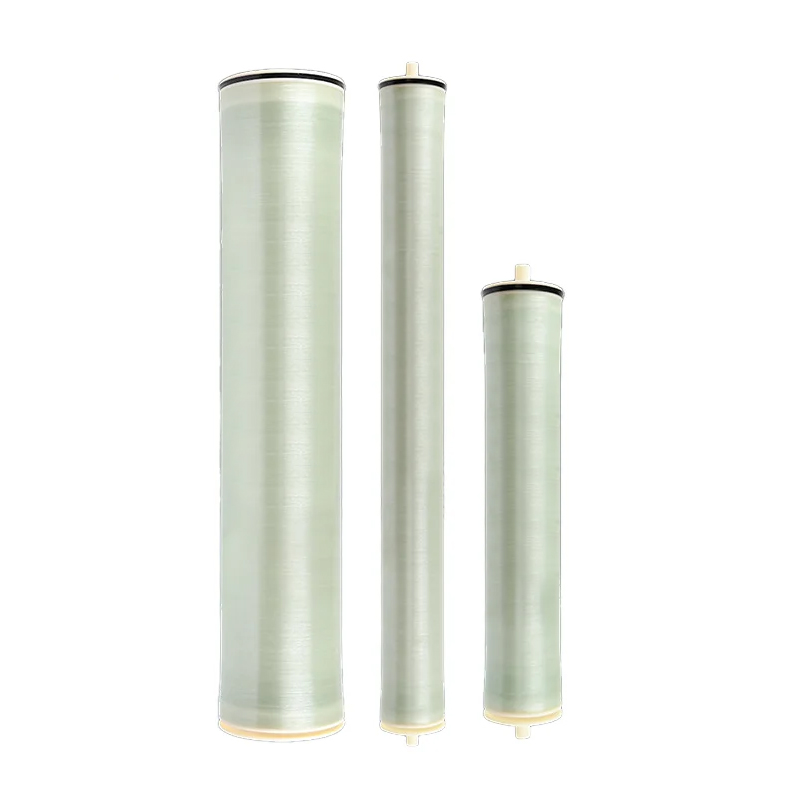
Specification and size: ULP-4040; ULP-8040 Reverse osmosis (RO) membranes are vital components in water filtration systems, particularly in desalinat...
See Details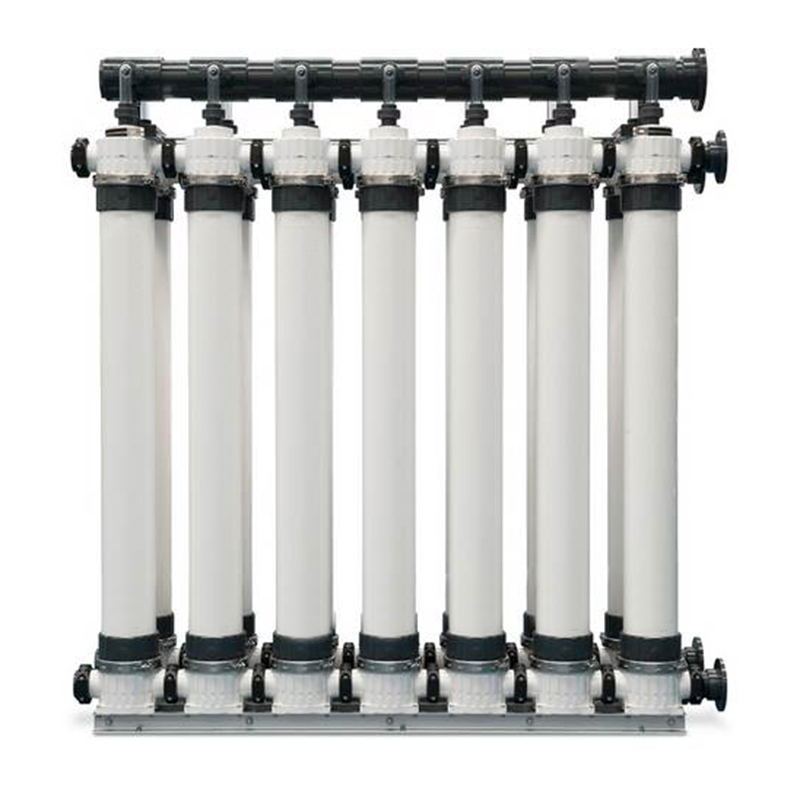
In the field of industrial water purification, strict quality standards are required. In response to this challenge, a membrane filter with a PVDF str...
See Details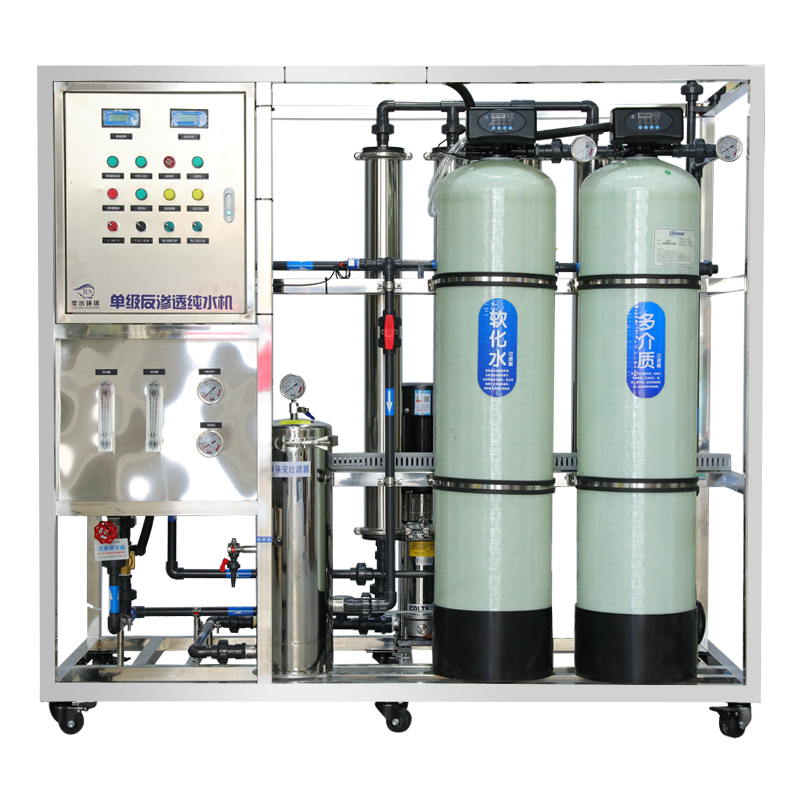
The pure water industrial RO water treatment system is an efficient and reliable water treatment equipment specially designed to meet the demand for p...
See Details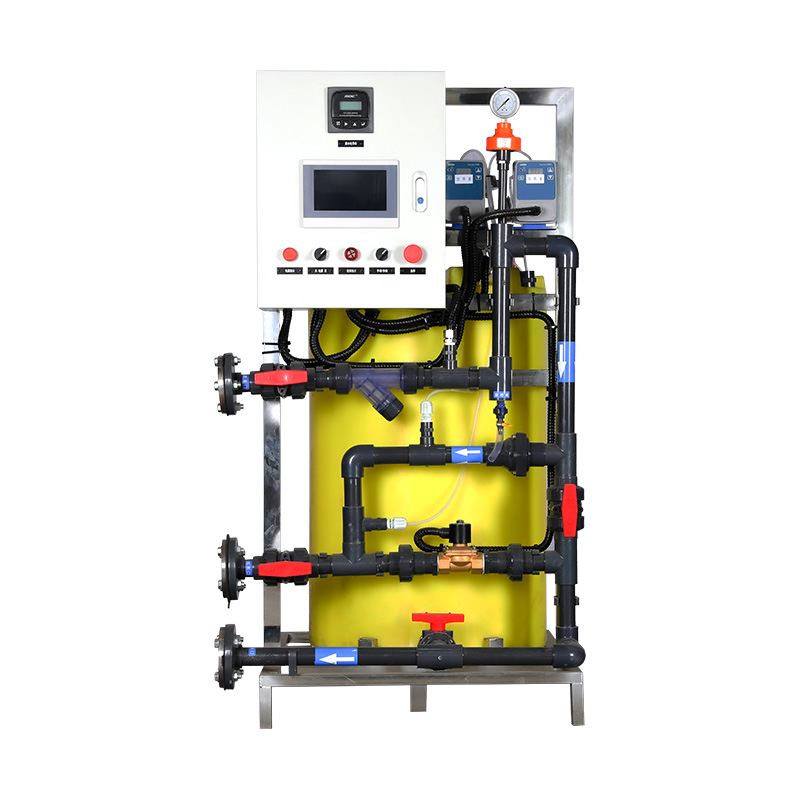
The dosing system is a device that integrates dosing, stirring, liquid transportation, and automatic control. It is mainly used in power plant raw wat...
See Details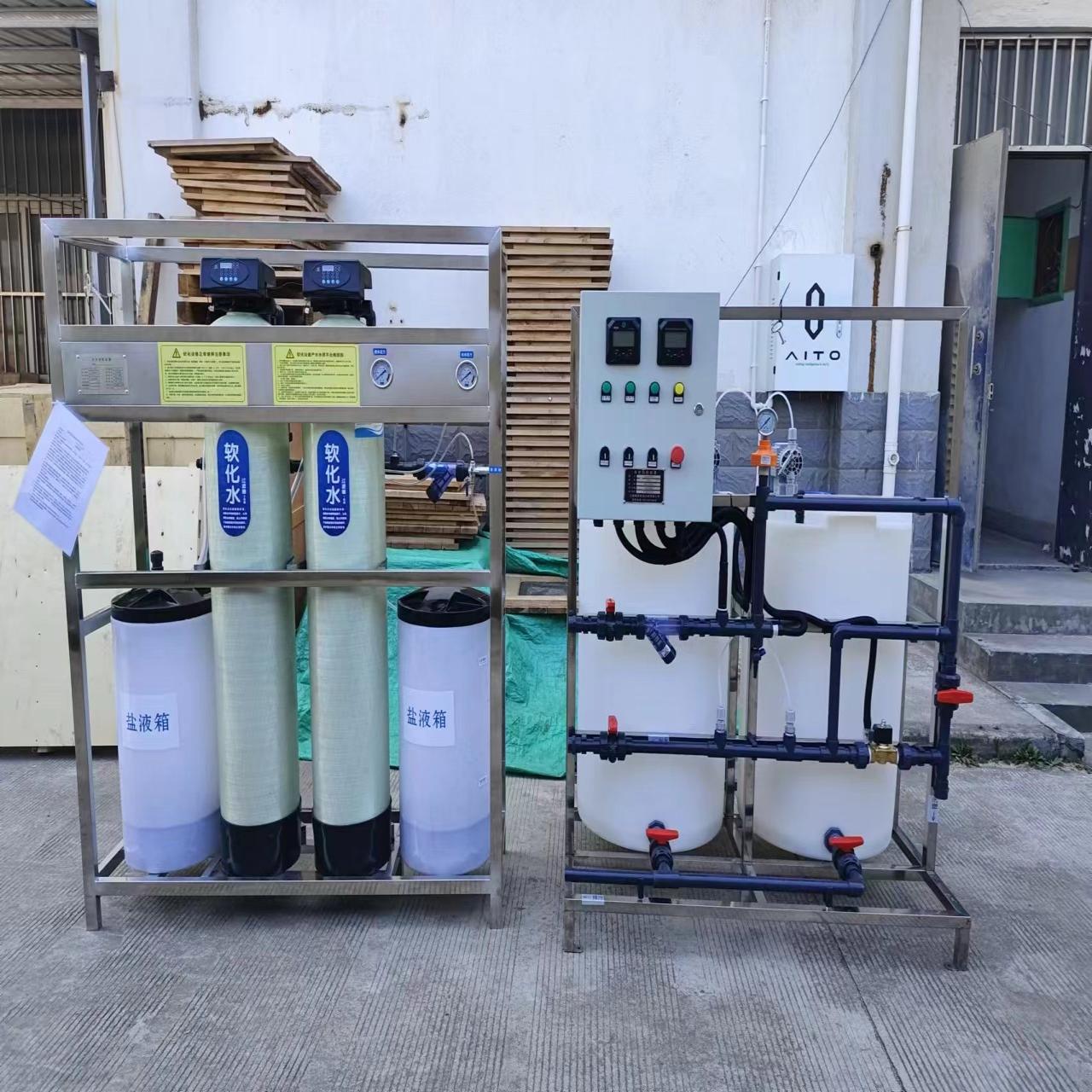
The circulating water system softening, replenishing, sterilizing and dosing device is a special equipment for industrial circulating water treatment....
See Details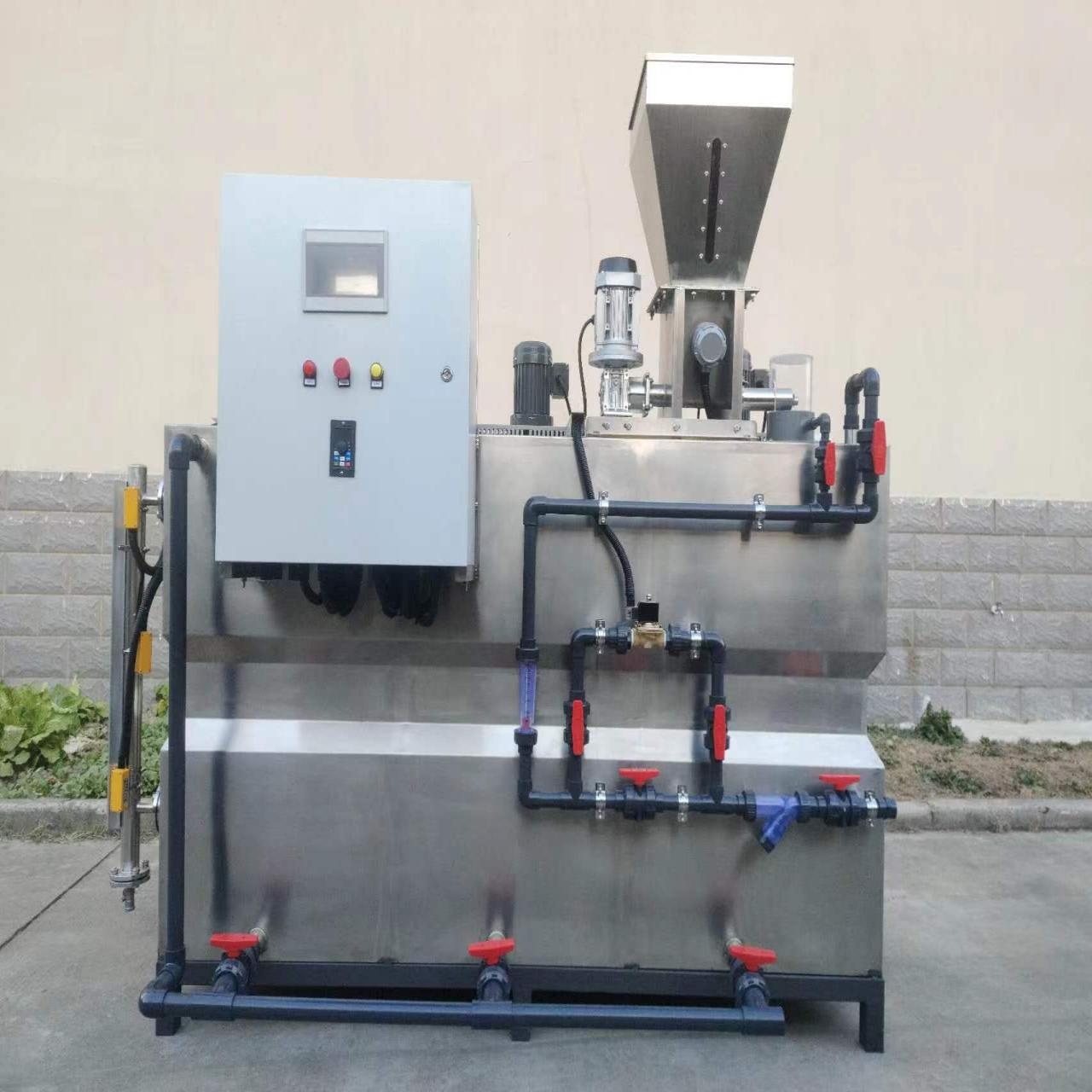
The integrated medicine soaking machine dosing device is a device designed specifically for the water treatment field, mainly used for efficient disso...
See Details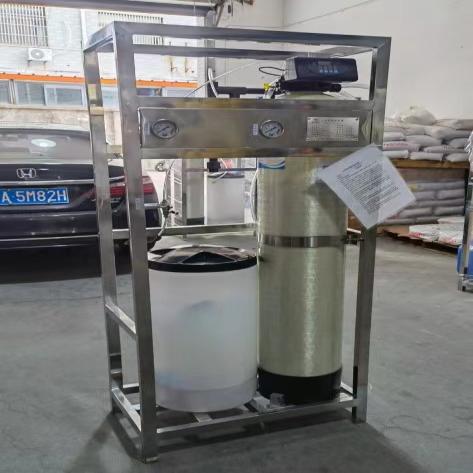
1 ton single tank is a device for storing and dosing water treatment chemicals, usually used in the dosing link of water treatment systems. The device...
See Details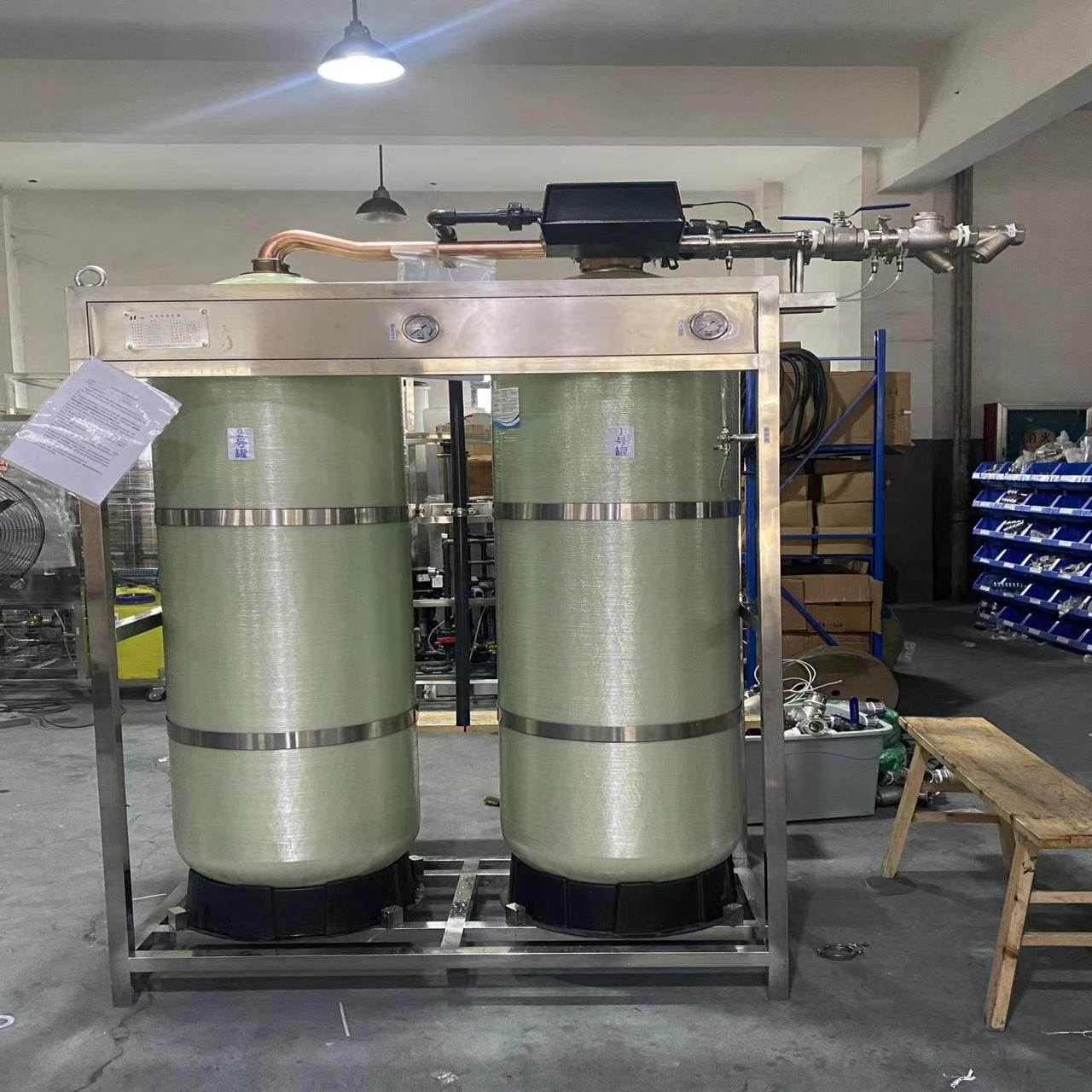
5-6 tons single valve double tank, one for use and one for standby is a device designed for medium and large water treatment systems. It has two indep...
See Details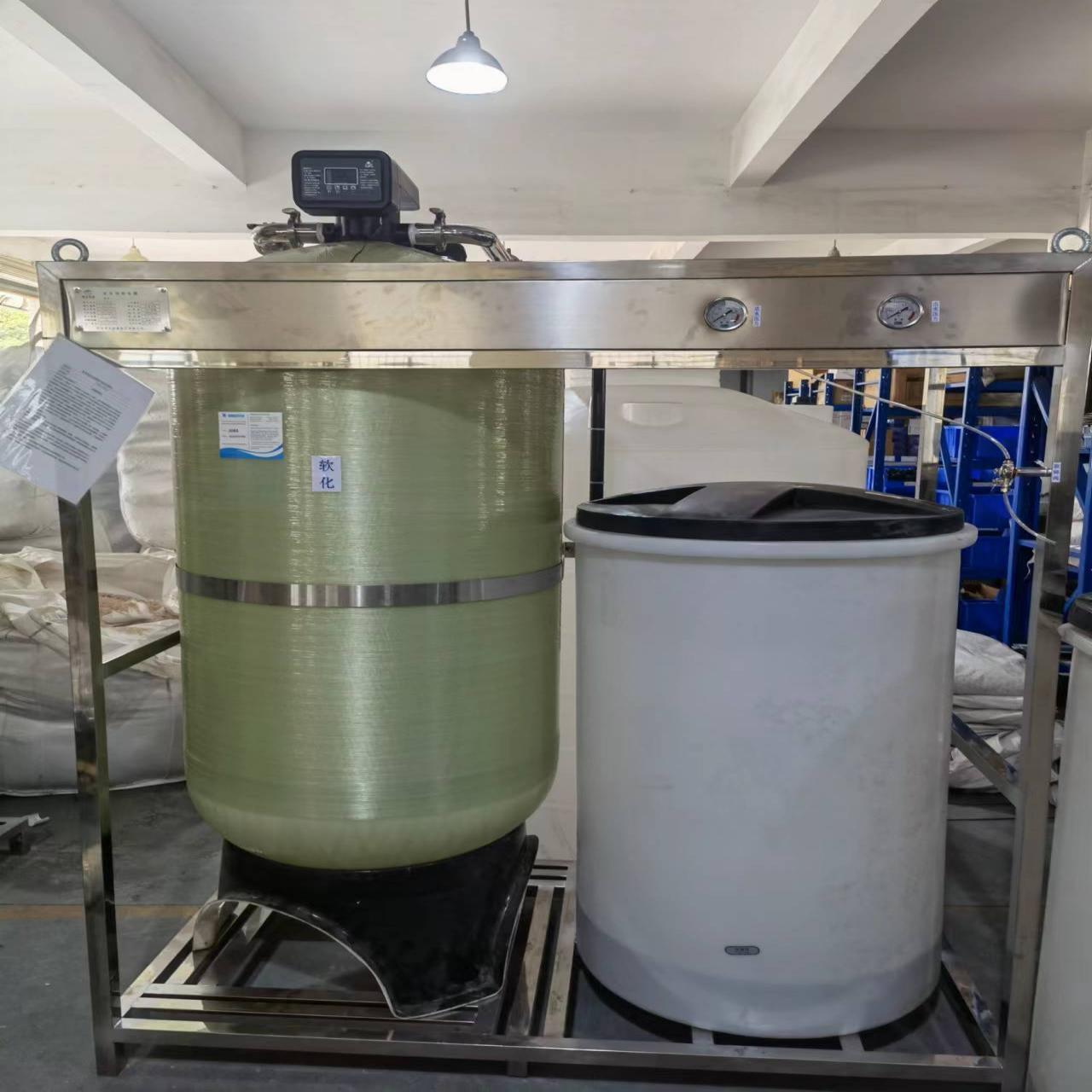
6-8 ton single tank is a water treatment equipment with moderate capacity, designed for occasions that require large water treatment. The equipment ad...
See Details
+86-13396595772
[email protected]
[email protected]
[email protected]
[email protected]
Room 508, Xingyuncheng, No.15 Xingling Street, Xingqiao Street, Linping District, Hangzhou City, Zhejiang Province.
Copyright ©2024 Hangzhou Roushui Environmental Protection Technology Co., Ltd. All Rights Reserved. Custom Industrial Civil Water Treatment Purification Equipment Manufacturers
