
 English
 Español
 عربى
عربىCat:RO Membrane
Specification and size: ULP-4040; ULP-8040 Reverse osmosis (RO) membranes are vital components in water filtration systems, particularly in desalinat...
See DetailsService hotline: +86-13396595772


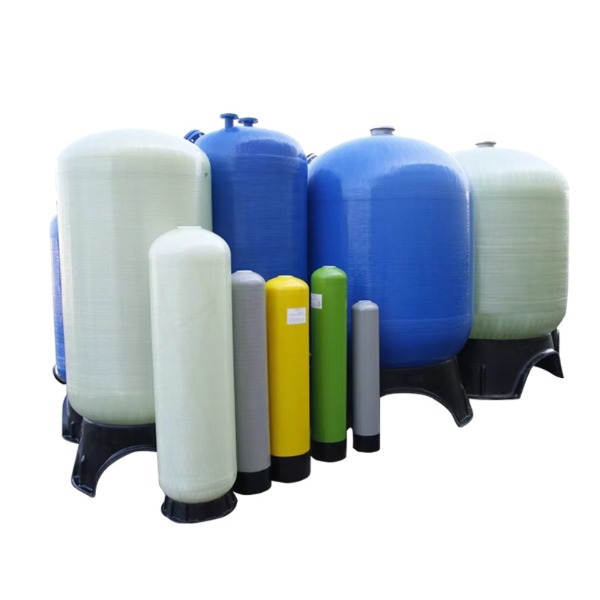
Fiberglass Reinforced Plastic (FRP) water tanks have garnered significant attention in various industries due to their exceptional properties. These tanks are considered to be one of the reliable solutions for water storage, offering several advantages over traditional materials like steel and concrete. The lightweight, durable, corrosion-resistant, and versatile nature of FRP water tanks makes them indispensable in diverse applications, from residential to industrial settings.
FRP water tanks are storage tanks made from fiberglass, a material that consists of glass fibers and resin. This combination provides an incredibly strong, durable, and corrosion-resistant structure. Unlike conventional water tanks, FRP tanks offer significant benefits in terms of weight, strength, and resistance to environmental factors.
One of the primary reasons FRP tanks are preferred in many industries is their light weight. They have a relative density that is only one-fourth to one-fifth that of carbon steel, making them easier to handle, transport, and install. Despite their light weight, these tanks exhibit tensile strength comparable to that of advanced alloy steels, offering the same structural integrity as heavier materials.
This strength-to-weight ratio makes FRP tanks particularly advantageous in industries where weight is a critical factor, such as aviation, aerospace, and automotive sectors. Their ability to reduce the overall weight of systems while maintaining high strength has made them essential in applications where product weight must be minimized.
FRP tanks are highly resistant to corrosion, making them ideal for water storage in environments where chemical corrosion is a concern. Unlike traditional steel tanks, which can rust when exposed to water and moisture, fiberglass tanks can withstand exposure to atmospheric conditions, water, acids, alkalis, salts, and various oils and solvents.
The corrosion resistance of FRP tanks has made them an increasingly popular choice in the chemical industry, where they replace traditional materials like stainless steel, carbon steel, and even non-ferrous metals. The material’s resistance to corrosion extends the lifespan of the tank, reducing maintenance costs and ensuring the purity of stored water.
Another outstanding feature of FRP water tanks is their electrical properties. Fiberglass is a insulating material, capable of resisting high-frequency and microwave transmissions. This makes FRP tanks particularly useful in applications where electrical insulation is required, such as in radar systems and electronic devices.
By serving as an insulating material, fiberglass ensures that electronic equipment remains protected from electromagnetic interference, thus extending the lifespan of sensitive components and enhancing system reliability.
FRP materials also offer impressive thermal properties. Their low thermal conductivity makes them ideal for use as insulation in situations where high temperatures are present. This property is particularly important in industries such as aerospace, where FRP tanks can protect spacecraft and other high-tech equipment from heat damage during re-entry or exposure to temperatures.
Additionally, FRP’s ability to resist thermal erosion makes it a valuable material for use in thermal protection systems and high-temperature environments.
One of the greatest advantages of FRP water tanks is their design flexibility. Fiberglass can be molded into various shapes and sizes, providing a high degree of customization. Whether for large-scale industrial applications or smaller residential installations, FRP tanks can be designed to meet specific needs, ensuring performance.
For example, FRP tanks can be designed to withstand high-pressure environments or to accommodate specific temperature ranges. This flexibility allows engineers to design storage solutions that are tailored to the unique requirements of each application.
FRP tanks are known for their efficient and cost-effective manufacturing process. The molding process used to create these tanks is relatively simple compared to other materials, making it an economical choice for large-scale production. Fiberglass is also suitable for creating complex shapes and custom designs, which might be difficult or costly to achieve with other materials.
Given the relatively low production costs and the ability to create customized shapes, FRP water tanks offer a viable solution for industries requiring non-standard or specialized storage systems.
The versatility of FRP water tanks allows them to be used in a wide range of industries. Some of the common applications include:
Residential Water Storage: FRP tanks are often used in residential areas for rainwater harvesting and general water storage, offering a long-lasting and reliable solution.
Industrial Water Storage: In industries such as mining, chemical processing, and power generation, FRP tanks are used to store water for cooling and other industrial processes. Their resistance to corrosion and high strength makes them ideal for harsh industrial environments.
Agricultural Use: Farmers use FRP tanks for storing irrigation water, fertilizers, and chemicals, benefiting from the tanks’ resistance to chemical corrosion.
Marine Applications: In the maritime industry, FRP tanks are used to store fresh water and other liquids on ships due to their lightweight and corrosion-resistant properties.
When selecting an FRP water tank, it is essential to consider the following factors:
FRP water tanks represent a remarkable technological advancement in water storage. Their lightweight, strength, corrosion resistance, and versatility have made them the preferred choice in a wide range of industries. Whether for residential, industrial, or agricultural use, FRP water tanks offer performance and durability, making them a reliable solution for various water storage needs.
1. What makes FRP water tanks more durable than traditional tanks?
FRP water tanks are made from fiberglass, which offers corrosion resistance, high strength-to-weight ratio, and resistance to thermal erosion, making them more durable than traditional materials like steel or concrete.
2. Are FRP water tanks suitable for both hot and cold water storage?
Yes, FRP water tanks can be designed to withstand both high and low temperatures, making them versatile for various applications, including hot water storage.
3. How long do FRP water tanks last?
FRP water tanks are highly durable and can last for several decades with proper maintenance. Their resistance to corrosion significantly extends their lifespan compared to traditional steel or concrete tanks.
4. Can FRP water tanks be customized for specific needs?
Yes, one of the key benefits of FRP water tanks is their design flexibility. They can be customized to meet specific size, shape, pressure, and temperature requirements for different applications.
5. Are FRP water tanks more cost-effective than traditional water tanks?
While the initial cost of FRP water tanks may be higher than traditional materials, their long lifespan, low maintenance costs, and performance make them a cost-effective option in the long run.
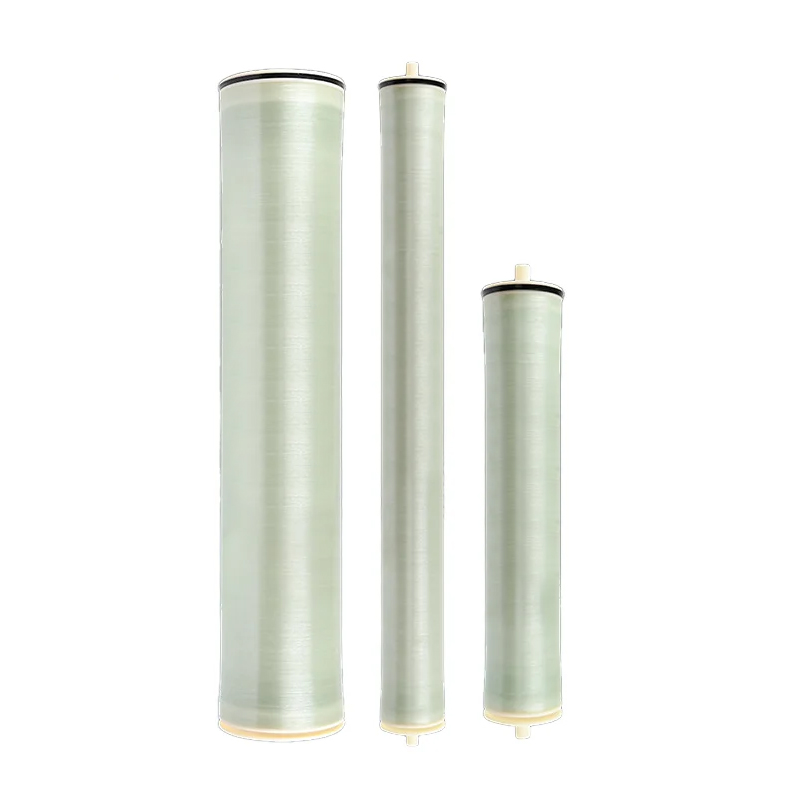
Specification and size: ULP-4040; ULP-8040 Reverse osmosis (RO) membranes are vital components in water filtration systems, particularly in desalinat...
See Details
The filter element is a new type of precision filter element, which has the characteristics of small size, large filtering area, high precision, no po...
See Details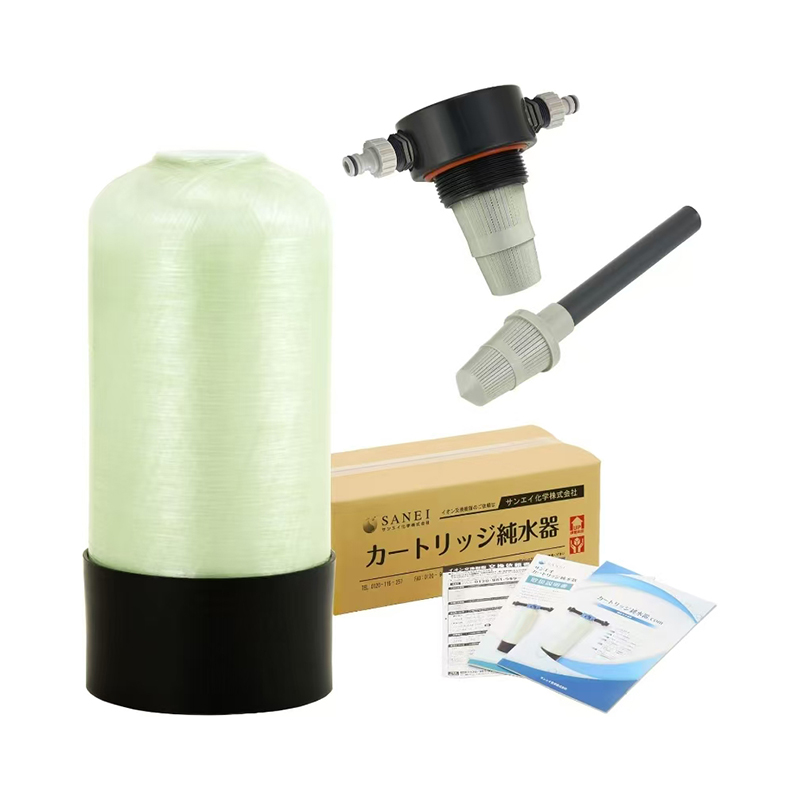
High Flow 3/4 PortKDF(Kinetic Degradation Fluxion) in our RV water filter removes chlorine, heavy metals, bacteria, and scale, ensuring cleaner and sa...
See Details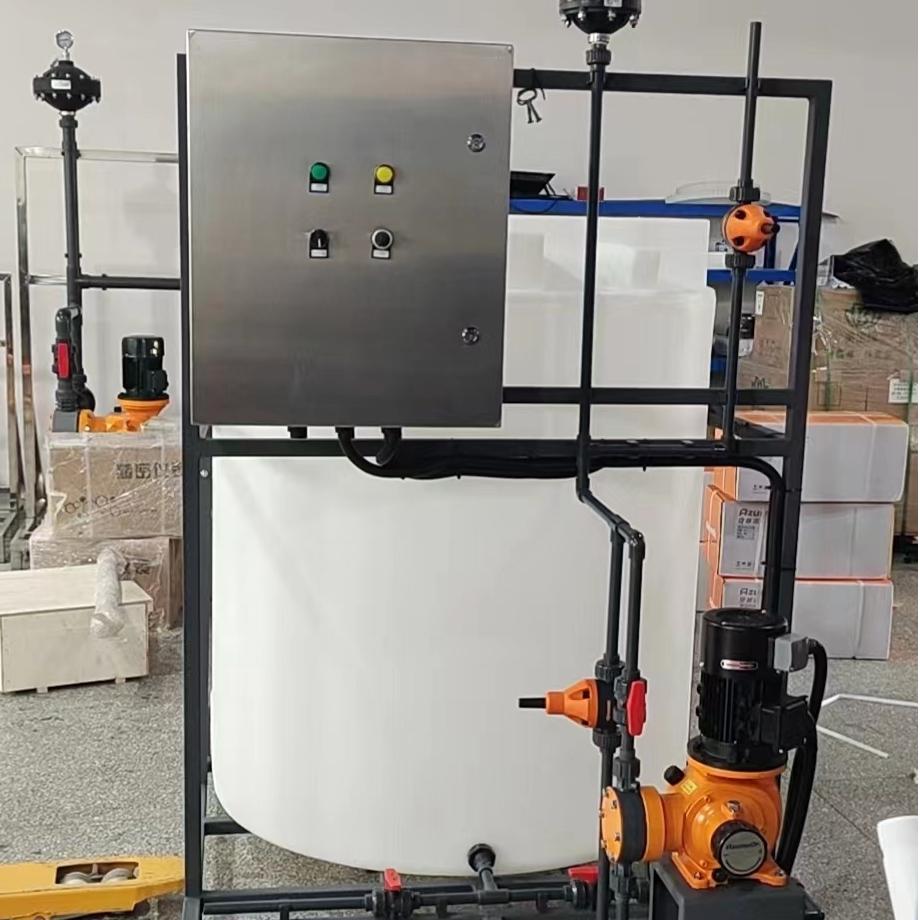
Single pump single barrel dosing device for flocculation is an automatic dosing device used in the water treatment process. It is specially used to ac...
See Details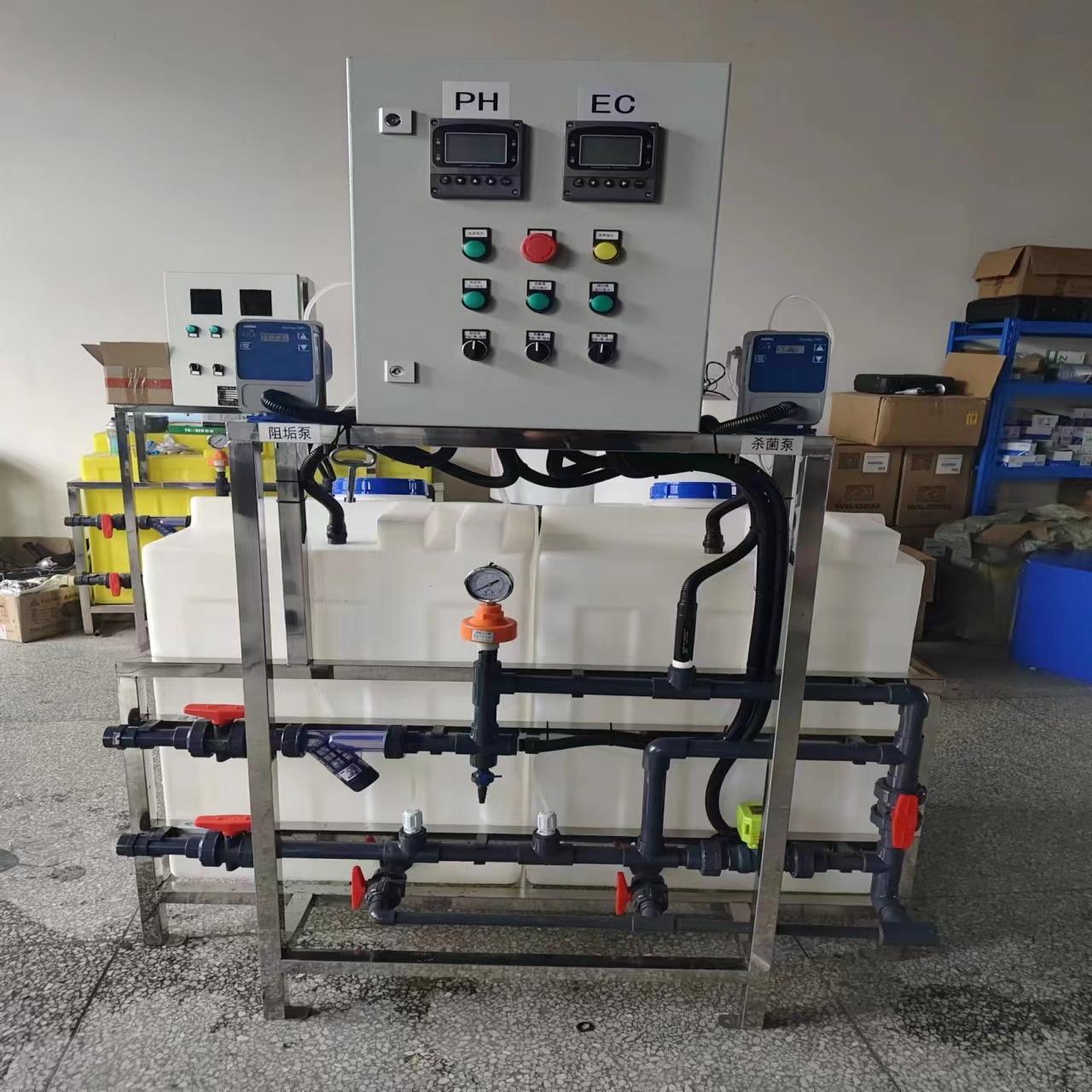
The Sterilization and anti-scaling dosing device is a device designed for water treatment systems for automatic dosing of bactericides and anti-scalin...
See Details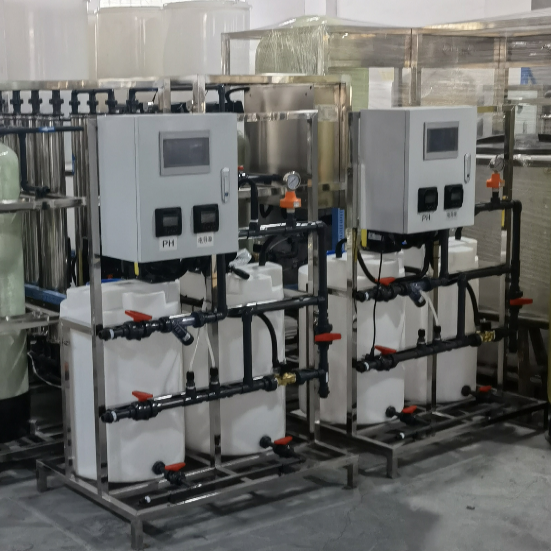
Scale-inhibiting and sterilizing PLC system circulating water dosing device is an efficient dosing device designed for circulating water system. It is...
See Details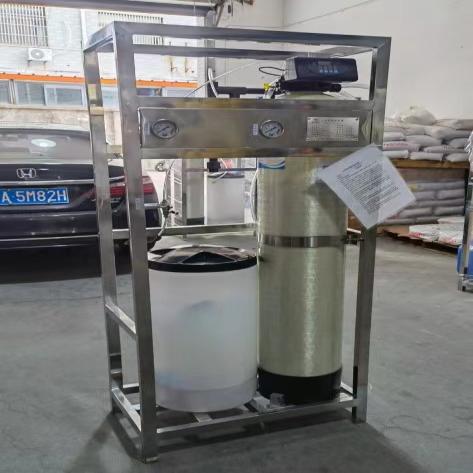
1 ton single tank is a device for storing and dosing water treatment chemicals, usually used in the dosing link of water treatment systems. The device...
See Details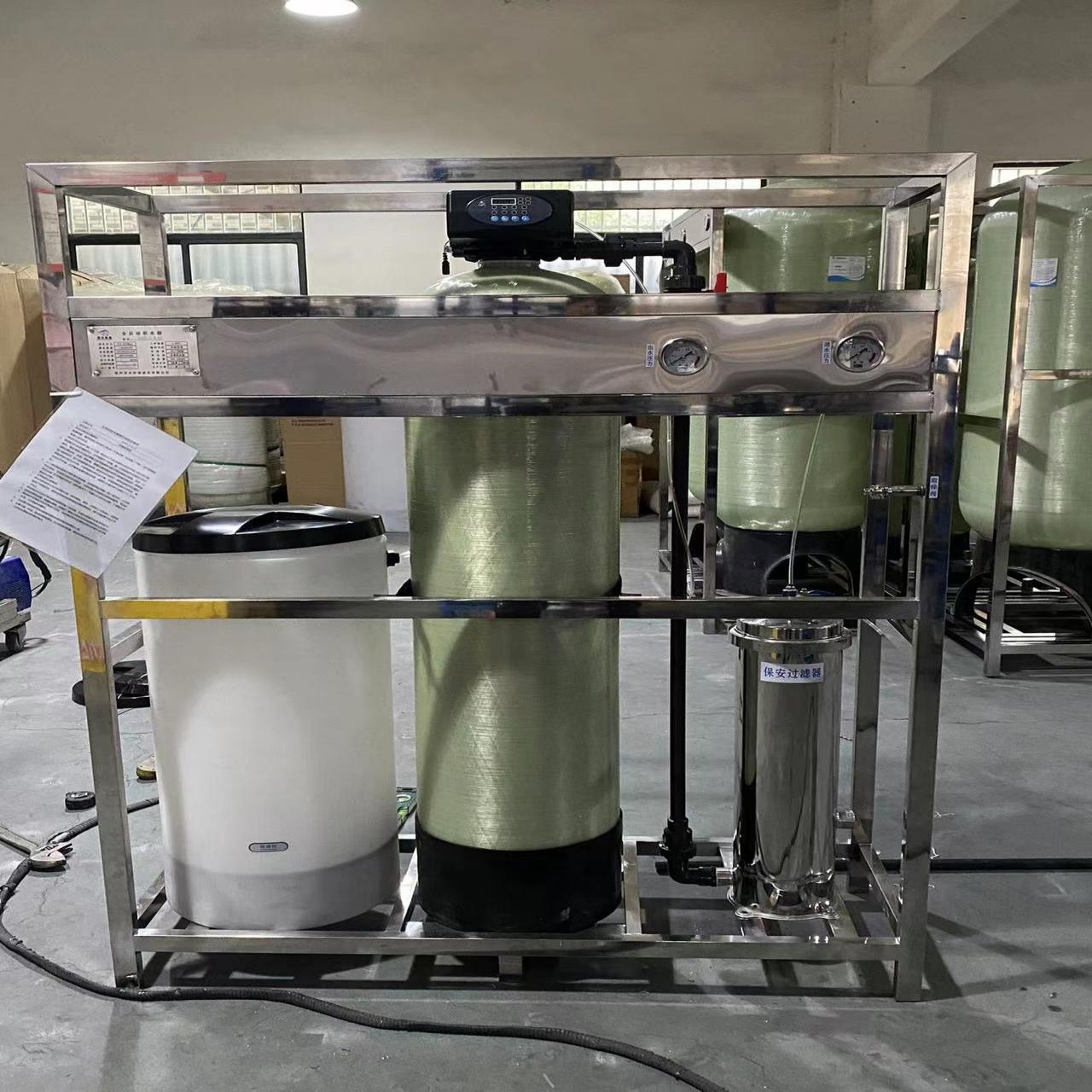
The 2-ton single tank with precision filtration is a device designed for small and medium-sized water treatment needs. It adopts a single tank structu...
See Details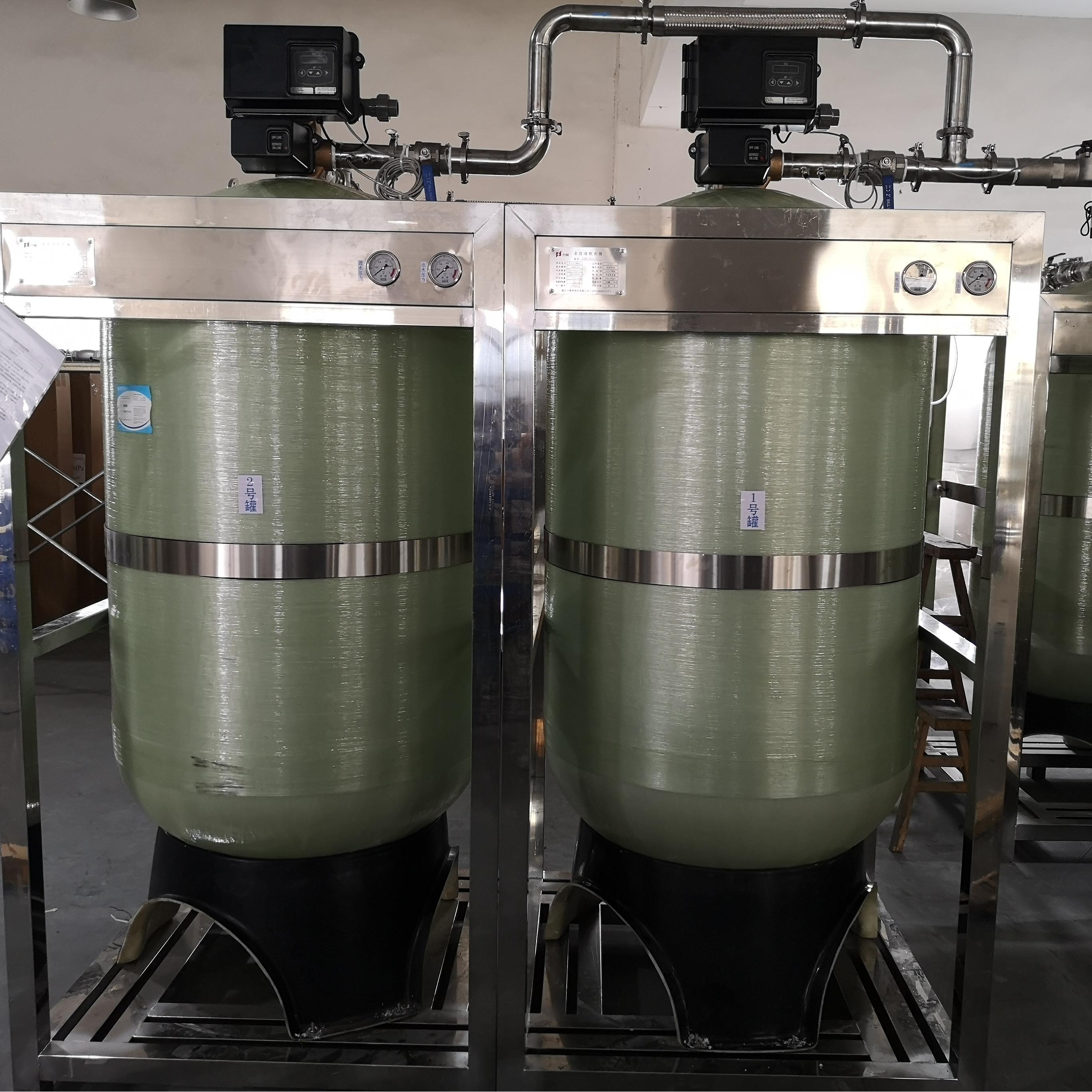
The 16-ton double valve double tank, one for use and one for standby water treatment system is a large-scale water treatment equipment equipped with t...
See Details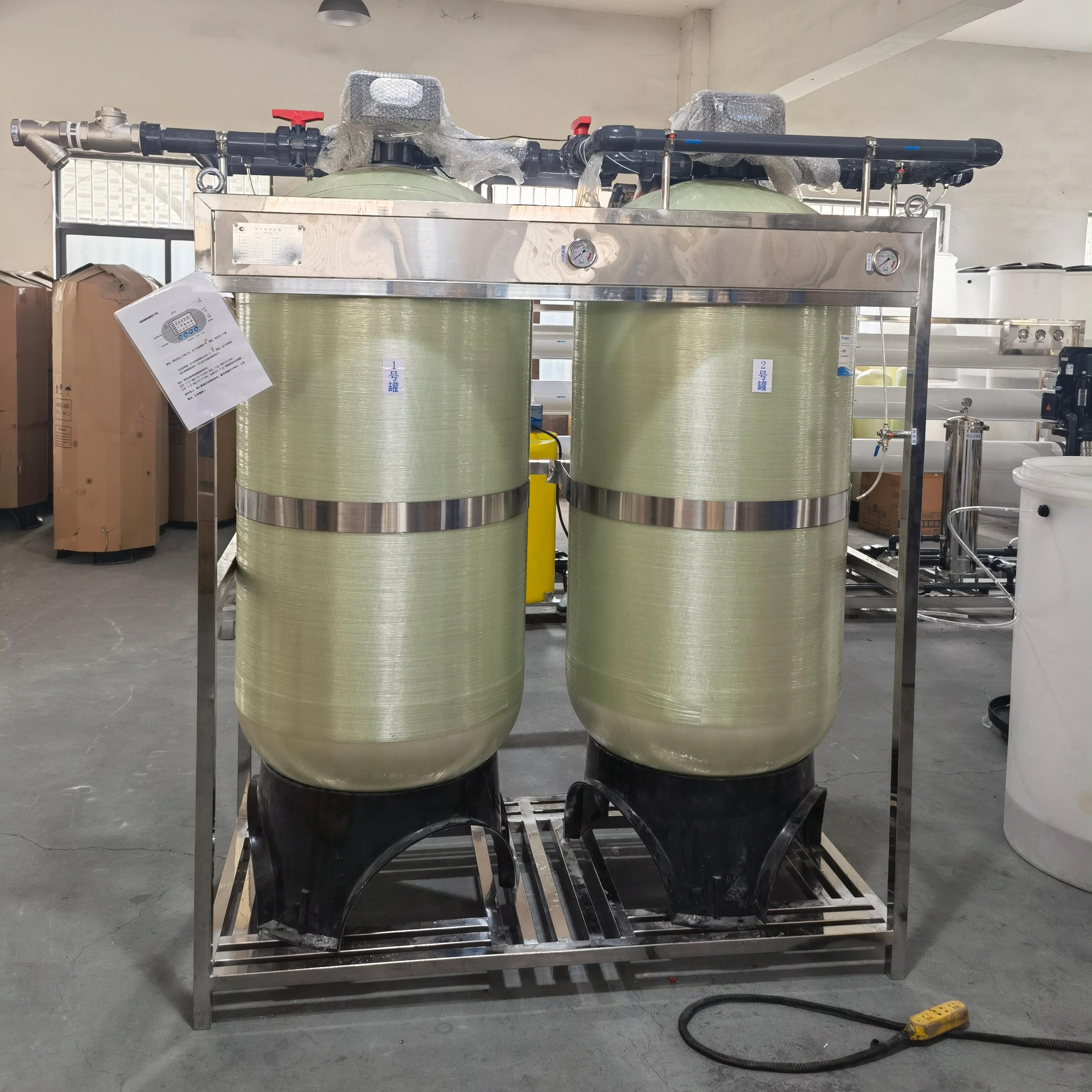
The 10-20 tons double valve double tank continuous water supply system is a high-efficiency equipment suitable for large-scale water treatment project...
See Details
+86-13396595772
[email protected]
[email protected]
[email protected]
[email protected]
Room 508, Xingyuncheng, No.15 Xingling Street, Xingqiao Street, Linping District, Hangzhou City, Zhejiang Province.
Copyright ©2024 Hangzhou Roushui Environmental Protection Technology Co., Ltd. All Rights Reserved. Custom Industrial Civil Water Treatment Purification Equipment Manufacturers
