
 English
 Español
 عربى
عربىCat:UF Membrane
In the field of industrial water purification, strict quality standards are required. In response to this challenge, a membrane filter with a PVDF str...
See DetailsService hotline: +86-13396595772


Water is a critical resource that sustains life, but access to clean and safe drinking water remains a challenge in many parts of the world. Various water purification methods exist to address this need, each offering its own set of advantages and drawbacks. Among these, Reverse Osmosis (RO) pure water systems have become a popular choice for both residential and industrial water purification.
Reverse Osmosis (RO) is a water purification process that removes contaminants from water by using a semi-permeable membrane. This membrane allows only clean water molecules to pass through while blocking impurities such as salts, bacteria, and other contaminants. RO systems have become widely adopted due to their efficiency in producing high-quality purified water.
RO pure water systems typically involve several stages of filtration, including pre-filtration, the RO membrane, post-filtration, and sometimes a UV treatment for disinfection. This multi-stage process ensures that water is purified to a high standard, removing both dissolved solids and harmful microorganisms.
In addition to RO, several other water purification methods are commonly used. These include:
Activated Carbon Filtration
Activated carbon filters use adsorption to remove contaminants like chlorine, volatile organic compounds (VOCs), and some heavy metals. However, they are less effective at removing dissolved salts and minerals.
Ultraviolet (UV) Disinfection
UV purifiers use ultraviolet light to kill or deactivate microorganisms such as bacteria, viruses, and protozoa. While UV is effective at sterilizing water, it does not remove chemical contaminants or dissolved solids.
Distillation
Distillation involves boiling water and then condensing the steam to remove impurities. While this method is highly effective at removing a wide range of contaminants, it is energy-intensive and may not be practical for large-scale applications.
Ion Exchange
Ion exchange systems work by swapping undesirable ions (such as calcium and magnesium) in water with more benign ions (such as sodium). This method is commonly used for softening hard water but does not address other contaminants.
Efficiency and Effectiveness
RO systems are highly effective at removing a broad spectrum of contaminants, including dissolved salts, heavy metals, chlorine, fluoride, and microorganisms. Compared to methods like activated carbon filtration and UV disinfection, RO systems offer a more comprehensive solution for water purification. While UV and carbon filters may excel at removing certain contaminants, they cannot match the efficiency of RO in removing dissolved solids.
Water Quality
RO pure water systems deliver water that is close to pure, with TDS (Total Dissolved Solids) levels often reduced to a minimum. This makes RO systems ideal for producing water for sensitive applications such as drinking, cooking, and laboratory use. In contrast, other methods like activated carbon filtration can improve taste and odor but may not offer the same level of purity in terms of mineral content and contaminants.
Maintenance and Operating Costs
One of the primary considerations when choosing a water purification method is the maintenance and operating costs. RO systems, while highly effective, require regular maintenance, including membrane replacement, pre-filter changes, and occasional sanitization. The initial investment for an RO system can also be higher compared to simpler methods like activated carbon filters or UV purifiers.
In contrast, UV and carbon filtration systems tend to have lower maintenance costs, but their long-term effectiveness may diminish, requiring more frequent replacements of components like the UV bulb or carbon filter. On the other hand, distillation systems require substantial energy input, which can make them more expensive to operate over time.
Environmental Impact
When it comes to environmental sustainability, RO systems may not be the option, as they produce wastewater as part of the purification process. This wastewater is typically discarded, which can be wasteful if not properly managed. Distillation, while energy-intensive, does not produce wastewater but consumes a significant amount of electricity.
UV and carbon filtration systems, being simpler and less energy-consuming, have a lower environmental footprint compared to RO systems. However, they may not offer the same level of purification and thus may require additional steps in areas with poor water quality.
Comprehensive Contaminant Removal
RO systems are capable of removing a wide range of contaminants, ensuring that the water is free from harmful substances such as heavy metals, chlorine, pesticides, and microorganisms.
Improved Taste and Odor
By removing impurities and dissolved solids, RO systems improve the taste and odor of water, making it more enjoyable to drink.
Health Benefits
RO purified water is free from harmful contaminants, making it safer for consumption, especially in areas where water quality is a concern.
Low Maintenance Requirements
While RO systems require periodic maintenance, they are generally easy to operate and maintain, with filter replacement and sanitization being the primary tasks.
Water Waste
One of the major drawbacks of RO systems is the production of wastewater, with a significant amount of water being discarded during the filtration process. This can be a concern in areas where water scarcity is an issue.
Cost
RO systems are generally more expensive upfront compared to other purification methods, and their maintenance costs can add up over time. However, for areas with high contamination levels, the cost may be justified by the quality of the purified water.
Mineral Removal
RO systems remove both harmful and beneficial minerals from the water. This can mineral deficiency, although some systems come with a remineralization stage to add beneficial minerals back into the water.
There are numerous manufacturers of RO pure water systems that provide both residential and commercial solutions. These manufacturers offer a wide range of systems, each tailored to different water qualities and purification needs. Choosing a reputable manufacturer ensures that the system will be reliable, efficient, and capable of delivering high-quality water.
Key Considerations When Choosing an RO System Manufacturer
When selecting a manufacturer for your RO pure water system, it’s important to consider factors such as:
RO pure water systems stand out as one of the effective water purification methods available today. They offer comprehensive contaminant removal, improve water taste, and provide health benefits, making them ideal for both residential and industrial applications. While they may require higher initial investment and maintenance costs compared to other methods, their water quality and effectiveness in dealing with diverse contaminants make them a worthwhile choice in areas where water quality is a significant concern.
1. What contaminants can an RO system remove?
An RO system is capable of removing a wide range of contaminants, including chlorine, fluoride, heavy metals, pesticides, and microorganisms.
2. Is RO water safe to drink?
Yes, RO purified water is generally safe to drink as it is free from harmful contaminants. However, some systems may remove beneficial minerals, which can be added back through remineralization filters.
3. How often do I need to replace the filters in an RO system?
Filters typically need to be replaced every 6-12 months, depending on the system’s usage and water quality.
4. Do RO systems waste a lot of water?
Yes, RO systems do produce wastewater during the purification process. However, newer systems are designed to be more water-efficient.
5. Can I install an RO system myself?
While some DIY kits are available, it is generally recommended to have a professional install the system to ensure proper setup and performance.
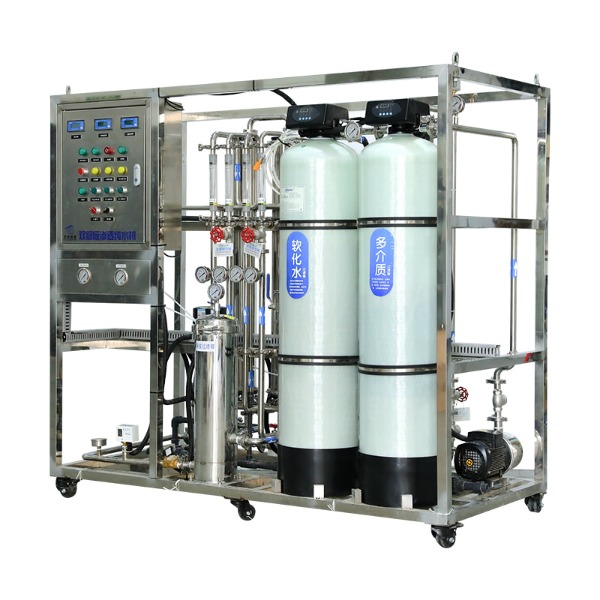
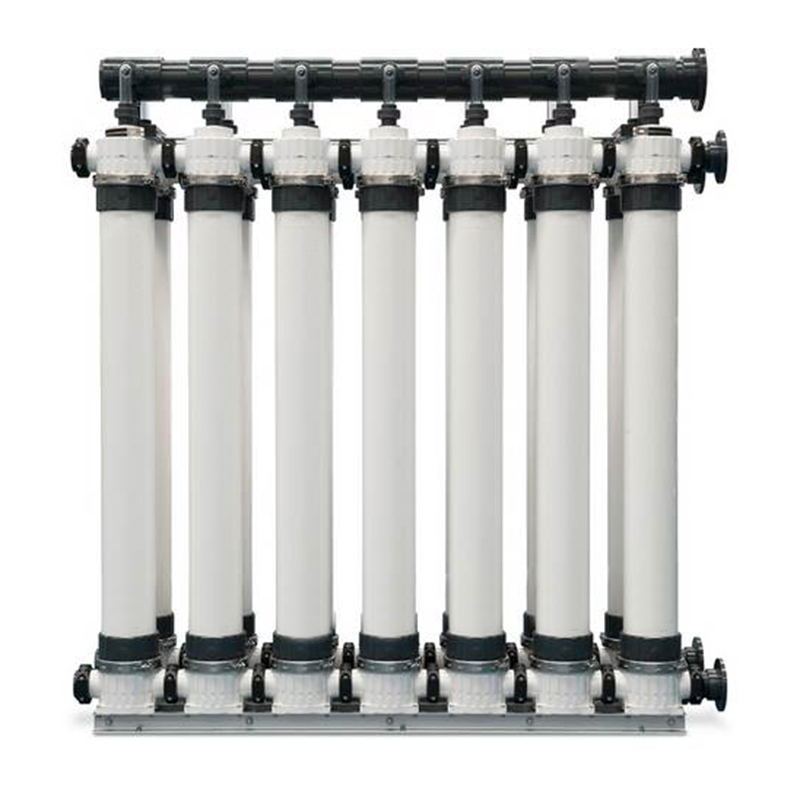
In the field of industrial water purification, strict quality standards are required. In response to this challenge, a membrane filter with a PVDF str...
See Details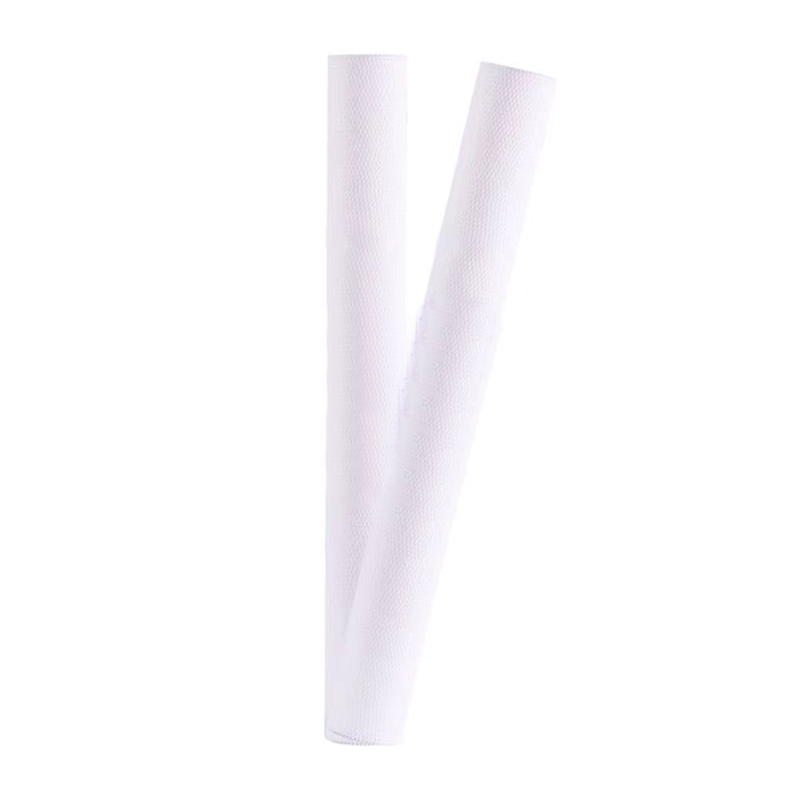
The filter element is a new type of precision filter element, which has the characteristics of small size, large filtering area, high precision, no po...
See Details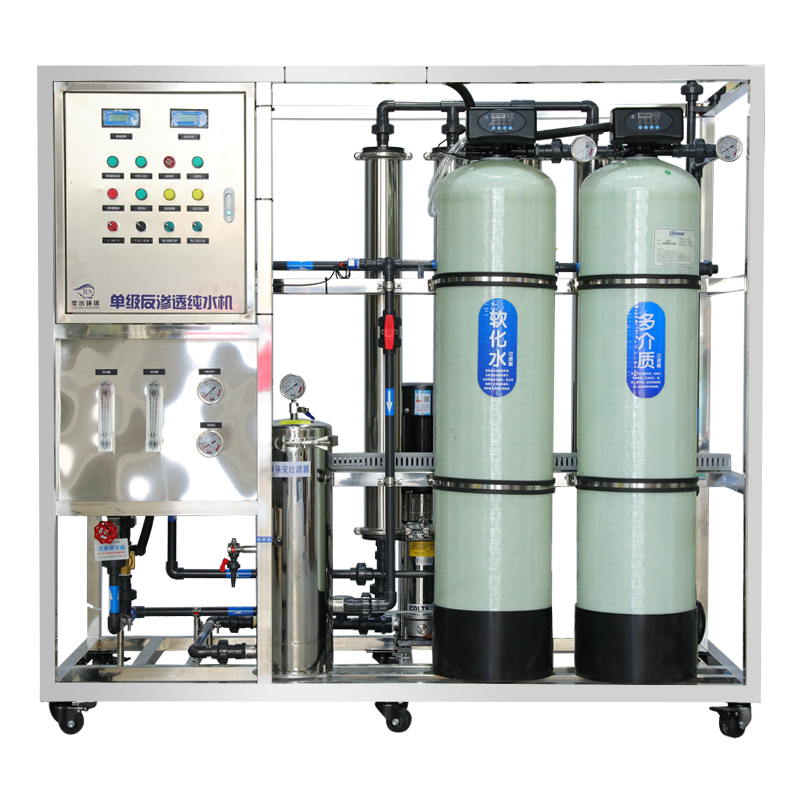
The pure water industrial RO water treatment system is an efficient and reliable water treatment equipment specially designed to meet the demand for p...
See Details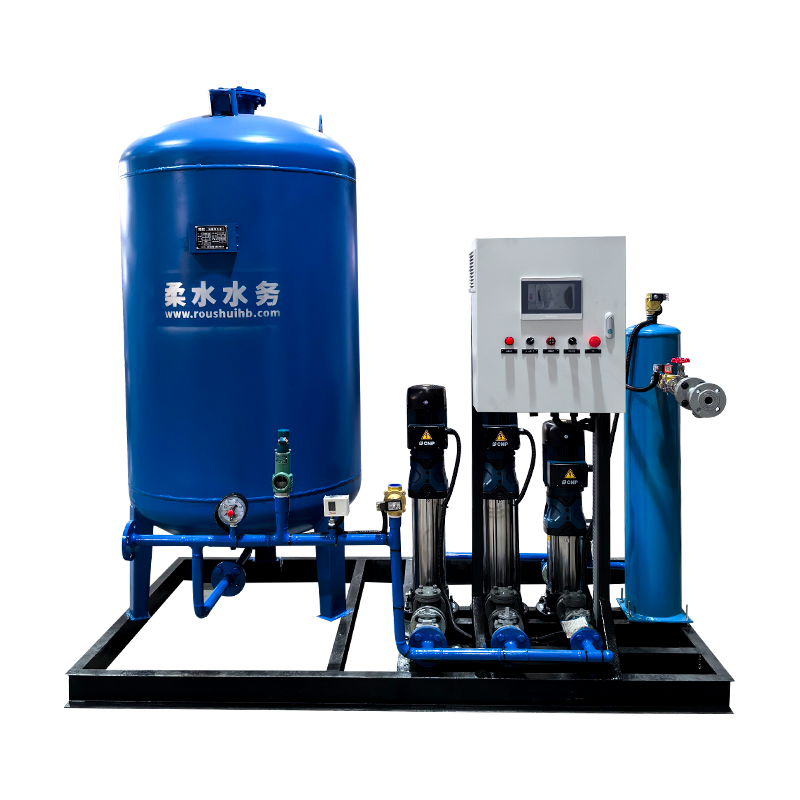
This equipment is a water supply system specially designed to provide stable water pressure. It combines the design of a water pump and an expansion t...
See Details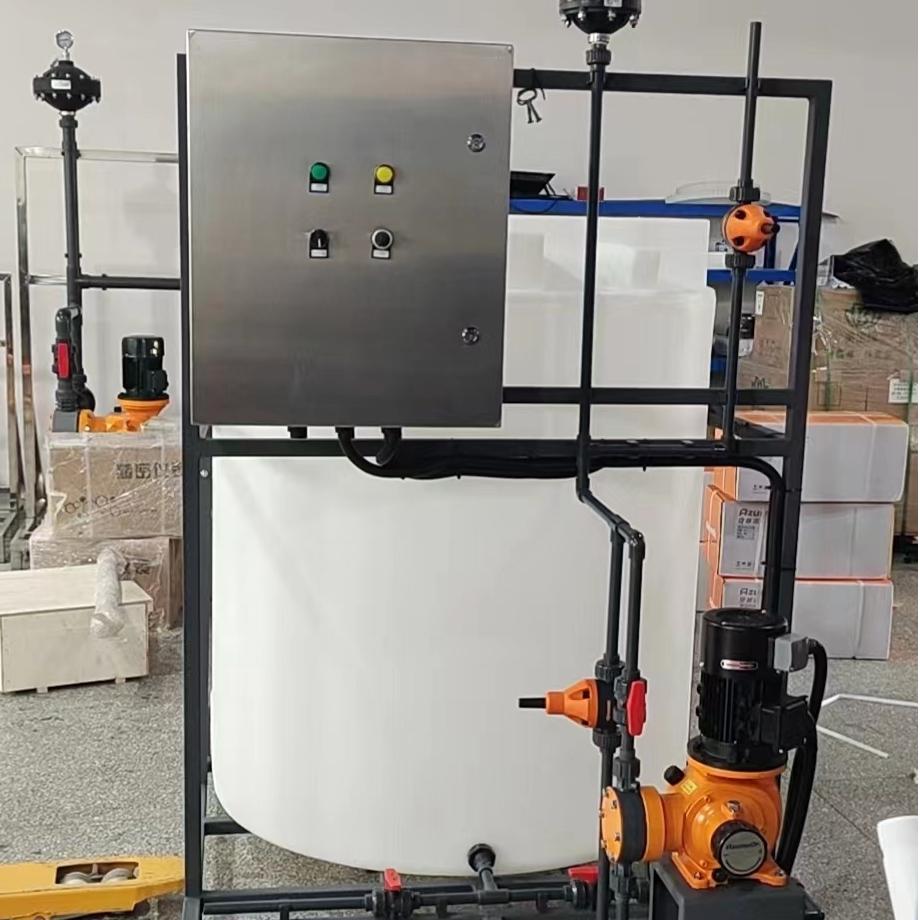
Single pump single barrel dosing device for flocculation is an automatic dosing device used in the water treatment process. It is specially used to ac...
See Details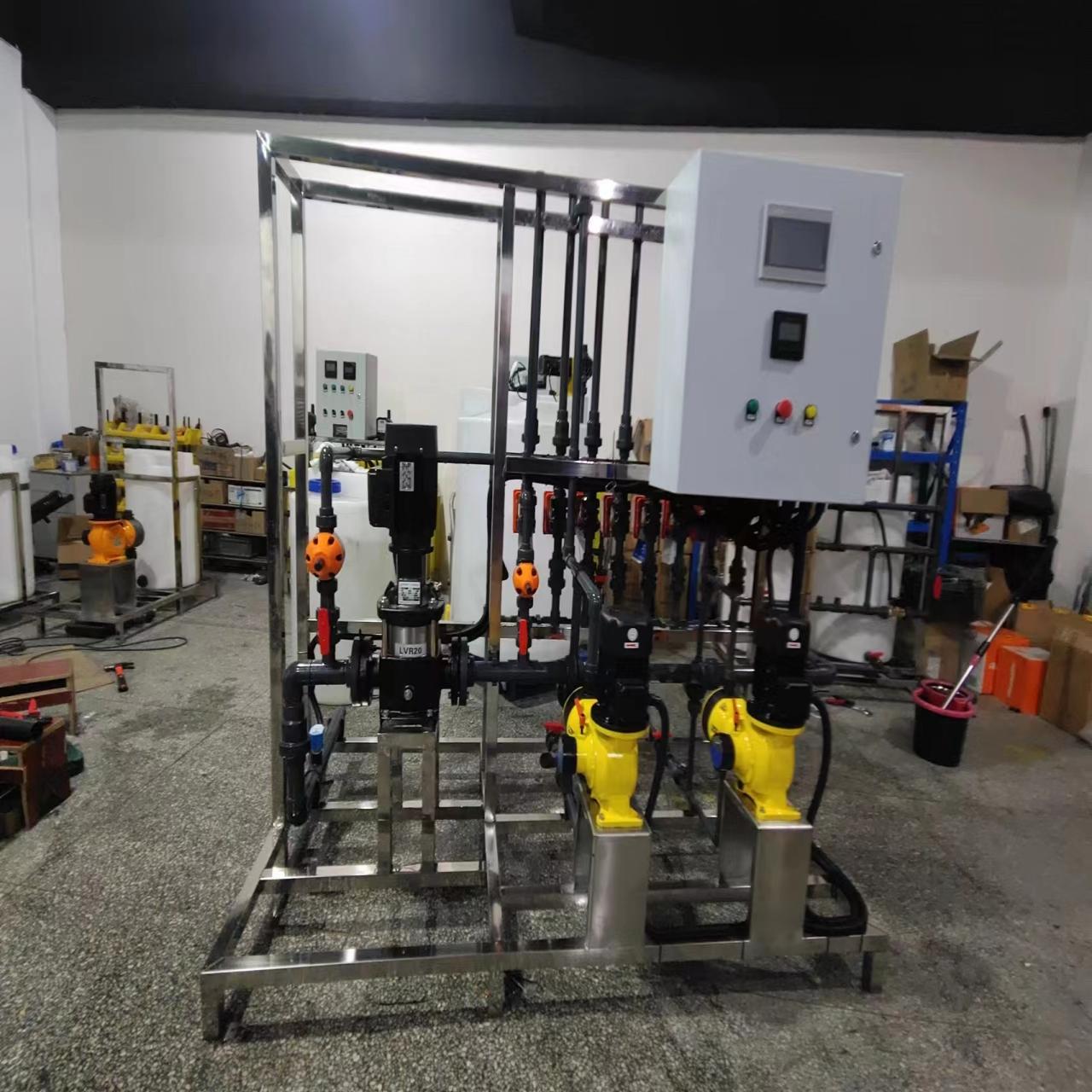
The acid-base neutralization and dosing device is a device used in the fields of industry, environmental protection and water treatment, mainly used t...
See Details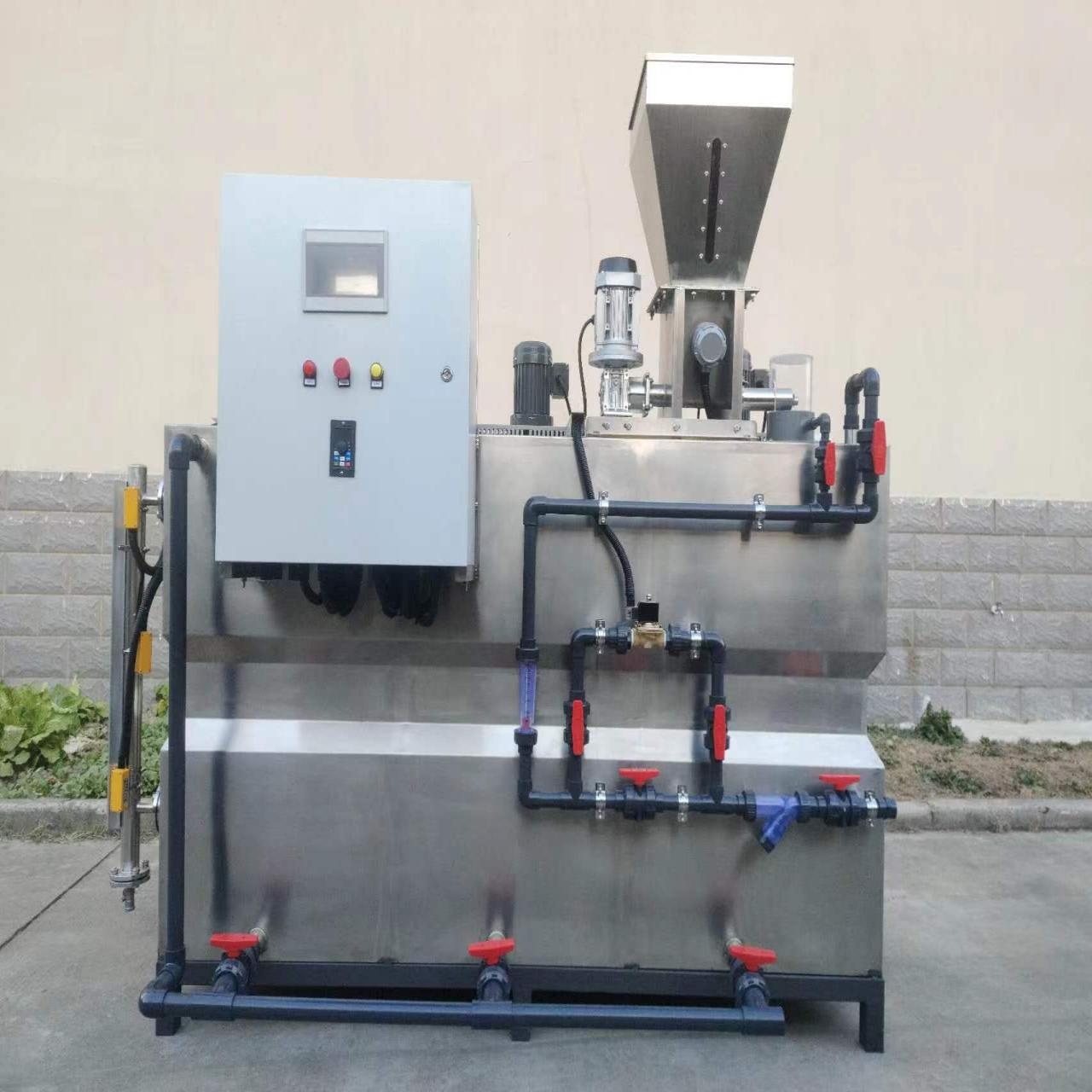
The integrated medicine soaking machine dosing device is a device designed specifically for the water treatment field, mainly used for efficient disso...
See Details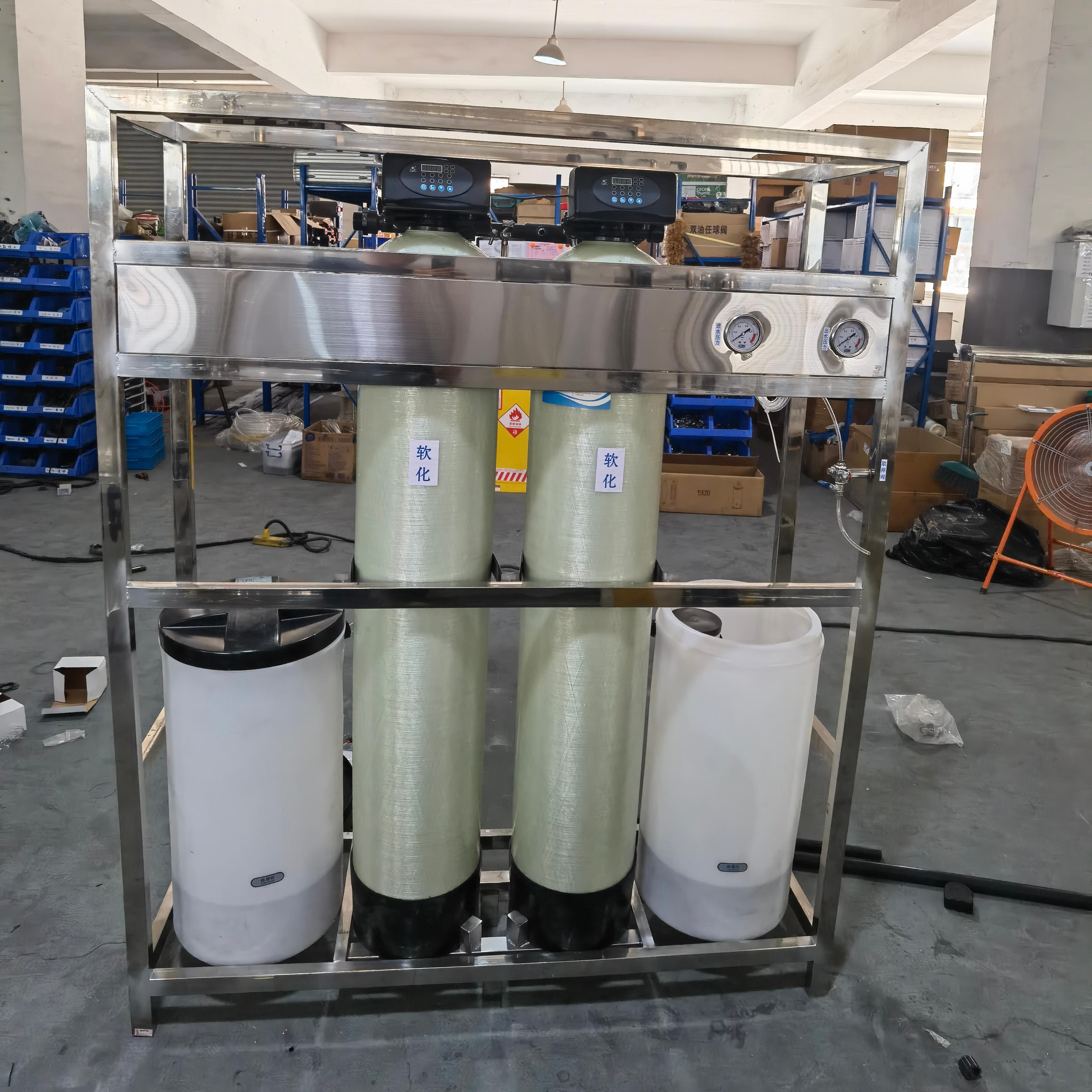
1 ton double valve double tank continuous water supply is an efficient and stable water treatment equipment, widely used in softened water, deminerali...
See Details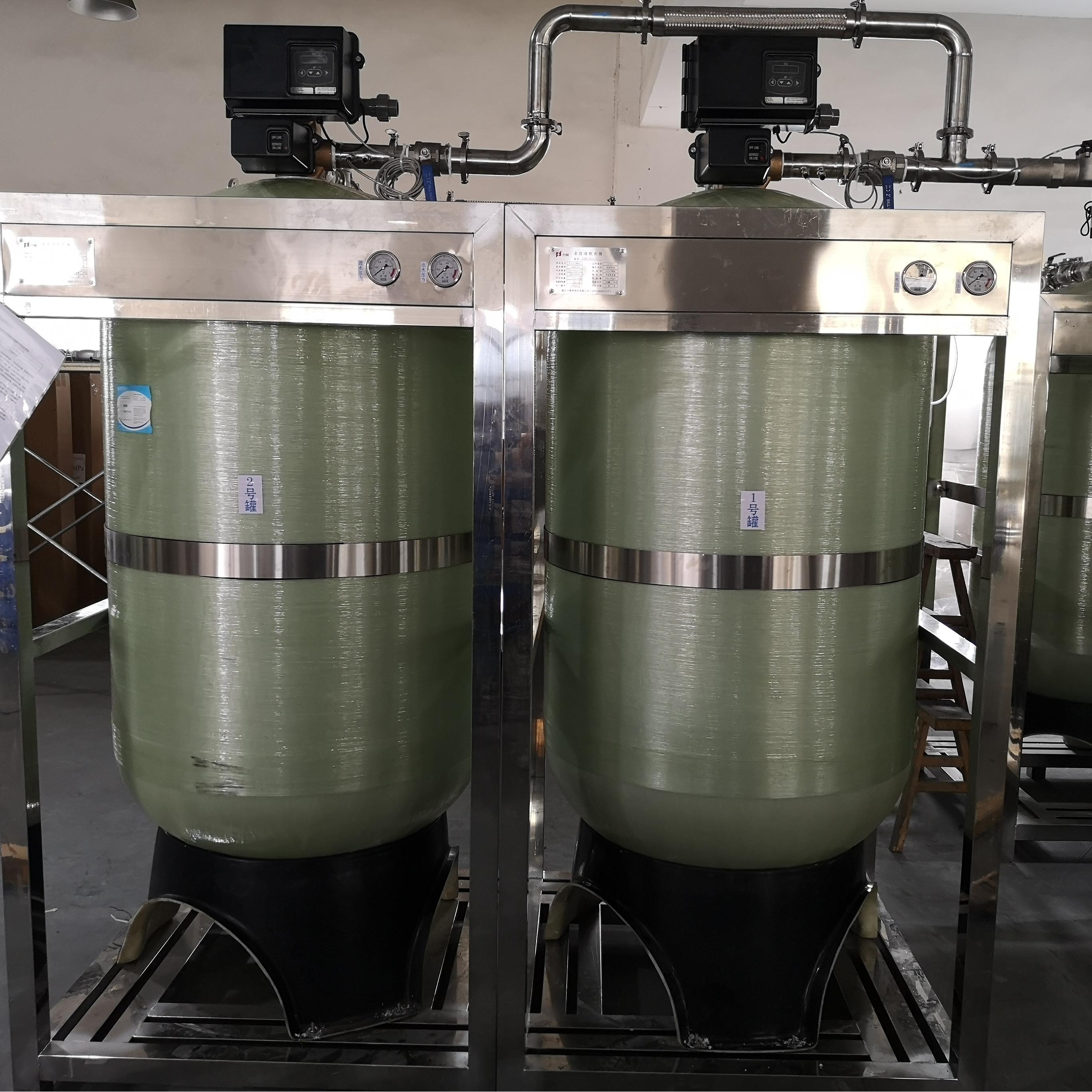
The 16-ton double valve double tank, one for use and one for standby water treatment system is a large-scale water treatment equipment equipped with t...
See Details
+86-13396595772
[email protected]
[email protected]
[email protected]
[email protected]
Room 508, Xingyuncheng, No.15 Xingling Street, Xingqiao Street, Linping District, Hangzhou City, Zhejiang Province.
Copyright ©2024 Hangzhou Roushui Environmental Protection Technology Co., Ltd. All Rights Reserved. Custom Industrial Civil Water Treatment Purification Equipment Manufacturers
