
 English
 Español
 عربى
عربىCat:UF Membrane
In the field of industrial water purification, strict quality standards are required. In response to this challenge, a membrane filter with a PVDF str...
See DetailsService hotline: +86-13396595772


Hard water, a common issue in many regions, can have a significant impact on daily life. From causing scale buildup in pipes to reducing the efficiency of household appliances, the effects of hard water can be far-reaching. The solution to these problems lies in water softener systems, which remove the minerals responsible for water hardness, such as calcium and magnesium.
Water hardness is primarily caused by dissolved minerals, particularly calcium and magnesium, found in groundwater. These minerals enter the water supply as it passes through rocks and soil. Hard water is measured based on the concentration of these minerals, with higher levels causing more significant issues.
While hard water is not harmful to human health, it can cause several issues, such as limescale buildup in plumbing systems, decreased appliance efficiency, and poor soap lathering.
Water softener systems are designed to remove the hardness-causing minerals from water. By doing so, they help prevent scale buildup, improve appliance efficiency, and provide a better overall water quality for daily use. The necessity of a water softener system becomes clear when we consider the various challenges posed by hard water:
In essence, water softeners provide a cost-effective way to mitigate these issues, ensuring smooth operation in both residential and industrial settings.
There are various types of water softener systems available, with fully automatic systems being the popular due to their convenience and efficiency.
Fully automatic water softener systems work through the ion-exchange process. In this process, calcium and magnesium ions are exchanged for sodium or potassium ions, effectively “softening” the water. These systems are known for their ability to regenerate automatically, making them low-maintenance and ideal for users who need a reliable, hassle-free solution.
Applications:
Manual water softeners, on the other hand, require users to manually regenerate the system by adding salt or other materials. While less convenient than fully automatic systems, manual systems are still an effective solution for smaller applications.
Water softener systems function primarily through the ion-exchange process. Here’s a step-by-step look at how it works:
Ion-Exchange Process:
Regeneration:
This process ensures that the water remains soft and free from the minerals that cause scale buildup.
Water softener systems are widely used in both residential and industrial applications:
Residential Use:
Industrial Use:
Pre-Treatment in Desalination Systems: Water softeners are often used as a pre-treatment stage in desalination systems, ensuring that the water entering the system is free of hardness-causing minerals.
The installation of a water softener system comes with numerous benefits:
Cost Savings:
Health and Comfort:
Environmental Impact:
Better for Household Appliances:
While water softeners offer many advantages, there are a few potential drawbacks to consider:
Initial Cost:
Environmental Concerns:
Space Requirements:
When selecting a water softener system, consider the following factors:
Water Hardness Level:
System Size:
Flow Rate:
Maintenance Requirements:
Regular maintenance is essential for keeping water softeners functioning efficiently. Here are a few tips:
Resin Care:
Salt Levels:
System Checkups:
Water softener systems are a valuable investment for both residential and industrial applications, particularly in areas with hard water problems. By improving water quality, extending appliance life, and offering cost savings, these systems provide long-term benefits. Whether you opt for a fully automatic water softener system or a manual one, addressing hard water issues is essential for ensuring the smooth operation of your water systems and enhancing the quality of life.
1. What causes water hardness?
Water hardness is caused by the presence of calcium and magnesium minerals, which enter water as it passes through rocks and soil.
2. How do fully automatic water softener systems differ from manual systems?
Fully automatic systems regenerate on their own, making them more convenient and easier to maintain compared to manual systems.
3. Are there any health risks associated with using a water softener system?
No, softened water is safe for consumption and does not pose health risks. In fact, it can improve skin and hair health.
4. How often should I regenerate my water softener system?
Regeneration frequency depends on water usage and hardness level, but fully automatic systems regenerate based on preset schedules.
5. Can a water softener system be used for industrial purposes?
Yes, water softener systems are widely used in industries like food processing, electronics, and pharmaceuticals to ensure the quality of water and improve system efficiency.
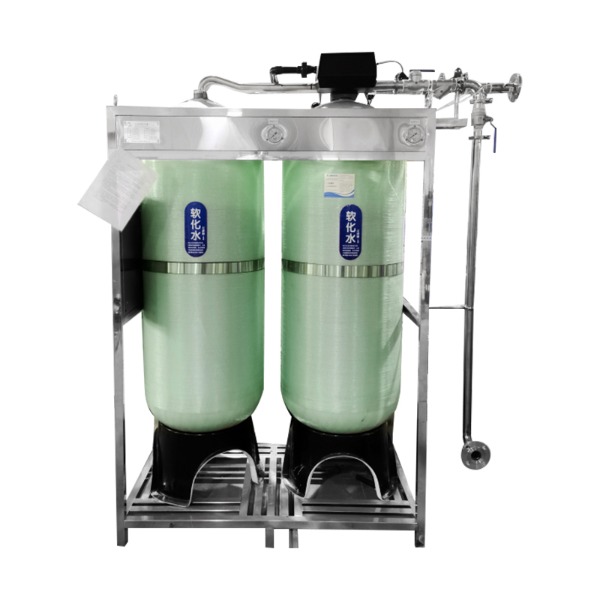
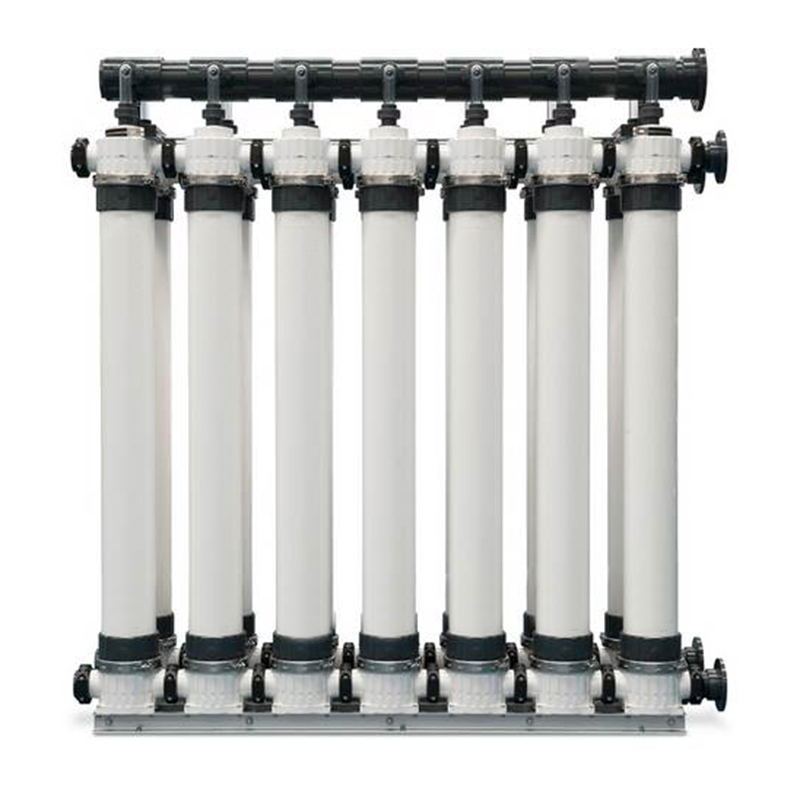
In the field of industrial water purification, strict quality standards are required. In response to this challenge, a membrane filter with a PVDF str...
See Details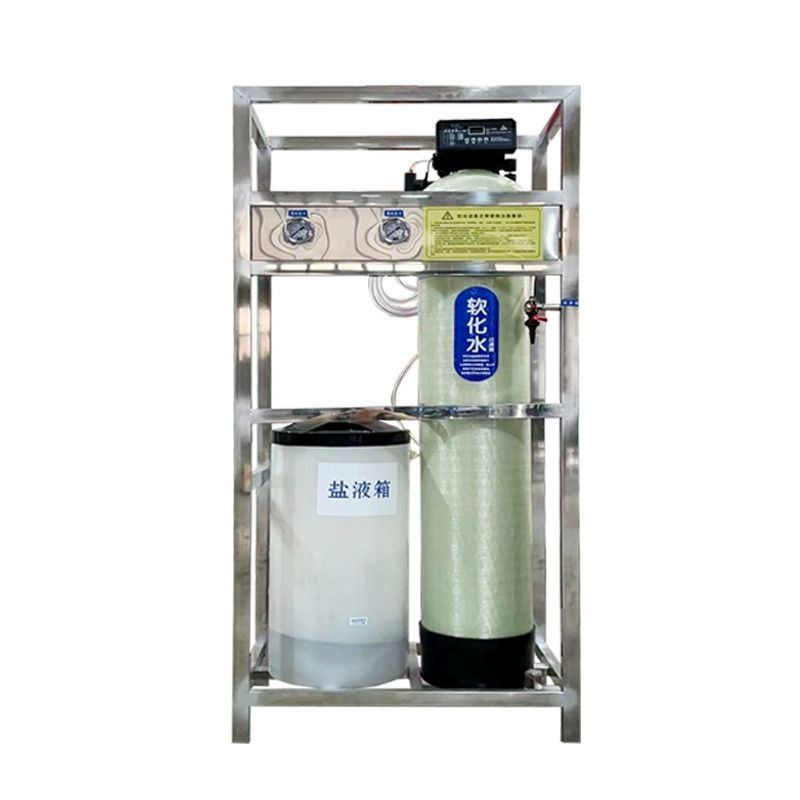
Fully automatic water softening equipment is a kind of equipment used to remove the hardness (mainly calcium and magnesium ions) in water and convert ...
See Details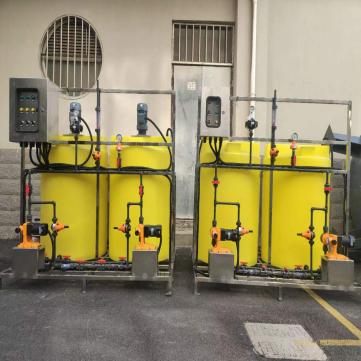
The PAC PAM dosing device is a device used to automatically add polyaluminium chloride (PAC) and polyacrylamide (PAM) during water treatment. The devi...
See Details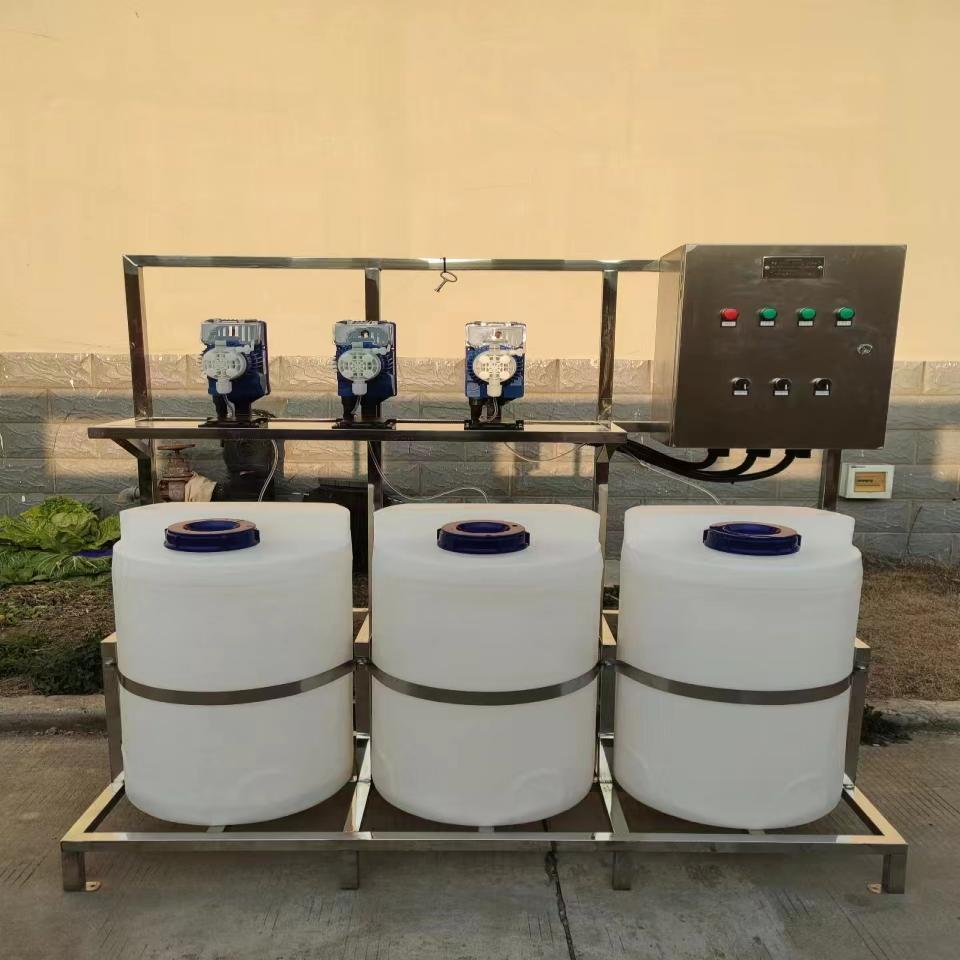
The flocculation scale inhibition and sterilization three-pump three-barrel circulating water system dosing device is a device specially used for circ...
See Details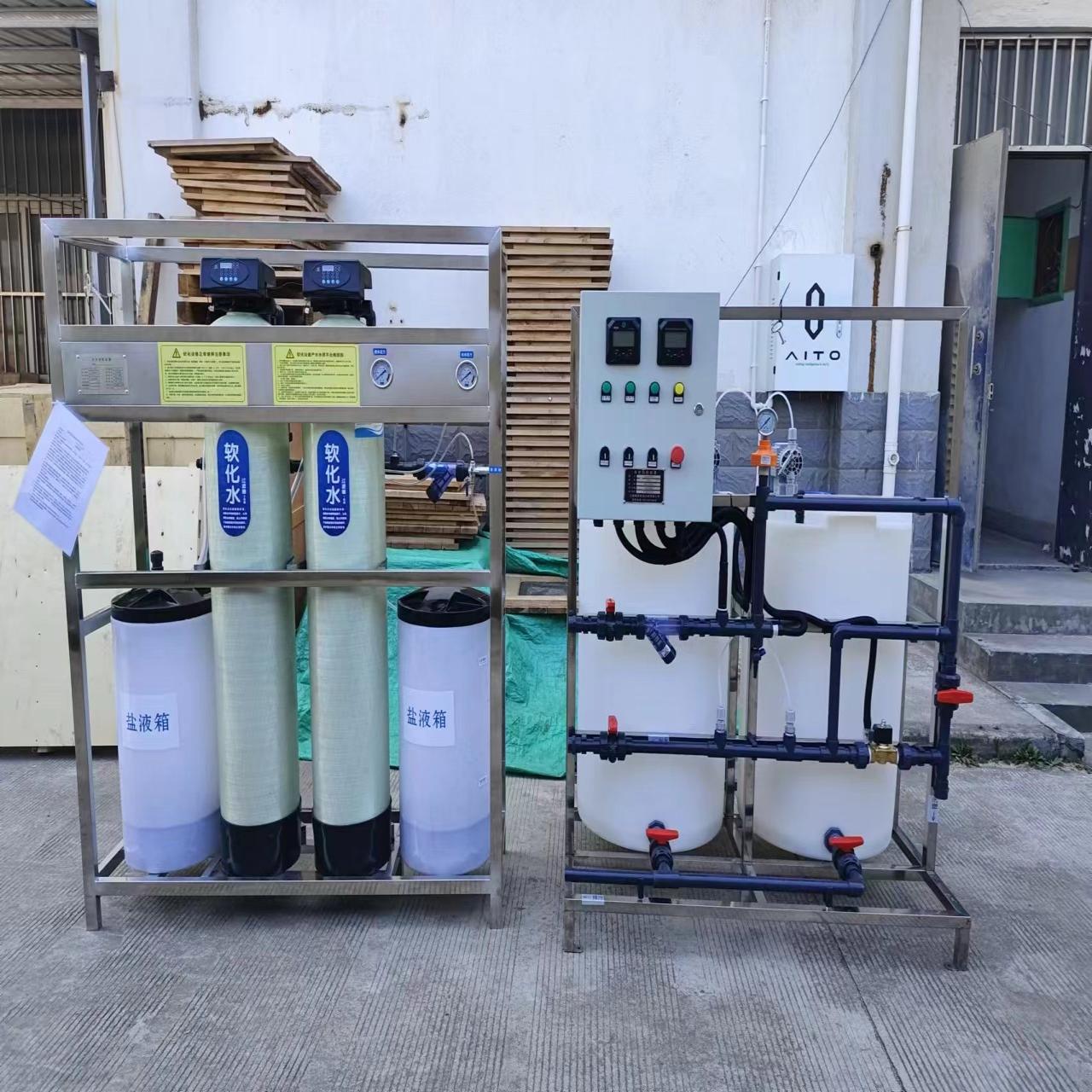
The circulating water system softening, replenishing, sterilizing and dosing device is a special equipment for industrial circulating water treatment....
See Details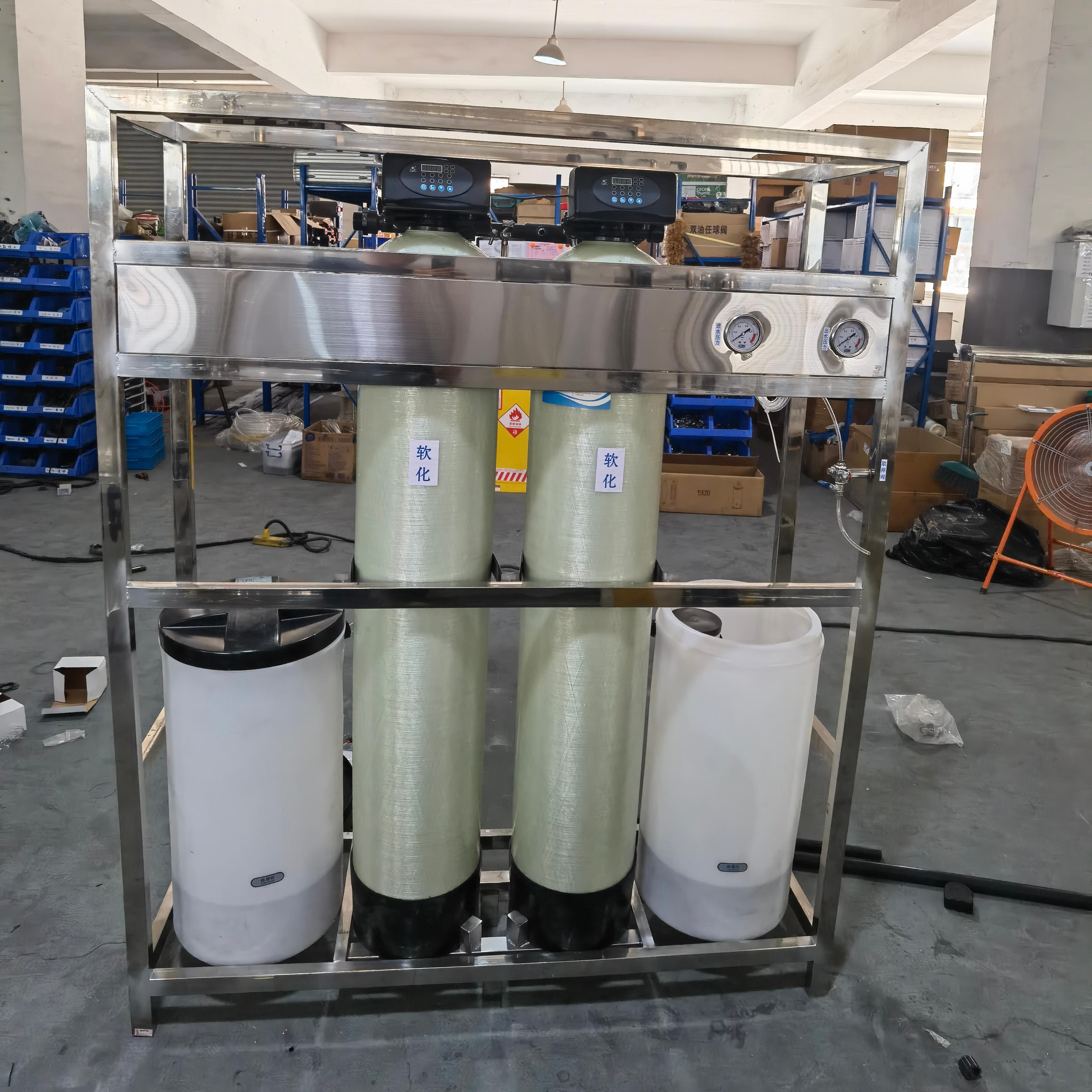
1 ton double valve double tank continuous water supply is an efficient and stable water treatment equipment, widely used in softened water, deminerali...
See Details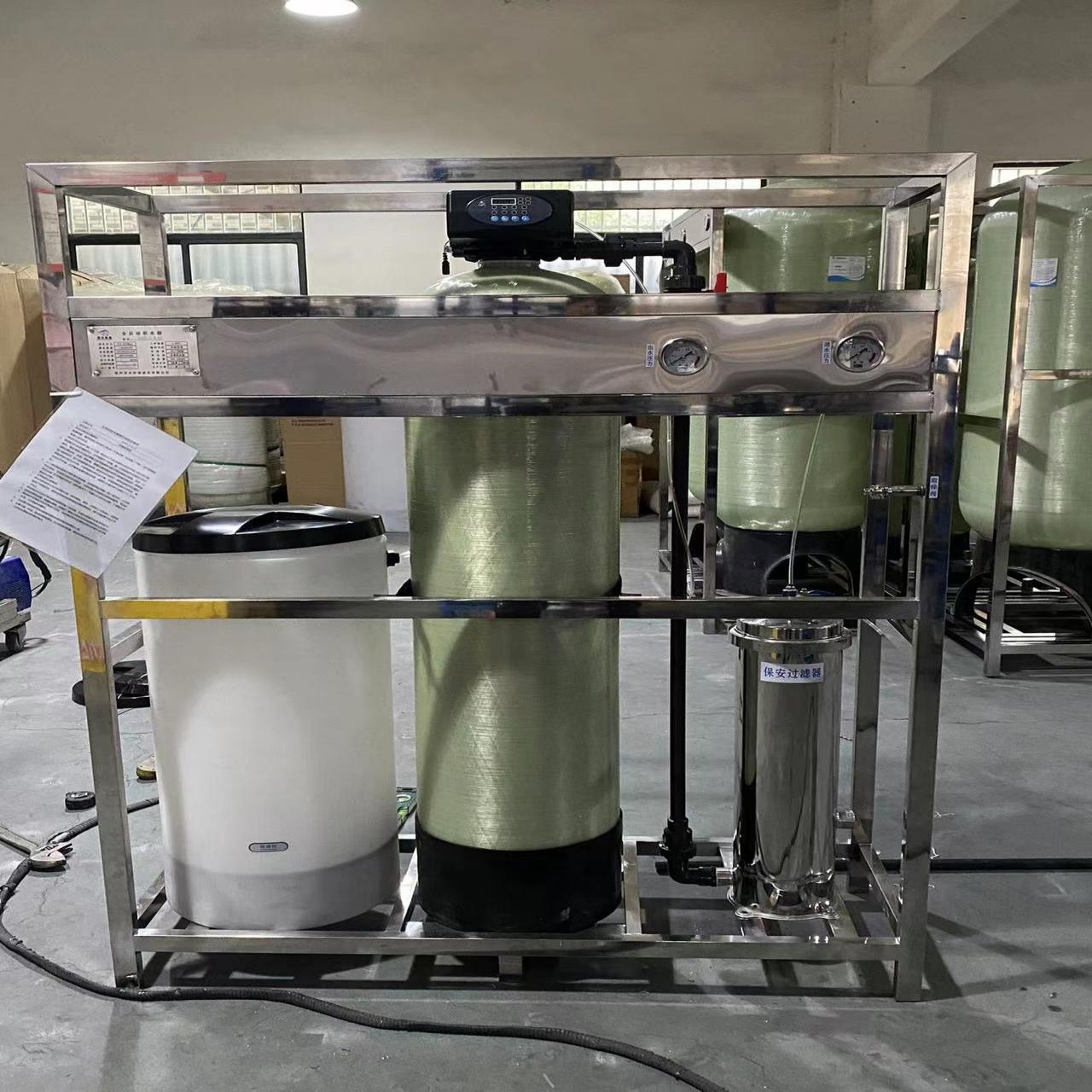
The 2-ton single tank with precision filtration is a device designed for small and medium-sized water treatment needs. It adopts a single tank structu...
See Details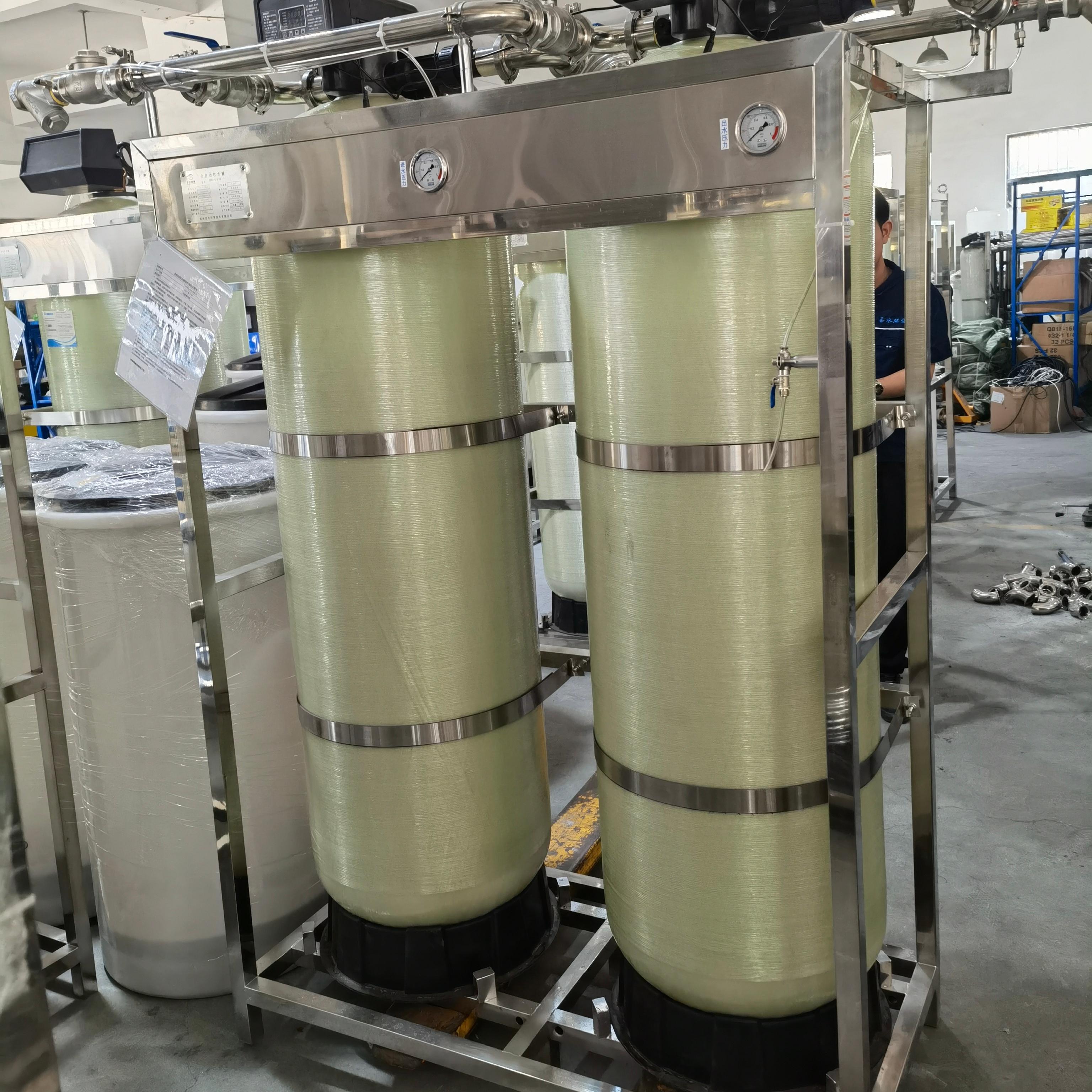
This 6-ton dual-valve dual-tank continuous water supply equipment is designed to provide efficient and stable water treatment solutions. Through the d...
See Details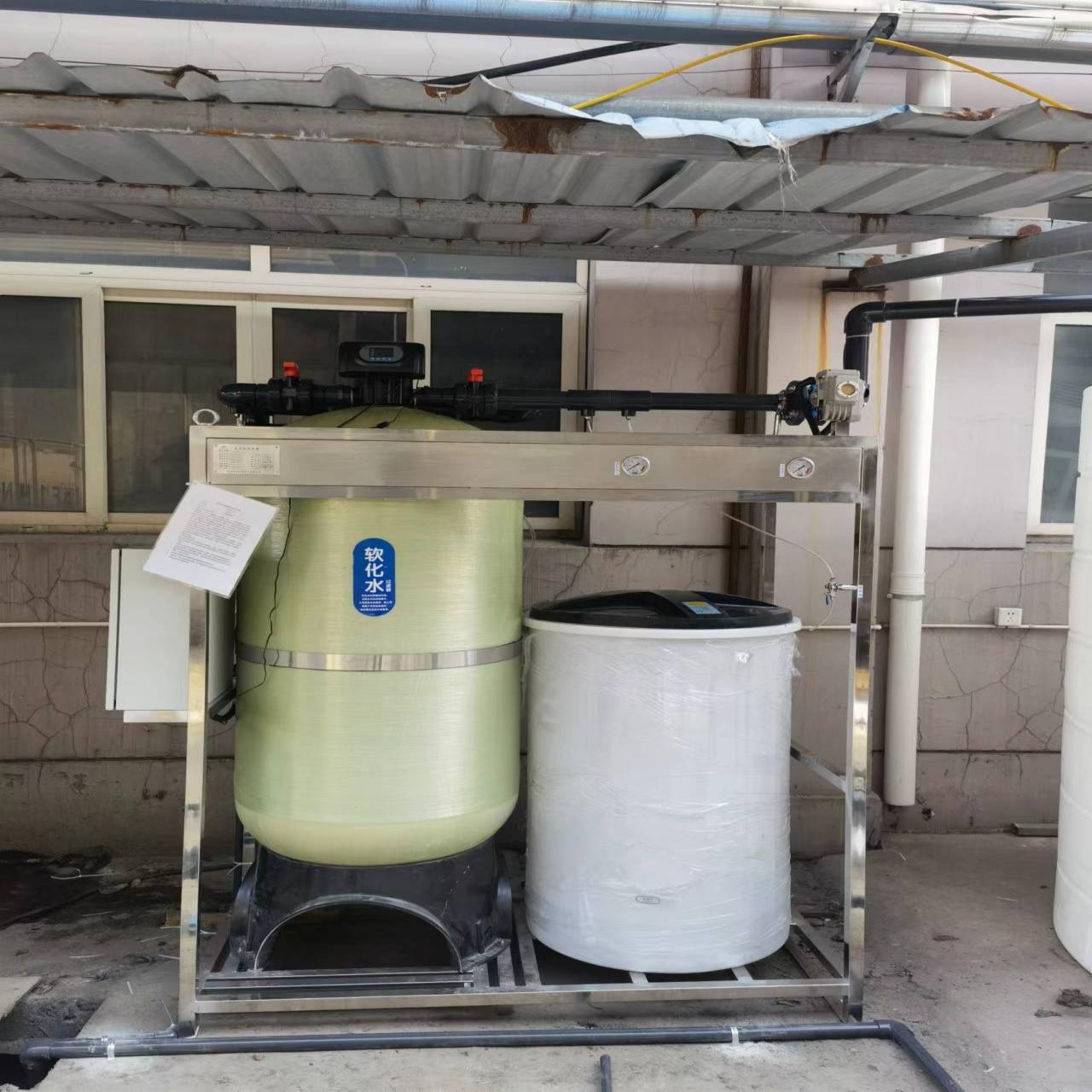
This 10-ton single tank water treatment equipment is equipped with an electric control box and is designed for large-scale water treatment needs. It a...
See Details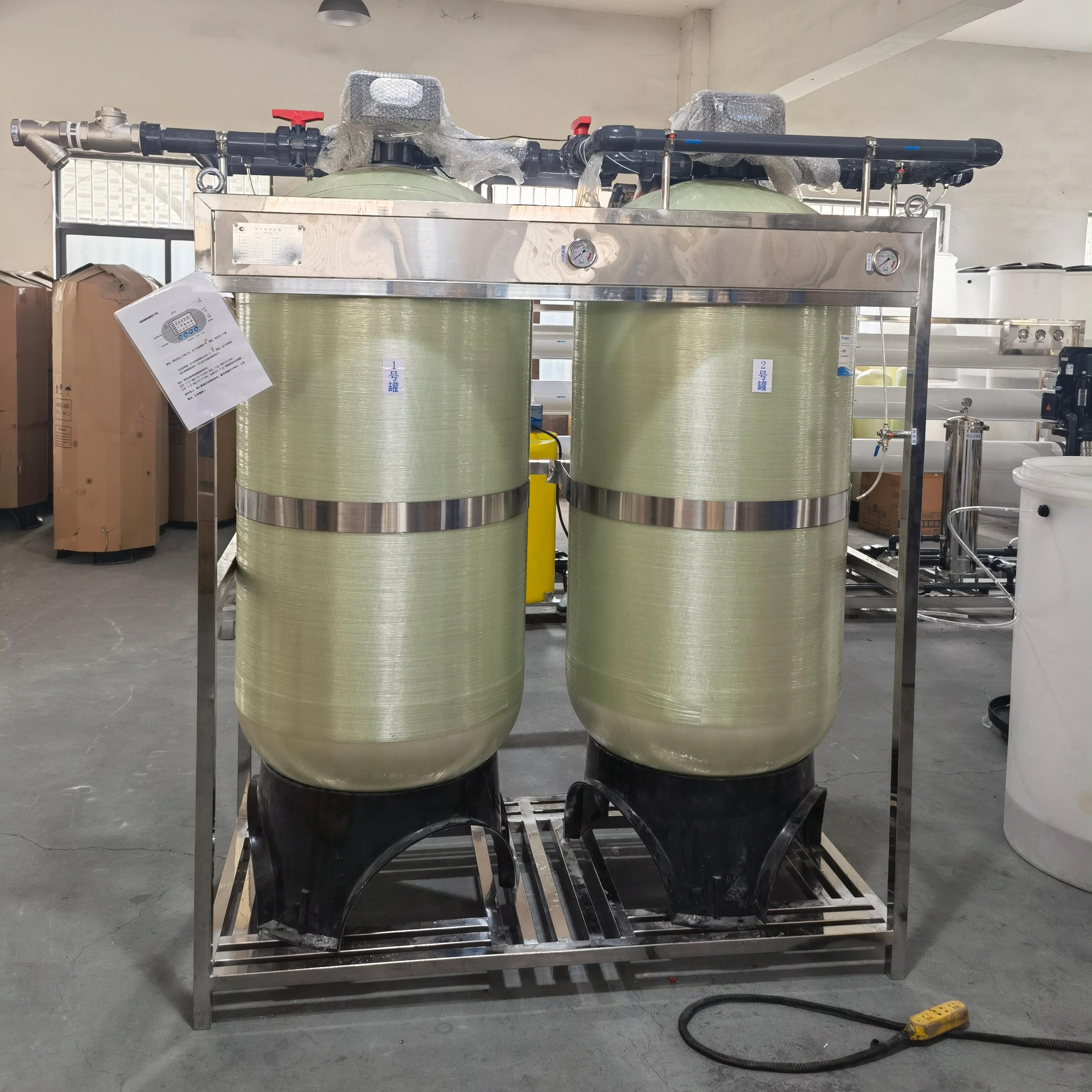
The 10-20 tons double valve double tank continuous water supply system is a high-efficiency equipment suitable for large-scale water treatment project...
See Details
+86-13396595772
[email protected]
[email protected]
[email protected]
[email protected]
Room 508, Xingyuncheng, No.15 Xingling Street, Xingqiao Street, Linping District, Hangzhou City, Zhejiang Province.
Copyright ©2024 Hangzhou Roushui Environmental Protection Technology Co., Ltd. All Rights Reserved. Custom Industrial Civil Water Treatment Purification Equipment Manufacturers
