
 English
 Español
 عربى
عربىCat:FRP Tank
FRP (Fibreglass Reinforced Plastic) softening filter tanks stand out for their adaptability and are available in a variety of sizes and configurations...
See DetailsService hotline: +86-13396595772


The reverse osmosis (RO) membrane system is a critical component in various water purification applications. An essential element of this system is the FRP RO membrane shell, which provides structural support and protection for the RO membrane. To ensure long-term efficiency and performance, proper maintenance practices are crucial.
Before diving into the maintenance practices, it’s important to understand what an FRP RO membrane shell is. FRP stands for fiber-reinforced plastic, a durable composite material used to manufacture membrane housings. The primary function of an FRP RO membrane shell is to house the RO membrane, which filters impurities from water under pressure. These shells are designed to withstand harsh operational conditions, including high pressure and corrosive environments.
The maintenance of FRP RO membrane shells is vital for maintaining the integrity and efficiency of the entire reverse osmosis system.
Regular Inspection for Damage and Wear
Regular inspections are a cornerstone of effective maintenance. Routine checks can identify early signs of damage such as cracks, dents, or stress points in the FRP RO membrane shell. These issues, if left unattended, can compromise the functionality of the entire system.
What to look for during inspections:
Cleaning the Membrane Shell
Cleaning is one of the essential maintenance activities. The accumulation of mineral scale, organic fouling, or biofilm inside the FRP RO membrane shell can reduce system efficiency. While cleaning protocols depend on the water quality and the type of fouling, a general cleaning process involves the following steps:
Frequent cleaning intervals should be determined based on the level of fouling observed.
Inspecting and Replacing Seals and O-rings
Seals and O-rings are vital to the performance of the membrane shell, as they prevent leaks and ensure a secure fit. Over time, these seals can degrade due to exposure to high pressure, temperature, and harsh chemicals.
Pressure Testing
Pressure testing is an essential process to identify any weakness in the FRP RO membrane shell. The test involves subjecting the shell to higher-than-normal pressure to detect leaks or deformations that might not be visible during a visual inspection. Pressure testing should be done annually or after any significant changes to the system.
How to perform pressure testing:
Monitoring the Membrane’s Performance
While the FRP RO membrane shell itself is essential for structural integrity, the membrane’s performance is directly linked to the overall system efficiency. Monitoring the membrane’s performance regularly can prevent overloading the shell, thus extending its life. Key performance indicators include:
Environmental Considerations
The environment where the FRP RO membrane shell operates can significantly impact its longevity. Exposure to temperatures, humidity, and corrosive substances can degrade the material over time. To maintain the shell’s integrity:
Manufacturers play a key role in ensuring that FRP RO membrane shells are built to withstand demanding operational environments. Best practices for manufacturers include:
| Maintenance Task | Frequency | Recommended Action |
|---|---|---|
| Visual Inspection | Monthly | Inspect for cracks, corrosion, or leaks. |
| Cleaning | Every 3-6 months | Perform cleaning based on fouling conditions. |
| Seal and O-ring Replacement | Annually | Replace seals and O-rings as necessary. |
| Pressure Testing | Annually | Perform pressure test to ensure structural integrity. |
| Performance Monitoring | Ongoing | Monitor flow rate, recovery, and salt rejection. |
Maintaining the integrity of an FRP RO membrane shell is vital for the overall performance of reverse osmosis systems. By following the maintenance practices outlined above, operators can significantly extend the lifespan of the shell, ensuring that the system runs efficiently and effectively. Regular inspections, cleaning, seal replacements, and pressure testing are all essential practices that contribute to the performance of FRP RO membrane shells.
1. What is the purpose of an FRP RO membrane shell?
The FRP RO membrane shell houses and protects the reverse osmosis membrane, ensuring it operates under high pressure and harsh conditions.
2. How often should an FRP RO membrane shell be cleaned?
The cleaning frequency depends on the level of fouling but typically occurs every 3-6 months.
3. What can damage an FRP RO membrane shell?
Common causes of damage include physical impacts, exposure to harsh chemicals, and excessive pressure.
4. How do I know if my FRP RO membrane shell needs to be replaced?
If the shell shows cracks, leaks, or cannot maintain pressure levels, it may need to be replaced.
5. Can I perform maintenance on the FRP RO membrane shell myself?
Basic maintenance tasks such as visual inspections, cleaning, and replacing seals can be done by operators, but pressure testing and major repairs should be handled by professionals.
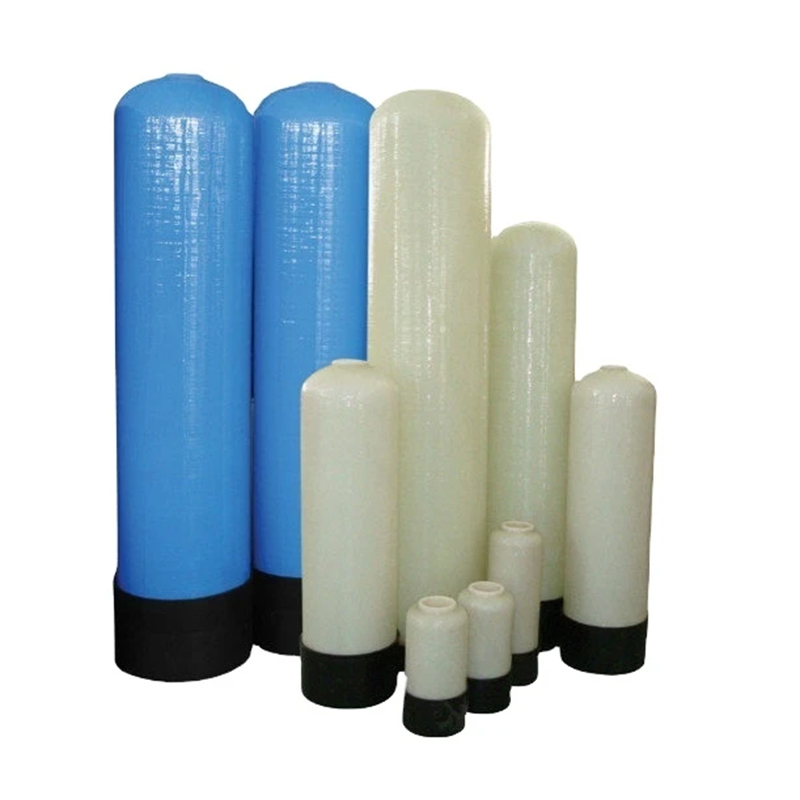
FRP (Fibreglass Reinforced Plastic) softening filter tanks stand out for their adaptability and are available in a variety of sizes and configurations...
See Details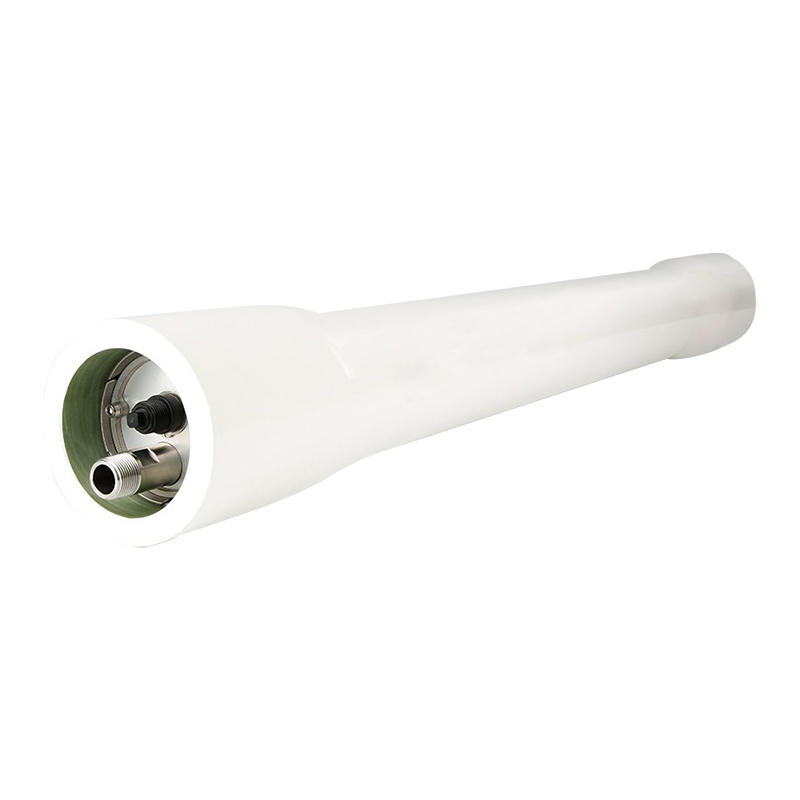
Fiber Reinforced Polymer (FRP) Reverse Osmosis (RO) membrane shells are highly sought-after for water treatment systems operating in corrosive environ...
See Details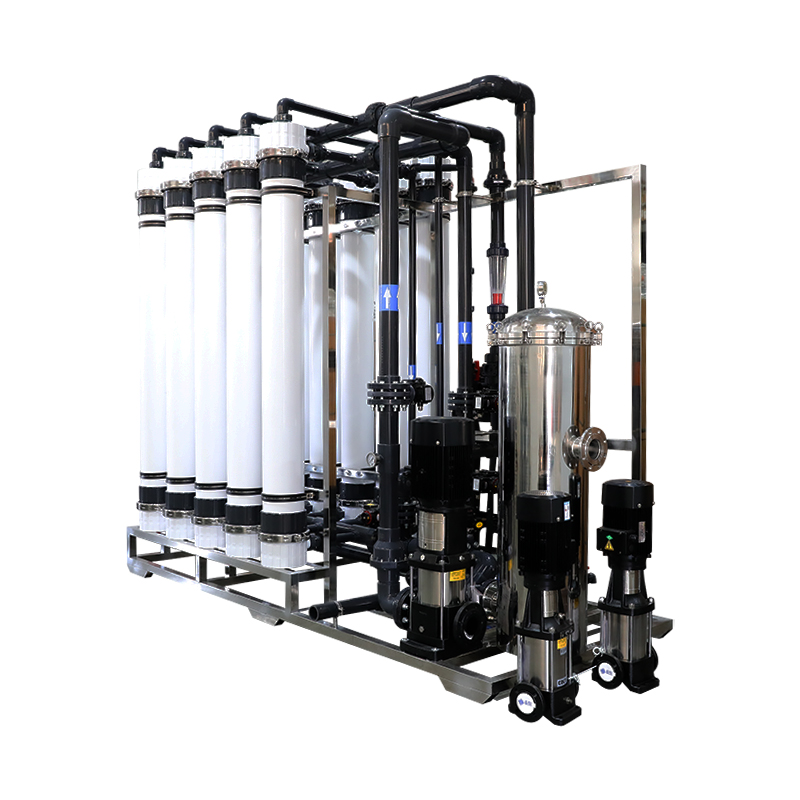
Ultrafiltration (UF) is a membrane separation technology that can purify and separate solutions. The ultrafiltration membrane system is a solution sep...
See Details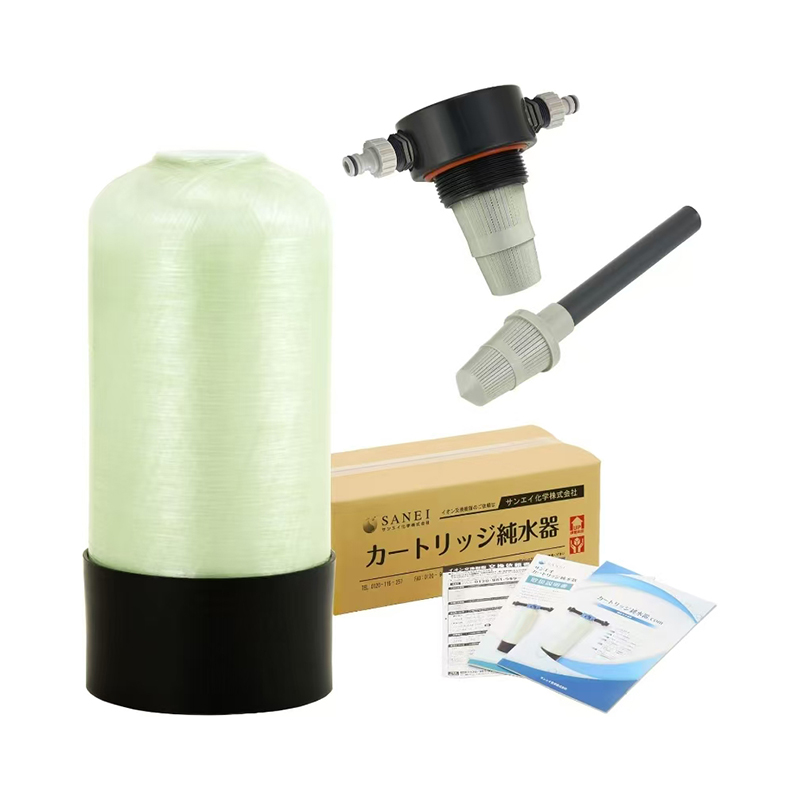
High Flow 3/4 PortKDF(Kinetic Degradation Fluxion) in our RV water filter removes chlorine, heavy metals, bacteria, and scale, ensuring cleaner and sa...
See Details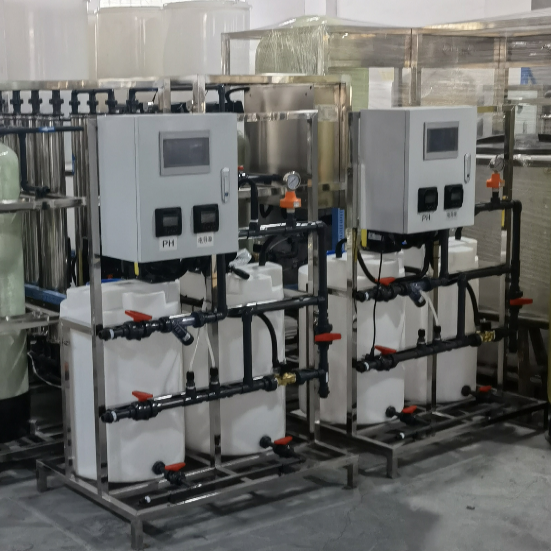
Scale-inhibiting and sterilizing PLC system circulating water dosing device is an efficient dosing device designed for circulating water system. It is...
See Details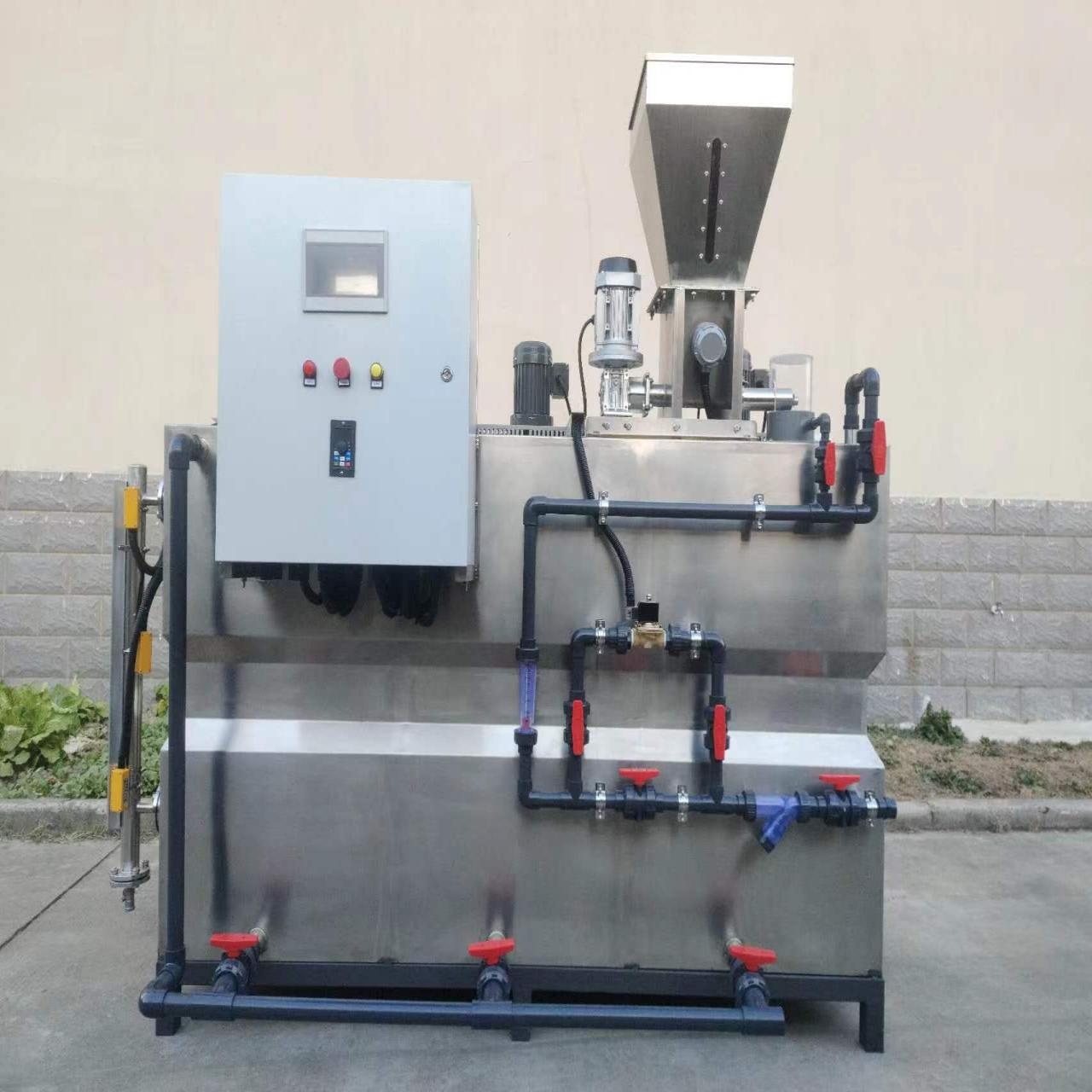
The integrated medicine soaking machine dosing device is a device designed specifically for the water treatment field, mainly used for efficient disso...
See Details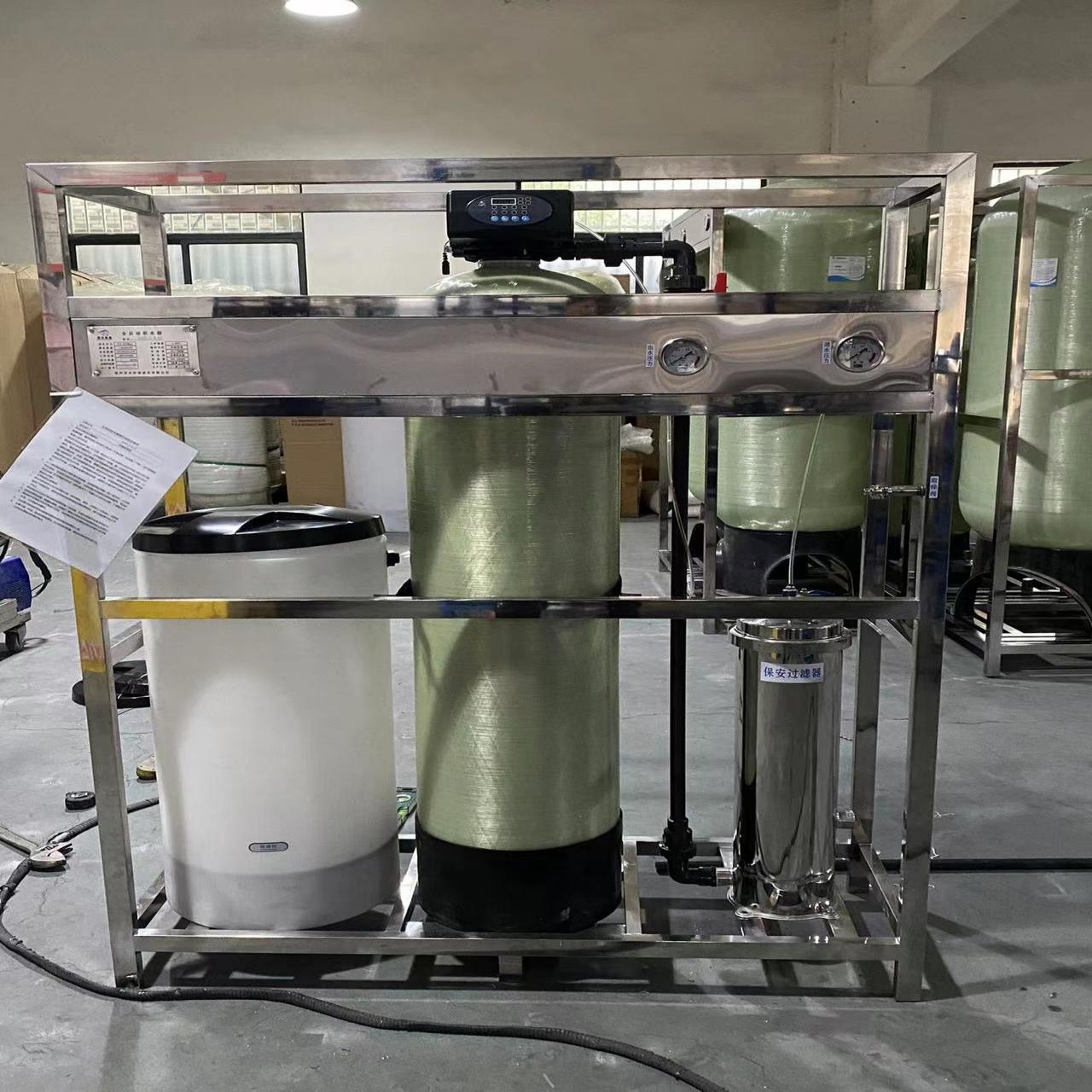
The 2-ton single tank with precision filtration is a device designed for small and medium-sized water treatment needs. It adopts a single tank structu...
See Details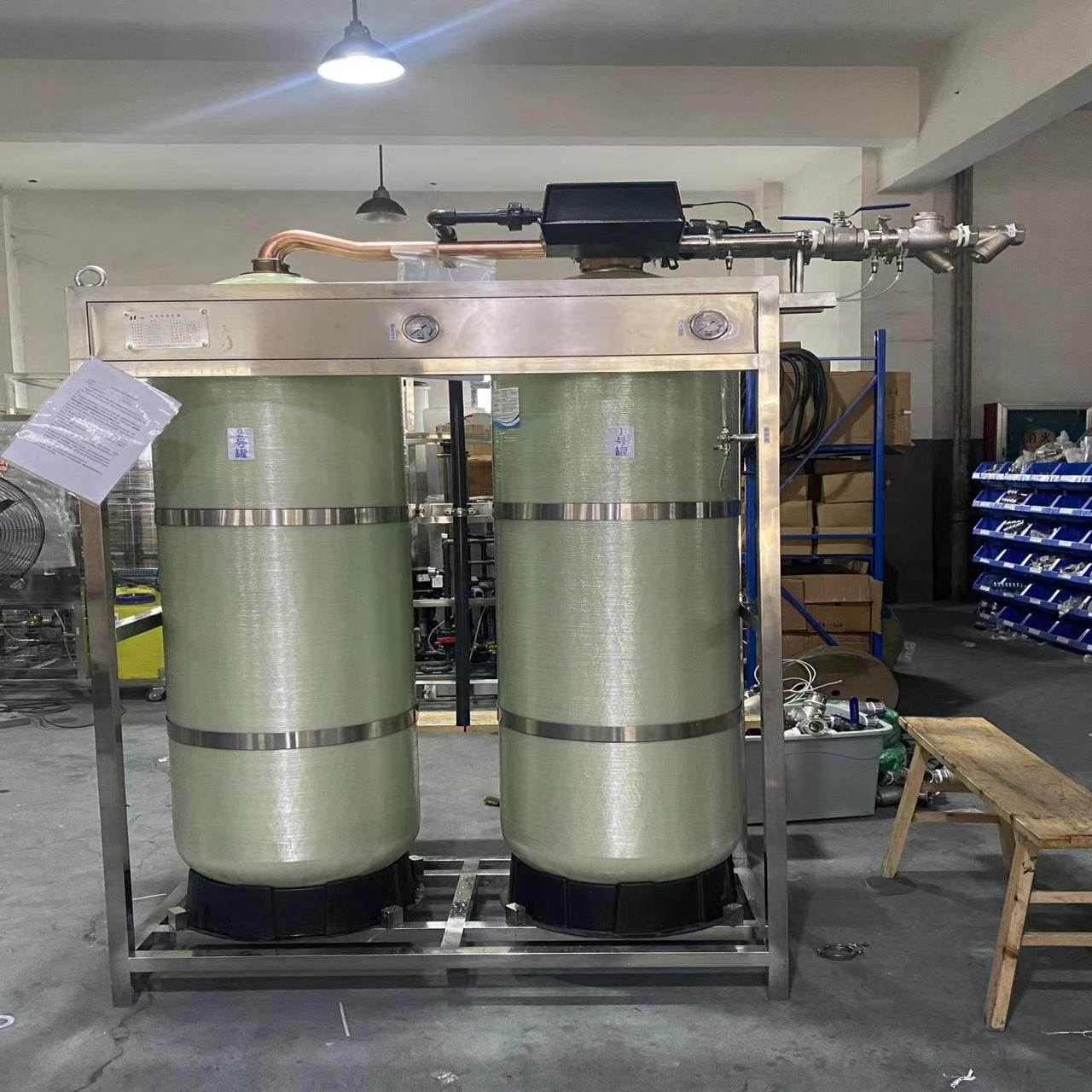
5-6 tons single valve double tank, one for use and one for standby is a device designed for medium and large water treatment systems. It has two indep...
See Details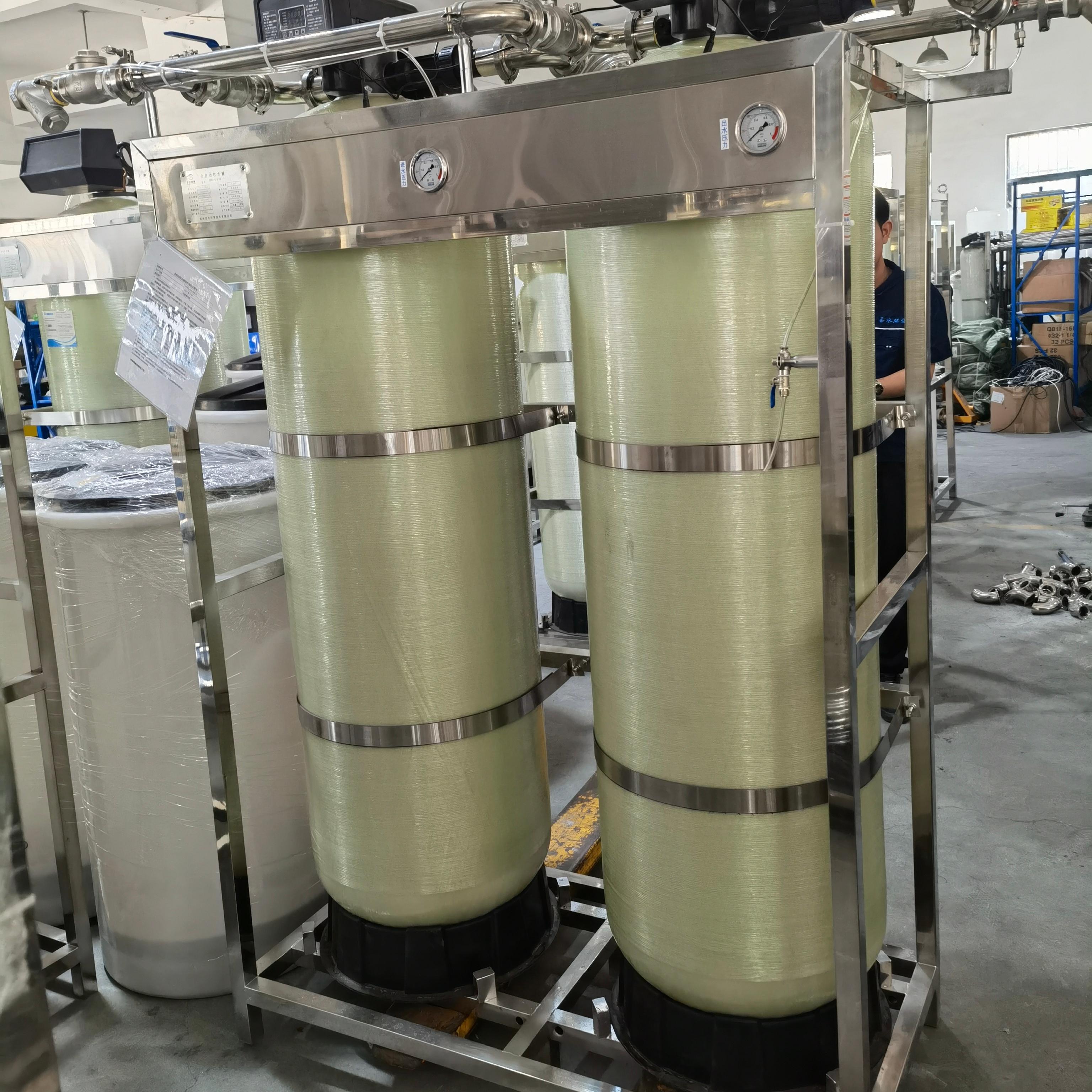
This 6-ton dual-valve dual-tank continuous water supply equipment is designed to provide efficient and stable water treatment solutions. Through the d...
See Details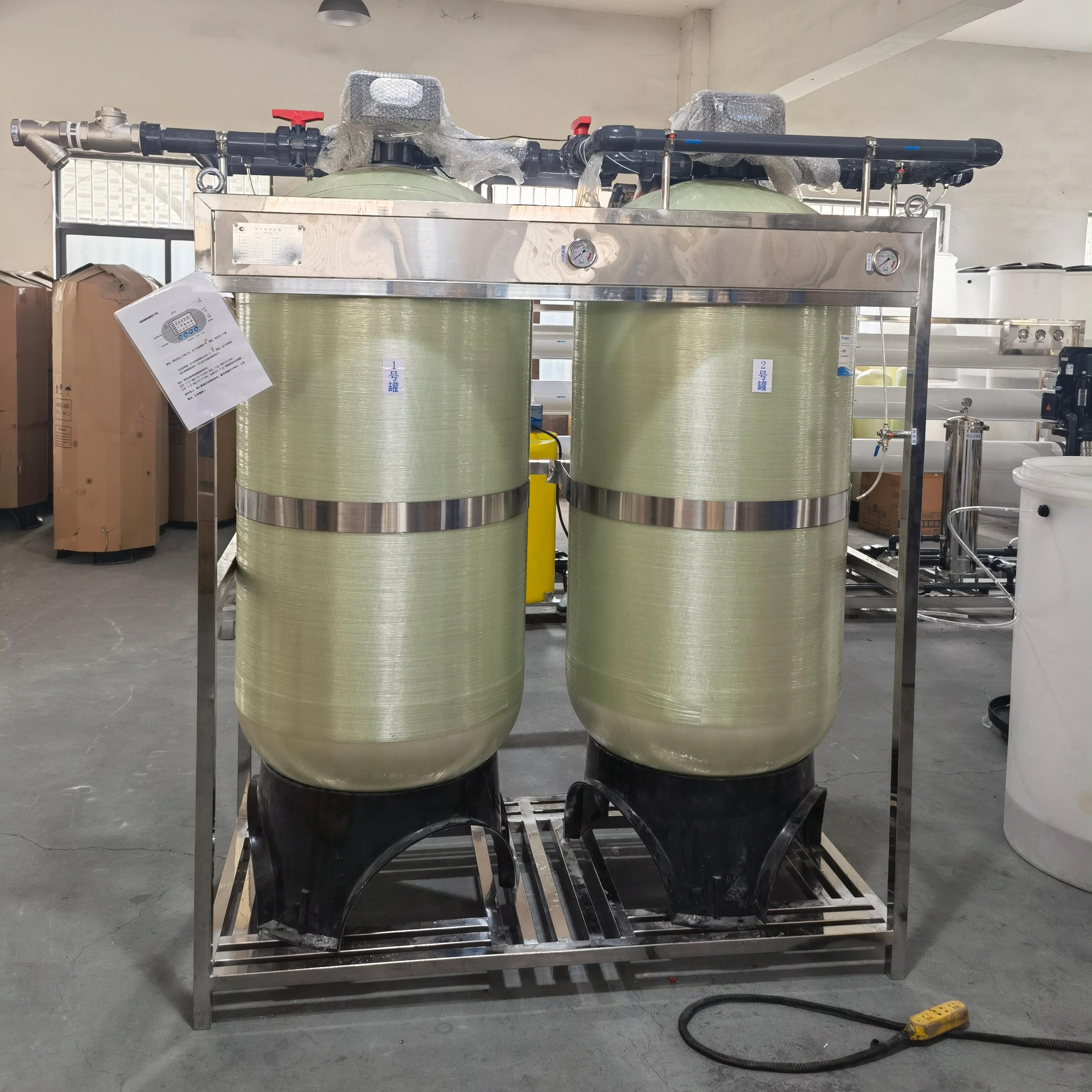
The 10-20 tons double valve double tank continuous water supply system is a high-efficiency equipment suitable for large-scale water treatment project...
See Details
+86-13396595772
[email protected]
[email protected]
[email protected]
[email protected]
Room 508, Xingyuncheng, No.15 Xingling Street, Xingqiao Street, Linping District, Hangzhou City, Zhejiang Province.
Copyright ©2024 Hangzhou Roushui Environmental Protection Technology Co., Ltd. All Rights Reserved. Custom Industrial Civil Water Treatment Purification Equipment Manufacturers
