
 English
 Español
 عربى
عربىCat:Water Softener Systems
Commercial and Industrial Water Softening Systems are highly efficient water treatment solutions designed for commercial and industrial areas. Utilizi...
See DetailsService hotline: +86-13396595772


Water treatment is an essential process for ensuring safe and clean water for various industrial, commercial, and municipal uses. One of the key components in water treatment systems is the chemical dosing device, which plays a pivotal role in ensuring the correct amount of chemicals is dispensed into the water to achieve the desired water quality.
Chemical dosing involves adding precise amounts of chemicals into a water system to modify or maintain the desired characteristics of water. Common chemicals used include coagulants, disinfectants, pH adjusters, and flocculants, among others. The chemical dosing device automates this process, ensuring that the water treatment plant or system operates efficiently and safely.
In traditional water treatment processes, manual chemical addition was often imprecise, which resulted in variations in water quality. However, with the advancement of technology, the chemical dosing device has become an essential tool for achieving consistency, precision, and sustainability in water treatment processes.
One of the main advantages of a chemical dosing device is its ability to ensure precise control over the amount of chemical being added to the water. By maintaining the correct dosage, these devices help optimize the treatment process, preventing the overuse or underuse of chemicals, which could otherwise result in inefficiencies or environmental issues. Accurate dosing is critical to achieving effective disinfection and water purification.
Cost-Effectiveness
Over time, using a chemical dosing device can significant cost savings. With precise control over chemical usage, waste is minimized, and the overall consumption of chemicals is reduced. In addition, the device helps maintain consistent water quality, resulting in fewer treatment failures and a reduced need for costly corrective measures.
The efficient use of chemicals not only saves costs but also reduces the environmental impact. By dosing only the necessary amount of chemicals, the chemical dosing device helps minimize chemical waste, which can have harmful effects on local ecosystems. In some cases, less chemical waste means reduced risk of contamination in water bodies.
Chemical dosing devices help in maintaining consistent water quality. For example, in municipal water treatment systems, these devices can regulate the levels of disinfectants like chlorine, ensuring that the water remains free from harmful pathogens. Similarly, for industries using water in their processes, the device can ensure that the water quality meets regulatory standards, preventing issues related to corrosion or scaling.
A chemical dosing device provides automation, reducing the reliance on manual labor and the risk of human error. With automated systems, operators can monitor and adjust the chemical dosing process remotely. This makes the process more streamlined and enables real-time monitoring, which allows for faster responses in case of any anomalies in the water quality.
Chemical dosing devices are highly versatile, suitable for a range of applications, including drinking water treatment, wastewater treatment, and industrial water systems. Different chemicals can be added depending on the specific needs of the water treatment process, such as adjusting pH levels, coagulating suspended particles, or disinfecting water.
Compliance with Standards
Water treatment is subject to stringent regulations and standards, depending on the region and the intended use of the water. A chemical dosing device manufacturer ensures that their products are designed to help meet these standards by providing accurate and consistent chemical dosing. This helps treatment plants comply with health and safety regulations, avoiding fines or legal issues.
A chemical dosing device operates by feeding a pre-determined amount of chemicals into a water stream. This can be done through pumps, valves, or other automated systems. The device often works in tandem with sensors that detect parameters such as pH, turbidity, or chlorine levels in the water. Based on real-time data, the system adjusts the chemical feed to maintain conditions.
| Component | Function |
|---|---|
| Chemical Reservoir | Stores chemicals until needed |
| Dosing Pump | Delivers the chemicals at precise rates |
| Sensors | Monitor water quality and adjust dosing |
| Control Panel | Provides user interface for dosing control |
Chemical dosing devices are integral to various water treatment applications, ensuring that the water meets the required quality standards for different uses. Some common applications include:
When selecting a chemical dosing device, it is important to consider factors such as:
Incorporating a chemical dosing device in water treatment systems brings numerous benefits, including improved accuracy, cost savings, and better environmental sustainability. As water quality regulations become increasingly strict, the role of chemical dosing devices becomes even more critical. They help ensure that water treatment plants can meet these standards while maintaining operational efficiency. Whether in municipal systems, industrial processes, or wastewater treatment, chemical dosing devices are essential tools in modern water treatment.
1. What types of chemicals can be dosed using a chemical dosing device?
Chemical dosing devices can handle a variety of chemicals, including disinfectants (chlorine, ozone), pH adjusters (acid or alkaline), coagulants, flocculants, and scale inhibitors.
2. How does a chemical dosing device improve water treatment efficiency?
By automating the dosing process and ensuring precise chemical application, these devices reduce chemical waste and improve the consistency of water treatment, enhancing overall system efficiency.
3. Can chemical dosing devices be used in both small-scale and large-scale water treatment systems?
Yes, chemical dosing devices are scalable and can be used in both small municipal systems and large industrial applications, depending on the required dosing rate.
4. How often should the dosing device be maintained?
Routine maintenance typically includes checking for blockages, cleaning filters, and calibrating sensors. The frequency depends on the specific system and usage, but generally, devices should be inspected monthly.
5. What is the role of sensors in a chemical dosing system?
Sensors monitor key water quality parameters, such as pH, turbidity, and chlorine levels, allowing the dosing device to adjust chemical addition in real time to maintain water conditions.
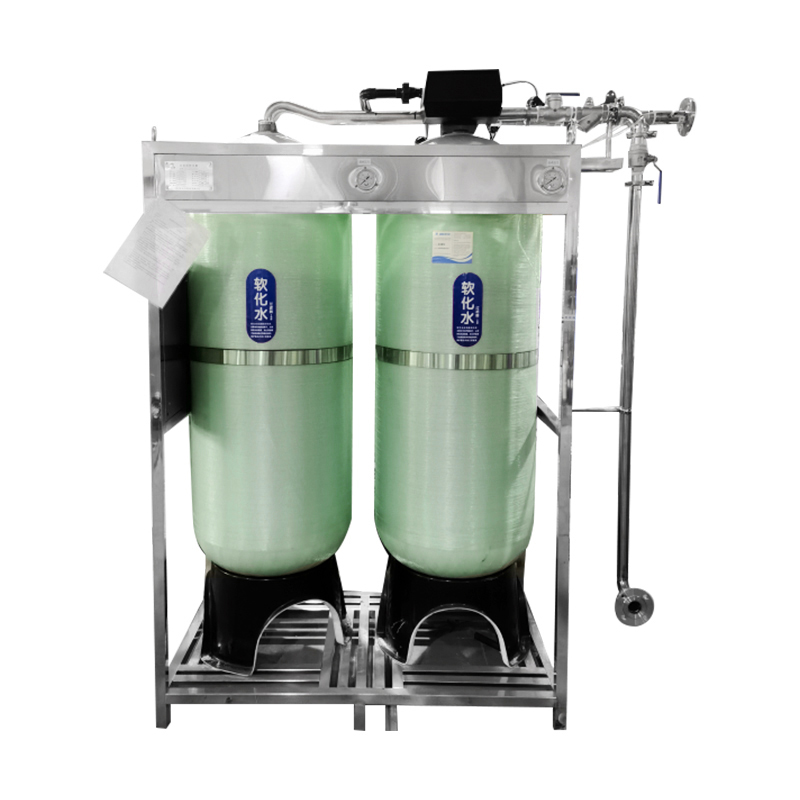
Commercial and Industrial Water Softening Systems are highly efficient water treatment solutions designed for commercial and industrial areas. Utilizi...
See Details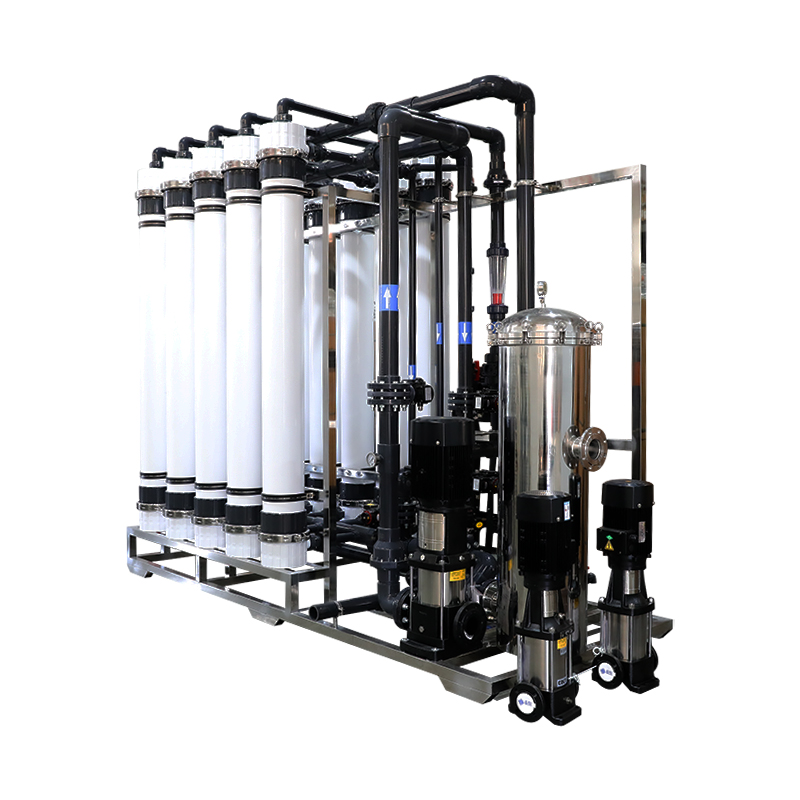
Ultrafiltration (UF) is a membrane separation technology that can purify and separate solutions. The ultrafiltration membrane system is a solution sep...
See Details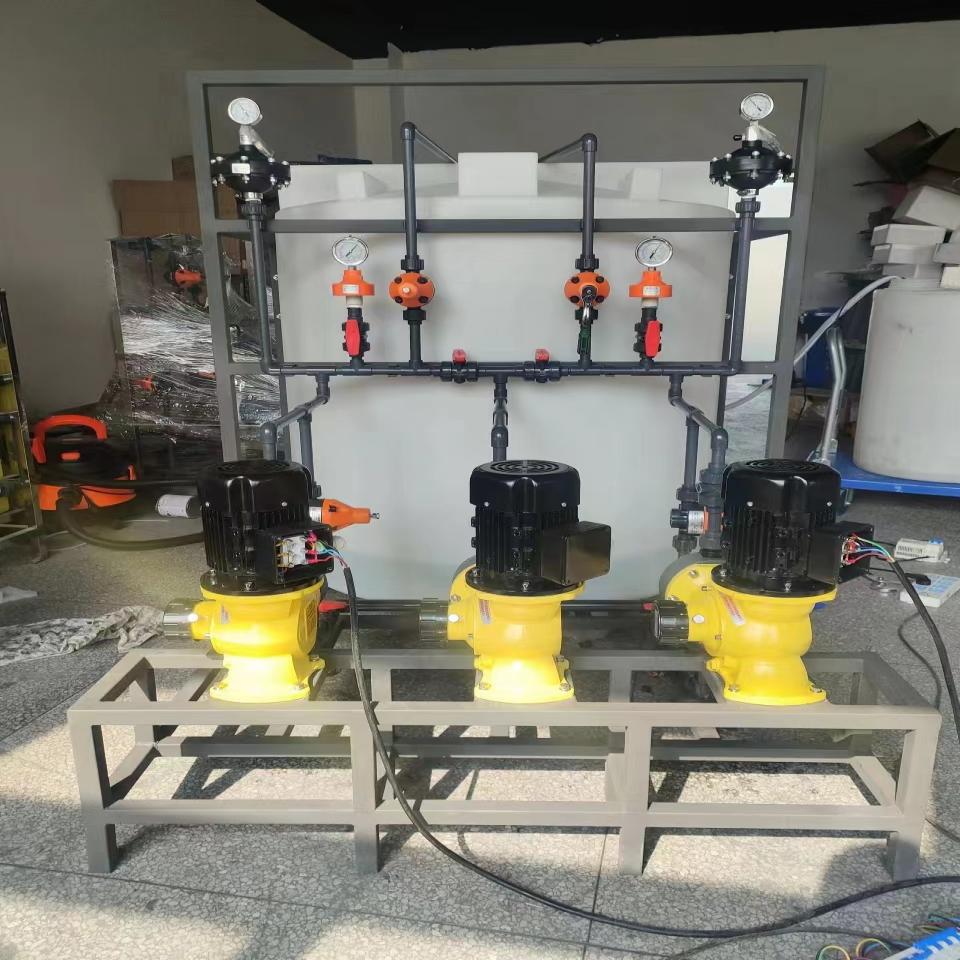
Sterilization, scale prevention, PAC, PAM and other dual-purpose dosing devices is a multifunctional water treatment equipment that integrates the dos...
See Details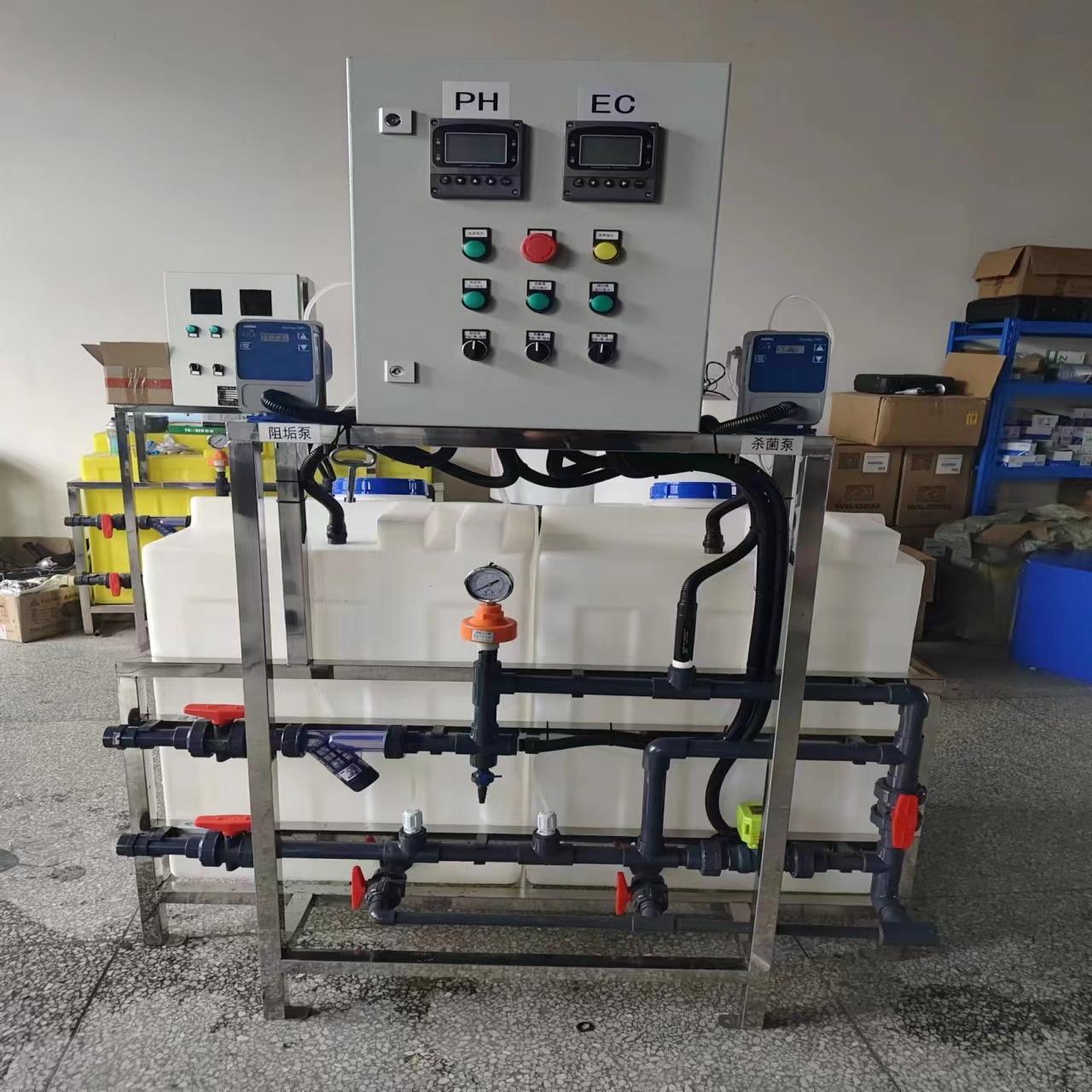
The Sterilization and anti-scaling dosing device is a device designed for water treatment systems for automatic dosing of bactericides and anti-scalin...
See Details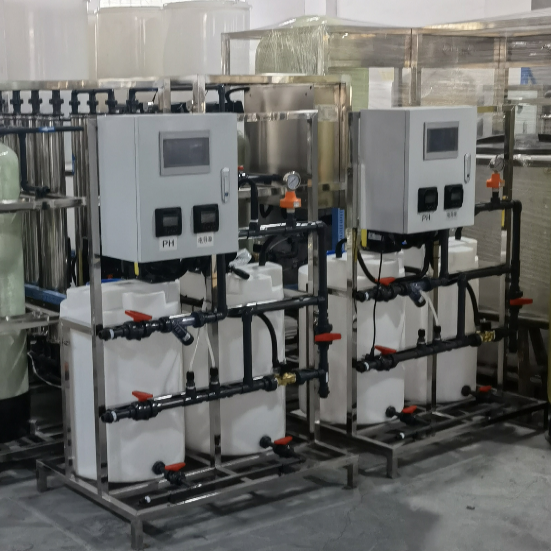
Scale-inhibiting and sterilizing PLC system circulating water dosing device is an efficient dosing device designed for circulating water system. It is...
See Details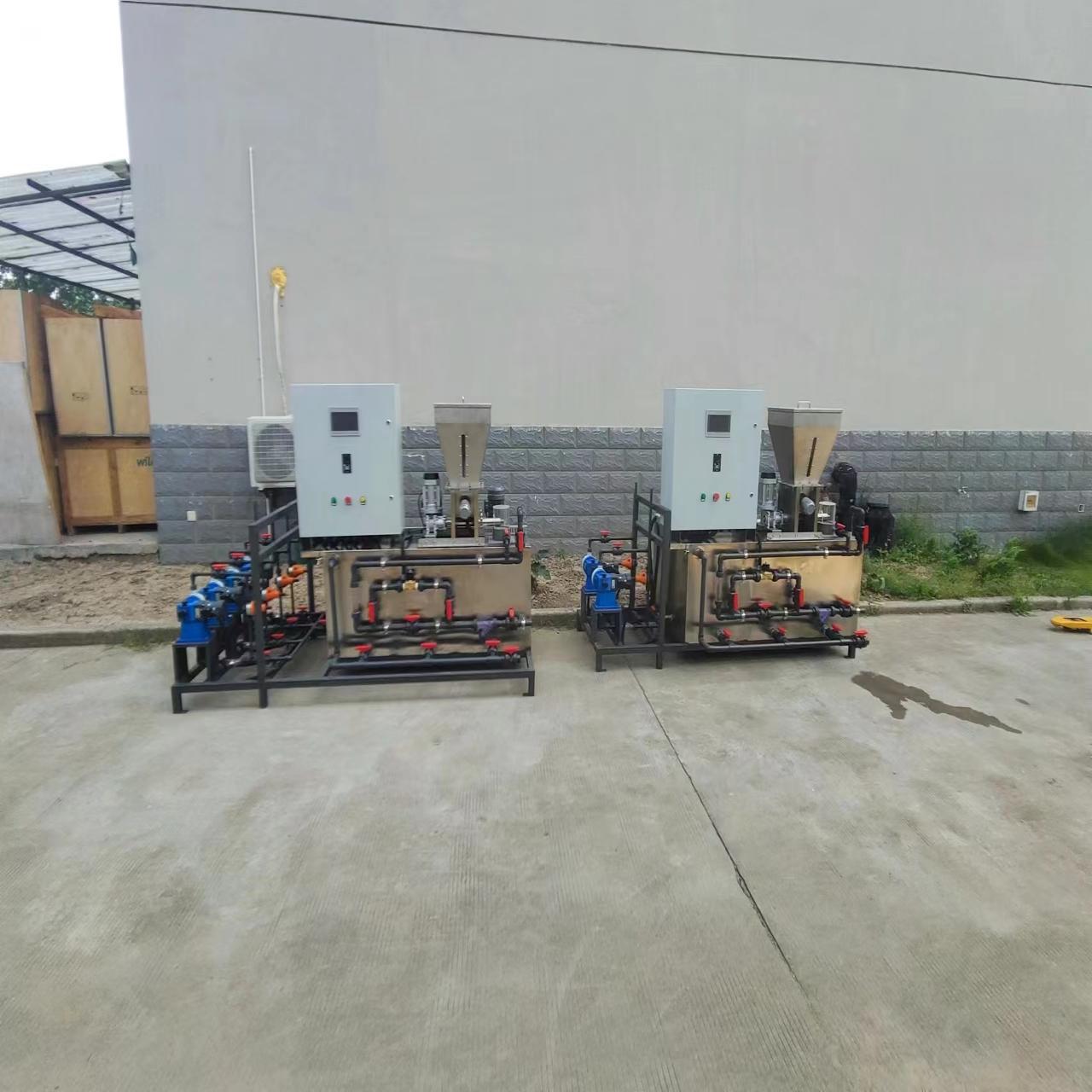
The integrated PAC PAM dosing device is an integrated water treatment equipment, which is specially used for adding agents such as polyaluminium chlor...
See Details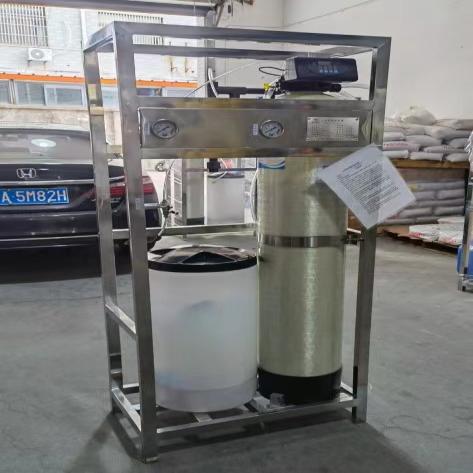
1 ton single tank is a device for storing and dosing water treatment chemicals, usually used in the dosing link of water treatment systems. The device...
See Details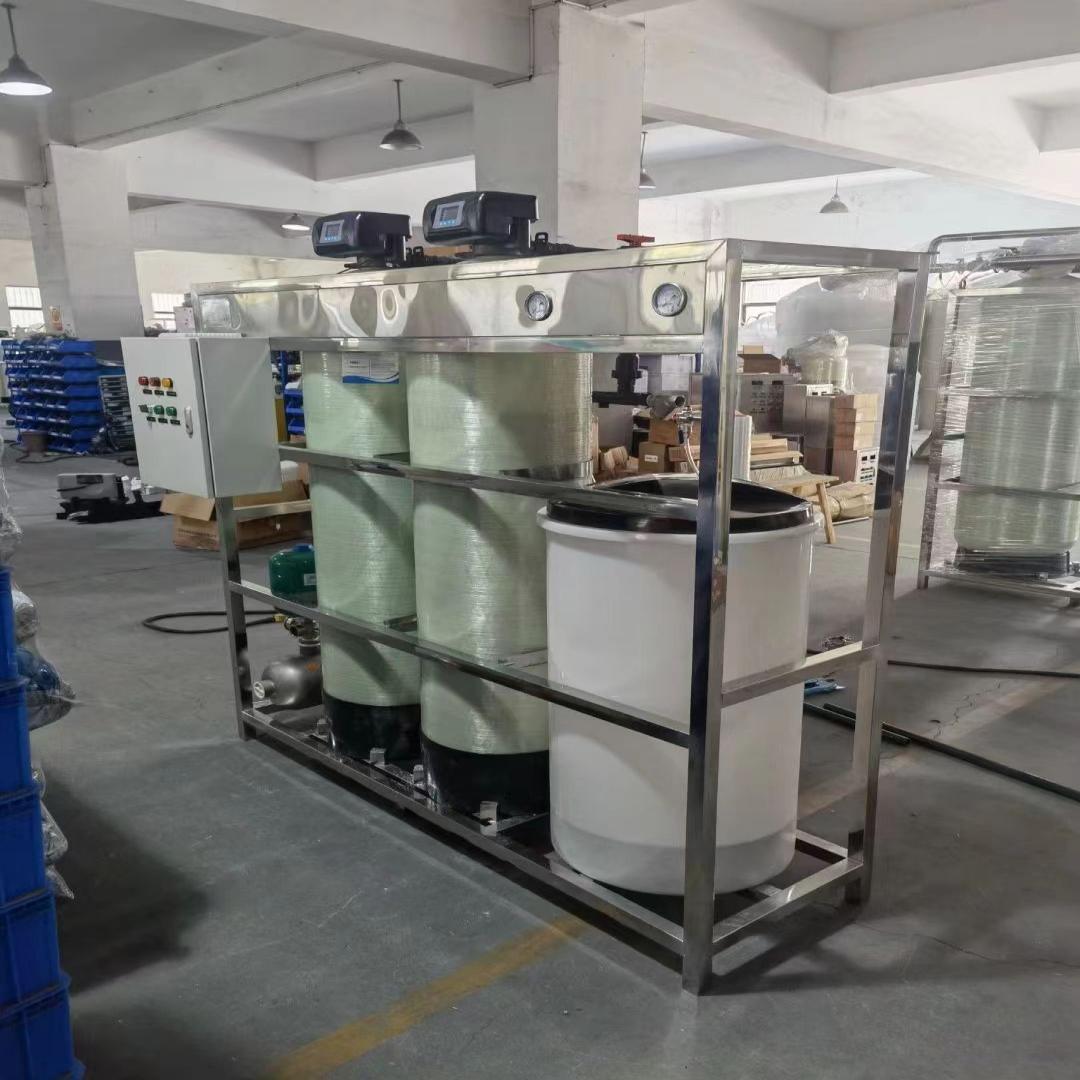
The 4-ton dual-valve dual-tank live box is an efficient water treatment equipment designed for industrial and commercial water treatment systems. The ...
See Details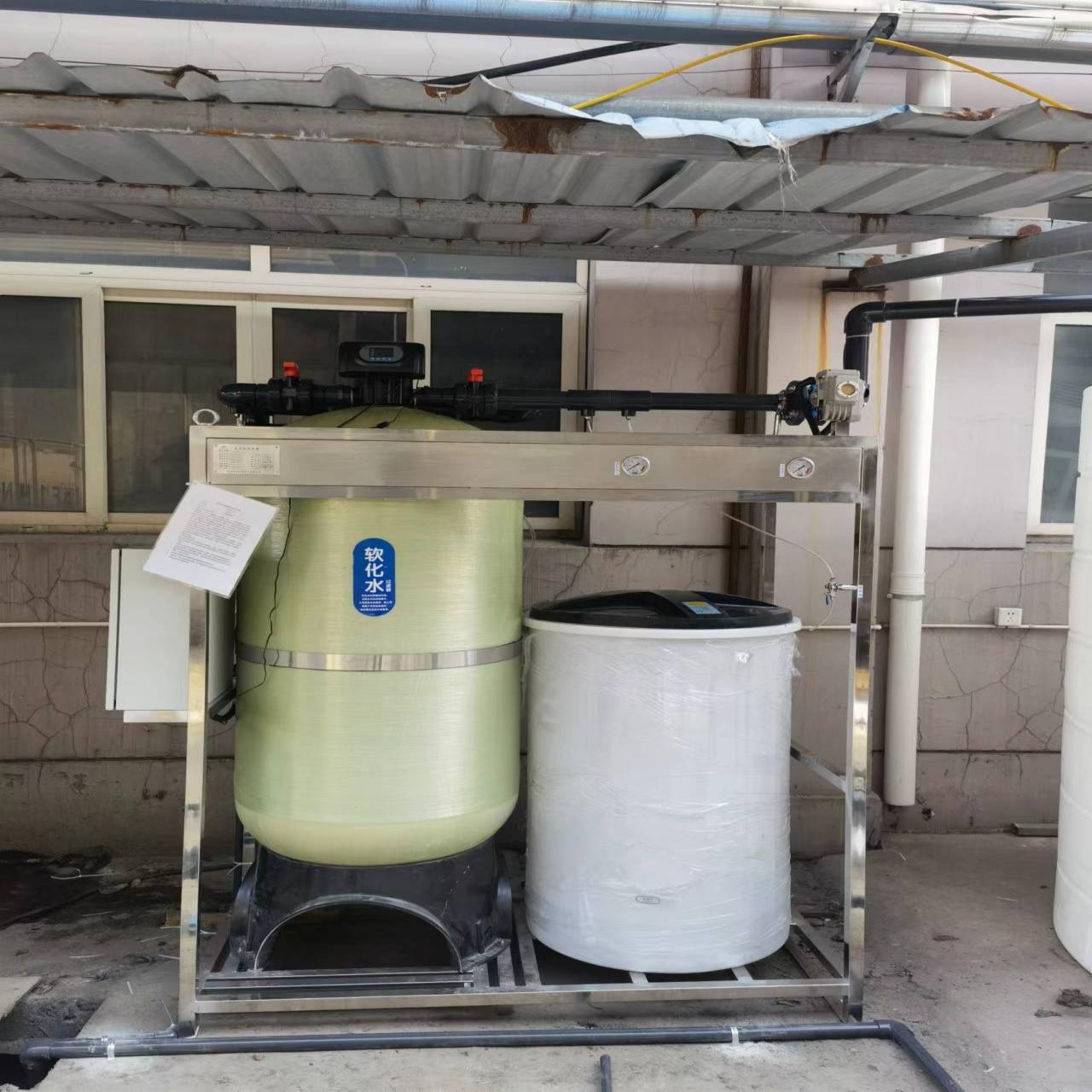
This 10-ton single tank water treatment equipment is equipped with an electric control box and is designed for large-scale water treatment needs. It a...
See Details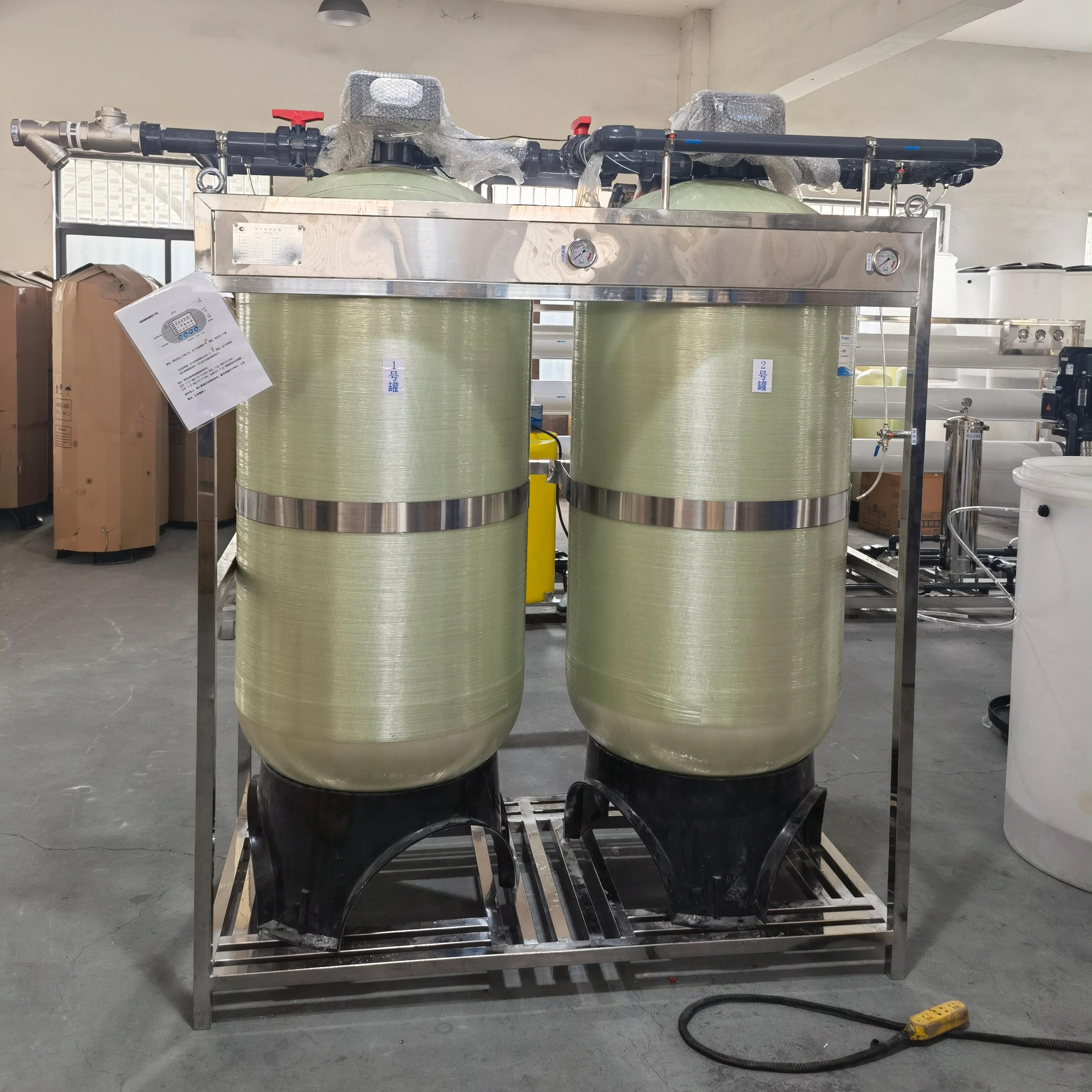
The 10-20 tons double valve double tank continuous water supply system is a high-efficiency equipment suitable for large-scale water treatment project...
See Details
+86-13396595772
[email protected]
[email protected]
[email protected]
[email protected]
Room 508, Xingyuncheng, No.15 Xingling Street, Xingqiao Street, Linping District, Hangzhou City, Zhejiang Province.
Copyright ©2024 Hangzhou Roushui Environmental Protection Technology Co., Ltd. All Rights Reserved. Custom Industrial Civil Water Treatment Purification Equipment Manufacturers
