
 English
 Español
 عربى
عربىCat:UF Membrane System
Ultrafiltration (UF) is a membrane separation technology that can purify and separate solutions. The ultrafiltration membrane system is a solution sep...
See DetailsService hotline: +86-13396595772


The development of Reverse Osmosis (RO) systems has led to significant advancements in water purification, both for industrial and residential use. The efficiency and durability of RO systems largely depend on the materials used in their construction. One such key component is the FRP RO membrane shell, a critical element in maintaining the system’s long-term reliability and performance.
The FRP RO membrane shell is a cylindrical housing designed to hold and protect reverse osmosis membranes during the filtration process. It is made from fiber-reinforced plastic (FRP), which is known for its high strength, corrosion resistance, and lightweight properties. The shell acts as a protective case for the RO membrane, ensuring its proper functioning by providing structural support and safeguarding against external damage.
These shells come in various sizes to accommodate different membrane configurations, making them suitable for both small-scale residential and large-scale industrial RO systems.
The FRP RO membrane shell is engineered to meet the demanding requirements of modern water filtration systems. Some of its key features include:
Corrosion Resistance: FRP is highly resistant to corrosion, even in harsh environments where chemical exposure is common. This is particularly important for RO systems that process water containing a variety of minerals and contaminants.
Lightweight: Unlike metal-based membrane housings, FRP is much lighter, making it easier to transport, install, and handle.
Durability: The material is designed to withstand high pressures, ensuring that the RO system operates efficiently for extended periods without compromising performance.
High-Pressure Tolerance: The FRP membrane shell can withstand high-pressure environments, which is essential for maintaining performance in industrial reverse osmosis systems.
Cost-Effectiveness: FRP is a cost-effective alternative to traditional metal housings, providing long-term durability without the high upfront costs of materials like stainless steel or aluminum.
The FRP RO membrane shell plays a crucial role in enhancing the overall performance of reverse osmosis systems in several ways:
One of the primary functions of the FRP membrane shell is to protect the RO membrane from physical damage, chemical exposure, and environmental factors. This protection helps ensure that the membrane continues to function at peak efficiency, resulting in better water quality and longer membrane life.
By maintaining conditions for the RO membrane, the FRP shell helps maximize filtration efficiency. The high-strength construction allows the membrane to operate under high-pressure conditions without compromising structural integrity. This contributes to better water recovery rates and a more efficient filtration process.
The corrosion-resistant properties of FRP prevent the housing from degrading over time, even in highly corrosive environments. This extends the lifespan of both the housing and the membrane itself, reducing the need for frequent replacements and minimizing maintenance costs.
Because the FRP RO membrane shell is durable and resistant to environmental damage, the need for maintenance is significantly reduced. The material is also highly resistant to biofouling, a common issue in reverse osmosis systems. This reduces the frequency of cleaning and downtime, further lowering operational costs.
FRP membrane shells are available in a variety of sizes and configurations, making them suitable for different types of RO systems. Whether it’s a small-scale home filtration system or a large industrial setup, FRP shells can be customized to fit the specific needs of the system, ensuring flexibility in design.
When compared to other materials used in membrane housing, the FRP RO membrane shell offers several distinct advantages:
| Feature | FRP RO Membrane Shell | Metal Housings |
|---|---|---|
| Corrosion Resistance | Excellent | Poor |
| Weight | Lightweight | Heavy |
| Durability | High | Moderate |
| Pressure Tolerance | High | Moderate to High |
| Cost | Low | High |
As shown in the table, FRP stands out in terms of corrosion resistance, weight, and cost-effectiveness, making it the preferred choice for reverse osmosis systems.
In residential water filtration systems, the FRP RO membrane shell is typically used in under-sink filtration units or whole-house systems. It ensures that the filtration process remains efficient while protecting the membrane from everyday wear and tear.
For industrial applications, where large volumes of water need to be treated, the FRP RO membrane shell provides the necessary structural integrity to handle high pressures and continuous operation. This is especially important in industries such as food and beverage production, pharmaceuticals, and wastewater treatment.
In seawater desalination, where reverse osmosis is used to remove salt and other impurities, the FRP RO membrane shell plays a vital role in maintaining the integrity of the system. It ensures that the system can withstand the high pressures and corrosive nature of seawater.
The FRP RO membrane shell is an indispensable component of modern reverse osmosis systems. By providing protection, enhancing system efficiency, and offering cost-effective, durable performance, it plays a vital role in improving the functionality and longevity of RO systems. Whether used in residential, industrial, or seawater desalination applications, the FRP RO membrane shell continues to prove its value as a reliable and essential part of water filtration technology.
What is the primary function of an FRP RO membrane shell?
The primary function is to provide structural support and protection to the reverse osmosis membrane, ensuring performance and longevity.
How does FRP compare to metal materials for RO membrane housings?
FRP is lighter, more corrosion-resistant, and cost-effective compared to metal materials, making it an ideal choice for RO membrane housings.
Can the FRP RO membrane shell withstand high pressures?
Yes, the FRP RO membrane shell is designed to withstand high pressures, making it suitable for industrial-scale reverse osmosis systems.
What are the benefits of using an FRP RO membrane shell in seawater desalination?
The corrosion resistance and high-pressure tolerance of the FRP membrane shell make it ideal for seawater desalination applications, where harsh conditions prevail.
Is the FRP RO membrane shell customizable for different systems?
Yes, the FRP membrane shell comes in various sizes and configurations, allowing it to be tailored to specific RO system requirements.
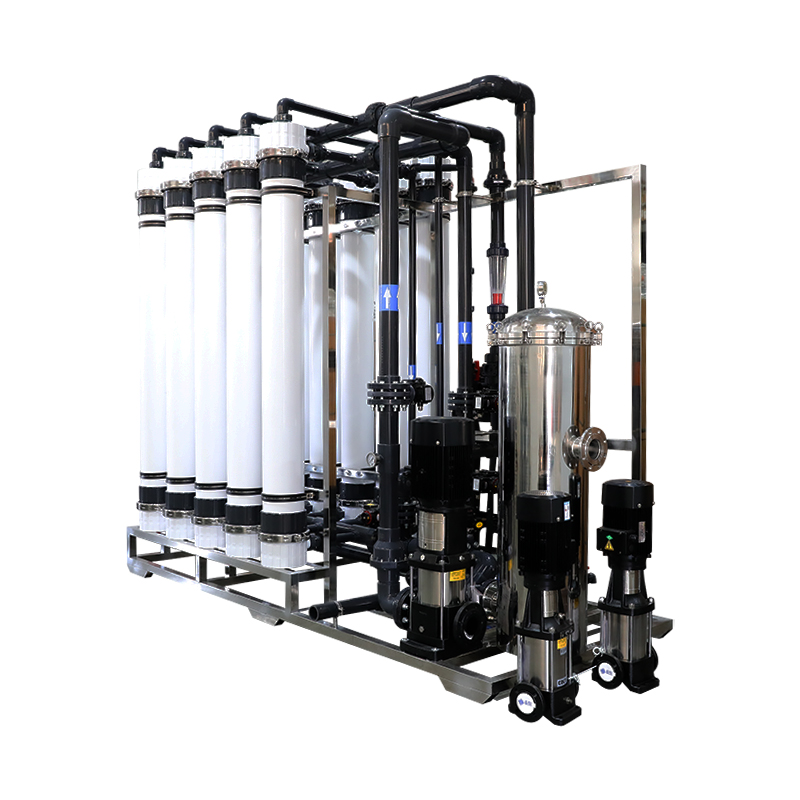
Ultrafiltration (UF) is a membrane separation technology that can purify and separate solutions. The ultrafiltration membrane system is a solution sep...
See Details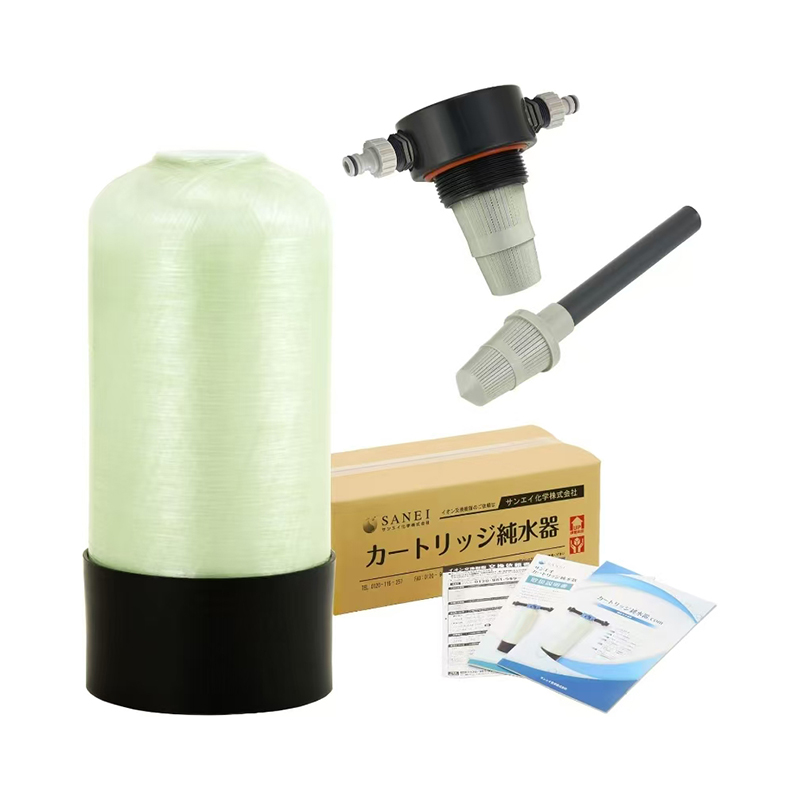
High Flow 3/4 PortKDF(Kinetic Degradation Fluxion) in our RV water filter removes chlorine, heavy metals, bacteria, and scale, ensuring cleaner and sa...
See Details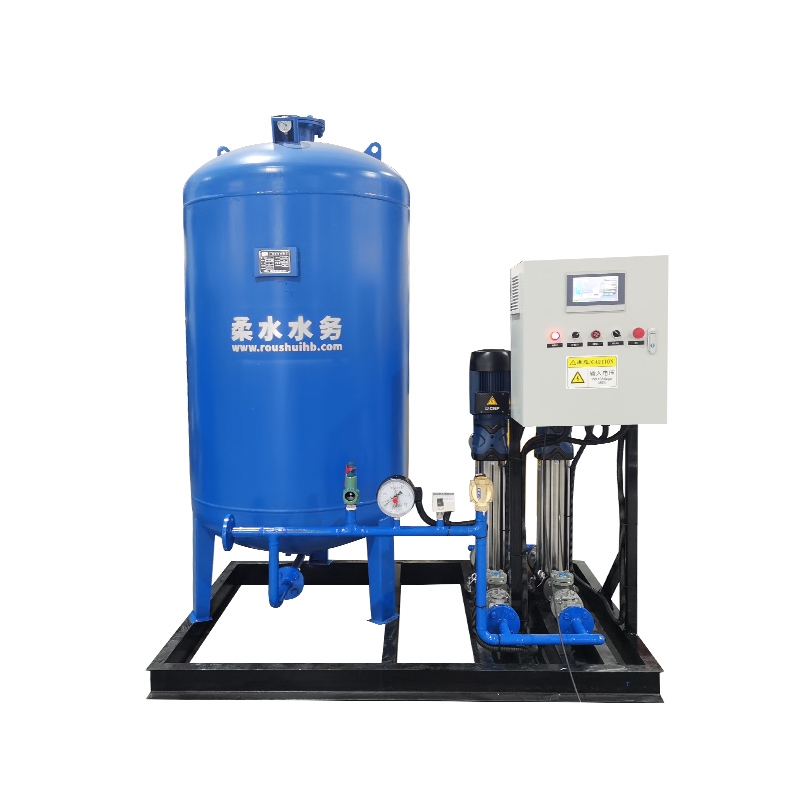
The constant pressure water replenishment device is a device used to maintain the stability of the water system pressure. It is mainly used in systems...
See Details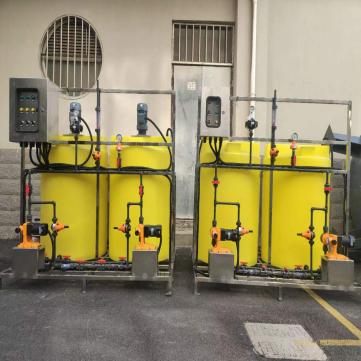
The PAC PAM dosing device is a device used to automatically add polyaluminium chloride (PAC) and polyacrylamide (PAM) during water treatment. The devi...
See Details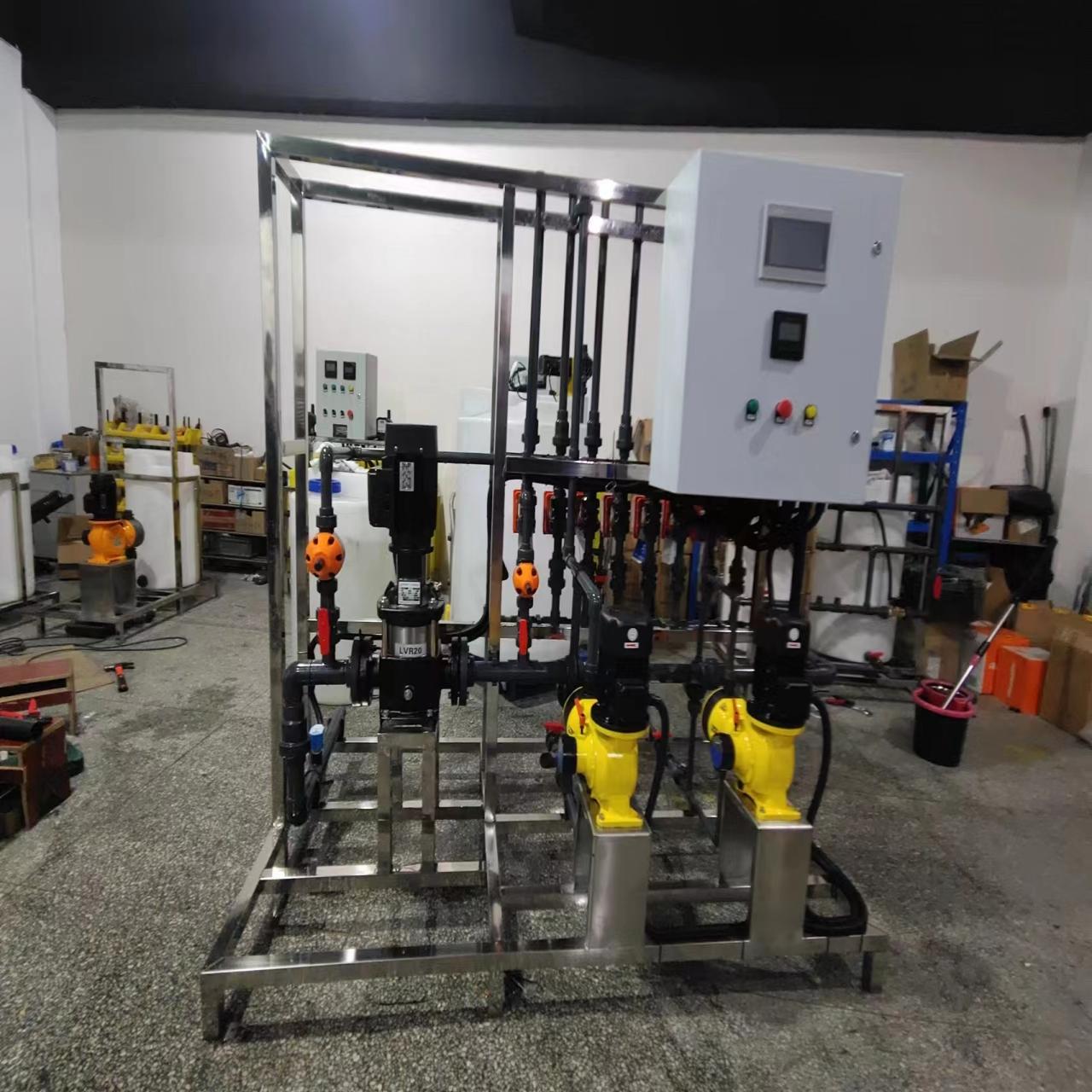
The acid-base neutralization and dosing device is a device used in the fields of industry, environmental protection and water treatment, mainly used t...
See Details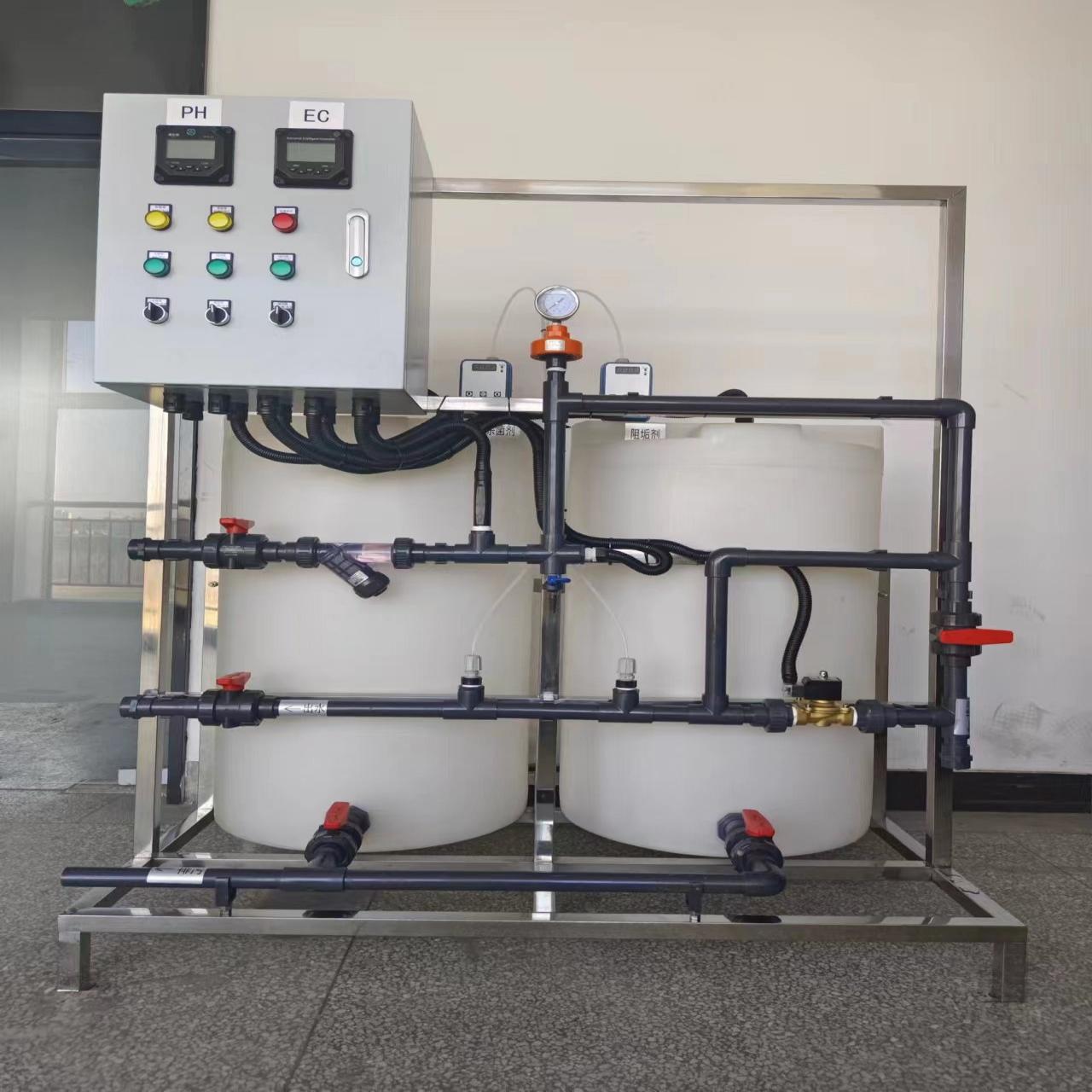
The scale prevention and sterilization double pump double barrel circulating water dosing device is an integrated dosing system equipped with two inde...
See Details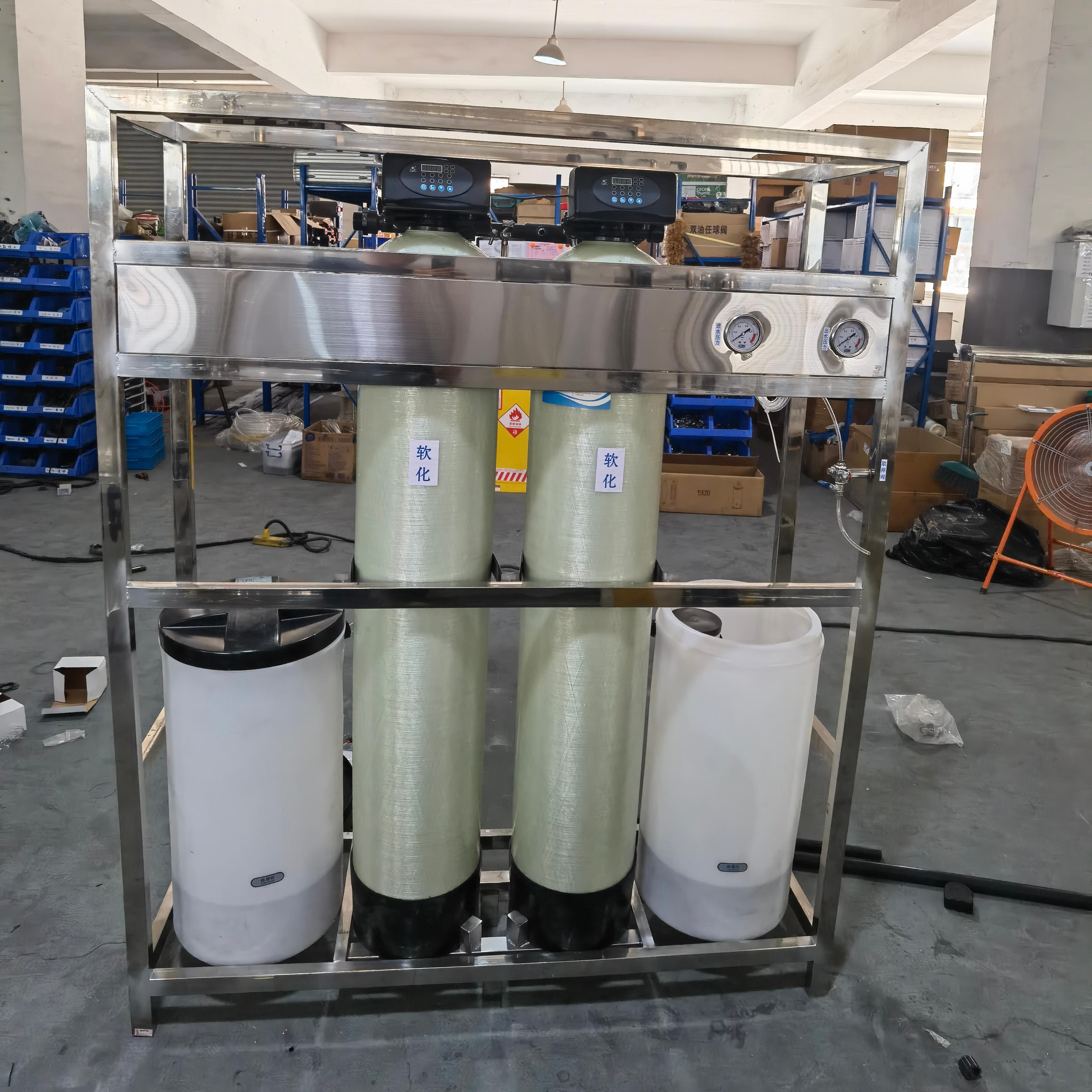
1 ton double valve double tank continuous water supply is an efficient and stable water treatment equipment, widely used in softened water, deminerali...
See Details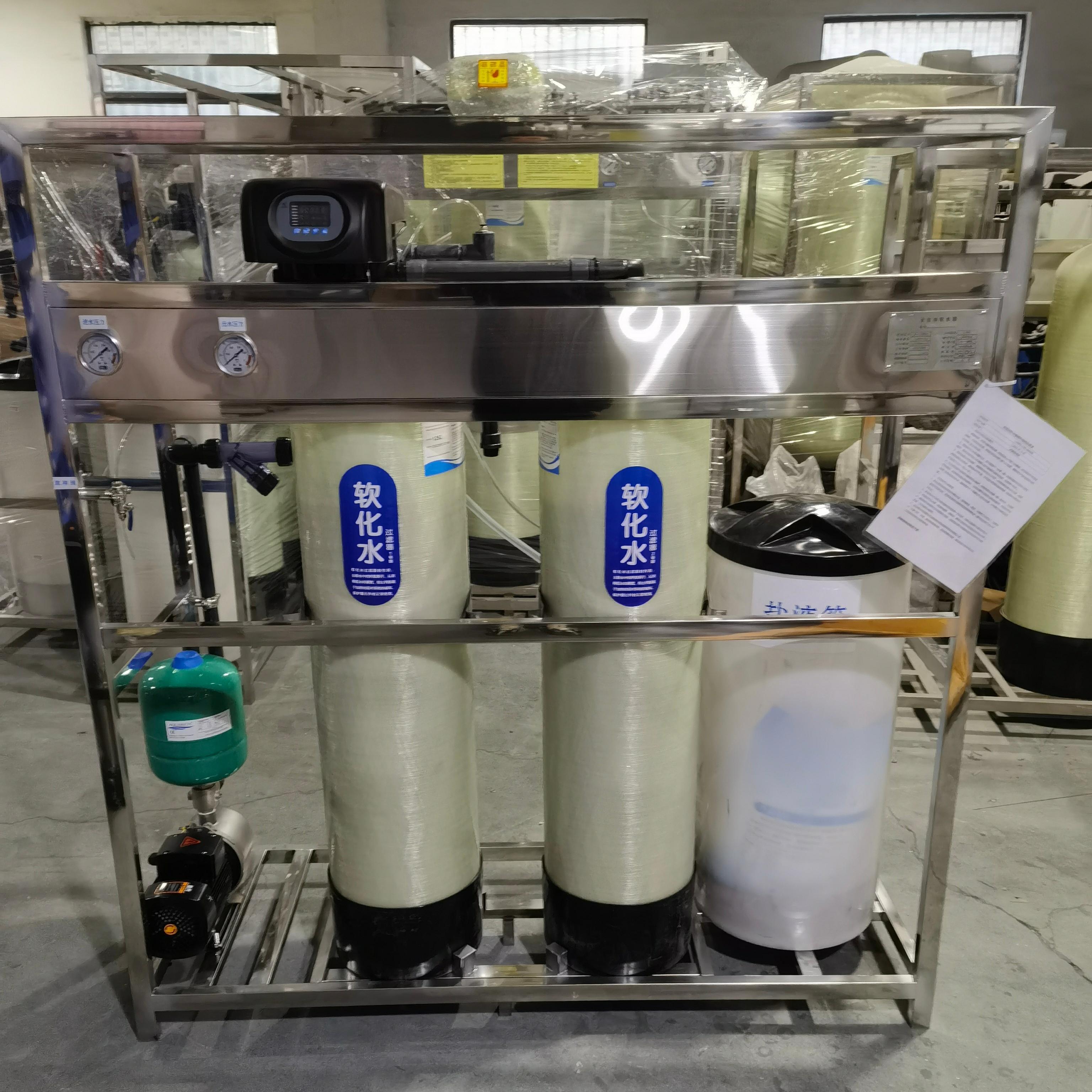
2-ton single valve double tank constant pressure water supply tank, one for use and one for standby is a high-efficiency water treatment equipment, wh...
See Details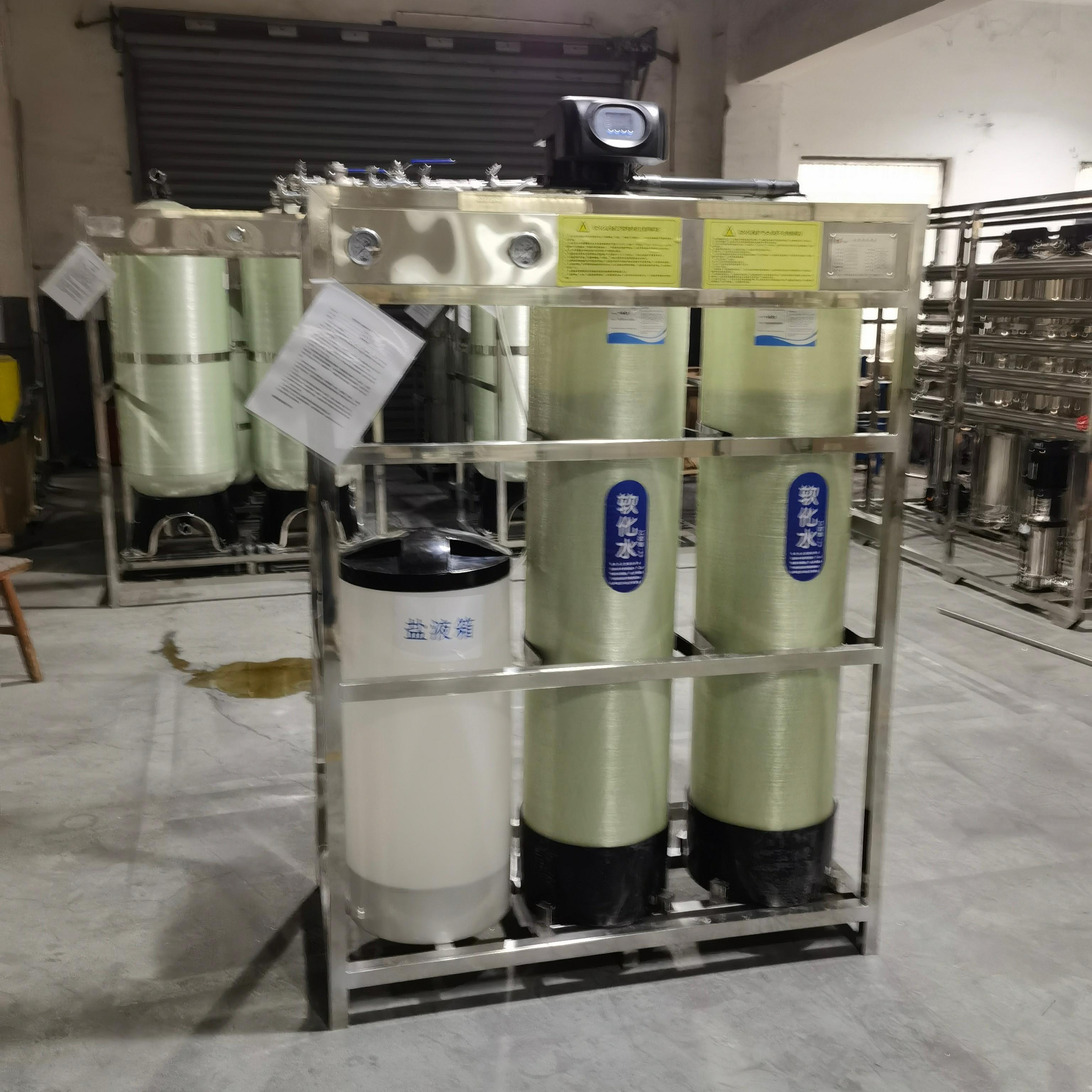
The 3 tons single valve double tank, one for use and one for standby is a high-efficiency water treatment equipment, which adopts a single valve doubl...
See Details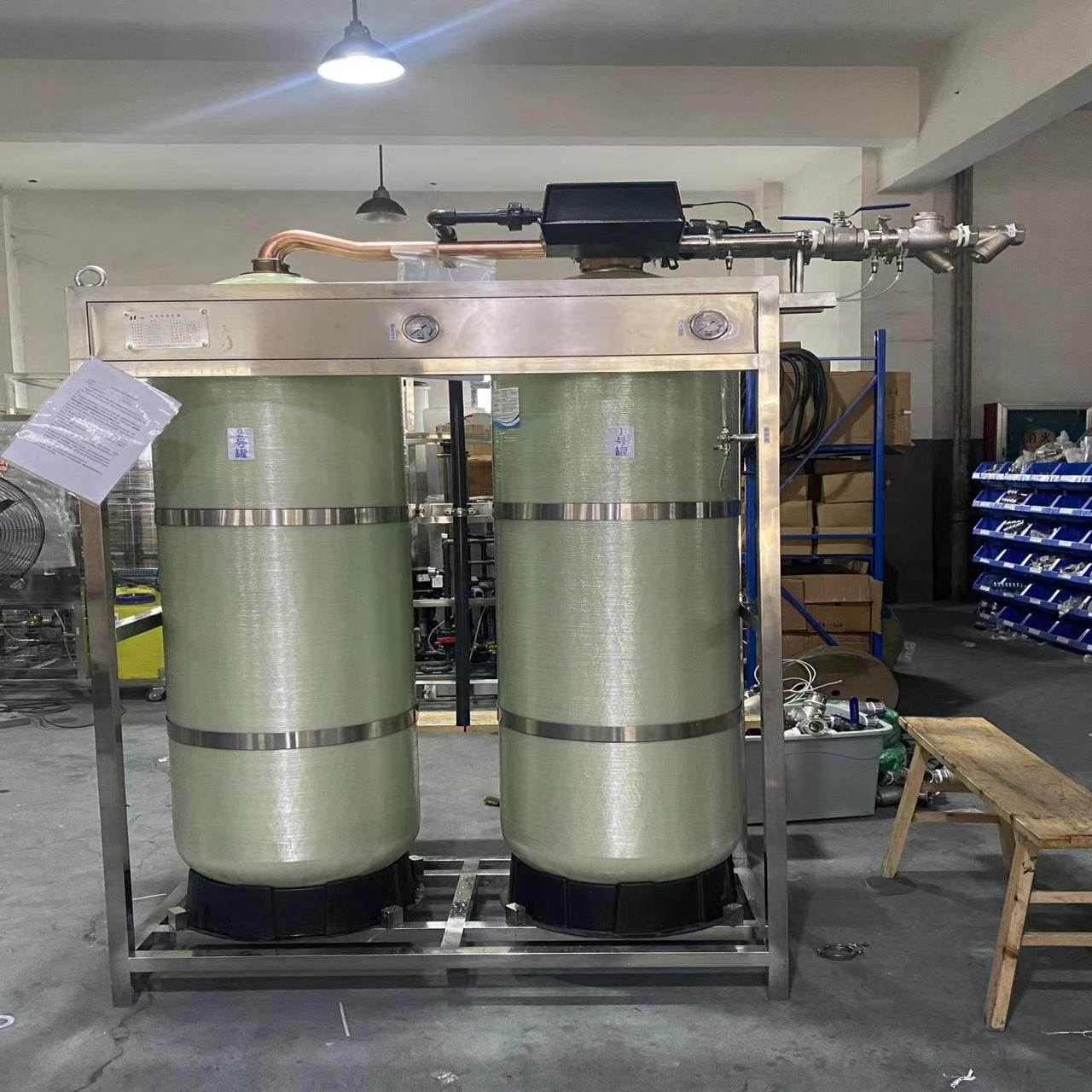
5-6 tons single valve double tank, one for use and one for standby is a device designed for medium and large water treatment systems. It has two indep...
See Details
+86-13396595772
[email protected]
[email protected]
[email protected]
[email protected]
Room 508, Xingyuncheng, No.15 Xingling Street, Xingqiao Street, Linping District, Hangzhou City, Zhejiang Province.
Copyright ©2024 Hangzhou Roushui Environmental Protection Technology Co., Ltd. All Rights Reserved. Custom Industrial Civil Water Treatment Purification Equipment Manufacturers
