
 English
 Español
 عربى
عربىCat:FRP RO Membrane Shell
Fiber Reinforced Polymer (FRP) Reverse Osmosis (RO) membrane shells are highly sought-after for water treatment systems operating in corrosive environ...
See DetailsService hotline: +86-13396595772


A chemical dosing device is an essential piece of equipment used in a wide range of industrial applications. It allows for the accurate and automatic administration of chemicals into various processes, such as water treatment, food production, and manufacturing. By ensuring the precise injection of chemicals, these devices help optimize efficiency, reduce waste, and maintain safety standards.
A chemical dosing device is a piece of equipment used to administer specific amounts of chemicals into a system or process. These devices can range from simple manual pumps to more complex, automated systems designed to handle varying chemical requirements. The core function of these devices is to accurately deliver chemicals in controlled doses to ensure consistent product quality and system performance.
Chemical dosing is a critical aspect of several industries, including water treatment, agriculture, pharmaceuticals, food production, and manufacturing. These devices are designed to inject chemicals such as chlorine, acids, and disinfectants at precise intervals to achieve the desired chemical reaction or maintain a specific chemical balance in the system.
The working principle of a chemical dosing device depends on the type and complexity of the system. However, the basic operation involves a pump or injector that dispenses chemicals into a pipeline or vessel. Here’s a breakdown of how these devices typically work:
There are several types of chemical dosing devices, each designed for specific applications and chemical types. The main categories include:
Each type of device has its own benefits, depending on factors like flow rates, chemical compatibility, and application complexity.
Automatic chemical dosing devices are increasingly popular due to the numerous advantages they offer, particularly in large-scale industrial applications. Here are some key benefits:
Chemical dosing devices are used in many industries to perform a variety of tasks. Some of the common applications include:
When selecting a chemical dosing device, it is important to consider several key features. These include:
| Feature | Description |
|---|---|
| Flow Rate Control | Allows the user to control how much chemical is dispensed per unit of time. |
| Accuracy | Ensures the precise amount of chemicals is injected into the process. |
| Material Compatibility | The device should be resistant to the chemicals being used. |
| Automation | Many devices include automatic sensors to monitor and adjust dosing in real-time. |
| Ease of Maintenance | Regular cleaning and maintenance are essential to ensure the device operates efficiently. |
A chemical dosing device is a fundamental tool in many industrial processes, ensuring precise and reliable chemical injection. Whether used for water treatment, food processing, or pharmaceuticals, these devices play a crucial role in maintaining operational efficiency, improving safety, and reducing costs.
With advancements in automation, automatic chemical dosing devices offer increased precision and reduced manual labor, making them ideal for high-volume applications. When choosing the right device for your needs, it’s essential to consider factors such as flow rate, chemical compatibility, and ease of maintenance.
1. What chemicals can be used with a chemical dosing device?
Chemical dosing devices can be used for a wide range of chemicals, including disinfectants, acids, bases, coagulants, and preservatives. The choice of chemical depends on the application and the device’s material compatibility.
2. How accurate are automatic chemical dosing devices?
Automatic chemical dosing devices are highly accurate, often capable of delivering chemicals within a fraction of a percent of the desired concentration.
3. How do you maintain a chemical dosing device?
Maintenance typically involves regular cleaning of the pump and its components, checking for leaks or blockages, and ensuring that the sensors and controllers are functioning properly.
4. Can chemical dosing devices be integrated into existing systems?
Yes, chemical dosing devices can usually be integrated into existing systems, often with minimal modifications to the pipeline or tank setup.
5. What industries benefit from chemical dosing devices?
Industries such as water treatment, agriculture, pharmaceuticals, food processing, and manufacturing all benefit from the use of chemical dosing devices.
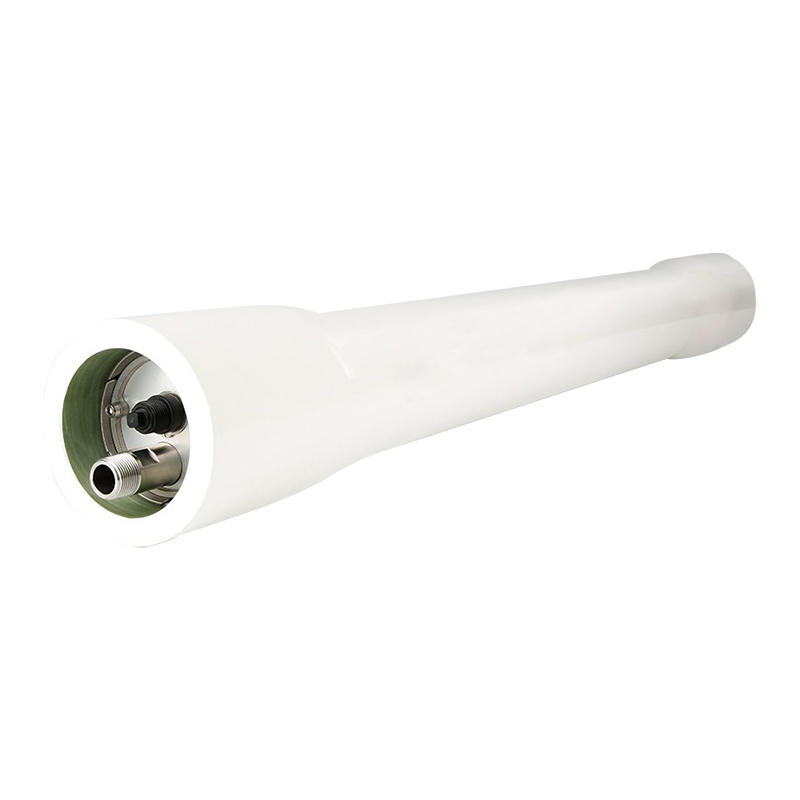
Fiber Reinforced Polymer (FRP) Reverse Osmosis (RO) membrane shells are highly sought-after for water treatment systems operating in corrosive environ...
See Details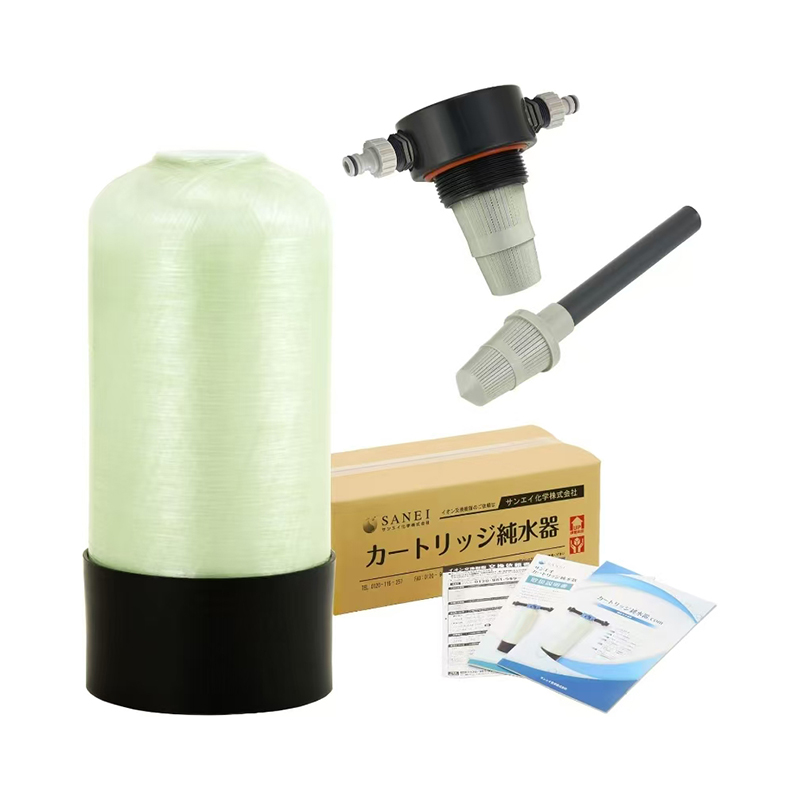
High Flow 3/4 PortKDF(Kinetic Degradation Fluxion) in our RV water filter removes chlorine, heavy metals, bacteria, and scale, ensuring cleaner and sa...
See Details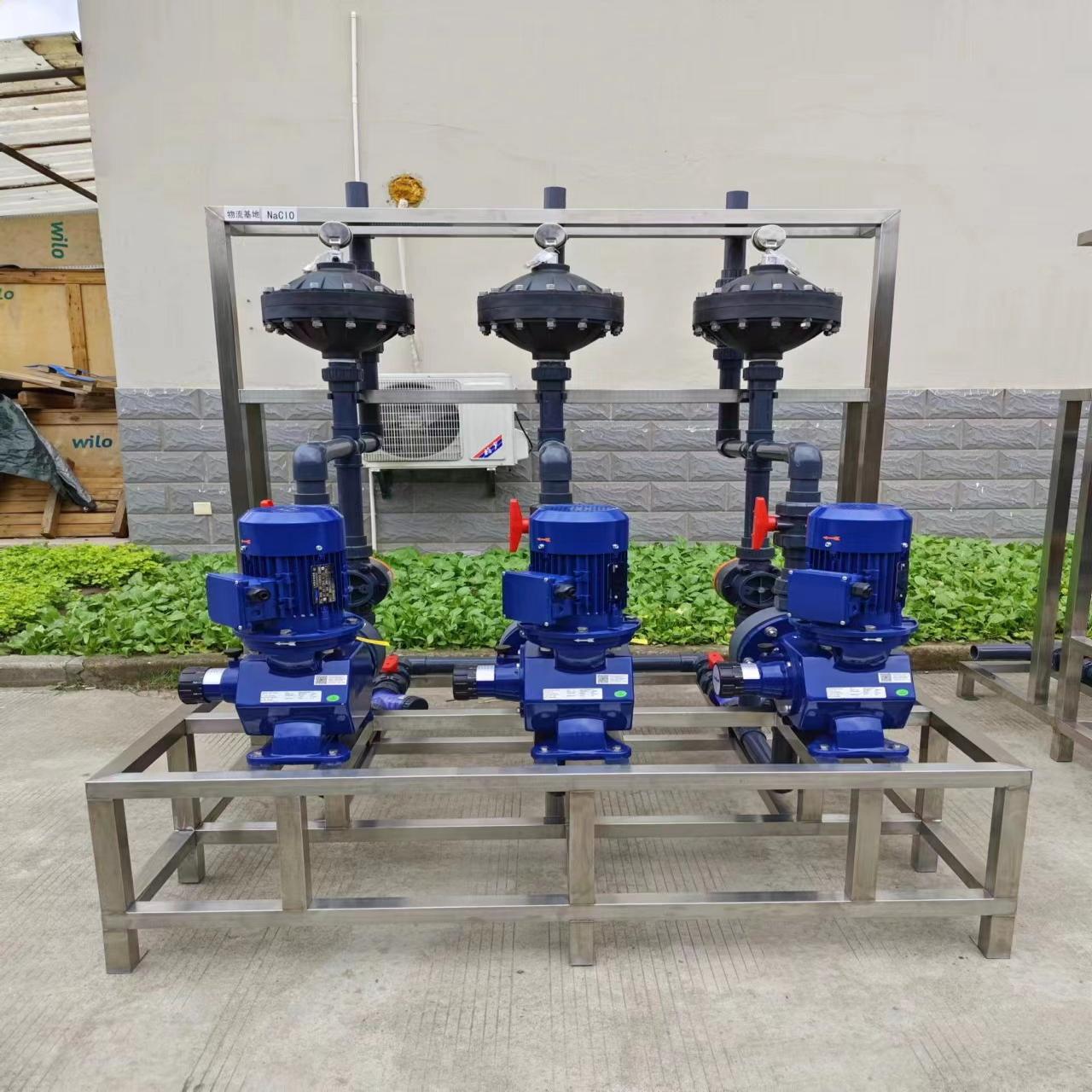
Acid-base neutralization and dosing host equipment is usually used in the field of industrial wastewater treatment or water quality regulation. It is ...
See Details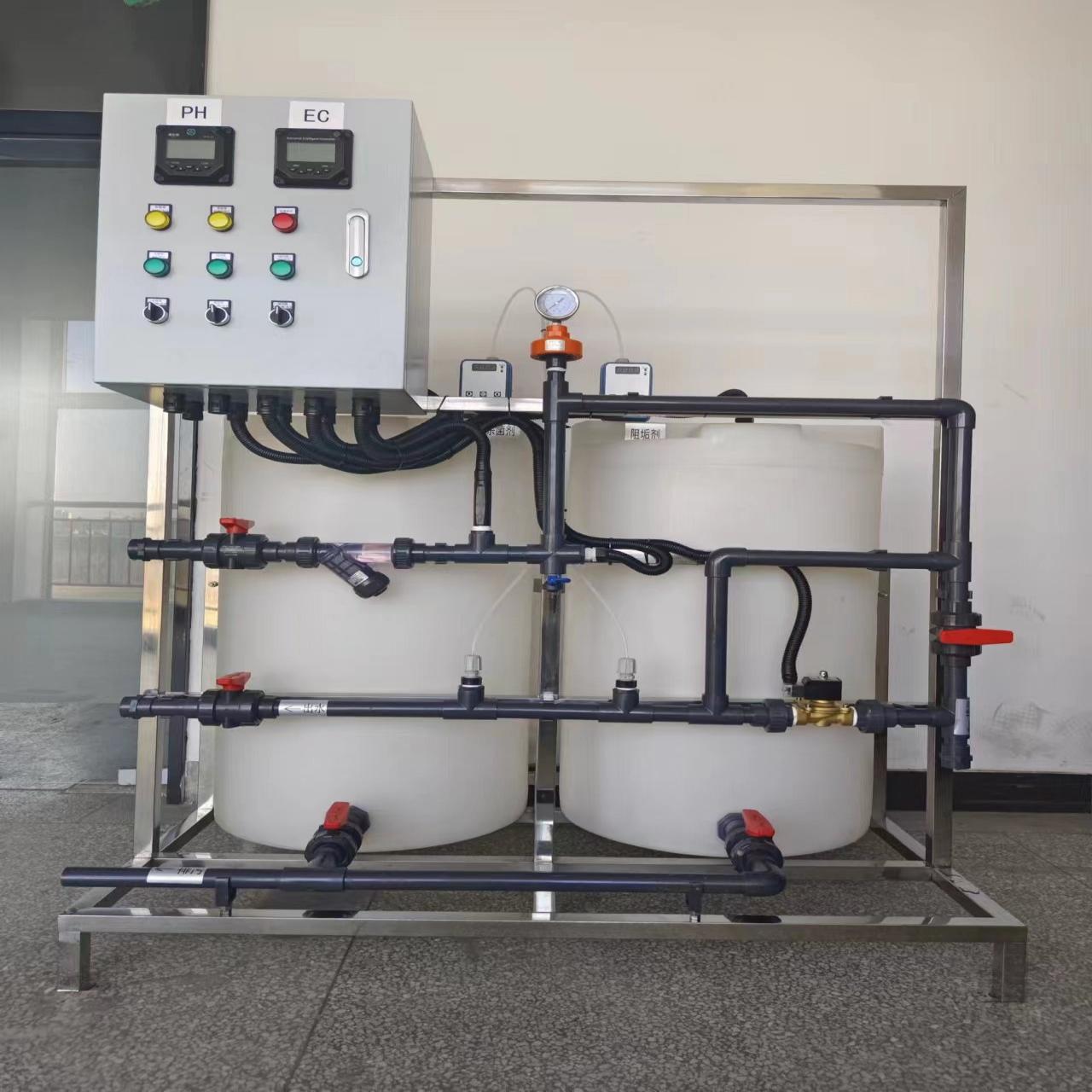
The scale prevention and sterilization double pump double barrel circulating water dosing device is an integrated dosing system equipped with two inde...
See Details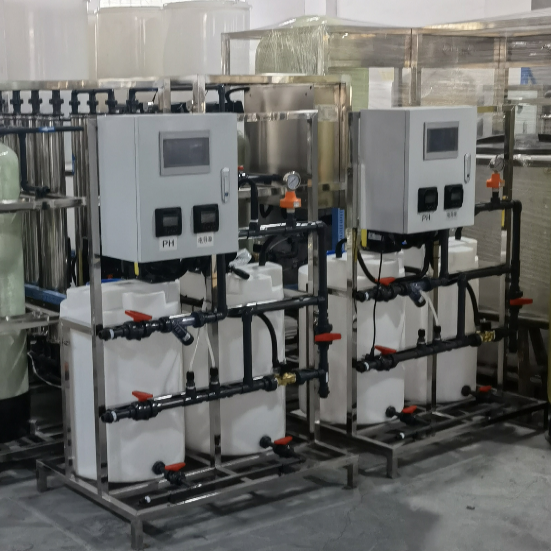
Scale-inhibiting and sterilizing PLC system circulating water dosing device is an efficient dosing device designed for circulating water system. It is...
See Details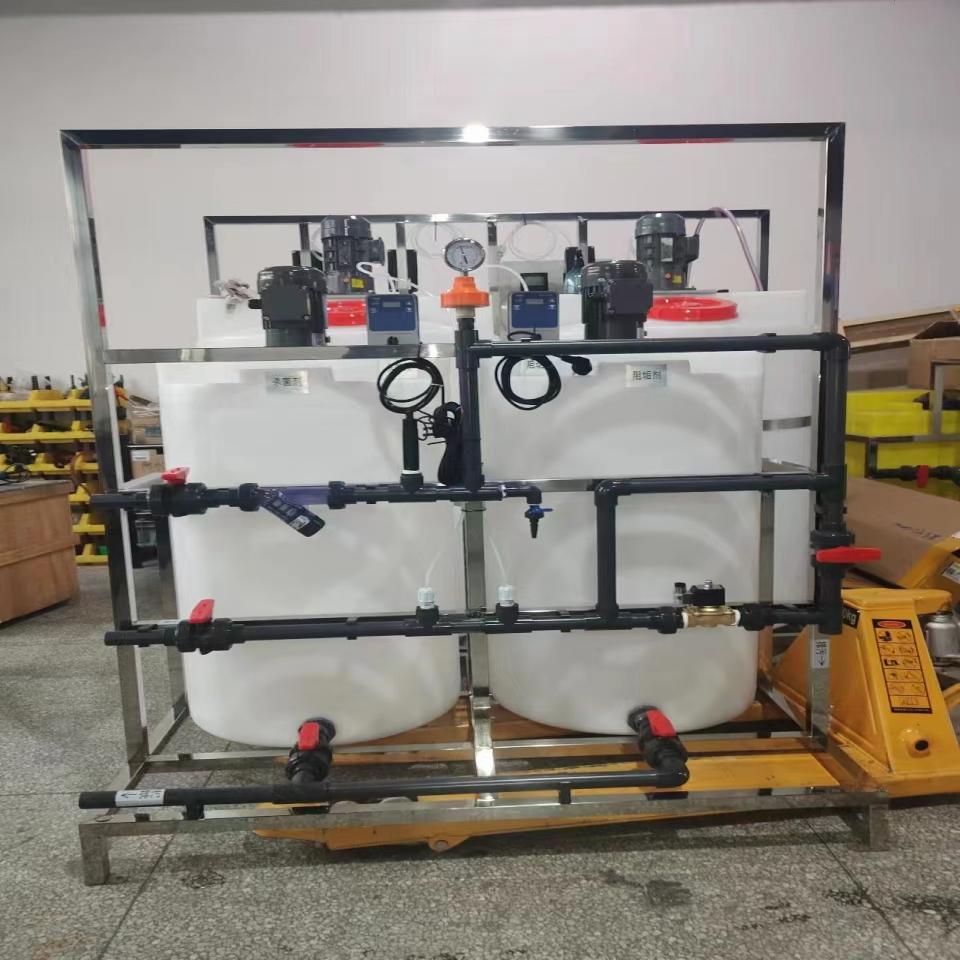
The scale-inhibiting and sterilizing circulating water system dosing device is a water quality treatment equipment designed for circulating water syst...
See Details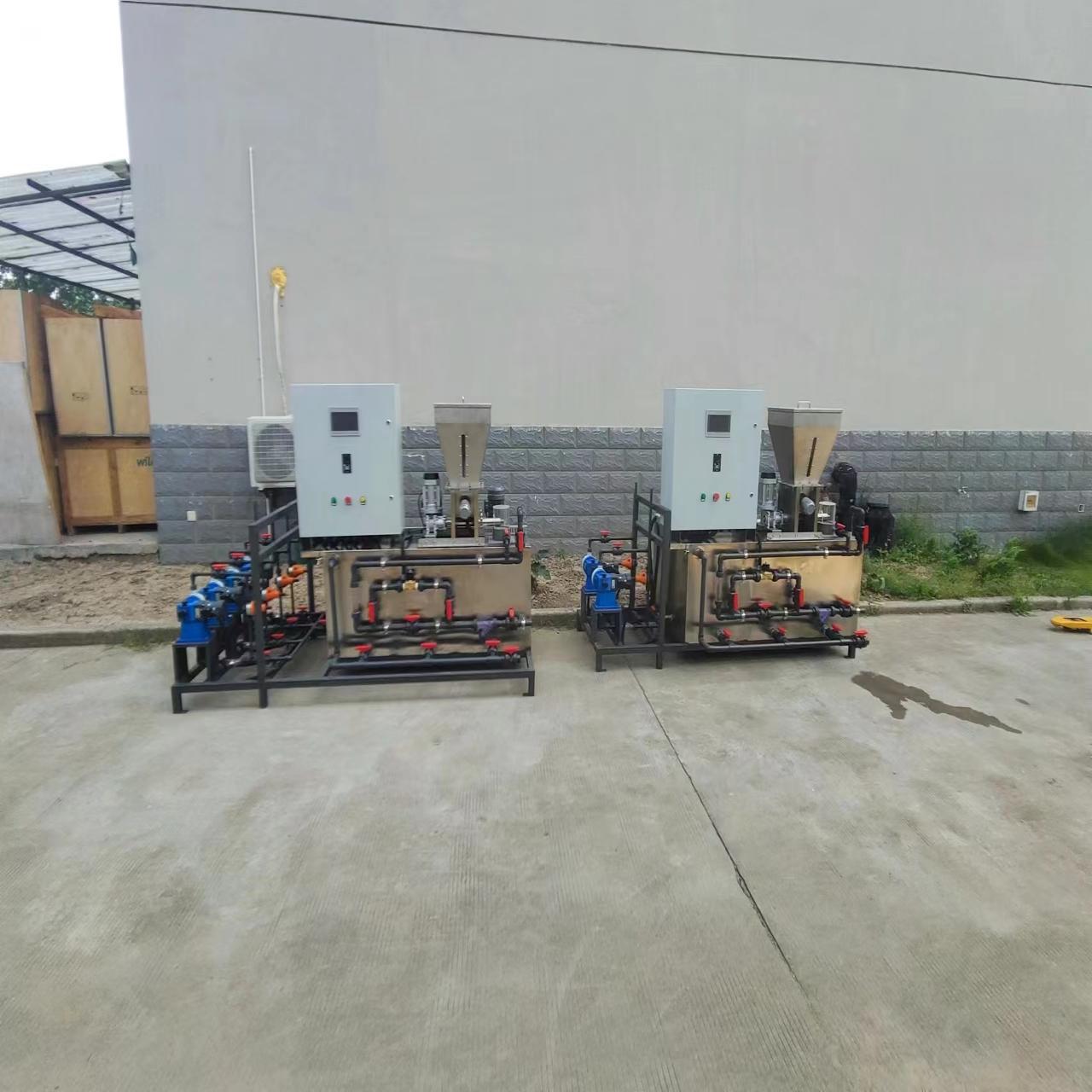
The integrated PAC PAM dosing device is an integrated water treatment equipment, which is specially used for adding agents such as polyaluminium chlor...
See Details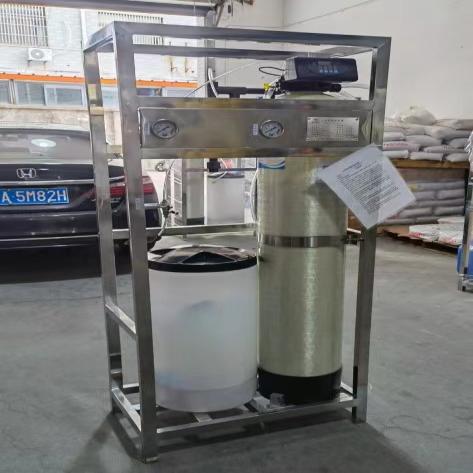
1 ton single tank is a device for storing and dosing water treatment chemicals, usually used in the dosing link of water treatment systems. The device...
See Details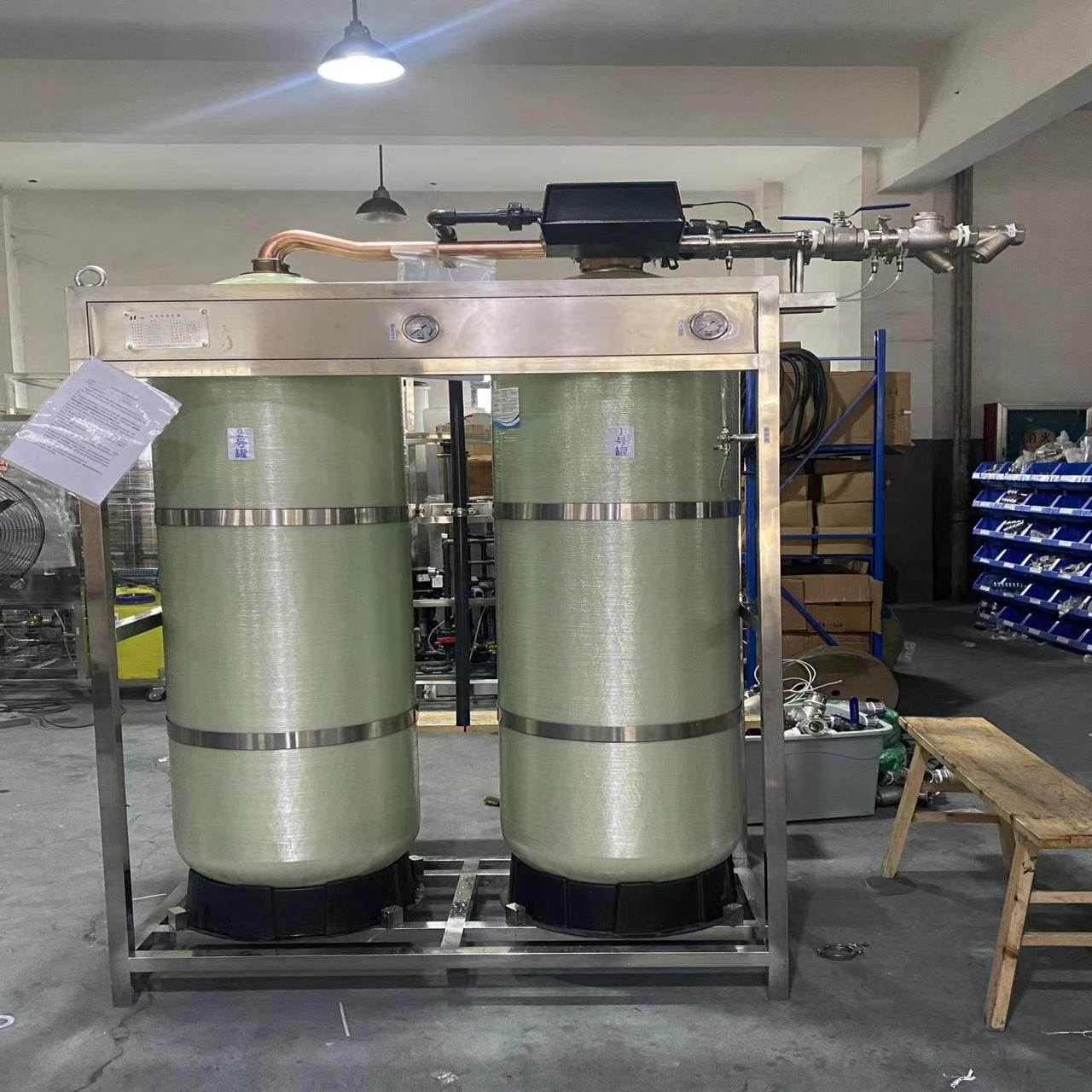
5-6 tons single valve double tank, one for use and one for standby is a device designed for medium and large water treatment systems. It has two indep...
See Details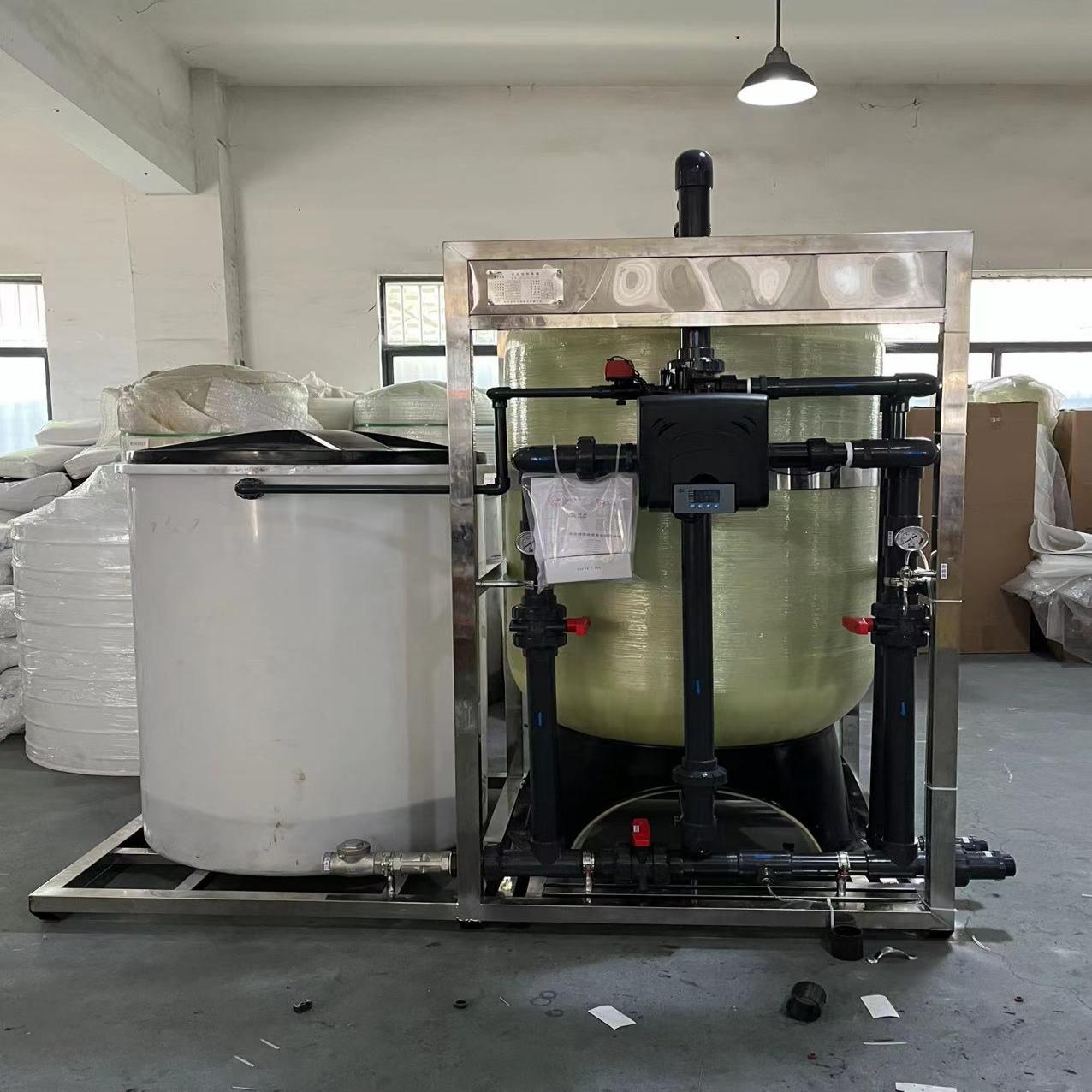
The 15-ton single valve single tank equipment is designed for large-scale water treatment needs and is suitable for places that require large-capacity...
See Details
+86-13396595772
[email protected]
[email protected]
[email protected]
[email protected]
Room 508, Xingyuncheng, No.15 Xingling Street, Xingqiao Street, Linping District, Hangzhou City, Zhejiang Province.
Copyright ©2024 Hangzhou Roushui Environmental Protection Technology Co., Ltd. All Rights Reserved. Custom Industrial Civil Water Treatment Purification Equipment Manufacturers
