
 English
 Español
 عربى
عربىCat:UF Membrane
In the field of industrial water purification, strict quality standards are required. In response to this challenge, a membrane filter with a PVDF str...
See DetailsService hotline: +86-13396595772


Water filtration technologies play an essential role in ensuring access to clean and safe water, whether for industrial processes, household use, or municipal water treatment. Among the various methods available, Reverse Osmosis (RO) and Ultrafiltration (UF) membranes are two of the commonly used membrane filtration technologies. Though both serve the purpose of purifying water, they operate differently, with unique benefits suited to various applications.
Reverse Osmosis (RO) is a water purification process that uses a semi-permeable membrane to remove ions, unwanted molecules, and larger particles from water. The process works by applying pressure to water, forcing it through the membrane to leave contaminants behind. This technology is highly effective in producing purified water and is widely used in various industries.
RO membranes are designed to remove impurities at the molecular level, offering one of the thorough filtration processes available today. They can remove salts, organic compounds, bacteria, viruses, and other microorganisms.
Ultrafiltration (UF) is a membrane filtration process that works on the principle of size exclusion, using a membrane with a pore size typically in the range of 0.01 to 0.1 microns. This technology is capable of removing suspended solids, bacteria, and larger molecules, but it does not remove dissolved salts or small molecular compounds as effectively as RO.
UF membranes are ideal for processes that require the removal of larger particles and microorganisms but where dissolved salts do not need to be filtered out.
| Feature | RO Membranes | UF Membranes |
|---|---|---|
| Filtration Mechanism | Uses pressure to push water through a semi-permeable membrane, removing dissolved ions and molecules. | Uses size exclusion to remove particles larger than the membrane’s pore size, typically 0.01 to 0.1 microns. |
| Pore Size | 0.0001 microns (removes contaminants). | 0.01 to 0.1 microns (removes larger particles and microorganisms). |
| Energy Consumption | High energy consumption due to high operating pressure. | Lower energy consumption compared to RO. |
| Contaminant Removal | Removes dissolved salts, heavy metals, microorganisms, and other contaminants. | Primarily removes suspended solids, bacteria, and larger molecules. |
| Water Recovery | Typically low water recovery rate due to high wastewater production. | Higher water recovery rate compared to RO. |
| Applications | Ideal for desalination, deionization, and applications requiring the removal of dissolved solids. | Used for pre-filtration, food processing, and water treatment where dissolved solids are not a primary concern. |
The choice between RO and UF membranes largely depends on the specific requirements of your water treatment or filtration process. Below are some scenarios where each membrane is ideally used:
RO Membranes are ideal when:
UF Membranes are ideal when:
Both RO and UF membranes are widely used in various industries. Here are a few examples of their applications:
In terms of initial cost, RO systems tend to be more expensive than UF systems due to the complexity of their operation and the technology involved. However, when considering operating costs over time, UF membranes may prove to be more cost-effective, especially when energy consumption and water wastage are factors.
RO systems require higher energy inputs due to the pressure required for filtration, whereas UF systems are less energy-intensive. Additionally, RO membranes produce a significant amount of wastewater, which can increase operational costs.
1. What is the main difference between RO and UF membranes?
The main difference is in the filtration mechanism: RO removes dissolved salts, minerals, and smaller molecules, while UF focuses on removing larger particles and microorganisms.
2. Which membrane technology is more energy-efficient?
UF membranes are generally more energy-efficient because they operate at lower pressures compared to RO membranes.
3. Can UF membranes remove salts and minerals?
No, UF membranes cannot remove dissolved salts and minerals as effectively as RO membranes.
4. Is RO membrane water treatment suitable for household use?
Yes, RO membranes are commonly used in home water purifiers, especially for areas with high levels of dissolved solids in the water.
5. Can UF membranes be used for desalination?
UF membranes are not suitable for desalination, as they do not remove dissolved salts. RO membranes are the preferred choice for desalination processes.
By understanding the differences between RO and UF membranes, you can better assess which filtration technology suits your water purification needs. Whether you require high-purity water with minimal contaminants or are focused on efficient removal of larger particles and microorganisms, both RO and UF offer distinct advantages in their respective applications.
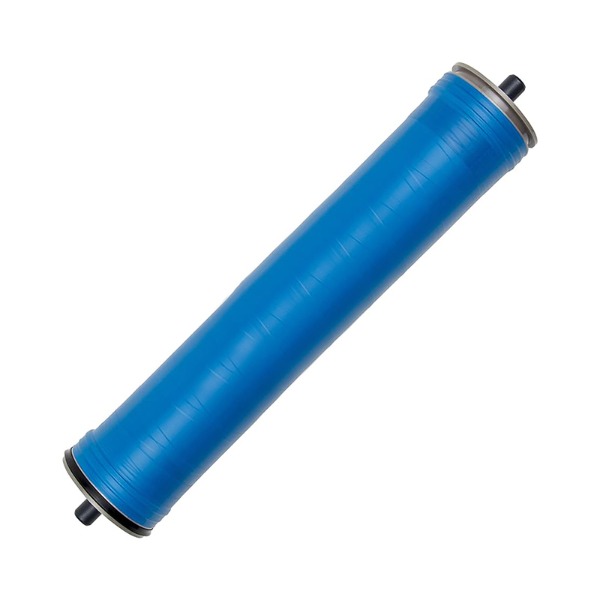
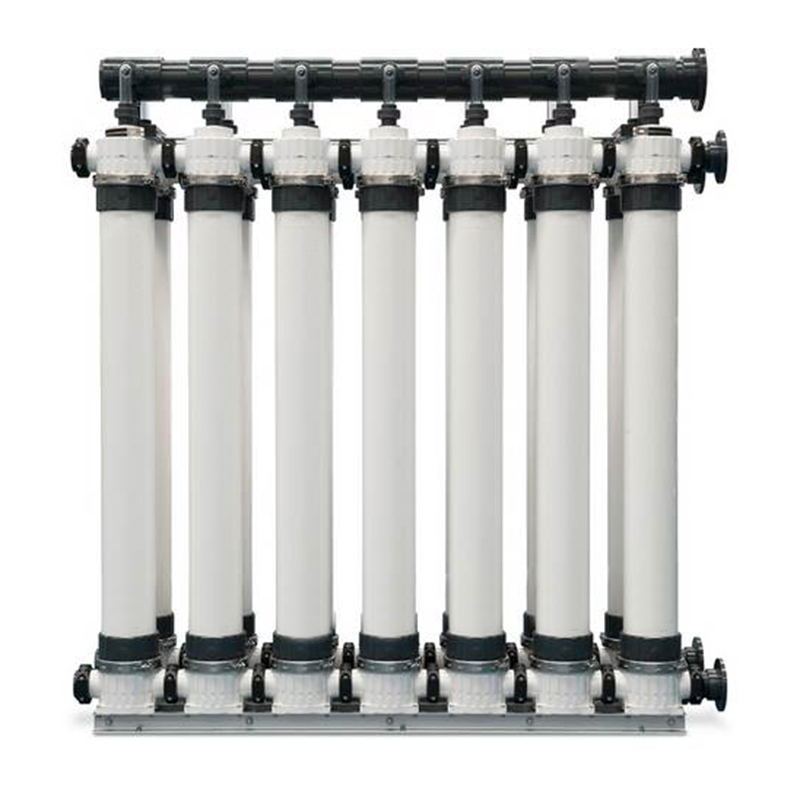
In the field of industrial water purification, strict quality standards are required. In response to this challenge, a membrane filter with a PVDF str...
See Details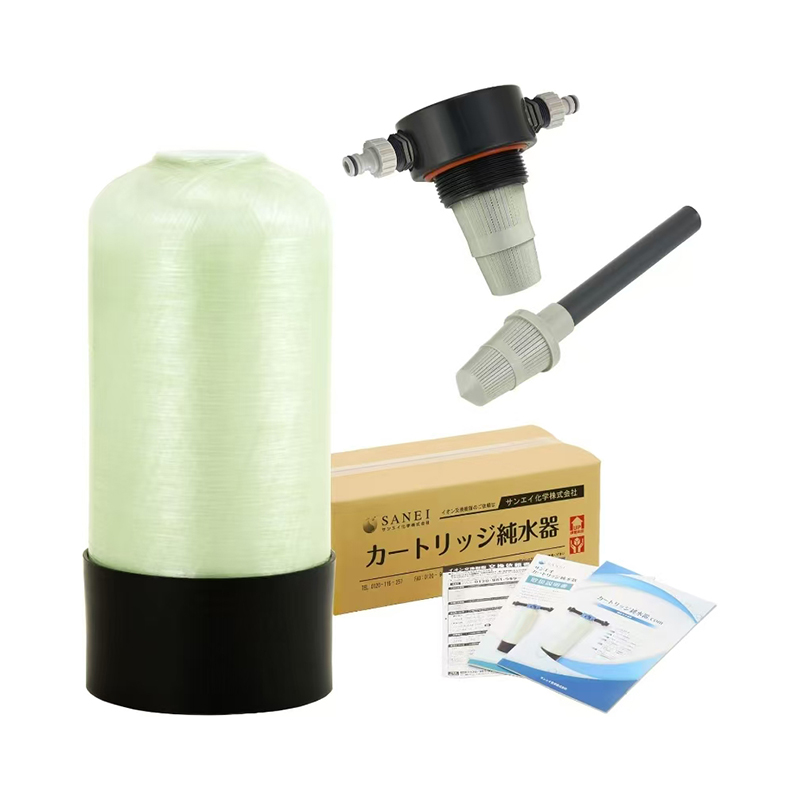
High Flow 3/4 PortKDF(Kinetic Degradation Fluxion) in our RV water filter removes chlorine, heavy metals, bacteria, and scale, ensuring cleaner and sa...
See Details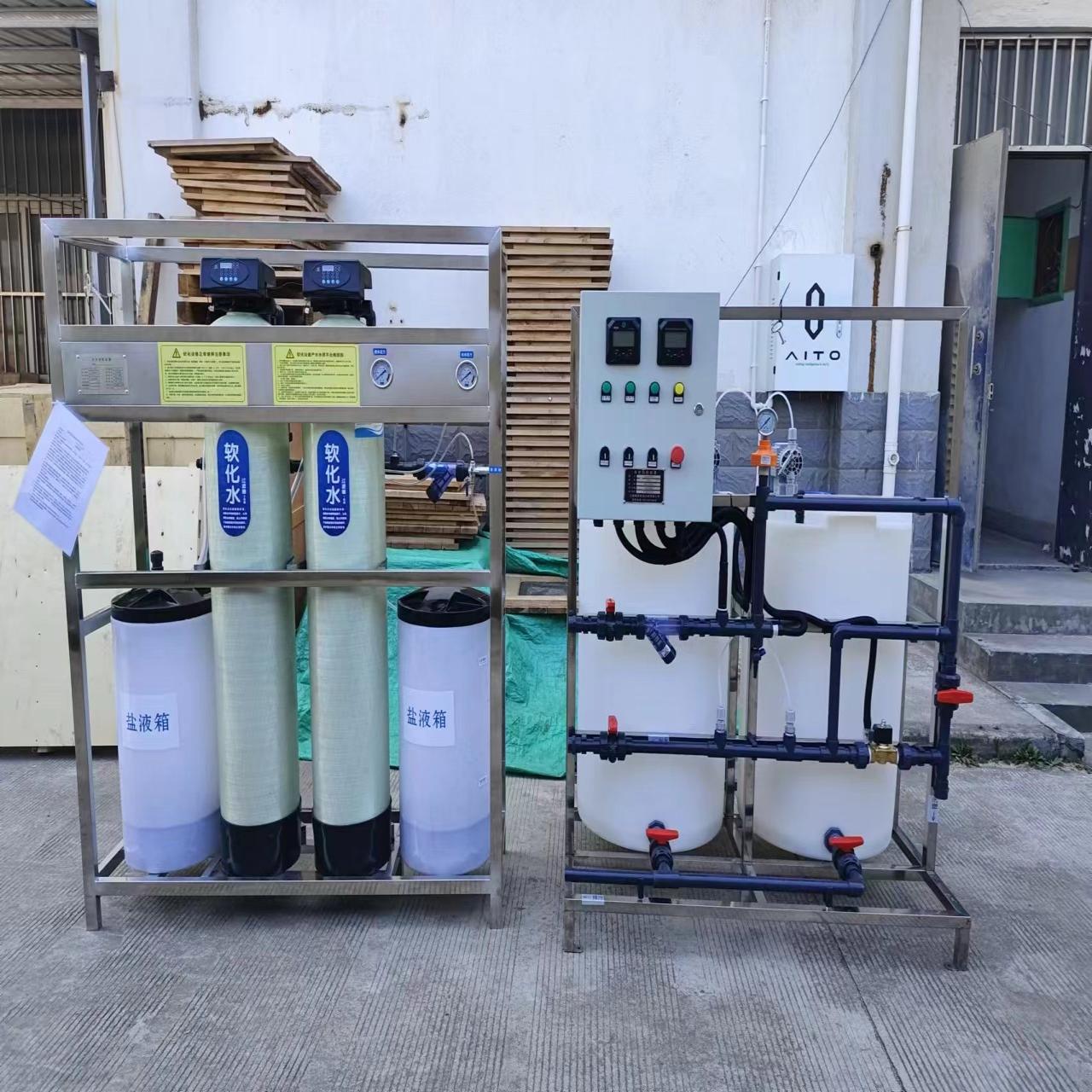
The circulating water system softening, replenishing, sterilizing and dosing device is a special equipment for industrial circulating water treatment....
See Details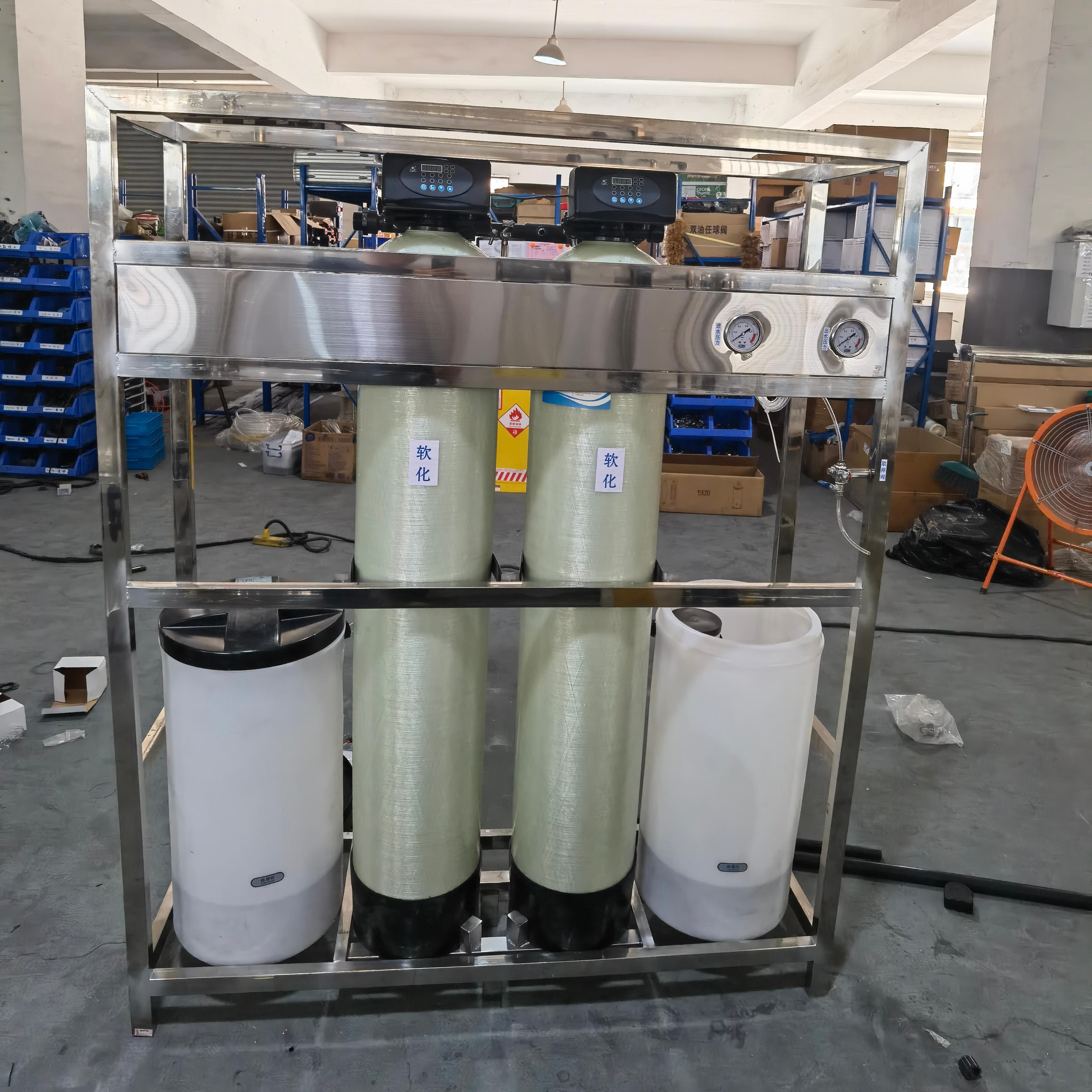
1 ton double valve double tank continuous water supply is an efficient and stable water treatment equipment, widely used in softened water, deminerali...
See Details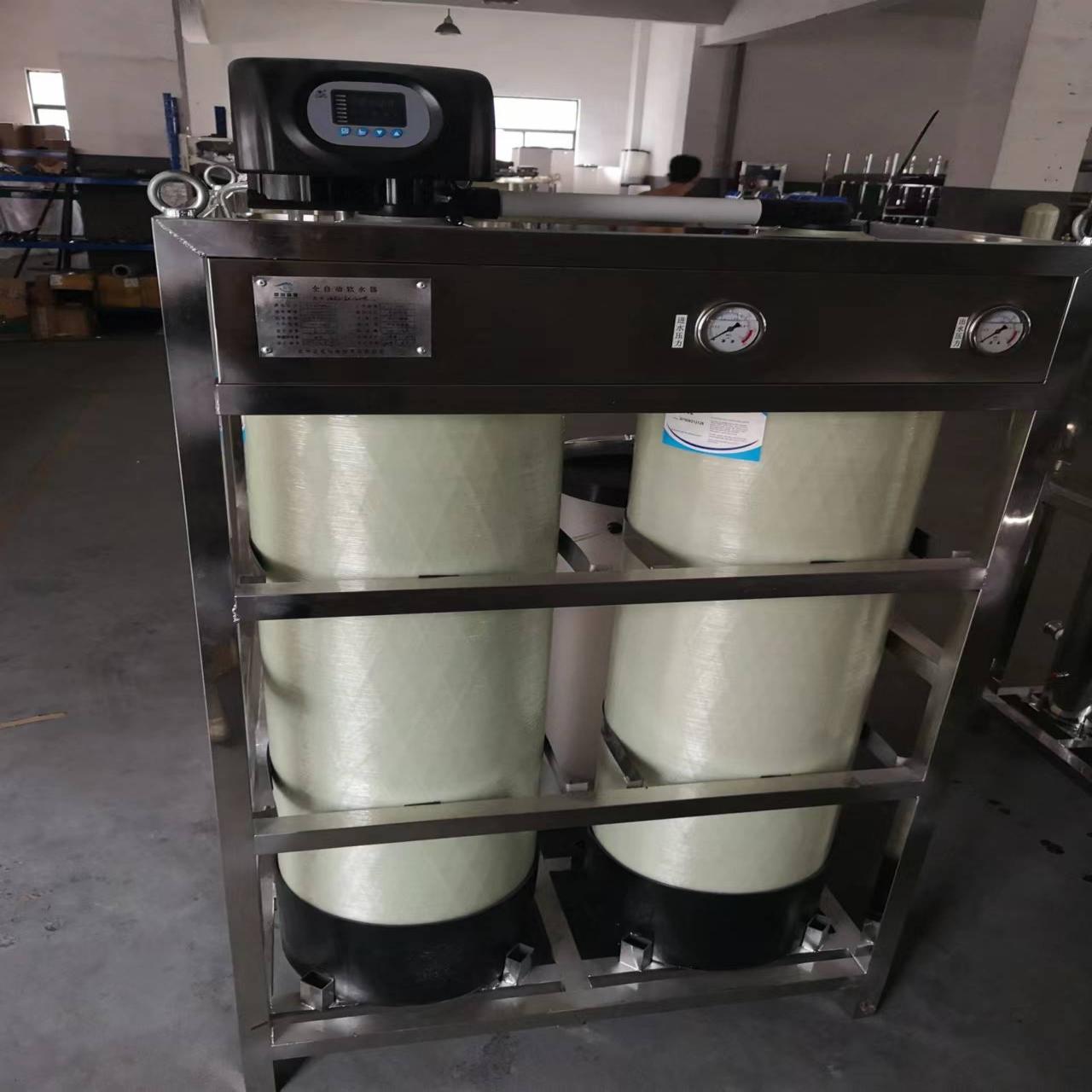
2-ton single valve dual tank, one for use and one for standby is an efficient and stable water treatment equipment. It adopts a single valve dual tank...
See Details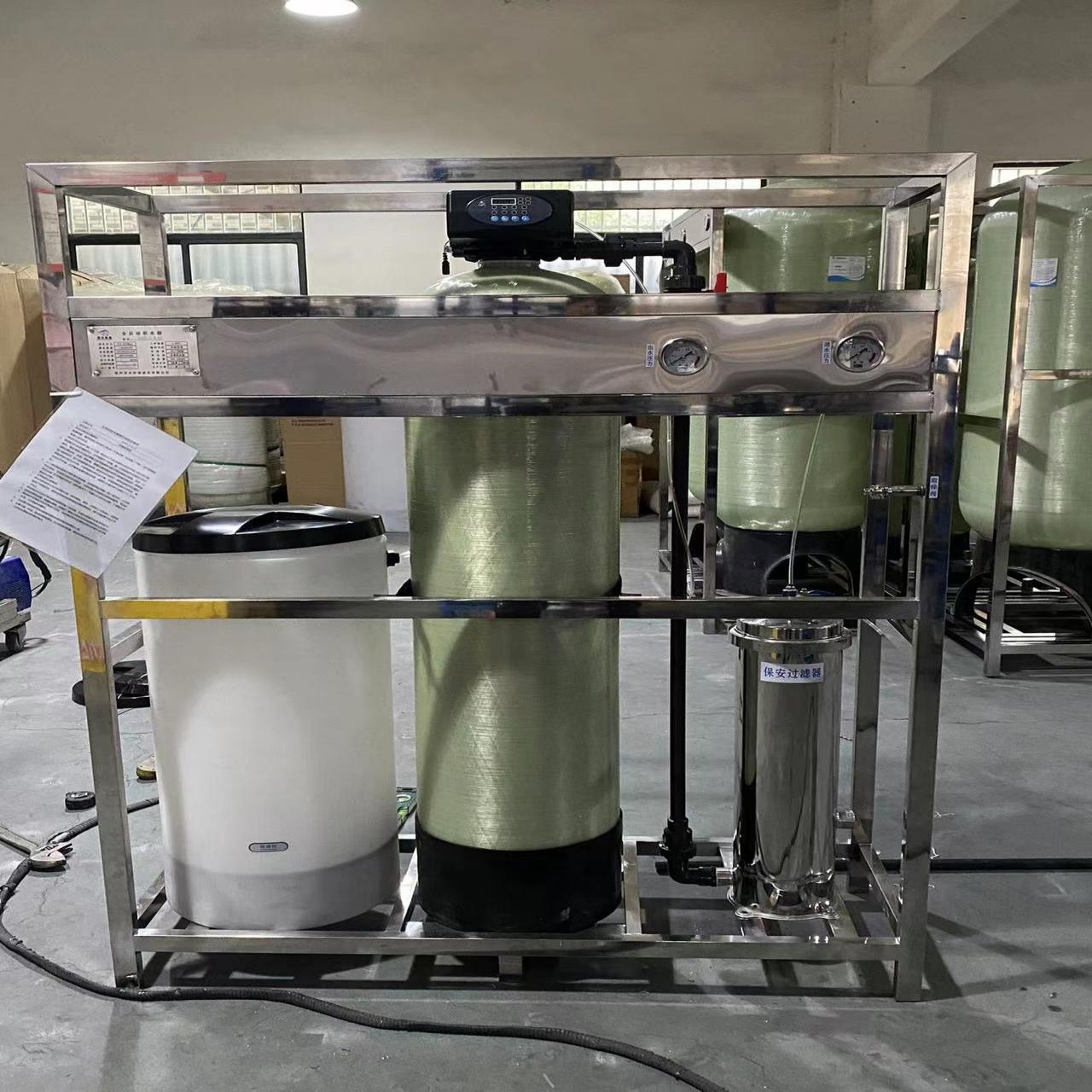
The 2-ton single tank with precision filtration is a device designed for small and medium-sized water treatment needs. It adopts a single tank structu...
See Details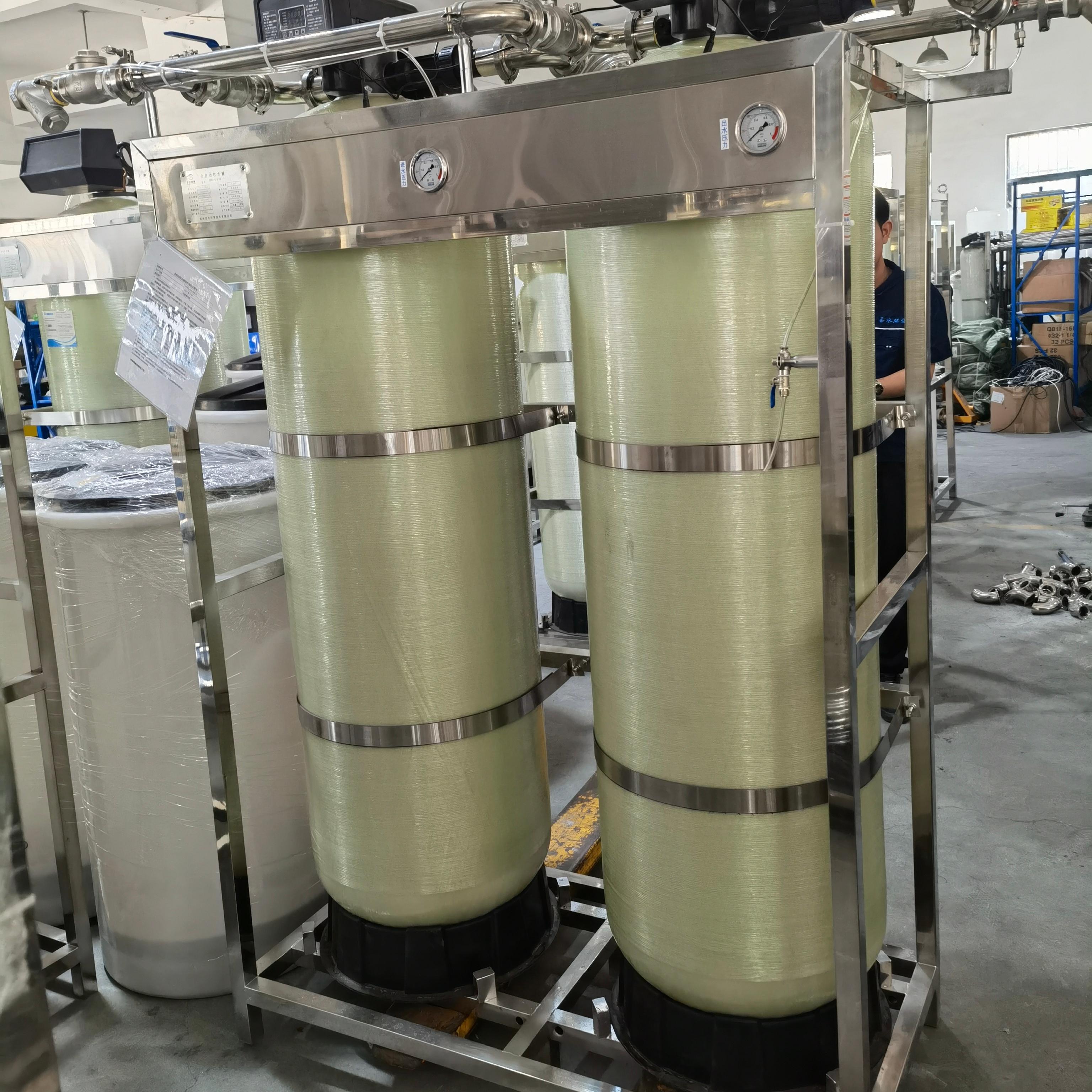
This 6-ton dual-valve dual-tank continuous water supply equipment is designed to provide efficient and stable water treatment solutions. Through the d...
See Details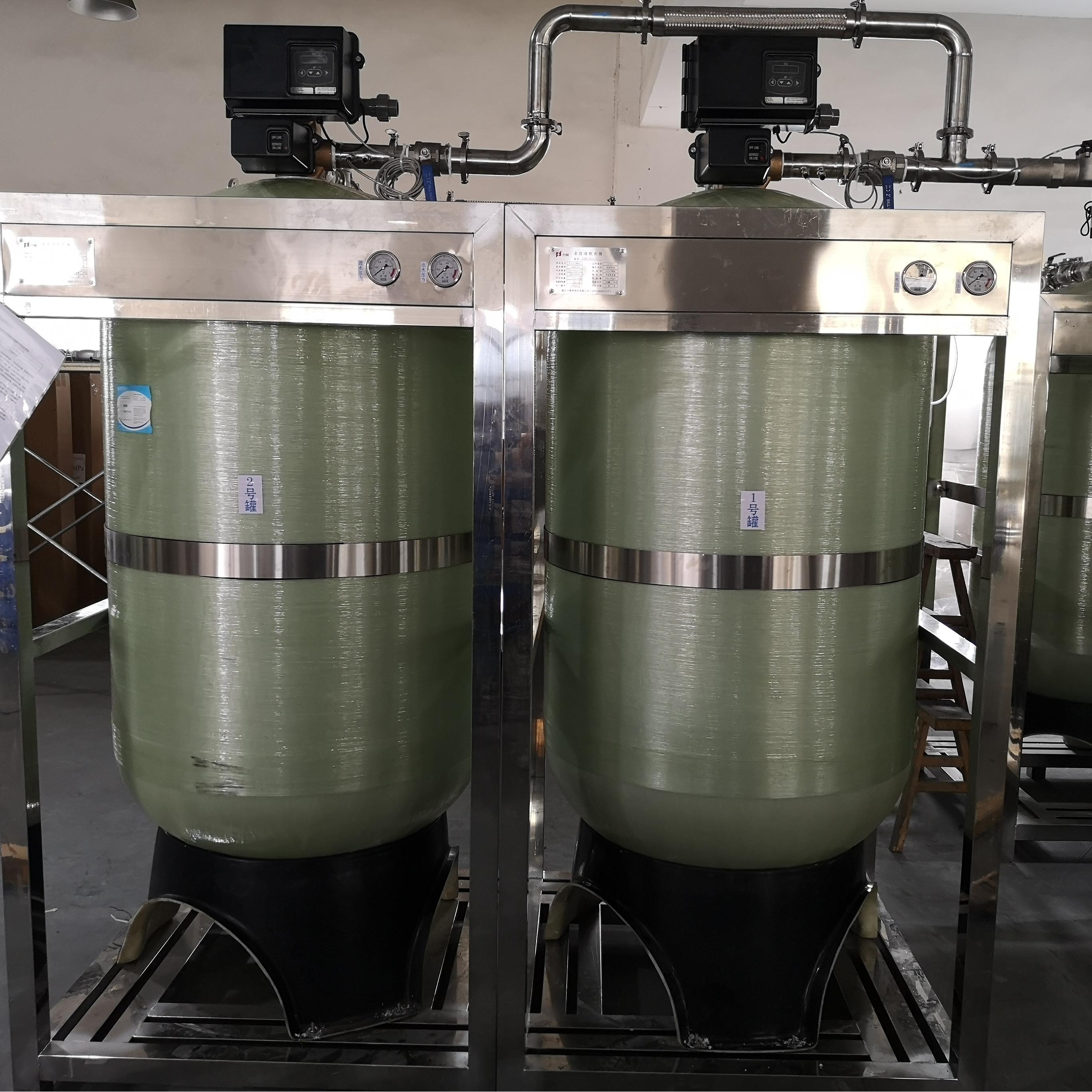
The 16-ton double valve double tank, one for use and one for standby water treatment system is a large-scale water treatment equipment equipped with t...
See Details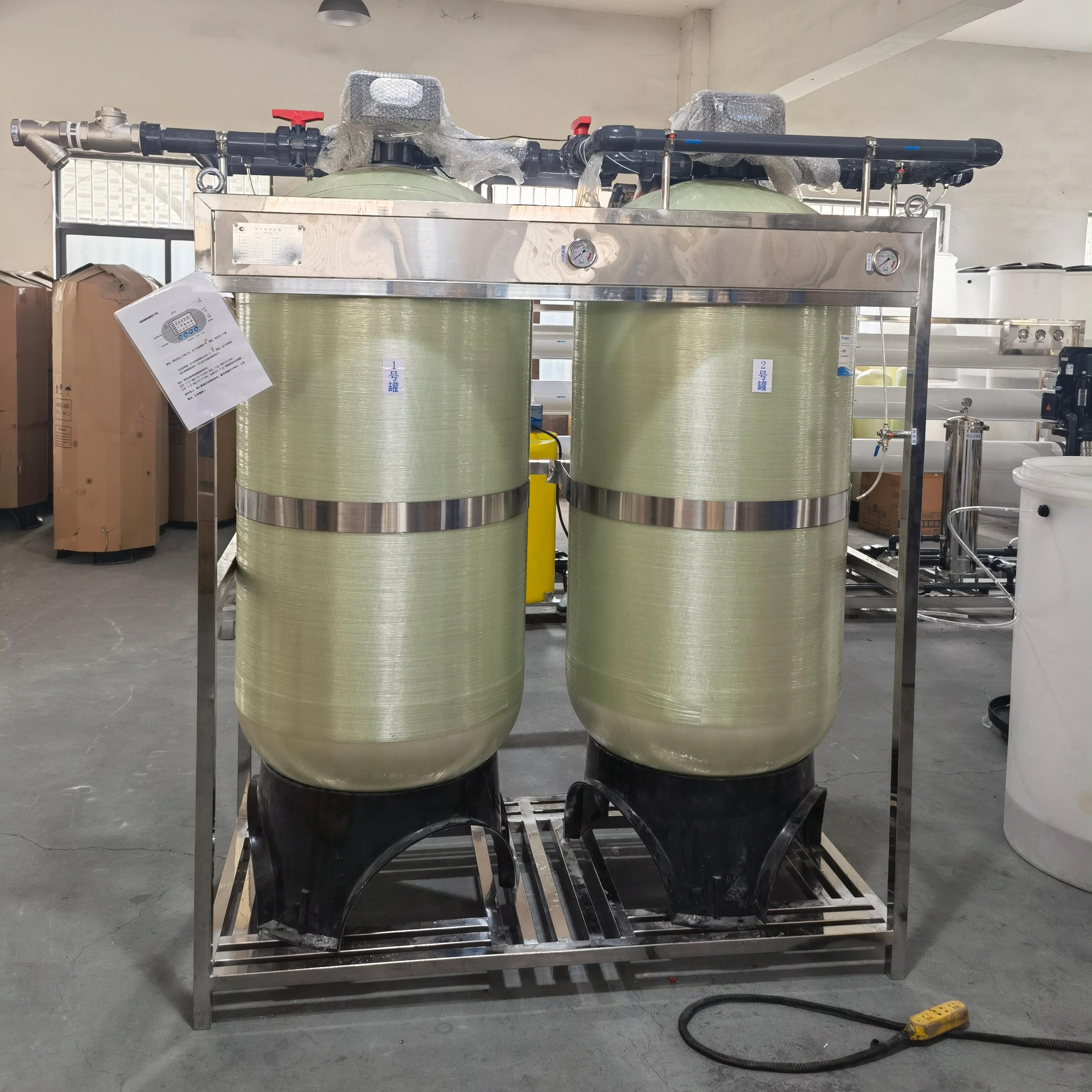
The 10-20 tons double valve double tank continuous water supply system is a high-efficiency equipment suitable for large-scale water treatment project...
See Details
+86-13396595772
[email protected]
[email protected]
[email protected]
[email protected]
Room 508, Xingyuncheng, No.15 Xingling Street, Xingqiao Street, Linping District, Hangzhou City, Zhejiang Province.
Copyright ©2024 Hangzhou Roushui Environmental Protection Technology Co., Ltd. All Rights Reserved. Custom Industrial Civil Water Treatment Purification Equipment Manufacturers
