
 English
 Español
 عربى
عربىCat:PP Cotton Filter Element
The filter element is a new type of precision filter element, which has the characteristics of small size, large filtering area, high precision, no po...
See DetailsService hotline: +86-13396595772


A corrosion resistant FRP RO membrane shell is a pressure-resistant composite housing used to contain and support RO membrane elements during reverse osmosis filtration. Understanding the structure and components helps buyers evaluate quality and performance.
Every corrosion resistant FRP RO membrane shell consists of eight essential components working together to deliver reliable membrane protection:
Feed water enters the RO membrane housing under pressure, where RO membrane elements separate impurities and dissolved solids. Purified water passes through membrane layers and exits the permeate outlet. Concentrated water exits through the waste outlet system. Key performance factors include operating pressure (system requirements), corrosion resistance (environmental durability), pressure tolerance (safety margin), sealing reliability (leak prevention), and dimensional accuracy (proper membrane fit).
Corrosion resistant FRP RO membrane shells are available in various configurations to suit different pressure requirements, system sizes, and application environments.
| Shell Type | Key Features | Best Applications | Performance Characteristics |
| Standard FRP | Fiberglass reinforced, reliable pressure, cost-effective | Commercial RO, small to medium systems | General purpose, economical |
| High Pressure | Enhanced composite structure, higher pressure resistance | Industrial RO, seawater desalination | High pressure, heavy duty |
| Chemical Resistant | Resistance to chemical exposure, stable in harsh environments | Chemical plants, industrial wastewater | Corrosion proof, durable |
| Multi-element | Multiple membrane capacity, improved efficiency, space saving | Large facilities, municipal water projects | High capacity, efficient |
| Side Port | Side connection location, installation flexibility | Custom layouts, engineering projects | Flexible installation |
| Custom Solutions | Length, pressure, ports, membrane compatibility, color | OEM equipment, specialized systems | Tailored specifications |
Select the right shell type based on your system requirements. Standard for general RO applications; high pressure for demanding conditions; chemical resistant for harsh environments; multi-element for high capacity; side port for flexible layouts; custom for specific project requirements.
Corrosion resistant FRP RO membrane shells undergo a precision manufacturing process that ensures performance, durability, and reliability. Understanding this process helps buyers evaluate supplier capabilities and product quality.
The manufacturing process begins with resin preparation and fiberglass selection. Material mixing ensures proper composite formulation. Composite layer design optimizes strength and corrosion resistance. Common materials include fiberglass reinforcement (structural strength), epoxy resin (chemical resistance), polyester resin (cost-effectiveness), and composite polymers (enhanced properties). Mechanical strength, chemical resistance, and long-term durability are critical for membrane shell performance.
Production processes include fiber winding (precision placement), layer arrangement (structural optimization), resin curing (material hardening), and surface finishing (appearance and protection). Requirements include uniform fiber distribution, pressure resistance (design rating), and structural stability (long-term integrity).
Assembly steps include end cap installation (secure mounting), seal fitting (leak prevention), port connection (system integration), and pressure testing preparation (quality verification). Requirements include leak prevention, reliable connection, and long-term sealing performance.
FRP RO membrane shells undergo comprehensive testing: hydrostatic pressure testing (strength verification), leakage testing (seal integrity), dimensional inspection (accuracy verification), material strength testing (composite quality), and corrosion resistance testing (environmental durability). Quality requirements include pressure safety, structural reliability, and long service life.
The value proposition of corrosion resistant FRP RO membrane shells extends beyond basic containment — delivering critical benefits for water treatment systems.
Resistant to chemical corrosion, suitable for harsh water environments, and maintains structural stability over time — reducing replacement frequency and lowering maintenance costs.
Composite reinforcement technology enables stable operation under high pressure with reliable membrane protection — improving system safety and filtration performance.
Lower weight compared with metal alternatives enables easier transportation and simplified installation — reducing installation costs and enabling flexible system design.
Durable composite structure, resistance to environmental factors, and stable long-term operation deliver lower lifecycle costs and improved system reliability.
The versatility of corrosion resistant FRP RO membrane shells makes them suitable for a broad spectrum of water treatment applications.
Making an informed decision requires understanding how FRP membrane shells compare to alternative housing materials.
FRP offers superior corrosion resistance, lighter weight, and lower cost for most water treatment applications. Stainless steel provides higher strength for extreme pressure conditions but is heavier, more expensive, and susceptible to corrosion in certain environments.
FRP offers higher pressure capability, better durability, and superior chemical resistance. PVC is cost-effective for low-pressure applications but has limited pressure and temperature range. FRP is preferred for demanding industrial and high-pressure systems.
Standard FRP shells handle typical RO operating pressures (up to 300 psi). High pressure shells are reinforced for desalination and demanding applications (up to 600 psi). Choose based on system pressure requirements and operating conditions.
Selecting the optimal corrosion resistant FRP RO membrane shell involves evaluating both the product and the manufacturer.
For water treatment system buyers, supplier selection is critical. Assess potential manufacturers on: manufacturing experience (proven track record), composite material technology (quality expertise), pressure testing capability (quality assurance), quality certification (ISO 9001, ASME), customization ability (design flexibility), and production capacity (volume and lead time).
When comparing products, examine these key parameters: membrane size compatibility (standard or custom), operating pressure (normal working range), maximum pressure (safety margin), length (housing size), diameter (membrane fit), port size (connection compatibility), material type (resin and fiber specifications), and temperature resistance (environmental range). Specification tables from reputable manufacturers provide essential data for informed decision-making.
Proper maintenance of FRP RO membrane shells extends service life and ensures reliable operation.
The FRP RO membrane shell industry continues to evolve with water treatment technology advances and global water challenges.
New resin formulations and fiber technologies improve corrosion resistance, pressure capability, and durability. Enhanced composite materials enable higher operating pressures and longer service life.
Integrated sensors enable real-time pressure monitoring, leak detection, and predictive maintenance. Smart shells provide data for system optimization and early failure detection.
Eco-friendly resin systems, recycled fiber content, and energy-efficient production reduce environmental impact. Sustainable manufacturing practices are being adopted throughout the industry.
FRP housings offer superior corrosion resistance, lighter weight, and lower cost for most water treatment applications. Stainless steel provides higher strength for extreme pressure conditions but is heavier, more expensive, and susceptible to corrosion in certain chemical environments.
Pressure rating depends on feed water quality and application. Low-pressure systems (150-300 psi) handle brackish water. Medium-pressure (300-600 psi) covers most industrial applications. High-pressure (600-800 psi) is required for seawater desalination. Choose based on your specific operating conditions.
With proper maintenance, FRP RO membrane shells provide 10-20 years of service life. Lifespan depends on operating conditions, chemical exposure, and maintenance practices. Regular inspection and seal replacement extend service life.
Minor surface damage can sometimes be repaired with composite repair techniques. Significant damage or structural cracks typically require housing replacement. Consult the manufacturer for repair recommendations and safety considerations.
Key factors include operating pressure requirements, membrane element size, chemical compatibility, installation space, system flow rate, and budget constraints. Consider all system requirements when selecting the appropriate shell configuration.
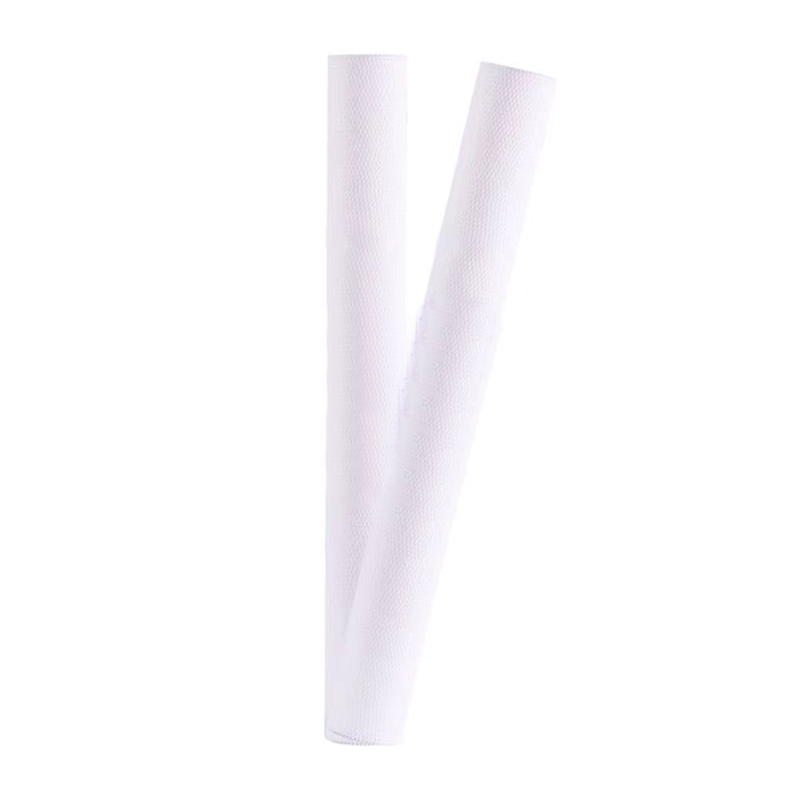
The filter element is a new type of precision filter element, which has the characteristics of small size, large filtering area, high precision, no po...
See Details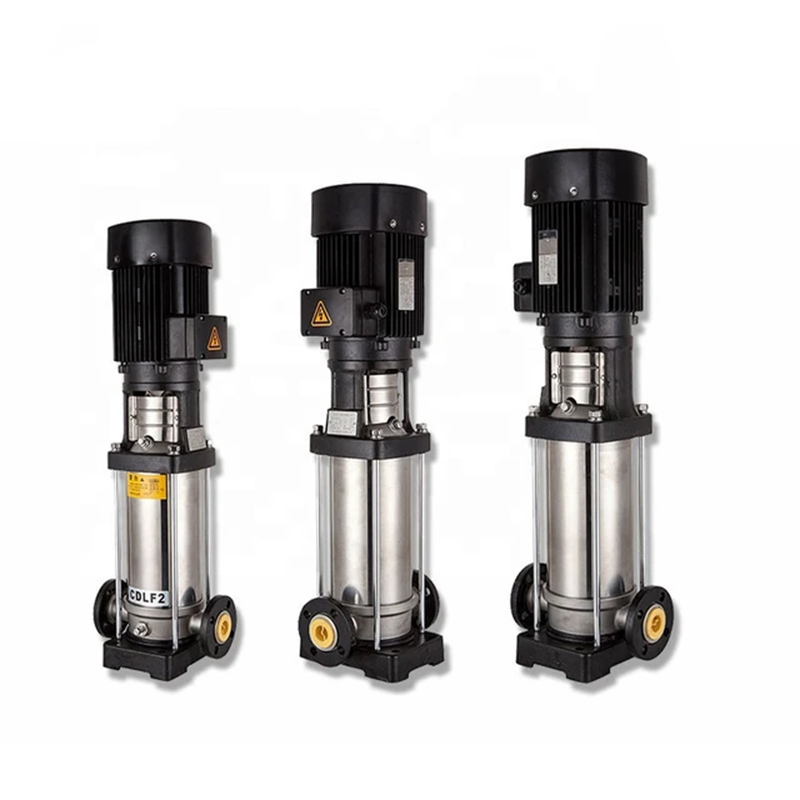
The CNP vertical multi-stage centrifugal booster water pump is an efficient and reliable industrial pump designed to meet various hydraulic booster ne...
See Details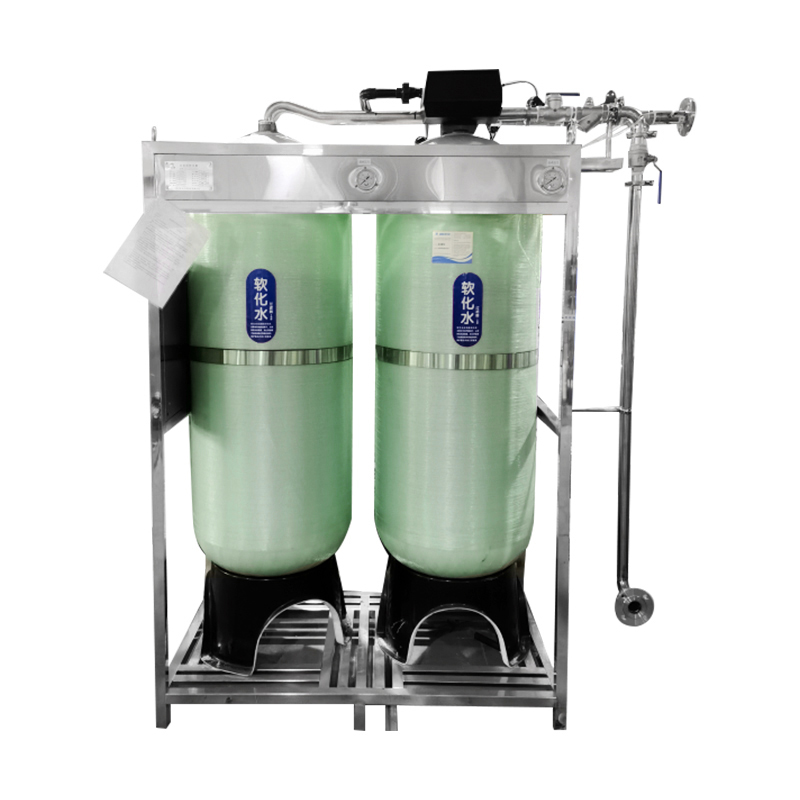
Commercial and Industrial Water Softening Systems are highly efficient water treatment solutions designed for commercial and industrial areas. Utilizi...
See Details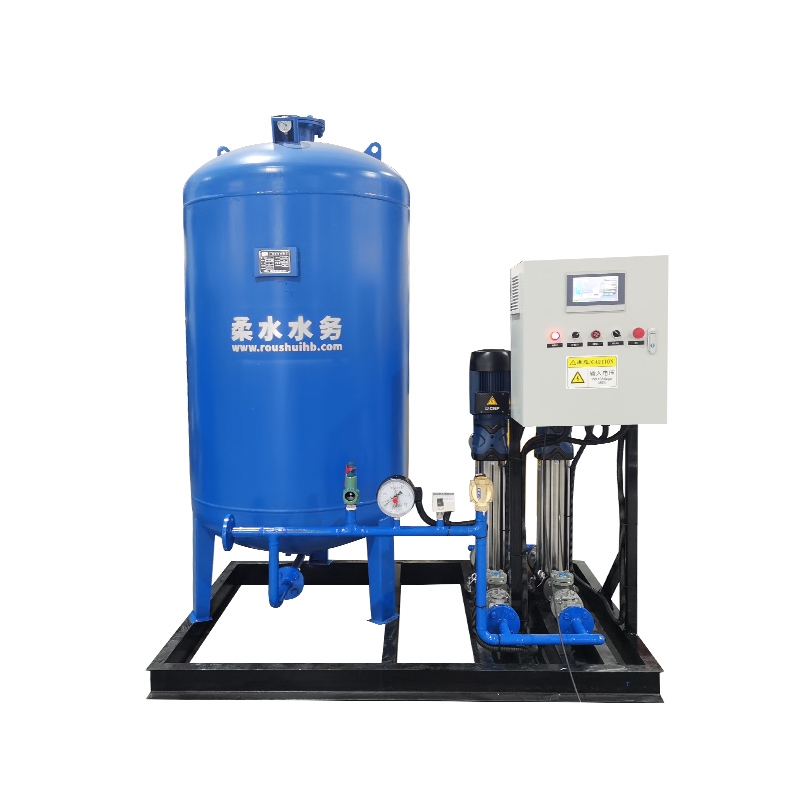
The constant pressure water replenishment device is a device used to maintain the stability of the water system pressure. It is mainly used in systems...
See Details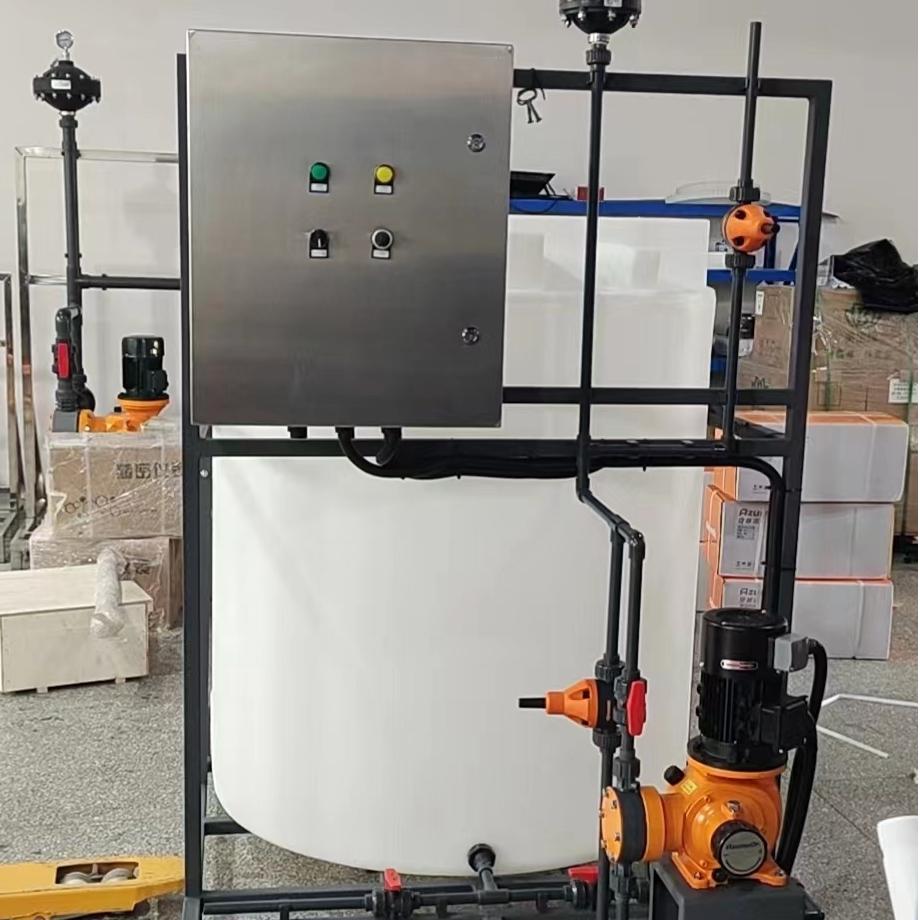
Single pump single barrel dosing device for flocculation is an automatic dosing device used in the water treatment process. It is specially used to ac...
See Details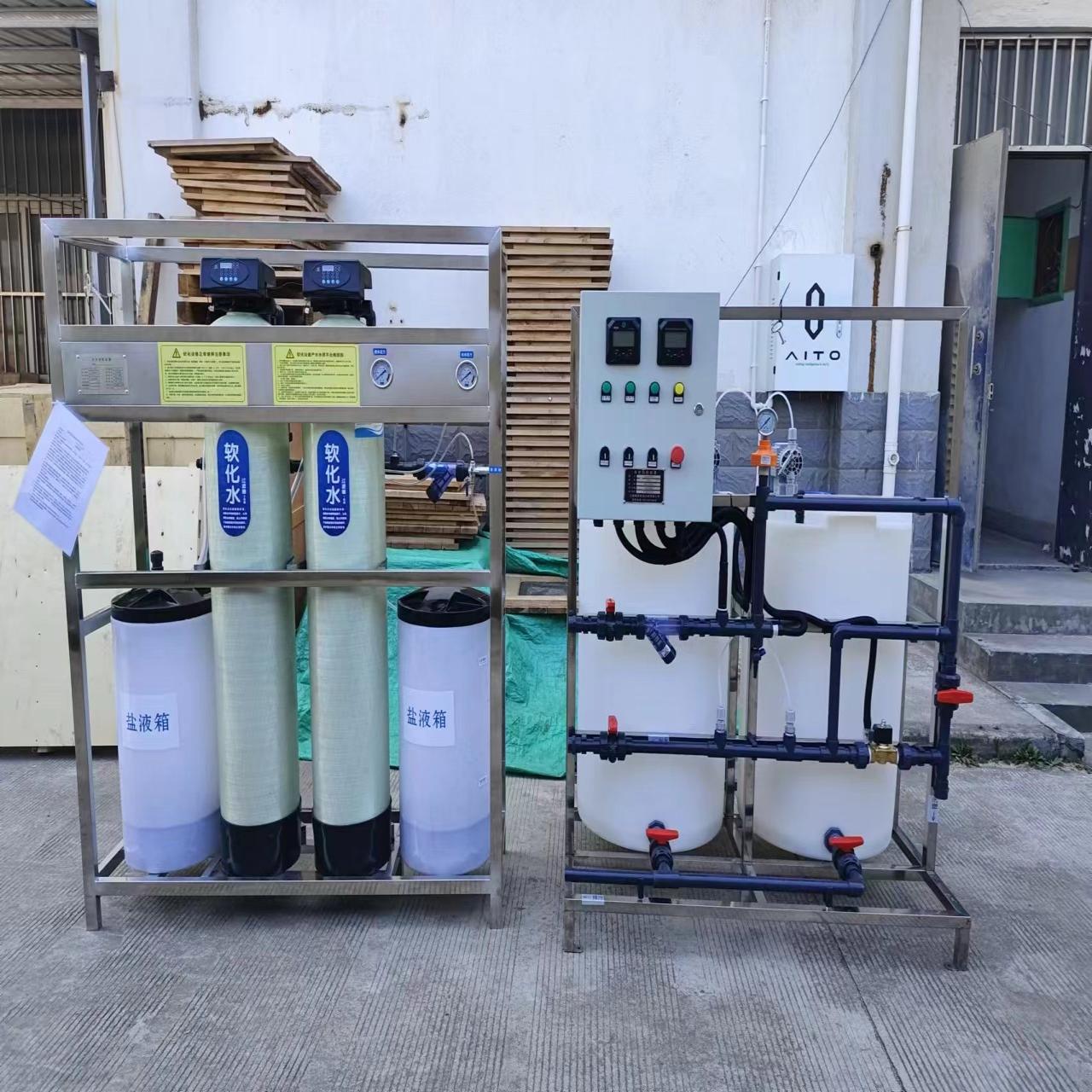
The circulating water system softening, replenishing, sterilizing and dosing device is a special equipment for industrial circulating water treatment....
See Details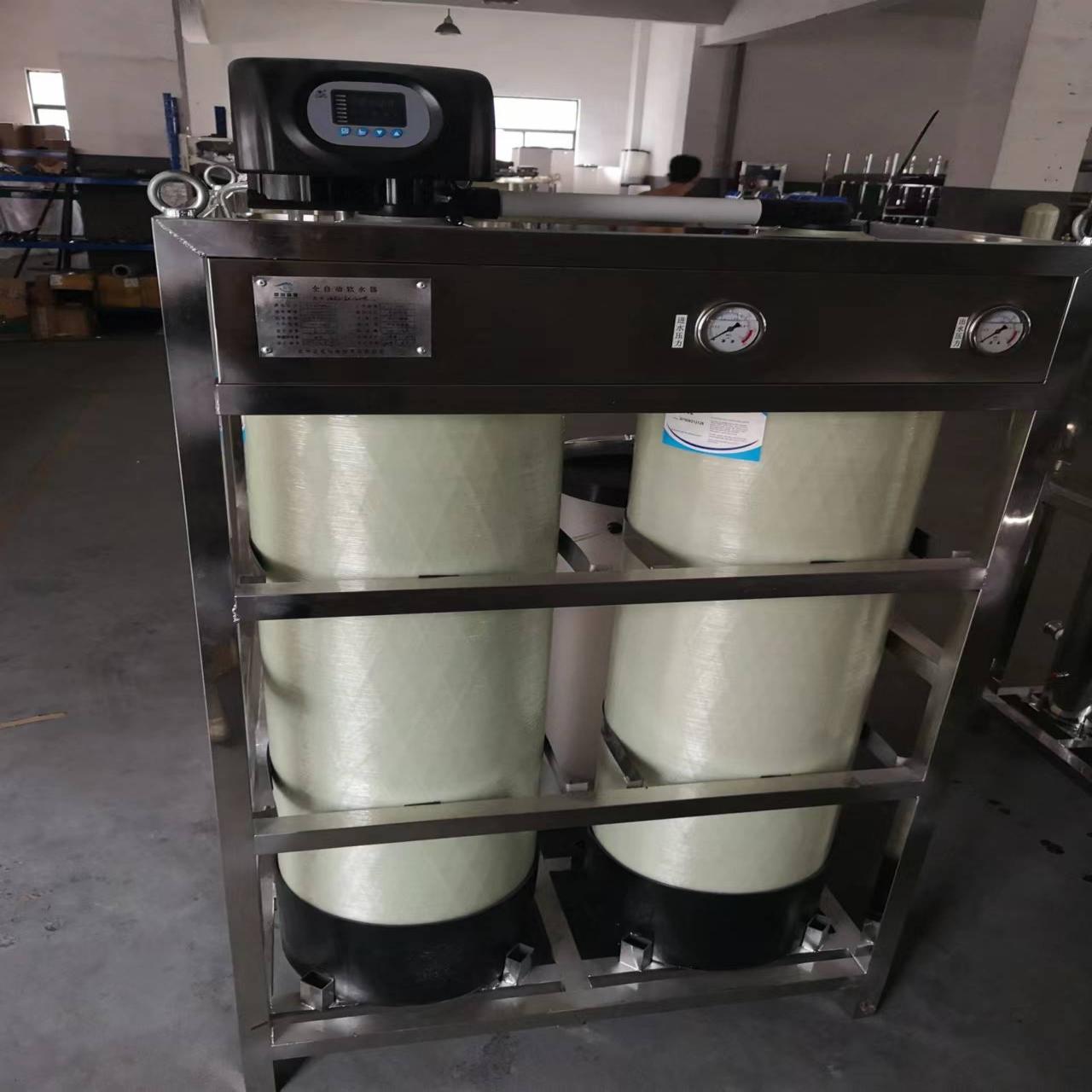
2-ton single valve dual tank, one for use and one for standby is an efficient and stable water treatment equipment. It adopts a single valve dual tank...
See Details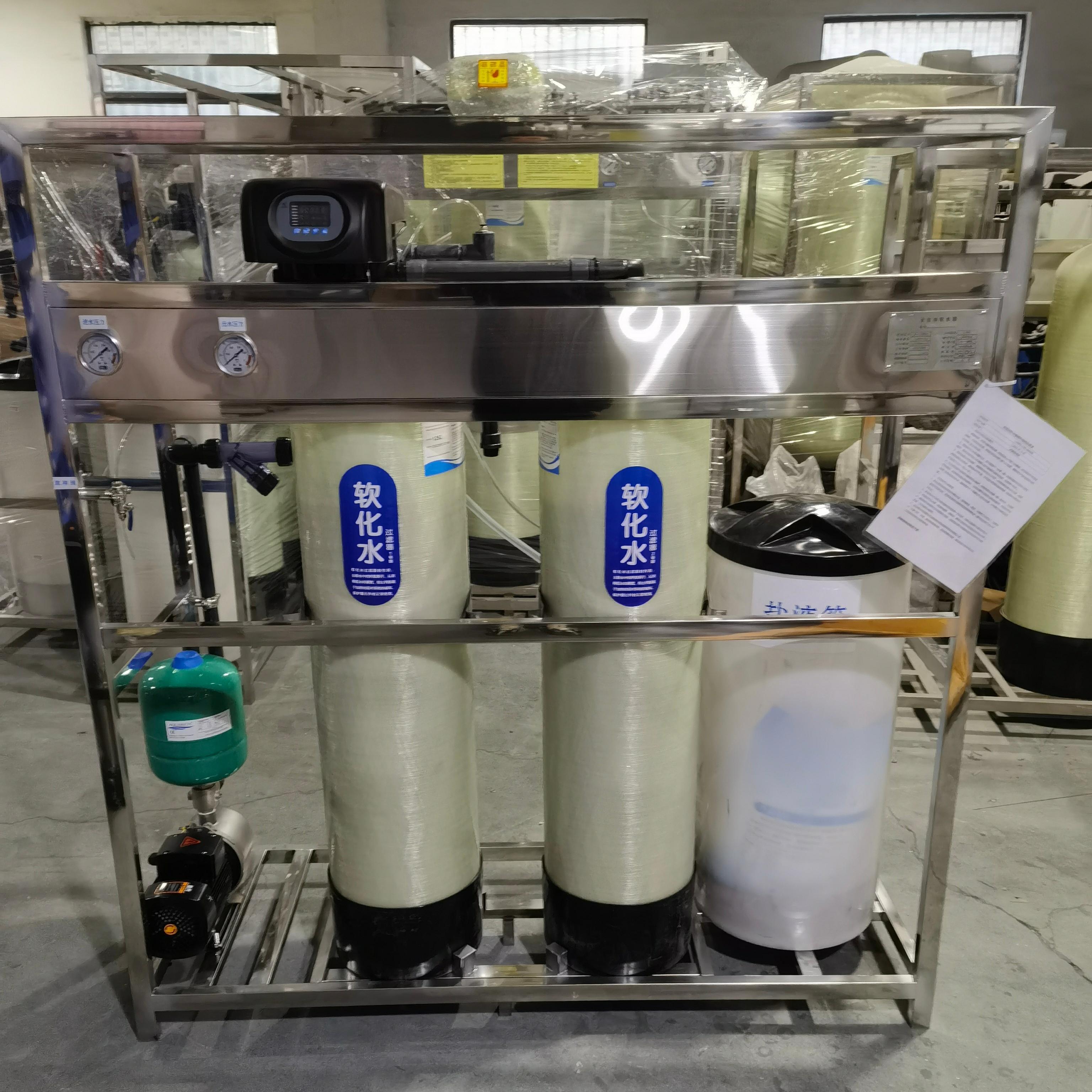
2-ton single valve double tank constant pressure water supply tank, one for use and one for standby is a high-efficiency water treatment equipment, wh...
See Details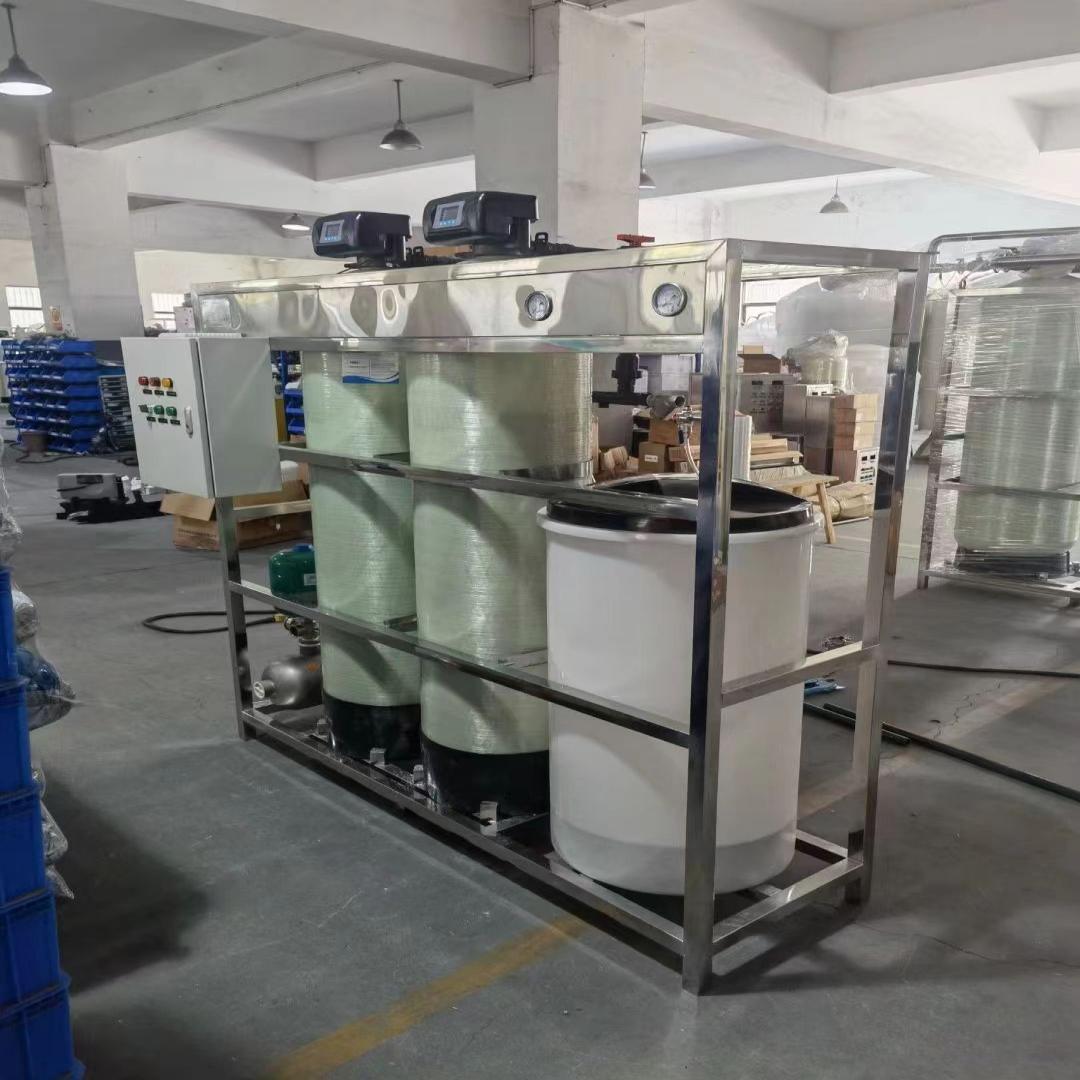
The 4-ton dual-valve dual-tank live box is an efficient water treatment equipment designed for industrial and commercial water treatment systems. The ...
See Details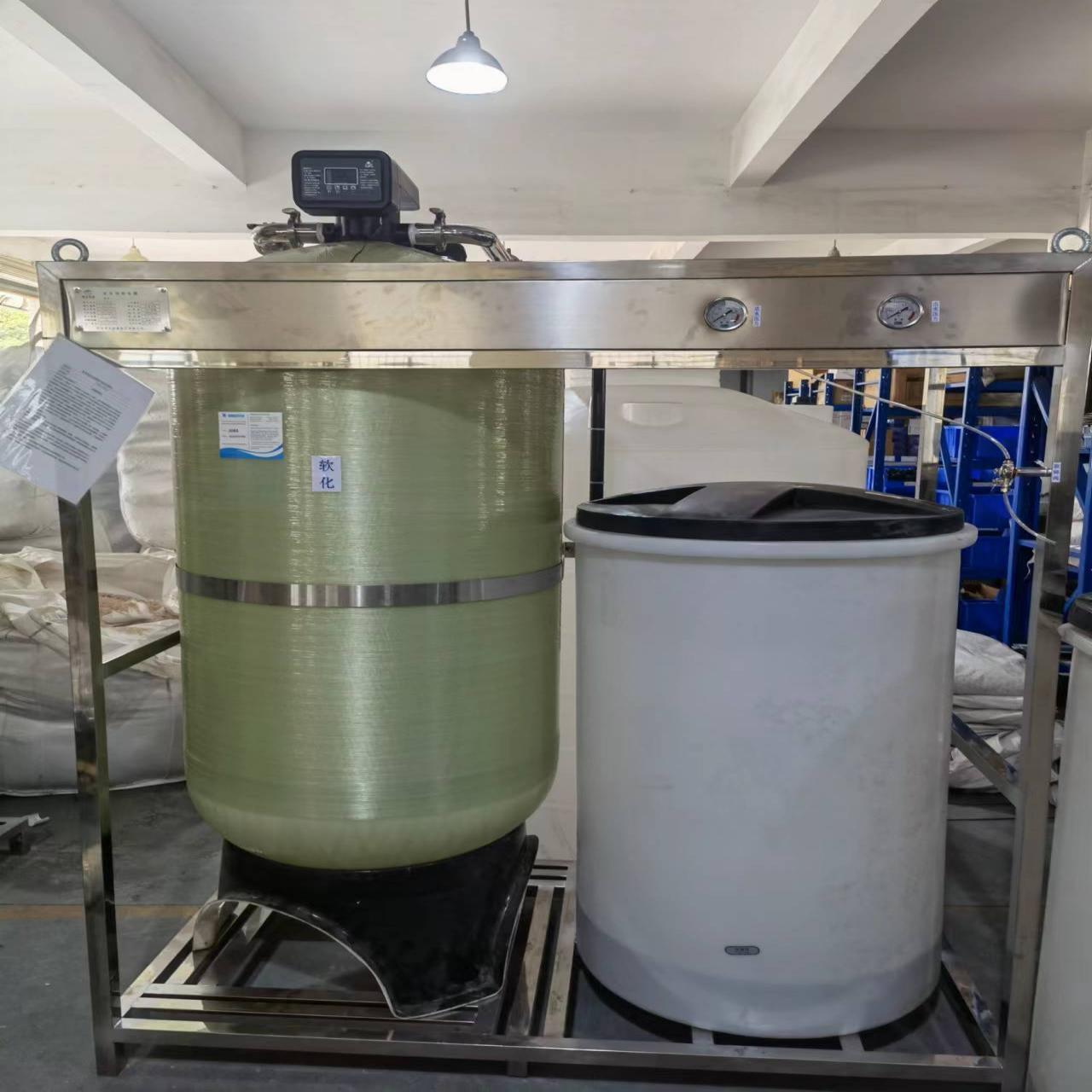
6-8 ton single tank is a water treatment equipment with moderate capacity, designed for occasions that require large water treatment. The equipment ad...
See Details
+86-13396595772
[email protected]
[email protected]
[email protected]
[email protected]
Room 508, Xingyuncheng, No.15 Xingling Street, Xingqiao Street, Linping District, Hangzhou City, Zhejiang Province.
Copyright ©2024 Hangzhou Roushui Environmental Protection Technology Co., Ltd. All Rights Reserved. Custom Industrial Civil Water Treatment Purification Equipment Manufacturers
