
 English
 Español
 عربى
عربىCat:UF Membrane
In the field of industrial water purification, strict quality standards are required. In response to this challenge, a membrane filter with a PVDF str...
See DetailsService hotline: +86-13396595772


A constant pressure water supply device operates through a closed-loop control system that continuously monitors and adjusts water pressure. The pressure sensor, installed on the discharge pipeline, measures system pressure in real-time (typically 1–10 bar depending on application). The controller compares this measured pressure against the setpoint — the desired pressure value programmed into the system. When demand increases (e.g., multiple taps opened), the pressure drops; the controller responds by increasing the pump speed via the variable frequency drive (VFD). When demand decreases, the controller reduces pump speed or stops the pump if pressure exceeds the setpoint. A constant pressure water supply device with PID (Proportional-Integral-Derivative) control algorithms achieves pressure accuracy within ±0.5 bar, ensuring stable water delivery across varying demand conditions. The system also includes sleep mode, which stops the pump during zero-demand periods and automatically restarts when pressure drops below the setpoint.
A constant pressure water supply device integrates several key components that work together to deliver reliable performance. The pump(s) — typically centrifugal pumps — provide the hydraulic power, with materials selected based on water quality and temperature (cast iron for clean water, stainless steel for corrosive or potable water). The variable frequency drive (VFD) controls motor speed by varying the frequency and voltage supplied to the motor, enabling smooth acceleration and deceleration. The controller (PLC or dedicated control board) manages the system logic, including PID control, fault detection, and communication. The pressure tank (diaphragm or bladder type) dampens pressure fluctuations and prevents pump cycling during small demand changes. The manifold and valve system distributes water and provides isolation for maintenance. Each component must be matched to the system's flow and pressure requirements for optimal performance.
Constant pressure water supply devices are available in single-pump and multi-pump configurations to match different flow requirements and provide redundancy. Single-pump systems are suitable for applications with relatively constant demand or where flow requirements are within the pump's operating range — typically residential and small commercial applications. Multi-pump systems (2–6 pumps) offer several advantages: improved energy efficiency by operating pumps at optimal speeds; redundancy in case of pump failure; and the ability to meet peak demand without oversizing the system. In multi-pump configurations, the controller manages pump sequencing — starting and stopping pumps as demand changes to maintain efficiency. Lead-lag operation alternates the primary pump to distribute wear evenly. During low demand, the controller may run a single pump; during peak demand, all pumps may be required. This configuration reduces energy consumption by 10–30% compared to single-pump systems at high flow rates.
Selecting the right constant pressure water supply device requires understanding critical performance parameters. Flow capacity, measured in cubic metres per hour (m³/h) or litres per second, must match the peak demand of the application — residential systems typically require 2–10 m³/h, while industrial systems can exceed 100 m³/h. Pressure range (typically 2–10 bar) must be sufficient for the building height and distribution requirements — each 10 metres of building height requires approximately 1 bar of pressure. Pump power, measured in kilowatts, determines energy consumption; motors range from 0.75–75 kW depending on the application. Control accuracy (±0.5 bar) ensures stable pressure delivery. The VFD operating range (typically 10–60 Hz) determines the speed range and turndown ratio. Communication protocols — Modbus, BACnet, or proprietary — affect integration with building management systems.
Proper installation and regular maintenance ensure the reliability and efficiency of a constant pressure water supply device. The system should be installed in a clean, dry, and well-ventilated location with adequate access for maintenance. The foundation must be level and capable of supporting the system weight. Piping should be supported independently to avoid stress on the pump flanges. Electrical supply must match the VFD and motor requirements, with appropriate protection and grounding. Commissioning includes pressure setpoint configuration, PID tuning, and alarm testing. Regular maintenance includes checking pressure sensor calibration (annually), inspecting VFD cooling fans and filters (quarterly), verifying pump seal integrity and bearing condition (annually), and testing control system functions. Monitoring system performance data — pressure, flow, power consumption — identifies developing issues before they cause failure. With proper maintenance, a constant pressure water supply device operates reliably for 10–15 years.
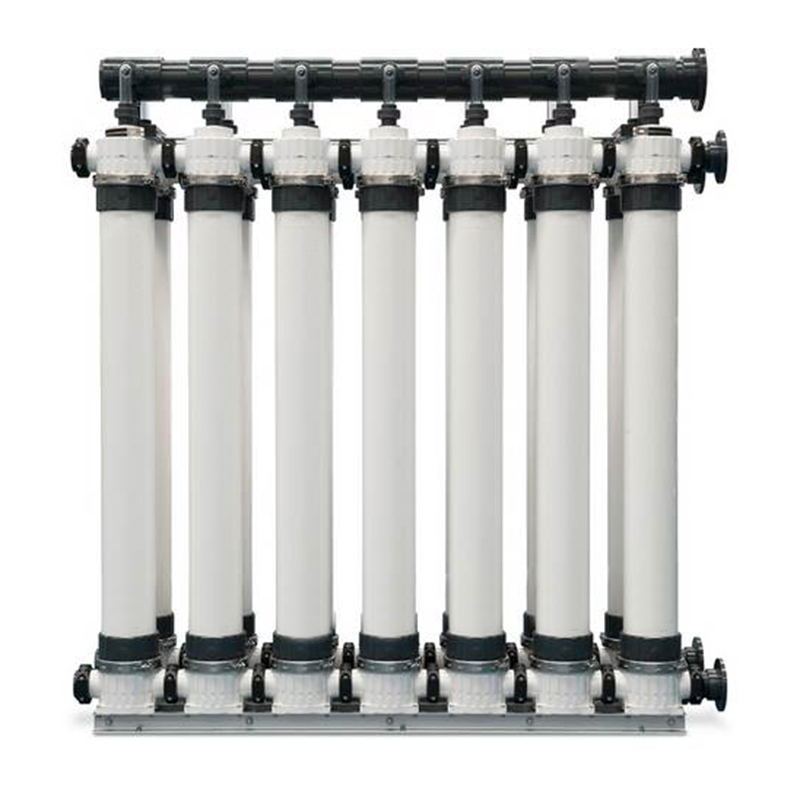
In the field of industrial water purification, strict quality standards are required. In response to this challenge, a membrane filter with a PVDF str...
See Details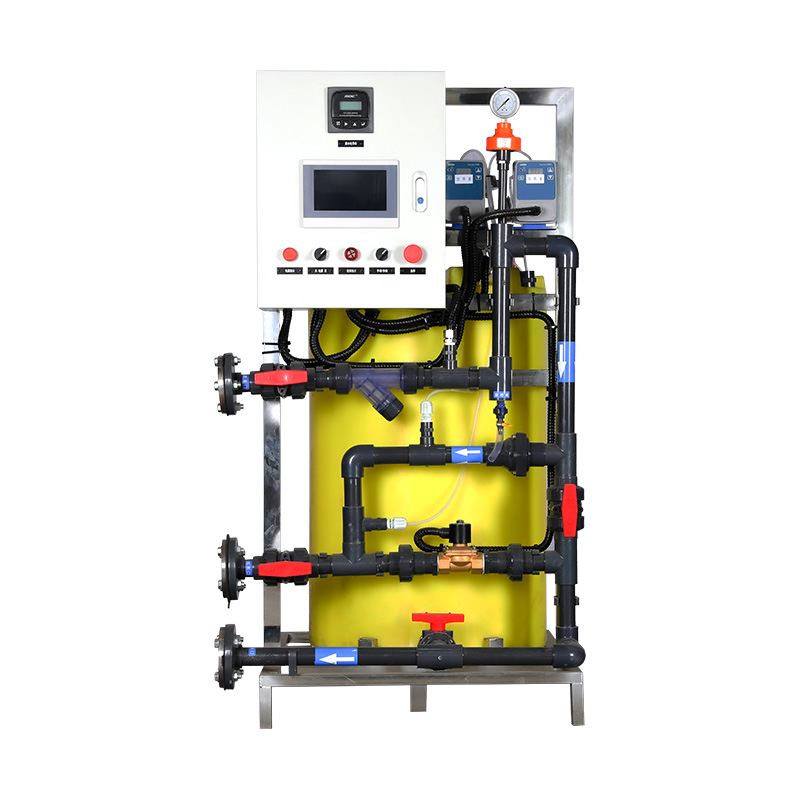
The dosing system is a device that integrates dosing, stirring, liquid transportation, and automatic control. It is mainly used in power plant raw wat...
See Details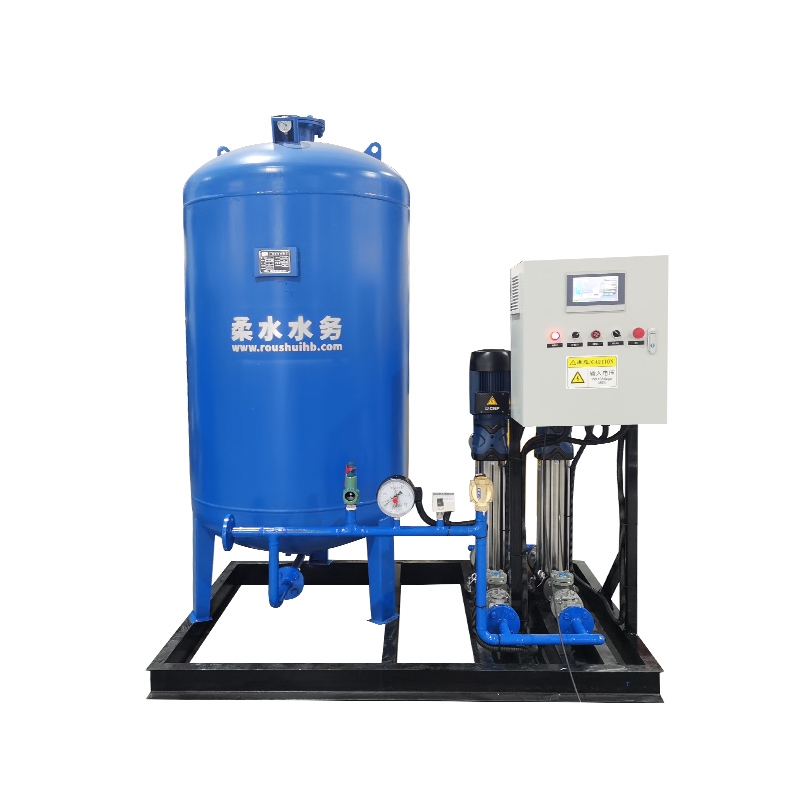
The constant pressure water replenishment device is a device used to maintain the stability of the water system pressure. It is mainly used in systems...
See Details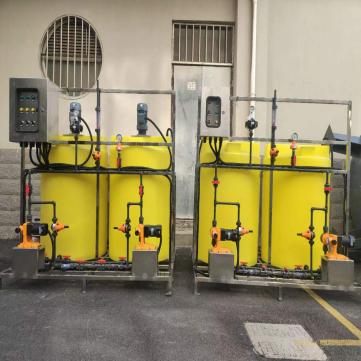
The PAC PAM dosing device is a device used to automatically add polyaluminium chloride (PAC) and polyacrylamide (PAM) during water treatment. The devi...
See Details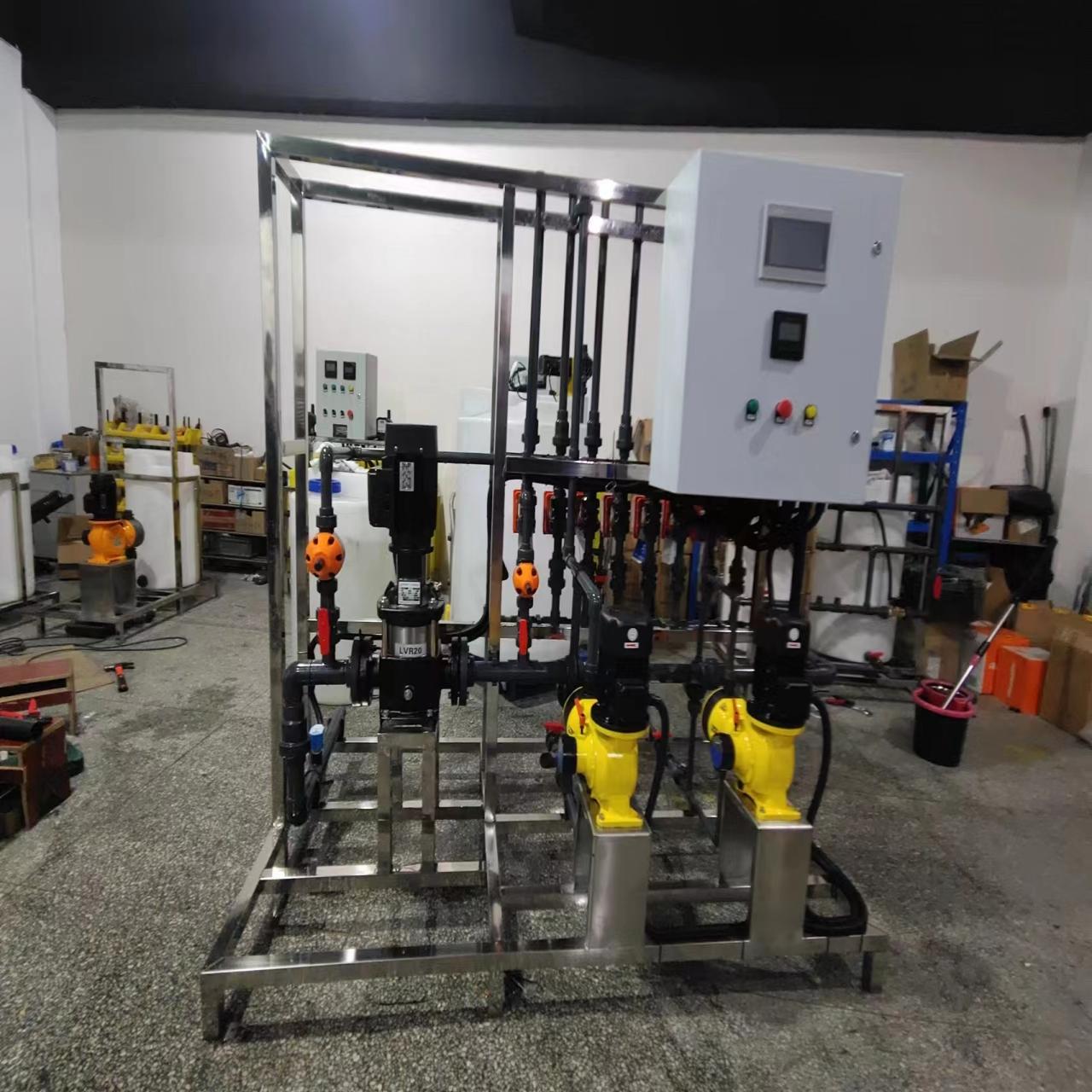
The acid-base neutralization and dosing device is a device used in the fields of industry, environmental protection and water treatment, mainly used t...
See Details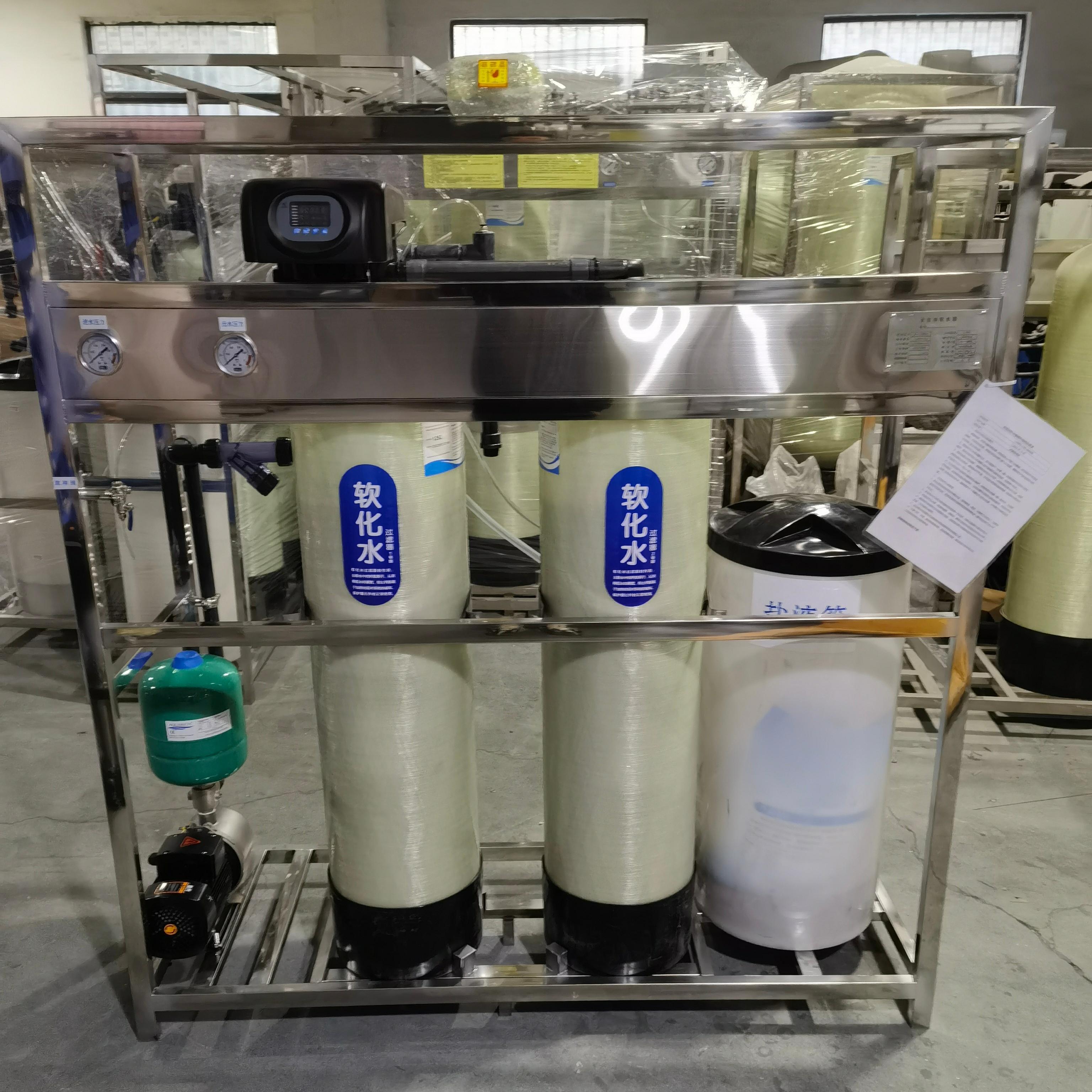
2-ton single valve double tank constant pressure water supply tank, one for use and one for standby is a high-efficiency water treatment equipment, wh...
See Details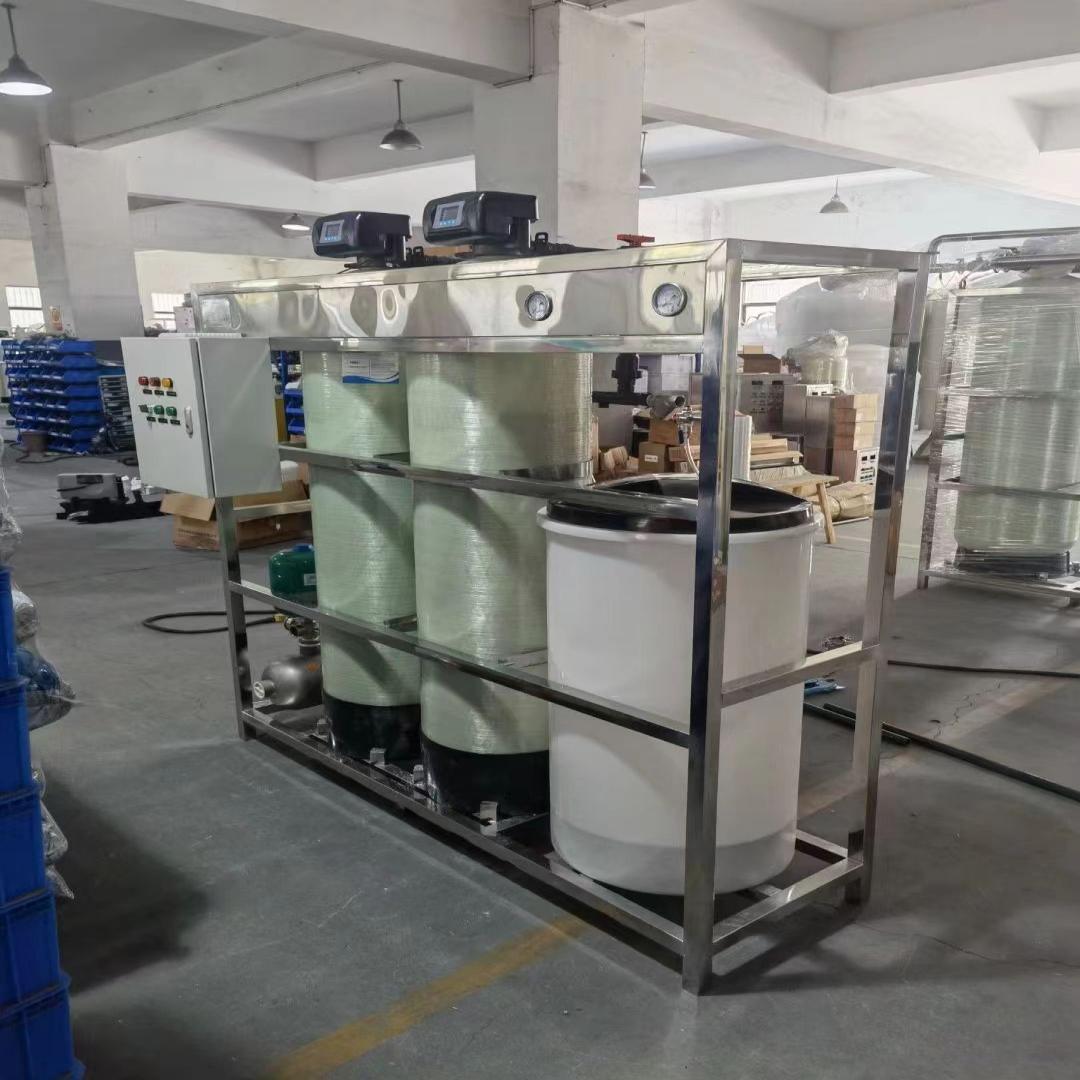
The 4-ton dual-valve dual-tank live box is an efficient water treatment equipment designed for industrial and commercial water treatment systems. The ...
See Details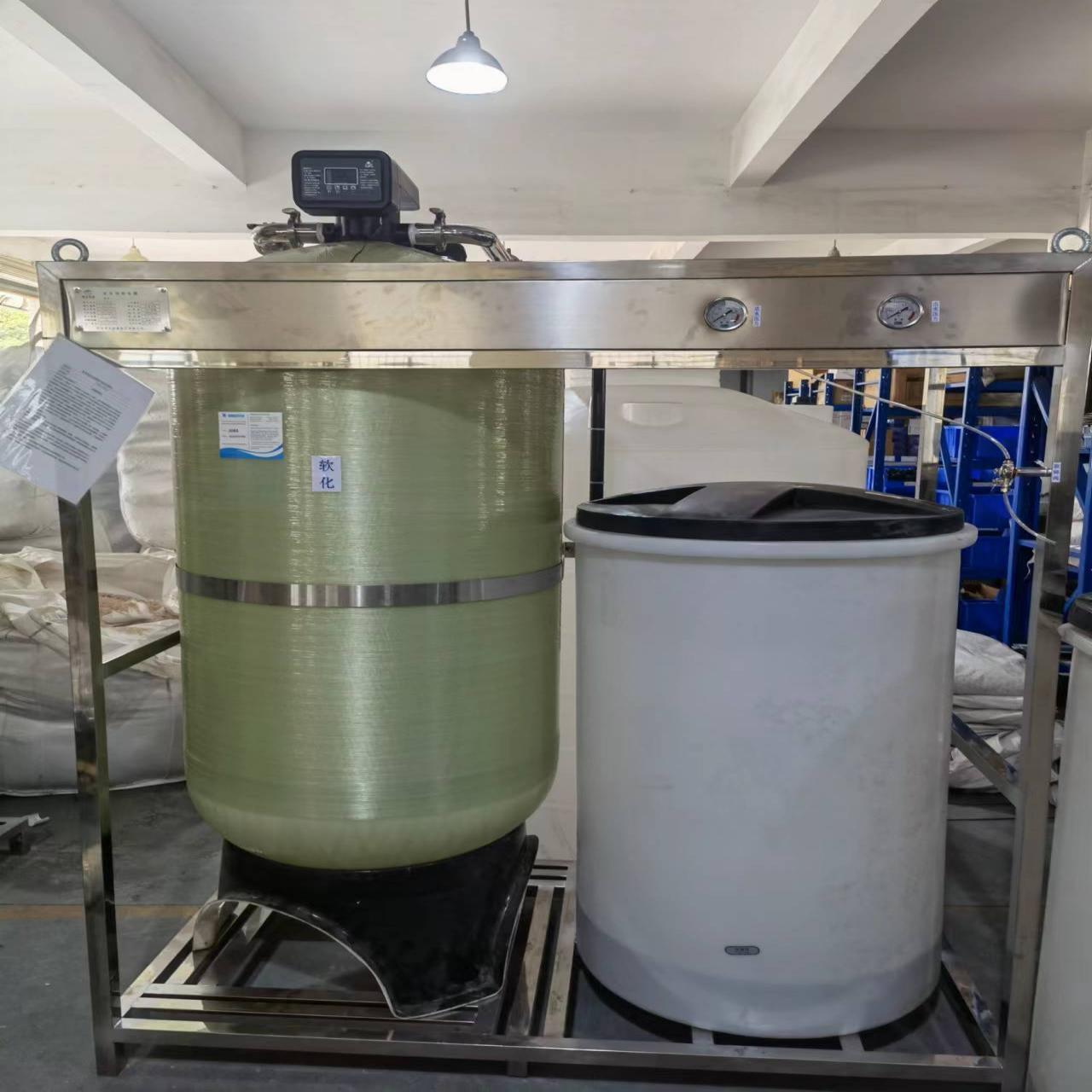
6-8 ton single tank is a water treatment equipment with moderate capacity, designed for occasions that require large water treatment. The equipment ad...
See Details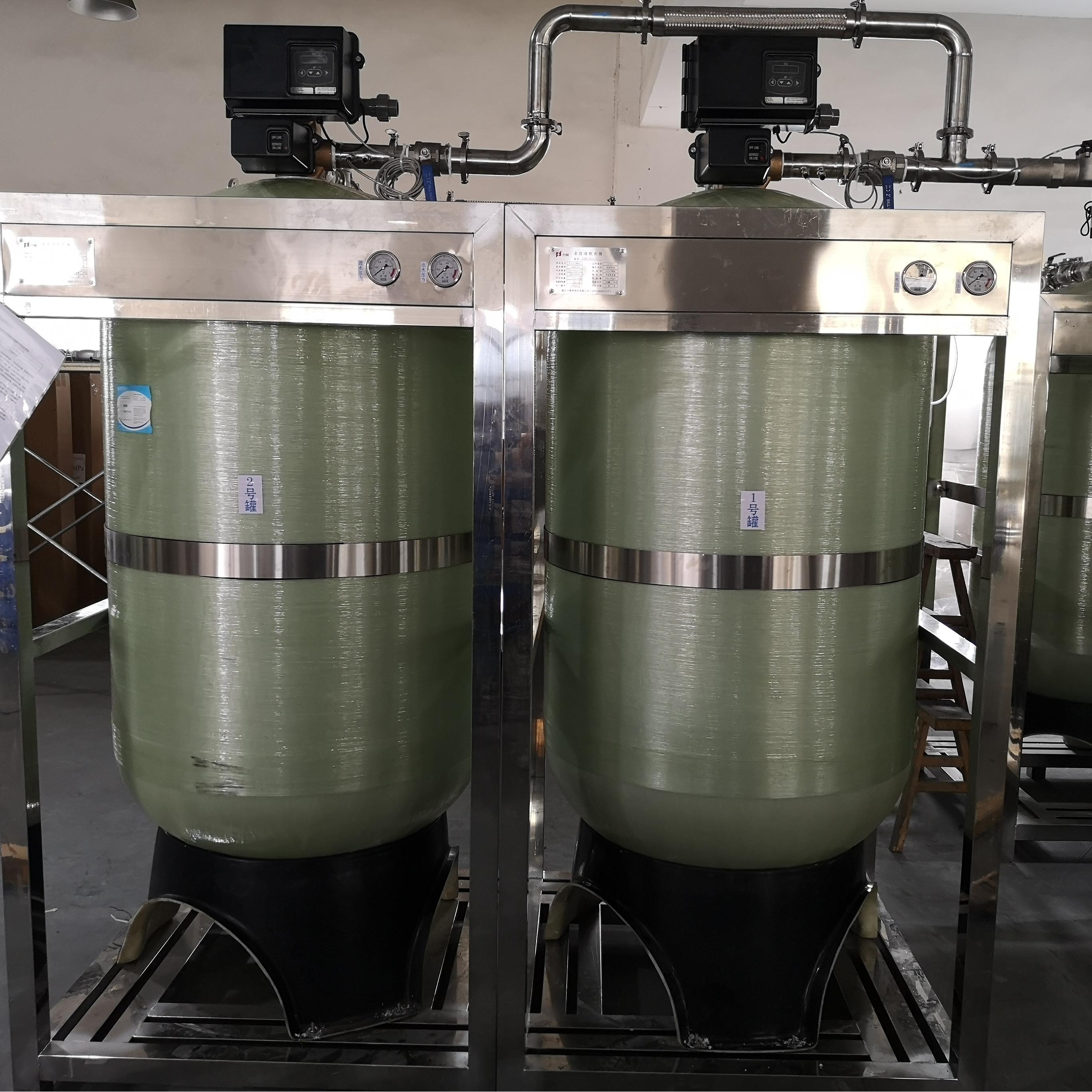
The 16-ton double valve double tank, one for use and one for standby water treatment system is a large-scale water treatment equipment equipped with t...
See Details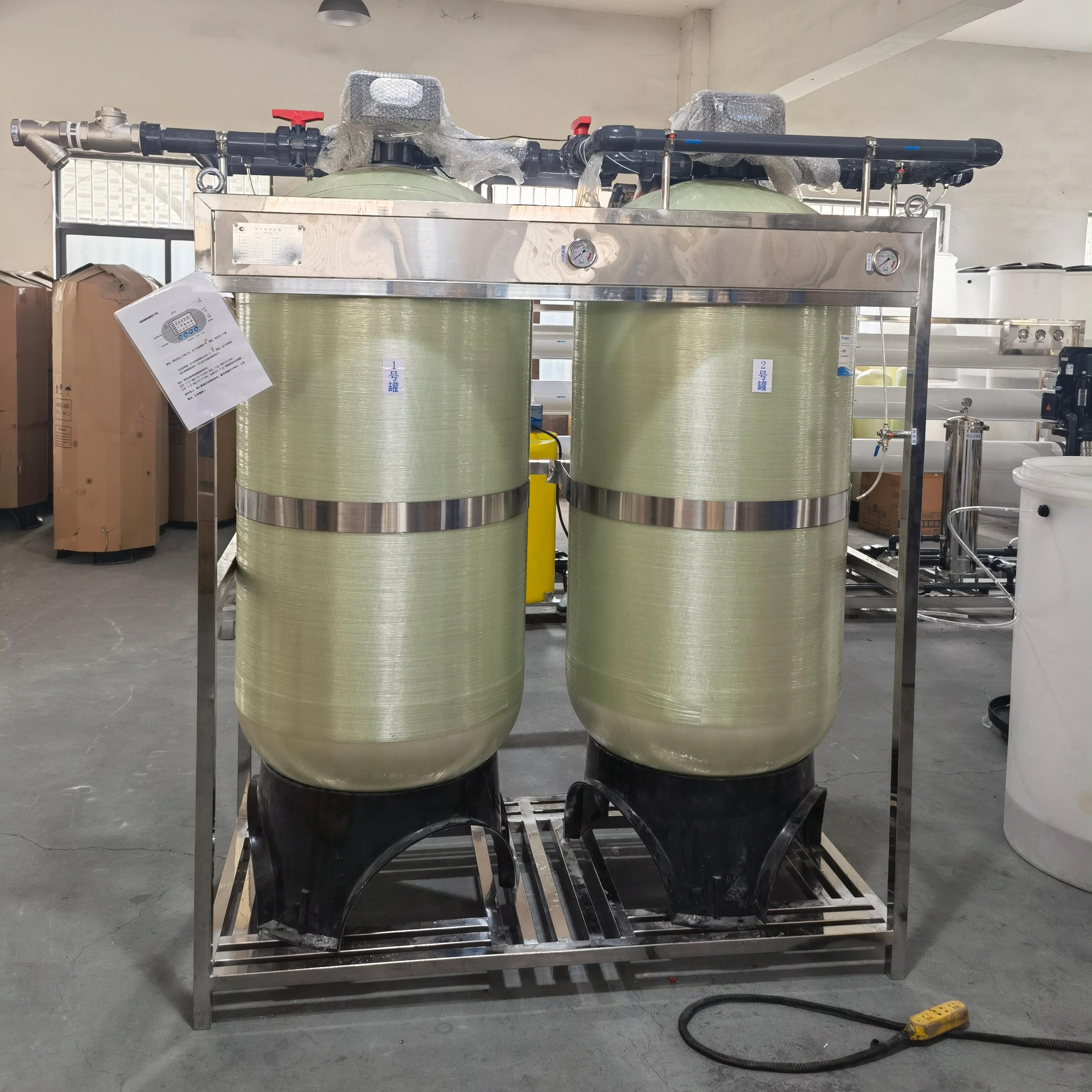
The 10-20 tons double valve double tank continuous water supply system is a high-efficiency equipment suitable for large-scale water treatment project...
See Details
+86-13396595772
[email protected]
[email protected]
[email protected]
[email protected]
Room 508, Xingyuncheng, No.15 Xingling Street, Xingqiao Street, Linping District, Hangzhou City, Zhejiang Province.
Copyright ©2024 Hangzhou Roushui Environmental Protection Technology Co., Ltd. All Rights Reserved. Custom Industrial Civil Water Treatment Purification Equipment Manufacturers
