
 English
 Español
 عربى
عربىCat:Water Softener Systems
Fully automatic water softening equipment is a kind of equipment used to remove the hardness (mainly calcium and magnesium ions) in water and convert ...
See DetailsService hotline: +86-13396595772


Analyze turbidity, TSS, organic content, and microbial load. Each parameter directly influences membrane selection and operating conditions.
Set permeate quality requirements. Virus removal demands 0.02 µm; turbidity removal allows 0.04–0.05 µm. Tighter specs increase capital cost.
Select PVDF for chemical tolerance and durability; PES for higher flux. Match pore size to contaminant removal targets.
The decision between PVDF and PES is the most consequential selection factor for ultrafiltration membranes for water treatment. PVDF offers chlorine tolerance up to 200 ppm, enabling aggressive chemical cleaning that extends membrane life to 7–8 years in challenging wastewater applications. PES provides 30% higher permeability, reducing membrane area requirements and capital cost by 15–25% for clean water applications. However, PES chlorine tolerance is limited to 5 ppm, restricting cleaning options and potentially reducing lifespan to 3–5 years. The economic breakeven point: for feed water with TOC >5 mg/L or chlorine exposure >10 ppm, PVDF's durability justifies its higher cost. For clean groundwater with low fouling potential, PES delivers lower lifecycle costs.
The relationship between pore size and contaminant removal is non-linear. At 0.01 µm, virus removal exceeds 4-log (99.99%) but flux is limited to 50–70 L/m²·h. At 0.02 µm, virus removal drops to 3-log (99.9%) but flux increases to 70–100 L/m²·h — a 30–40% productivity gain for a marginal reduction in removal. At 0.04 µm, virus removal is minimal (1-log) but flux reaches 80–120 L/m²·h, suitable for applications where downstream disinfection handles pathogens. For drinking water without downstream UV, 0.02 µm is the recommended minimum. For RO pretreatment where virus removal is not required, 0.01–0.02 µm is specified for colloidal protection.
Design flux selection directly impacts both capital and operating costs. Higher flux reduces membrane area, lowering capital expenditure by $50–100 per m² of membrane area. However, higher flux increases fouling rate, requiring more frequent cleaning. Cleaning adds chemical costs ($0.02–0.05 per m³ permeate) and downtime (1–2% availability loss). The optimum flux balances these factors. For a 10,000 m³/day plant, increasing flux from 70 to 90 L/m²·h reduces membrane area by 22% (saving $150,000–200,000) but increases annual cleaning costs by $8,000–12,000. The net present value calculation typically favours higher flux when membrane costs exceed $100/m² and chemical costs are below $0.03/m³.
Flow direction and module type affect cleaning effectiveness and solids handling. Inside-out flow allows higher crossflow velocity (0.5–1.5 m/s) for membrane surface scouring, reducing fouling in pressurized systems. Outside-in flow is preferred for submerged systems where gravity provides feed, with air scouring (0.2–0.5 Nm³/h per m² membrane area) used for surface cleaning. Hollow fiber modules dominate the market with packing density of 300–500 m²/m³, compared to 100–200 m²/m³ for flat sheet. For large plants (>10,000 m³/day), hollow fiber provides significant space savings. For small systems (<1,000 m³/day), flat sheet offers easier inspection and maintenance.
Cleaning strategy varies significantly by application. Drinking water systems typically require backwashing every 30–60 minutes with chemically enhanced backwash (CEB) every 1–3 days. Wastewater systems need more frequent cleaning — backwashing every 20–40 minutes and CEB every 1–2 days. Recovery cleaning with 200–500 ppm NaOCl is performed every 2–8 weeks for drinking water and 1–4 weeks for wastewater. PVDF membranes tolerate up to 1000 ppm NaOCl and pH 2–12, enabling aggressive cleaning that restores 95–100% of initial flux. PES membranes are limited to 200 ppm NaOCl and pH 3–10, typically achieving 85–95% flux recovery. The cleaning protocol should be specified by the manufacturer and validated through pilot testing.
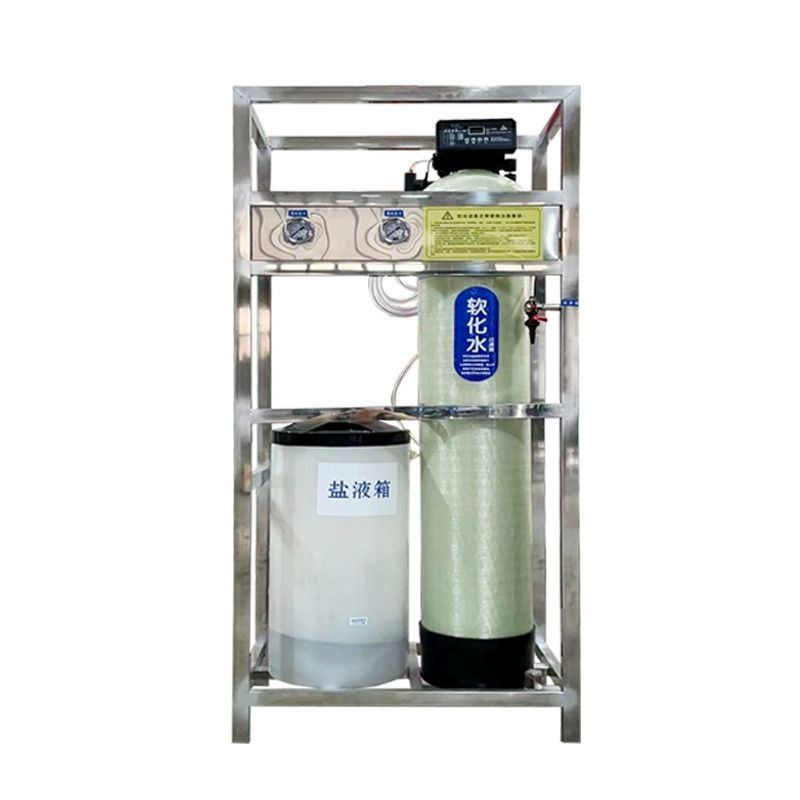
Fully automatic water softening equipment is a kind of equipment used to remove the hardness (mainly calcium and magnesium ions) in water and convert ...
See Details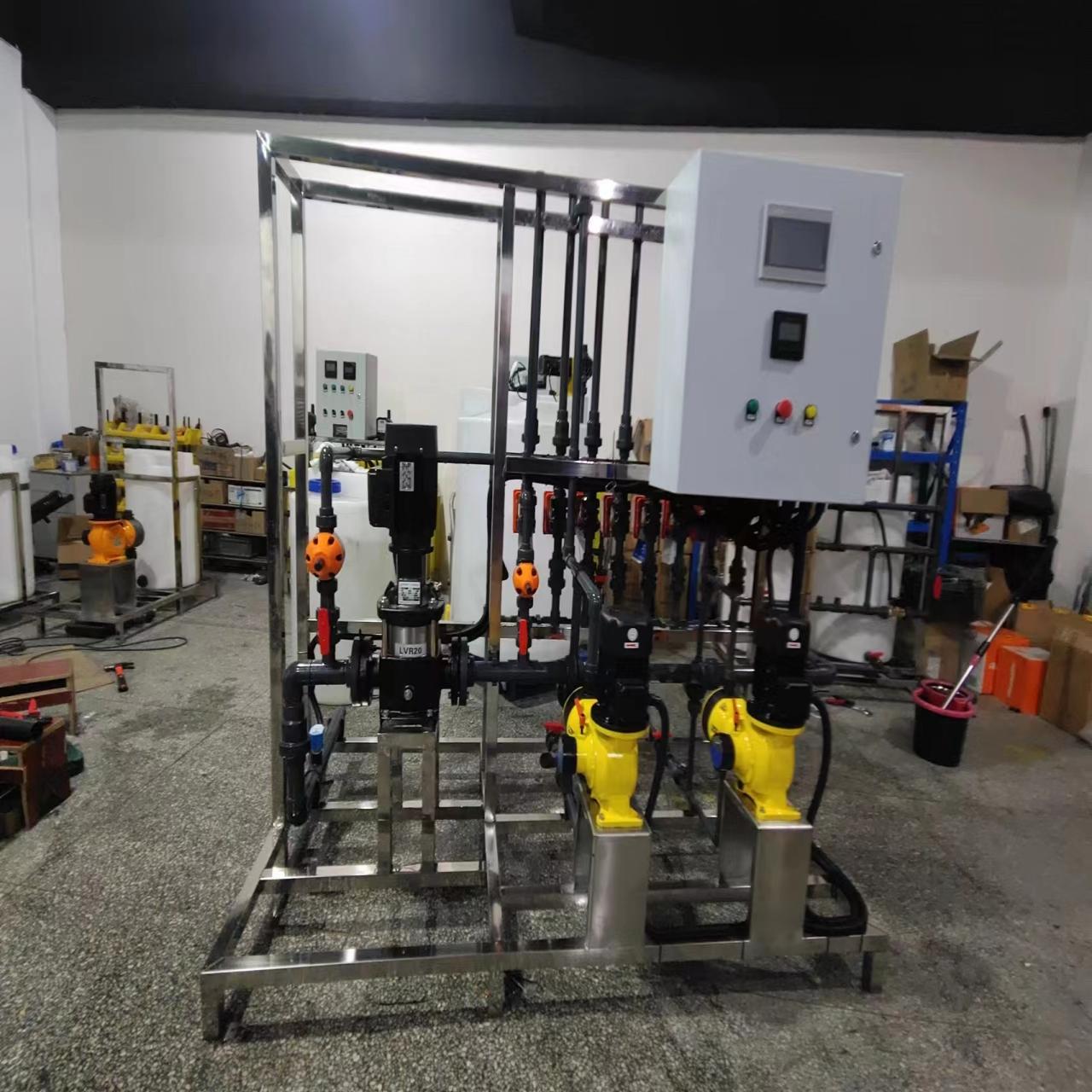
The acid-base neutralization and dosing device is a device used in the fields of industry, environmental protection and water treatment, mainly used t...
See Details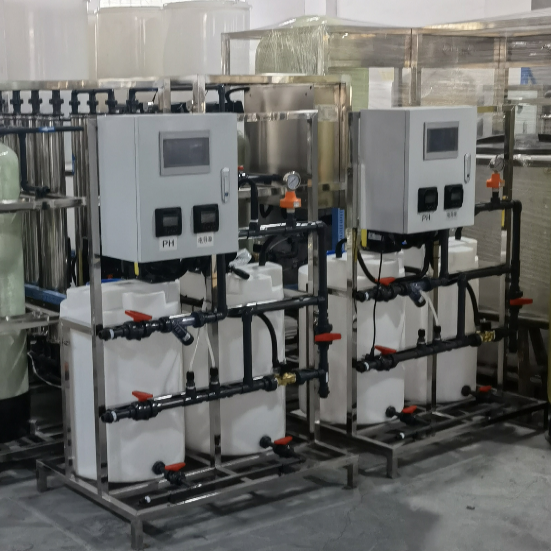
Scale-inhibiting and sterilizing PLC system circulating water dosing device is an efficient dosing device designed for circulating water system. It is...
See Details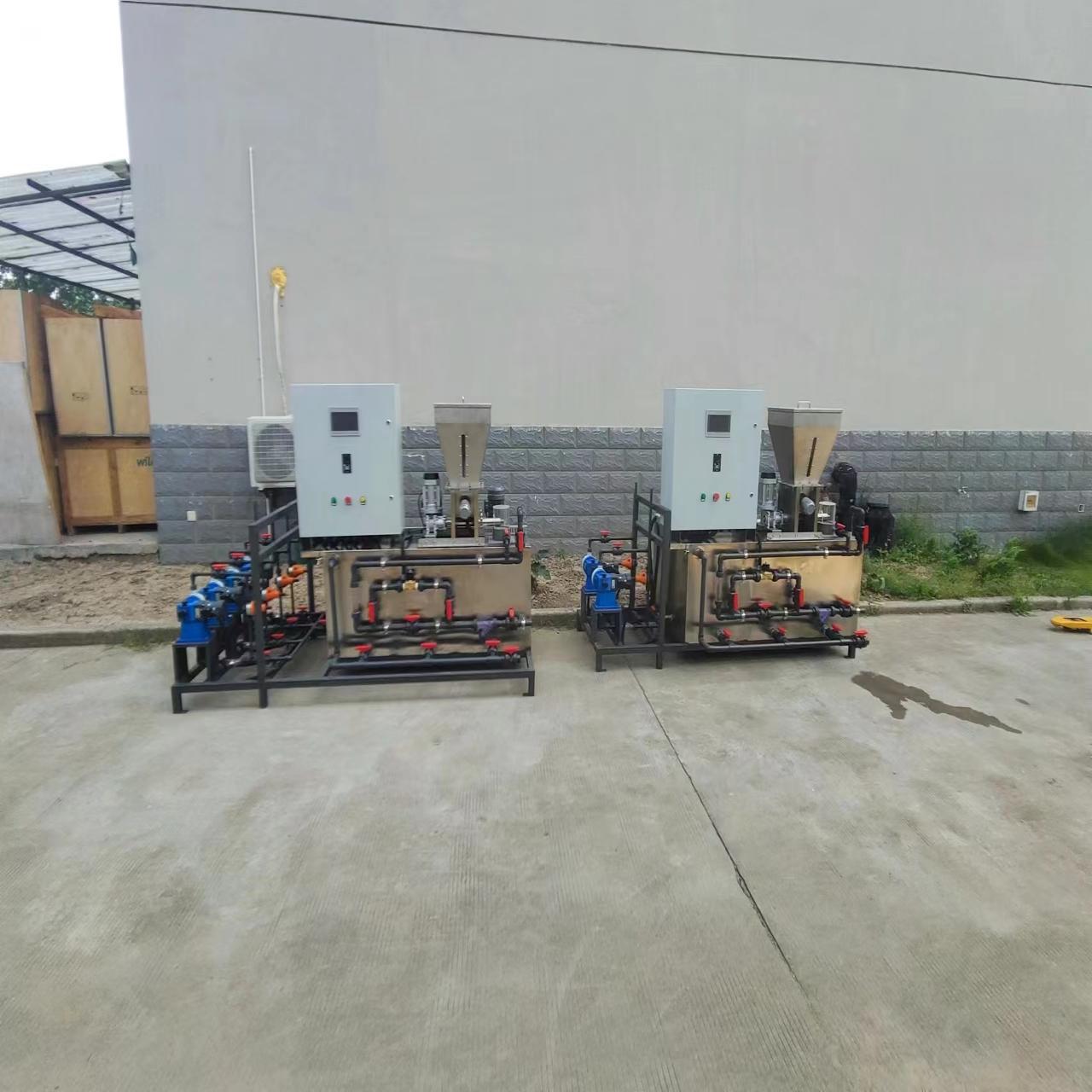
The integrated PAC PAM dosing device is an integrated water treatment equipment, which is specially used for adding agents such as polyaluminium chlor...
See Details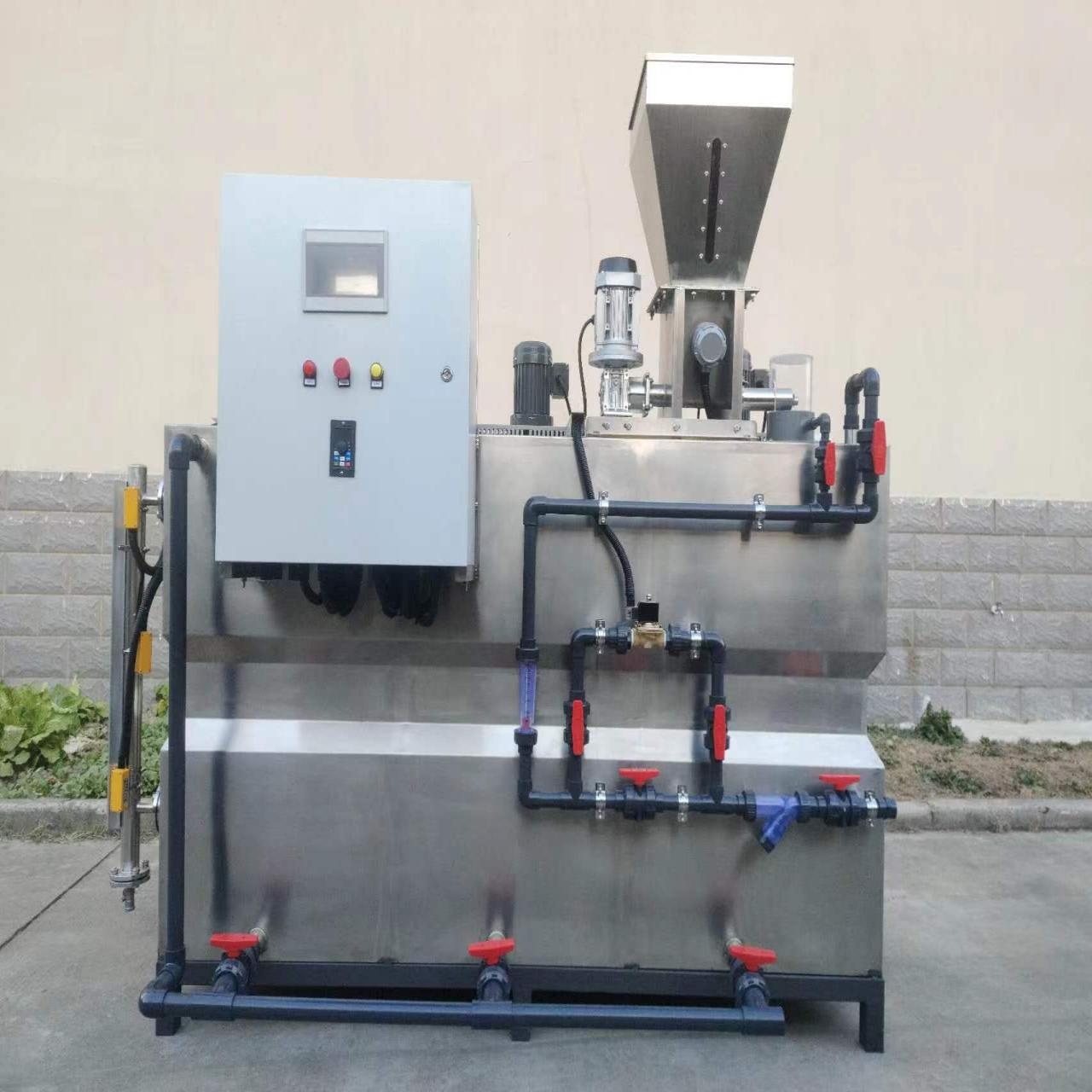
The integrated medicine soaking machine dosing device is a device designed specifically for the water treatment field, mainly used for efficient disso...
See Details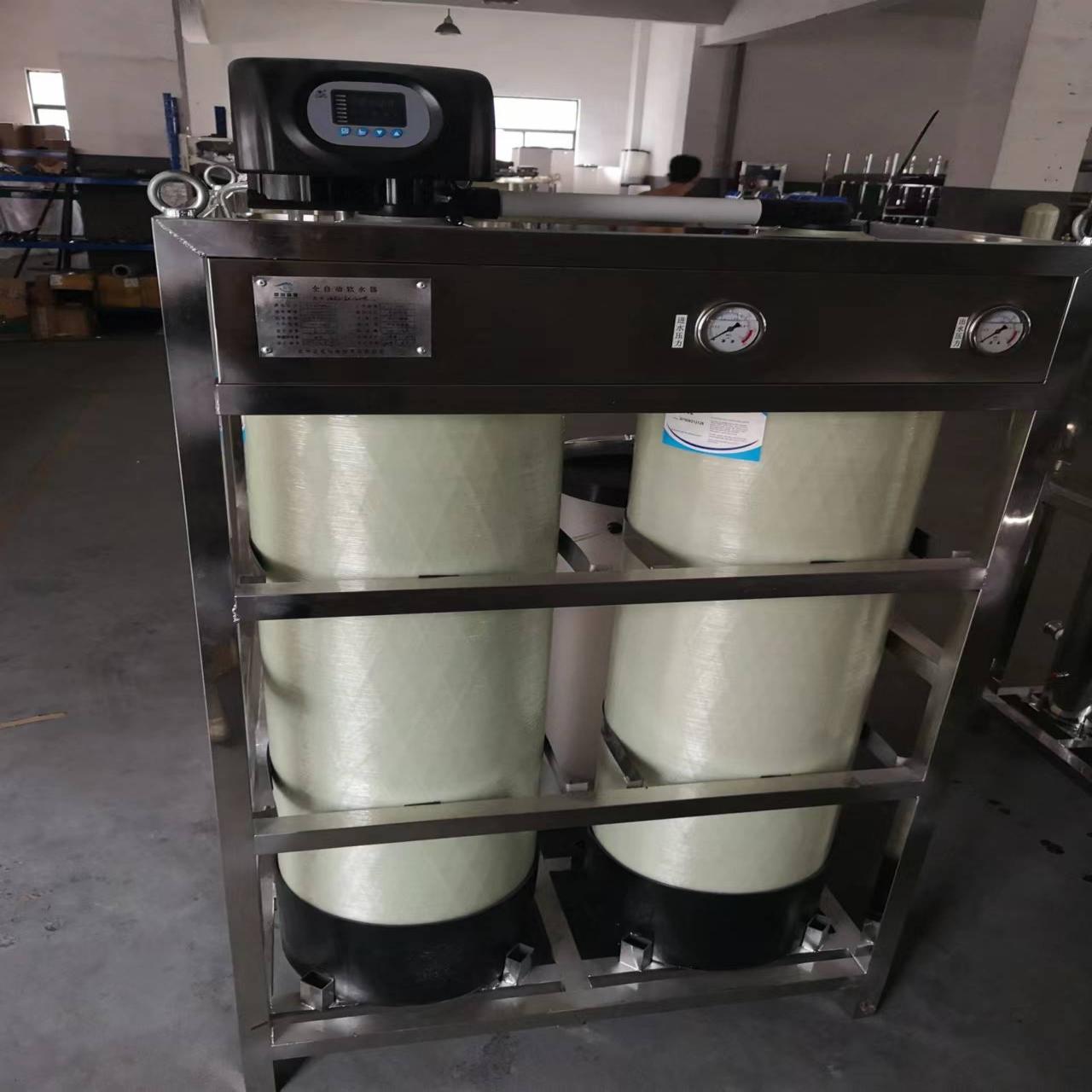
2-ton single valve dual tank, one for use and one for standby is an efficient and stable water treatment equipment. It adopts a single valve dual tank...
See Details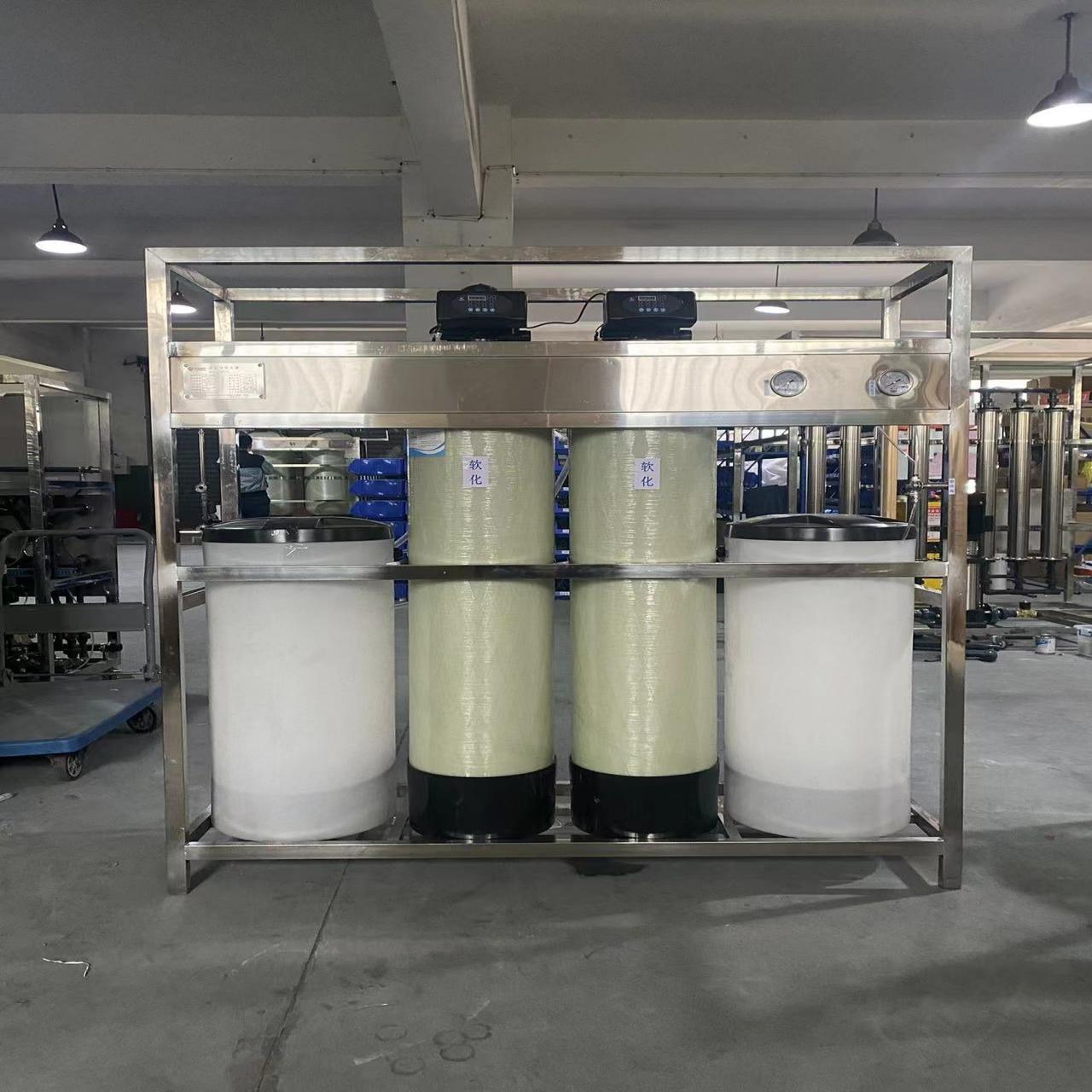
The 2-ton dual-valve dual-tank continuous water supply system is a device for medium-sized water treatment and water supply. It adopts a dual-tank des...
See Details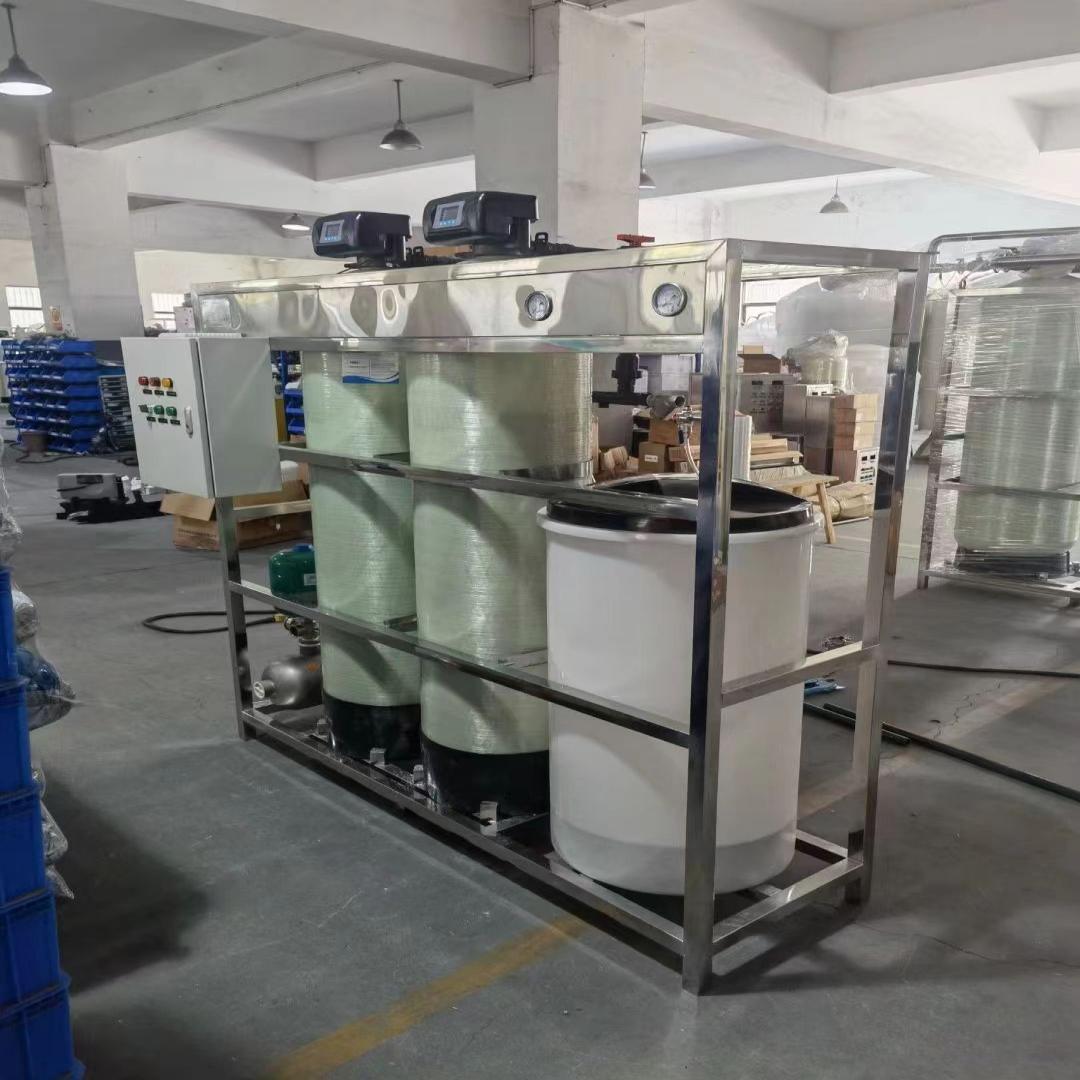
The 4-ton dual-valve dual-tank live box is an efficient water treatment equipment designed for industrial and commercial water treatment systems. The ...
See Details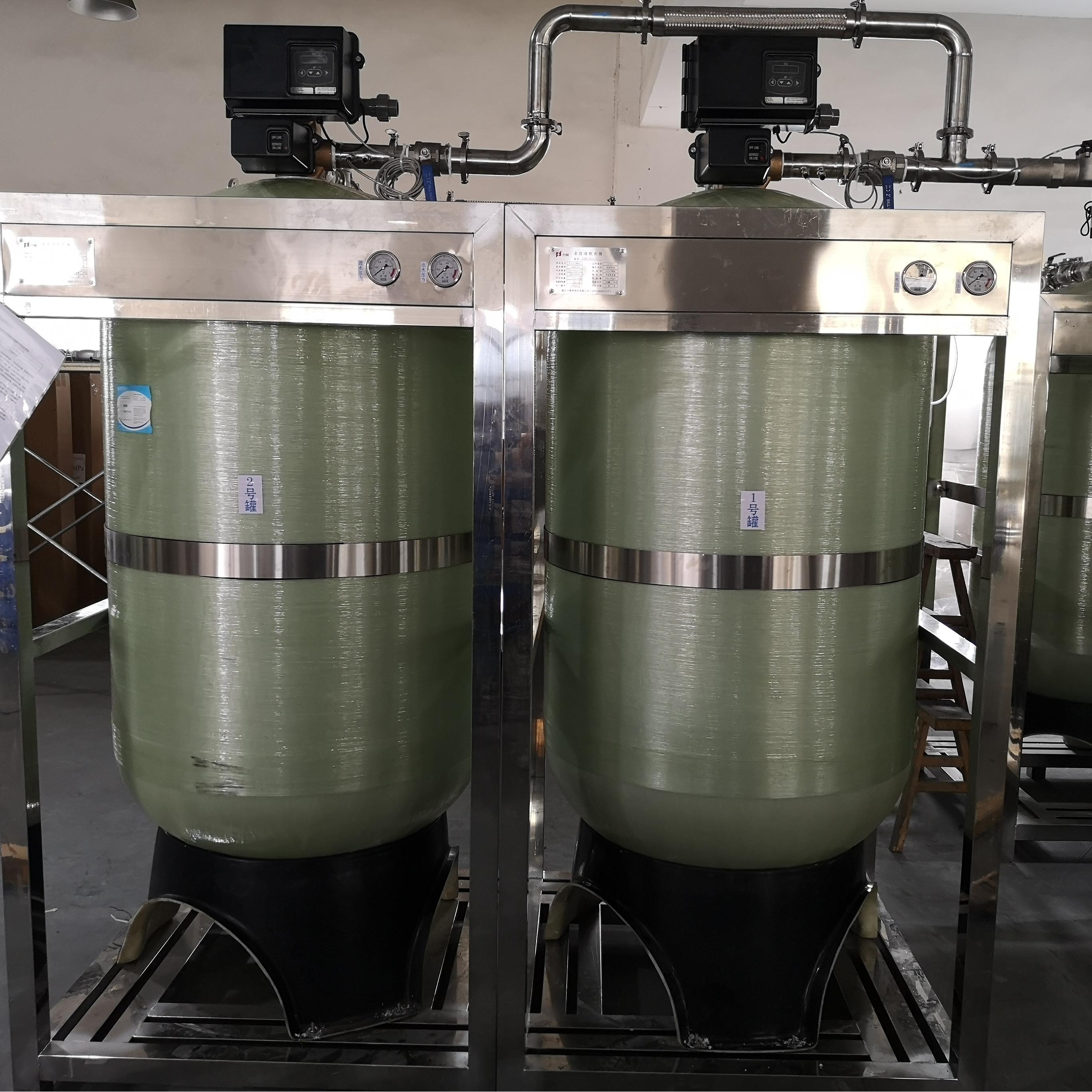
The 16-ton double valve double tank, one for use and one for standby water treatment system is a large-scale water treatment equipment equipped with t...
See Details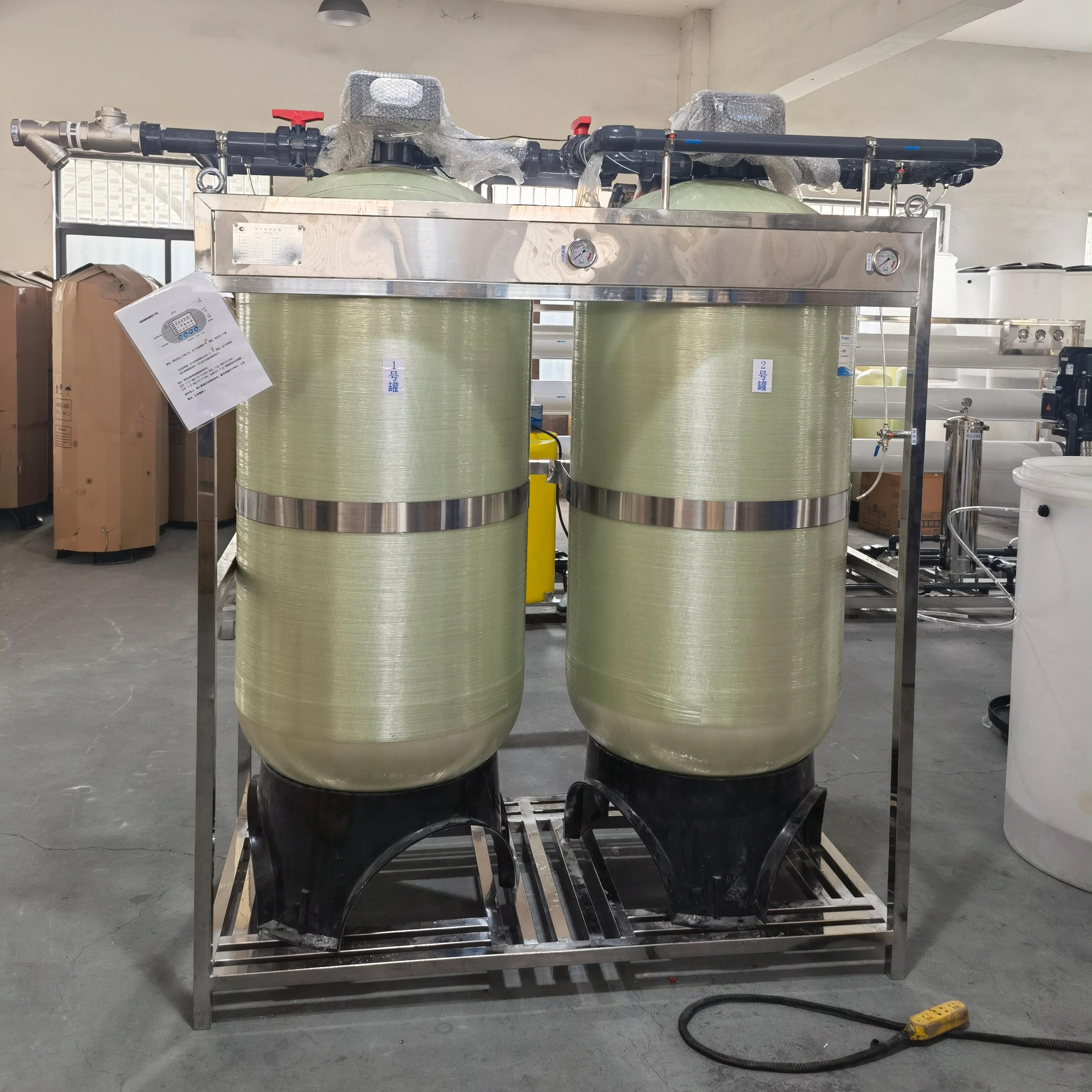
The 10-20 tons double valve double tank continuous water supply system is a high-efficiency equipment suitable for large-scale water treatment project...
See Details
+86-13396595772
[email protected]
[email protected]
[email protected]
[email protected]
Room 508, Xingyuncheng, No.15 Xingling Street, Xingqiao Street, Linping District, Hangzhou City, Zhejiang Province.
Copyright ©2024 Hangzhou Roushui Environmental Protection Technology Co., Ltd. All Rights Reserved. Custom Industrial Civil Water Treatment Purification Equipment Manufacturers
